
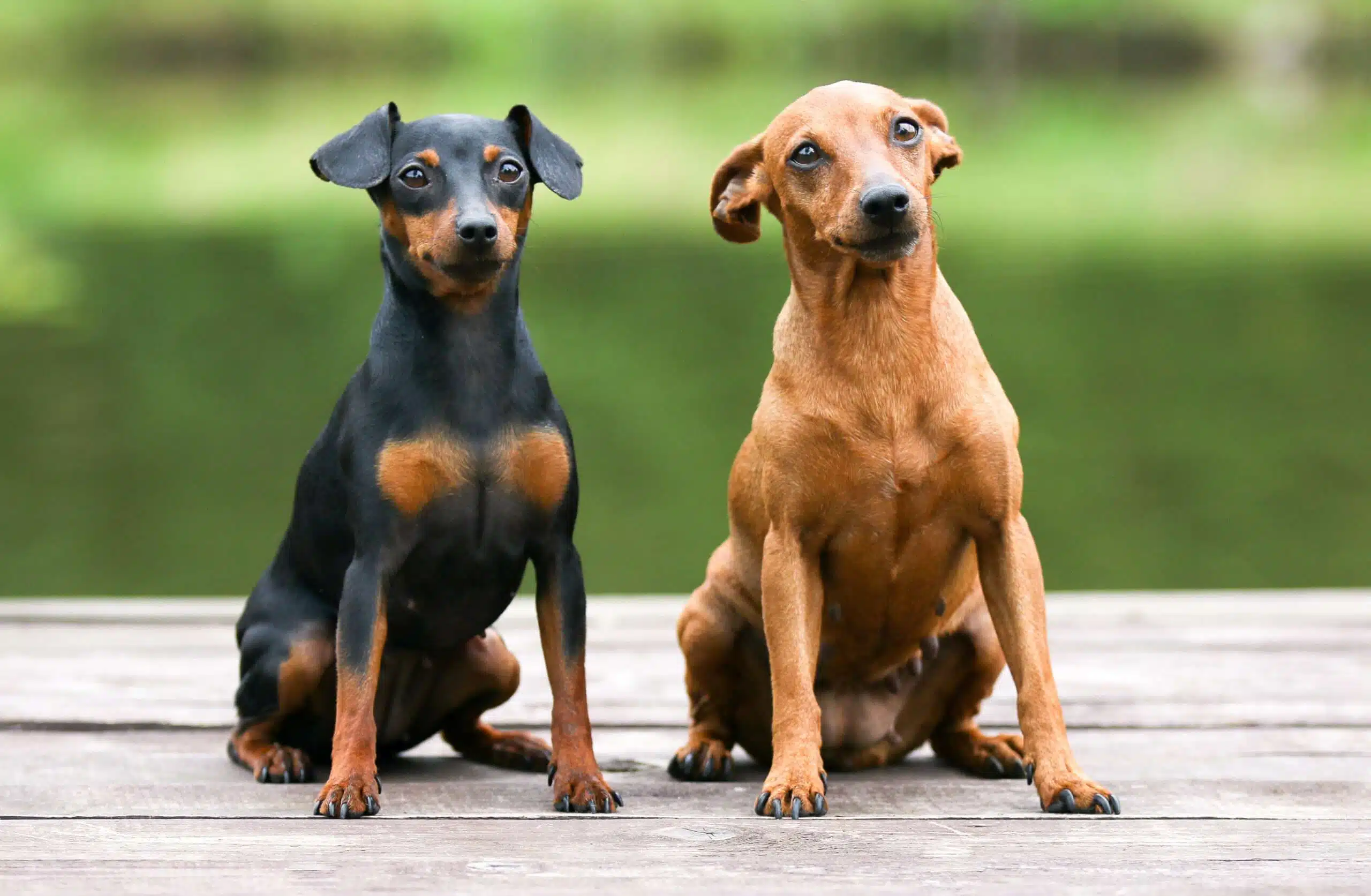
Miniature Pinscher

Click Image to see Gallery

The Miniature Pinscher dog, often called the Min Pin, has existed for centuries and actually predates the Doberman by over two hundred years. Though sometimes mistaken for a miniature Doberman Pinscher, it is its own distinct breed, developed in Germany to hunt barnyard vermin. Likely descended from the Old German Pinscher, Manchester Terrier, Italian Greyhound, and Dachshund, this compact dog is courageous, clever, and endlessly energetic.

Known for a spirited, independent nature, the miniature pinscher personality makes this small dog seem larger than life. Despite its toy stature, it is an alert and reliable watchdog. With a lively prance, fearless bark, and boundless curiosity, the Min Pin thrives in active homes but demands supervision, as it is a notorious escape artist and climber. Secure fencing and careful monitoring are essential to keep this little Houdini safe.

The temperament of Miniature Pinschers is bold, affectionate with family, but often stubborn and willful. They are not lap dogs; instead, they prefer to strut confidently, earning the nickname “King of Toys.” While their grooming needs are minimal—just brushing, nail trims, and clean ears—their small size makes them vulnerable to cold, so sweaters or jackets are a must in winter.

Min Pins are generally healthy dogs, but house training can be a challenge, requiring patience and consistency. They are quick, intelligent learners yet may test boundaries with behaviors like digging, barking, or chasing small animals. Best kept indoors with their families, these dogs flourish when given structure, attention, and plenty of outlets for their energy.

Discover The Miniature Pinscher: Temperament, Size, Lifespan, And More

Choosing the right small dog can feel tricky. The Miniature Pinscher packs big drive into a tiny frame, and that mix can surprise new owners.

If you are unsure what life with a min pin looks like, you are in good company.

Called the King of Toys, this miniature pinscher stands proud, yet weighs only 8 to 12 pounds and often lives 12 to 16 years. The American Kennel Club places the breed in its Toy Breeds Group for small size and athletic movement.

In this guide, you will get clear answers on temperament, size, health, exercise, and daily care. You will also see how to channel their bold spirit with simple routines that work at home.

Curious how such a little dog commands a room? Keep reading.

Key Takeaways

  • Recognized by the AKC in 1925, Miniature Pinschers stand 10.5 to 12.5 inches and weigh 8 to 12 pounds, with a typical lifespan of 12 to 16 years.
  • Expect high energy, sharp intelligence, strong watchdog instinct, and frequent barking, so daily exercise and early socialization are musts.
  • Health risks include patellar luxation, Legg-Calve-Perthes disease, epilepsy, dental disease, and weight gain; schedule regular vet checks and control portions.
  • Grooming is simple, with weekly brushing and monthly baths for their short coat; brisk walks and interactive play keep them fit.
  • Use the Miniature Pinscher Club of America (www.minpin.org) or AKC Marketplace to find reputable breeders; quality puppies usually cost $1,000 to $3,000.

History and Origin of the Miniature Pinscher

1600s – Early Appearances

  • Paintings and written records from Germany in the 1600s depict small, sturdy pinscher-type dogs.
  • These early dogs were highly valued as barnyard ratters, keeping farms and homes free of vermin.
  • Their spirited nature and distinctive appearance earned them nicknames such as:
    • Reh Pinscher – “stag pinscher,” referencing their red coat color and stag-like elegance.
    • Zwerg Pinscher – “dwarf biter,” a nod to their small size paired with bold temperament.

1700s–1800s – Breed Development in Germany

  • The Miniature Pinscher evolved through careful breeding, likely blending:
    • Dachshund – contributed hunting instincts and determination.
    • Italian Greyhound – influenced the breed’s elegant outline and quick movement.
    • German Pinscher – added intelligence, guarding ability, and refined structure.
  • By the late 1800s, the Min Pin was widely recognized as a distinct breed rather than a small variation of other pinschers.

1895 – Official Recognition in Germany

  • In 1895, German fanciers founded the Pinscher Klub, which set breed standards and guided the development of both Miniature and German Pinschers.
  • At this time, confusion sometimes arose between the Min Pin and the newly created Doberman Pinscher, as both shared sleek outlines.
  • Importantly, the Miniature Pinscher did not descend from the Doberman—their histories are completely separate, with the Min Pin predating the Doberman by centuries.

Early 1900s – Expansion Beyond Europe

  • The Miniature Pinscher’s reputation as a lively and fearless companion began spreading beyond Germany.
  • After World War I, American dog enthusiasts discovered the breed, and Min Pin puppies were imported into the United States by 1919.

1920s – Recognition in America

  • In 1925, the American Kennel Club (AKC) officially recognized the Miniature Pinscher as a purebred breed.
  • By 1929, the Miniature Pinscher Club of America (MPCA) was founded, providing a dedicated organization to:
    • Protect breed standards.
    • Promote responsible breeding.
    • Guide training and care practices.

Modern Era – From Ratter to “King of Toys”

  • The Miniature Pinscher has transformed from a practical working farm dog to a beloved companion worldwide.
  • Its confident gait, high energy, and bold personality earned it the nickname “King of Toys.”
  • Today, the breed continues to carry its history proudly, balancing its working heritage with its role as an energetic, stylish family pet.

Physical Characteristics

The Miniature Pinscher is a sleek, elegant dog with a compact, athletic build that radiates confidence. Known for its sharp outline, alert expression, and proud carriage, the breed combines strength and style in a toy-sized package. Each feature—from its balanced proportions to its animated movement—reflects the spirited personality that makes the Min Pin stand out among companion dogs.

Body and Structure

Miniature Pinschers measure 10 to 12.5 inches and weigh 8 to 11 pounds. Despite the size, the build is sturdy and balanced.

The body is short-coupled, which means the back is compact and helps quick movement. Many people think they are tiny Dobermans, but the likeness is only visual.

Muscle sits under a taut coat, with a deep chest and a level back. The AKC lists the breed as number 508, and judges look for clean lines and firm movement in this small package.

A strong skeleton supports their signature hackney gait, a high-stepping walk that is rare in good family dogs of this size.

A Miniature Pinscher’s athletic body puts energy into every inch.

Face and Expression

A proud head and sharp, watchful eyes make the Min Pin easy to spot. Upright ears and a high-set tail add to their alert vibe.

Their gaze looks confident, sometimes almost human. A black nose tops a wedge-shaped skull. Strong jaws show a dog ready for play or quick defense.

The bold look reminds many people of a tiny Doberman Pinscher, yet the Miniature Pinscher developed as a separate breed in Germany by the late 1800s. That mix of fine bone and an always-on expression makes them stand out among other dogs and similar pinscher breeds.

Coat and Color

The coat is short, hard, and smooth with a glossy shine. AKC color rules are strict. Solid red is common, and stag red blends red with black-tipped hairs for a unique look.

Accepted shades include black and rust, chocolate and rust, blue and tan, blue and rust, fawn, plus chocolate stag red, blue stag red, and fawn stag red. Markings must match United States show rules.

Large white patches over half an inch or any merle pattern disqualify a dog from competition. Noses are usually dark and match the coat family. Responsible breeders follow these guidelines to preserve quality.

Weekly care keeps the coat shiny so skin stays healthy in every season.

Movement and Gait

Min Pins move with a high-stepping hackney gait, inspired by the prancing trot of hackney horses. Each stride is crisp and animated, with no dragging feet.

This showy step fits their bold attitude. Keep hind legs strong with regular exercise to help prevent issues such as patellar luxation, which is a loose kneecap.

Support this natural motion with daily walks and games that spark their mind.

Temperament and Behavior

Miniature Pinschers are lively, alert, and ready to announce visitors. Their watchdog instinct is strong, and many bark often, rating about a 5 out of 5 for vocal alerts.

They learn fast because they are clever. They also test limits, so you need consistent rules and short, upbeat training sessions.

Most min pins adore their people and are very affectionate. Daily exercise matters. Without it, barking and bossy play can escalate.

Early socialization reduces overprotective habits. For families with small children, close supervision is vital since rough play can go both ways.

Health Considerations

Patellar luxation and Legg-Calve-Perthes disease show up more often in this breed. Good breeders screen parents for these conditions. Some seizures are linked to inherited epilepsy, so early screening and open breeder records matter.

Extra weight stresses joints and can worsen knee problems. Keep calories in check and stick to a daily activity plan.

The average lifespan is 12 to 16 years. Routine wellness visits catch changes early. Daily dental care prevents gum disease and tooth loss as they age.

Feed high quality dog food and measure each meal. Quick coat care and regular nail trims protect the skin and feet during play. This article is for education only. For diagnosis or treatment, contact your veterinarian.

Common Concerns

Miniature Pinschers face several issues that you and your vet should watch closely. The most common include patellar luxation, Legg-Calve-Perthes disease, demodectic mange, epilepsy, thyroid disease, congenital heart defects, eye problems such as cataracts or progressive retinal atrophy, cervical disc disease, and hip dysplasia.

Responsible breeders use genetic tests and patella checks to lower risk. Regular tooth brushing supports whole-body health. Also watch for hair loss from mites or any sudden limp.

Routine exams help prevent long-term damage and improve quality of life.

Lifespan

A Miniature Pinscher usually reaches 12 to 16 years, placing it among the longest-living dog breeds. A 2024 UK study reported a median age of 13.7 years, which is higher than many purebreds and mixed breeds. An Italian study in 2024 found similar results, around 11 years on average across samples.

Good care makes those years count. Legg-Calve-Perthes disease does appear in both Min Pins and Doberman pinschers, though the breeds are unrelated.

Planned checkups, steady exercise, and portion control help your Min Pin enjoy more healthy years by your side.

Training Considerations

Training shapes how this bold dog behaves. With a mid-level trainability score of 4, a Min Pin can learn fast, yet still push boundaries.

Start early with positive reinforcement, like small treats and praise. Short, fun sessions beat long drills. Early socialization keeps barking and possessive habits in check.

Their need for mental stimulation rates a 5 out of 5. Use puzzle toys, scent games, and quick obedience refreshers most days.

Without brain work and structure, you may see shredding, nuisance barking, or door dashing. A simple plan, practiced daily, keeps that sharp mind satisfied.

Exercise and Socialization

Miniature Pinschers are compact athletes. Daily movement and steady social exposure build a calmer, friendlier dog.

  1. Give at least one brisk walk each day to balance energy and support heart health.
  2. Build in daily play with balls or tug toys to burn calories and sharpen response.
  3. Set up easy agility drills, like cones or a tunnel, for body and brain work.
  4. Use a leash outside the yard. Min Pins are quick, and prey drive kicks in fast.
  5. Plan supervised dog time at parks or on walks to build confidence.
  6. Hold short training sessions in new places to teach calm around noise and crowds.
  7. Use small treats to reward good choices, and track calories to prevent weight gain.
  8. Let them run in a secure, fenced area for safe off-leash play.
  9. Introduce kids with an adult present, and coach gentle play for both sides.
  10. Stage careful first meetings with other pets, and watch closely for stress.
  11. Keep regular times for walks, meals, and naps. Predictable days reduce anxiety.

Living with a Miniature Pinscher

Life with a Min Pin is busy and fun. Though only 8 to 12 pounds and 10.5 to 12.5 inches tall, the spirit is all-in. Plan both exercise and brain games each day to prevent boredom.

Short walks, fetch, and puzzle toys help direct their drive. Consistent rules from puppyhood make life easier. Homes with secure yards work well. Check fence height, since they jump higher than you expect.

Teach kids calm play habits. Step-by-step pet introductions work best. Use treats and praise, and keep early sessions short to set a good tone.

Best Environment

Miniature Pinschers thrive with active owners who enjoy training, play, and mental challenges. The short coat offers little protection from cold or rain, so indoor warmth matters.

Secure every exit, including gates and porch doors. Min Pins are clever escape artists.

Long hours alone can lead to anxiety or destructive habits. If you want a quiet lap dog, this breed may feel too intense. With clear structure, they become loyal and fun housemates.

Behavior towards Children

Most Min Pins are affectionate with family but can get too wild during play. Kids under eight may not manage that energy well.

Always supervise play. A jumping or nipping dog can scare a toddler, and a startled child can hurt a small dog by accident.

Teach gentle handling to kids and basic cues to your dog. Older children usually do better because they respect limits. Early socialization makes a big difference in a busy household.

Behavior towards other Pets

Many Miniature Pinschers enjoy other dogs if introductions are slow and supervised. They can act bossy, so watch first meetings closely.

Some chase cats or small pets because of prey drive. Use caution with rabbits, ferrets, or birds.

Neutral meeting spots and short playdates help. With coaching, many Min Pins earn a 2 out of 5 for living with other dogs, so they may need more time than other breeds for socialization.

Grooming Needs

Grooming a Miniature Pinscher is fast and simple. A few minutes a week keeps the coat and skin in great shape.

  1. Brush weekly with a soft bristle brush or mitt to lift loose hair and reduce moderate shedding.
  2. Bathe about monthly, or as needed, using gentle shampoo to protect skin oils.
  3. Trim nails on a regular schedule so feet stay comfortable and stable.
  4. Check ears every week for wax, odor, or redness, and call your vet if you see changes.
  5. Wipe eye corners with a damp cotton ball to clear debris.
  6. Use a sweater in cold weather, since thin coats do not hold heat well.
  7. Scan the skin during grooming for irritation, lumps, or fleas so you can act early.
  8. Brush teeth several times each week with dog toothpaste to cut dental disease risk.
  9. Keep pet-safe wipes and a slicker brush on hand for touch-ups between baths.
  10. Schedule vet checkups that include eyes, ears, skin, and dental exams.

Nutrition and Feeding

A miniature Pinscher dog is happily eating high-quality dog food from a sleek dog bowl, showcasing its energetic personality and sturdy build. The dog's smooth coat, which may feature rust markings, highlights its status as a beloved toy breed known for being a good family companion.Feed a complete diet that fits age and size. This breed gains weight quickly, so accurate portions matter.

  1. Choose life-stage formulas for puppies, adults, or seniors, since each stage needs different nutrients.
  2. Measure meals to control calories and prevent extra pounds.
  3. Pick foods with real meat as the first ingredient to support lean muscle.
  4. Provide fresh water all day to support hydration and kidney health.
  5. Use tiny training treats, and budget them into daily calories.
  6. Ask your veterinarian about portions if weight changes fast or digestion seems off.
  7. Skip table scraps and fatty foods that can upset the stomach and build bad habits.
  8. Check body condition monthly. You should feel ribs without pressing hard.
  9. Buy brands that meet AAFCO standards for small dogs to ensure balanced nutrition.

Where to find a Miniature Pinscher

Start with the Miniature Pinscher Club of America, Inc. at www.minpin.org. The club lists approved breeders and rescue contacts.

The AKC Marketplace is another source for registered litters and reputable breeders. Expect to pay $1,000 to $3,000 for a healthy puppy from a quality program.

Rescue groups linked on the national breed club site offer adoption for those open to older dogs or special cases.

Similar Dog Breeds

Looking at close matches helps you choose a dog that fits your pace and space.

Breed Similarities with Miniature Pinscher Key Differences Best Fit For Owners Who
Miniature Pinscher
  • Compact build
  • Energetic, bold temperament
  • Short, sleek coat
  • Lively gait


  • Different origin than Doberman
  • Standard size: 10–12.5 inches at shoulder
  • Weighs 8–12 pounds


  • Want a fearless, alert companion
  • Can invest in training and daily play
  • Prefer minimal grooming


Toy Fox Terrier


  • Finer bone structure
  • Often excels in agility sports
  • Developed in the United States, 1936


  • Enjoy active play and training games
  • Want a dog that learns tricks quickly


Italian Greyhound
  • Delicate, sleek build
  • Short, smooth coat
  • Friendly, affectionate


  • Taller, 13–15 inches
  • More sensitive, less bold than Min Pin
  • Ancient roots in Rome


Manchester Terrier (Toy)
  • Small, athletic frame
  • Confident, intelligent
  • Short black-and-tan coat


  • Less extroverted than Min Pins
  • British origin, 1800s
  • More reserved with strangers

For families with small children, consider checking out the best dog breeds for babies.


  • Like traditional terriers
  • Value intelligence and quick learning


Chihuahua
  • Very small size
  • Alert, spirited presence
  • Strong bond with owners


  • Smallest purebred dog, 5–8 inches tall
  • Comes in long and short coats
  • Often lives 14–17 years


  • Live in small apartments
  • Want a pocket-sized companion


Conclusion

Miniature Pinschers bring bright minds, fast feet, and a fearless spark to daily life. You saw where they came from, how big they get, what they need, and how to keep them healthy with simple habits.

If you add structure and regular exercise, the routine stays easy and your dog stays happy. For support and ethical sourcing, start with the American Kennel Club and the Miniature Pinscher Club of America. A well-bred Min Pin proves that a small dog can carry a giant personality, every single day.

FAQs

1. What is the temperament of a Miniature Pinscher?

Miniature Pinschers show alertness and confidence. They often display high energy, curiosity, and loyalty to their families. These dogs can be independent but respond well to consistent training.

2. How big does a Miniature Pinscher get?

Adult Miniature Pinschers usually reach 10 to 12.5 inches in height at the shoulder and weigh between 8 and 12 pounds. Their compact size makes them suitable for both apartments and houses.

3. What is the typical lifespan of a Miniature Pinscher?

Most healthy Miniature Pinschers live from 12 to 16 years with proper care, regular exercise, balanced nutrition, and routine veterinary visits.

4. Are there common myths about the breed’s behavior or needs?

Many people believe that all small breeds like the Miniature Pinscher are fragile or timid; however, these dogs have strong personalities and need mental stimulation along with physical activity each day for best health and happiness.

  • Furlyfe Rank See Rank
  • Group AKC Toy
  • Origin Germany
  • Size Smallest
  • Weight 8 to 11 pounds
  • Coat Length Short
  • Coat Type Smooth
  • Colors Black & Rust, Black & Tan, Chocolate & Rust, Chocolate & Tan, Red, Stag Red
  • Other Names Min Pin, King Of The Toys, Reh Pinscher, Zwergpinsc
  • Temperament Clever, Energetic, Friendly, Outgoing, Playful, Responsive, Intelligent

Breed Characteristics

Leave a Reply

Participate on Doggy Duel