
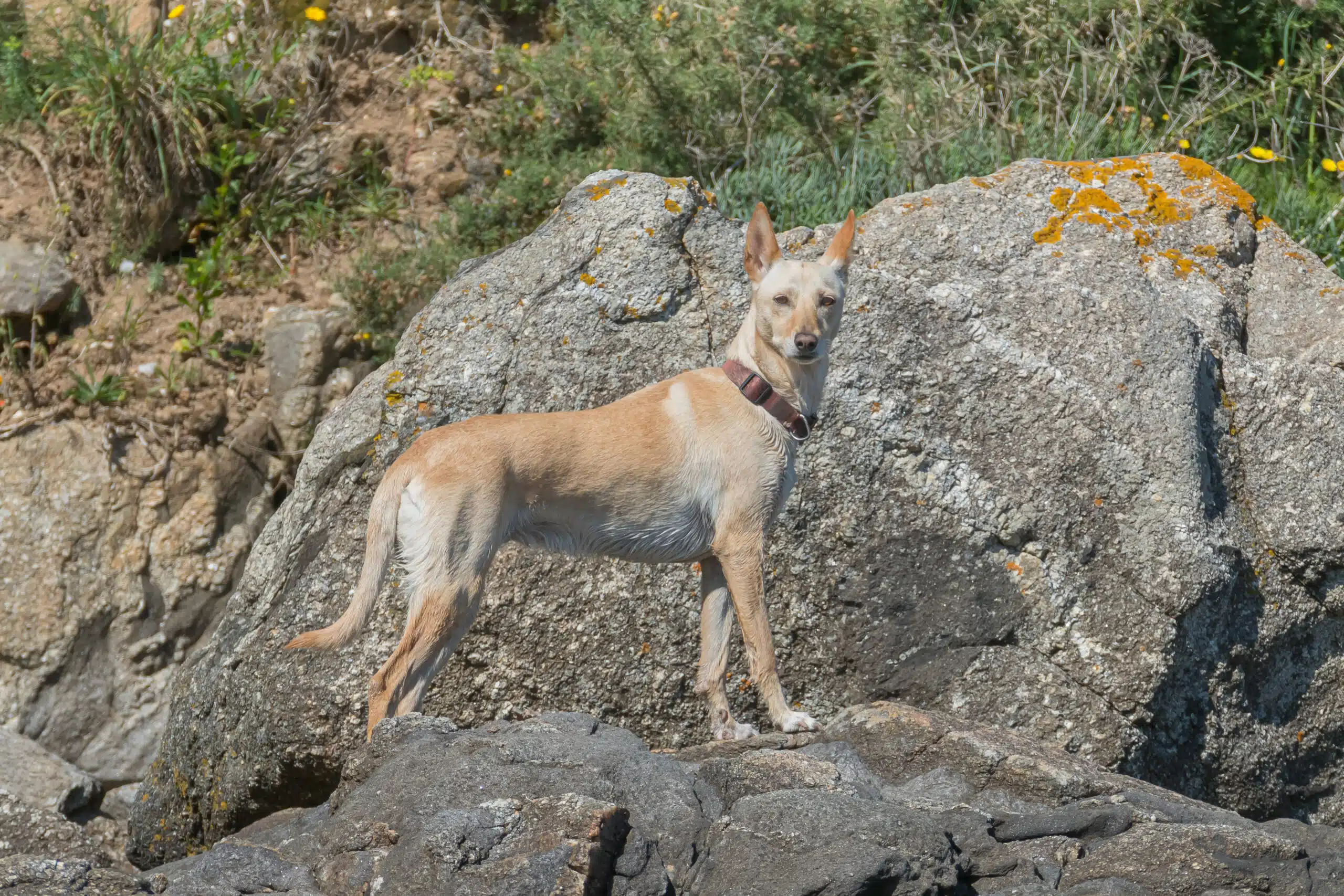
Portuguese Podengo
For over two thousand years, the Portuguese Podengo has been a symbol of Portugal’s cultural heritage. Believed to have been brought by Phoenician traders from the Mediterranean around 600 BC, this ancient and healthy breed has remained a loyal hunting partner and beloved companion ever since. Its long-standing importance earned it the honor of being named Portugal’s national dog.
The Podengo comes in three sizes—Grande, Medio, and Pequeno—each developed for different types of game. The Pequeno is quick and agile for chasing rabbits, the Medio offers versatility over rough terrain, and the Grande is powerful enough to hunt wild boar and deer.
Closely related to other breeds like the Pharaoh Hound and Ibizan Hound, the Podengo is an alert and energetic sighthound with a strong prey drive. While they make excellent watchdogs, they do best in homes with tall, secure fences due to their chase instinct.
These playful dogs come in both smooth coated dogs and a wire coated variety, each suited to different environments. The Grande weighs 44–66 pounds, the Medio 35–45 pounds, and the Pequeno 10–13 pounds. Interestingly, litters from Medio parents can include puppies of different sizes.
Podengos are natural athletes who thrive in agility, lure coursing, rally, tracking, and obedience. They need at least 20–30 minutes of daily leashed exercise, along with off-leash play in a secure area. Their sharp instincts and awareness also make them excellent watchdogs.
As sighthounds, they’re naturally drawn to movement and may chase smaller animals. With proper socialization from puppyhood, however, they can live peacefully with cats and small dogs.
Grooming is low-maintenance. Both the smooth and wire haired variety benefit from weekly brushing to remove dead hair. Routine nail trimming, ear cleaning, and dental care are essential, but frequent bathing isn’t required.
With its ancient lineage, spirited personality, and adaptability, the Portuguese Podengo stands out as a smart, athletic, and engaging companion for active families.
Ultimate Guide To Portuguese Podengo Dog Breed Information

Finding the right dog breed can be confusing for many owners. Many people want a playful, intelligent companion but worry about health issues, temperament, or how much care is needed.
Portuguese Podengo dogs often get overlooked because their history and traits are not well known.
This ancient breed has hunted rabbits and wild boar on the Iberian Peninsula for centuries. They come in three size varieties and have two coat types: smooth coated and wire haired.
The American Kennel Club now recognizes them as part of its Miscellaneous Class.
This guide shares facts about the Portuguese Podengo’s personality, health needs, grooming routines, training tips, and more. You will also learn where to find healthy puppies and which environments work best for these hunting dogs.
Key Takeaways


- The Portuguese Podengo is an ancient hunting breed from Portugal, with roots going back to at least 600 BC. It comes in three sizes—Grande, Medio, and Pequeno—and two coat types: smooth and wire-haired.
- This breed is active, intelligent, and has a strong prey drive. It bonds well with families and children but needs early socialization due to its independent nature.
- Lifespan averages 10–15 years (Pequeno size often lives longer). Common health concerns include hip dysplasia, eye diseases, patellar luxation, ear infections, allergies, obesity if not exercised enough.
- Grooming needs are simple: smooth coats need occasional brushing; wire coats require regular brushing. Dental care and monthly nail trims keep them healthy.
- You can find reputable breeders through clubs like the American Portuguese Podengo Medio Grande Club or the Portuguese Podengo Pequenos of America. The AKC lists recognized puppies for adoption on their website.
History and Origin of the Portuguese Podengo Grande and Medio

Ancient Roots and Mediterranean Origins
The Portuguese Podengo is one of Europe’s oldest dog breeds, with origins tracing back to around 600 BC. It is believed that Phoenician traders, navigating across the Mediterranean Sea, brought primitive hunting dogs with them to the Iberian Peninsula. These early canines adapted remarkably well to Portugal’s rugged landscape and climate, forming the foundation for what would become the Podengo breed.
Archaeological evidence discovered beneath Lisbon Cathedral—one of the oldest structures in Portugal—reveals the breed’s long-standing role in Portuguese society. Artifacts suggest that dogs resembling today’s Podengo have been intertwined with the region’s culture and livelihood for thousands of years.
A Versatile Hunter Shaped by Terrain and Purpose

Over the centuries, Portuguese hunters refined the Podengo into different sizes to better suit specific hunting needs. The Podengo Grande was developed to track and bring down large game such as deer and wild boar, often working in open terrain. In contrast, the Podengo Medio evolved to excel at rabbit hunting across rocky, uneven landscapes. Its agility and speed made it ideal for navigating thick brush and craggy hillsides.
The breed’s evolution was influenced more by geography and utility than by aesthetics. Portugal’s relative isolation from the rest of Europe helped preserve the Podengo’s genetic integrity, with minimal influence from foreign dog breeds. This contributed to the breed’s robust health, sharp instincts, and well-balanced temperament.
National Recognition in Portugal
In modern times, the Portuguese Kennel Club has officially recognized the Podengo as one of the country’s ten National Dogs—a prestigious designation that honors its heritage and importance. Both the Grande and Medio share hallmark features such as a wedge-shaped head, expressive almond eyes, and upright triangular ears, which aid in their acute sense of hearing during hunts.
Podengos are available in two coat types—smooth and wire-haired—both equally rooted in tradition. Their coats not only reflect their hunting function but also offer protection suited to Portugal’s varied terrain and climate.
Introduction to the United States
The first purebred Portuguese Podengos arrived in the United States during the 1990s. Enthusiasts and breeders quickly recognized their intelligence, loyalty, and suitability for various dog sports. The breed’s official acceptance into the American Kennel Club’s Hound Group solidified its growing popularity and formal recognition in the U.S.
Today, the Podengo Grande and Medio are celebrated for their versatility as hunting dogs, companions, and show competitors. Whether smooth-coated or wire-haired, these dogs carry with them a legacy of over two millennia—proof of their enduring utility and deep cultural significance in Portuguese history.
Read More: Understanding Dog Clubs
Physical Characteristics of the Portuguese Podengo Grande and Medio

General Appearance
The Portuguese Podengo Grande and Medio are both athletic, well-balanced sighthounds built for endurance and agility. Their body structure is lean but muscular, reflecting their heritage as tireless hunters. The Grande is the largest of the Podengo types, while the Medio is a medium-sized version with a more compact frame—each developed for pursuing different types of game over varied terrain.
Both sizes share key features that define the breed: a wedge-shaped head, expressive almond-shaped eyes, and erect, triangular ears that give them an alert, intelligent look. Their gait is smooth and effortless, with a springy stride that allows them to move quickly and efficiently in the field.
Size and Weight
- Podengo Grande:
Stands between 22 and 28 inches at the shoulder and typically weighs between 44 and 66 pounds.
This size was bred for hunting large game and working across open country. - Podengo Medio:
Measures between 16 and 22 inches in height and weighs around 35 to 45 pounds.
This version was designed for agility and speed when chasing rabbits over rocky, uneven terrain.
Despite the size difference, both types are agile and fast, with physical builds that emphasize function over form.
Coat Types and Colors

Podengo Grandes and Medios come in two distinct coat types:
- Smooth Coat:
Short, dense, and close to the body. Offers a sleek, low-maintenance finish that’s suited for warmer climates and less rugged conditions. - Wire-Haired Coat:
Rough, harsh, and somewhat longer. Offers better protection from the elements and underbrush, making it ideal for harsher hunting environments.
Color variations for both coat types include yellow (in light to dark shades), fawn, and black, with or without white markings. The diversity in coats and colors adds to the visual appeal of the breed while serving practical hunting functions.
Head, Ears, and Expression

The Podengo’s head is one of its most defining features. It’s long and narrow with a slight stop, giving it a clean, wedge-like shape. The nose is typically dark in color and well-developed, while the jaw is strong with a complete scissor bite.
Ears are large, upright, and triangular—set high on the head and always alert. These ears not only enhance the dog’s expressive appearance but also improve directional hearing during hunts. The overall expression is one of alertness, intelligence, and curiosity.
Tail and Movement
The tail is set high and tapers to a point, usually carried in a sickle shape when the dog is active or excited. It plays a role in maintaining balance while the dog maneuvers through tough terrain.
Movement is free and energetic, with strong rear drive and good forward reach. Whether walking or running, Podengos display a rhythmic, efficient gait that reflects their working heritage.
Temperament and Behavior

Lively and spirited, Portuguese Podengo dogs thrive on mental and physical stimulation. Strong prey drive pushes them to chase small animals in the yard or during walks. Their independent nature can present challenges during training sessions, so positive reinforcement motivates them best.
Alertness makes these dogs excellent watchdogs who remain cautious around strangers but show affection toward family members.
Podengos bond closely with children, showing patience and playfulness, especially in homes where owners provide regular activities like agility or dog sports. They enjoy spending time with other dogs if introduced through early socialization as puppies.
Moderate barking helps alert families to unusual sounds without becoming overwhelming noise makers. Firm handling keeps their adventurous spirit from leading to constant escapes or mischief at home.
Highly intelligent minds need puzzles, interactive toys, and structured routines for a balanced life indoors or out.
Health Considerations

Portuguese Podengo dogs can face health conditions like hip dysplasia, eye diseases, and patellar luxation. Responsible breeders help lower the risk by screening for genetic issues such as joint diseases or eye disorders before breeding puppies.
Regular vet visits catch problems early and support long-term wellness.
Proper nutrition supports a healthy weight; feed high quality dog food that matches your dog’s age and activity level. Daily exercise keeps muscles strong and helps prevent obesity.
For wire coat varieties like the Portuguese Podengo Pequeno, brushing is needed to spot skin changes that may signal health concerns. Clean water should always be available to maintain kidney health and hydration.
Common Concerns
Podengos stand out for their lively nature and strong instincts as hunters. Owners must understand the breed’s possible health risks and daily care requirements.
- Podengos often show a high prey drive, which can lead them to chase small animals if not trained early.
- Hip dysplasia appears in some Podengo lines, so regular check-ups with a veterinarian help catch joint problems early.
- Ear infections may develop due to their active lifestyle; clean ears on a routine basis and check for dirt or redness.
- Dental health should be watched closely since these dogs can develop tartar quickly; use dog-specific toothpaste and brush regularly.
- Some individuals display food sensitivities; feed only safe human foods like plain cooked chicken or carrots as treats, avoiding anything toxic such as onions or chocolate.
- Obesity develops if exercise needs go unmet; track your dog’s weight with monthly weighing and adjust portions as needed.
- Eye issues such as cataracts can appear in older Podengos, so schedule yearly eye exams especially after age seven.
- Allergies sometimes affect skin or digestion; speak to your veterinarian about diet changes if you notice excessive scratching or loose stools.
- Injury risk goes up with such an active breed; provide safe spaces for play inside and outside to avoid sprains or broken bones.
- Parasites such as ticks pose a threat during outdoor adventures; apply vet-recommended preventatives throughout the year.
- Mental stimulation remains essential because boredom leads to destructive habits like chewing furniture or digging holes in the yard.
Proper awareness of these concerns helps maintain long-term wellness for you and your Portuguese Podengo puppy or adult companion.
Lifespan
The Portuguese Podengo dog breed usually lives 10 to 15 years. The smaller Portuguese Podengo Pequeno often lives longer, with a typical life expectancy of 12 to 15 years. Many owners notice that healthy dogs at their ideal weight tend to reach the upper end of this range.
Veterinarians say these dogs remain active well into old age if given balanced nutrition and fresh water daily. Regular checkups catch common health issues early, helping podengos enjoy long and happy lives.
Responsible breeders use health testing to avoid inherited problems in Portuguese Podengo puppies.
Training Considerations

Smart and alert, Portuguese Podengo Pequenos enjoy challenges. They score a 3 out of 5 in trainability, showing a solid willingness to learn new commands with patience and consistency.
Training classes often help these dogs focus their playful energy and can prevent boredom-related behaviors at home. Their high energy level means they need mental stimulation as much as physical exercise.
Early socialization lessons remain key for this breed, since openness to strangers also rates at 3 out of 5. Supervise interactions with other pets to avoid conflicts; many owners report improved manners after group training sessions.
Use treats or toys to motivate your dog during each session, keeping training positive and engaging for best results.
Exercise and Socialization

Portuguese Podengos need daily physical activity and mental engagement to stay happy. Their high energy and hunting instincts require focused exercise routines.
- Take your Podengo for brisk walks or runs every day, with at least 45 minutes of steady activity recommended for medium-sized dogs.
- Offer games like fetch or scent work to stimulate their sharp minds and keep boredom at bay.
- Use agility training courses; Podengos excel at agility, coursing, and nose work, showing off their natural speed and problem-solving skills.
- Arrange playdates with other dogs or join group activities to support their friendly demeanor and social growth.
- Provide puzzle toys during downtime to challenge their intelligence while indoors.
- Include training classes early on because the breed responds well to food-based rewards and enjoys learning new skills.
- Allow off-leash time in secure fenced spaces so your Podengo can run freely and safely burn energy.
- Watch for signs of restlessness or unwanted behavior since lack of exercise may trigger digging or barking issues.
- Medium-sized Podengos often need more intense physical sessions than larger ones due to higher activity drives.
- Schedule regular meetups in dog parks or canine sports clubs to improve their comfort in different settings.
Consistent engagement will help channel your Podengo’s drive while supporting good behavior at home and in public places.
Read More: Complete Puppy Socialization Checklist
Living with a Portuguese Podengo

Living with this breed means providing plenty of daily exercise and mental challenges. The Pequeno variety is especially energetic, often needing room to run or frequent walks to stay happy and healthy.
These dogs show strong intelligence and independence, making them quick learners but sometimes stubborn about commands.
Families often find that the Podengo bonds well with children when supervised. This dog usually gets along with other pets if socialized early, though its hunting background may spark a chase instinct around smaller animals.
Tracking your dog’s weight helps keep it fit as the breed can be prone to hip problems. Owners should also set aside time for occasional brushing to keep their coats clean, whether they have a wire or smooth variety, and an occasional bath suffices for basic grooming needs.
Best Environment

A Portuguese Podengo thrives in a home with plenty of space for activity. Daily brisk walks and playtime in a large, fenced yard suit this hardy breed best. Owners should create an active setting to keep the dog’s mind and body engaged since Podengos excel at agility and obedience trials.
This rustic nature helps them adapt well to family life while showing charm and reliable manners.
Structured routines benefit their loyal personality. The breed enjoys companionship, so spending time with people is key for their happiness. A safe environment lets them explore without risk, while regular brushing keeps their coat healthy no matter where they live.
These traits make the Portuguese Podengo fit well into many American households seeking an energetic yet adaptable pet.
Behavior towards Children
Portuguese Podengo dogs show strong affection and friendliness toward children, earning a 5 out of 5 rating in family-friendly traits. Their playful and lively temperament helps them bond quickly with younger family members.
These dogs have high energy levels, which makes playtime fun for both the dog and kids. They adapt well to active homes where children want a constant companion.
The Pequeno variety is especially patient with young children, often showing more tolerance than many small breeds. Supervision ensures safe interactions since their enthusiasm can sometimes be overwhelming for very young kids or toddlers.
Podengos love being included in games, walks, and daily activities; this helps deepen their connection with every child at home. Keep their coat brushed regularly to avoid tangles after long play sessions outdoors or in the yard.
Behavior towards other Pets

This breed often shows strong prey drive and may chase smaller animals like hamsters or rabbits. Watchful eyes and an alert nature make them cautious with unfamiliar animals, such as new dogs or cats in the home.
Their reserved temperament means they tend to approach other pets slowly, giving themselves time to adjust.
Many Portuguese Podengos enjoy playtime with family pets and will engage in games using toys or balls. Eager-to-please personalities help them build friendly bonds with household companions when given proper introductions.
Adaptable instincts can lead to peaceful living if owners use gradual socialization techniques, keeping both older animals and puppies safe.
Grooming Needs

Grooming a Portuguese Podengo is easy but does need steady attention. The breed comes in two coat types, each with its own needs.
- Portuguese Podengos can have either a smooth or wire coat, which changes how you care for them.
- Smooth-coated Podengos need less grooming and only occasional brushing to remove loose hair.
- Wirehaired Podengos require regular brushing to prevent mats and tangles.
- Both coat types benefit from monthly grooming sessions to keep the coat clean and healthy.
- Coat trimming should only happen on the face and feet; leave the rest of their fur natural as clipping or scissoring is not necessary.
- Nail trimming every few weeks helps prevent overgrown nails and keeps your dog comfortable.
- Check their ears often for signs of dirt or infection, as healthy ears reduce health risks like ear infections.
- Dental hygiene is important for this breed; brush teeth several times a week to avoid tartar buildup and gum disease.
Nutrition and Feeding
Proper nutrition plays a big role in your Portuguese Podengo Pequeno’s health. Owners should follow smart feeding habits to avoid problems like obesity.
- Feed your Podengo a high-quality commercial dog food or a homemade diet, but always ask your vet first before making changes.
- Choose food meant for their age stage, whether they are a puppy, adult, or senior; nutritional needs change as dogs grow older.
- Measure each meal carefully and monitor calorie intake because some Podengos can gain weight if overfed.
- Offer fresh water at all times as dehydration causes health issues and affects digestion.
- Limit treats and table scraps since too many extras can cause obesity or upset their balanced diet.
- Watch for signs of allergies such as itchy skin, ear infections, or digestive upset which may need a change in diet.
- Adjust food amount based on activity level; active Podengos might require more calories than those who move less.
- Schedule regular check-ups with your veterinarian to review their weight and nutrition plan.
- Use slow-feed bowls if your dog eats too fast which helps prevent bloating and promotes better digestion.
- Avoid fad diets not approved by the American Kennel Club or the Association of American Feed Control Officials to keep them safe from nutritional gaps.
Feeding routines matter just as much as what you serve in the bowl. The right approach will help your Portuguese Podengo Pequeno thrive for years to come.
Where to find a Portuguese Podengo

Several trusted sources can help you find a Portuguese Podengo in the United States. The American Portuguese Podengo Medio Grande Club focuses on the larger types, while the Portuguese Podengo Pequenos of America supports owners and breeders of the Pequeno size.
The national breed club’s website, http://www.portuguesepodengopequeno.org, lists reputable breeders and current information about available dogs. The American Kennel Club lists registered puppies from AKC-recognized litters through their Marketplace.
Choosing a responsible breeder and understanding the history of dog breeding helps ensure health and proper socialization in your new dog.
Dog Breeds Similar to the Portuguese Podengo

Dog lovers often compare the Portuguese Podengo to other active, intelligent, and alert breeds. The table below highlights four breeds with traits and behavior similar to the Portuguese Podengo. Use it as a quick guide to see which breed might suit your lifestyle.
| Breed | Similarities | Differences |
|---|---|---|
| Basenji |
|
|
| Ibizan Hound |
|
|
| Rat Terrier |
|
|
| Pharaoh Hound |
|
|
Conclusion
This guide covered the Portuguese Podengo’s history, physical traits, and key temperament points. You learned practical tips for training, health care, and social needs that fit real families.
Simple routines keep their coat shiny and meals balanced without much fuss. Clear advice on AKC resources helps you find breeders who uphold strong health standards through programs like Breeder of Merit or DNA testing kits.
Do you feel ready to welcome a Podengo into your home? Applying these steps gives your new dog a healthy and happy life while making ownership less stressful. Check out more details from the American Kennel Club if you want expert support or breed comparisons before your choice; every well-loved dog makes a difference in its family’s world.
FAQs
1. What are the main traits of the Portuguese Podengo breed?
The Portuguese Podengo is alert, smart, and lively. These dogs have a strong hunting instinct and adapt well to families or active singles. They come in three sizes: small, medium, and large.
2. How much exercise does a Portuguese Podengo need each day?
Portuguese Podengos need daily walks plus time to run or play safely off-leash. This breed thrives on mental challenges like puzzle toys or scent games.
3. Are there common myths about this dog’s care needs?
Many believe that all sighthounds dislike training or cannot bond closely with owners; however, the Portuguese Podengo often learns commands quickly and forms close family bonds when trained with patience.
4. What health issues should owners watch for in this breed?
Most Portuguese Podengos enjoy good health but can face joint problems as they age if not kept at a healthy weight. Regular vet visits help catch any early signs of inherited conditions specific to this type of hound dog.
- Furlyfe Rank See Rank
- Group AKC Miscellaneous
- Origin Portugal
- Size Medium, Large
- Weight 35 to 66 pounds
- Coat Length Medium
- Coat Type Smooth, Wiry
- Colors Chesnut, Fawn, Gold, Grey, Orange, Red, White & Black
- Temperament Alert, Independent, Intelligent