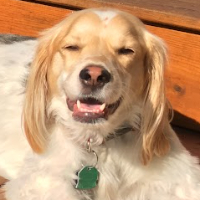
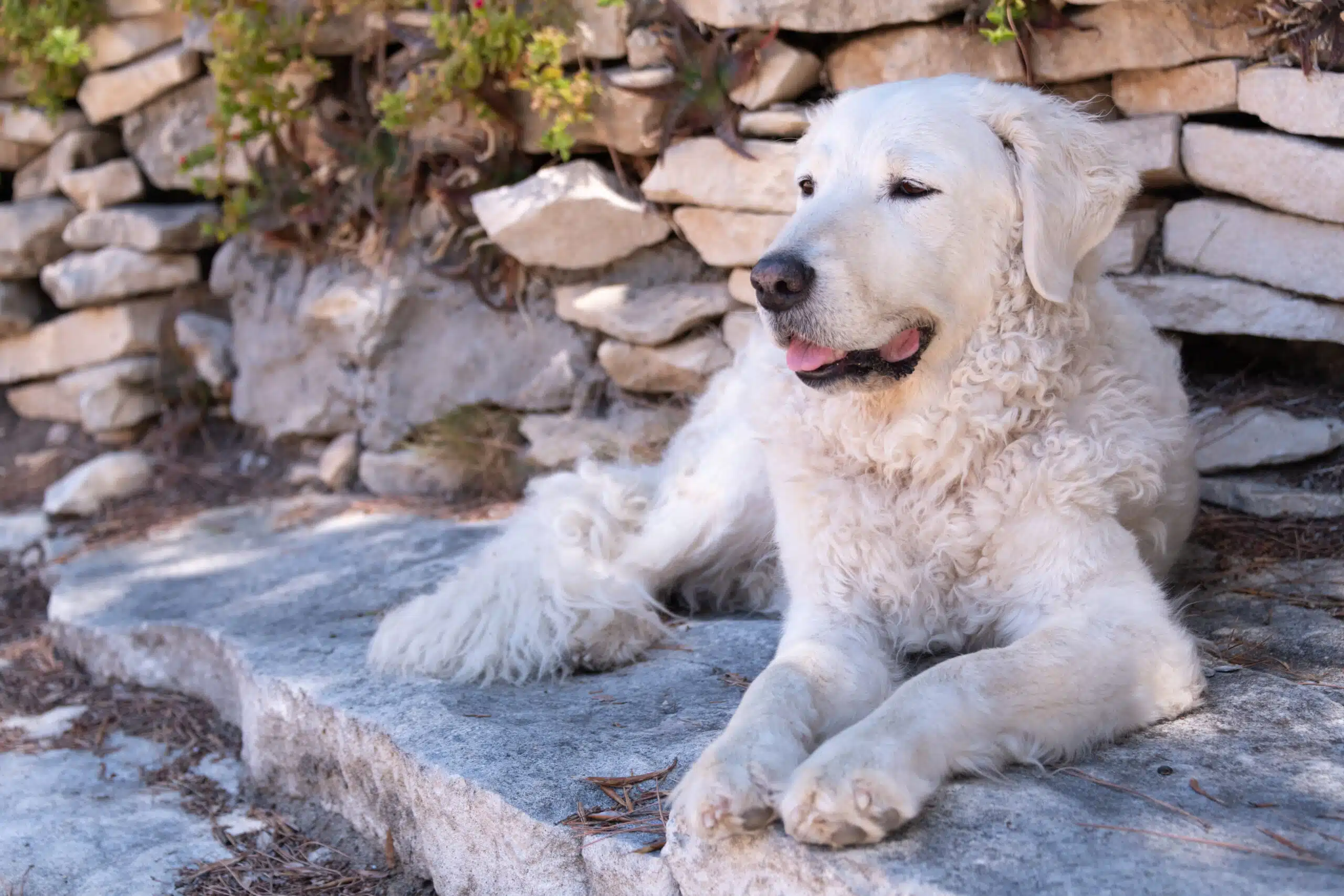
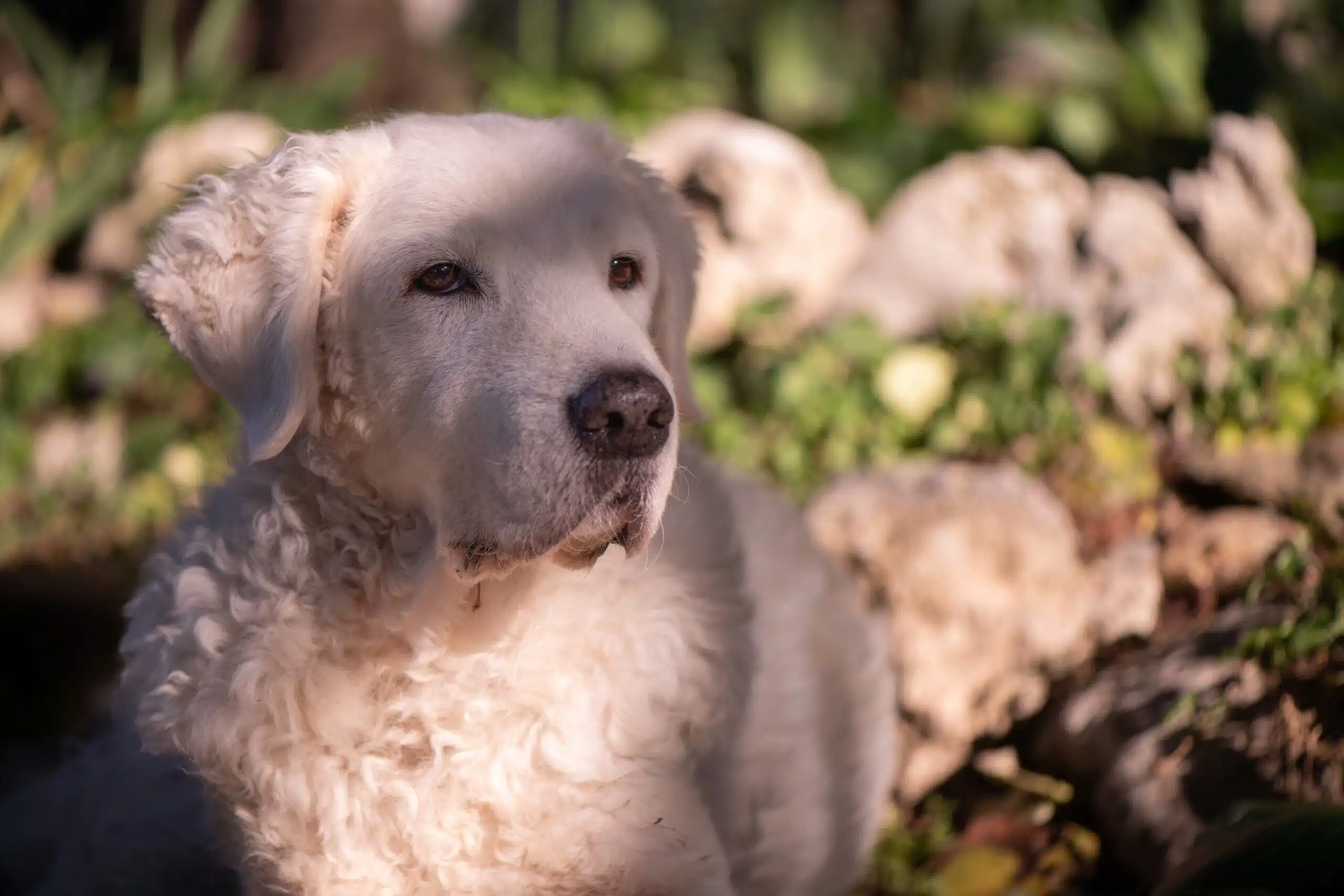
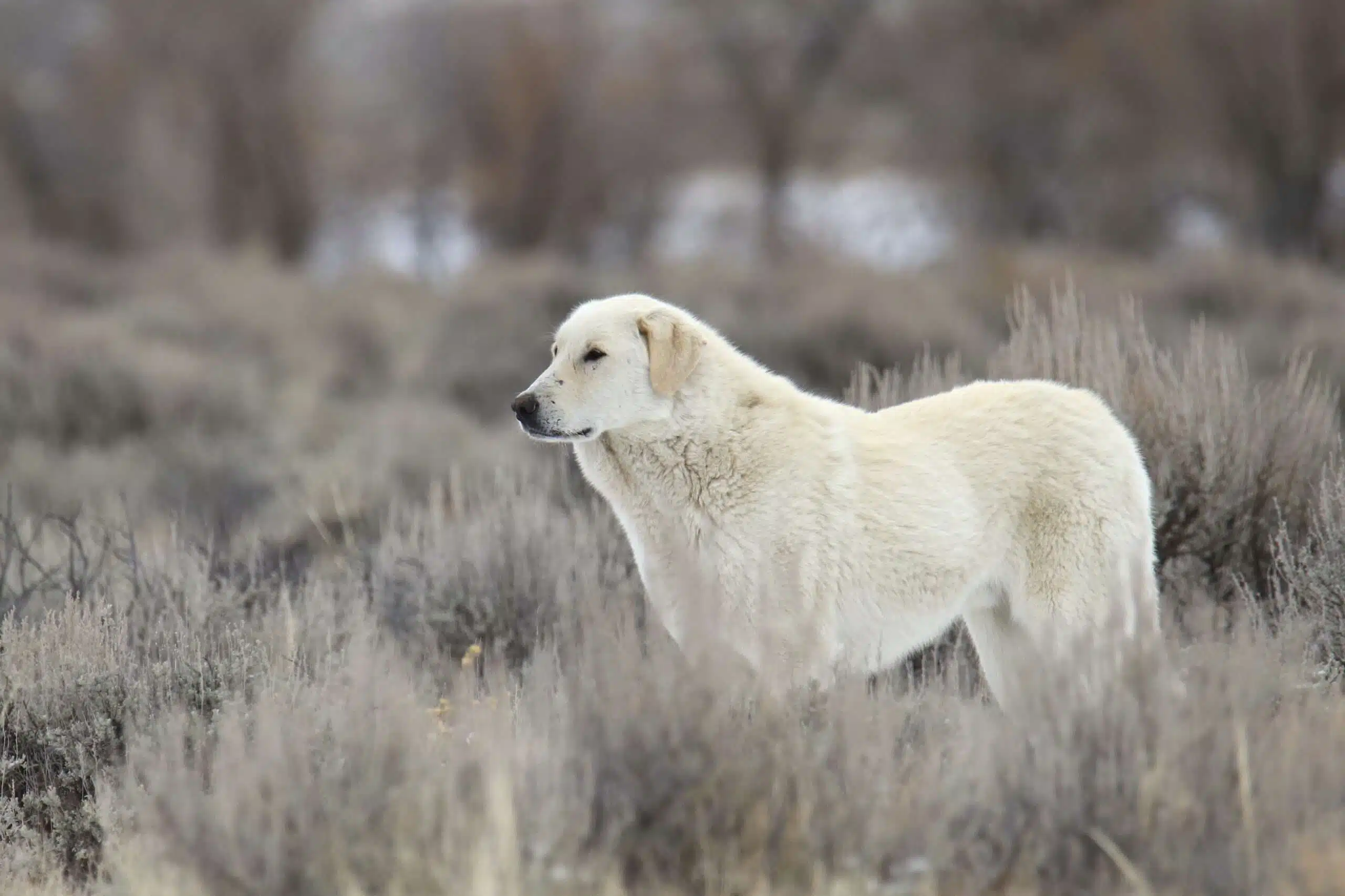
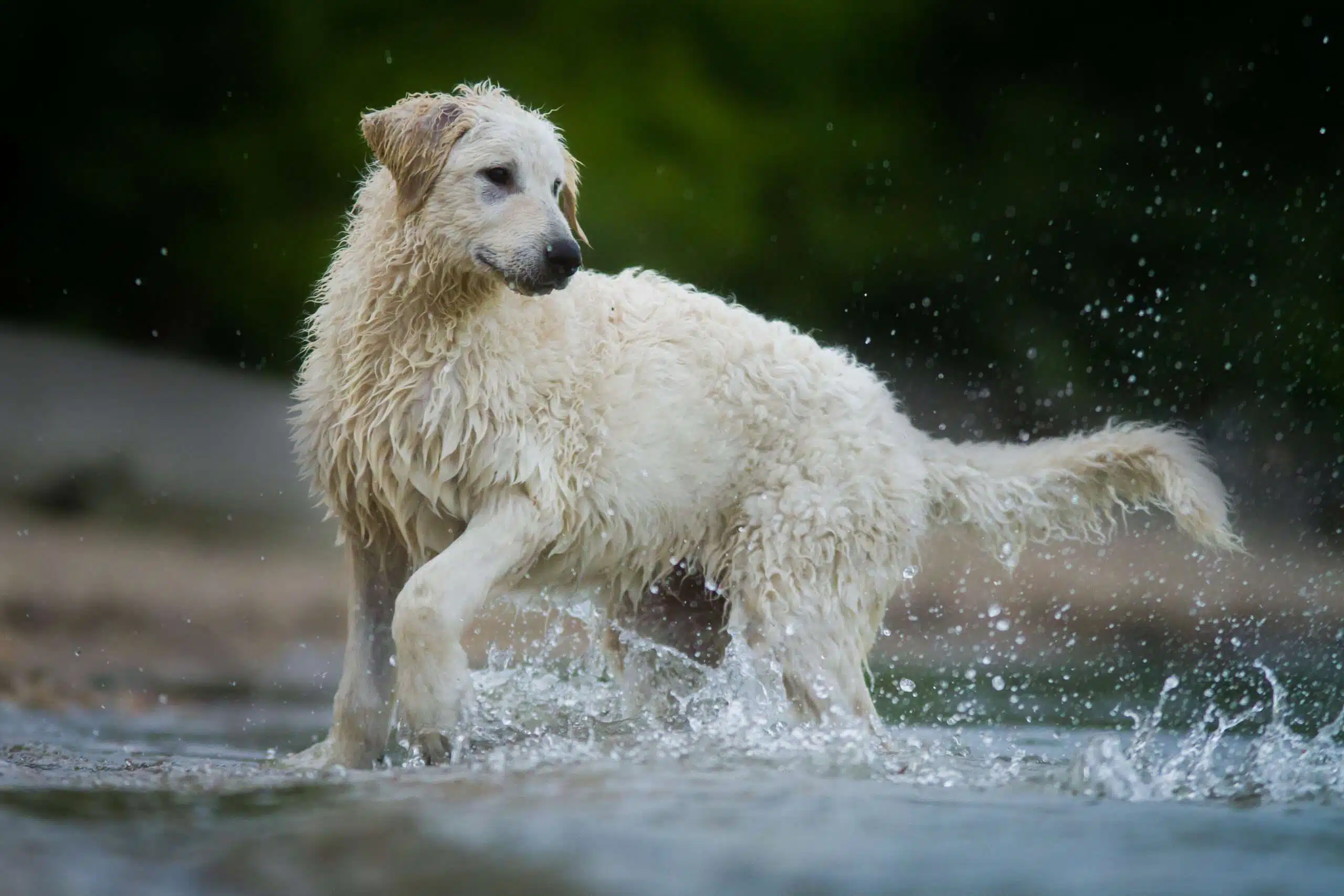
Kuvasz

Click Image to see Gallery

The Kuvasz is believed to be the oldest of Hungary’s three primitive dog breeds, alongside the Puli and Komondor. Many historians believe the kuvasz breed arrived with Magyar tribes over 1,200 years ago, while some evidence suggests these large breed dogs may have existed in the region even earlier.

Originally bred as livestock guardians, Kuvasz dogs are exceptional watchdogs with strong protective instincts. They tend to shed heavily and are reserved with strangers, but they are gentle and loyal with family members and familiar animals. Caution is advised around unfamiliar dogs, as their guarding nature can lead to assertive behavior.

Because Kuvaszok are natural barkers, training is essential to teach them when barking is appropriate. Clear boundaries help prevent nuisance barking while preserving their effectiveness as guardians. Supervision is also important when children interact with them, as the breed may misinterpret rough play as a threat requiring intervention.

The Kuvasz’s striking white coat is more than ornamental. It was originally bred to help shepherds easily distinguish the dog from wolves at night while guarding flocks. Their powerful yet smooth movement often draws comparisons to wolves, allowing them to travel long distances with minimal effort.

Early socialization is critical. Puppies exposed to different people, sounds, and environments grow into more confident adults. Choosing breeders who raise pups in the home supports healthier behavioral development.

These large breed dogs are not well suited to apartment living. They require space, secure fencing, and regular activity. Proper nutrition with high quality dog food is especially important as the dog’s age increases, supporting joints, coat health, and overall longevity.

Like many working breeds, Kuvasz puppies are strong, persistent chewers. Until they reach a mature and trustworthy dog’s age, supervision and structured activity are essential. Consistent training, exercise, and mental stimulation help prevent boredom and destructive behavior.

Unveiling The Majestic Kuvasz: From Ancient Guardian To Loyal Companion

Many dog owners want a loyal friend and a solid home guardian. Finding a large breed that does both well, while staying healthy and manageable, can feel like a puzzle.

You may worry about breeds that demand constant grooming or carry heavy health risks. The Kuvasz, a historic livestock guardian from Hungary, offers a different path. This dog breed is known as a large, white, flock-guarding dog from Hungary. The American Kennel Club lists the Kuvasz in its Working Group, highlighting real skill around people and farm animals.

This guide walks you through the Kuvasz story, from ancient protector to steady family companion. You will see how this healthy breed fits modern life, what sets it apart, and how to raise a confident Kuvasz dog. If you want a spirited dog that protects what matters most, keep reading.

Key Takeaways

  • The Kuvasz is a large, white Hungarian guardian breed recognized by the AKC since 1954. It was nearly lost during World War II, then rebuilt by focused breeding programs.
  • Adult males stand 28 to 30 inches and weigh 100 to 115 pounds. Females reach 26 to 28 inches and weigh 70 to 90 pounds.
  • Key health risks include hip dysplasia, autoimmune thyroiditis, progressive retinal atrophy, and bloat, also called gastric dilatation volvulus. Responsible breeders use OFA screenings before placing puppies.
  • Start early socialization and positive reinforcement training. Provide daily exercise of at least one hour, routine grooming, and secure fencing to raise well-adjusted Kuvaszok.
  • Expect puppies from responsible breeders to cost $1,500 to $2,000. Trusted sources include the Kuvasz Club of America directory and AKC Marketplace.

History and Origin of the Kuvasz

The Kuvasz dog breed was originally bred as a flock guardian, with ancient roots that are a significant part of Kuvasz history. The kuvasz breed is renowned for its long-standing role as a protector of livestock and property, tracing its distinguished lineage back through centuries of Hungarian culture and tradition.

The Kuvasz is one of the oldest dog breeds in Hungary, with a history that dates back to the time of the Magyar tribes. The Kuvasz originated in Tibet and was later developed in Hungary, where it became an integral part of rural life and aristocratic households alike.

Royal Connections and Historical Significance

The Kuvasz was highly valued by Hungarian nobility, especially during the reign of King Matthias I, who was known to keep Kuvasz dogs as personal guards. The breed was favored by King Matthias Corvinus of Hungary in the 15th century, who trusted them more than his guards. This royal association further cemented the kuvasz breed’s reputation as an elite and trustworthy guardian.

Throughout Kuvasz history, the kuvasz dog breed has been recognized for its courage, loyalty, and intelligence, making it a symbol of strength and protection in Hungarian culture.

Ancient Roots and Early Guardians

The Kuvasz is an ancient livestock guardian breed with origins reaching back to the Middle Ages. Historical records, archaeological finds, and breed historians trace its ancestry to large guardian dogs brought west by the Magyar tribes as they migrated from regions of Tibet and Turkey into the Carpathian Basin. These early dogs were prized for their ability to protect people, livestock, and property in harsh and often dangerous environments.

The breed’s name reflects this protective role. It is commonly believed to derive from the Old Turkish word “Kvaz,” meaning armed guard, or from the Arabic “kawwasz,” meaning archer. Both interpretations underscore the Kuvasz’s long-standing association with vigilance, loyalty, and defense.

Royal Dogs of Medieval Hungary

By the 15th century, the Kuvasz had become firmly established in Hungarian society—especially among the nobility. King Matthias I of Hungary famously maintained large packs of Kuvasz dogs, relying on them for castle security and for hunting dangerous big game such as wild boar. During this period, ownership of Kuvasz dogs was often restricted to the aristocracy, reinforcing their reputation as elite guardian dogs trusted with protecting royalty.

From Royal Courts to Rural Shepherds

As Hungary’s social structure evolved, the Kuvasz transitioned from royal protector to indispensable working dog of the countryside. Shepherds and farmers valued the breed for its independence, intelligence, and courage. Kuvasz dogs guarded sheep, goats, cattle, and village property, standing firm against wolves, bears, and human thieves alike. The kuvasz’s white coat was bred for practical purposes such as insulation and easy identification from wolves, not just for appearance. Their thick white double coats not only protected them from severe weather but also helped shepherds distinguish them from predators at night.

Read More: A Comprehensive History of Dogs

Formal Breed Development and Recognition

Focused efforts to preserve the Kuvasz began in the late 1800s, emphasizing the breed’s size, keen judgment, strong guarding instincts, and weather-resistant coat. The Kuvasz was first exhibited at a dog show in 1883 in Vienna, marking an important step in the breed’s formal recognition. These efforts culminated in international recognition when the Fédération Cynologique Internationale (FCI) accepted the first breed standard in 1934. Full FCI recognition followed in 1954, solidifying the Kuvasz’s status as a distinct and historically significant breed.

Near Extinction and Post-War Recovery

World War II nearly wiped out the Kuvasz. The dogs’ protective nature led many to be killed while defending homes and farms, and post-war records showed fewer than thirty registered individuals remaining in Hungary. Dedicated breeders undertook a careful recovery effort, sometimes incorporating limited crossings with Great Pyrenees to restore genetic diversity and overall health. Thanks to these efforts, the breed survived and stabilized.

The Kuvasz in the Modern World

Interest in the Kuvasz eventually spread beyond Europe. In 1966, the Kuvasz Club of America was founded as experienced dog owners sought dependable livestock guardians with deep loyalty and independent thinking. Today, the Kuvasz carries a legacy shaped by ancient warriors, medieval kings, rural shepherds, and modern families—remaining true to its roots as a courageous, devoted guardian.

The Kuvasz holds a legacy shaped by ancient warriors, kings, shepherds—and now loving families.

Physical Characteristics

The Kuvasz is a classic large breed dog, bred to guard livestock with strength and courage. It has a sleek but powerful frame with a medium-length, straight back for quick, agile movement.

A thick double coat shields the body in winter cold and warm weather. This thick double coat is essential for temperature regulation and sun protection, and it sheds heavily, especially during seasonal changes. The snow-white coat looks soft yet dense, with a woolly undercoat that helps regulate temperature. Almond-shaped dark brown eyes give an alert, kind expression on a wedge-shaped head.

Muscular shoulders and straight front legs support steady work. Strong rear quarters let these high energy dogs cover ground in fields or suburban yards. Regular brushing is required to manage their thick double coats and control dead hair since Kuvasz dogs shed year-round. Pet parents usually add occasional baths to keep skin healthy and coats bright. Avoid shaving their thick double coats, as it can interfere with their natural protection.

Body and Structure

Males stand 28 to 30 inches and weigh 100 to 115 pounds. Females reach 26 to 28 inches and weigh 70 to 90 pounds. The frame is balanced, not bulky. It allows easy movement, which matters for guard work.

The back is straight and firm with medium length and good width. A short, muscular loin adds stability. The croup, the top of the hindquarters, slopes gently.

A deep chest with well-sprung ribs supports long days of activity. Feet are round and tight, often called cat feet, with dark nails preferred. This build gives the adult Kuvasz both endurance and agility, plus the calm, loyal outlook the breed is known for.

Face and Expression

The Kuvasz head is wedge-shaped and stands out among large dogs. Head length is slightly less than half the height at the withers, the top of the shoulder. Width is about half the head length.

The muzzle is a bit under half the head length with a gentle stop, not a sharp break. This creates a look that is alert yet dignified. Almond-shaped eyes are dark brown and slightly slanted, adding to the keen, intelligent expression.

Many owners say these dogs can read moods in people and other animals. Kuvaszok are intelligent dogs, known for their trainability and keen perception, which makes them responsive to their owners and quick to understand commands. The face shows steady watchfulness, a hallmark of old-world livestock guardians.

“The Kuvasz’s face reflects strength paired with gentle watchfulness.”

Coat and Color

A Kuvasz wears a double coat, made of medium-coarse guard hairs over a soft undercoat. White is the standard. Ivory-white is allowed, but no other color is recognized.

Shorter hair covers the head, muzzle, ears, and paws. Thick hair around the neck forms a mane over the chest. Longer hair appears on the tail and rear thighs, often 4 to 6 inches long. The coat thins in warm months, then grows in as seasons change.

This thick white fur looks majestic and also protects these guardians during outdoor work in every season.

Movement and Gait

Although large, Kuvasz dogs move with speed and grace. Strong muscles drive each step. The official breed club describes the movement as powerful and efficient at both walk and trot.

This ground-covering gait suits long hours of guarding livestock and patrolling property. Daily activity is vital. Without at least an hour of play or structured work in a securely fenced yard, a young Kuvasz can grow restless and act out.

Start socialization early so movement stays confident around other pets and people. Keep body weight in check with a proper diet to protect joints. Hip dysplasia is more likely when genetics mix with poor nutrition or low activity.

Temperament and Behavior

Kuvaszok are confident, smart, and deeply loyal. The Kuvasz personality is marked by intelligence, independence, and strong protectiveness, making them best suited for experienced owners. Many adapt well to new situations and show strong affection for family members.

These generally healthy dogs need a job, even if that job is daily exercise and training. A Kuvasz puppy learns best with early socialization and fair rules. Proper socialization is crucial to help manage their protective instincts and ensure positive interactions with other animals and children. Kuvasz dogs must be properly socialized from a young age to be well-behaved around children, strangers, and other animals. At home, they are calm and gentle. With strangers and unknown dogs, they tend to be reserved.

Their protective nature makes them excellent guard dogs, but they do best with experienced dog owners. Training a Kuvasz takes patience, as this independent breed matures slowly and can be challenging to train. Use positive reinforcement, which means rewarding the behavior you want. Harsh discipline only breaks trust. With careful guidance and supervised play, Kuvaszok can be wonderful companions for children.

Health Considerations

Kuvasz health kuvaszok is an important topic for owners, as understanding the specific health issues that can affect Kuvaszok helps ensure a long, healthy life.

Like many large breeds, the Kuvasz can face joint issues such as hip dysplasia, elbow dysplasia, and arthritis. Responsible breeders screen for these problems to lower risk. Some Kuvaszok develop autoimmune thyroiditis, which affects the thyroid gland and can cause weight gain or low energy.

Watch for symptoms of hypothyroidism such as a dull coat, flaky skin, or tired behavior. Bloat, also called gastric dilatation volvulus or GDV, is an emergency where the stomach fills with gas and can twist. Signs include a distended abdomen and restlessness after eating. Feed smaller meals and avoid hard exercise right after meals to reduce risk.

Progressive retinal atrophy, or PRA, can lead to vision loss. Regular eye checks help catch problems early. This article is educational and not medical advice. For urgent issues, contact your veterinarian right away.

Common Concerns

Kuvaszok are sturdy, but targeted care still matters. Early action can prevent small problems from becoming serious.

  1. Hip dysplasia affects many large dog breeds, including the Kuvasz. Ask breeders for hip scores on both parents.
  2. Elbow dysplasia and patellar luxation can appear during growth. Watch for stiffness or limping, most often during rapid growth.
  3. Autoimmune thyroiditis is possible. Regular blood tests allow early treatment if needed.
  4. Bloat, or gastric dilatation volvulus, can be fatal. Offer smaller, more frequent meals and avoid hard exercise right after eating.
  5. Progressive retinal atrophy may cause vision loss. Ask your vet about PRA testing if you notice night blindness or cautious movement in dim light.
  6. Hypertrophic osteodystrophy, a growth disorder, sometimes appears in puppies. A balanced diet supports healthy bones and joints.
  7. Heart conditions are less common but do occur. Routine exams can detect issues before symptoms worsen.
  8. Allergies or skin irritation sometimes affect dogs with the Kuvasz’s white coat. Regular grooming checks help keep skin and coat healthy.
  9. Responsible breeders use genetic screening, such as OFA hip and elbow tests and thyroid panels, to reduce risk in puppies.

Spotting issues early helps your Kuvasz stay active and comfortable from puppyhood through the senior years.

Lifespan

Kuvasz dogs usually live 10 to 12 years. Some reach 14 years, but most follow the average for large breeds. Regular vet care helps catch problems early so treatment can begin sooner.

Balanced diets and steady exercise support healthy aging. Choosing a careful breeder lowers the chance of inherited problems and gives your companion the best shot at a full life.

Training Considerations

Smart and independent, Kuvaszok need early socialization to become well-rounded companions. Puppy classes teach basic commands and build comfort with new people, other pets, and busy places.

This breed can challenge first-time owners because it thinks for itself. Heavy-handed methods backfire. Positive reinforcement works. Obedience training is essential for Kuvaszok, focusing on positive reinforcement and consistent routines to encourage responsiveness and proper conduct. Use treats, praise, short sessions, and consistent rules to build trust.

Start leash manners early, before a puppy reaches adult size. Mature males can weigh up to 115 pounds, and females often reach 70 to 90 pounds. With patient guidance, Kuvaszok turn into gentle family members who stay watchful in new situations. Do not rush the process. Most settle into reliable behavior by around age three if training starts young and stays consistent.

Exercise and Socialization

Exercise and social time are nonnegotiable for a Kuvasz. A tired Kuvasz is a good Kuvasz.

  1. Plan 60 to 90 minutes of daily activity. This meets high energy needs and prevents boredom or chewing.
  2. Use secure, fenced yards for off-leash play. It protects your dog and local wildlife.
  3. Try agility games, nose work, or tracking. These tap into natural guardian skills and sharp problem solving.
  4. Start socialization early. Expose your puppy to kids, visitors, other animals, and different environments. Socialization and training should begin at a young age to help prevent behavioral issues and ensure safe interactions with children.
  5. Regular walks help manage weight and protect joints. Walks also provide mental stimulation through new scents.
  6. Long walks are especially important for Kuvasz dogs, as they need consistent physical activity to stay healthy and prevent behavioral problems.
  7. Group classes build polite behavior around unfamiliar dogs while reinforcing obedience.
  8. Keep playtime consistent. Games like fetch burn energy and strengthen your bond.
  9. Supervise time with small pets. Guardian instincts run deep, especially in a breed tied to the King of Hungary’s stock guards.
  10. Rotate activities. Hike one day, then practice simple agility or scent games the next.
  11. If you live in an apartment, add extra outings. Tight spaces do not meet this breed’s long-term movement needs.

Kuvaszok are also known for their deep, loud bark, which they use to alert families to potential threats.

With a clear routine, your Kuvasz will stay fit, focused, and easy to live with.

Living with a Kuvasz

Kuvaszok thrive in homes with space and a secure fence. Apartment living rarely suits this breed. Daily physical activity and firm boundaries keep behavior steady. Known for their strong protective instincts and deep loyalty to their own family, Kuvaszok are devoted guardians who take their role seriously.

The thick double coat needs weekly brushing and occasional baths. Trim nails monthly to prevent discomfort.

Many families find Kuvasz dogs patient with children if raised together. Early socialization helps guide protective instincts. Around other pets, some Kuvaszok act cautious or bossy at first. Calm introductions and clear rules can lead to peaceful living.

Most Kuvasz dogs live 10 to 12 years and show steady energy through adulthood. Some regions enforce breed-specific rules. Check local laws before bringing one home.

Best Environment

A Kuvasz does best with open space and a secure fence. High energy levels and protective instincts require room to roam and clear boundaries. Apartment life usually falls short for this job-focused breed.

Consistent routines, mental challenges, and experienced leadership bring out the best in a Kuvasz. Strong fencing helps, since many like to patrol property lines, much like their ancestors guarding flocks for the pecheneg tribes. Without enough activity, unwanted habits can appear.

Behavior towards Children

A Kuvasz dog with a thick white coat is gently cuddling with a small child on a cozy couch, showcasing the breed's affectionate nature and strong protective instincts. This heartwarming scene highlights the bond between the spirited Kuvasz and young kids, making them wonderful companions in family life.

Kuvaszok form deep bonds with their families and can be gentle with children. With early socialization and supervision, many act like quiet protectors. However, Kuvaszok are not recommended for families with young children due to their large size and the risk of accidentally knocking them over.

That said, size matters. Excited play can lead to accidental bumps. Adults should guide play and teach children how to safely and respectfully interact with Kuvasz dogs, including understanding dog body language and respecting the dog’s space. Calm leadership and clear rules help a Kuvasz relax around young ones.

Regular exercise, brain games, and steady routines make family life smoother. Early exposure to many people prevents shyness later, setting your dog up to be a trusted companion.

Behavior towards other Pets

Kuvasz dogs often tolerate other dogs with supervision. Many have strong guarding instincts, so they may not blend easily with cats or small animals. Watch all play, especially in the beginning.

Training and clear rules reduce conflict between your Kuvasz and other pets. Make introductions slow and controlled. Careful steps keep everyone safe and less stressed.

Grooming Needs

Grooming is key to Kuvasz health and comfort. The plush coat sheds and needs regular care to keep skin healthy.

  1. Brush the double coat weekly with an undercoat rake or de-shedding tool to remove loose fur and debris.
  2. Bathe about once a month to keep the white coat bright without stripping natural oils.
  3. Trim nails at least every four weeks. Long nails can cause pain or change gait.
  4. Check ears for moisture or debris. Wipe with gauze or a vet-approved cleaner to prevent infection.
  5. Inspect skin for hot spots, ticks, or irritation. Quick action prevents bigger problems.
  6. Use grooming time to bond. Praise calm behavior to make sessions easier over time.
  7. Keep a year-round schedule. Expect heavier shedding in spring and fall.

Nutrition and Feeding

A Kuvasz dog with a thick white coat is happily eating high-quality dog food from a stainless steel bowl, showcasing its large size and strong, intelligent demeanor. This healthy breed, known for its excellent guarding instincts, enjoys a nutritious meal in a cozy home environment.

Good food fuels your Kuvasz’s work and play. As a large breed dog, the Kuvasz requires careful portion control and proper nutrition to support healthy growth, maintain ideal weight, and reduce the risk of breed-specific health issues like joint problems and bloat. Feed by age, size, and activity to support long-term health.

  1. Choose high-quality meals that meet AAFCO standards, whether store-bought or home-prepared with veterinary guidance.
  2. Use large-breed puppy formulas during the first year to support safe growth and protect joints.
  3. Match diets to life stage. Puppies, adults, and seniors have different needs.
  4. Adjust diet and portions based on your dog’s age, as nutritional requirements and calorie needs change throughout life.
  5. Serve at least two meals daily for adults. Smaller meals can lower the chance of bloat, also called GDV.
  6. The generally recommended daily amount for an adult Kuvasz is 2.75 to 3.75 cups of high-quality dog food, divided into two meals.
  7. Use slow-feeder dishes instead of raised bowls. Fast eating raises GDV risk.
  8. Avoid hard exercise within an hour before and after meals to protect the stomach.
  9. Limit treats to under ten percent of daily calories to prevent weight gain.
  10. Watch calorie intake and adjust portions if weight changes. Keep fresh water available at all times.
  11. Stick with a steady feeding schedule rather than free feeding. Structure helps digestion and overall well-being.

Where to find a Kuvasz

Find Kuvasz puppies through the Kuvasz Club of America’s breeder directory, active since 1966. Visit their official website for more information: http://www.kuvasz.com/kuvasz/breeders.htm.

The AKC Marketplace lists only AKC-registered Kuvaszok litters and is a trusted source for healthy, well-bred dogs. Expect prices from responsible breeders to range between $1,500 and $2,000 per puppy.

The Kuvasz is uncommon in the U.S., yet dedicated breeders remain focused on health testing and breed standards for this loyal companion.

If you are interested in adopting an adult Kuvasz, consider prioritizing adoption from rescue organizations or shelters to provide a loving home to a dog in need. However, finding a Kuvasz in shelters is usually unlikely due to their rarity in America. Many Kuvaszok end up in rescue because their owners have divorced or died. If you’re interested in adopting an adult Kuvasz, a nonprofit rescue group is a good place to start.

Be cautious of backyard breeders, as they are more interested in making a profit than in producing healthy, well-adjusted dogs.

Similar Dog Breeds

Several ancient guardians share traits with the Kuvasz. Their roles, looks, and instincts often overlap.

Breed Physical Similarities Main Differences Temperament
Great Pyrenees Large, white, double coat; strong build for guarding livestock; similar height (25-32 inches) Has a straighter, more profuse coat; Kuvasz has a curlier texture and comes from Hungary, further north Calm, patient, protective; sometimes more laid-back than a Kuvasz
Akbash White, muscular, tall; bred for guarding and flock protection; related to Kuvasz by ancestry Slimmer frame; coat is typically shorter and straighter; temperament can be more aloof Independent, loyal, less playful with strangers
Tibetan Mastiff Ancient guardian breed; large and imposing; thick weather-resistant coat Darker coat colors; heavier bone; more reserved nature; Kuvasz is lighter and more agile Very protective, strong-willed, needs experienced owners
Central Asian Shepherd Dog Massive size; strong livestock guardian instincts; often used for protection across rural areas Broader head; varied coat types and colors; Kuvasz is known for pure white curled coat Assertive, independent, steadfast with family

Each breed offers loyal protection. If you want a devoted guardian, any of these can fit a home that provides leadership, training, and exercise.

Conclusion

The Kuvasz began as a Hungarian guardian, and it still shines as a steady protector and loyal friend. With structure, daily exercise, proper training, and smart feeding, Kuvaszok fit family life well.

Plan for weekly grooming and routine health screening, especially for hip, eye, thyroid, and bloat risks. Use positive reinforcement and patience. That path builds trust and brings out the calm, brave dog you hoped for.

If this healthy breed sounds right for you, contact the Kuvasz Club of America or the AKC Marketplace to find ethical breeders or a rescue. With the right match, you will gain more than a dog. You will gain a steadfast partner for years to come.

FAQs

1. What makes the Kuvasz unique among livestock guardian breeds?

The Kuvasz stands out for its strong protective instincts and deep loyalty to families. Unlike some other working dogs, kuvaszok form close bonds with people while still excelling at guarding property or livestock.

2. How can owners support good Kuvasz health throughout their lives?

Owners should provide regular exercise, balanced nutrition, and routine veterinary care to maintain optimal kuvasz health. Early socialization and mental stimulation also help prevent behavioral issues in kuvaszok.

3. Are there common misconceptions about the temperament of a Kuvasz?

Many believe that all kuvaszok are aggressive due to their guarding background; however, well-raised kuvasz develop into calm companions when given proper training and clear boundaries from an early age.

4. What challenges might new owners face with a Kuvasz as a companion animal?

New owners may find that the independent nature of the Kuvasz requires consistent leadership and patience during training sessions. Understanding these needs helps ensure both owner satisfaction and long-term kuvasz health in home settings.

  • Furlyfe Rank See Rank
  • Group AKC Working
  • Origin Hungary
  • Size Large
  • Weight 70 to 115 pounds
  • Coat Length Medium
  • Coat Type Double
  • Colors White
  • Other Names Hungarian Kuvasz
  • Temperament Clownish, Independent, Intelligent, Loyal, Patient, Protective

Breed Characteristics

Leave a Reply

Participate on Doggy Duel