Komondor

Click Image to see Gallery

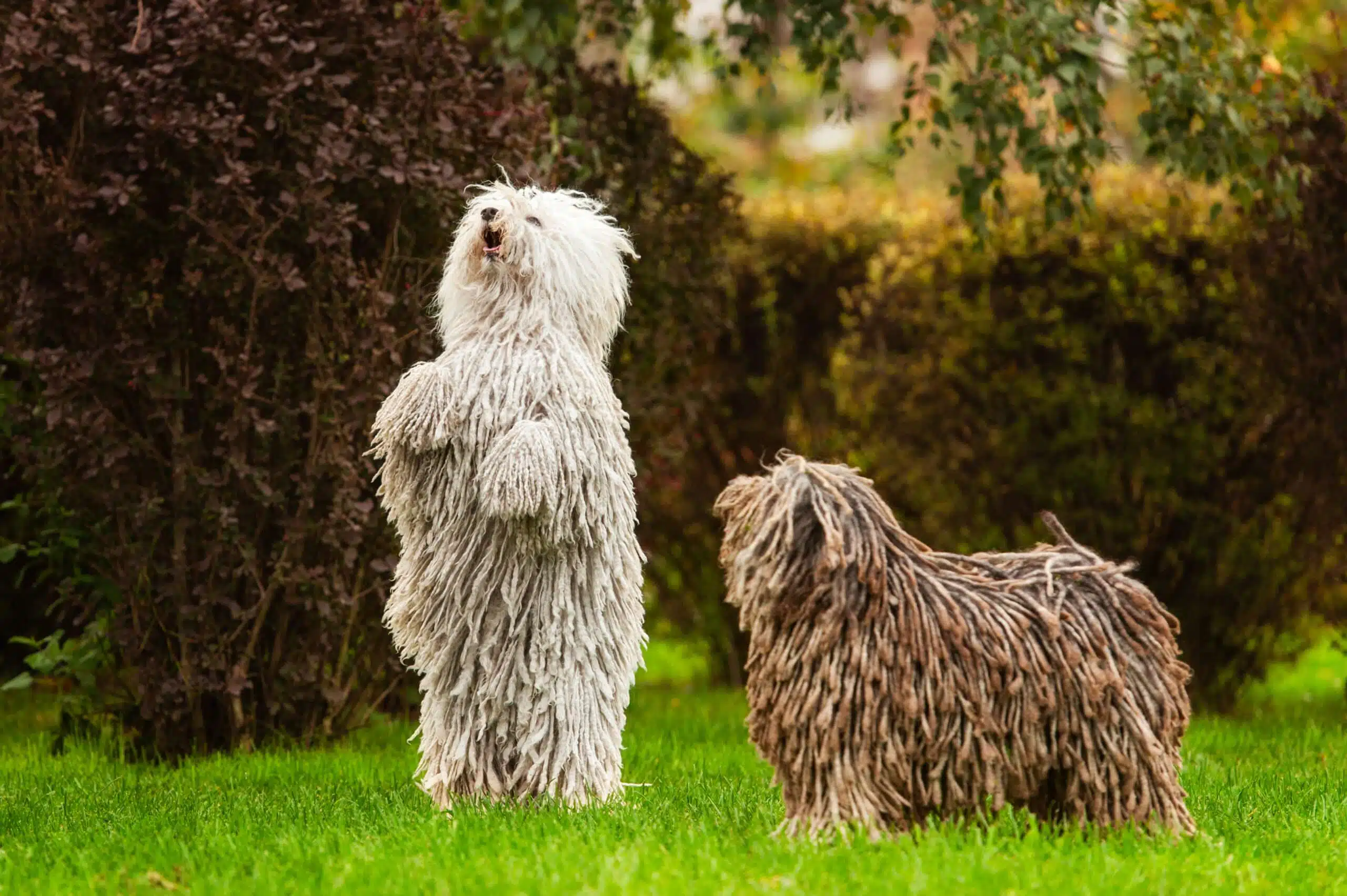
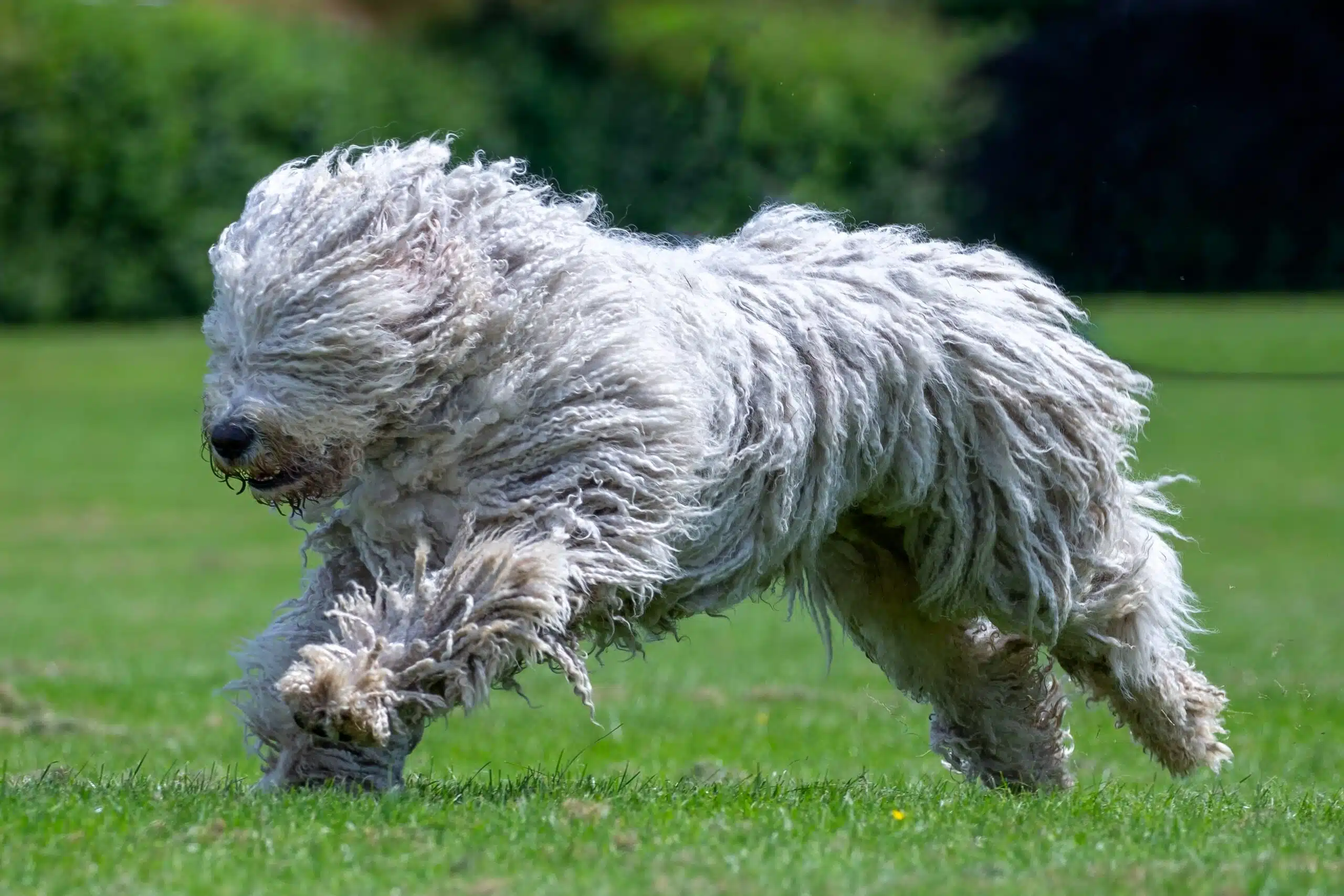
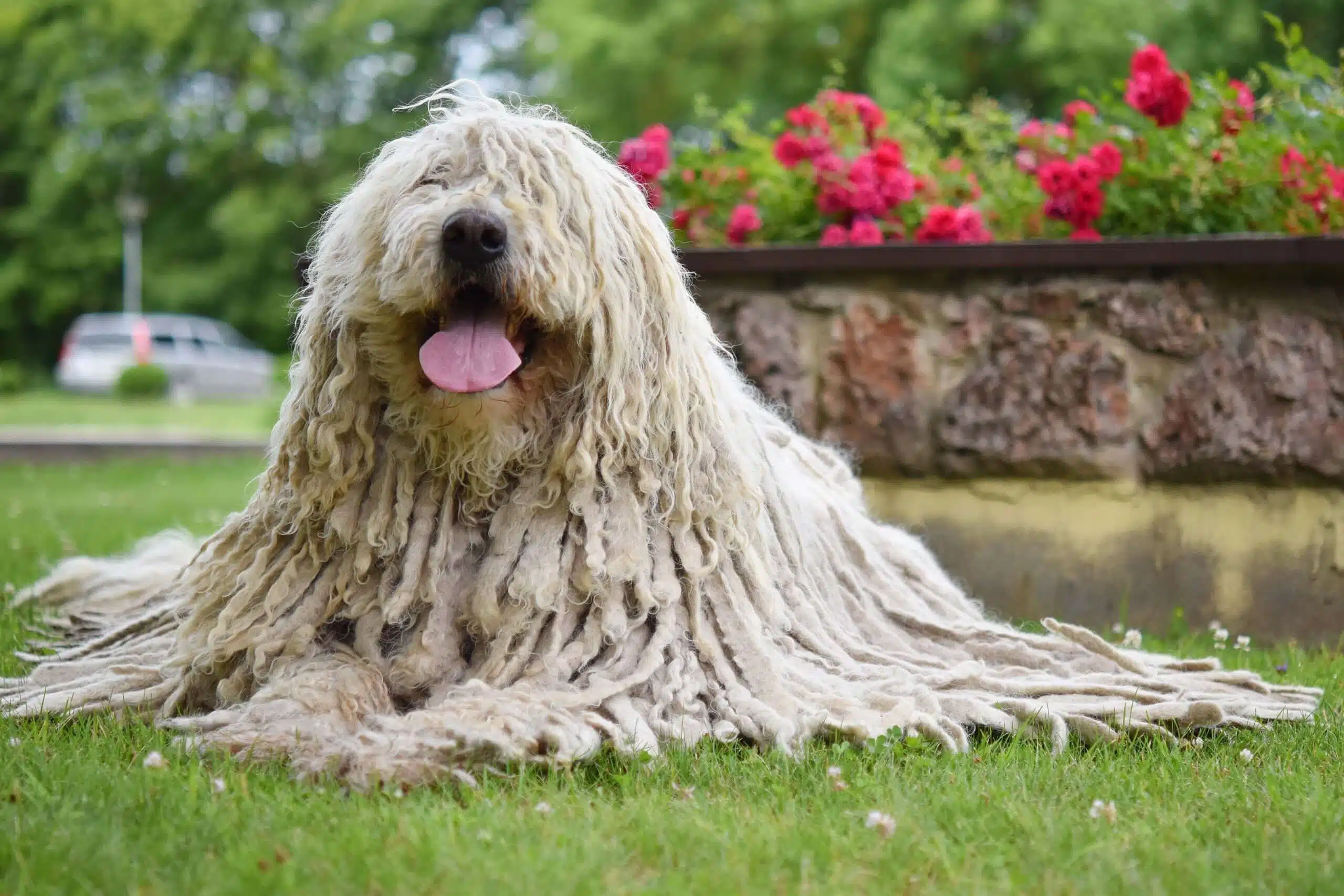
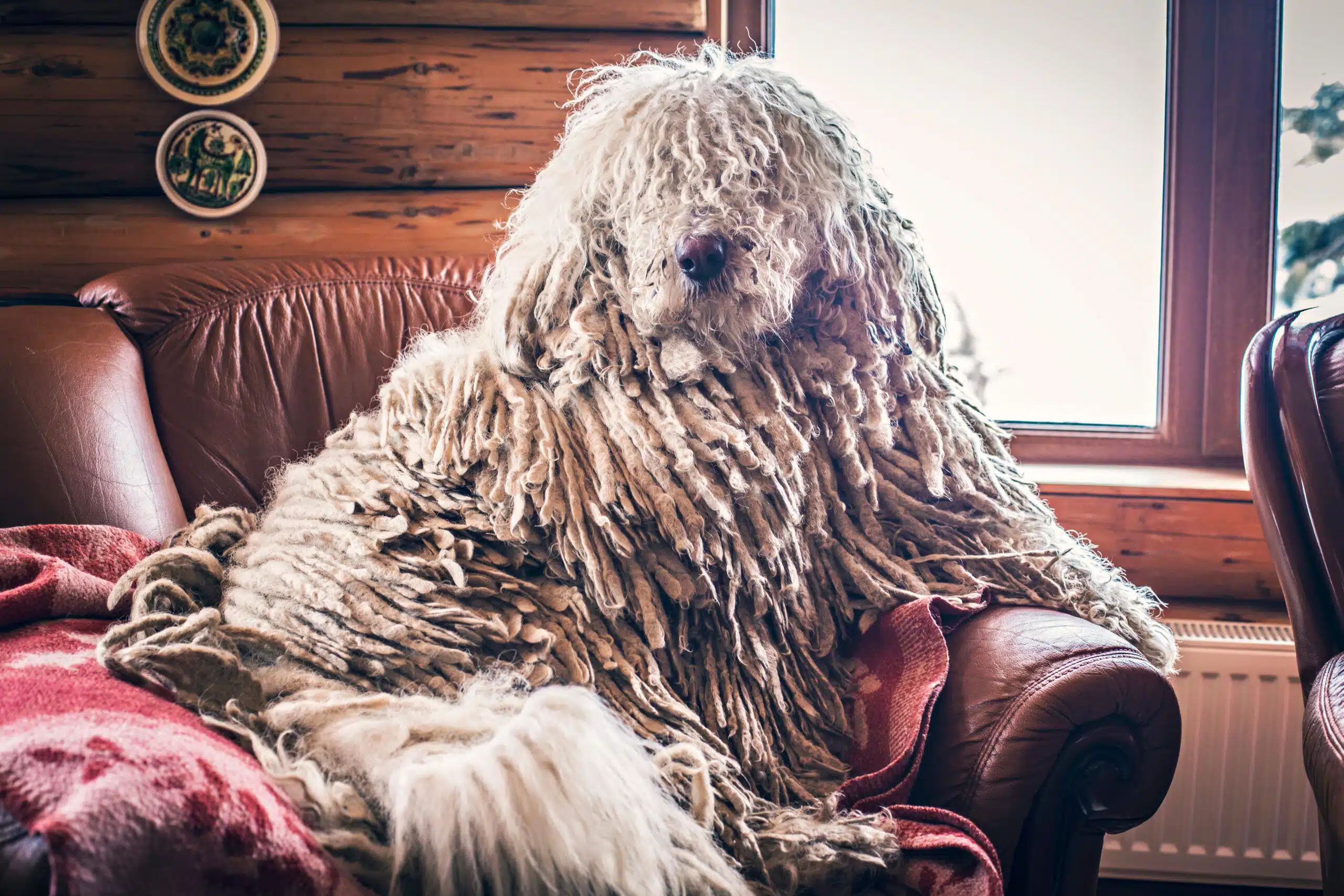
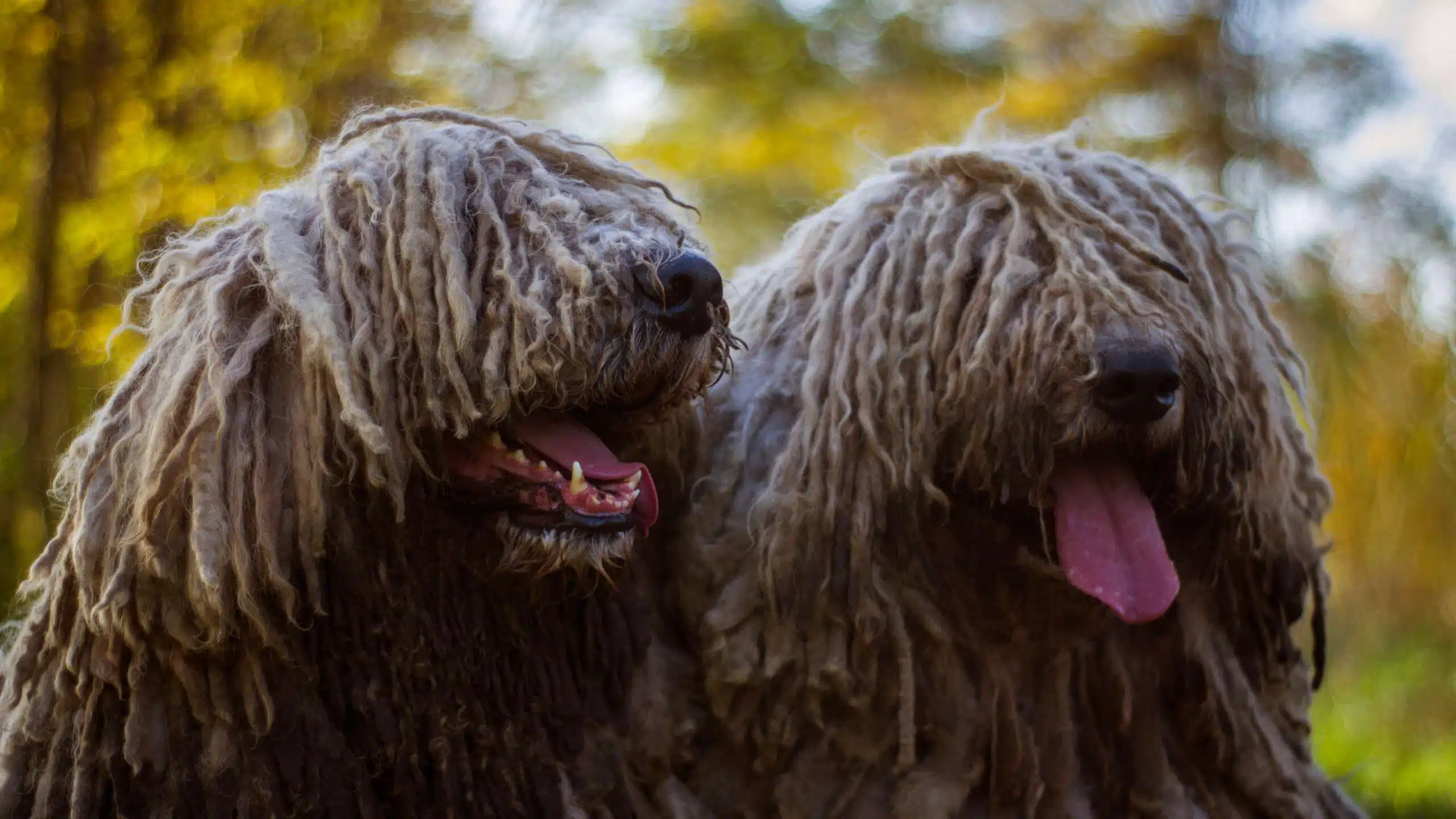
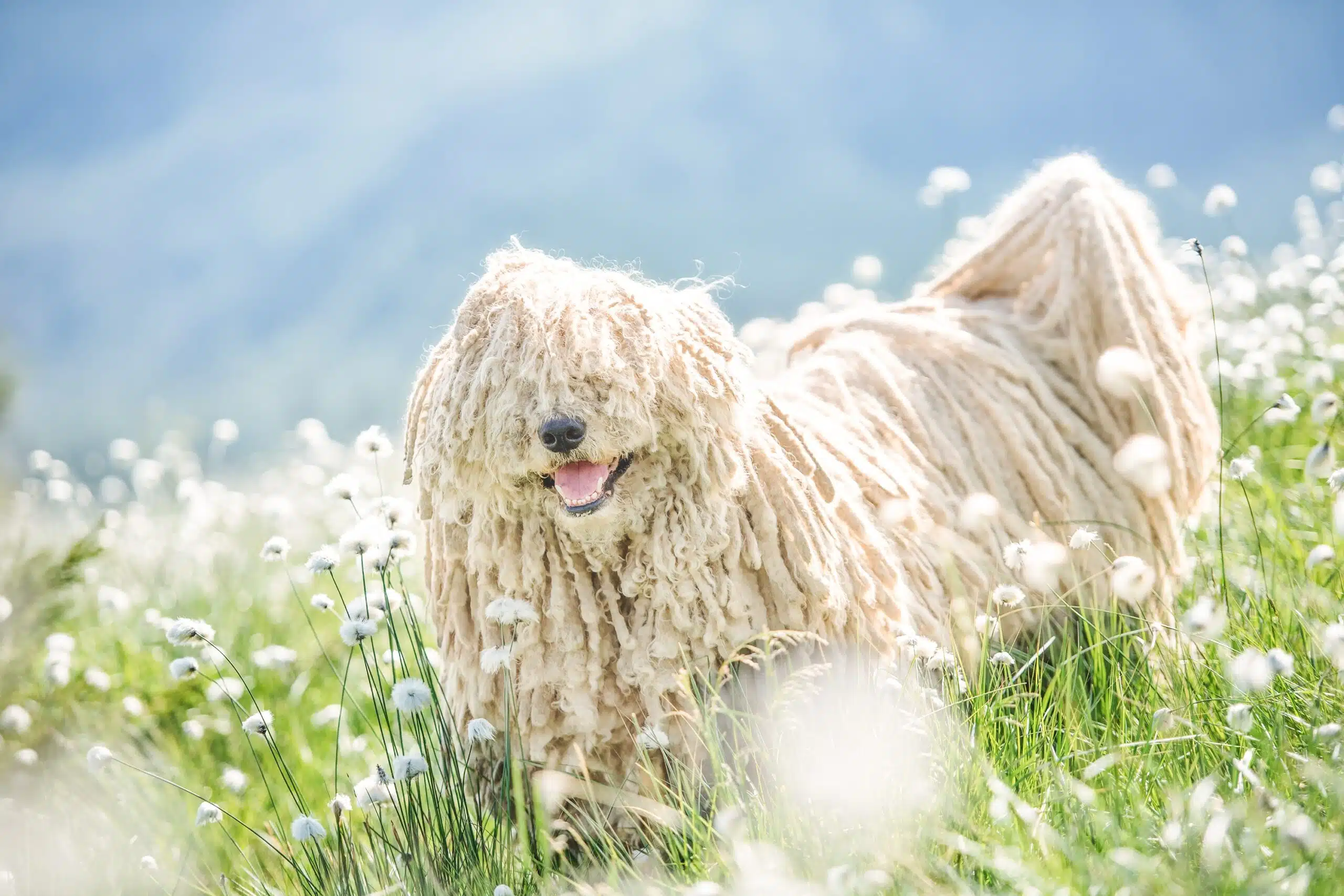
The komondor dog is a striking livestock guardian easily recognized by its long, corded white coat, often described as resembling dreadlocks. The komondor dog breed is rare outside Hungary but has established a small presence in the United States. Known for loyalty and longevity, these dogs typically live around 10–12 years and are valued as devoted guardians rather than casual pets.

Despite its plush appearance, the Komondor was bred to defend livestock against large predators on the Pannonian steppes. This history shaped an intelligent, powerful, and highly independent dog that can be challenging for inexperienced owners. The breed is naturally territorial and protective, but with consistent leadership, Komondors can be calm, affectionate, and deeply bonded to their families.

Early training and socialization are essential. Komondors are smart but can become bored with repetitive lessons, so training should be engaging and based on positive reinforcement. Without proper guidance, unwanted behaviors may develop. Early exposure to people, environments, and other animals helps prevent excessive suspicion or fearfulness later in life.

As adults, Komondors are moderately active and content with short daily walks, preferring to stay close to their owners throughout the day. Their corded coat requires regular hands-on care to keep cords clean and healthy, though shedding is minimal. Proper nutrition also matters, as what a dog eats directly affects coat health, growth, and overall well-being in such a large breed.

Komondors are typically gentle with family members, including children and familiar pets, but supervision is always recommended. They may be wary or hostile toward unfamiliar dogs and strangers if not carefully introduced. Due to their size, strength, and guarding instincts, they are best suited to homes with ample space, secure fencing, and owners prepared for the responsibility that comes with a powerful guardian breed.

Discovering The Exceptional Komondor: Traits, Care, And Suitability

Choosing a dog that fits your home is hard. You want a steady friend who also keeps an eye on your place. The Komondor dog breed, a proven livestock guardian dog, often checks both boxes.

Many big breeds look right at first. Still, few mix guarding power with a calm family side. If you want a protector with a gentle heart, this breed deserves a closer look.

The Komondor dog breed is a historic Hungarian guardian known for its unique coat—long, corded, and mop-like—and even temper. These dogs have guarded sheep for centuries and still excel at it today.

In this guide, you will learn the essentials: temperament, daily care, training, grooming, health, and how these rare “mop dogs” act around kids and other pets. For more information about dog breeds, their care, and training, visit our blog.

Ready to see whether this devoted companion fits your life?

Key Takeaways

  • The Komondor, recorded in Hungary in 1544 and recognized by the American Kennel Club since 1937, is known for a white corded coat and firm guardian instincts. For those interested in other working or hunting breeds, the American English Coonhound is renowned for its hunting skills and social nature.
  • The Komondor is a powerful dog with an independent nature, requiring confident handling and experienced owners to manage its strong-willed temperament.
  • Males often stand over 27.5 inches and weigh 110–132 pounds. Without proper socialization, they can become territorial or wary of strangers.
  • Common health risks include hip dysplasia, eye issues, ear infections linked to the heavy coat, and bloat; slow-feed bowls and portion control help.
  • This breed needs daily space to run, early training starting near four months, steady routines, and monthly grooming with tools like a Greyhound comb and a high-velocity dryer.
  • Average lifespan is 10–12 years with good care. Ethical breeding programs follow Orthopedic Foundation for Animals hip screening and certified eye exams.

History and Origin

The earliest mention of the Komondor appears in a Hungarian codex from 1544. The name likely comes from Koman-dor, or “Cuman dog,” tied to the Turkic-speaking Cumans who moved into Hungary in the 1200s.

They brought tough sheepdogs as they settled under Kten Khan in 1239. Archaeologists have found Komondor remains near Cuman graves, showing a close bond with these shepherds. Historical figures like John Amos Comenius wrote about the breed in 1673.

World War II devastated numbers when invading forces had to remove loyal working dogs that protected farms. As one of three native Hungarian livestock guardians, the Komondor kept flocks safe from wolves and other predators for generations.

“The unique heritage of the Komondor lives on through every generation that continues guarding livestock across fields much like their ancestors did hundreds of years ago.”

Physical Characteristics

The Komondor is large, strong, and athletic. Long legs and a shorter back give speed and power for work. Dense muscles help them face threats such as coyotes or wolves.

Puppies start soft and fluffy. Over about two years, the coat forms cords, a key trait for the breed under the American Kennel Club standard. The heavy coat protects from bites and blends with sheep. Baths take patience; cords must dry fully to avoid mildew.

Researchers note that dogs use more vocal sounds than captive wolves, which rely more on facial cues. Even so, the Komondor’s broad head and strong jaw create a serious, confident look that suits a working dog. This confident appearance reflects the typical komondor personality—protective, independent, and cautious, traits that make them excellent guardians.

Body and Structure

Mature Komondor dogs are imposing. As a powerful dog, the Komondor is known for its impressive strength and large size. Males often top 27.5 inches and weigh 110 to 132 pounds. Long legs support a shorter, strong back. A deep chest powers long days of patrol.

The hindquarters show firm muscles and bent stifles for quick turns in fields. A broad head with a short muzzle supports strong teeth that meet in a scissor bite. The corded coat can reach 20 to 27 centimeters, about 8 to 11 inches, adding weather and bite protection.

These traits develop as the dog’s age advances, with Komondor puppies gradually growing into their adult size, strength, and energy, ready to guard livestock or play hard with their people.

Face and Expression

The face features a strong muzzle, full cheeks, and dark almond eyes. Cords may partly cover the face, yet the eyes still show alert focus.

Thick brows add to a serious look, but you will notice curiosity and intelligence too. Many Komondors meet strangers with a steady gaze instead of quick barking. Small changes, such as softer eyes, often show trust with their own family.

The eyes alone can tell you if your komondor trusts you, says one reputable breeder familiar with generations of these ancient guardians.

Coat and Color

A Komondor’s coat is a unique coat, forming heavy, mop-like white cords that set the breed apart. Komondor puppies are born with soft, fluffy curls that gradually develop into cords as they age. The komondor’s coat consists of a soft and wooly undercoat and a coarser, curlier outercoat; the outercoat catches shedding from the undercoat to form the cords. The coat must never be brushed; instead, owners must manually separate clumps into quarters to maintain the cords’ structure. Komondorok require the most maintenance during their first two years, as the cords form and mature, but after that, they need relatively little maintenance aside from baths and regular haircuts. To keep a Komondor’s coat white and pristine, any mess should be quickly addressed with a rinse. After bathing, drying the coat with fans or a hair dryer helps keep it clean and healthy. If maintaining a Komondor’s coat becomes unmanageable, it is acceptable to shave them.

Breed standards allow only white. Careful grooming prevents matting and skin issues. Dry the coat fully after baths to deter mildew or odor. This care routine keeps your dog comfortable and honors Komondor history as a classic livestock guardian breed.

Movement and Gait

This breed moves with purpose. Long legs, strong muscles, and balance create a confident gait. Daily activity keeps joints and muscles in good shape.

Apartment living rarely suits this dog. A securely fenced yard gives space to patrol and relax. Early socialization and training guide calm movement around other animals and people.

Temperament and Behavior

Calm with family yet independent on duty, the Komondor is both affectionate and watchful. Their independent nature means they are strong-willed and self-reliant, often making decisions on their own, which can affect how they respond to training and daily routines. Many dogs stay more active at night, quietly patrolling the home and yard.

You will hear a deep bark during alerts. These guardians may hold intruders at bay until you step in. They are polite but reserved with strangers, unlike more social breeds such as Labs.

Strong willed dogs push limits. Set rules early and apply them the same way every day. Many Komondors follow most commands, yet a stubborn streak means you must stay patient and consistent.

Homes with young children or many pets need strong early socialization. Ongoing socialization is essential throughout the Komondor’s life to ensure they are properly socialized and comfortable in different situations. Komondors are often reserved with strangers and may display aggression if not properly socialized, so consistent exposure to new people and environments is important. The breed prefers calm routines and fewer visitors. That steady pace fits their guardian mindset.

Health Considerations

Most Komondor dogs stay healthy with the right care. Still, large breeds face certain risks. Hip dysplasia, eye disease, and ear infections can show up without routine checks. The anatomy of the Komondor’s ear canal can trap moisture and promote infections, so regular cleaning and veterinary care are important to prevent ear problems. Bloat, also called gastric dilatation-volvulus, can be deadly. Bloat is a significant risk for deep-chested breeds like the Komondor, and feeding multiple small meals is recommended to reduce the risk. Watch for a swollen belly, pacing, or retching. Call a veterinarian right away if you see these signs.

Some puppies can have selective cobalamin malabsorption, a genetic issue that blocks vitamin B12 absorption. It leads to poor growth and stomach upset. The Orthopedic Foundation for Animals recommends hip screening and certified eye exams for breeding dogs.

Lifespan averages 10 to 12 years. Regular checkups, a balanced diet, and the right portions protect joints and help prevent obesity. Reputable breeders reduce inherited risks by testing their dogs, supported by the Komondor Club of America. This information supports your choices, but it does not replace advice from your veterinarian.

Common Concerns

Knowing the main risks helps you act fast and keep your dog comfortable.

  1. Hip dysplasia can damage joints and make movement painful as dogs age.
  2. Eye problems, including cataracts or entropion, need yearly eye checks for early treatment.
  3. Skin irritation can hide under cords. Look for hot spots or redness during grooming.
  4. Ear infections often follow trapped moisture or debris. Clean ears weekly.
  5. Gastric dilatation volvulus, or bloat, is life threatening. Use slow-feed bowls and skip hard exercise right after meals.
  6. Obesity strains joints. Feed proper portions, choose high quality dog food, and limit treats.
  7. Overheating is a real risk with a heavy coat. Provide shade and water in warm weather.
  8. Keep vaccinations current to protect against diseases such as distemper and rabies.

These steps reduce risk and help your dog feel better day to day.

Lifespan

The Komondor usually lives 10 to 12 years. Good food, steady exercise, and mental stimulation support healthy aging. Basic commands and short training sessions keep minds sharp.

Watch for changes as your dog’s age increases. Hip pain, skin infections under cords, or eye issues should be checked early. Consider adoption from an animal shelter or a reputable breeder that screens for health. Sound breeding gives many Komondorok a better start.

Training Considerations

Training must start early. For first time dog owners, this is not a casual project. Begin structured work between four and eight months, and keep sessions short and positive.

Use rewards such as treats, toys, or praise. Harsh methods create fear and shut down learning. Many handlers aim for an AKC Companion Dog title during puppyhood to build consistent skills.

Adolescence is long, often from nine months to three and a half years. Expect testing of limits. Many young Komondors land in rescue at this stage because families give up. Daily five to ten minute sessions work well. Practice leash manners and reliable recall, then end on a win.

Routine builds confidence. With clear boundaries, your dog learns how to live safely in a home with kids or other pets.

Exercise and Socialization

Komondorok need room to move and steady social exposure. A plan keeps their mind and body balanced.

  1. Provide daily moderate exercise and free running in a safe, large fenced area. Space and balanced activity matter for this breed.
  2. Skip public dog parks. Guarding instincts can trigger conflict with unfamiliar dogs, and their size and temperament make them unsuitable for such environments.
  3. Reinforce commands every day. Rock solid recall protects your dog.
  4. Start puppy socialization classes early. Calm exposure builds stable behavior.
  5. Choose quiet walks over crowded places to prevent overstimulation.
  6. Introduce new people, sounds, and sights at a slow, steady pace.
  7. Supervise all time with children or other pets until trust is proven.
  8. Keep a consistent exercise schedule to lower stress and unwanted habits.
  9. Ongoing socialization is essential throughout the Komondor’s life to maintain proper behavior and social skills.
  10. Be the clear leader from day one. Consistency earns respect.
  11. Work with a professional trainer if you hit roadblocks, especially with a strong willed dog.

Small wins add up. With patience, you get a steady guardian that knows how to relax off duty.

Living with a Komondor

Living with a Komondor is a long term commitment. Pet parents and potential pet parents should be aware that this breed requires significant grooming, socialization, and understanding of its temperament. The Komondor is not recommended for first-time dog owners due to its specialized needs and strong guarding instincts. These dogs thrive in homes with large, securely fenced yards. Most cannot handle close quarters or busy apartment settings.

Meet an adult Komondor in a real home before you decide. That visit sets honest expectations about size, coat care, and protective behavior.

They are loyal to their own family and polite with familiar children, but size and guarding instincts require supervision. Many do best as the only dog. A steady routine keeps them calm and happy.

Best Environment

The ideal home offers space, structure, and firm boundaries. A strong fence allows safe patrols. Rural or suburban settings often work better than dense cities.

Monthly grooming and frequent coat checks are nonnegotiable. Early obedience training channels protective instincts toward safe behavior, especially if children or other pets live nearby. Always supervise play because of the breed’s size and power.

Behavior towards Children

A playful komondor dog with its distinctive corded coat is joyfully interacting with a child at a dog park, surrounded by lush green grass and a securely fenced yard. The child is laughing and reaching out to pet the komondor, showcasing the breed's gentle and friendly temperament.

Komondors can be gentle with kids they know well, especially with early socialization. Start introductions in puppyhood and keep an adult present during play.

Their protective nature is a strength, but it can also cause overreaction to noisy, fast movement. Homes with toddlers are rarely a match. Use reward-based training to reinforce the calm behavior you want to see around children.

Behavior towards other Pets

With careful introductions, many Komondor dogs live peacefully with household pets. Strong guarding instincts can create pushy or territorial behavior with new animals.

Positive reinforcement and structured meetings help. Supervise all early sessions, especially with smaller pets. Many Komondors settle best with one calm adult dog rather than several young dogs.

Grooming Needs

The corded coat takes time and patience. Owners must separate cords by hand to prevent matting. Daily checks catch dirt, burrs, and skin trouble early. Proper care and maintenance are essential for komondor komondorok, as their unique coats require consistent attention to keep them healthy and clean.

Helpful tools include a metal Greyhound comb, slicker brush, detangling spray, scissors for stray ends, towels for moisture control, and a high-velocity dryer to finish drying after baths. Cords hold water for hours, so drying matters to avoid mildew and odor.

Introduce grooming slowly during puppy months. Around nine months, as adult coat forms, step up to daily or weekly sessions. Use gentle, hypoallergenic shampoo and a light conditioner to clean without irritation. Ticks or other parasites can hide deep in cords, so scan carefully.

There is no short-coated Komondor. Every purebred develops long cords that need steady care for life.

Nutrition and Feeding

A Komondor dog with its unique corded coat is happily eating high-quality dog food kibble from a bowl in a securely fenced yard. This devoted companion, known for its guarding instincts, showcases the strong-willed personality typical of the Komondor breed.

Komondors eat less than many people expect for their size. Like any dog, what a dog eats is important—Komondors should be fed a nutritionally balanced diet approved by veterinary authorities, and owners should avoid giving table scraps or bones, as these can cause health issues. Most do well on high-quality commercial food. Very high protein diets can trigger skin issues in some dogs, so watch for changes and adjust with your veterinarian.

Research from 2022 suggests balanced diets with proper carbohydrates may shift some blood values slightly, yet taurine levels stayed normal in healthy dogs. Some puppies have cobalamin, or vitamin B12, malabsorption and need supplements. Only a veterinarian can diagnose and guide that plan.

Bloat risk is real in large dogs. Feed two or three smaller meals, use slow-feed bowls if needed, and limit hard exercise right before and after eating. Offer fresh water at all times.

Where to find a Komondor

Finding Komondor puppies takes time. The breed is rare in the United States and more common in parts of Europe. The American Kennel Club, founded in 1884, has recognized the Komondor since 1937 and lists 293 breeds today.

AKC Marketplace features registered breeders who use tools such as the Breeder Toolkit and may join programs like Bred with H.E.A.R.T. or Breeder of Merit. The Komondor Club of America is the main resource for this rare breed.

If adoption is your path, the AKC Rescue Network can connect you with dogs that need homes. Always work with a reputable breeder who follows AKC health screening guidelines before bringing a puppy home.

Similar Dog Breeds

Several breeds share work ethic or coat style with the Komondor. Here are close matches and how they differ.

  1. Bergamasco Sheepdog: From Italy, AKC recognized in 2015, with a 13–15 year lifespan. The coat forms mats instead of cords. Popularity sits near 200 in 2024.
  2. Polish Lowland Sheepdog: A capable herder with a shaggy coat. AKC recognized in 2001, it lives 12–14 years and ranks around 181 in 2024.
  3. Old English Sheepdog: A British herder with a full, fluffy coat, not corded. AKC recognized since 1888, lifespan up to 12 years, rank near 89 in 2024.
  4. Puli: A smaller Hungarian cousin with a corded coat. AKC recognition came in 1936. Lifespan can reach 15 years, rank near 164 in 2023.

Each is a strong worker yet differs in size, coat, and popularity compared to Komondorok.

Conclusion

The Komondor blends a unique corded coat with a serious guardian mindset. With early socialization, steady training, and thoughtful grooming, this rare breed becomes a calm, loyal partner.

If you have space, time, and a plan, the Komondor pays you back with faithful protection and quiet affection. For many families, that mix is exactly right. If the picture fits your goals, take your next step by meeting a Komondor in person and speaking with an American Kennel Club breeder or rescue contact.

FAQs

1. What makes the Komondor unique among livestock guardian breeds?

The Komondor, also called komondorok in plural, stands out for its dense corded coat that protects it from harsh weather and animal attacks. This breed’s natural guarding instincts make it a trusted choice for protecting flocks.

2. Is there such a thing as a short coat on the Komondor?

A true Komondor does not have a short coat; its signature feature is long, corded hair that forms naturally as the dog matures. Any claim of a “coat short” on this breed often comes from confusion with other dogs or grooming errors.

3. How should owners care for the distinctive coat of their Komondor?

Owners must separate and clean each cord to prevent matting and dirt buildup in their komondor’s thick fur. Regular bathing helps maintain hygiene but drying takes time due to the density of the cords.

4. Are Komondors suitable pets for families or only working environments?

Komondors can adapt well to family life if given proper training and socialization early on; however, their strong protective nature means they thrive best where they have space and purpose like rural homes or farms rather than small city apartments.

  • Furlyfe Rank See Rank
  • Group AKC Working
  • Origin Hungary
  • Size Large, Giant
  • Weight 110 to 130 pounds
  • Coat Length Long
  • Coat Type Corded
  • Colors White
  • Other Names Hungarian Sheepdog, Hungarian Komondor, Mop Dog
  • Temperament Affectionate, Calm, Fearless, Gentle, Independent, Steady

Breed Characteristics

Leave a Reply

Participate on Doggy Duel