
Puli

Click Image to see Gallery

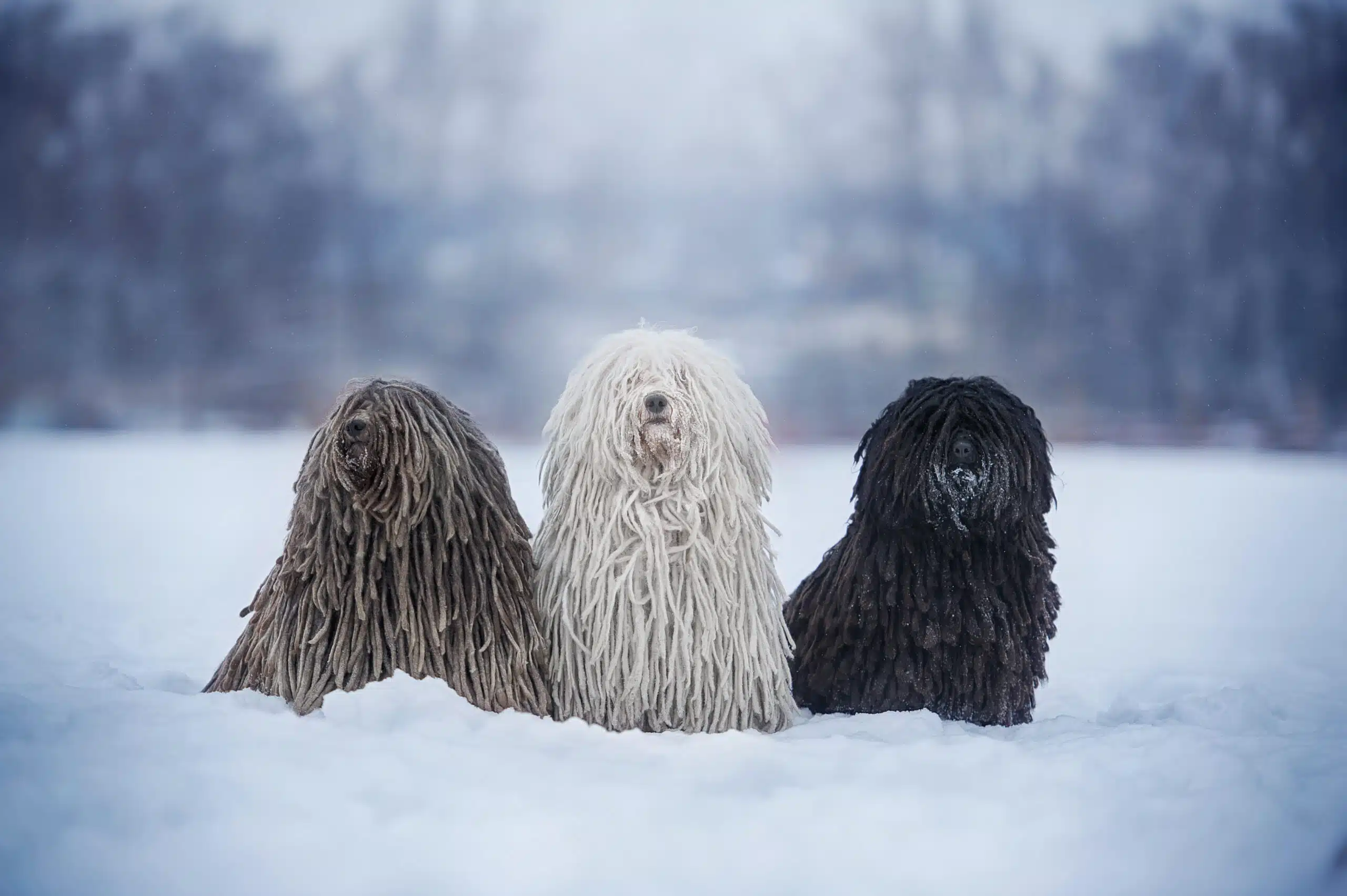
The Puli, or Pulik, has been in Hungary for millennia, likely brought by Magyar invaders and possibly linked to Tibetan Terriers. Their work depended on size and color: dark Puli worked by day, light ones at night.

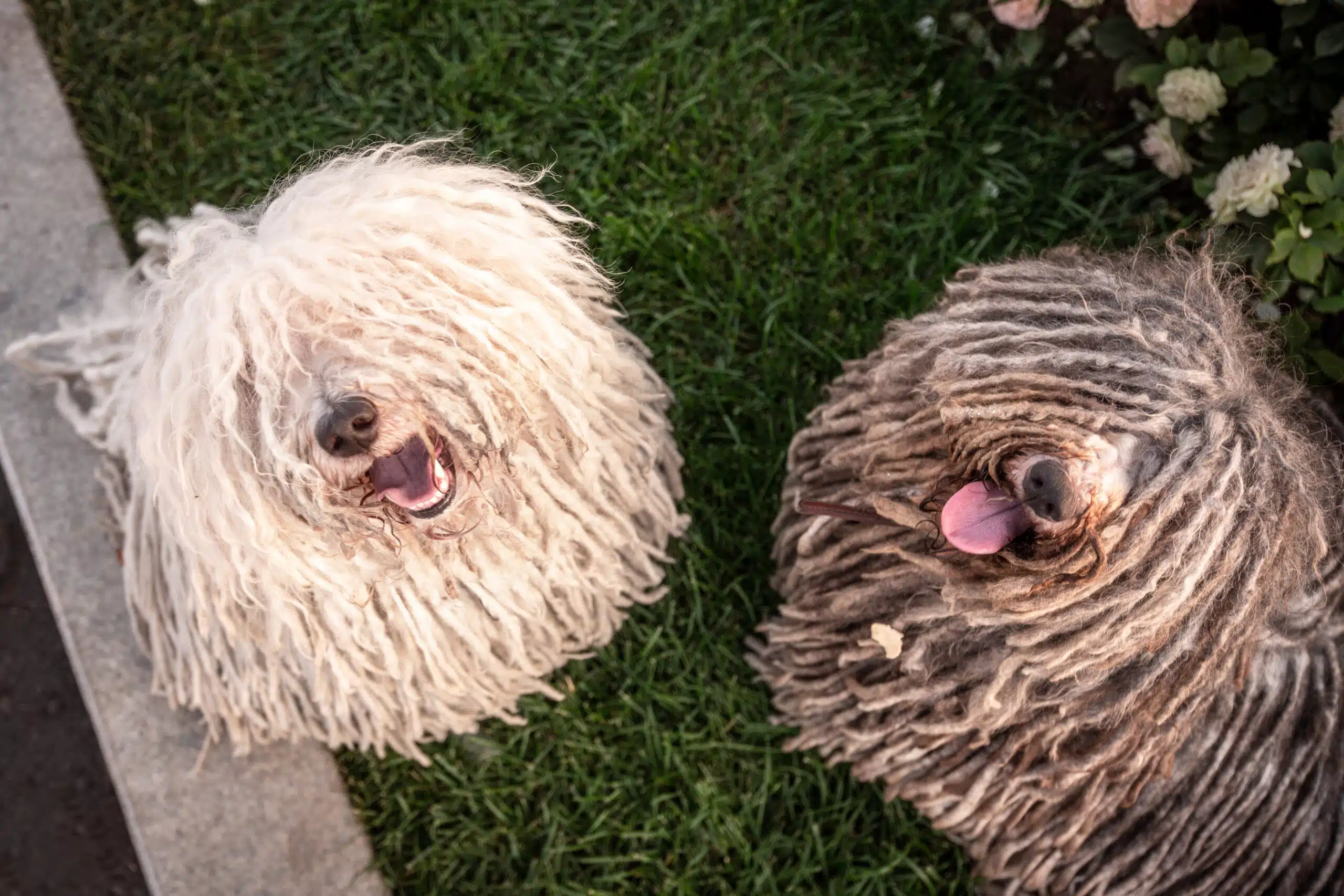
Pulis are small to medium-sized dogs with a mop-like appearance, lively demeanor, and sharp intellect, making them excellent watchdogs. Their long coats require daily grooming and they shed.

The coat protects from harsh vegetation and predators. Despite their size, Puli are tenacious herders with bold coloration making them easily visible.

As companions or show dogs, their herding instinct remains strong, needing exploration and rigorous training. Puli are intelligent and respond well to positive reinforcement. Consistent training is key.

Pulis are playful and get along with children and other pets. They warm up to strangers after an introduction but may be aggressive initially.

Daily exercise is essential, whether long walks or vigorous play. Puli excel in jogging and dog sports like obedience and agility.

Suitable for apartments or condos, Puli are vocal. Avoid relying on electronic fences as containment.

The Puli: A Comprehensive Guide to the Hungarian Herding Dog

A close up picture of a densely corded Puli dog

The Hungarian Puli, a striking-looking dog with a trademark corded coat, has a rich history dating back thousands of years.

Introduction to the Puli

The Puli is a distinctive and versatile dog breed known for its unique corded coat, intelligence, and herding capabilities. Originally bred in Hungary, the Pulik excels as a herding dog and is recognized for its playful and energetic personality. This article explores the history, physical characteristics, care requirements, health concerns, and temperament of the Puli. We will also look at similar dog breeds and provide guidance for prospective Puli owners.

History and Origin of the Ancient Hungarian Breed

historical painting of a Puli dog from ancient Hungary. The dog, with its unique corded coat resembling an antique floor mop, is shown in a traditional Hungarian landscape

Early Development

The history of the Puli breed dates back over a thousand years. It was brought to the Hungarian plains by the Magyars, who were the early Hungarian shepherds. The breed was primarily used to herd sheep and other livestock. The Puli’s corded coat helped protect it from the harsh weather conditions and predators. Early records indicate that the Puli has been an essential part of the herding breeds, playing a significant role in Hungarian agriculture.

Read More: What is the Origin of the Word Dog?

Breed Standardization of the Puli

An inforgraphic over view of the Puli dog breed

The Puli was officially recognized as a distinct purebred breed in Hungary in the early 20th century. Efforts to standardize the breed and promote its unique characteristics began in earnest during this period. The American Kennel Club (AKC) recognized the Puli in 1936, solidifying its status in the dog world. The Puli Club of America was established to support and promote the breed in the United States, ensuring that breed standards were maintained and that the breed’s unique traits were preserved.

Read More: Dog Breeds Not Recognized by the AKC

Post-War Revival

The Pulik population declined during World War II due to the war’s impact on Europe. However, dedicated breeders worked to revive the popular dog using the remaining breeding stock. This effort ensured the survival and continued popularity of the Puli. The breed’s resilience and adaptability have helped it remain a beloved and recognized breed worldwide.

Physical Characteristics of the Puli

A Puli mid run in a field with its fur floating in the air

Size and Build

The Puli is a medium-sized dog, typically weighing between 25-35 pounds and standing 16-17 inches tall. Its muscular and agile build makes it an excellent herding dog, capable of quick movements and endurance. The breed’s compact size and agility make it well-suited for navigating the rugged terrain of the Hungarian plains and herding sheep efficiently.

Corded Coat and Colors

The Puli’s most distinctive feature is its corded coat, known as the puli coat. Puli coats are unique due to their dense outer coat and soft undercoat that form natural cords or dreadlocks. The coat comes in various colors, including black, white, and shades of gray.

The cords help protect the Puli from harsh weather and injury. Regular grooming is essential to maintain the Puli’s coat and prevent mats and tangles. The Puli’s coat is low-shedding, making it easier to manage, but it requires specific care to maintain its characteristic cords.

Distinct Features

The Puli’s expressive eyes, often hidden by its long cords, and its alert, lively expression are notable features. The breed’s unique coat and agile movements make it easily recognizable. The Puli’s playful and energetic demeanor is reflected in its expressive facial features and body language.

Temperament and Behavior

A Puli dog staring over a valley from a high ledge

Energy Levels

The Pulik is an active dog that requires regular physical and mental exercise. It thrives in environments where it can engage in activities like running, herding, and canine sports. Owners should provide at least one hour of exercise daily to keep the Puli healthy and happy. Engaging activities such as running, hiking, and agility sports are ideal for keeping a Puli physically and mentally stimulated.

Trainability

Known for its intelligence and trainability, the Puli responds well to positive reinforcement methods. Proper training and early socialization are crucial to managing the Puli’s strong-willed nature and ensuring it behaves appropriately around other animals and people. The Puli’s independent mind and strong herding instincts can make training a challenge, but with consistency and patience, they can become well-mannered companions.

Read More: Dog Training 101

Social Behavior

Two smiling Puli dogs sitting in a field looking up at a camera

The Pulik is typically friendly with family members and can be a good companion for children. However, its herding instincts may lead to nipping at heels, so supervision and training are essential. The Puli can be reserved around strangers and other dogs, making early socialization important. Proper socialization from a young age will help the Puli develop into a well-rounded and confident dog.

Read More: How to Socialize an Adult Dog

Playful Temperament of the Puli

A Puli Dog jumping in the air on a sidewalk

The Puli personality is characterized by a playful temperament that makes it a delightful companion for families. Its energetic nature and love for play make it an excellent playmate for children. However, due to its herding instincts, supervision is necessary to prevent the Puli from nipping at children’s heels. Providing appropriate outlets for its energy and herding instincts will help mitigate any unwanted behaviors.

Read More: How to Puppy Proof your House

Care and Grooming for the Puli

A grey Puli with his hair covering his eyes

Exercise Needs

To keep a Puli healthy and happy, owners must provide ample physical and mental exercise. This breed enjoys activities like running, hiking, and agility sports. Off-leash playtime in a secure area is also beneficial for mental stimulation. Regular exercise helps prevent boredom and associated behavioral issues. The Pulik thrives in environments where it can engage in activities that challenge both its mind and body.

Grooming

The corded Puli’s coat requires specific care to maintain its health and appearance. Owners should separate and organize the cords regularly to prevent mats and tangles. Bathing a corded Pulik involves soaking and thoroughly drying the cords, which can take considerable time. Regular nail trims, teeth brushing, and ear checks are also essential.

Grooming a corded Puli can be a labor-intensive process, but it is necessary to keep the dog’s coat in optimal condition. The Puli’s coat should be checked regularly for any signs of dirt or debris, and proper grooming techniques should be followed to maintain the unique corded appearance.

Diet

dog food, dog bowl, animal

A high-quality dog food tailored to the Puli’s nutritional needs is crucial. This breed’s active lifestyle requires a balanced diet rich in protein and essential nutrients. Fresh water should always be available to keep the Puli hydrated. Prospective owners should consult with their veterinarian to determine the best diet for their Puli, considering factors such as age, activity level, and health conditions. A proper diet will help maintain the Puli’s overall health and energy levels.

Read More: How to Pick the Best Dry Dog Food

Mental Stimulation

Mental stimulation is vital for the Pulik, as it is an intelligent and active breed. Puzzle toys, interactive games, and training sessions can help keep the Puli’s mind engaged. Providing a variety of activities and challenges will prevent boredom and promote a well-balanced temperament. Mental exercises are just as important as physical exercises for the Puli, ensuring that it remains happy and healthy.

Health Concerns for the Puli

A Puli puppy standing in the snow

Common Health Issues

An illustration of Hip Dysplasia

The Pulik is generally a healthy breed but can be prone to specific genetic health issues, including:

  • Hip Dysplasia: A condition where the hip joints become unstable, causing pain and mobility issues.
  • Patellar Luxation: A condition where the kneecap slips out of place, affecting joint and leg function.
  • Degenerative Myelopathy: A disease affecting the spinal cord, leading to hind limb weakness and paralysis.
  • Progressive Retinal Atrophy (PRA): A genetic condition that leads to blindness.

Preventive Care

Responsible breeders test for these genetic conditions to minimize their prevalence. Regular veterinary check-ups, proper diet, and appropriate exercise can help maintain the Puli’s health and well-being. Early detection and treatment of health issues are essential to ensure the Puli’s quality of life. Owners should work closely with their veterinarian to develop a comprehensive health care plan for their Puli.

Lifespan of the Puli

The Pulik has a lifespan of 10 to 15 years, making it a relatively long-lived breed. With proper care, many Pulis enjoy a healthy and active life well into their senior years. Regular health screenings and preventive measures can help extend the lifespan of a Puli and ensure a high quality of life.

Living Conditions

A smiling Puli dog in a field of flowers

Environment

The Pulik dog thrives in active households with ample space to run and play. It is not suitable for long periods alone or in confined spaces. The breed enjoys participating in family activities and needs a secure yard to prevent escape attempts due to its agility and climbing abilities. A home with a fenced yard is ideal for providing the Puli with the necessary space to burn off its energy safely. The Puli’s natural curiosity and intelligence require an environment that offers mental and physical challenges.

Compatibility with Other Pets

A Puli dog herding sheep

The Puli is generally good with other dogs and pets if properly socialized. However, its herding instinct may lead to chasing or nipping at smaller animals. Early socialization and training can help manage these behaviors and ensure a harmonious household. Introducing the Puli to other pets gradually and under supervision will help foster positive relationships and reduce potential conflicts.

Read More: Does your Dog Need a Friend?

Living with Children

The Puli’s playful and energetic nature makes it a good match for families with children. However, due to its herding instincts, supervision is necessary to prevent the Puli from nipping at children’s heels. Teaching children how to interact appropriately with the Puli will ensure a safe and enjoyable relationship. The Pulik can be a wonderful family companion, providing loyalty and affection to its human family members.

Living Needs

Because of their high energy and intelligence, Pulis require an environment that provides both physical and mental stimulation. Owners who work long hours or travel frequently may need to make arrangements for pet care to prevent boredom and behavioral issues. The Pulik thrives in homes where it can be an active participant in daily activities. Providing a variety of engaging activities and consistent training will help keep the Puli happy and well-adjusted.

Breeding and Adoption

A Puli puppy

Responsible Breeders and Puli Club of America

Choosing a responsible breeder is essential when adopting a Puli dog breed. Reputable breeders perform health screenings and adhere to the breed standard to produce healthy, well-tempered puppies. Prospective owners should research breeders and ask for health clearances before making a decision. The Puli Club of America is a valuable resource for finding responsible breeders and learning more about the breed. Working with professional breeders who prioritize the health and well-being of their Pulik dogs is crucial for ensuring a positive experience.

Adoption Considerations

Adopting a Puli from breed-specific rescues or shelters is another option. These organizations often have dogs in need of loving homes and can provide valuable information about the breed’s temperament and care requirements. Adopting a Puli can be a rewarding experience, offering a second chance to a dog in need and adding a loyal companion to your family. Adoption not only provides a home for a dog in need but also supports the efforts of rescue organizations in saving more animals.

Puppy Care

Puli puppies require special care and attention to ensure they grow into healthy and well-adjusted adults. Early socialization, proper training, and a balanced diet are crucial for their development. Prospective owners should be prepared to invest time and effort into raising a Pulik puppy. Providing a safe and nurturing environment during the puppy’s formative years will set the foundation for a well-behaved and happy adult dog.

Dog Breeds Similar to the Puli

A Photo collage of breeds similar to the Puli including the Komondor, Mudi, Pumi, and Border Collie

Komondor

komondor, dog, watchdog

The Komondor is another Hungarian herding breed with a corded coat. It is larger than the Pulik and was traditionally used to guard livestock. The Komondor requires similar grooming and exercise needs. Its protective nature makes it an excellent guardian, but it also requires consistent training and socialization. Some historians suggest that the Puli may have derived from the Tibetan Terrier, indicating a historical link between the two breeds and their potential shared ancestry.

Mudi

mudi, dog, nature

The Mudi is a versatile Hungarian herding breed known for its intelligence and agility. It has a wavy or curly coat and is slightly larger than the Puli. The Mudi excels in various dog sports and is a great companion for active families. Its playful and energetic nature is similar to the Puli, making it a good alternative for those who appreciate the characteristics of Hungarian herding dogs.

Pumi

A Pumi dog sitting on a park bench

The Pumi is closely related to the Puli and shares a similar herding background. It has a curly coat and excels in herding and agility events. The Pumi is known for its playful and energetic personality. Like the Puli, the Pumi requires regular exercise and mental stimulation to stay happy and healthy.

Border Collie

border collie, dog, domestic animal

Renowned for its herding skills and intelligence, the Border Collie requires similar levels of exercise and mental stimulation. It is an excellent working dog and excels in various dog sports. The Border Collie is known for its agility, trainability, and strong work ethic. It is an ideal choice for those looking for a highly trainable and energetic herding dog.

Conclusion

A Corded Puli leaping over a stone wall

Summary

The Puli is a unique and versatile breed known for its intelligence, agility, and playful temperament. Originally bred in Hungary, the Pulik excels as a herding dog and is celebrated for its distinctive corded coat and lively personality. This comprehensive guide has explored the history, physical characteristics, care requirements, health concerns, and temperament of the Puli, along with information on similar dog breeds.

Final Thoughts on the Puli

Prospective Pulik owners should consider the breed’s high energy levels, exercise needs, and grooming requirements. The Puli is best suited for active households that can provide the mental and physical stimulation this breed requires. With proper care and training, the Puli makes an intelligent, loyal, and loving companion.

  • Furlyfe Rank See Rank
  • Group AKC Herding
  • Origin Hungary
  • Size Small, Medium
  • Weight 25 to 35 pounds
  • Coat Length Long
  • Coat Type Corded, Double
  • Colors Black, Silver, White, Brown, Cream
  • Other Names Hungarian Puli, Hungarian Water Dog, Puik
  • Temperament Agile, Energetic, Faithful, Intelligent, Loyal, Obedient

Breed Characteristics

Leave a Reply

Participate on Doggy Duel