Soft Coated Wheaten Terrier

Click Image to see Gallery

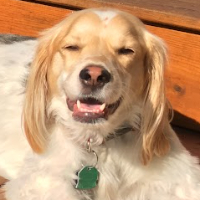
The Soft Coated Wheaten Terrier (SCWT), often called the Wheaten or “Wheatie,” is a medium-sized Irish terrier known for its soft, silky coat and charming personality. Boasting an ancestry with the Irish Terrier and Kerry Blue Terrier.

The Soft Coated Wheaten Terrier was originally bred in Ireland as a farm dog that could fulfill multiple tasks. These responsibilities ranged from guarding farms to herding livestock, hunting badger and otter, catching rats, and retrieving items. Due to their need to survive under harsh conditions without fail; they evolved into strong-willed dogs with formidable resilience – characteristics that still remain true today!

This breed’s distinctive single-layer coat, ranging from pale beige to golden tones with occasional red, white, or black highlights, requires regular grooming. Daily brushing achieves a classic look, while twice-weekly combing maintains a casual style. Though sometimes described as hypoallergenic, all dogs produce allergens through saliva and dander.

Wheatens are affectionate, intelligent, and lively, making them great family pets. They get along well with people and other animals but can be boisterous, requiring supervision around small children. While more relaxed than many terriers, they retain a stubborn streak and benefit from early socialization, consistent training, and positive reinforcement.

This energetic breed thrives on about 90 minutes of daily exercise and loves outdoor adventures. An active home with a securely fenced yard is ideal, as their curiosity may lead to mischief. With proper care, the Soft Coated Wheaten Terrier is a spirited and loyal companion for active families.

The Ultimate Guide To Soft Coated Wheaten Terrier Health And Care

Infographic of the Soft Coated Wheaten Terrier

Caring for a Soft Coated Wheaten Terrier can feel overwhelming at times. These fluffy, fun-loving dogs need specific attention to stay healthy and happy. Pet parents often struggle with understanding their unique care needs, like grooming their silky coat or managing potential health issues such as protein-losing enteropathy.

This breed stands out as an affectionate and energetic companion suitable for many families. Known as an Irish farm dog, the Soft Coated Wheaten Terrier has a rich history of herding and guarding but now shines as a loyal family pet.

In this ultimate guide, you’ll learn everything about their health, temperament, training needs, and daily care tips. Discover how to provide the best life for your furry friend!

Key Takeaways

  • Soft Coated Wheaten Terriers originated in Ireland and were recognized by the American Kennel Club in 1973. They are hypoallergenic and known for their soft, low-shedding coats.
  • Common health issues include Protein-losing Nephropathy (PLN), Addison’s Disease, and ear infections. Regular vet check-ups can help with early detection and treatment.
  • Grooming is essential for this breed due to their silky coat. Daily brushing, monthly baths, and professional grooming every 4-6 weeks keep them looking healthy.
  • These energetic dogs thrive on daily exercise and mental stimulation through activities like agility training or walks. Early socialization ensures positive behavior around pets and children.
  • Their lifespan ranges from 12 to 14 years with proper care, including a balanced diet suited to their age, activity level, and overall health needs.

History and Origin of the Soft Coated Wheaten Terrier

A SCWT and his owner on a rustic farm

The Soft Coated Wheaten Terrier, often affectionately called the “Wheaten” or “Wheatie,” has a storied history as a multi-purpose working dog. Its development is deeply rooted in Ireland, where it played a crucial role in rural life for centuries. Below is a comprehensive look at the breed’s origins, evolution, and rise to prominence.

Origins in Ireland

The Soft Coated Wheaten Terrier is one of Ireland’s four native terrier breeds, alongside the Irish Terrier, Kerry Blue Terrier, and Glen of Imaal Terrier. These breeds share a common lineage, though the Wheaten is believed to be one of the oldest, predating written records of organized breeding. The Wheaten’s origins are somewhat obscure, but it likely emerged from crossbreeding between small Irish farm dogs and early terrier types.

In rural Ireland, the Wheaten was known as the “poor man’s dog,” prized for its versatility and affordability. Unlike more specialized hunting or herding dogs, the Wheaten excelled at a variety of tasks, making it an invaluable companion for farmers with limited means. Its name, “Soft Coated Wheaten Terrier,” is thought to reflect its unique, silky coat and the golden color reminiscent of ripened wheat.

Role as a Farm Dog

An historical image of the SCWT on an old Irish Farm

The Wheaten Terrier was primarily bred for function over form. Farmers relied on the breed to handle a wide range of tasks, including:

  • Guarding: Wheatens were natural protectors of homes and livestock, alerting their owners to potential threats.
  • Herding: They assisted in moving sheep, cattle, and other livestock across the rugged Irish countryside.
  • Vermin Control: Their keen hunting instincts and agility made them excellent ratters, adept at controlling pests on farms.
  • Hunting: The breed was also used to hunt small game, such as badgers and otters, showcasing its courage and tenacity.

This adaptability allowed the Wheaten Terrier to thrive in the often harsh and unforgiving conditions of rural Ireland. Their resilience and practicality became defining traits of the breed.

Early Recognition and Breed Development

For much of its history, the Soft Coated Wheaten Terrier remained an unrecognized working dog, overshadowed by other terrier breeds like the Irish Terrier and Kerry Blue Terrier, which gained popularity earlier. However, breed enthusiasts in Ireland began advocating for the Wheaten’s recognition in the 20th century.

  • Irish Kennel Club: The Wheaten Terrier was first publicly recognized in 1937 by the Irish Kennel Club, marking a significant milestone in the breed’s journey.
  • Export to Other Countries: In the mid-20th century, the Wheaten gained international attention as breeders exported dogs to the United Kingdom, the United States, and beyond. The American Kennel Club (AKC) officially recognized the breed in 1973, helping solidify its status as a beloved family companion.

Connection to Other Irish Breeds

The Soft Coated Wheaten Terrier shares close ties with the Kerry Blue Terrier and Irish Terrier, with all three likely descending from a common terrier ancestor. However, the Wheaten stands apart due to its softer, silkier coat and golden coloring, which distinguish it from the denser, more tightly curled coat of the Kerry Blue or the wiry red coat of the Irish Terrier.

Some historians speculate that the Wheaten played a role in developing the Kerry Blue Terrier, contributing its soft coat to the mix. This interconnected history underscores the importance of the Wheaten in the lineage of Irish terriers.

Modern Popularity

Today, the Soft Coated Wheaten Terrier is cherished not only for its historic versatility but also for its affectionate, playful personality and striking appearance. While it no longer serves as a working farm dog, its adaptability, intelligence, and charm make it a favorite among dog enthusiasts worldwide. Whether as a family companion or a show dog, the Wheaten Terrier continues to embody the resilience and spirit of its Irish heritage.

These fun-loving terriers have carved out a special place both on farms and inside family homes worldwide.

Physical Characteristics of the Soft Coated Wheaten Terrier

A face view of the Soft Coated Wheaten Terrier laying in a forest

Size and Build

The Soft Coated Wheaten Terrier is a medium-sized dog with a sturdy and well-proportioned build. Males typically stand between 18 to 19 inches at the shoulder, while females are slightly smaller, measuring 17 to 18 inches. Their weight ranges from 30 to 40 pounds, with males generally on the higher end of the spectrum. Despite their medium size, Wheatens possess a robust and muscular frame that reflects their origins as a hardworking exuberant Irish farm dog. Their compact yet agile body allows them to move with grace and endurance, making them versatile and athletic.

Coat and Texture

An infographic of the possible coat colors for the SCWT

The most distinctive feature of the Wheaten Terrier is its luxurious, silky coat. Unlike the wiry or curly coats of other terriers, the Wheaten has a single-layer coat that falls in soft, undulating waves. This unique texture sets it apart from its terrier relatives, such as the Irish Terrier or Kerry Blue Terrier. The coat is neither woolly nor wiry, providing a plush and inviting touch. It is medium in length, typically around 4 to 6 inches, and should appear natural and untrimmed in show standards.

Color and Markings

The coat color of the Soft Coated Wheaten Terrier ranges from pale beige to rich golden hues, earning it the name “Wheaten” due to its resemblance to ripe wheat fields. Puppies are often born with darker or reddish coats, which gradually lighten and mature into the characteristic golden shades by the age of two. Some Wheatens may also exhibit subtle markings, including splashes of red, white, or black interspersed within their coat. Additionally, blue-gray shading is commonly seen on their muzzle and ears, adding a unique touch to their overall appearance.

Head and Expression

A close up view of a happy SCWT dog

The Wheaten Terrier’s head is well-proportioned, with a slightly rounded skull and a strong, square-shaped jaw. The muzzle is medium in length and tapers gently toward the nose, maintaining balance with the rest of the head. Their dark, almond-shaped eyes are one of their most endearing features, exuding warmth, intelligence, and a lively curiosity. The nose is black, providing a striking contrast to their golden coat, and their ears are medium-sized, folded forward, and lie close to the head, giving them a classic terrier appearance.

Tail

The tail of the Wheaten Terrier is traditionally docked in some regions, leaving it at a length that stands upright and slightly curved over the back. However, in countries where docking is prohibited or discouraged, the natural tail is medium in length and carried cheerfully, reflecting the breed’s energetic and playful nature.

Movement and Gait

A Soft Coated Wheaten Terrier playing in the snow

Wheatens possess a distinctive gait that is smooth, free-flowing, and purposeful. Their stride is characterized by good reach in the front legs and strong drive from the hindquarters, allowing them to move efficiently. This movement reflects their heritage as versatile working dogs, capable of maintaining stamina and agility in various tasks.

Unique Features

Unlike many terrier breeds, the Wheaten Terrier is notable for its single coat, which has minimal shedding. This characteristic often leads to the breed being labeled as hypoallergenic, although no dog is entirely free from allergens. The coat’s silky texture requires regular grooming to prevent tangles and maintain its glossy appearance, but it contributes significantly to the breed’s distinctive charm.

In summary, the Soft Coated Wheaten Terrier combines a medium-sized, athletic build with a luxurious, golden coat and an expressive face, creating a visually striking and functional dog that stands out among its terrier peers.

Temperament and Personality

A SCWT walking down some stairs outside

Soft Coated Wheaten Terriers are fun-loving and affectionate family dogs. They form deep connections with humans and thrive on companionship. These active dogs dislike being left alone for long periods and may develop behavioral issues if isolated.

Their playful nature makes them great with children, provided they receive proper socialization at a young age.

Wheatens have a determined personality but respond well to patient training methods. Early socialization helps curb excessive barking or high prey instincts toward smaller pets like cats or rabbits.

Though protective of their families, they rarely show aggression towards other animals or people when properly trained from an early age. Regular mental stimulation keeps them engaged while supporting good behavior indoors and outdoors alike.

Health Considerations

A well groomed SCWT sitting by a lake

Shifting from their cheerful nature, health is a key aspect of caring for Soft-Coated Wheaten Terriers. These dogs are prone to serious conditions like Protein-losing Nephropathy and Addison’s Disease, which affect kidney and adrenal gland functions.

Regular check-ups with veterinarians can help detect early signs of these hereditary diseases. An abdominal ultrasound or bloodwork might be needed to monitor kidney function or hormone levels.

Maintaining the dog’s weight through a balanced diet helps prevent obesity, which may worsen existing health issues. Avoid overfeeding or high-calorie wet food if your dog leads a less active lifestyle.

Exercise needs should match their age and energy level; lack of activity could lead to weight gain and joint problems such as elbow dysplasia in older dogs.

Common Concerns

Soft Coated Wheaten Terriers face some health challenges that owners should monitor closely. Regular checks and preventive care can help maintain your dog’s health.

  1. Protein-losing nephropathy (PLN) affects the kidneys, causing protein to leak into the urine. Early detection through regular veterinary visits is essential.
  2. Protein-losing enteropathy (PLE) impacts the digestive system, leading to protein loss. It may cause symptoms like weight loss and swelling.
  3. Addison’s disease occurs when the adrenal glands fail to produce enough hormones. Symptoms include lethargy, poor appetite, and vomiting.
  4. Hypothyroidism in dogs can slow metabolism and cause weight gain or thinning fur. Daily hormone therapy like levothyroxine helps manage this condition.
  5. Ear infections are common due to their floppy ears trapping moisture. Clean their ears regularly to reduce risks.
  6. Dental diseases often develop without proper oral hygiene. Brush their teeth regularly using a vet-approved product.
  7. Kidney failure can result from untreated PLN or other kidney diseases. Watch for signs like increased thirst or decreased appetite.
  8. Allergies may arise due to food sensitivities or environmental factors, causing itching or stomach issues.
  9. Renal dysplasia is an inherited disorder affecting kidney development in some puppies of this breed.
  10. Obesity increases strain on joints and organs unless caloric intake matches the dog’s exercise level.

Understanding these concerns helps prevent them through early intervention and specific care routines for your terrier’s well-being! “Training Considerations” addresses their learning needs next!

Lifespan

The Soft Coated Wheaten Terrier typically lives 12-14 years, making it a long-lived breed. A 2024 UK study revealed their average lifespan as 13.7 years, which is higher than many purebreds at 12.7 years and crossbreeds at 12 years.

Proper care and regular health check-ups can help Wheatens reach the upper range of this life expectancy. A balanced diet, enough exercise to match their high energy level, and monitoring for health problems like protein losing enteropathy are essential steps in keeping your Wheaten healthy for those golden years.

Training Considerations

An adult SCWT on a leash doing training

Start training early to ensure a well-behaved adult dog. Focus on basic commands like “sit” and “stay,” using positive reinforcement methods such as treats or praise. Avoid harsh treatment, as it can harm their trust and slow progress.

Wheaten Terrier puppies respond best to fun activities like games, making learning enjoyable for them.

Socialize your puppy with other dogs and smaller animals from a young age to manage their strong prey drive. Regular exercise keeps them mentally stimulated while reducing unwanted behaviors.

Engage in agility courses or scent walks to channel their energy productively. These steps help raise confident family pets that adapt well to various environments.

Exercise and Socialization

A Fluffy Soft Coated Wheaten Terrier jumping in the air

Soft Coated Wheaten Terriers have medium to high energy. They need daily activities to stay healthy and happy.

  1. Take your Wheaten Terrier for walks on a leash every day to burn off energy safely.
  2. Use secure fencing for outdoor play since they love to roam and explore.
  3. Provide mental stimulation through activities like agility or obedience training sessions.
  4. Sign up for puppy training classes early to ensure proper social behavior as they grow.
  5. Introduce them to children, other dogs, and cats during their early months for better socialization skills later in life.
  6. Create playtime with interactive toys that challenge their intelligence while keeping them active indoors or outdoors.

Living with a Soft Coated Wheaten Terrier

A Wheaten Terrier sits with a relaxed family in a cozy living room.

These fun-loving dogs adapt well to apartment living but need daily exercise. Long walks or active play sessions help manage their energy levels. They thrive in homes where someone is around, as they dislike being left alone for hours.

Their low-shedding, silky coats require daily brushing to avoid tangles and matting.

Wheatens are well-behaved with children due to their friendly and playful nature. Early training promotes better behavior around other pets, including cats or other dog breeds like Beagles or Poodles.

Socialization from a young age ensures they grow confident and less reactive in various settings.

Best Environment

Soft Coated Wheaten Terriers thrive in cool weather, making moderate climates ideal. They do well indoors but need daily exercise to prevent boredom. A fenced yard provides space for play, while consistent mental stimulation keeps them engaged and happy.

Avoid leaving them alone for extended periods as they bond closely with their owners.

This breed fits perfectly into family settings due to its fun-loving nature. Properly socialized Wheatens can live peacefully with other pets. Early training helps build positive behaviors, ensuring a well-behaved companion at home.

Behavior towards Children

These terriers rank highly at five out of five for being great with young children. They show patience, tolerance, and adapt to high-energy play or calm moments alike. Their fun-loving nature makes them excellent companions in family settings.

They are confident but friendly and create strong bonds with kids of all ages. The breed’s alertness helps protect families by barking when strangers approach but quickly warming up after introductions.

Proper training ensures they remain loyal, responsive, and well-behaved around children while maintaining their playful charm.

Behavior towards other Pets

Four Soft Coated Wheaten Terriers playing in a field

Soft Coated Wheaten Terriers need careful introductions to other pets. Early socialization is essential as they have a high prey drive. Without it, they may chase smaller animals or cats due to their instincts from common ancestry with other terriers like the Kerry Blue Terrier and Irish Terrier.

Supervised meetings help them adapt better and reduce potential conflicts at home.

Wheatens can coexist with well-behaved dogs of the same breed or other breeds if trained consistently. They don’t bark as much as most terriers but may react loudly when meeting unfamiliar animals.

Regular training sessions improve interactions and encourage positive behaviors around other pets.

Moving on, understanding their grooming needs will keep their wheaten’s soft coat in top shape while reducing allergens in your home!

Grooming Needs

A well groomed SCWT with a black background

Soft Coated Wheaten Terriers require consistent grooming to maintain their silky coats and overall health. Proper care keeps them comfortable and free of matting.

  1. Brush the dog’s coat daily using a pin brush or slicker brush to prevent tangles and matting.
  2. Use a metal comb occasionally to check for hidden knots in the wheaten’s soft fur.
  3. Schedule professional grooming every four to six weeks for trimming and coat shaping.
  4. Bathe monthly with a gentle, dog-specific shampoo to preserve natural skin oils.
  5. Trim nails regularly, ensuring they do not grow too long, which can cause pain or walking issues.
  6. Rinse around the eyes daily to reduce tear staining, especially on lighter-colored dogs’ coats.
  7. Seek veterinary guidance if tear staining persists or worsens over time.
  8. Check ears weekly for dirt buildup or infections that may affect your dog’s comfort.
  9. Choose low-shedding tools carefully because this breed needs delicate handling of its dark coats.
  10. Replace old grooming supplies as needed to ensure efficiency while maintaining their health efficiently!

Nutrition and Feeding

A healthy SCWT swimming in a a lake

A proper diet is key to keeping a Soft Coated Wheaten Terrier healthy. Their nutrition needs change with age, activity level, and overall health.

  1. Feed high-quality dog food that meets their specific stage of life—puppy, adult, or senior.
  2. Offer food rich in proteins, carbohydrates, and healthy fats to support energy and growth.
  3. Include Omega-3 fatty acids for shiny coats and better joint health.
  4. Puppies need food designed for growth; feed them three meals daily until adulthood.
  5. Adults should eat two measured meals per day to maintain a steady weight.
  6. Monitor calorie intake to prevent obesity as this breed is prone to weight gain if overfed.
  7. Treats should make up no more than 10% of daily calories to ensure balanced meals overall.
  8. Always provide access to clean water throughout the day for hydration support.
  9. Consult a vet before preparing homemade foods or changing their diet drastically.
  10. Look for signs of allergies when introducing new dog foods as some may cause reactions.

Understanding their dietary needs helps keep them active and fun-loving companions ready for training considerations next!

Where to find a Soft Coated Wheaten Terrier

A puppy SCWT shaking hands

Check the American Kennel Club (AKC) marketplace for AKC-registered Soft Coated Wheaten Terrier puppies. This platform lists litters from reputable breeders who follow strict breeding standards.

Ensure the breeder provides health records and answers questions about common concerns like dog allergies or protein losing nephropathy.

The Soft Coated Wheaten Terrier Club of America (SCWTCA) maintains a database for adopting this breed. Their rescue program helps place well-behaved terriers in loving homes. Always verify that the dog’s weight, age, and health are documented before adoption.

Dog Breeds Similar to the Soft Coated Wheaten Terrier

A phot collage of the Kerry Blue Terrier, Irish Terrier, Lagotto Romagnolo, and Bedlington Terrier

Transitioning from the previous section, if you’re considering a Soft Coated Wheaten Terrier, you might also want to explore other dog breeds with similar traits. Each offers distinct qualities while maintaining characteristics akin to the Wheaten Terrier.

Breed Similarities Differences
Kerry Blue Terrier
  • Shares ancestral ties with the SCWT.
  • Friendly and energetic demeanor.
  • Requires regular grooming for its unique coat.
  • Best suited for active households.
  • Strong prey drive, much like the SCWT.


  • Coat is darker and has a blue hue.
  • Slightly larger and sturdier build.
  • May display more independence.


Irish Terrier
  • Shares an Irish origin with SCWT.
  • Historically used as a farm dog.
  • Energetic and playful around children.
  • Needs moderate mental stimulation.


  • Shorter, wiry coat requires less brushing.
  • More protective nature around strangers.
  • Lean and slightly taller in appearance.


Lagotto Romagnolo
  • Similar curly, low-shedding coat.
  • Affectionate and family-friendly nature.
  • Thrives on mental and physical activities.


  • Italian origins differ from SCWT’s Irish roots.
  • Specialized as a truffle-hunting dog.
  • Slightly smaller in size and weight.


Bedlington Terrier
  • Curly, hypoallergenic coat similar to SCWT.
  • Active and playful with families.
  • Requires regular grooming for coat health.


  • Quieter temperament compared to SCWT.
  • Distinct lamb-like appearance.
  • Has fewer prey instincts.


Conclusion

A Soft Coated Wheaten Terrier in a field of flowers

Caring for a Soft Coated Wheaten Terrier can be manageable with the right knowledge. This guide highlighted health, grooming, training, and nutrition needs to keep them happy. Applying these tips can improve their well-being and strengthen your bond.

Explore breed clubs like SCWTCA or AKC for extra help and support or visit our SCWT group on Furlyfe. Give your furry friend the love they deserve!

FAQs

1. What makes Soft Coated Wheaten Terriers unique among several dog breeds?

Soft Coated Wheaten Terriers are fun-loving, low-shedding dogs known for their well-behaved nature and adaptability to different environments.

2. How can I maintain my Soft Coated Wheaten Terrier’s health in hot weather?

To keep your dog safe in hot weather, ensure they stay hydrated, avoid strenuous activities during peak heat, and monitor their physical condition closely.

3. What is Addisonian crisis, and how does it affect this breed?

Addisonian crisis occurs when adrenal hormones like aldosterone are insufficient. It may require treatment with steroids such as prednisone or mineralocorticoids like Percorten to stabilize the dog’s health.

4. Are there any specific grooming needs for a Soft Coated Wheaten Terrier?

Yes, regular visits to a groomer are essential due to their coat type. Proper grooming helps prevent matting and keeps them comfortable year-round.

5. Can cross-breeding lead to common health issues in this breed?

Cross-breeding may increase risks of conditions like protein in the urine or thyroid gland problems seen in some related breeds like Irish Wolfhounds. Regular checkups help detect these early signs effectively.

  • Furlyfe Rank See Rank
  • Group AKC Terrier
  • Origin Ireland
  • Size Small, Medium
  • Weight 35 to 45 pounds
  • Coat Length Medium
  • Coat Type Silky
  • Colors Wheaten
  • Other Names Wheaten, Wheatie, Irish Soft coated Wheaten Terrier
  • Temperament Affectionate, Energetic, Faithful, Intelligent, Playful, Spirited

Breed Characteristics

Leave a Reply

Participate on Doggy Duel