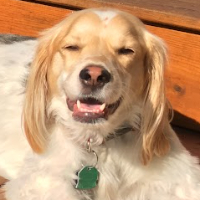
Plott Hound
The Plott Hound, one of America’s few native breeds, originated in the mountains of western North Carolina. Unlike other coonhounds, Plotts descend from five Hanoverian schweisshunden brought from Germany by Johannes Georg Plott in 1750. Blending these dogs with local breeds, the Plott family developed tough, versatile hounds used to track bears and large predators.
Plotts are athletic, energetic, and fiercely loyal. They stand 20–25 inches tall, weighing 40–60 pounds, with females generally smaller. Their striking coats can be brindle, black, buckskin, or black with brindle trim, sometimes with a double coat. Weekly brushing and basic grooming keep their coats in top shape.
This breed thrives on activity, needing daily exercise and space to roam. Plotts excel at hunting, tracking, and make excellent hiking companions. Their energy and stamina mean they need plenty of physical and mental stimulation. Plotts are generally good with children and other pets, but may chase cats outdoors.
Known for their loud, resonant bark and stubborn streak, Plotts require early, positive training—never force. With the right family and routine, they make affectionate, protective companions who are happiest with an active lifestyle.
Exploring The Bold And Fearless Plott Hound Breed

Many dog owners want a pet that is both loyal and tough but struggle to find one that truly fits an active lifestyle. Some dogs are friendly but lack courage, while others might not be suitable for families with children or other pets.
The Plott Hound stands out as a rare breed that combines strength, alertness, and intense loyalty. This hunting dog can be gentle at home but fearless in the field.
The Plott Hound is the official state dog of North Carolina and has earned respect for its brave nature and family-friendly temperament. This breed’s athletic build comes from years of work as a top scent hound in America.
The Plott Hound is especially popular among outdoor enthusiasts for its stamina and versatility, and it is highly regarded as a reliable hunting companion in wooded regions.
In this blog post, you will learn about the history of the Plott Hound, its physical traits, behavior, health needs, training tips, nutrition advice, grooming routines, and more. You will also find guidance on caring for Plott Hounds today from puppyhood through adulthood.
Meet your new outdoor companion here—keep reading to discover what makes the Plott Hound so remarkable!
Key Takeaways

- The Plott Hound is North Carolina’s official state dog and was developed in the 1750s by Johannes Plott, who brought Hanover hounds from Germany.
- The Plott Hound is officially recognized by the United Kennel Club.
- Adult males stand 20 to 25 inches tall and weigh 50–60 pounds; females are slightly smaller at 40–55 pounds.
- This breed has a smooth brindle coat, strong muscles, high stamina, and thrives on one to two hours of daily exercise.
- Plott Hounds are loyal and alert but need early socialization and training due to their strong prey drive; they score a 4 out of 5 for trainability (AKC).
- Common health concerns include hip dysplasia and eye disease; responsible breeders test for these issues. Life expectancy is usually 12–14 years with proper care.
History and Origin of the Plott Hound

Roots in the Blue Ridge Mountains
The Plott Hound’s story begins in the rugged mountains of western North Carolina, where it stands out as one of America’s few truly native breeds. Johannes Plott, a German immigrant, brought his hounds from Germany to North Carolina in 1750. He settled in Cabarrus County, which played a key role in the breed’s development. The Plott Hound was further developed and used for hunting in the surrounding region, including the Blue Ridge and Smoky Mountains. Unlike most coonhounds with English roots, the Plott Hound traces its ancestry back to Germany.
The Plott Family Legacy
In 1750, Johannes Georg Plott immigrated from Germany to North Carolina, bringing with him five Hanoverian schweisshunden, a type of tracking hound renowned for their strength and determination. These dogs became the foundation of the Plott breed. Through careful breeding with local dogs—including some curs—the Plott family developed a line of hounds known as Plott’s Hounds, specifically suited for hunting large game such as bear and wild boar.
Development as a Unique American Breed

Over generations, the Plott Hound adapted to the challenging terrain and diverse wildlife of the Appalachian region. The breed’s exceptional stamina, courage, and sharp scenting abilities made it a favorite among hunters. Unlike other coonhounds, the Plott is not descended from the foxhound, setting it apart as a uniquely American creation with a distinctive German heritage.
Recognition and Modern Role
The Plott Hound’s reputation for versatility and reliability spread throughout the Southeast, and it was eventually recognized as North Carolina’s official state dog in 1989. Today, the Plott remains prized as both a capable working dog and a loyal family companion, known for its courage in the field and affectionate nature at home.
Read More: The History of Dogs
Physical Characteristics

They have strong, streamlined bodies and long tails that aid in balance during hunts. Their faces are marked by dark noses and eye rims, with medium, pendant ears—also known as Plott’s floppy ears—and a bold expression.
The short, smooth coat lies flat and is most often brindle—shades like brown brindle, red brindle, tan brindle, black, yellow, blue—or occasionally solid black, with unique markings and flecks on each dog. Rarely, you may also see a light cream or buckskin coat.
Plott Hounds move with a confident, effortless stride, showing off their power and agility whether in the field or in competition.
“The American Kennel Club says Plotts should have ‘a quick sure-footed step that covers ground efficiently.’”
Body and Structure
Plott hound’s body shows strength and agility. Adult males stand between 20 to 25 inches tall at the shoulder, while females usually stay a bit smaller. Males weigh about 50-60 pounds; females range from 40-55 pounds.
Strong muscles run through this coonhound‘s streamlined frame, making it perfect for active hunting or running in a fenced yard.
A Plott hound has a deep chest with well-sprung ribs that help with stamina during long hunts. The moderately flat skull leads down to medium length ears that hang close to the face.
Thick but smooth skin covers their body, helping protect against rough brush and weather conditions outdoors. This dog breed is known for its endurance as well as speed compared to other dogs and other hounds.
Their short coat shines in the light, giving off a glossy look even after hours spent outside tracking scent trails with other animals or companion dogs.
Face and Expression

A Plott Hound’s face stands out with its moderately flat skull and rounded crown. This shape gives them an inquisitive look. Their black leather nose pops against their brindled or solid colors, making the muzzle look strong and focused during tracking or obedience work.
Medium-length ears hang gracefully beside the head, helping these coonhounds catch important scents while showing off their alert attitude.
Confident expressions reflect a plott hound’s bold nature; you’ll notice loyalty shining in their eyes as they bond closely with family members. The breed’s facial features often show eagerness to learn and high intelligence, which helps during proper training sessions using positive reinforcement.
If the dog seems attentive or affectionate at home, that expression mirrors what owners of rare breeds value most—dedication and trust from a fearless companion originally bred for hard work in rugged terrain.
Coat and Color

Plott’s Hounds have a smooth, fine, and glossy coat that feels sleek to the touch. This short hair lies close to their bodies, which helps reduce heavy shedding and means you will need only weekly brushing with a soft bristle brush.
Using this simple routine removes dead hair and keeps their skin healthy.
Brindle is the most common color pattern; it can appear as gray brindle, blue brindle, yellow brindle, black brindle, or even orange brindle stripes. Some Plott Hounds show solid black coats or sport unique features such as a black saddle over the back or a gray muzzle.
White markings may also be present on the chest and feet. These patterns make each dog stand out in the crowd at dog shows and among mixed breed dogs alike.
Movement and Gait

Strong, agile movement sets the Plott Hound apart. Their streamlined body and well-muscled structure help them move with purpose and confidence during both playtime and hunting. Muscular legs, erect pasterns, and well-bent stifles give this breed impressive agility—key for chasing down prey in tough conditions.
A daily walk of 1 to 2 hours keeps energy levels balanced while supporting their athletic build. High prey drive often makes leash use necessary; they will quickly chase after anything that moves without it.
Early socialization and training from puppyhood improve their ability to adjust in new settings or around other pets. Regular exercise also reduces the risk of health problems like hip dysplasia as your hound grows older.
Temperament and Behavior

The Plott Hound’s loyalty and alertness make it a great family companion for dog owners who value intelligence. These dogs love their people and often form deep bonds with each family member.
At home, they act calm and settled, yet once outside on a walk or at work, they display boldness that shows off their courageous heritage as a foundation stock breed. Plott Hounds speak up when needed, scoring a 5 on the bark scale; you might hear their voices during play or if strangers approach.
Active minds need frequent challenges. This is why Plott Hounds require one to two hours of daily exercise plus plenty of mental stimulation through games or lessons. Their willingness to learn matches the trainability score of 4 out of 5 listed by sources like akc.org for purebreds in this group.
Because these hounds have such strong prey drives and an urge to roam like foxhounds bred by German immigrants, safe walks always mean using a leash. A household with small pets may face problems since some instincts can make peaceful cohabitation tough despite early socialization efforts from puppy’s parents or knowledgeable breeders tracking pedigrees carefully over generations.
Health Considerations

Hip dysplasia and eye disease can affect this breed, so responsible breeders check a puppy’s parents for these genetic issues. Routine veterinary visits and parasite control play an important role in keeping your dog healthy.
Ear infections may occur from floppy ears, especially after being outdoors. Clean the ears often to reduce ear infection risk.
The average lifespan of this canine ranges from 12 to 14 years with proper care. Feed high quality dog food that suits your dog’s age and activity level for best health results. A balanced diet helps keep their brindle trim or golden tan coats shiny and strong.
Regular exercise also keeps them mentally sharp while preventing unwanted habits like chewing or digging indoors.
Common Concerns
Plott Hounds are active and bold dogs but need special care to stay healthy. Owners must watch for certain health and behavior issues with this breed, especially when raising Plott Hound puppies, who require early health checks and socialization to develop into well-adjusted adults.
- Hip dysplasia is common in Plott Hounds. This joint problem can cause pain and limit movement, especially as the dog grows older.
- Eye diseases may develop in some Plotts. Regular vet check-ups help catch vision problems early.
- Food aggression or toy guarding sometimes shows up, even at an early age. Early socialization and consistent training reduce these unwanted behaviors.
- Obesity can become a challenge if calorie intake is not controlled. A monitored feeding schedule with high-quality food keeps your Plott Hound fit.
- Their strong prey drive might push them to chase small animals, including cats or wildlife, so always walk your dog on a leash.
- Plotts thrive on activity and need one to two hours of vigorous exercise every day to prevent boredom-based issues like chewing or digging.
- Coat care is minimal, but weekly brushing helps avoid skin irritation from dirt trapped in their dark fawn or red fawn fur.
- They live 12 to 14 years if you address health concerns early through regular veterinary visits and healthy habits.
Dog owners who take action early give their Plott Hound the best shot at staying happy and healthy for many years.
Lifespan

Most Plott Hounds live between 12 and 14 years. This makes them a good option for dog owners who want a long-term companion. Responsible breeders test their dogs for health issues like hip dysplasia and eye disease, helping to increase lifespan.
Regular vet checkups, healthy food, and exercise add more quality years.
Some Plott Hounds may develop conditions that shorten their lives if not addressed early. Ask breeders about family health history before choosing your pup. Unlike the Maltese breed, which is much smaller but also enjoys a long life, these active hounds need regular attention to their unique needs for optimal longevity.
Training Considerations

Plott Hounds thrive on mental stimulation and consistent training. Owners should use positive reinforcement, such as treats or praise, to encourage good behavior during sessions. These energetic dogs need daily activities that challenge their minds.
Training games and puzzle toys help prevent boredom, which can lead to chewing or digging around the house. Early socialization builds confidence and lowers the risk of fear-based aggression.
Exposing puppies to new people and animals at a young age helps them stay friendly in adulthood.
Addressing food or toy aggression early is crucial for Plott Hound owners. Set clear boundaries with gentle but firm commands during meal times and play. Their strong prey drive means that reliable recall commands are essential for safety outdoors.
Dedicate at least one to two hours each day for vigorous exercise paired with basic obedience drills; this keeps these loyal hounds both happy and manageable. Regular structure harnesses their natural loyalty, turning them into dedicated companions who listen well even in distracting environments like dog parks or hiking trails.
Before starting training, prospective owners should check health clearances for the puppy’s parents to ensure the puppy has been tested and cleared for common health conditions.
Exercise and Socialization

Daily activity keeps a Plott Hound healthy and happy. Expect to spend one to two hours each day on walks, runs, active play sessions, or outdoor adventures. Dog sports like agility training and scent games fit their high energy well.
Always use a sturdy leash or exercise in fenced areas because these hounds have strong hunting instincts.
Introduce new people, pets, and places early in life through positive experiences. Early socialization helps prevent fear and unwanted behaviors later. Use treats and praise for good manners with both dogs and strangers.
Mental challenges such as puzzle toys reduce boredom which can lead to chewing or digging at home. Consistent routines help these intelligent dogs become friendly companions in any setting.
Read More: Puppy Socialization Checklist
Living with a Plott Hound

Plott Hounds thrive in homes with plenty of space to play and explore. These dogs need at least one to two hours of exercise each day or they may chew on furniture and dig in the yard.
A large backyard, daily hikes, or trips to a dog park will help keep their energy levels balanced. Supervise them around children since Plott Hounds can be strong and sometimes get too excited during play.
Families should introduce other pets slowly because some Plott Hounds have high prey drives. With careful socialization, these dogs learn to accept cats and other animals over time.
Weekly brushing is important for their short coat; regular ear checks prevent infections since their ears trap moisture easily. Plan for vet visits every few months as conditions like hip dysplasia are common in this breed.
Best Environment
Active families with large backyards suit this breed best. Daily exercise needs reach up to 2 hours, so outdoor space is not just ideal—it is critical for their health and behavior.
Apartment settings do not work well because these dogs bark often and need room to burn energy.
Secure fencing stops escapes linked to a strong prey drive. Early socialization and training help prevent bad habits in new surroundings. This breed bonds closely with people and adapts well in homes where family members spend plenty of time together outdoors or on daily walks.
Behavior towards Children
Plott Hounds are known for their deep affection toward family and often develop strong bonds with their people. With young children, they tend to be reasonably patient, but supervision is important to ensure safe and positive interactions.
While they enjoy playing with kids, their playful energy is best channeled into gentle activities—avoid rough games to keep everyone safe. Thanks to their sturdy build, Plott Hounds can handle active play, but it’s still essential to set boundaries.
Proper training and early socialization are key to helping Plott Hounds behave well around children. It’s important for owners to teach both the dog and child how to interact respectfully with each other.
Use positive reinforcement to encourage good behavior, starting from a young age, and always supervise interactions between your Plott Hound and children to promote a happy and harmonious home environment.
Behavior towards other Pets

Most Plott Hounds show a friendly attitude toward other dogs, scoring a 4 for compatibility. This makes them good companions at dog parks or on group walks. Early socialization plays a key role in teaching them to respect other pets and adapt to various situations.
Their alert nature and protective instincts can make them cautious around unfamiliar animals.
A strong prey drive may cause trouble with smaller pets like rabbits or hamsters. Regular training helps manage this instinct while daily exercise of one to two hours prevents pent-up energy that could lead to problems with housemates.
Supervised introductions work best, especially if the household has cats or pocket pets. Many pet owners find success by setting clear boundaries and using positive reinforcement during every interaction between their Plott Hound and other animals in the home.
Grooming Needs

Plott Hounds have a smooth, fine coat that feels glossy to the touch. Their grooming frequency rating sits at just 1, which means you spend less time with brushes and sprays than with many other breeds.
Weekly brushing works well to manage moderate shedding and helps keep hair off your furniture and floors. A quick wipe-down after outdoor adventures removes dirt before it sticks.
Regular ear inspections guard against infection since their floppy ears can trap moisture and debris. Use a soft cloth or cotton ball for gentle cleaning once every week or two. Bathing is only necessary on occasion unless your Plott Hound rolls in mud or gets extra dirty during exercise sessions outside.
This breed’s low-maintenance coat pairs perfectly with an active lifestyle, where daily runs of one to two hours are part of the routine care plan.
Nutrition and Feeding

Active Plott Hounds thrive on high-quality dog food made for their specific age and energy levels. This breed burns lots of calories, so a balanced diet rich in protein and healthy fats helps maintain strong muscles and supports daily activities such as hiking or hunting.
Monitoring portion size keeps calorie intake under control which lowers the risk of obesity. Fresh water needs to be available at all times to support hydration during periods of play or intense exercise.
Veterinarians often create custom feeding plans based on your dog’s activity level, age, weight, and health status. Owners should never guess quantities or rely only on label guidelines since every Plott Hound is different.
Choosing the right nutrition ensures these bold canines get enough fuel for their athletic lifestyle while keeping their weight in check.
Where to find a Plott Hound

Prospective owners often connect with responsible breeders who focus on health and temperament. The usual price for a Plott Hound puppy from a breeder ranges between $300 and $700.
Breeders provide important documents such as health records, vaccination details, and pedigree information.
Animal shelters may also have Plott Hounds waiting for loving homes. Breed-specific rescue groups work across the country to help place these dogs with families. Checking national databases like Petfinder can widen your search area quickly.
Always ask about the dog’s background and any special needs before making a decision.
Similar Dog Breeds

Several breeds share traits with the Plott Hound. Each brings unique characteristics while also having some overlap in origins, temperament, or skills. Notably, Plott Hounds are renowned for their ability to hunt large game such as mountain lions, which sets them apart from some similar breeds.
| Breed | Similarities to Plott Hound | Differences from Plott Hound |
|---|---|---|
| Hanoverian Scenthound | Both are expert scent hounds bred for tracking and hunting. | The Hanoverian Scenthound originated in Germany and is heavier in build. |
| Bavarian Mountain Scent Hound | Both display high tracking abilities and thrive outdoors. | This breed is typically smaller and more reserved with strangers. |
| Mountain Cur | Both show strong work drive, agility, and alert nature during hunts. | The Mountain Cur often has a more varied coat color and can herd as well. |
| Transylvanian Bloodhound | Both have origins connected to rugged terrain hunting traditions. | This breed comes from Eastern Europe and tends to be less energetic indoors. |
Conclusion

The Plott Hound stands as a bold and loyal American hunting dog, known for its strong spirit and affectionate nature. This breed shines with its athletic build, friendly temperament, and easy-care coat that suits busy families well.
Simple routines such as regular exercise, early training, and proper diet make caring for this hound efficient for most owners. Could your family benefit from an energetic companion who thrives outdoors? Understanding these dogs leads to happier pets and smoother home life.
For more help or local adoption guidance, reach out to your area’s AKC club or rescue group today—your next adventure may just be a wag away!
FAQs
1. What makes the Plott Hound breed bold and fearless?
The Plott Hound, originally bred as a big game tracker, shows courage in challenging situations. Its strong prey drive and confidence set it apart from many other hunting dogs.
2. Are there common myths about the Plott Hound’s temperament?
Many believe that all hounds are stubborn or hard to train. The Plott Hound often proves this wrong; with consistent training and clear commands, it learns quickly and bonds closely with its handler.
3. How much exercise does a Plott Hound need each day?
A mature Plott Hound needs at least an hour of vigorous activity daily. This keeps its agile body healthy and helps manage high energy levels while also preventing boredom-driven behaviors.
4. What practical tips help first-time owners care for a Plott Hound?
Begin socializing your dog early using positive reinforcement methods. Provide regular mental challenges like scent games along with physical exercise to keep your companion engaged and well-adjusted in new settings.
- Furlyfe Rank See Rank
- Group AKC Hound
- Origin United States, Germany
- Size Medium
- Weight 40 to 60 pounds
- Coat Length Short
- Coat Type Smooth
- Colors Black,Black and Tan,Blue,Brown,Red
- Other Names Plotthund, Plott
- Temperament Alert,Bold,Courageous,Loyal