Bloodhound

Click Image to see Gallery

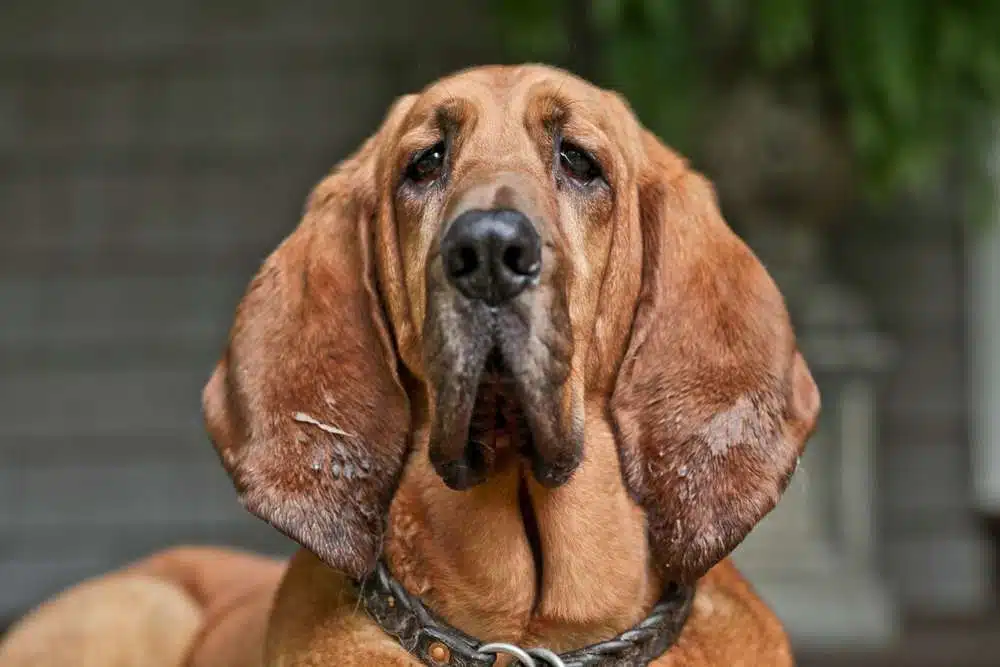
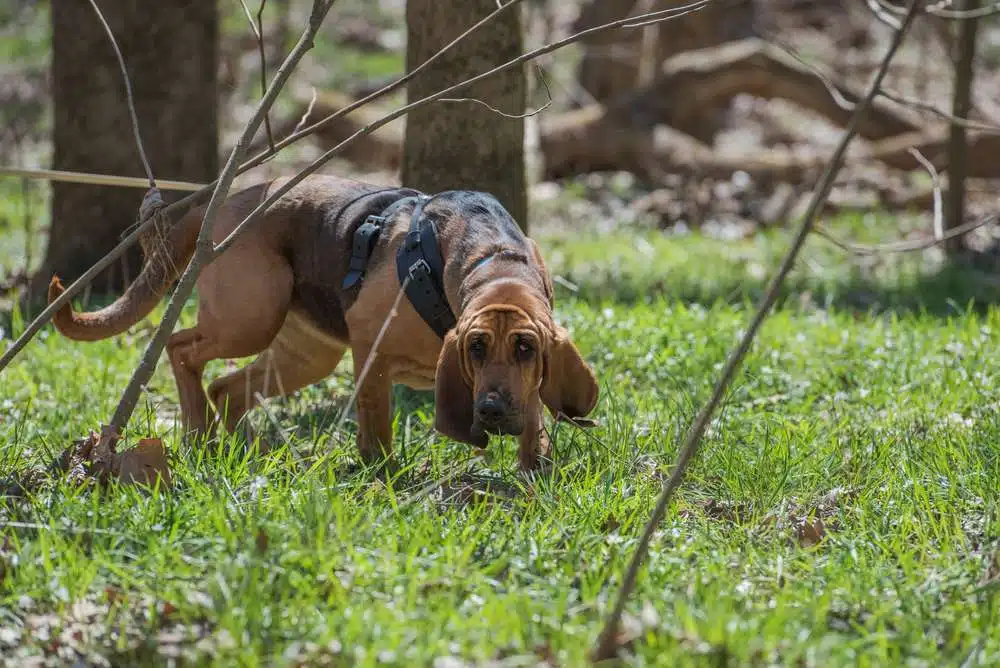
The Bloodhound, also known as the St. Hubert Hound, is famous for its unmatched scent-tracking ability. With its loose skin, droopy ears, and deeply wrinkled face, the Bloodhound has one of the most recognizable appearances in the dog world. Law enforcement and search-and-rescue teams value the breed for its ability to follow human scent trails over long distances, even when the scent is several days old.

Despite their sleepy expression, Bloodhounds are active dogs that enjoy spending time outdoors. They are also loyal and deeply attached to their families. These large hounds are often gentle with children and other pets, making them surprisingly good household companions when properly trained and socialized.

Bloodhounds are intelligent but can also be stubborn and independent. Consistent training and patience are important from an early age. While they are serious trackers in the field, they are also known to be funny, sensitive, and affectionate dogs at home.

The breed is large and powerful, commonly weighing between 80 and 115 pounds. Bloodhounds are also well known for drooling, especially after eating, drinking, or shaking their heads. Owners should expect some slobber around the house as part of living with this breed.

Although they enjoy outdoor exercise, Bloodhounds should not be isolated outside. They thrive on companionship and prefer being close to their people. A securely fenced yard is ideal because their strong noses can easily lead them to wander if they catch an interesting scent.

Their short coat is fairly easy to maintain with weekly brushing, but the facial wrinkles and ears require regular cleaning to prevent irritation or infection. Bloodhounds also have a naturally musky odor that many owners simply accept as part of the breed’s unique charm.

Bloodhound Breed Guide: Temperament, Training, And Care Tips

Bloodhound Breed Guide: Temperament, Training, And Care Tips

You want a Bloodhound that fits your home and your life. Many owners find training, scent work, and health care hard to manage. Bloodhound puppies grow into large dogs with loose skin, long ears, and a strong drive to follow a scent trail.

They can slip out of a yard or accidentally knock small children if you do not plan ahead.

Bloodhounds have a powerful sense of smell, with an olfactory bulb far larger than ours and up to 220 million scent receptors. This guide will cover temperament, training sessions, exercise plans, grooming, nutrition, and health risks like bloat.

You will get clear tips on obedience training, early socialization, safe walks, and finding rescue dogs or a reputable breeder. Read on.

Key Takeaways

  • Bloodhounds have up to 300 million scent receptors and work with law enforcement and search-and-rescue for unmatched human-tracking ability.
  • A 2024 UK study found average lifespan 9.3 years, with bloat causing 34% of deaths and cancer 27%.
  • Males stand 25–28 inches (64–72 cm), weigh 101–119 lb (46–54 kg); females 23–26 inches, 88–106 lb; require 1–2 hours daily exercise.
  • Start training at 8–12 weeks and formal tracking at 18 months; use positive reinforcement, feed two small meals daily, and soak kibble 5–10 minutes.

History and Origin

Origins at Saint Hubert Monastery and Namesake

The Bloodhound traces its roots to the Saint Hubert Monastery in present-day Belgium, where monks bred the chien de Saint Hubert around AD 1000. These early hounds were carefully developed for their remarkable scenting ability, endurance, and tracking skill. The breed’s name does not come from tracking blood, as many assume. Instead, “blood” refers to “blooded,” meaning purebred or of noble lineage, reflecting the carefully maintained breeding lines prized by medieval aristocrats and clergy.

The monks and nobles who preserved these hounds helped establish the foundation for one of the world’s greatest scent-tracking breeds. Over time, the dogs became known both as St. Hubert Hounds and Bloodhounds, names that highlighted their noble heritage and exceptional working ability.

The bloodhound’s nose never lies.

Medieval Hunting and the Limers

In medieval Europe, Bloodhound ancestors worked as “limers,” or leash hounds, used to track deer, wild boar, and rabbits before pack hounds were released to pursue them; by the Middle Ages, these hounds were also used to track people. Hunters valued these dogs for their ability to follow cold trails over long distances with incredible accuracy. Their calm determination and powerful noses made them essential companions during royal and noble hunts.

Spread Across Europe

Around the 1200s, Saint Hubert hounds were gifted to the King of France, helping spread the breed throughout France and eventually into the United Kingdom. English writers mentioned the breed during the early and mid-14th century, showing that these scent hounds had already gained recognition for their tracking abilities and noble heritage.

Influence on the Modern Bloodhound

Although the original Saint Hubert strain likely disappeared during the 19th century, it heavily influenced the modern Bloodhound and the broader “sleuth hound” tradition. Breeders in Britain refined the dogs further, preserving their loose skin, long ears, and extraordinary scent-trailing talent. Over time, the breed became known worldwide as one of the most capable tracking dogs ever developed.

Modern Recognition and Working Roles

The American Kennel Club later established breed standards that helped formalize the Bloodhound’s appearance and role in dog shows. Today, Bloodhounds are widely used by law enforcement agencies and search-and-rescue teams because of their unmatched olfactory abilities. Famous tracking dogs such as Lyam demonstrate how Bloodhounds can follow human scent across difficult terrain and over impressive distances.

Physical Characteristics

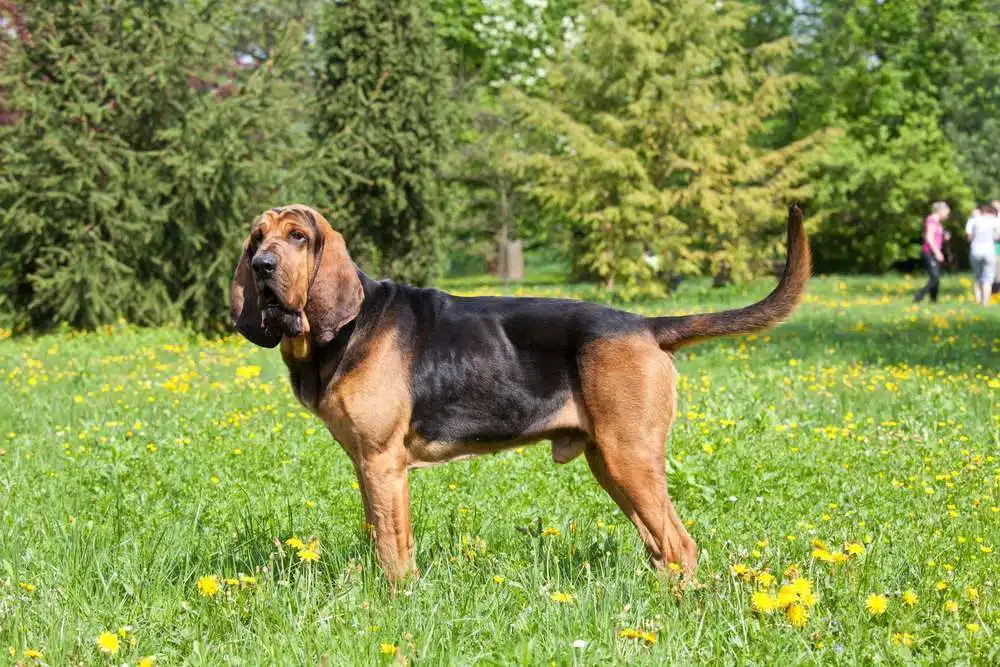
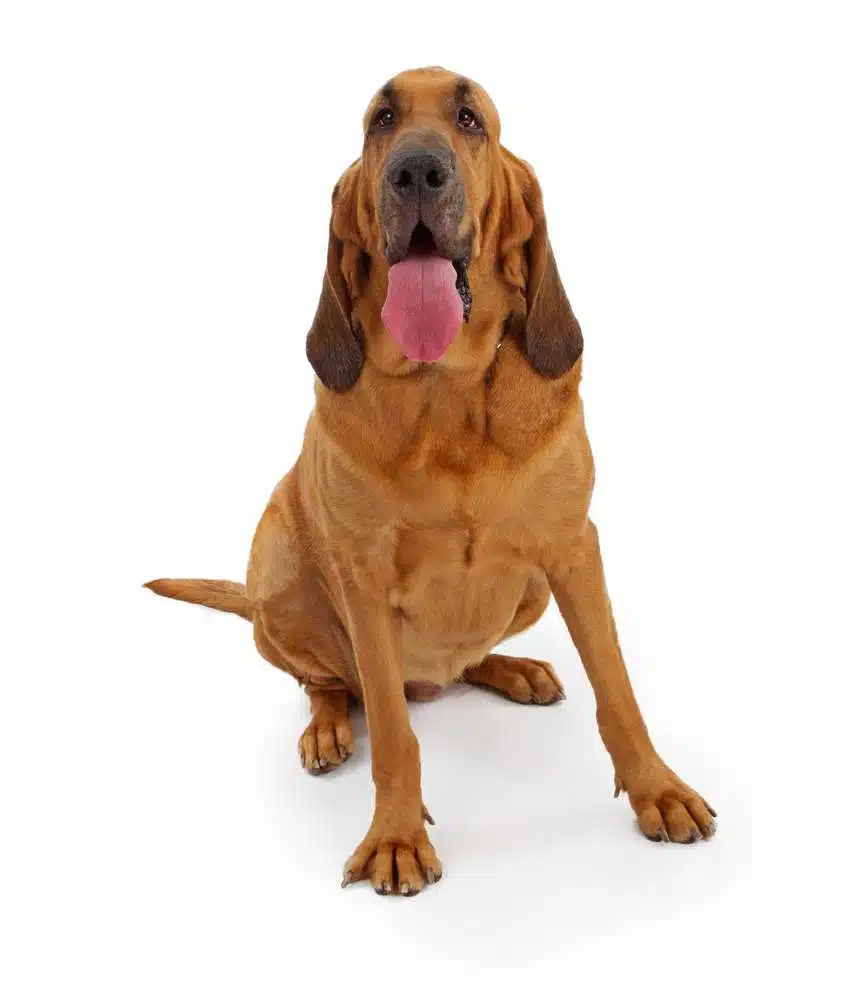
This deep chested dog shows a heavy, solid frame plus loose skin to trap scent. Long, drooping ears and a wrinkled face rank among their most famous features. Deep set eyes give a soulful, tired look that many owners find endearing.

Coat stays short and comes in black and tan, liver and tan, or red, sometimes with white patches. Modern bloodhounds, counted among purebred dogs and scent hounds, meet AKC standard and FCI standard and possess up to 300 million olfactory receptors.

Movement shows a long, ground-covering gait made for steady tracing. A bloodhound puppy already carries big paws and floppy ears, both useful for early scent work.

Body and Structure

Males stand 64 to 72 cm, or 25 to 28 inches at the shoulder. Females measure 58 to 66 cm, or 23 to 26 inches. Males weigh 46 to 54 kg, about 101 to 119 pounds. Females weigh 40 to 48 kg, about 88 to 106 pounds.

Most bloodhound dogs are a large dog breed and a large scent hound, standing 23 to 27 inches and reaching up to 110 pounds. Originally bred for hunting deer, wild boar, and tracking people, they have the size and massive stamina to cover difficult terrain while following scent.

They are deep chested dogs, which gives them power and raises risk of gastric dilatation-volvulus, a life threatening bloat. Loose, pendulous skin on the face and long ears help trap scent while tracking.

Strong shoulders and a long neck support classic sleuth-hound conformation and efficient scenting. Hip joints and elbow joints handle heavy loads, so owners watch for hip dysplasia and other joint issues.

The blooded hound build suits pack dogs and long walks, but female bloodhounds often weigh less than males.

Face and Expression

Bloodhounds have long, pendulous ears and loose skin around the face, neck, and ears. Many deep facial, neck, and ear folds give the breed a sad, droopy expression and mark it among scent dog breeds.

Conrad Gesner’s Thierbuch showed this look in 1563 and noted the breed’s tracking ability.

Eye discharge is common and needs daily cleaning to prevent buildup. Owners must clean facial wrinkles each day to lower the risk of infection. This dog breed was originally bred as a Saint Hubert hound, called Chiens de Saint-Hubert in old records.

Coat and Color

The coat is short and hard, dense, and sheds heavily during shedding seasons. Recognized colors in purebreeds include black and tan, liver and tan, and red, and white patches may appear on the chest and feet.

Owners will notice heavy dead hair during seasonal blowouts.

Breed standards list physical and genetic traits that control coat color and pattern. Two main genes influence color in this canine breed; one sets black or brown, called liver, and the other governs patterning.

A 1969 Dennis Piper study first described five alleles in the pattern-marking gene, now seen as three agouti gene alleles, Ay, As, and at, and owners should use a mild shampoo and weekly brushing to aid new hair growth.

Movement and Gait

Bloodhounds move with a long, ground-covering gait that helps them follow scent for miles. They need moderate to high daily exercise, especially during growth stages. Do not over-exercise young puppies on hard surfaces; let them play on grass or mulch.

Breed history links the form to St. Hubert hounds and sleuth hounds. Long ears and loose skin help hold scent, though experts debate how much they aid tracking. Those long ears can trap moisture and raise ear infections risk.

Bloodhounds are very strong and may knock over furniture with their tails. Use a secure harness and a strong leash around other dogs and at dog parks to control that power.

Temperament and Behavior

Gentle giants by nature, these hounds are affectionate dogs with a calm, loving demeanor. The breed stays independent and proud, with a stubborn streak that can make training a challenge for inexperienced owners. Fixation on scent can make them ignore commands when a trail catches their nose.

Early socialization and training build friendly habits and help them live well with children, as they are usually patient and kind but still need supervision because of their size. They are also social dogs that generally do well with other pets and other purebred dogs when socialized from a young age.

Energetic and playful, they stay lively at a young age and need safe outlets for that drive. Hunters of St. Huberts once used them in bloodhound packs, and they still give a long, deep bay to communicate, especially while following scent.

Many will eat non-food items like towels, underwear, socks, and rocks, which can require emergency surgery. Feed a balanced diet in two meals and watch for bloating, since gastric dilatation volvulus can be life threatening.

Use simple training software and track progress in files to avoid problems linked to puppy mill sourcing or poor breeding.

Health Considerations

Bloodhounds face high risk of serious stomach problems. Bloat and gastric torsion can become a life threatening condition. Bloat causes 34% of Bloodhound deaths, and cancer causes 27%.

Average lifespan sits at 9.3 years, lower than 12.7 years for purebred dogs.

Owners must watch for a distended belly, retching, pacing, or sudden collapse. Schedule routine veterinarian checks, feed smaller meals, and avoid heavy exercise after eating. Coat colors include black and tan and black and tan liver, and crossbreeds may change risk patterns.

Bloodhounds stay generally friendly with other animals, and keep health logs in email or an app.

Common Concerns

This section lists common health issues that owners must watch. Read the clear actions below for prevention and quick responses.

  • High risk of bloat, gastric dilatation and volvulus, which is a leading cause of death; soak dry kibble five to ten minutes in warm water before feeding, since gastric torsion can prove fatal without warning.
  • Hip and elbow dysplasia occur commonly and often have genetically linked causes; some traits act recessive, so request hip scores and licensing proof from breeders, and consider glucosamine and omega-3 for joint support.
  • Ear infections appear frequently due to long, folded ears that trap moisture and debris; clean and dry ears weekly and seek veterinary care at the first sign of odor or discharge.
  • Gastrointestinal illnesses show at high rates among breeds of dogs, beyond GDV; monitor appetite, vomiting, and stool changes and call a veterinarian quickly, because many issues need prompt treatment to avoid escalation.
  • Joint and skin health may need supplements, such as glucosamine plus omega three fatty acids to support mobility and coat quality; discuss doses with your veterinarian and watch weight to reduce joint stress.
  • Emergency plans must include your vet and 24 hour clinic numbers, a route map, and clear signs to watch like unproductive retching, pacing, or a swollen belly, since bloat can strike without warning.

Lifespan

Bloodhounds often live 10 to 12 years; a 2024 UK study found an average of 9.3 years, lower than 12.7 years for purebreds and 12 years for crossbreeds. A 2004 Kennel Club survey showed bloat caused 34 percent of deaths and cancer caused 27 percent, and veterinarians mark a 7-year-old dog as a veteran while 10 years or more qualifies as exceptional.

Some wiki entries and breed etymology compare Bloodhound longevity to the grand bleu de gascogne and the dumfriesshire black and tan foxhound. Owners must watch for bloat, keep regular veterinarian checks, and follow safe feeding and exercise plans to help extend a dog’s healthy years.

Training Considerations

Keep training fun. Use positive reinforcement, patience, and consistency. Adapt methods to each dog to keep enthusiasm high. These dogs are intelligent but very independent and not motivated to please.

Formal obedience can frustrate a stubborn hound. Owners can begin basic work as early as 3 months, and start formal tracking at 18 months. Establish desired behaviors early in a hound’s life for successful training.

Young hounds train to focus on human scent, not other animals, and trainers call that “staying clean” in the U.S., and “freedom from change” in the UK. Teach this with scent articles, a long line, a tracking harness, treats, and a clicker.

The preferred identification method on a trail is the hound jumps up, paws on the subject’s chest. Match praise and reward to the hound’s mood so the dog stays eager. Keep notes on progress and treat ID tags, microchips, and license records like identity and access management for your pet.

Training tips often appear in online listings with opengraph tags, and the etymological trail links to old raches and chiens-gris used in fox hunting. Pop culture moments, such as an appearance on the Beverly Hillbillies, can show a hound’s look and gait.

Careful breeding helped the breed avoid extinction in past centuries. Good trainers use patience and clear goals, not harsh corrections, with a dog that can resist orders.

Exercise and Socialization

Bloodhounds need 1 to 2 hours of exercise and mental stimulation each day. Owners should include brisk walks, short jogs, and scent tracking challenges to stimulate body and mind. Use a secure leash and a sturdy harness for walks, and avoid letting them off-leash because their strong tracking instincts can make them easily distracted by interesting smells and they can get lost following a scent. Once they pick up one, they often become single-minded and may ignore commands.

Fit a location device when possible for added safety. They do best in homes with a spacious, fenced yard because they tend to wander when following scent.

Start socialization early to expose pups to people, animals, and new settings, and many are also trained for search and rescue to locate missing people or disaster victims. Puppies tend to enjoy play with other dogs, but supervise to prevent irritation of older pets. Join training classes and set regular play dates to build confidence and manners.

Train with consistent guidance and positive reinforcement, and use a training tool or treats to shape good habits.

Living with a Bloodhound

Expect a gentle, affectionate companion that can also act willful during training. Their nose holds about 300 million olfactory receptors, which makes them top scent trackers. Start training at 8 to 12 weeks with short, fun scent work games and tracking trials to keep interest high.

Use a sturdy leash, a fitted harness, and a tracking device to prevent escapes.

Watch for stomach pain and bloating, because bloat can become life-threatening. Schedule regular checkups with your veterinarian to catch gut issues early. Feed in two small meals, limit vigorous play after eating, and keep water available.

Socialize the dog across parks, trails, and fields so scent focus stays on people. Never allow off-leash roaming; a single scent can pull them far from you.

Best Environment

Bloodhounds grow very large, with males reaching up to 130 lbs and females up to 100 lbs. They do best in homes with plenty of room and a spacious, secure fenced yard, ideally with a six-foot fence to handle their power. They can be escape artists when a scent catches their attention, so fencing must be sturdy and secure. Young dogs show high energy and pull hard on walks, so owners should use a tracking harness and a GPS collar for safety.

Their heavy tails and big bodies can cause accidental home damage in tight spaces.

This breed is not suitable for all owners, because size, strength, and stubbornness create real challenges. These dogs remain very sensitive to handling; mishandling in early life can cause lasting negative effects.

Use positive reinforcement, early socialization, and work with reputable breeders or a breed rescue to find a well socialized dog. Households with room, patient handlers, a wire crate, and a long training line do best.

Behavior towards Children

They show a gentle and affectionate nature around children. Families find them suitable for homes with kids because they display patience and tolerance; many call them gentle giants.

Children find them friendly and patient, and the dogs often show a loving nature during family time. They need attention and affection to thrive in a family home.

Supervision helps prevent accidental injury from the dog’s large size and strength. Early socialization improves behavior and ensures positive interactions with young children. Use positive reinforcement, lead control, a crate, and obedience classes to teach calm play and safe handling.

Behavior towards other Pets

Bloodhounds act gentle and affectionate, so they suit families with other pets. Owners report patience and steady tolerance toward cats and other dogs. Pack instincts make them playful with household animals and help them bond.

Scent-driven noses can pull them toward animal smells, causing occasional distraction.

Food aggression may occur during feeding times and can prompt aggressive behavior toward other dogs. Early socialization with other dogs during feeding, plus consistent training, lowers that risk.

Use positive reinforcement and tools like a leash, a training tool, separate feeding bowls, and an enclosure for safer introductions. Owners should stagger meals and supervise first meetings so multi-pet households stay calm.

Grooming Needs

Daily grooming keeps your Bloodhound healthy and helps control mess. Follow this checklist for eye, ear, coat, nail, and dental care.

  1. Wipe eye discharge daily with a soft cloth or cotton pad, and apply a drop of mineral oil to loosen dried debris before gentle removal.
  2. Clean ears daily using unscented baby wipes to remove dirt and food residue, and watch for redness, bad smell, or swelling.
  3. Manage shedding year-round or seasonally with a grooming glove or a deshedding tool like a Furminator, brushing several times weekly to cut loose hair and reduce mats.
  4. Schedule weekly grooming for eye care, ear cleaning with a liquid drying solution, and skin checks to catch infections, hot spots, or irritation early.
  5. Adjust bathing frequency to each dog; use a deodorizing shampoo when odor or heavy dirt appears, since some Bloodhounds need baths more often.
  6. Perform dental care weekly with a dog toothbrush, dental gel, or dental chews to cut plaque and keep gums healthy.
  7. Trim toenails weekly with clippers, cut small amounts to avoid the quick, file rough edges, and monitor length to spot overgrowth or bleeding.

Nutrition and Feeding

A bloodhound, known for its deep-chested build and drooping ears, is happily eating high-quality kibble from a dog bowl, showcasing its affectionate nature. This purebred dog, with its distinctive wrinkled face and powerful sense of smell, is a great family pet and often used in search and rescue operations.

Feed a well-balanced, high-quality dog food formulated for large breeds. Puppies need a puppy-specific diet until about 12 months of age. Feed puppies 3 to 4 times a day until six months old, then switch to twice daily.

Feeding smaller meals multiple times a day helps prevent bloat.

Many owners soak dry kibble in warm water for 5 to 10 minutes before serving. Use a measuring tool, food scale, water bowl, or automatic feeder to keep portions consistent. Keep a regular feeding routine to support digestion and lower bloat risk.

Add supplements like glucosamine and omega-3 for joint and skin health if a veterinarian advises, and watch for eating non-food items that can require emergency veterinary care.

Where to find a Bloodhound

A realistic image of a Bloodhound puppy showcases its most famous features, including deep-set eyes, drooping ears, and a wrinkled face. This affectionate dog, known for its powerful sense of smell, embodies the characteristics of the bloodhound breed, making it a great family pet.

Choose reputable breeders and breed rescue organizations to find a Bloodhound. Avoid puppy mills and backyard breeders; they often harm temperament and socialization. American Kennel Club breed clubs and Bloodhound breed rescues can match dogs with suitable owners.

The largest Bloodhound population lives in the U.S., while the breed remains widely distributed internationally.

Breeders use imports, exports, and artificial insemination to keep the breed type consistent. U.S. handlers imported Bloodhounds to Britain after World War II to replenish the gene pool.

The Association of Bloodhound Breeders adopted the breed standard in 1896. The National Police Bloodhound Association formed in 1962 in the U.S.

Similar Dog Breeds

Bloodhounds share traits with other scent hounds. Not all hound dogs match their loose skin, slow methodical gait, or legendary olfactory ability.

Breed Similarities Differences Best Fit for Owners Who
Basset Hound Shares exceptional scent-tracking ability, loose skin, and droopy ears with the Bloodhound. Smaller, slower, and more compact with lower exercise needs. Want a laid-back scent hound with strong tracking instincts and family-friendly temperament.
Beagle Similar pack-hound heritage, strong nose, and vocal hunting style. Much smaller, more energetic, and easier to manage in smaller homes. Enjoy active outdoor activities and want a social scent hound companion.
Coonhound Shares scent-trailing skills, endurance, and deep baying voice common to tracking hounds. Leaner and more athletic with greater focus on treeing game rather than human scent tracking. Want a versatile hunting hound for outdoor adventures and tracking work.
English Foxhound Shares pack-hound ancestry, stamina, and strong scenting ability. Faster-moving, lighter-built, and less wrinkled than the Bloodhound. Prefer an energetic running companion suited for long outdoor exercise and pack activities.

Conclusion

You learned Bloodhound history, scent tracking skill, olfactory receptors, physical traits, temperament, health risks, training tips, and daily care, Conclusion. Training steps use short trails, scent articles, and gentle rewards to build focus.

Proper care cuts risks like bloat, helps extend good years, and keeps scent work sharp. Explore local scent trials, consult an animal health provider, and try a tracking device or grooming tool for practical support.

A trained hound can change outcomes and give you real peace of mind.

FAQs

1. What is a bloodhound’s temperament?

A bloodhound has a calm, steady temperament. It stays gentle with family and shows strong focus on scents. It can act stubborn when it follows a trail. Early social play helps shape a well behaved adult.

2. How should I train a bloodhound?

Train in short, regular sessions. Use scent games, clear commands, and tasty rewards. Start training the young dog early and keep sessions fun. Use a walking strap and training equipment for safe walks. Seek a professional trainer for tracking work.

3. What care tips keep a bloodhound healthy?

Give regular animal doctor checkups and use a balanced diet. Clean the ear folds and check skin folds each week. Give daily walks and chance to work their scent sense. Watch weight and trim nails to prevent joint strain.

4. Are bloodhounds good family dogs and what problems should I expect?

Many bloodhounds fit family life well. They bond with kids and adults, but they do drool and can roam after a scent. Expect loud baying at times and strong pulls on walks. Secure fences, steady training, and close supervision solve most problems.


References

  1. https://www.akc.org/expert-advice/dog-breeds/bloodhound-history/ (2024-08-13)
  2. https://www.britannica.com/animal/bloodhound
  3. https://www.akc.org/dog-breeds/bloodhound/
  4. https://www.thesprucepets.com/bloodhound-dog-breed-profile-4782183 (2025-10-24)
  5. https://www.americanbloodhoundclub.org/bloodhound-101/ (2020-06-10)
  6. https://penelopesbloom.com/pet-breeds/dogs/the-complete-bloodhound-dog-breed-temperament-personality-full-guide/?srsltid=AfmBOoq_4hIiDATDVFKYGxvszsNnwqo3X8TXqAa-vJDE0mQsMnq8S8Xn
  7. https://www.petmd.com/dog/breeds/bloodhound (2023-01-23)
  8. https://www.borrowmydoggy.com/doggypedia/dog-breed-guides-bloodhound
  9. https://www.walkingtallbloodhounds.com/blogs/bloodhound-temperament (2025-01-26)
  10. https://www.americanbloodhoundclub.org/bloodhound-grooming/
  11. https://pmc.ncbi.nlm.nih.gov/articles/PMC11718627/

  • Furlyfe Rank See Rank
  • Group AKC Hound
  • Origin Belgium
  • Size Large
  • Weight 80 to 110 pounds
  • Coat Length Short
  • Coat Type Smooth
  • Colors Black & Tan, Liver & Tan, Red
  • Other Names St. Hubert Hound, Chien St. Hubert, Sleuth Hound
  • Temperament Affectionate, Even Tempered, Gentle, Stubborn, Independent

Breed Characteristics

Leave a Reply

Participate on Doggy Duel