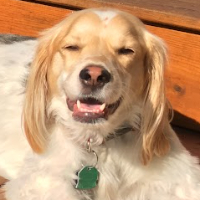
Lancashire Heeler

Click Image to see Gallery

The Lancashire Heeler is a tough, energetic working dog from Northwest England. Developed by crossing livestock herding Welsh Corgis with the rat-hunting Manchester Terrier, the breed became a compact yet powerful companion with an eager, people-oriented temperament. Originally used as a drover’s dog, its assertive streak and independence require an owner who can provide confident guidance and plenty of structure.

Resembling the Manchester Terrier in color but taking its body shape and herding style from the Welsh Corgi, the Heeler is famous for its “nip and duck” technique—nipping cattle heels and darting away from kicks. As droving declined, the breed shifted naturally into ratter duties, where its instinct to seek out and eliminate vermin still shines.

The Lancashire Heeler’s low-maintenance coat is glossy, coarse, and weather-resistant, typically black or liver with tan markings. A thicker undercoat and slightly longer fur around the neck help protect it from the elements. Regular brushing with a firm bristle brush keeps the coat in good condition.

Alert, intelligent, and affectionate, Heelers thrive on being with their people indoors, yet outdoors they become focused hunters. They excel at chasing balls for long stretches but are equally happy relaxing on the sofa. With one of these dogs in the home, pests like mice and beetles rarely stand a chance.

Because this is a strong-willed working breed, training requires patience, consistency, and mental engagement. Early training should address their natural herding habit of ankle-nipping. Activities such as flyball or other fast-paced competitions help satisfy their drive and keep them well-balanced.

Lancashire Heelers need at least an hour of exercise a day. They love chasing toys and make great walking companions, though their tendency to hover near your feet can make them less suitable for running. A yard is helpful but not essential—as long as they get proper activity, Heelers are calm, quiet, and content in the home.

Discover The Lancashire Heeler: A Versatile And Intelligent Dog Breed

Finding a good family dog can feel tricky. You want a smart, loyal companion that fits your routine. Some breeds need heavy care or face health issues you might not expect. The Lancashire Heeler offers a different story.

This small herding dog is quick, bright, and fun to live with. A Lancashire Heeler adjusts well to busy homes and smaller spaces. The American Kennel Club lists it in the Herding Group, yet many families still miss this rare gem.

In this guide, you will learn the breed’s backstory, grooming and training tips, health checks like Primary Lens Luxation testing, and how to find a good breeder or rescue. By the end, you will know if this cheerful worker is the right match for your home.

Key Takeaways

  • The Lancashire Heeler has deep roots in 17th-century West Lancashire and gained Kennel Club recognition in 1981. The American Kennel Club now lists it in the Herding Group.
  • Adults stand 10–12 inches tall, weigh 9–17 pounds, and shed moderately. The short double coat repels weather and needs light care.
  • Watch for inherited eye issues like Primary Lens Luxation and patellar luxation. Responsible breeders use DNA testing and yearly eye exams.
  • This breed is fast-learning and people-focused, with trainability around 4 out of 5. Daily exercise and mental games bring out their best.
  • For ethical sources, contact the United States Lancashire Heeler Club or check the AKC Marketplace. The breed has been eligible for AKC Companion and Performance Events since July 2009.

History and Origin of the Lancashire Heeler

The Lancashire Heeler is a centuries-old working dog with roots stretching back to 17th-century West Lancashire, particularly around Ormskirk. Farmers needed a versatile, compact dog capable of both moving livestock and keeping farms free of vermin. To meet that need, breeders combined two distinctly skilled working breeds:

  • Welsh Corgis, valued for their low stature and natural ability to herd livestock
  • Manchester Terriers, expert ratters and pest controllers

The result was a hardy, energetic little dog perfectly suited to the region’s farms—one that could confidently heel cattle across fields and clear out pests in barns and butcher shops.

The Butchers’ Dog

For generations, Lancashire Heelers served an essential role in northern England. Farmers and local butchers relied on them to drive cattle from West Lancashire into the meat markets of northern Wales. Their talent for “heeling”—nipping at the heels of cattle to guide their movement—gave the breed its trademark working style and everyday nickname: the butchers’ dog.

As the dogs grew popular beyond their local district, early enthusiasts and clubs began keeping records, developing expectations for structure, temperament, and working ability. These efforts ultimately preserved the breed during a time when many rural working dogs faded from use.

Breed Recognition and Conservation Efforts

Kennel Club (UK) Recognition

The Kennel Club (UK) officially recognized the Lancashire Heeler in 1981. However, concerns about the breed’s limited population and rising inbreeding led the KC to list it as a Vulnerable Native Breed in 2003, a status it still works to improve through careful breeding and community education.

AKC Recognition in the United States

The Lancashire Heeler entered the AKC Foundation Stock Service (FSS) as American interest in rare herding breeds grew. From there, it progressed into the Miscellaneous Class, a necessary step for new or rare breeds proving consistency in type and temperament.

Eventually, the breed achieved full AKC recognition in the Herding Group—and stands out today as the only AKC breed with “Heeler” in its name, distinguishing it from heeling-style breeds like the Australian Cattle Dog.

Preservation of a Rare Herding Breed

Because the Lancashire Heeler remains a rare breed worldwide, modern fanciers take preservation seriously. Breeders and owners collaborate through the United States Lancashire Heeler Club (USLHC), tracking three-generation pedigrees, promoting responsible breeding practices, and ensuring the dog continues to thrive as both a companion and a working herder.

Despite its small size, the Lancashire Heeler carries a rich legacy. Today’s efforts ensure that the same spirited cattle dog—once driving cattle to Welsh markets in the 1600s—remains a healthy, confident, and capable breed for future generations.

Read More: 10 Most Rare Dog Breeds

Physical Characteristics

The Lancashire Heeler is a compact, muscular working dog built low to the ground, giving it the leverage and agility needed for quick, decisive movement. Its body is longer than it is tall, with a powerful chest, sturdy legs, and a sleek but weather-resistant coat that comes in striking black-and-tan or liver-and-tan.

The alert, foxlike face is framed by erect, expressive ears and keen, intelligent eyes that never miss a thing. Every part of the Heeler’s frame—its balanced proportions, nimble stride, and trademark “nip-and-duck” agility—reflects its heritage as a bold, determined herder bred to move cattle and hunt vermin with confidence and speed.

Sturdy frame meets lively spirit, a true hallmark of the official breed name.

Body and Structure

At the shoulder, most stand 10 to 12 inches and carry 9 to 17 pounds. The skull is flat and wide, tapering toward almond-shaped, dark eyes that show alertness.

Ears stand erect or lift with attention. Ears that droop without lift do not meet breed standards set by judge education programs and breed clubs. The front assembly shows laid-back shoulders, firm elbows, and enough bone for steady work. The back end is muscular with straight stifles, built for distance and quick turns.

This practical build helped the butchers dog herd and hunt rats. It also makes the breed a pleasant companion for one household member or a busy family in the United States Lancashire Heeler community.

Face and Expression

The head fits the body, with a flat skull that is wide between the ears and narrows to the eyes. Eyes are almond-shaped, medium in size, and usually dark. Liver-colored dogs may have lighter eyes.

Ears are typically erect or show a quick lift. The stop sits mid-skull, and the muzzle tapers toward the nose. Tight lips and a clean scissor bite support strong jaws that meet properly.

Many owners love the famous heeler smile. The dog pulls back the lips when happy, which looks like a cheeky grin. That expression, plus keen features, sets them apart from Manchester Terrier mixes or larger herding dogs like the blue heeler and Queensland heeler.

Coat and Color

This breed wears a short, dense double coat. The soft undercoat insulates, while the outer coat is flat, firm, and sheds water. Expect moderate shedding. Grooming needs are low, around 2 out of five on most scales.

Light brushing once or twice a week keeps a Lancashire Heeler puppy tidy. Most dogs are black and tan. Some are liver and tan with specific markings. Thanks to the weather-resistant coat, outdoor fun is comfortable year-round with only an occasional bath.

Movement and Gait

A balanced shape and agile movement make this herding breed stand out. Strong rear legs power each stride. Straight stifles support a clean, efficient gait.

The topline stays level as they cross rough ground, a hint of their history helping farmers and drovers. These compact dogs turn fast without losing balance, which is why some become escape artists in open yards.

Instinct guides every move. You will notice the same easy flow in dog clubs that ask for proof of working ability, and in your living room during a quick game of fetch.

Temperament and Behavior

Lancashire Heelers are sharp thinkers with a playful side. They learn fast and aim to please, which gives them a trainability score around 4 out of 5. This mix makes them a great fit if you want a loyal dog that enjoys both work and play.

At home, they are affectionate and chatty. Outside, they act like little sentries. Many stay cautious with strangers at first, then relax once they feel safe. Clear rules from day one are key. A cute puppy can push limits if you do not set them.

Plan for regular exercise and brain work. Without it, these active dogs invent their own activities, and you may not love what they choose.

Health Considerations

Primary Lens Luxation, found through DNA testing, can affect some Lancashire Heelers. It causes the lens to shift, which can harm vision. Screening for PLL and Collie Eye Anomaly, also called CEA, helps breeders lower risk. Ask for current eye exams on parents and puppies before you commit.

The Ormskirk Heeler stays generally healthy with good care and testing. The breed’s smaller gene pool requires careful pairing by breeders. That is one reason it was listed as a vulnerable native breed in 2003 in the UK.

Clubs guide buyers to responsible sources that do proper health checks. Light grooming helps reduce skin trouble, and a simple coat keeps upkeep easy. This section offers general information only. For diagnosis or treatment, talk with your veterinarian.

Common Concerns

Some issues show up more often in Lancashire Heelers. Stay watchful and keep a simple care routine.

  1. Lens luxation can cause pain and blindness if missed. Schedule yearly veterinary eye exams.
  2. Obesity sneaks up if exercise drops or portions grow. Feed a high-quality dog food that matches age and activity.
  3. Patellar luxation moves the kneecap out of place. See your vet fast if you notice limping or skipping.
  4. Dental disease is common in small dogs. Brush teeth several times a week and book professional cleanings.
  5. Exercise needs run higher than a short stroll. Add play or herding-style games to protect joints and mood.
  6. Allergies can show as itchy skin or ear infections. Ask your vet about testing if symptoms repeat.
  7. Hip dysplasia may affect movement later in life. Keep a healthy weight to reduce joint stress.
  8. A few heelers act strong-willed. Start kind, consistent training early to shape good habits.

With routine vet care, most Lancashire Heelers enjoy a long, active life of 12 to 15 years.

Lifespan

Expect a life span of 12 to 15 years, which is strong for a small herding dog. Good food, steady exercise, and preventive care help many reach the top end.

The breed’s working history and sturdy frame support longevity. Average litter size is modest, which can help concentrate care on each puppy. Club refer guides point to annual checkups and balanced diets as the basics for a full, healthy life.

Training Considerations

This is a bright, eager worker that thrives on short, upbeat sessions. Originally bred for moving livestock, Lancashire Heelers usually learn new skills quickly. Many excel in obedience, agility, and rally with a patient handler.

Use treats and play as rewards. Keep sessions five to ten minutes, several times a day. That rhythm prevents boredom and builds focus. If you let the rules slide, a clever Heeler will write its own playbook.

Set clear house rules, like waiting before jumping on a club chair. Add puzzle toys and scent games to meet mental needs. Red heeler cousins share that same drive, so early expectations lead to better manners and a happier teammate.

Exercise and Socialization

Lancashire Heelers need daily movement and brain work. Mix both to keep joints healthy and behavior steady. Here is a simple plan you can tailor to your space.

  1. Schedule at least 30 minutes of brisk walking each day to drain energy and reduce restless behavior.
  2. Use a fenced yard for fetch or chase games. This gives safe speed without open-door escapes.
  3. Save indoor games for bad weather. Hide-and-seek and trick training work in small spaces.
  4. Add variety with short hikes or swims. Many heelers love wading and woodland paths.
  5. Try dog sports like agility or rally to channel drive and build trust.
  6. Plan supervised playdates with steady dogs. Some Heelers can be picky about play styles.
  7. Start kid, visitor, and city noise exposure early to reduce shyness later.
  8. Build in family time. This breed sticks close and craves involvement.
  9. If you live in an apartment, try hallway walks or stair sessions to meet exercise goals.
  10. Use positive reinforcement like treats and praise to mark the exact behavior you want.

Mixing movement with social practice prevents problem habits and builds a steady, confident dog.

Living with a Lancashire Heeler

This breed adapts well to apartments and homes with yards. A Lancashire Heeler thrives on purpose, so add simple jobs like carrying a toy, helping with fetch, or practicing cues during meals. Short training bursts keep their quick minds busy.

Most form tight bonds with their families. With early socialization, many accept cats and other pets. The easy coat suits busy homes that want minimal grooming without giving up energy or smarts.

Best Environment

Active homes suit this dog best. Plan daily walks, training games, or agility classes. Outdoor families often find a ready partner for park visits and weekend trails.

Because grooming is light, a Heeler can fit city or country life. What matters is consistent activity. Without daily outlets, boredom may show up as barking or mischief.

Behavior towards Children

Lancashire Heelers rate 4 out of 5 with kids in many household surveys. Their patience and enthusiasm make them fun playmates. They enjoy joining family routines and are happiest when included.

Supervise time with young children. Teach kids how to pet gently and respect space around food and beds. Positive-reward training and clear rules keep everyone safe and happy.

Behavior towards other Pets

Most Lancashire Heelers get along with most other dogs with proper socialization and earns 3 out of 5 for dog compatibility. Still, the terrier side can spark chase behavior around small pets like rabbits or rats.

Use slow introductions. Keep early meetings on leash and reward calm sniffing. With training and boundaries, many Heelers blend into multi-pet homes, cats included.

Grooming Needs

The short, hard, dense coat sheds water and dirt. A quick brush once or twice a week with a slicker or grooming mitt removes loose hair and keeps the coat shiny. Save baths for muddy days or strong odors.

Trim nails every few weeks to prevent splitting. Check ears weekly for wax and debris, and use a vet-approved cleaner when needed. Brush teeth often to limit tartar and protect gums. Drooling is low and shedding is moderate, so care usually feels easy compared with many other small breeds.

Nutrition and Feeding

A Lancashire Heeler is happily eating high-quality dog food from a bowl, showcasing its black and tan coat and sturdy build. This loyal breed, known for its herding abilities, enjoys mealtime as a pleasant companion in a loving household.

Feed a balanced diet using quality kibble or carefully planned home-cooked meals. If you cook at home, work with your veterinarian to meet full nutrient needs. Puppies, adults, and seniors require different formulas and portion sizes.

Use a measuring cup or food scale to avoid overfeeding. Keep fresh water available at all times. Watch your dog’s waistline and adjust portions as activity changes. Good nutrition supports joint health, a shiny double coat, and steady energy.

Where to find a Lancashire Heeler

Contact the United States Lancashire Heeler Club for referrals. It serves as the AKC Parent Club for the breed.

Visit the AKC Marketplace to review litters that meet AKC requirements. Since July 1, 2009, this breed has been eligible for all AKC Companion and Performance Events.

Prefer to adopt? The AKC Rescue Network lists groups that may help you find a Lancashire Heeler ready for a new home.

Similar Dog Breeds

Many people who like Lancashire Heelers also consider these related breeds. Use this comparison to match traits with your lifestyle.

Breed Similarities & Differences Best Fit For Owners Who…
Pembroke Welsh Corgi
  • Shares herding background with the Lancashire Heeler.
  • Compact body, short legs, and a fox-like face.
  • More widely recognized in the U.S. since 1934.
  • Often has a docked tail, while Heelers keep natural tails.


  • Want an outgoing, sociable companion.
  • Live in urban or suburban areas and enjoy training games.
  • Like teaching tricks and keeping a smart dog busy.


Cardigan Welsh Corgi
  • Related herding origins; The Cardigan Welsh Corgi was in Wales before 1200 B.C.
  • Heavier build and rounded ears compared with the Lancashire Heeler.
  • Often more reserved with strangers.
  • Cardigans have a long, bushy tail; Heelers carry a moderate tail.


Teddy Roosevelt Terrier
  • Terrier heritage with alert, energetic behavior like the Lancashire Heeler.
  • Smooth, short coat in many colors.
  • Developed in the United States and named for President Theodore Roosevelt.
  • Known for farm versatility and keen vermin control.


Australian Cattle Dog (Blue Heeler)
  • Both are true heel-nipping herders with strong livestock instincts.
  • Intelligent, high-energy working dogs that need daily mental and physical activity.
  • The Australian Cattle Dog is much larger and more powerful than the compact Lancashire Heeler.
  • ACDs are more intense and rugged for wide-range herding, while Heelers excel in close-quarters work and pest control.


  • Want a high-drive working dog that needs daily challenge.
  • Have experience handling strong, independent herders.
  • Live actively and can provide plenty of exercise and tasks.


Conclusion

The Lancashire Heeler blends brains, heart, and grit in a compact herding package. A weather-resistant coat, sturdy build, and eager nature keep care simple and fun. With fair training and daily activity, this rare breed becomes a loyal teammate and a steady family pet.

If this sounds like your match, reach out to the United States Lancashire Heeler Club or browse the AKC Marketplace. Your next loyal best friend could be a cheerful Lancashire Heeler waiting to join your life.

FAQs

1. What makes the Lancashire Heeler a versatile dog breed?

The Lancashire Heeler excels in many roles, including herding livestock and serving as a loyal companion. Its intelligence allows it to adapt quickly to new tasks, making it suitable for both active families and those seeking an alert watchdog.

2. Are there common myths about the Lancashire Heeler’s temperament?

Many believe this breed is stubborn or difficult to train; however, data shows that with consistent guidance and positive reinforcement, these dogs respond well and form strong bonds with their owners.

3. How much exercise does a Lancashire Heeler need each day?

This intelligent breed requires daily walks combined with playtime or training sessions. Regular activity keeps them healthy while also preventing boredom-related behaviors such as chewing or digging.

4. What practical tips help first-time owners care for a Lancashire Heeler?

Start socialization early using calm introductions to people and other animals. Provide mental challenges through puzzle toys or obedience games; this supports their sharp minds while building trust between you and your dog.

  • Furlyfe Rank See Rank
  • Group AKC Herding
  • Origin United Kingdom
  • Size Smallest
  • Weight 6 to 13 pounds
  • Coat Length Short
  • Coat Type Double
  • Colors Brown, Black & Tan, Liver
  • Other Names Ormskirk Heeler, Ormskirk Terrier
  • Temperament Alert, Clever, Friendly, Intelligent

Breed Characteristics

Leave a Reply

Participate on Doggy Duel