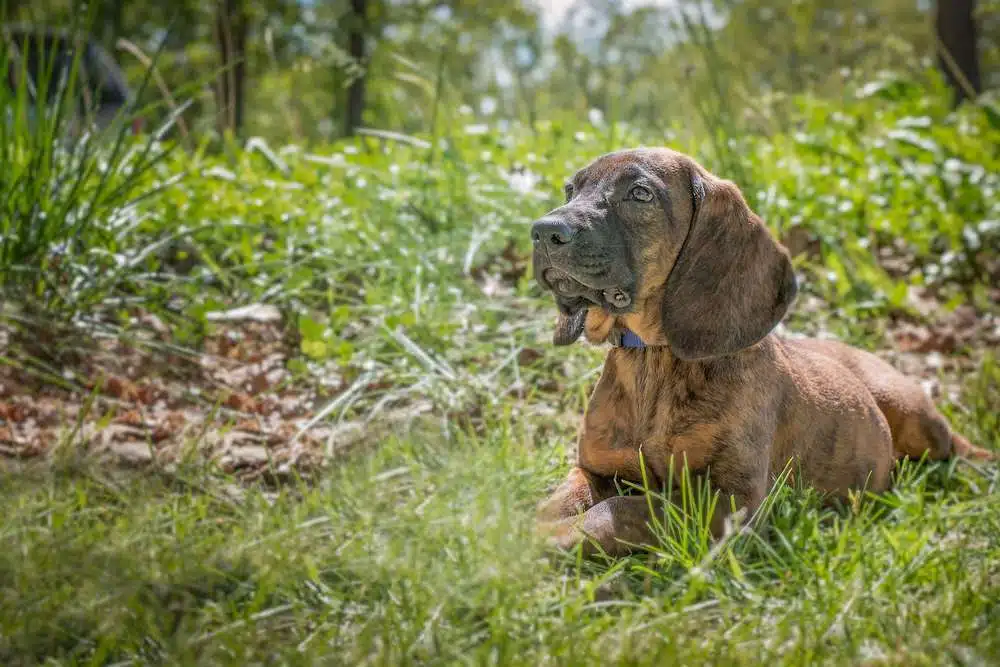
Hanoverian Scenthound
Originating in early medieval Germany, large tracking dogs known as Liam Hounds laid the foundation for what would become the Hanoverian scent dog. By the 1800s, these dogs were refined on northern German hunting estates into the Hanover Hound, prized for its exceptional trailing ability.
The Hanoverian scent dog is a specialist in tracking wounded game, renowned for its ability to follow even the faintest, days-old scent. Few breeds can match its precision when trailing cloven-hoofed animals, making it one of the most reliable blood-tracking hounds in the world.
Once confined largely to Germany, the breed was introduced to France in the 1980s and crossed with Bavarian Hounds, helping create the Bavarian Mountain Hound. Despite this expansion, the Hanoverian remains a working dog at heart.
Its short, dense coat ranges from light to dark deer red, often brindled, with occasional small white chest markings. Grooming is minimal, requiring only weekly brushing.
Driven, focused, and tireless in the field, the Hanoverian scent dog will pursue cold trails with unwavering determination. At home, it is calm and gentle with children and can coexist with other pets if properly socialized, though it often prefers being the sole dog.
This breed thrives in spacious environments and is poorly suited to apartment living. Daily exercise of 90–120 minutes—including long walks and scent-based activities—is essential to keep both body and mind satisfied.
Hanoverian Scent Hound Breed Guide: Temperament, Care, And History

Choosing the right dog can feel hard. You may want a calm hound that fits family life, but you worry about training, health, and exercise needs. Many owners search for clear facts about the rare dog breed Hanoverian Scent Hound and end up with mixed advice.
This German hound appears in the AKC Foundation Stock Service and traces back to the Liam hound from the early Middle Ages. It usually lives 10 to 14 years and shows a calm and friendly nature.
This Introduction will cover history, general appearance like short coat and floppy ears, temperament, health concerns such as hip dysplasia, training, grooming, nutrition, exercise, tracking, and where to find a breeder or rescue, plus notes on UKC recognition.
I will give simple, practical steps you can use. Keep reading.
Key Takeaways

- Hanoverian Scent Hound traces to Celtic Segusians (~500 BC) and Liam hounds (~500 AD); type fixed 1879, named 1885, AKC FSS Aug 2017.
- Adults stand males 19.5–21.5 inches, females 19–21 inches, weight males 66–88 lb, females 55–77 lb, lifespan 10–14 years.
- Calm but independent, the hound bonds strongly, needs a calm, assured handler, daily vigorous exercise, and scent-tracking work.
- Owners must screen joints, eyes, and genes for hip dysplasia and eyelid faults, clean ears regularly, and expect moderate shedding and drool.

History and Origin

Hanoverian Scenthound traces its roots to Celtic Segusians used for hunting around 500 BC. Breeders link those lines to the Liam hound, the leash hound of the early Middle Ages around 500 AD.
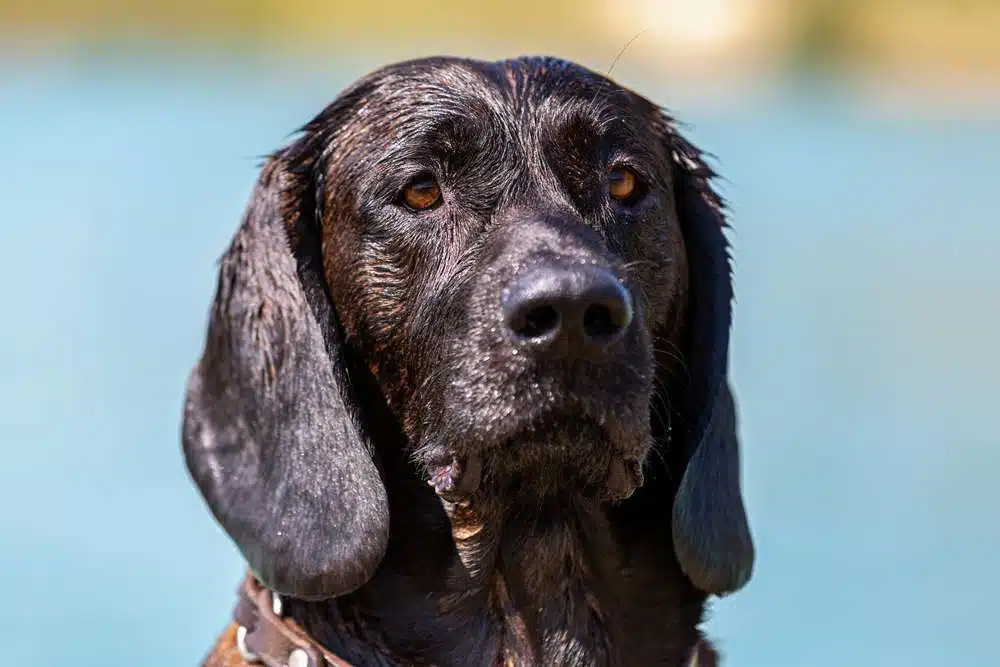
The modern type developed in the Kingdom of Hannover at the Hanoverian Hunting Estate. Breed characteristics were set in 1879. The official name, “Hannover Bloodhound”, arrived in 1885.
Work and scent shaped this hound over centuries.
Verein Hirschmann e.V. registered in 1894 to guide conformation and working ability. World War II caused a severe drop in numbers. Dedicated clubs rebuilt packs and conserved bloodlines after the conflict.
The AKC added the breed to its Foundation Stock Service in August 2017. United Kennel Club listings and Fédération Cynologique Internationale records keep stud book entries and pedigrees current.
Stud book entries list foundation sires rather than celebrity names. Hunters prize the Hanover hound for scenting wounded game and steady tracking in packs. Today this rare breed appears in field trials, rescue work, and hunting.
Physical Characteristics

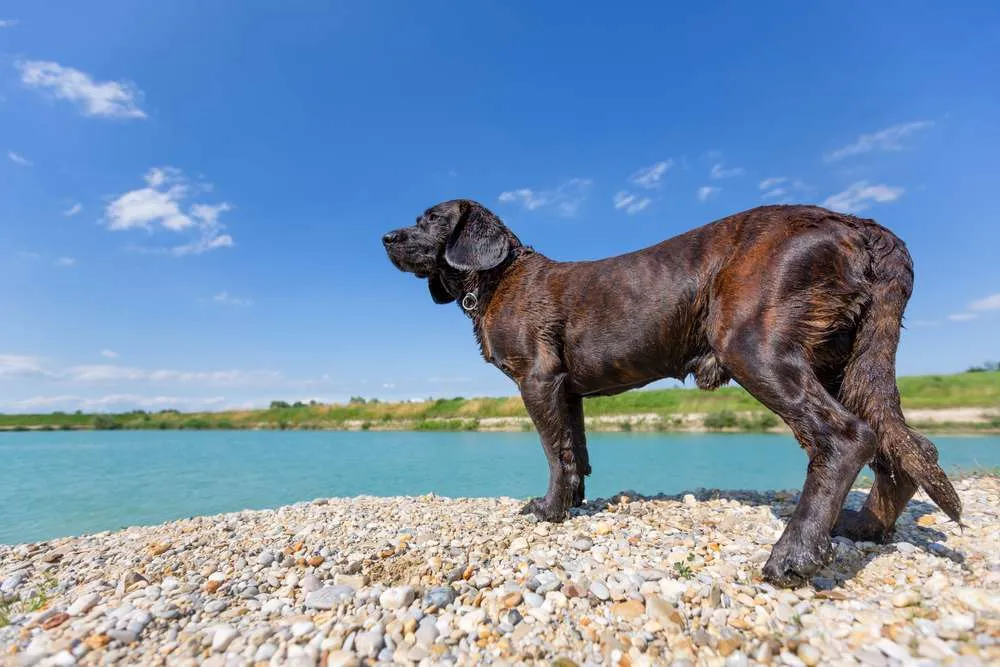
The Hanoverian hound shows a medium-large, powerful frame with a deep chest and strongly muscled fore and hind limbs. Breeders bred this type to track deer and to work long shifts in the scenthound group.
Coat stays short and smooth, with a dark deer red primary color, accepted brindle, and a black mask.
A slightly wrinkled forehead frames clear dark eyes above a strong, deep muzzle and strong jaws. Loose skin at the throat and neck aids scenting and gives the classic hound look. The Fédération Cynologique Internationale (FCI) lists the type in hunting and tracking standards.
Body and Structure
This medium to large, well-proportioned dog stands powerfully built and fits the scent hounds group. Males measure 19.5–21.5 inches at the withers; females measure 19–21 inches, often checked with a measuring tape.
Males weigh 66–88 pounds, and females weigh 55–77 pounds.
A deep chest gives excellent lung capacity for tracking and long hunts, like some bloodhounds. Body sits slightly longer than tall, and the back stays strong. The loin is broad and pliable with a slight arch to aid endurance.
Puppy growth needs monitoring to help keep a long, strong topline. Breed standards call a square build a fault for purebred hanoverian scent dog lines. This sturdy frame suits long work, beats many high energy breeds at stamina, and stays steady around other dogs and hoofed animals.
Face and Expression

The Hanoverian Scent Hound shows a slightly wrinkled forehead and a serious expression. Males have a broad, rounded skull with a pronounced stop. The muzzle sits strong, deep, and broad, with pendulous lips and strong cheeks.
Eyes remain clear and dark with well-fitted lids; entropion and ectropion count as faults. The nose proves broad and black, although some dogs show dark brown pigment.
A strong face often signals a keen nose.
High-set, broad, smooth auricles hang close to the head. Those hanging auricles can leave the breed predisposed to ear infections, so owners should check and clean them regularly with a vet-approved ear cleaner and cotton pads.
As a member of the scent hound group, developed in Germany and kin to the blood hound, the face signals a keen nose and focused tracking drive. Puppies show these traits early, which helps owners spot same breed features among litters, and the dog’s serious look can soften and seem affectionate around family and other pets.
Coat and Color

Coat sits short, thick, and coarse to harsh, with longer, coarser hair on the hindquarters and underside of the tail. Colors run from light to dark deer red and include brindled variations that can look almost black, and a black mask often appears with small white chest patches permitted.
Accepted colors list as red and brindle, and hound hanoverian types show moderate drooling and moderate shedding. A coarse coat helps in field work for scenthounds, and owners find it holds up well during agility and rally obedience sessions.
Movement and Gait

Hanover hounds move with a flexible gait that covers ground well and shows strong drive. Strongly muscled fore and hind limbs give power and efficiency for long tracking work. Feet sit large, round, and strong, with thick pads and well-arched toes for traction.
A high-set, long tail that curves slightly and tapers to the tip helps balance and communications during runs.
This type of dog will chase small animals if owners lack sufficient exercise and mental stimulation. Use video gait analysis or a satellite tracker when you test stamina, problem solving, and decision making in field trials.
Give regular meals, measured food, fresh water, and limit treats to lower bloat risk during heavy work. People often call this breed the so called liam hound; unique traits set it apart from other breeds and make it alert to strangers.
Temperament and Behavior

This scenthound shows a calm, assured temperament. It stays sensitive to its handler and tends to be choosy with strangers. The dog often bonds strongly with one person in the household and shows strong loyalty to the hunter or primary handler in charge.
Playfulness remains moderate, while openness to strangers reads as ambivalent and cautious. Concentration peaks during tracking work, where focus can last for long, single-minded sessions.
Use scent training, behavioral training, a sturdy leash, and a basic training device during short sessions. Feed tiny cookies as rewards to maintain focus and a healthy bond with the owner-handler.
Keep this dog in a house with a secure yard, and avoid sports like dock jumping if you want a true tracker rather than a high-jump athlete.
Health Considerations

Hanoverian Scent Hounds live about 10 to 14 years. Owners must work with responsible breeders to reduce inherited health risks. Veterinarians recommend health screening, genetic screening, musculoskeletal exams, and laboratory tests before breeding.
Caregivers should monitor conditions that may impact working abilities and general well-being.
They need a diet appropriate for medium to large breeds. Follow a feeding plan and check the body condition score at each vet visit. Keep weight stable to protect joints and stamina.
Schedule regular checkups with a veterinarian and use health screening tools to track changes.
Common Concerns
Most Hanoverian Scent Hounds stay healthy with proper care. Consult a responsible breeder and your veterinarian about potential risks.
- Ask breeders for health screening and genetic testing results, including eye and joint checks. Request veterinary exam records and any treatments, then discuss how those findings affect future care and breeding choices.
- Check ears weekly for wax, odor, or redness because long, low-set ears trap moisture. Clean with a vet-approved ear cleaner and schedule a veterinary exam at the first sign of infection.
- Watch for eyelid faults, such as entropion and ectropion; these are listed as potential concerns. Have a veterinary eye specialist perform an eye exam if you see squinting, tearing, or recurring irritation.
- Have a vet evaluate the bite early, since undershot or overshot bites count as faults under the breed standard. Plan corrective dental care or surgery if the bite impairs function or breeding eligibility.
- Expect mostly good health, yet discuss breed-specific challenges with breeders and during health screening. Use genetic testing and documented veterinary history to reduce surprises and plan preventive care.
- Plan routine veterinary exams, vaccinations, dental care, and weight checks to catch issues early. Use health screening forms and genetic test reports to guide long-term care decisions.
- Choose responsible breeders who provide full health records, joint and eye screens, and genetic testing documentation. Contact national breed clubs or canine health databases for verified tools and guidance before buying or adopting.
Lifespan
Hanoverian Scent Hounds have an average life expectancy of 10–14 years. They mature slowly and may show puppy-like behavior for several years. Proper diet and daily exercise help boost health and extend lifespan.
Responsible breeding practices reduce inherited health issues through health screening and genetic testing. Work with your veterinarian, use genetic test kits, and follow a clear nutrition plan and exercise regimen to help your canine reach its potential longevity.
Training Considerations

This hound has a strong independent streak that makes training a real challenge. A calm, assured handler wins this dog’s respect and keeps lessons moving. Puppies and adults may ignore commands from people they see as lower in pack rank.
Trainers find the breed generally willing to learn and agreeable in basic obedience. Use positive reinforcement and operant conditioning to shape good habits. Try a sound marker and tasty treats for clear feedback during short sessions.
The dog reacts to handling style, so keep signals kind and consistent. A handler with a strong, assured personality can cut through stubbornness. High concentration helps in scent work and tracking drills.
Use a trail harness and a training line to run safe, controlled searches. Mix brain games with short drills to meet the breed’s moderate mental needs. Advanced work rewards this hound, since tracking benefits from sustained focus.
Exercise and Socialization

Hanoverian Scent Hounds need a lot of exercise every day. Inactive days can cause destructiveness, nervousness, or excessive barking.
- Provide long daily sessions of vigorous activity, such as hiking, camping, and jogging, to meet the breed’s high energy needs and prevent unwanted behaviors from lack of stimulation.
- Channel nose drives into scent work, tracking drills, and search games for strong mental and physical wear; use a sturdy leash, harness, or long line plus a GPS collar for safety.
- Expose puppies and young adults to many dogs and handlers early to build social skills, since the breed is generally good with other dogs; supervise play with unfamiliar pets until signals are clear.
- Offer daily mental work with scent puzzles, obedience drills, and enrichment toys to avoid destructiveness and nervous habits; rotate puzzle feeders and use a sound signal trainer during short focus sessions.
- Teach strong recall first in low-distraction areas using positive reinforcement, treats, or praise; practice off-leash skills on a long line before free runs because scent drives can pull a hound far.
- Keep a steady daily routine of exercise and training to cut down on nervousness and excess barking; add short focused sessions of obedience, scent play, or recall practice to meet both needs.
- Join scent sport clubs, tracking classes, or group hikes to give lawful outlets for energy and social habits; bring water, a sturdy lead, and a basic first aid kit for long outings.
- Always supervise contact with small pets and wildlife, since prey cues can trigger pursuit; separate the hound from vulnerable animals until calm recall and clear signals show safe behavior.
Living with a Hanoverian Scent Hound

These dogs require significant daily exercise to prevent behavioral issues. Owners should plan tracking work, long walks, or active play and use a sturdy leash for outings. They show a calm, assured temperament that fits families and hunters.
Loyal and selective with strangers, the hound relies on scent focus to excel at tracking. Grooming needs stay minimal, but owners must check ears regularly and use an ear-cleaning solution to avoid infections.
Expect moderate drool and shedding, so schedule regular brushing and vet checkups, and plan for a life span of 10 to 14 years when you use a reputable breeder.
Best Environment
Hanoverian Scent Hounds have moderate adaptability. They are not highly adaptable but they handle changes such as noise and schedule variations reasonably well. Their medium-large size requires adequate living space.
Homes with room for exercise and structured routines suit them.
A calm demeanor makes the breed a fit for dedicated, experienced owners. Dedicated, experienced owners will get the best results with a fenced yard, daily walks, and kennel time for rest.
Use basic training tools like a dog collar and flat leash during outings. Keep routines steady and plan for regular exercise.
Behavior towards Children
Owners will find the Hanoverian Scent Hound poised and even tempered. The dog becomes extremely devoted to owner and family and stays calm around steady routines. It rates as good with young children when supervised, medium value, and safe human animal interactions matter because of the breed’s size and strength.
Children who take responsibility for feeding, walking, and grooming report better dog performance. These duties boost physical activity and give emotional support for kids. Use a lead, crate, training tool, and classes with a trainer or veterinarian to teach safe handling and build good habits.
Behavior towards other Pets
Use caution when your hound meets other pets; supervise those meetings. This hound hunts and works hard; it may show a high prey drive. Keep the dog on a leash during early meetings.
Early, consistent socialization may help it live harmoniously with other household animals. Proper socialization makes the hound even-tempered and poised. Use a crate and short training device sessions for gradual, controlled introductions.
Grooming Needs

Hanoverian Scent Hounds have a short, smooth coat that needs little grooming. Owners need to bathe them only infrequently, using a mild dog shampoo and a towel to dry. Coat maintenance rarely requires daily brushing, though a quick combing helps during seasonal shed.
Shedding stays moderate, and expect moderate drooling after meals or when excited.
Trim nails with nail clippers on a monthly or weekly schedule depending on activity. Brush teeth as needed with a dog toothbrush and canine toothpaste to limit dental disease. Inspect ears regularly and use a vet-approved ear cleaner or a cotton pad to prevent infections.
Add a grooming comb, towel, and tooth care kit to your home kit for basic upkeep.
Nutrition and Feeding

Feed a breed-specific diet formulated for medium to large breeds. Ask your veterinarian or breeder about puppy feeding frequency and the best adult formula. Proper nutrition keeps joints, coat, and stamina in good shape.
Use a nutrition label and a measuring tool to set portions and track calories. Monitor weight weekly and adjust portions to prevent obesity. Keep a water dish topped off so fresh water stays available at all times.
Where to find a Hanoverian Scent Hound

Use the AKC puppy finder service to locate litters and registered breeders across the United States. The breed entered the AKC Foundation Stock Service in August 2017, and the AKC posts breeder information and puppy listings.
Find registration services through the American Kennel Club and the United Kennel Club, and read online breed standards and breeder resources before you contact anyone.
Look into more than 450 AKC Rescue Network groups for rescue placements and breed contacts.
Seek breeders who follow the Breeder’s Code of Ethics and verify records with AKC or UKC.
Similar Dog Breeds

Hanoverian Scent Hound shares traits with other European scenthounds. Owners often compare it to Bloodhound, Bavarian Mountain Scent Hound, Transylvanian Hound, and Hamiltonstovare.
| Breed | Similarities to the Hanoverian Scenthound | Key Differences | Best Suited For |
|---|---|---|---|
| Bloodhound | Exceptional scent-tracking ability with shared ancestry and trailing function | Heavier bone, looser skin, and commonly used in police and search-and-rescue work | Trainers focused on advanced scent work and long-distance tracking |
| Bavarian Mountain Scent Hound | German origin, strong tracking skills, and pack-hunting heritage | Lighter build, greater agility, and specialized for rugged mountain terrain | Rural hunters and scent-sport teams using tracking collars or GPS |
| Transylvanian Hound | Central European scenthound lineage and reliable trailing nose | Different coat texture, distinct vocalization, and historic Hungarian field roles | Owners seeking a hardy, independent tracker for field trials |
| Hamiltonstövare | Similar hound structure, hunting drive, and scent-focused work style | Faster pace and higher agility needs due to Swedish breeding | Active families training for tracking, agility, and field work |
Conclusion

This guide summed up the breed’s history, temperament, care, and training. You saw origins, AKC and UKC recognition, and scent tracking roots. Care tips showed diet plans, a grooming checklist, ear checks, nail clipping, and vet visits.
Training notes stressed short sessions, a firm handler, and a simple training tool. Ask yourself, can you meet the exercise load and social needs this hound wants? Consult a veterinarian, local breeders, rescue groups, or AKC resources for next steps.
Act now and give a calm, loyal companion a steady home and clear routine.
FAQs
1. What is the Hanoverian Scent Hound and what is its history?
The Hanoverian Scent Hound is a German dog breed guide often used for tracking game. Its history began in organized hunts in the 1800s. Breeders shaped it for a strong nose, steady pace, and pack work.
2. What is the Hanoverian Scent Hound temperament?
This breed shows calm focus and strong scent drive. It bonds with family and works well with other dogs in a pack. The breed guide shows it can be vocal and independent, so training and social work help.
3. What care does the Hanoverian Scent Hound need?
Provide daily exercise and scent work to meet its drive. Give regular grooming, routine vet checks, and clear training sessions. Start social work with young dogs early to prevent stubborn habits.
4. Is the Hanoverian Scent Hound a good family dog and can it live in small homes?
It can suit active families that offer time for exercise and training. In small homes, the dog needs more walks and mental tasks to stay calm. Use secure yards and consistent rules to reduce barking and roaming.
References
- Furlyfe Rank See Rank
- Group AKC Foundation Stock
- Origin Germany
- Size Large
- Weight 80 to 100 pounds
- Coat Length Short
- Coat Type Smooth
- Colors Brindle, Red
- Other Names Hanoverian Hound, Hanoverian Scent Hound, Hannoverscher Schweisshund
- Temperament Independent, Loyal, Calm