Bavarian Mountain Hound

Click Image to see Gallery

The Bavarian Mountain Hound has been tracking wounded large game through the rugged mountains of southern Germany for more than 150 years. Developed for its exceptional scenting ability, endurance, and courage, this calm, determined hound excels under pressure and remains one of the world’s finest tracking breeds.
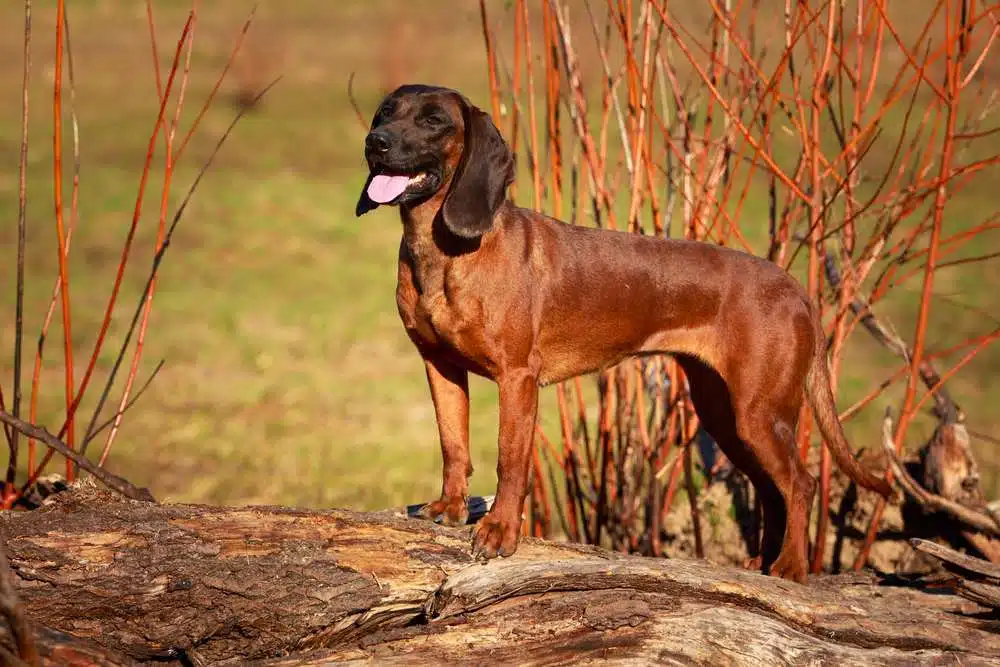
Although originally bred as a specialized hunting dog, the Bavarian Mountain Hound has become increasingly appreciated as a loyal family companion. It forms deep bonds with its owners and is known for its steady, even-tempered nature. While typically reserved around strangers, it is affectionate and devoted to the people it knows well.
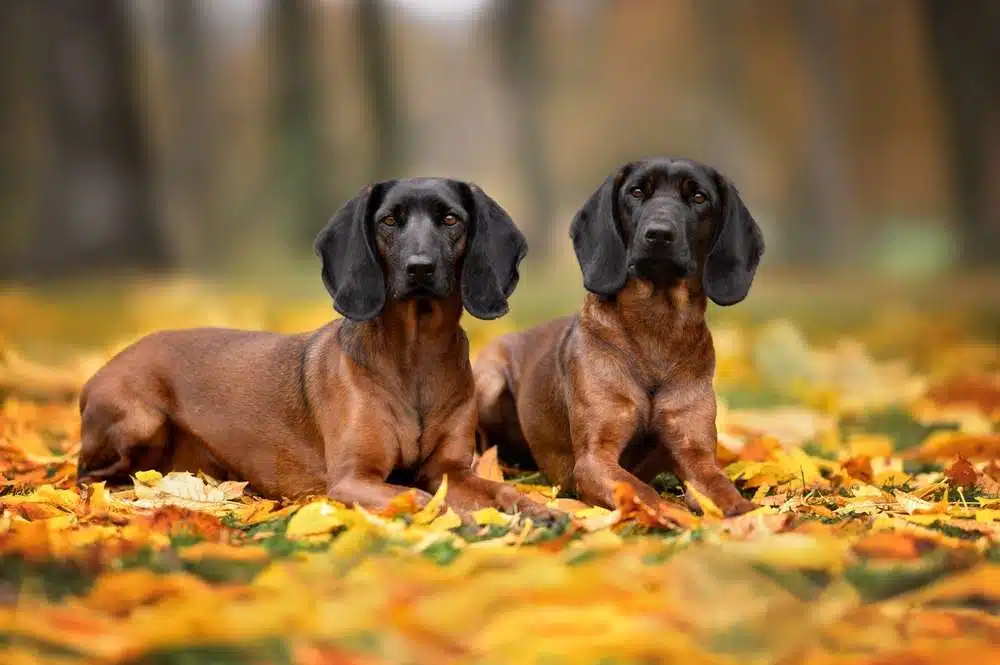
During the 19th century, expanding hunting opportunities in Germany increased the demand for skilled tracking dogs. Hunters needed a breed capable of following wounded deer and other large game across steep, mountainous terrain after the shot. By crossing the Hanoverian Scent Hound with lighter Mountain Scent Hounds, breeders created a dog with greater agility, stamina, and tracking ability.

The Bavarian Mountain Hound is an independent worker that prefers following a scent trail methodically, often on a long tracking lead. Its short, dense coat comes in shades of brindle, red, reddish-brown, tan, and fawn, requiring only minimal grooming with regular weekly brushing.
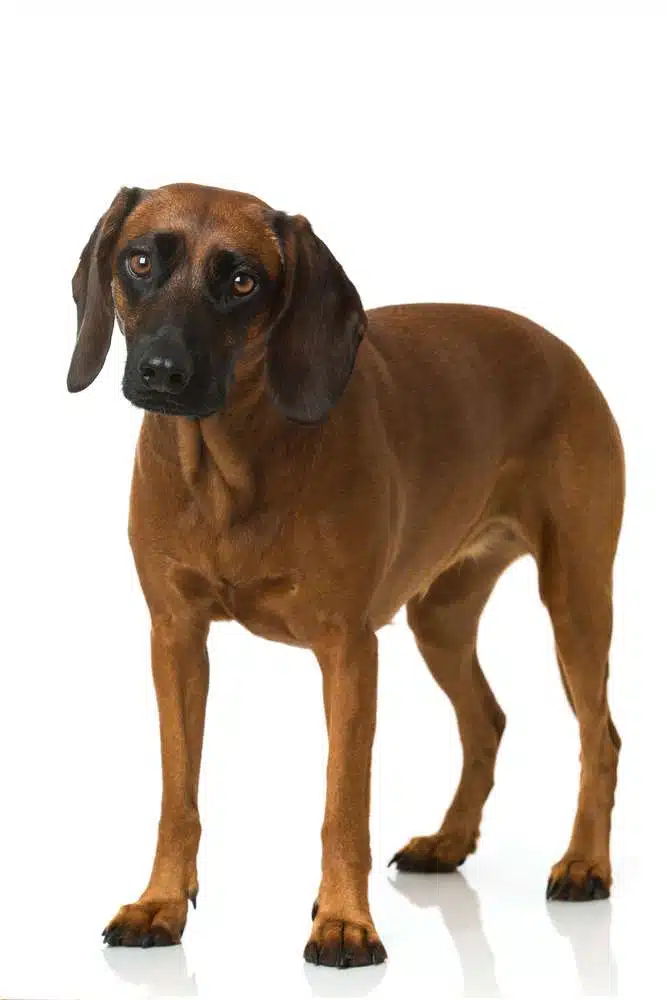
This active breed thrives with experienced owners who can provide consistent training, positive reinforcement, and plenty of outdoor exercise. Early socialization helps it become a well-mannered companion around children and other pets, although its strong hunting instincts may require supervision around small animals. The Bavarian Mountain Hound is happiest living closely with its family and enjoying an active lifestyle rather than being left alone or confined outdoors.
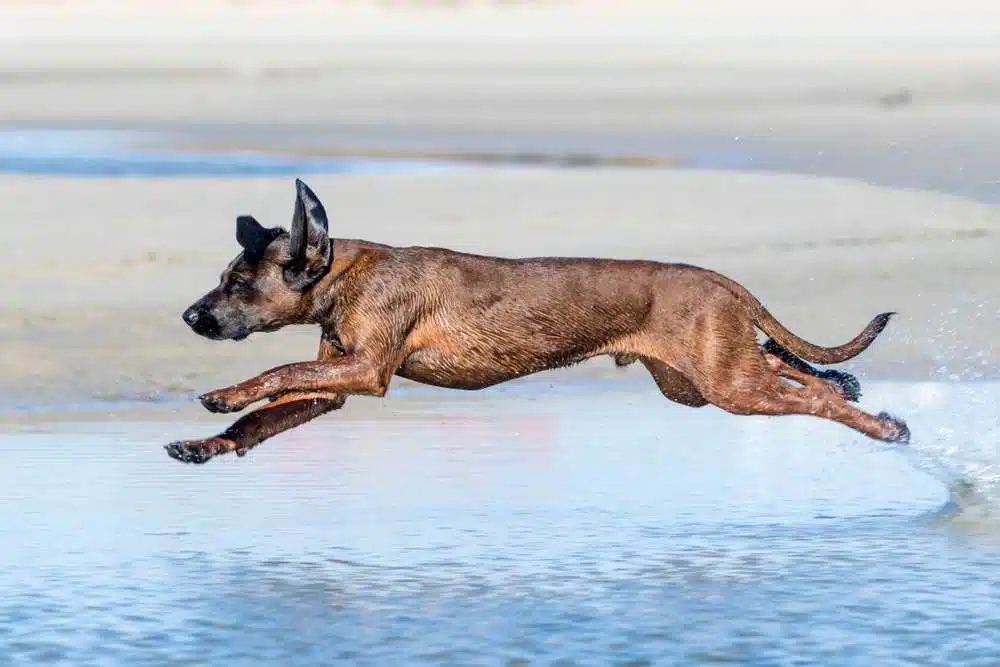
Bavarian Mountain Hound Breed Traits, Temperament, And Care Guide

Bavarian Mountain Hound Breed Traits, Temperament, And Care Guide

Are you thinking about a hunting dog but worry about training, exercise, and health needs? The Bavarian Mountain Hound is a medium-sized scent hound developed in southern Germany to track wounded large game in the Bavarian Alps, valued for its exceptional nose, endurance, and calm temperament. It suits experienced, active owners, hunters, and tracking enthusiasts best, since this breed needs plenty of exercise, scent work, training, and consistent health care.

The breed grew from medieval scent hounds, and understanding its working background helps you decide whether you can meet its physical and mental demands and raise a healthy, steady companion. This guide covers temperament, history, physical traits, training tips, exercise needs, grooming like weekly brushing, diet with high quality dog food, key health concerns such as hip dysplasia and epilepsy, and what to know when looking for Bavarian Mountain Hound puppies.

It will also show how the AKC can help find puppies and offer training services. Read on.

Key Takeaways

  • Developed in southern Germany in the 1800s from Hanoverian and red Mountain scent hounds (1870s); Munich breed club formed 1912; listed in AKC foundation stock.
  • Medium, muscular hound stands 44–52 cm (17–21 in), weighs 20–25 kg (37–66 lb), lives 12–15 years, needs over two hours daily exercise.
  • Monitor hip dysplasia and epilepsy; get hip radiographs and genetic tests, consult a neurologist for seizures, and seek emergency care if episodes exceed five minutes.
  • Use reward-based training, leash work, early socialization, and scent tasks; brush weekly; suit experienced, active rural owners rather than apartment dwellers.

History and Origin

Origins in the Bavarian Alps

The Bavarian Mountain Hound was developed in southern Germany during the 19th century to track wounded large game across the steep, rugged terrain of the Bavarian Alps. Drawing on the heritage of medieval German scent hounds, breeders sought to create a dog with exceptional scenting ability, endurance, and agility for recovering injured game in challenging mountainous environments.

Developing a Specialized Tracking Dog

During the 1870s, German breeders crossed the Hanoverian Scent Hound with lighter red Mountain Scent Hounds to produce a more agile and athletic tracking dog. The result was the Bavarian Mountain Hound, a breed capable of following cold scent trails over rocky slopes, dense forests, and difficult terrain while maintaining remarkable focus and stamina. These carefully selected bloodlines produced one of Europe’s finest dogs for tracking wounded game.

A Trusted Hunter’s Companion

The Bavarian Mountain Hound quickly became an indispensable partner for hunters and game wardens. Rather than pursuing healthy game, the breed specialized in following the blood trails of wounded deer, boar, and other large animals after the shot, helping hunters recover injured game both ethically and efficiently. Its calm temperament, determination, and extraordinary nose earned it a reputation as one of the world’s premier tracking breeds.

Preserving the Breed

As the breed’s reputation grew, enthusiasts established a breed club in Munich in 1912 to protect the Bavarian Mountain Hound’s bloodlines and maintain strict breeding standards. Careful selection ensured the breed retained the scenting ability, sound temperament, and physical endurance that made it such an exceptional working dog.

A Rare Working Breed Today

Although still relatively uncommon outside Europe, the Bavarian Mountain Hound remains highly respected among professional hunters and tracking enthusiasts. The American Kennel Club added the breed to its Foundation Stock Service in 2016, helping preserve accurate breeding records while supporting its continued development in North America. Today, the Bavarian Mountain Hound continues to excel as a specialized tracking dog, carrying forward a hunting heritage that has been refined for well over a century.

Physical Characteristics

A Bavarian Mountain Scent Hound is a medium-sized, muscular, athletic hunting dog recognized as a scent hound. Many Bavarian Mountain Hounds weigh 20 to 25 kg and stand 44 to 52 cm tall.

They have a well proportioned, muscular build that gives stamina on rough trails. These dogs have keen noses and follow scents with steady focus.

Coat colors include brown, red with a black mask, and stag red with or without a black mask. The short coat stays low maintenance and needs only weekly grooming and regular brushing.

Owners keep a brush and a nail clipper handy for basic care. This medium sized breed fits owners who want a sturdy, low maintenance hunting companion.

Body and Structure


Lean, athletic, built for scent work.


The Bavarian Mountain Hound stands 44 to 52 cm, 17 to 21 inches, at the shoulder. This medium sized dog weighs 20 to 25 kg, 37 to 66 pounds. It has a lean and muscular build and a slightly rising topline.

The head stays long with a broad muzzle, medium-length ears, and kind eyes on a balanced, athletic frame. Bavarian mountain scent hounds work as hunting dogs and form strong bonds with handlers; they run well off leash on rough trails.

Their shorter coats cut grooming time, and they thrive with sufficient exercise plus mental and physical stimulation after long walks. Use a harness or leash during training to protect skeletal structure and muscle mass on steep ground.

Face and Expression

The Bavarian Mountain Dog shows an open, keen, and alert expression. Its face looks athletic and agile in appearance. Large, expressive eyes convey attentiveness and clear focus.

Watch body language and facial cues during early training and early socialization. Owners of this rare breed in the medium sized dogs group should read those signs when the hound meets other dogs or other pets.

A camera can help record subtle shifts during play and meetups. Trainers use these cues to tailor sessions and to spot stress before a loud bark.

Coat and Color

Hair stays short, smooth, and dense, and the hair gets finer around the face and ears. Colors include brown, red with black mask, and stag red, which may appear with or without that marking.

Shedding rates sit at about 3/5, and they increase during seasonal coat changes twice a year.

This breed is not hypoallergenic, so many dogs still leave fur around the home. Weekly brushing with a brush helps manage fur spread and keeps the coat healthy. Owners who want a rarer breed should note these care needs, and dogs require regular grooming to limit loose hair.

Movement and Gait

The Bavarian Mountain Hound moves with a light, springy, ground-covering gait. It shows good reach in front and strong drive from the rear. Hunters note its agility and endurance on steep mountain trails, and many compare its drive to the German Bracken.

Owners must provide proper exercise and tasks to keep the dog mentally stimulated. This active hound is well suited to experienced owners who run long mountain routes. Regular checks catch hip and elbow dysplasia early, since health problems can alter movement.

Use biomechanics and motion analysis with exercise equipment or video tools to assess gait, compare it to other canines, and aid rehab.

Temperament and Behavior

Owners praise the breed for a calm, balanced temperament and deep devotion to its people. This hound stays reserved and cautious with strangers, yet forms a tight, loyal bond with family and fits homes with older children.

Breeders call it self-assured and sound, and trainers find it biddable, trainable and compliant during obedience training.

Owners should use reward-based training and a steady training tool, like a leash, for clear, consistent cues. Early socialization helps it accept other animals, smaller animals, and other breeds, and makes city life easier.

Often vocal, it will alert owners to visitors or unusual events. Add regular health checks, a balanced dog’s diet and fresh water to cut health concerns and keep this a healthy breed.

Health Considerations

Plan annual veterinary screenings and hip checks. Watch for lameness, stiffness, or seizures. Screening through imaging, such as X-rays, helps spot hip dysplasia early. Genetic testing, neurologic exams, and lab tests aid in diagnosing epilepsy.

Average lifespan ranges from 12 to 15 years. Adult Bavarian Mountain Hounds typically weigh 20 to 25 kg (44 to 55 pounds). Breeders call the breed generally healthy, but hip dysplasia and epilepsy appear more often than in some other breeds.

Grooming stays low-maintenance with weekly brushing and regular ear and paw checks. They need over two hours of vigorous exercise each day, so they suit active owners in rural areas.

Train and socialize early, and work on greeting unknown dogs carefully. Compared to many hounds of the same species, this dog shows a slightly longer back and a strong, compact stance.

Common Concerns

Bavarian Mountain Hounds are generally very healthy. Health screening for hip dysplasia is recommended before breeding.

  1. Keep routine veterinary exams and vaccinations current. Use radiographs, weight checks, and parasite control during each visit to spot early issues and maintain working fitness.
  2. Watch for hip dysplasia signs like stiffness or trouble rising. Have a hip evaluation done with radiographs prior to breeding, and avoid pairing dogs with abnormal hip scores.
  3. Monitor for seizures, which arise from abnormal brain function. Refer to I. Kathmann et al, 1999, Journal of Small Animal Practice for clinical and genetic findings on idiopathic epilepsy in a related mountain dog, and consult a neurologist if seizures begin.
  4. Require health clearances before any mating. Collect hip reports, radiographs, and a clean neurologic history, and review DNA screens and pedigree data to reduce inherited risk.
  5. Act fast during seizures to protect the dog. Time events, record video, prevent choking, and seek emergency veterinary care if episodes last more than five minutes or recur quickly.
  6. Keep detailed health records for every dog. Store radiographs, hip evaluations, seizure logs, and vaccination histories, and share these files with breeders, rescue groups, or your veterinarian to support informed decisions.
  7. Expect variable lifespan and watch for late onset problems. Manage weight, provide joint support if needed, and discuss long term plans with your veterinarian to protect hips and brain health as the dog ages.

Lifespan

A typical Mountain Hound lives 12 to 14 years. That span matches the longevity of a medium-sized working dog breed.

Vet checkups and health screening catch problems early. Balanced nutrition and steady exercise boost long-term health. Genetic tests and joint evaluations guide care plans. Activity monitors help track daily movement and share data with your veterinarian.

Training Considerations

Owners should expect a steady learning curve. The breed shows clear intelligence, yet it needs firm guidance. Veterinary experts rate ease of training at 3/5. Experienced handlers often get better results than novices.

Use reward-based training, a leash, and a sound marker for short sessions. Keep sessions short and calm to match the dog’s sensitive nature.

Start socialization early with people, livestock, and unfamiliar dogs. Teach strong recall with long lines and controlled scent work. Practice scent tracking often to use the breed’s natural gifts.

The dog matures slowly and can stay sensitive through adolescence. Gentle, consistent handling helps avoid fear or shutdown. Obedience class attendance aids owners and dogs, and den box training helps safe confinement during trials.

Exercise and Socialization

The Bavarian Mountain Hound needs at least 2 hours daily of vigorous exercise. Breed ratings put energy levels at 4 out of 5. Plan hikes, trail scenting, or tracking sessions to burn that drive.

Use scent-related enrichment activities and puzzle toys to tire the dog mentally. Give access to a large yard or long daily walks to prevent boredom and destructive behavior.

Puppies need early, steady socialization in obedience classes and playgroups. Families form strong bonds with this breed quickly. They do well with older children if socialized early.

Supervise interactions with other pets, since the hound may react to unknown dogs. Introduce new dogs slowly on leash and carry a location tracker or marker device on long outings for added safety.

Living with a Bavarian Mountain Hound

Expect a calm, loyal companion who stays reserved with strangers. They need over two hours of vigorous exercise each day, so active owners in rural areas fit best. Use nose work, scenting gear, and short training sessions to channel their independent mind; use gentle handling and positive reinforcement.

Grooming stays low maintenance with weekly brushing, and use a soft brush and ear cleaner to check ears and paws. They can be vocal and will alert to visitors or odd noises. Screen for hip dysplasia and epilepsy with a veterinarian, and ask about radiograph hip screening and DNA testing.

Best Environment

The Bavarian Mountain Hound is best suited to experienced, active owners who can provide plenty of outdoor exercise and mental stimulation. A rural or countryside setting with a large, securely fenced yard is ideal, along with regular opportunities to explore walking or hiking trails.

Although the breed can tolerate being left alone for short periods once properly trained, it thrives on close companionship and should not be isolated for long stretches. It is generally not well suited to sedentary lifestyles or small apartments.

Behavior Toward Children

The Bavarian Mountain Hound is known for its calm, steady temperament and strong devotion to its family. It can be an excellent companion for respectful older children and typically forms close bonds with the people in its household.

As with any breed, interactions with young children should always be supervised. Early socialization, positive reinforcement training, leash manners, and consistent routines help the breed develop into a confident and well-mannered family companion.

Behavior Toward Other Pets

The Bavarian Mountain Hound can live peacefully with other household pets when properly socialized from an early age. It is often accepting of familiar animals but may be reserved around unfamiliar dogs.

Because it was bred to track game, the breed retains a strong prey drive that can make it inclined to chase small animals. Careful introductions, consistent training, and appropriate supervision are important, especially when introducing the dog to new pets.

Grooming Needs

Brush the coat once or twice a week to handle the dense, harsh fur. Owners should use a firm brush, a comb, and a rake for coat maintenance. This breed rates 2/5 for grooming needs and 3/5 for shedding, so heavy daily work rarely comes up.

Routine grooming helps manage coat and hygiene and cuts down on mats. Baths stay occasional, using a mild dog shampoo to protect the outer coat and skin.

Check ears, nails, and teeth during each grooming session. Regular vet and at-home checks keep ear care, nail trimming, and dental hygiene on track. Use ear cleaner, nail clippers, and a dog toothbrush to prevent infections and broken nails.

Some drooling may occur, so wipe the jowls and clean facial fur after meals. Keep short, steady sessions so your dog stays calm and grooming stays simple.

Nutrition and Feeding

A Bavarian Mountain Hound, a medium-sized hunting dog known for its keen sense of smell, is happily eating high-quality kibble from a dog bowl. The dog has a muscular build and a short coat, showcasing its healthy breed characteristics while enjoying its meal.

Feed a Bavarian Mountain Hound two to three cups of food per day, split into two or three meals. Offer smaller, more frequent meals to lower the risk of bloating. Measure portions with a cup or a scale to keep calories steady.

Choose a balanced diet that matches size, activity level, and life stage. Ask your veterinarian for specific calorie targets and brand guidance. Keep fresh water available at all times.

Check body condition with a simple scoring chart regularly.

Where to find a Bavarian Mountain Hound

Most people find these rare dogs through breed societies, hunting clubs, or deer management teams. The Bavarian Mountain Hound Society in the United Kingdom lists working breeders and runs Schweisshund Training for tracking wounded game.

Working kennels and gamekeepers also place puppies with active handlers. The breed society requires dogs to pass tracking tests before they join breeding programs.

Similar Dog Breeds

The Bavarian Mountain Hound shares nose power and body traits with several scenthounds. Use this list to compare breeds and plan scent work or tracking activities.

Breed Similarities Differences Best fit for owners who…
Hanoverian Scenthound Closely related ancestor with exceptional scent-tracking ability and a calm, methodical working style. Larger, heavier, and bred primarily for tracking wounded game on flatter terrain. Want a dedicated tracking dog with outstanding scenting ability and experience handling independent hounds.
Bloodhound World-renowned scent hound with remarkable tracking skills, endurance, and determination. Much larger with looser skin, longer ears, and a slower, more deliberate tracking style. Need the ultimate scent-tracking specialist and have room for a large, powerful hound.
Black and Tan Coonhound Shares strong scenting instincts, endurance, and a friendly temperament with the Bavarian Mountain Hound. Bred primarily for raccoon and big-game hunting in North America, with a louder voice and more outgoing personality. Enjoy hunting or hiking with an energetic scent hound that also makes a sociable family companion.
Rhodesian Ridgeback Athletic, loyal, and originally developed to track large game with excellent stamina and courage. Relies more on sight and versatility than scent, with stronger guarding instincts and a shorter coat. Want an active, confident companion for hiking, running, and outdoor adventures that also serves as a capable family protector.

Conclusion

You learned the breed’s history, scent hound traits, temperament, health issues, grooming needs, and training essentials. Build simple routines for brisk daily exercise, weekly coat care, and clear short training steps.

Regular hip dysplasia screening and epilepsy checks reduce health risks and raise the chances for a long life. Contact the American Kennel Club or a local veterinarian for dog finding help, registration, grooming, and training support.

Give a Bavarian Mountain Hound steady work and calm love, and you will gain a loyal, brave companion.

FAQs

1. What are the main Bavarian Mountain Hound breed traits and temperament?

The Bavarian Mountain Hound shows strong tracking skill, steady nerves, and clear focus. This scent hound is loyal, calm at home, and often reserved with strangers. Key breed traits include a muscular build, a short coat, and high stamina.

2. How much exercise and training does this breed need?

The hound needs 60 to 90 minutes of daily exercise. Offer long walks, tracking games, and scent work. Start training early with fair rules and reward-based methods. Socialize pups with people and other dogs.

3. What care does the Bavarian Mountain Hound need, including grooming and health checks?

Use this care guide to set routine vet visits and shots. Brush the short coat weekly and check ears every week to avoid infection. Feed quality food and watch weight. Watch for hip dysplasia and ear problems, common health concerns. Lifespan is about 12 to 14 years.

4. Is the Bavarian Mountain Hound a good family dog?

Many people think the breed is too wild, but with socialization and steady training it becomes a devoted family dog. It fits active homes that give work and space. Avoid tiny apartments unless you can meet its exercise needs.


References

  1. https://gundog-journal.com/breeds/bavarian-mountain-hound/
  2. https://dogacademy.org/breeds/bavarian-mountain-hound (2024-01-10)
  3. https://www.royalkennelclub.com/breed-standards/hound/bavarian-mountain-hound/
  4. https://www.akc.org/dog-breeds/bavarian-mountain-scent-hound/
  5. https://www.royalkennelclub.com/search/breeds-a-to-z/breeds/hound/bavarian-mountain-hound/
  6. https://www.wisdompanel.com/en-us/dog-breeds/bavarian-mountain-hound
  7. https://pmc.ncbi.nlm.nih.gov/articles/PMC11718627/

  • Furlyfe Rank See Rank
  • Group AKC Foundation Stock
  • Origin Germany
  • Size Medium
  • Weight 45 to 55 pounds
  • Coat Length Short
  • Coat Type Smooth
  • Colors Biscuit, Black-masked fawn, Brindle, Red, Tan
  • Other Names Bavarian Mountain Scenthound, Bayerischer Gebirgsschwei
  • Temperament Agile, Calm, Courageous, Loyal, Quiet, Spirited

Breed Characteristics

Leave a Reply

Participate on Doggy Duel