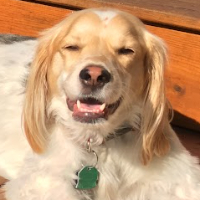
Greater Swiss Mountain Dog
Thousands of years ago, Roman legions brought mastiff-type dogs into Switzerland, where they blended with local dogs and helped form the Greater Swiss Mountain Dog. Once thought extinct, this powerful short-coated breed worked for centuries herding livestock, guarding property, and pulling heavy carts—earning the nickname “the poor man’s horse.”
As machinery replaced draft dogs, the Swissy transitioned into a devoted companion. Calm, confident, and cheerful, the breed is well suited to families with children. While naturally protective and capable of defending loved ones, Greater Swiss Mountain Dogs are generally welcoming and steady with strangers.
Athletic and immensely strong, the Swissy still excels at farm-style work and needs ample outdoor space and regular exercise, making city life a poor fit. One of four Swiss mountain dog breeds—alongside the Bernese Mountain Dog, Entlebucher, and Appenzeller Sennenhund—the Greater Swiss is the largest. Males typically weigh 105–140 pounds, females 85–110 pounds, and full maturity can take four to five years. Their lifespan averages 8–10 years.
Raising a Swissy puppy requires commitment. Their size, strength, and love of chewing mean close supervision and early training are essential, as swallowed household items can lead to serious veterinary emergencies. Proper socialization and consistent training help shape a stable adult dog.
Despite their size, Swissies are versatile and content with moderate daily exercise, such as a long walk or several shorter outings, with care taken in hot weather. They thrive in activities like carting, obedience, tracking, herding, agility, and even therapy work, thanks to their gentle nature.
Grooming is straightforward due to their short coat. Weekly brushing—more during shedding season—along with regular ear cleaning, nail trimming, and occasional baths will keep a Greater Swiss Mountain Dog healthy and looking its best.
Greater Swiss Mountain Dog Breed Facts, Temperament, And Care Guide

Do you want a big, friendly dog but worry about health, training, and grooming? Many owners ask if a Greater Swiss Mountain Dog fits family life. This breed belongs to the American Kennel Club Working Group.
You will find clear facts on temperament, exercise, and training. We list health checks like hip evaluation, elbow checks, and eye exams. We explain care for the double coat and how to handle shedding.
We link the Greater Swiss Mountain Dog Club of America and the American Kennel Club for more resources. Keep reading.
Key Takeaways

- Greater Swiss Mountain Dogs weigh 110–155 lbs, stand 23.7–28.5 inches, wear a tricolor double coat, shed twice yearly, and need moderate exercise.
- Feeding and health recommendations should be tailored to a dog’s age and weight for best results, as monitoring these factors helps prevent obesity and ensures appropriate nutrition.
- Screen for bloat (GDV), hip and elbow dysplasia, shoulder OCD, epilepsy, urinary incontinence, splenic torsion, and eye issues with hip, elbow, and ophthalmic clearances.
- Originating from Roman mastiffs (1st century B.C.), the breed saw revival by Dr. Albert Heim; Swiss Stud Book (1909) and GSMDCA, AKC, FCI recognize it.
- The Greater Swiss Mountain Dog is considered one of Switzerland’s oldest dog breeds.
- The Greater Swiss Mountain Dog was recognized by the American Kennel Club in 1995.
- Start training and socialization early; avoid strenuous exercise until 12–18 months, expect an 8–11 year lifespan, and budget $1,500–$3,000 from reputable breeders.

History and Origin of the Greater Swiss Mountain Dog

Ancient Roots in the Swiss Alps
The Greater Swiss Mountain Dog traces its origins back more than two millennia. The breed is widely believed to descend from the Mollasian, a powerful mastiff-type dog brought into the Alpine region by Roman legions during the 1st century BC. These large, durable dogs interbred with local farm dogs, laying the foundation for the strong working breeds that later became known as the Sennenhunde—the traditional Swiss mountain dogs.
In the rugged Swiss Alps, farmers and merchants relied on these dogs as multipurpose workers. They pulled heavy carts loaded with milk and goods, guarded homesteads, and protected livestock from predators and thieves. Strength, endurance, and reliability were prized far more than appearance.
Decline and Near Disappearance
By the late 19th and early 20th centuries, industrialization and mechanization dramatically reduced the need for draft dogs. As machines replaced cart-pulling dogs on farms, the Greater Swiss Mountain Dog nearly vanished. By 1900, the breed was rare and at risk of extinction.
Revival Led by Dr. Albert Heim
The breed’s survival is largely credited to Dr. Albert Heim, a Swiss geologist and dog historian. In the early 1900s, Heim identified remaining examples of the breed and championed efforts to preserve it as part of Switzerland’s cultural heritage. His work ensured the Greater Swiss Mountain Dog remained recognized as a distinct working breed within the Sennenhunde family.
In 1909, the Swiss Kennel Club officially added the breed to the Swiss Stud Book, solidifying its status. The Fédération Cynologique Internationale later granted formal international recognition.
Service in World War II and Expansion
During World War II, the Greater Swiss Mountain Dog found renewed purpose as a military draft dog for the Swiss Army. These dogs hauled supplies and equipment through mountainous terrain inaccessible to vehicles. Despite this contribution, numbers remained low, with estimates suggesting only 350 to 400 dogs existed by 1945.
The breed arrived in the United States in 1968, when Perrin G. Rademacher imported the first Greater Swiss Mountain Dog. That same year, the Greater Swiss Mountain Dog Club of America (GSMDCA) formed to promote the breed and pursue recognition by the American Kennel Club.
Physical Characteristics

Large and muscular, greater swiss mountain dogs show a powerful, broad topline. Swiss mountain dogs wear a dense tricolor coat, black, red, and white. A clear white blaze runs along the head and muzzle.
This double coat sheds its undercoat twice a year. Coat texture can range from wiry to silky. Working dog lines give solid bone and deep chest. These sennenhund breeds, including grosser schweizer sennenhund and grand bouvier suisse, share that classic, sturdy look.
Power and presence in a tricolor coat.
Movement stays sure and steady, with a balanced gait suited to farm work. They can match a midsize human in weight, yet stay agile enough for draft work and weight pulling. Adult swissies need moderate exercise and prefer outdoor companionship activities.
Owners use curry combs to help remove loose undercoat during seasonal shedding.
Body and Structure
A Greater Swiss Mountain Dog stands 23.7 to 28.5 inches at the shoulder. Males typically stand 25.5 to 28.5 inches tall and weigh between 115 to 140 pounds, while females stand 23.7 to 27 inches tall and weigh between 85 to 110 pounds. Monitoring your dog’s weight is important to maintain health and prevent obesity. The breed has a well-muscled body and moderate, sturdy bone.
Breeders used the dogs for draft work and to pull heavy carts in mountainous regions. Swissys also worked as cattle dogs and handled herding and pasture chores.
Females and males should carry weight proportionate to height to keep a balanced frame. The dog’s weight and height ratio helps reduce risk of hip dysplasia and elbow dysplasia. Judges at American Kennel Club and breed club events look for balance and strong bone in conformation rings.
Owners should know this adult dog is immensely strong for its size and built for work. Most live eight to 11 years, which owners must plan around for care and training.
Face and Expression

Greater Swiss Mountain Dog heads and muzzles typically feature a white marking called the blaze. A broad, pronounced muzzle gives the dog a strong profile while the eyes keep a sweet, gentle expression.
Distinct tan and rust points frame the eyes and cheeks, and the expression reads alert and friendly.
Ears are sensitive and require regular attention to prevent infections. Check ears after leash walks and during grooming sessions. This swiss mountain dog breed still gives a deep, booming bark and the unique Baroo vocalization, yet it keeps a calm temperament at home while alerting family members.
Coat and Color

This breed wears a short, dense, close-fitting double coat with a harsh, shiny topcoat and a thick, short undercoat. The undercoat sheds twice a year. Owners need extra brushing in those seasons, and regular grooming stays monthly.
Markings run strikingly in black, red, and white, and they often show bold white markings on the chest and face. The American Kennel Club (AKC) lists color codes as Black, White & Red (362); Red & White (146); Blue, White & Tan (437).
The coat feels smooth and firm and stays wash-and-wear with minimal maintenance, a good fit for pet parents of large dogs in swiss mountain dog breeds. A slicker brush or rubber mitt helps with monthly sessions and the heavy shed.
Movement and Gait

Greater Swiss Mountain Dogs move with strong, balanced strides that reflect their working heritage. Owners should plan a moderate level of exercise, with daily walks and outdoor activity like hiking and wooded play.
Puppies must avoid extreme exercise to protect growing joints, since proper exercise supports healthy joint development, as with larger breeds.
Carry a sturdy lead and a body harness on trails to control the booming barks and enthusiastic nature when they meet other dogs or other animals. Avoid high-intensity routines used by high energy breeds, as Swissies are not suited for cycling or marathon pace work.
Obedience training and steady walks keep their joints strong, help mental stimulation, and make them well behaved in mixed company.
Temperament and Behavior

Owners find the dog happy, jovial, and enthusiastic with a friendly temperament. It shows confident curiosity and a vocal streak. The breed also shows a strong-willed, opinionated, and sometimes stubborn side.
Alertness, sensitivity, and a herding instinct drive behavior around livestock and family, and AKC standards discourage shyness and aggression while handlers praise its strong work ethic and loyalty.
Consistent training and clear boundaries curb the breed’s pushy nature. Start early in the puppy stage and use firm, fair dog training methods. Owners should encourage problem solving and decision making in short lessons.
Owners also note a strong affinity to family and a deep devotion that makes a loyal watchdog. Many compare the dog to livestock guardian dogs and to bernese mountain dogs or St. Bernard among swiss breeds.
Choose a reputable breeder and check pedigrees and registry records before you bring one home, and know that AKC and the fédération cynologique internationale, or FCI, fully recognize the breed among large breeds.
Health Considerations

Bloat stands as a top emergency for the breed. Bloat, also called gastric torsion or gastric dilatation-volvulus (GDV), can strike and cause rapid collapse. Greater Swiss Mountain Dogs are also prone to joint dysplasia, including hip and elbow dysplasia, which can lead to arthritis. Splenic torsion occurs more frequently in Greater Swiss Mountain Dogs compared to other breeds. Urinary incontinence can develop, particularly in middle-aged and senior females.
Health screenings and feeding recommendations should be tailored to a dog’s age for best results. Hip dysplasia appears on radiographs and can limit mobility.
Urinary incontinence occurs more often after dogs are spayed young. Epilepsy and seizure disorders appear in some lines. Check breeder health records and ask for clearances before you buy.
Request radiographs, canine genetic screening, and hip scores from breeders.
Sensitive stomachs cause digestive issues in many dogs. Feed a bland diet during flare ups and consult your veterinarian. Talk to your veterinarian about tests and diet plans.
The Greater Swiss Mountain Dog requires weekly ear cleanings to prevent infections, as well as regular nail trims and teeth cleaning as part of their grooming routine.
Common Concerns
Greater Swiss Mountain Dogs face several health risks. Owners should watch for early warning signs.
- Watch for sudden belly swelling, retching, or unproductive vomiting, which signal GDV or bloat. Seek emergency care fast, discuss prophylactic gastropexy with breeder or surgeon, and avoid vigorous activity or hot weather after meals.
- Monitor the abdomen, sudden weakness, and pale gums for splenic torsion, a spleen emergency that can mimic bloat. Get immediate surgical assessment if a vet suspects torsion to prevent fatal blood loss.
- Expect hip and elbow dysplasia, plus OCD of the shoulder in this typically larger working breed group. Professor Albert Heim helped describe the type, and the fédération cynologique internationale (fci) fully recognizes the breed, so screen hips at dog shows.
- Record any seizures with time and video, since epilepsy affects some dogs in this breed. Work with a veterinary neurologist for testing and start anti-seizure meds if needed.
- Note that puppies and spayed females face higher urinary incontinence risk, and owners report UTIs. Talk to your vet about bladder meds, timed voiding, and managing infections quickly.
- Check eyes for distichiasis and entropion, which cause irritation, tearing, or corneal damage. Ask a veterinary ophthalmologist about diagnostic tests and surgical fixes.
- Feed a limited-ingredient or vet-prescribed diet if your dog has a sensitive stomach; sudden changes can cause weight loss and vomiting. Track meals, wean new food slowly, and note any reactions.
- Plan for arthritis and mobility decline as your dog ages, which affects life expectancy and quality of life. Use joint supplements, low-impact exercise, and strict weight control to slow progression.
- Allow extra time for housebreaking, since some dogs need 2+ years to fully learn. Use consistent training tips, crate work, and socialization with other breeds and cats to keep the dog mentally engaged.
Lifespan
The average lifespan of a GSMD is 8 to 11 years. Large size and genetic predispositions influence longevity, and full development can take several years. This range matches dog lifespans for other large working breeds, though a dog’s age at maturity varies by individual.
Orthopedic and gastrointestinal health problems can shorten a dog’s life. Early health screening and responsible breeding reduce many health issues, even among dogs of the same breed.
The GSMDCA Health Committee promotes screening, and proper diet plus regular vet care may extend longevity for pets.
Training Considerations

Start training early and keep it consistent. This breed was bred as a herding dog and worked with dairy cattle on Swiss farms. They have a rich history and became fully recognized for their strength and calm.
Trainers use positive reinforcement because Swissies are food-motivated. Use treats, praise, a leash, and a sound marker or a treat pouch during sessions. Expect stubborn moments due to a strong personality, so plan short, firm lessons.
Start socialization in puppyhood to build bite inhibition and impulse control. Enroll in obedience classes and practice recall on a long line. Dogs can herd or chase moving targets, so strong recall and steady obedience cut risks.
Teach basic skills early and reinforce them for life with crate training and short drills. Let children take part in training to teach respect and keep play safe. Watch weather and train in cool hours to reduce risk of heat stroke.
Use calm correction when needed, then return to praise to keep the dog engaged.
Exercise and Socialization

Greater Swiss Mountain Dogs need moderate daily exercise. Owners should plan walks and hikes every day. Young puppies must avoid strenuous activity until growth plates close, usually between 12 and 18 months.
Swimming sessions and carting with a proper harness help build muscle without stressing joints. These dogs do not run at high energy levels, yet they need regular physical and mental stimulation.
Daily outdoor play works best, especially in cooler weather. Use a sturdy leash, a harness, and a training device during walks and play.
Early training builds confidence and steady behavior. Socialization must start young to cut chasing of smaller animals. Attend puppy playgroups and socialization classes and use positive reinforcement.
Leash work, controlled meet and greets, and play sessions teach impulse control. The prevailing theory that big breeds are hypoallergenic causes confusion, yet Swissies shed and trigger common allergies.
Plan short, frequent sessions and reward calm responses.
Living with a Greater Swiss Mountain Dog

Expect a tricolor coat and a friendly, dependable nature in this breed. They need moderate exercise, and they thrive on shared hikes and daily walks. Owners should plan regular grooming for seasonal shedding, including bathing and thorough brushing with a brush and comb. Regular nail trims, as well as ear and teeth cleaning, are also essential parts of the Greater Swiss Mountain Dog’s grooming routine.
Use training treats during sessions because the dogs stay food-motivated but may show stubborn streaks. Have hip, elbow, and shoulder evaluations done by a veterinarian to monitor joint health.
Feeding and health care should be tailored to your dog’s age and dog’s weight, as these factors are important for accurate health assessments and appropriate feeding recommendations. Watch portion sizes and follow a vet-approved diet plan to avoid obesity and digestive issues, since they adapt to many diets.
Best Environment

Active families suit Greater Swiss Mountain Dogs best. These dogs thrive with regular involvement and family outings. Moderate exercise and mental stimulation stop boredom. Owners who enjoy hikes and snow play fit this breed.
They prefer cold and snow over hot weather. Ample space and a secure fence matter because the breed grows large. This breed does not suit low-maintenance or sedentary households. Protect sensitive ears and toes with shaded rest areas, foot protection, and regular vet checks.
Use a sturdy leash, body harness, tracking device, and a carrier for safe outings and house training.
Behavior towards Children
Greater Swiss Mountain Dogs have a strong herding and prey drive, and they may chase or nip. Puppies need training in bite inhibition and impulse control early. Owners must never leave them unsupervised with small children.
Children should have the physical strength and maturity to handle the breed safely.
Families should spend a lot of time training during the first 18 months. Include children in feeding and training routines to build clear rules and respect. Use treat-based positive reinforcement, a metal clicker, a 6-foot nylon leash, and a wire crate for safe sessions.
Enroll in an AKC Canine Good Citizen class or obedience lessons to help with socialization. Do not view this breed as a babysitter, and always supervise interactions.
Behavior towards other Pets
Early socialization requires work to help GSMDs accept other pets. Herding instincts may make them chase small animals, and a strong prey drive can create problems with cats and tiny mammals.
Supervision during first meetings helps, and use a leash, training clicker, and food rewards to guide the introduction.
Consistent training with positive reinforcement lowers chasing and herding behaviors. Socialized dogs often behave gently with other dogs, yet their large size can intimidate smaller pets.
Introduce new pets slowly and supervise every step until you can read their cues.
Grooming Needs

The Greater Swiss Mountain Dog has a low-maintenance, wash-and-wear coat. Owners should brush the coat regularly and step up care during twice-yearly undercoat shedding. Use an undercoat rake or a fur remover tool once a week in heavy shed seasons.
A fine-pin brush helps lift loose hair and smooth the outer fur. Give an occasional bath with dog shampoo to control odor and loose hair. Monthly grooming suits the breed because of its dense coat.
Trim nails every 2 to 3 weeks to prevent cracking and overgrowth. Use straight clippers or scissors on a stable surface for safe trims. Clean ears with a vet-approved ear cleaner and check them often, since the breed has sensitive ears.
Brush teeth two to three times weekly with a canine toothbrush and pet toothpaste. Schedule a full grooming session monthly, and add extra sessions during peak shedding periods. A grooming table, comb, and towel make the work safer and faster.
Nutrition and Feeding

Puppies need food made for large breeds and should eat three to four times daily. Proper nutrition helps growth and prevents orthopedic issues. Adults should eat at least twice daily to cut the risk of bloat and GDV.
Smaller, more frequent meals work well for adult dogs.
Joint supplements with glucosamine and omega-3 fatty acids support joints and coat health. Owners must watch weight, because obesity develops if the dog gets too much food. Dogs with sensitive stomachs may need specialized diets.
Feeding recommendations should be tailored to a dog’s age and weight for optimal health, as both factors are important for accurate health assessments and appropriate feeding amounts.
A veterinarian can set age and health appropriate feeding guidelines. Use a feeding schedule and portion control. Add a slow-feed dish and a weighing device or feeding tool to measure portions.
The Four Swiss Mountain Dog Breeds
The Swiss Mountain Dogs, collectively known as the Sennenhund breeds, developed in the Alps of Switzerland as versatile farm dogs. For centuries, they worked alongside Alpine herdsmen, helping to herd cattle, guard property, pull carts, and serve as dependable all-purpose farm companions. All four breeds share common ancestry rooted in ancient mastiff-type dogs brought to the region by Roman legions more than 2,000 years ago, yet each evolved to serve a slightly different role based on terrain, climate, and local needs.
Greater Swiss Mountain Dog
The largest and most powerful of the four, the Greater Swiss Mountain Dog was bred primarily as a draft and guard dog. Its strength made it ideal for pulling carts loaded with milk, cheese, or supplies, while its imposing presence helped protect farms and livestock. Today, it is known for calm confidence, loyalty, and a steady temperament.
Bernese Mountain Dog
Perhaps the most recognizable of the group, the Bernese Mountain Dog features a longer coat suited to colder mountain climates. It worked as a farm dog, drover, and cart puller, and became especially valued for its gentle nature around families. While still strong and capable, the Bernese is best known today as an affectionate companion with a patient, people-focused personality.
Appenzeller Sennenhund
More agile and energetic, the Appenzeller was bred for fast-paced cattle herding across steep, rugged terrain. Alert, vocal, and highly driven, it excelled at moving livestock and watching over farms. This breed retains strong working instincts and thrives in active environments where it can stay mentally and physically engaged.
Entlebucher Sennenhund
The smallest and fastest of the Swiss Mountain Dogs, the Entlebucher was designed for precision herding rather than brute strength. Agile, intense, and highly responsive, it controlled cattle efficiently on narrow alpine pastures. Its compact build and sharp intelligence made it invaluable to herdsmen who needed speed and control rather than size.
Together, the four Swiss Mountain Dogs represent variations on a shared theme: durable, intelligent working dogs shaped by the demands of Alpine farm life. While modern roles often place them in family homes or sport settings, each breed still reflects the purpose-driven heritage that defined the Sennenhunds for generations.
Where to find a Greater Swiss Mountain Dog

Contact breed clubs and reputable breeders to find a Greater Swiss Mountain Dog. The AKC Marketplace lists area puppy breeders for GSMDs. The GSMDCA offers breeder and rescue resources, and some rehoming groups list available dogs.
Rescue organizations, including the AKC Rescue Network, assist with purebred rehoming. Expect a price range of $1,500 to $3,000 from reputable breeders. Ask breeders for full health records and plan to delay spay or neuter for health reasons.
Similar Dog Breeds

Here are breeds similar to the Greater Swiss Mountain Dog. Each entry lists breed, similarities, differences, and best fit.
| Breed | Similarities to the Greater Swiss Mountain Dog | Key Differences | Best Fit For |
|---|---|---|---|
| Bernese Mountain Dog | Shares tricolor Sennenhund roots, Swiss farm work history, and similar temperament and exercise needs | The Bernese Mountain Dog is longer, silkier coat with significantly higher grooming requirements | Active farm owners or AKC exhibitors who enjoy regular coat care |
| Entlebucher Mountain Dog | Same Sennenhund bloodline, tricolor markings, compact and hardworking build | The Entlebucher Mountain Dog is much smaller size with a stronger herding drive | Herding enthusiasts seeking a fast, lower-maintenance Swiss farm dog |
| Saint Bernard | Overlapping lineage with the Greater Swiss Mountain Dog and a strong working heritage | Heavier bone, different coat texture, and a long history as a rescue dog | Alpine rescue volunteers or owners wanting a historic, powerful companion |
| Rottweiler | Development influenced by Greater Swiss Mountain Dog–type drovers; shares serious working traits | Black-and-tan coloring and a stronger protection and guarding drive | Experienced, security-minded handlers who provide firm training and daily exercise |
Conclusion

Conclusion: This guide covered history, body, coat, temperament, health, training, and care. You can use American Kennel Club resources, the breed club, training tools, and vet screenings.
Will you book a hip test, an eye exam, and a shoulder check this month? Routine hip, elbow, eye, and shoulder checks cut risks and boost life quality. Check AKC pages, the national club, your veterinarian, and choose a grooming brush to enjoy a loyal mountain dog.
FAQs
1. What are the main breed facts about the Greater Swiss Mountain Dog?
The Greater Swiss Mountain Dog is a large working breed from Switzerland. Males typically stand 25.5 to 28.5 inches tall and weigh between 115 to 140 pounds, while females stand 23.7 to 27 inches tall and weigh between 85 to 110 pounds. Monitoring your dog’s weight is important for determining appropriate feeding amounts and managing health, as weight gain or obesity can lead to health risks. The breed facts include a short, tricolor coat that sheds minimally most of the time, except during twice-yearly ‘blow-outs’ when the undercoat comes out. Plan regular brushing and nail trims to manage the coat.
2. What is the typical temperament and behavior of this breed?
This dog is calm, loyal, and good with families. Early socialization and consistent obedience and leash training cut down on shy or stubborn behavior. A common myth is that they are aggressive; in fact, they respond well to firm, kind leadership.
3. How should I follow a care guide for daily needs?
Give at least one long walk or a hike every day, and add carting or play for mental work. Feed a balanced kibble in measured portions to reduce the risk of bloat, and always tailor feeding and care to your Greater Swiss Mountain Dog’s age and weight for optimal health. Check joints and weight often, and keep up with vaccinations and dental care. Brush the coat weekly, and be sure to trim nails regularly and clean ears and teeth as part of the grooming routine to prevent health issues.
4. What health issues and lifespan should I expect for this breed?
Expect a lifespan near 8 to 11 years for this large breed. Watch for hip dysplasia, elbow dysplasia, and gastric bloat, and screen for common cancers. Regular veterinary exams, genetic testing when possible, and weight control can reduce risks and help the dog live a healthier life. Health care and feeding should always be tailored to your greater swiss mountain dog’s age and weight for optimal well-being.
References
- https://gsmdca.org/breed-info/gsmd-history/
- https://www.akc.org/dog-breeds/greater-swiss-mountain-dog/
- https://ckcusa.com/breeds/greater-swiss-mountain-dog/
- https://www.petmd.com/dog/breeds/greater-swiss-mountian-dog (2023-11-30)
- https://www.gsmdca.org/wp-content/uploads/2019/05/The-Beginner-Guide.pdf
- https://www.gsmdca.org/wp-content/uploads/2020/01/Temperament-of-the-Greater-Swiss-Mountain-Dog-by-Jennie-Chen.pdf
- https://www.webmd.com/pets/dogs/what-to-know-greater-swiss-mountain-dog
- https://www.runamuckfamfarm.com/post/living-with-a-swissy
- https://www.aegisgsmd.com/swissies-and-children.html
- https://www.royalkennelclub.com/search/breeds-a-to-z/breeds/working/great-swiss-mountain-dog/
- https://www.thesprucepets.com/mountain-dog-breeds-5090238 (2025-10-15)
- Furlyfe Rank See Rank
- Group AKC Working
- Origin Switzerland
- Size Giant
- Weight 85 t0 140 pounds
- Coat Length Short
- Coat Type Smooth
- Colors Black, White & Red
- Other Names Great Swiss Mountain Dog, Swissy
- Temperament Alert, Devoted, Fearless, Good-natured, Protective, Self-confidence