
German Shorthaired Pointer

Click Image to see Gallery

Developed in the mid to late 19th century, the German Shorthaired Pointer (GSP) is one of three breeds of German Pointers – alongside the German Wirehaired and Longhaired varieties. If you’re looking for an exemplary, active family companion – look no further than the German Shorthair. High energy levels, intelligence and a natural alertness make it especially suitable as a watchdog. If you appreciate the sheer athleticism of decathletes and marvel at their incredible stamina, then this breed is exactly what you are looking for!
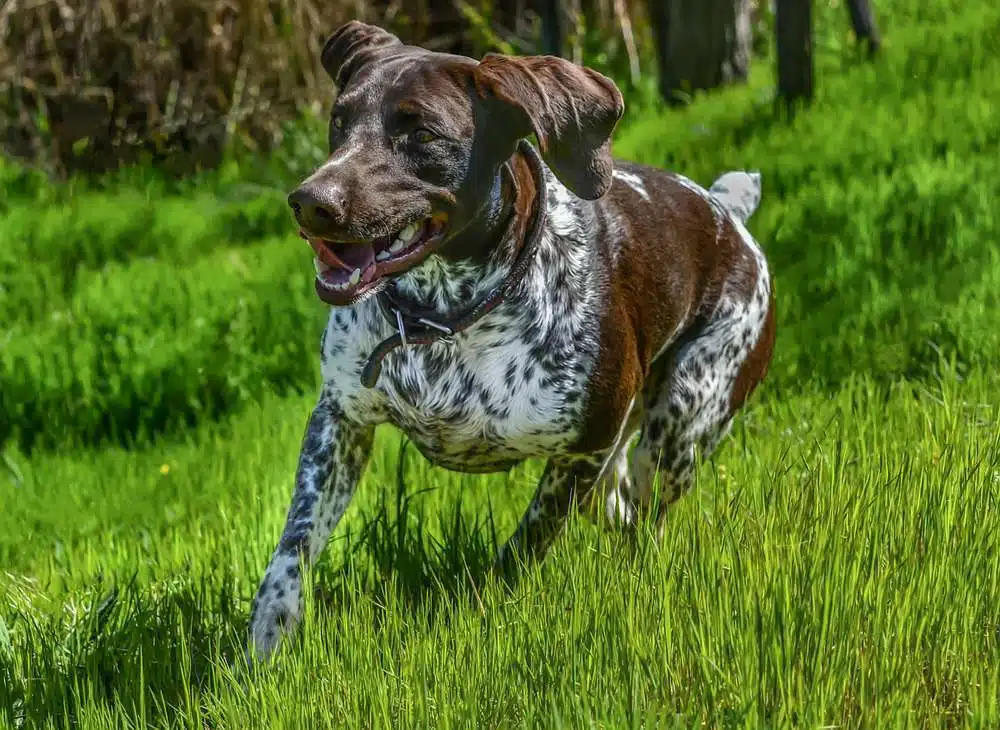
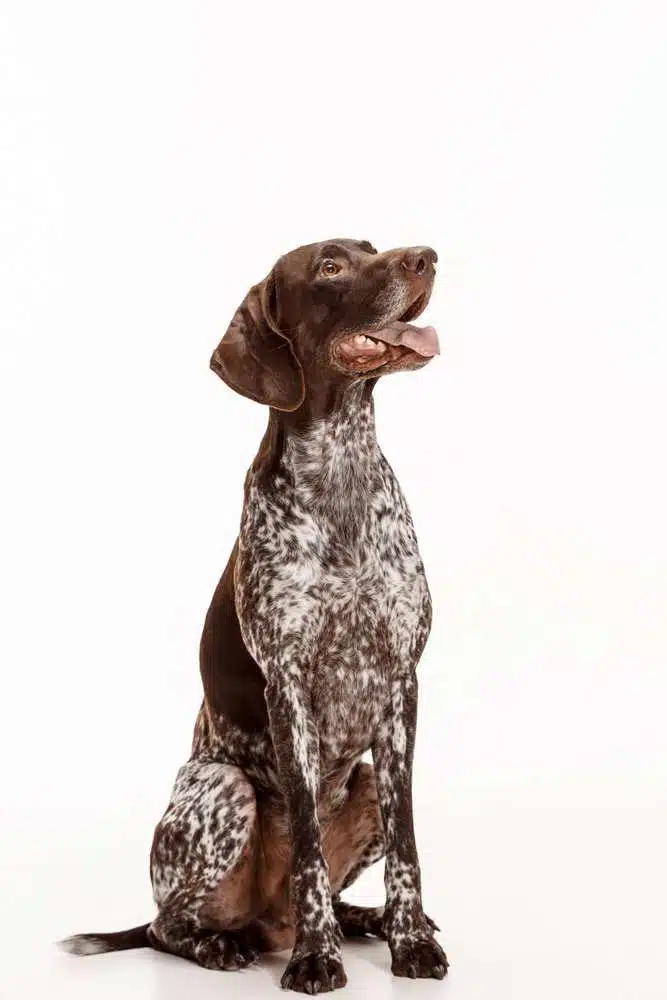
The German Shorthaired Pointer is a muscular, athletic breed typically weighing 40–70 pounds or more. It is best known for its distinctive ticked coat, most commonly brown and white, though other color patterns occur. The ears are long and pendant, and the tail is often docked. Grooming needs are minimal—weekly brushing, occasional baths, and routine nail and ear care are usually sufficient.
This high-energy hunting breed is not for every household. A German Shorthaired Pointer thrives with dedicated owners who can meet its physical and mental demands. When properly exercised and trained, the breed is both an affectionate family companion and an alert presence around the home.
Ideal for active families, the GSP excels as an outdoor partner for running, hiking, and training. These dogs are typically good with children and are not naturally aggressive toward strangers, but their size and enthusiasm require supervision and early manners training.

Without adequate exercise and enrichment, boredom can quickly lead to destructive behaviors such as digging, barking, escaping, or chasing small animals. Daily high-intensity activity and mental challenges are essential to keep the breed balanced and content.

Highly trainable and eager to work, German Shorthaired Pointers shine in hunting, canine sports, and advanced training. Early and ongoing socialization is critical to manage their strong personality and exuberance. With structure and commitment, the GSP becomes a loyal, energetic, and endlessly engaging companion.

German Shorthaired Pointer Breed Guide: Traits, Care, And Temperament
You want a dog that hunts, plays, and fits into family life, but you worry about energy and training needs. Many owners ask if a German Shorthaired Pointer will handle a busy home, small children, or other pets.
These dogs have boundless energy and need at least an hour of vigorous exercise each day. They can also develop separation anxiety if left alone for long periods.

One key fact, the German Shorthaired Pointer has a median lifespan of 13.4 years and stays tough with proper care. This guide will cover temperament, obedience training, exercise plans, grooming for a short coat, health checks like hip dysplasia and von Willebrand disease, and where to find a reputable breeder.

You will find practical tips on training, mental stimulation, tracking, agility, dock diving, and safe socialization with other dogs and cats. Keep reading.

Key Takeaways

  • A 2024 UK study found a median lifespan of 13.4 years for German Shorthaired Pointers (GSPs), exceeding the 12.5-year dog average.
  • GSPs need 60–120 minutes of vigorous daily exercise and mental work to prevent separation anxiety and destructive behavior.
  • Require OFA hip/elbow/hypothyroid clearances, Auburn thrombopathia and CERF/eye registry checks to reduce risks like von Willebrand’s disease and bloat.
  • Use short positive-reinforcement sessions, early socialization, leash work, and crate training for obedience, focus, and safe off-leash practice.

German Shorthaired Pointer Breed Guide: Traits, Care, And Temperament


History and Origin of the German Shorthaired Pointer

The German Shorthaired Pointer is a medium-sized pointing dog developed in nineteenth century Germany.

Early Roots of European Pointing Dogs

The German Shorthaired Pointer traces its ancestry to the earliest European pointing dogs. All continental pointing breeds are believed to descend from the Old Spanish bird dog, a now-extinct type that spread across Europe during the Middle Ages as bird hunting with nets and falcons became widespread. These early dogs were valued for their ability to locate and hold game by scent, a foundational trait that shaped all later pointing breeds.

The early predecessors of the GSP were known as German Pointers or German Bird Dogs, resulting from crosses between Spanish Pointers and Bloodhounds. The German Shorthaired Pointer is descended from a breed known as the German Bird Dog, which is related to the Old Spanish Pointer introduced to Germany in the 17th century. Hunters sought dogs with obedient personalities, but they also desired style and elegance to accompany their scenting abilities. Different theories explain the GSP’s ancestry, including crosses with the old Spanish pointer, the old German pointer, and the Braque Français.

As bird hunting evolved, these Spanish-derived dogs made their way into German-speaking regions, where hunters began refining them to suit local terrain, game, and hunting styles.

Formation of the Deutsch Kurzhaar

The modern Deutsch Kurzhaar—known internationally as the German Shorthaired Pointer—was developed in nineteenth century Germany as a medium-sized pointing dog. The breed we know today was specifically developed in the mid- to late nineteenth century to be a versatile hunting dog. German breeders combined Spanish pointing dogs, English bird dogs, and the Burgos Pointing Dog, a robust Spanish breed prized for stamina and scenting ability. Imports of Burgos-type dogs during the 1800s played a particularly important role in shaping structure, nose, and endurance. Prince Albrecht zu Solms-Braunfeld of the Royal House of Hanover encouraged breeders to prioritize function over form when selecting early specimens.

The goal was clear: a versatile hunting dog capable of pointing upland birds, tracking wounded game, retrieving on land and water, and working efficiently across varied terrain.

Recognition and Proven Performance

The German Shorthaired Pointer earned its reputation not in show rings, but in the field. German hunters in Germany relied on the breed as a true all-purpose bird dog, capable of excelling before and after the shot. The first German Shorthair arrived in the United States in 1925, imported by Dr. Charles Thornton of Montana, who went on to breed them.

World War II had a significant impact on breeding in Germany, as many breeders concealed their best dogs during the war. The breed was officially recognized by the American Kennel Club in 1930. The German Shorthaired Pointer Club of America was recognized as the AKC Parent Club in 1938, with the first breed standard approved in May 1946. Its proven performance led to international recognition when the Fédération Cynologique Internationale granted official recognition in 1954.

The Modern German Shorthaired Pointer

Today, the German Shorthaired Pointer stands as one of the world’s most respected versatile hunting breeds. Still known as the Deutsch Kurzhaar in its homeland, it remains closely tied to German hunting traditions, where working ability is paramount. Intelligent, athletic, and adaptable, the breed reflects centuries of careful development aimed at creating a dependable partner for hunters in any field, forest, or water.

Physical Characteristics

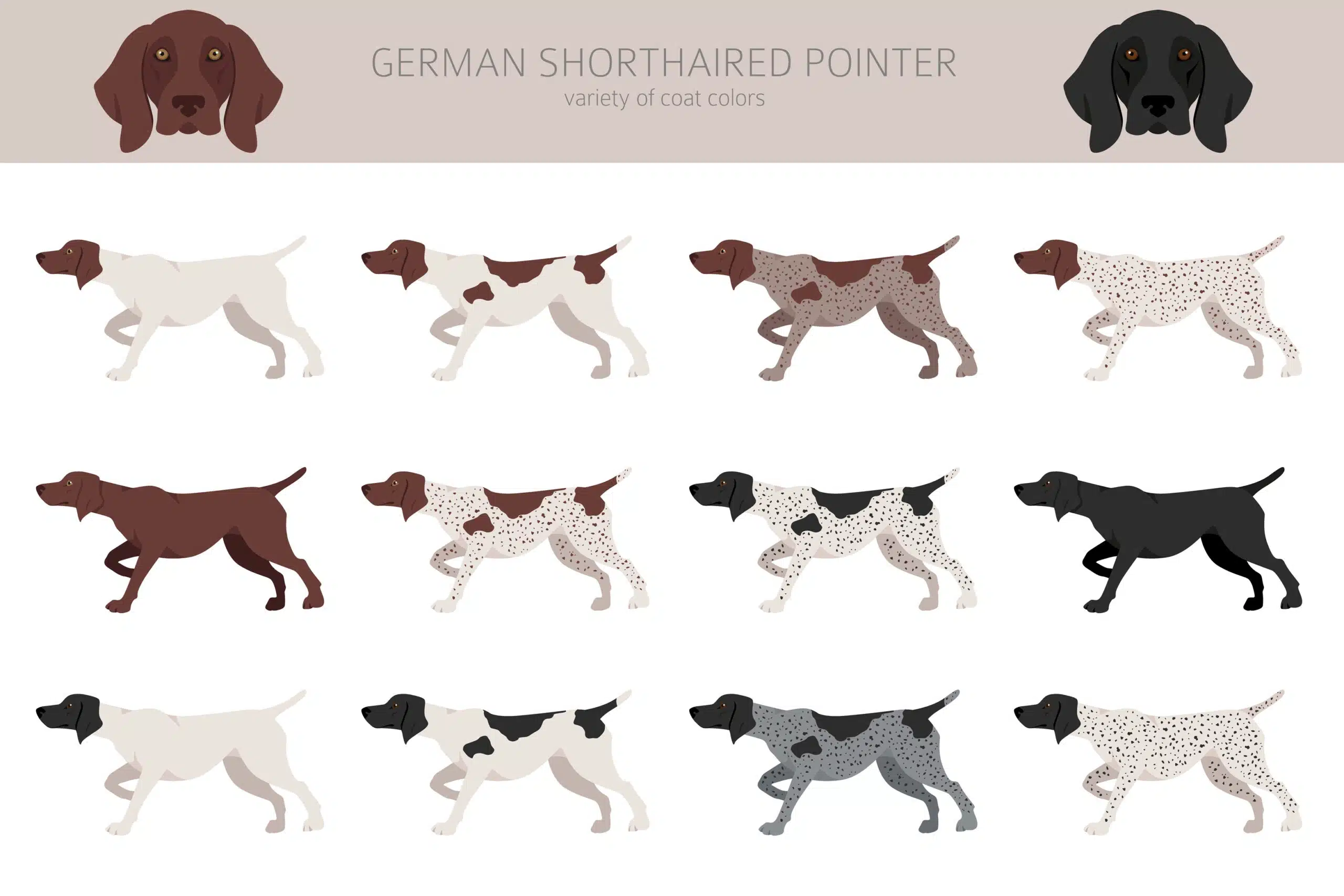
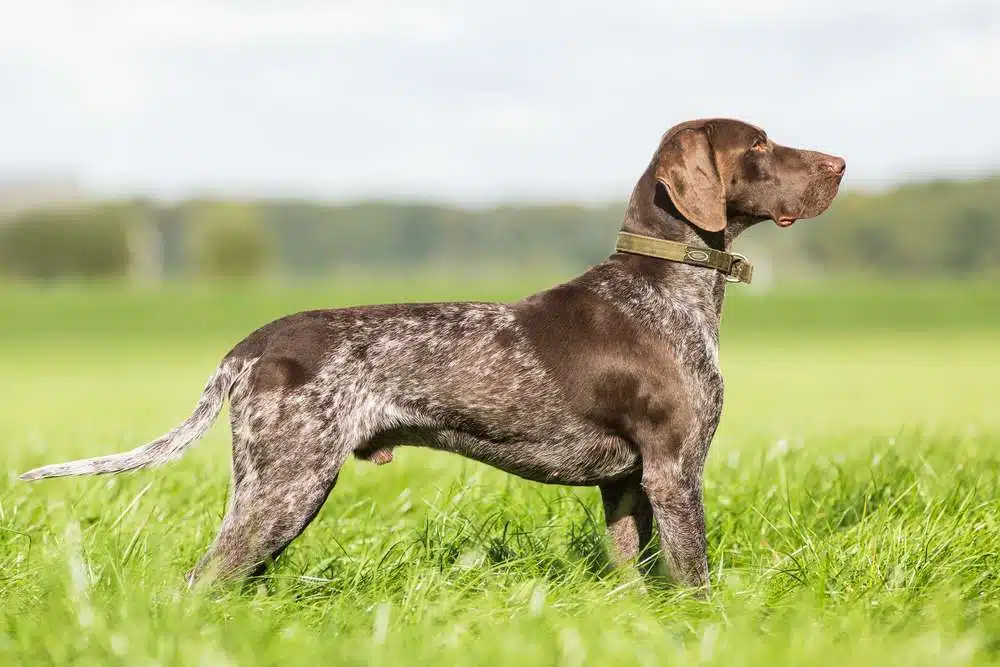
Muscular frame sits on long legs. Short and dense coat comes in solid brown, black, white with colored patches, and roan patterns, including solid liver and roaned markings. Convex profile, a strong muzzle, brown eyes, and rounded ears create a noble, aristocratic look the American Kennel Club notes in its standard.

Tail is docked to 40% of its length and carried horizontally when moving. Webbed feet aid swimming and suit work on waterfowl and game birds. Hardy, agile, and enthusiastic nature links to the German pointer line and shapes the German Shorthaired Pointer temperament in active homes.

Body and Structure

The GSP is a medium-sized, versatile gundog built for power, speed, agility, and endurance. Its strong, muscular frame helps it cover long days in the field or at the lake. The breed standard, used by the American Kennel Club (AKC), calls for a well-proportioned athletic build that suits both pointing and retrieving.

German shorthaired pointer history links to German pointers and Spanish pointers and to field trials that shaped the working frame. Judges evaluate body structure for soundness and ability to do traditional work in competitions.

Tail docking cuts the tail to 40% of its length for competitive events, a practice meant to prevent hunting injuries. A conditioned adult dog can handle 3–4 miles of running, so owners must give adequate exercise, enough exercise, and ample physical activity to match the breed’s high energy level and intelligent drive.

Face and Expression

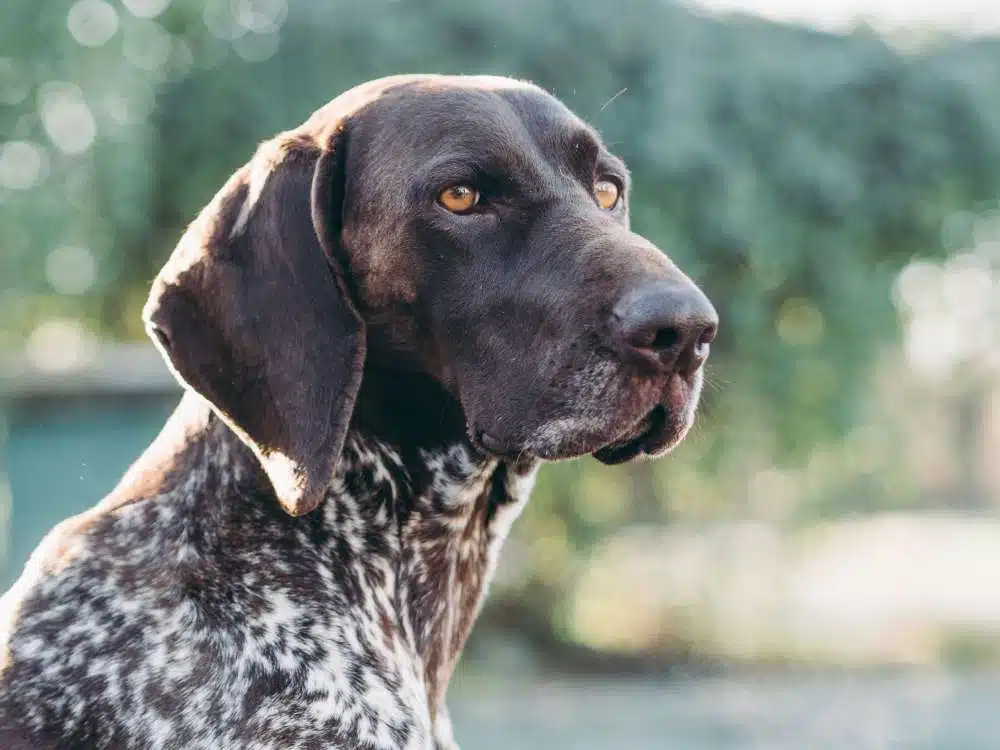
A convex profile gives the head its shape and shows a strong muzzle. Brown, expressive eyes and rounded ears add to the clean-cut, well-proportioned head the breed standard values.

Those facial features create an aristocratic appearance that stands out among dog breeds and other canines like the Labrador Retriever and Deutsch langhaar.

Owners see intelligence and alertness in every look. The expression reads as enthusiastic and friendly and shows instinct kicks that aid hunting. Handlers praise that harmony when they work wounded game or compete in field trials among top winning breeds.

Coat and Color

The German Shorthaired Pointer has a short, dense, rough-textured coat. Colors include solid brown, black, white with colored patches, and roan patterns. Some dogs also present patchy and ticked coats.

Breed standards list coat color and pattern as important characteristics. Owners call the coat shiny and smooth to the eye.

That short coat provides some protection for outdoor activities. Care remains low maintenance, with regular brushing to manage shedding. Use a grooming brush, basic comb, and mild dog shampoo.

Puppy coats look similar but can change as the dog matures. Keep small animals safe. The breed can show strong prey drive on long walks.

Movement and Gait

A smooth, lithe gait lets a German Shorthaired Pointer perform at its best. Increasing speed brings the legs in under the body, which creates single tracking. Forelegs and hindlegs work together in a harmonious cycle to power efficient, energetic strides.

Ideal movement mirrors the breed’s noble, powerful appearance and signals soundness.

Breed standards stress gait health and soundness; judges evaluate faults for impact on health and traditional work. Handlers use gait analysis tools like video analysis and pressure mats to spot faults early.

Proper gait is essential for fieldwork and hunting performance and helps prevent injury. Owners must give dogs a significant amount of physical work and mental exercise so they can chase even deer without strain.

Temperament and Behavior

German Shorthaired Pointers run hard and learn fast. Owners praise their intelligence, eager nature, and high trainability. They form deep bonds and often pick a favorite person. Males tend to act more outgoing and more aggressive in hunt work, while females show more protection around pups.

They are friendly and not nervous, which gives the breed a steady temperament. GSPs bark to alert, yet they rarely act with deadly intent or real aggression, though some stay reserved with strangers.

Under-stimulated dogs can develop neurotic barking or destructive chewing, especially if left alone for extended periods. Owners who want a family dog often find GSPs great with older children and other animals after proper socialization.

Training, lead work, and mental games cut separation anxiety and curb bad habits in dogs that were bred to hunt. Rescue pups from an animal shelter or pounds need firm, consistent training.

That training helps them fit with different breeds at field trials or best in show events.

Health Considerations

A 2024 UK study found a median lifespan of 13.4 years for GSPs, versus the 12.5-year dog average. German Shorthaired Pointers (GSPs) generally have a lifespan of 10 to 14 years and are considered hardy, but they are susceptible to health issues like hip dysplasia and bloat. This life expectancy beats the general dog average by nearly a year. Breeders note neurological risks such as coccygeal muscle injury and GM2 gangliosidosis.

Common health issues in German Shorthaired Pointers include hip dysplasia, cancer, and von Willebrand’s disease. Owners must watch for cataracts, ligament ruptures, entropion, progressive retinal atrophy, subaortic stenosis, lymphatic damage and lymphedema. Von Willebrand’s disease, a blood disorder affecting the clotting process, appears in some lines along with cancers like mammary tumors, mast cell tumors and lymphosarcoma. Hip dysplasia is a condition in which the hip joint does not develop properly, potentially requiring surgical intervention. German Shorthaired Pointers may also be susceptible to certain cancers, including mammary tumors and lymphosarcoma.

Ask for OFA clearances for hips, elbows and hypothyroidism, Auburn University thrombopathia results and CERF or an eye registry for normal eyes. Gastric dilatation-volvulus, called bloat or gastric torsion, causes abdominal distension, can impair breathing and may become a life threatening condition. Gastric Dilatation-Volvulus (GDV), also known as bloat, is a life-threatening condition that can occur in German Shorthaired Pointers.

Watch for restlessness, unproductive vomiting, rapid breathing or other symptoms that signal emergency. Preventative measures for German Shorthaired Pointers include proper diet, exercise, and regular vet check-ups. Regular vet check-ups and responsible breeding reduce inherited disease and protect life expectancy.

Some pedigrees trace back to Charles Thornton, and breeding pools tightened after world war ii. Keep guinea pigs and pet felines secure, since these dogs will chase small animals, and note same sex adult pairs can need extra supervision.

Coughing or noisy airways may need tests or an inhaler, so report those symptoms to your veterinarian. Many people call the breed among the best dogs for active homes, though compare needs with scent hounds like bloodhounds.

Common Concerns

German Shorthaired Pointers have high energy and strong hunting instincts. They raise specific behavior and care concerns for owners.

  • Daily exercise needs can overwhelm inactive owners; plan at least one hour of vigorous activity each day, like running, swimming, or fetch on a lead to prevent boredom and frustration.
  • Separation anxiety is common and leads to destructive chewing and neurotic barking; use a kennel, graded alone time, and dog walking services to reduce damage.
  • Rowdy behavior and high jumping pose safety risks; train impulse control with consistent commands and supervised off-leash play in secure areas.
  • Six-foot fence installation prevents escape when left outdoors unsupervised; inspect for digging, secure gates, and never rely on low barriers.
  • Obedience training is essential for behavior management; enroll in group classes and work with a certified behaviorist to address reactivity and impulse control.
  • Same-sex aggression, and threats to small pets, can occur; use early socialization, supervised introductions, and consult a behaviorist if fights or intense chasing start.
  • High energy levels may not fit every household; assess your daily schedule, choose dog sports or long walks, or consider a lower-energy breed if you lack time.
  • Neurotic barking signals stress or boredom; add puzzle toys, short training games, and regular mental tasks to channel energy and reduce noise.

Lifespan

Life expectancy sits between 10 and 15 years for this breed. A 2024 UK study found a median lifespan of 13.4 years. That exceeds the general dog average of 12.5 years.

Responsible breeding and good health management strongly affect how long a dog lives. Regular veterinary care, including annual wellness exams, vaccinations, hip scoring, eye exams, cardiac testing, and a DNA test, helps catch problems early.

The breed stays generally healthy, but it can inherit conditions. Owners who follow a solid nutrition plan and exercise routine support longevity in active sporting dogs. Breeders who use health screening and selective pairing lower the risk of inherited disease, which helps extend life.

Training Considerations

GSPs are highly trainable; use short, interesting sessions. They show strong enthusiasm for learning and respond best to positive reinforcement like food and praise. Obedience training is essential; keep it consistent and avoid harsh methods.

Start gundog basics at 6 to 8 months, with specialized work taking 1 to 4 months to complete. Crate training helps with safety and travel.

Early socialization and basic obedience cut behavior problems. Their independence can require creative approaches, using a training marker and a treat pouch during sessions. Advanced training may lead to fieldwork, search-and-rescue, dock diving, agility, pointing, tracking, retrieving, or hunt tests.

Keep a sturdy leash and a travel crate for controlled practice and safe transport.

Exercise and Socialization

German Shorthaired Pointers need one to two hours of intense exercise each day. They thrive on long walks, running, hiking, fetch, and varied mental tasks.

  • Set a daily routine that delivers 60 to 120 minutes of intense activity, mixing runs and brisk walks, to cut chances of destructive chewing and digging.
  • Condition your dog before long runs, a fit pointer can handle 3 to 4 miles once prepared; raise mileage gradually over weeks.
  • Add interactive toys, scent games, and short training sessions to daily hours; mental work curbs boredom and lowers destructive acts.
  • Expose pups to people, dogs, and varied places early; socialization tames a strong prey drive and reduces chasing of small animals.
  • Use consistent positive reinforcement with a training clicker or marker word; reward calm focus during walks, recall, and fetch games.
  • Choose a secure leash, harness, and a fenced dog park or training field for off-leash drills; safety reduces escape risks driven by prey instincts.
  • Rotate activities like fetch, hiking, swimming, and an agility setup to build endurance, speed, and problem solving for both body and mind.
  • Enroll in a group training class or scent-work sessions to improve focus, add structured social time, and offer guided mental challenges.
  • Monitor energy levels and behavior; chewing, pacing, or digging signal under-exercise, so increase intensity and add mental tasks when destructive signs appear.

Living with a German Shorthaired Pointer

GSPs prefer living indoors with their family instead of being left outside. They do poorly in apartments because they need lots of space and daily activity. Keep them safe from heat, cold, and storms, and provide a proper diet and fresh water.

Provide a well-ventilated crate for rest inside the home. Talk with a veterinarian about shelter, diet, and hydration.

Plan for 60 to 90 minutes of vigorous exercise per day, like running, fetch, or scent work. Use a leash at the dog park, a clicker for positive training, and a rubber toy to boost mental stimulation.

Boredom and frustration often follow without steady daily exercise, and dogs may develop behavior problems such as chewing or chasing. Commit to an active lifestyle and steady companionship if you choose this breed.

Best Environment

German Shorthaired Pointers need lots of outdoor activity and space. Active households suit this breed better than sedentary lifestyles. Plan for 1–2 hours of intense daily exercise, such as running, hiking, or fetch.

Provide a secure, fenced area for outdoor time and use a lead or location tracker on outings.

Obedience training and socialization reduce destructive behavior and channel energy. First-time owners should avoid adopting one due to high energy and training needs. Homes with toddlers may not match the breed’s stamina and play style.

Do not leave these dogs alone for long periods, they need company and regular mental stimulation.

Behavior towards Children

GSPs bond well with children and tend to prefer older kids. They act as energetic playmates and like interactive games such as fetch or scent work. High energy can overwhelm toddlers, so keep play controlled and supervised.

Active families often find GSPs to be excellent companions. Many dogs show loyalty and form strong family bonds. Some display protective behavior toward close family members, so start socialization early.

Train with positive reinforcement, use enclosure training for safe rest, and walk on a leash for outings.

Behavior towards other Pets

The German Shorthaired Pointer often lives peaceably with other dogs, but it can show aggression toward same-sex dogs or small pets. It may coexist with cats if raised together, yet it may chase unfamiliar cats because of a strong prey drive.

Early socialization, proper introductions, and tools like a leash, an enclosure, and a training device help manage prey-driven behaviors and territorial instincts. Some form strong bonds with other pets, but owners should avoid housing them with small animals that trigger chase instincts.

Grooming Needs

GSPs have a short, smooth coat that is easy to groom. Brush once a week with a soft brush or a rubber mitt to cut loose hair and control moderate shedding. Give occasional baths with a mild dog shampoo to remove outdoor dirt and debris.

They shed more in certain seasons, so increase brushing frequency then.

Inspect ears regularly and clean with a gentle ear cleaner to prevent infections. Trim nails as part of a routine and use proper nail clippers to avoid splits. Brush teeth or use dental chews for regular dental care and fresher breath.

Note that the coat offers some protection, but it will not guard dogs in extreme weather.

Nutrition and Feeding

A German Shorthaired Pointer is happily eating high-quality kibble from a dog bowl, showcasing its short coat and energetic demeanor. This versatile hunting dog is known for its intelligence and strong instincts, making it a beloved choice among dog breeds.

Feed adult German Shorthaired Pointers two to three cups of high-quality kibble per day. Adjust portions for size, age, and activity level. Puppies need more than two meals each day until six months old.

Use a measuring cup or a digital kitchen scale to keep portions consistent.

Choose foods high in fat and protein to support endurance and muscle recovery. Space meals to lower the risk of bloat, also called GDV. Keep fresh water in a stainless steel bowl and offer extra fluids during heavy exercise.

Monitor body condition with weight checks and a body condition score to prevent obesity. Discuss specific diets and calorie targets with your veterinarian for best results.

Where to find a German Shorthaired Pointer

Use the AKC Find a Puppy service to locate litters and reputable breeders near you. Contact local breed clubs and health coordinators for breeder referrals and screening guidance. Visit offa.org to verify hip, elbow, and eye clearances before you purchase a pup.

Attend AKC events and dog shows to meet breeders, handlers, and adult German Shorthaired Pointers in person. Register purebred and mixed breed dogs with the AKC and ask breeders for proof of health testing.

Search rescue organizations and GSP specific groups for dogs available for adoption.

Similar Dog Breeds

Here are four breeds that most closely match GSP traits, and show traits seen in English Pointers and Vizslas.

Breed Similarities Differences Best fit for owners who
Vizsla Shares high drive, pointing instinct, exceptional hunting capabilities, and a close bond with owners; versatility matches few other breeds. Shows a softer coat and greater sensitivity in training; some lines favor tracking over heavy water work. Fits owners who want an affectionate gundog, daily long runs, field trials, and regular leash plus training device use.
English Pointer Matches GSP pointing skill and upland speed; energy aligns with other pointers and versatile gundogs used in sporting work. Presents a taller, leaner frame and often less water tolerance in many lines; hunting focus can skew toward upland game. Serves hunters and runners who favor classic pointing work, Kennel Club entries, field trials, and occasional tracker use.
German Wirehaired Pointer Shares German origin, hunting versatility, and strong bonds typical of working breeds, which prompts frequent comparison with other German and continental European breeds. Has a harsh, wired coat and a stronger scent focus; specific hunting skills differ from many GSP water and pointing lines. Works well for families who need a rugged partner, accept heavier grooming, and plan long active days in rough cover.
Braque Francais Belongs to the Braque type of continental pointing dogs and mirrors steady stamina and classic pointing style. Appears more compact and may specialize in certain game; temperament and looks can match GSP but hunting skills vary by line. Ideal for owners who want a continental pointer, FCI recognition, steady drive, and consistent training sessions.

Conclusion

The guide summarized GSP history, physical traits, temperament, training, grooming, and health clearances. You can use simple tools like a leash, crate, and brush for training and grooming.

Daily exercise, positive training, and routine vet checks make care simple and effective. Active families see big gains in behavior and health when they add agility, tracking, or retrieving work.

Check pedigrees and ask for health clearances to lower genetic risks. Embrace the bond, meet your dog often, and enjoy 13.4 years of loyal partnership.

FAQs

1. What are the main traits listed in this German Shorthaired Pointer breed guide?

The guide shows common traits: high energy, keen nose, fast learner, short coat that needs little grooming, and a strong hunting drive. They bond with family and show a steady, friendly temperament.

2. How much exercise and training do German Shorthaired Pointers need?

They need one to two hours of exercise each day, such as runs, fetch, and scent work. Start training early, use clear, positive rewards, and add socialization to reduce unwanted chasing.

3. What day-to-day care and health checks should owners plan for?

Care includes weekly brushing, ear checks, regular teeth care, and balanced food for an active dog. Schedule routine veterinarian visits and screenings for joint problems and thyroid issues to catch problems early.

4. How do German Shorthaired Pointers behave with family and other pets?

They usually act loyal and playful with family when given training and attention. They may chase small animals because of their hunting instinct, so train and supervise interactions with cats and small pets.


References

  1. https://projectupland.com/dogs/origins-of-the-german-shorthaired-pointer/
  2. https://www.akc.org/expert-advice/dog-breeds/german-shorthaired-pointer-history/
  3. https://www.akc.org/dog-breeds/german-shorthaired-pointer/
  4. https://www.thesprucepets.com/german-shorthaired-pointer-dog-breed-profile-4777640 (2025-10-10)
  5. https://www.royalkennelclub.com/breed-standards/gundog/german-shorthaired-pointer/
  6. https://www.petmd.com/dog/breeds/german-shorthaired-pointer (2025-01-27)
  7. https://pmc.ncbi.nlm.nih.gov/articles/PMC7143860/
  8. https://www.akc.org/expert-advice/dog-breeds/how-to-train-a-german-shorthaired-pointer-puppy/ (2021-04-20)
  9. https://www.mdpi.com/2076-2615/10/3/498
  10. https://www.diamondpet.com/blog/performance/training-performance/german-shorthaired-pointer/
  11. https://www.royalkennelclub.com/search/breeds-a-to-z/breeds/gundog/german-shorthaired-pointer/
  12. https://iheartdogs.com/dog-breeds-similar-to-german-shorthaired-pointers/
  13. https://www.thesprucepets.com/pointer-dog-breeds-4799079 (2025-06-11)


  • Furlyfe Rank See Rank
  • Group AKC Sporting
  • Origin Germany
  • Size Medium
  • Weight 40 to 70 pounds
  • Coat Length Short
  • Coat Type Smooth
  • Colors Black, Black & White, Black Roan, Liver, Liver & White, Liver Roan, White, White & Liver
  • Other Names GSP, DK, Kurzhaar, Deutscher Kurzhaariger Vorstehhund, Deutsch Kurzhaar
  • Temperament Affectionate, Boisterous, Bold, Cooperative, Intelligent, Trainable

Breed Characteristics

Leave a Reply

Participate on Doggy Duel