
English Cocker Spaniel
The English Cocker Spaniel is a lively sporting gundog known for its affectionate nature and eagerness to please. Larger and more athletic than American Cocker Spaniels, it carries less coat and more field-ready structure. Whether as a hunting partner or family companion, this breed thrives on interaction and purpose.

Historically, English Cockers and springer spaniels were once grouped together, but clear differences in size and type led to formal separation in 1946. Today, the breed is recognized and supported by organizations such as the English Cocker Spaniel Club and the Spaniel Club of America. Within the breed, you’ll find both field and conformation lines, each retaining the intelligence and charm that define the Cocker.
In the field, the English Cocker’s job is to flush and retrieve birds, using its sharp nose and energetic drive. Even non-hunting households will notice this instinct, so secure leashing is essential outdoors. At home, however, these dogs are people-focused and happiest living alongside their families.
Field-bred Cockers tend to have slightly higher energy and lighter coats than show lines, though both make excellent pets with proper training and exercise. With the right outlet, they excel in dog sports such as agility, rally, and obedience.
The English Cocker’s coat is silky and practical, requiring regular brushing but less intensive grooming than its American counterpart. For active families seeking a loyal, versatile companion with both heart and drive, the English Cocker Spaniel remains a standout choice.

English Cocker Spaniel Dog Breed Guide: Temperament, Care, And Exercise Needs
Do you own an English Cocker Spaniel that needs more exercise, grooming, or training than you expected? Many owners face that problem. The breed has high energy and strong hunting instincts. The English Cocker Spaniel has a long history as a hunting dog, prized for its skill in the field.


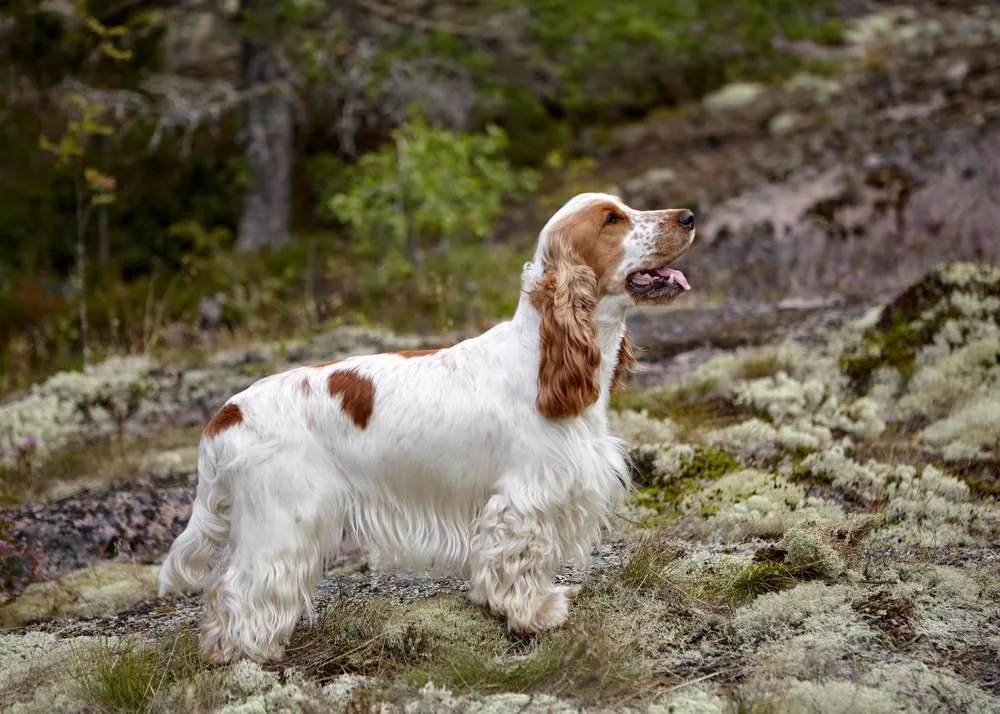
The English Cocker’s coat is silky, flat or slightly wavy, with distinctive feathering. Regular grooming is essential to maintain the coat’s health and appearance.
It needs long walks, playing ball, and a secure yard. It also needs regular brushing and combing with a good brush and monthly trims. Use a sturdy leash for walks and a crate for calm time. The breed’s intelligence and versatility also make it an excellent candidate for dog sports such as obedience and agility.
The English Cocker Spaniel is an American Kennel Club Sporting Group breed. It lives about 12 to 14 years and may face hip dysplasia, patellar luxation, or progressive retinal atrophy.
Responsible breeders run health testing and may use a DNA test. This guide will cover temperament, training, early socialization, grooming tools and steps, nutrition, and exercise plans.
You will get clear tips to start now. The English Cocker Spaniel is affectionately known as the ‘Merry Spaniel’ for its constantly wagging tail. Read on.
Key Takeaways

- AKC Sporting Group English Cocker Spaniel, split from American Cocker in 1946, club formed 1935, won Crufts Best in Show seven times (1928–2009).
- Adults stand 15–17 inches; males 28–34 pounds, females 26–32; groom weekly and trim monthly, check and clean long ears to prevent infections.
- Provide 1–2 hours daily exercise, mental games, leash and crate training, and positive reinforcement to limit anxiety and destructive behavior.
- Lifespan about 12–14 years (UK studies 11.31–13.3 average); watch PRCD, dental 20.97%, ear infections 10.09%, obesity 9.88%, chronic hepatitis 2.78× risk.
- Run genetic and hip/eye screening, schedule annual liver panels, brush teeth several times weekly, and consult a vet for customized diet and joint care.

History and Origin

History and Origin
The English Cocker Spaniel originated in England as a member of the spaniel family, which was historically divided into land and water spaniels. English Cocker Spaniels were highly valued as hunting dogs for their exceptional retrieving and tracking abilities in the field, making them popular among sportsmen. They were bred to flush game birds from dense undergrowth, a skill that set them apart from other spaniels. The breed shares a common ancestry with springer spaniels, but over time, Springer Spaniels and Cocker Spaniels were differentiated based on size and specific hunting roles, with each developing unique traits and standards.
Breed Development
Initially, English and American Cocker Spaniels were considered the same breed, but as differences in appearance and function became more pronounced, kennel clubs officially recognized them as separate breeds. The American Cocker Spaniel, for example, has a shorter head and a more rounded skull compared to the English Cocker Spaniel. Additionally, the American Cocker Spaniel is known for its more abundant coat than the English variety. This distinction helped clarify breed standards and contributed to the popularity of both breeds in dog shows and as companions.
Early Spaniel Roots in Britain
The English Cocker Spaniel traces its ancestry to the general land spaniels of Britain, a diverse group of flushing dogs documented as early as the 14th century. These spaniels were valued for their ability to quarter fields, locate game birds, and flush them into nets or toward waiting hunters. Over time, regional types developed based on size and hunting purpose rather than strict breeding standards.
Originally, spaniels were often divided simply by size: larger dogs became known as “Springers,” while smaller ones were called “Cockers.” The smaller variety was especially skilled at hunting woodcock, a popular game bird in Britain—hence the name Cocker Spaniel.
Development as a Distinct Breed
By the 18th and 19th centuries, selective breeding began to shape the Cocker into a more consistent type. Hunters sought a compact, energetic dog with a keen nose, excellent endurance, and a cheerful temperament. The breed became known for its ability to work dense underbrush and rugged countryside, pushing birds into flight while remaining responsive to whistles and hand signals.
In the late 1800s, formal breed standards emerged as dog shows gained popularity in England. The English Cocker Spaniel was officially recognized as distinct from the English Springer Spaniel, even though both could appear in the same litter earlier in history. Size and proportions became key differentiators, with Cockers remaining the smaller, more compact flushing spaniel.
Expansion Beyond the Field
The breed quickly gained popularity beyond working estates. Its friendly nature, expressive eyes, and manageable size made it a natural companion as well as a sporting dog. By the early 20th century, English Cockers had spread internationally, especially to North America. The English Cocker Spaniel Club of America formed in 1935 to promote the English hunting type.
In the United States, breeding preferences gradually produced a slightly different type, leading to the eventual separation of the American Cocker Spaniel and the English Cocker Spaniel as two distinct breeds in the mid-20th century. The American Kennel Club recognized English and American Cocker Spaniels as separate breeds in 1946.
Enduring Popularity
Today, the English Cocker Spaniel remains one of Britain’s most beloved sporting breeds. It continues to excel in field trials, hunting, agility, obedience, and as a devoted family companion. True to its origins, the breed still embodies enthusiasm, stamina, and a strong flushing instinct—traits that have defined it for centuries.
Physical Characteristics

The English Cocker Spaniel is compact, muscular, and built for endurance. Its balanced frame, deep chest, and strong hindquarters give it the power and agility needed to work tirelessly through dense cover. The breed is known for its charming appearance, with expressive eyes and a long square muzzle.
The head is refined yet functional, with a strong muzzle, dark intelligent eyes, and long pendulous ears that frame its soft but alert expression. While the English Cocker Spaniel has a long square muzzle, Springer Spaniels typically have a longer muzzle, which is a distinguishing feature between the breeds. Beneath the gentle look is a focused, driven sporting dog.
Its silky, flat or slightly wavy coat provides protection without excess bulk. The English Cocker Spaniel is characterized by its medium-length coat, which comes in various colors and patterns, and its beautiful coat variety contributes to its visual appeal. Feathering adds elegance, but the structure remains practical and athletic. Movement is smooth, purposeful, and efficient—designed for stamina, speed, and precision in the field.
Body and Structure
Males measure 16–17 inches at the shoulder, while females reach 15–16 inches. Males weigh 28–34 pounds, and females weigh 26–32 pounds. They have a medium size and a compact, sturdy build.
The body stays strong without heaviness.
A graceful, muscular neck leads to a smooth topline. The forequarters show moderate angulation with sloping shoulders and straight front legs. Use a tape measure for shoulder height and a scale for weight when checking growth of a cocker spaniel puppy.
Owners will note a strong, compact body that moves with agility, which suits working dogs and makes them a friendly dog for playing fetch in a fenced yard. A medium length coat lies over the frame and calls for regular brushing.
Face and Expression

The head shows soft contours with a strong yet refined structure. Eyes sit medium in size and are usually dark brown; light brown eyes appear in liver-colored dogs. Dark, expressive eyes give a soft, intelligent look.
Ears sit low, hang long and silky, and lie close to the head.
Watch the eyes and ears to read mood.
That soft face matches English cocker spaniel temperament and shapes how owners read signals. Good handlers apply consistent training and food rewards to refine English cocker spaniel personality.
Breeders show the type in dog shows and test field ability in flush game. A calm expression helps this spaniel family member work around other dogs and other pets. If you own cocker spaniel, learn facial cues to spot stress or comfort early.
Coat and Color

The English Cocker’s coat is medium-length, silky, and profuse, with a double layer built for work. Its texture is soft and fine on the head, lying flat or slightly wavy on the body, and features rich feathering on the chest, legs, and ears. Grooming is essential to maintain the coat’s appearance and health, as English Cocker Spaniels shed a lot due to their profuse coat.
Owners should use a soft slicker brush and a steel comb after brisk walks to prevent mats and protect the coat. Regular brushing every other day is recommended, especially after field outings. Trimming the feathering and feet helps keep the dog looking neat and prevents hair from dragging on the ground. Dental hygiene and nail maintenance are also essential parts of grooming. Starting grooming habits early in a puppy’s life helps them become accustomed to the process.
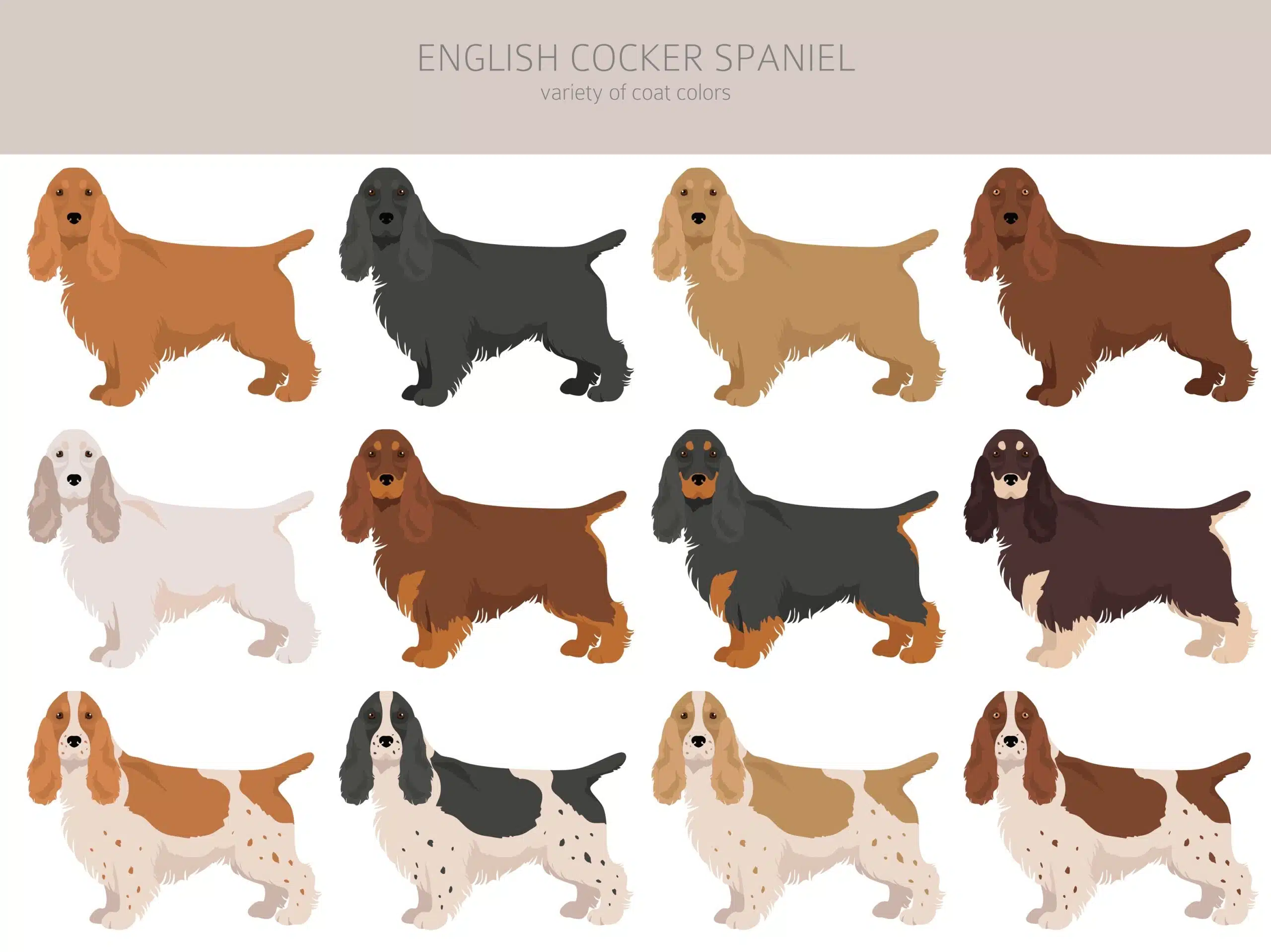
Common coat colors include solid black, black, black and white, blue roan, blue roan and tan, liver roan and tan, liver roan, orange and white, orange roan, red, black and tan, black white and tan, and parti color—a distinctive pattern of white with black, liver, or shades of red. Some color patterns, including parti color and solid colors, may feature tan points on the eyebrows, muzzle, throat, rump, and feet.
Markings appear as ticked, white markings, and tan markings, and other accepted patterns include liver, liver and tan, liver and white, liver white and tan, red roan, golden, lemon roan, sable, sable and tan, and sable and white.
Sable remains rare and controversial, while lemon roan ranks as the most recessive roan color. United Kingdom Kennel Club rules state that solid Cockers should show no white except a small chest patch, and American breeders and fanciers note how English and American cockers differ in color ideals.
Movement and Gait

This breed moves with an energetic, compact, powerful gait and lively tail action, a trait linked to English cocker spaniel history as water spaniels. Judges expect powerful, effortless movement and proper angulation, plus a proud head position and a steady topline.
Balanced synchronization of front reach and rear drive keeps motion efficient and aids fieldwork with other animals. Gait analysis tools like treadmill video and sensor tracking reveal the triangular action needed in both front and rear, a quality that set them apart from other breeds.
Imbalanced dogs show inefficient movement and may tire quickly during hunts or long walks. Owners should monitor the hip joint and watch for signs of adult onset neuropathy. A fun loving family can compare same litters or the same breed lines and note how each individual dog moves.
Breeders often note cocker spaniel sitting patterns and caution against human foods that add weight or stress joints.
Temperament and Behavior

English Cocker Spaniels earn a reputation as merry, affectionate family companions. Owners give them a five star rating for family affection. They stay active and need daily play and walks.
Adaptability rates four on five, so many homes suit their style. Trainability scores four from five, which makes obedience easy to teach. Barking ranks three on five, while playfulness rates three of five for lively but not hyper play.
Early socialization and positive reinforcement guide friendly behavior toward strangers and dogs. Openness to strangers hits a 4/5 mark, so visitors usually meet a warm dog. Dog friendliness earns a full five score, yet introductions with non-dog animals need care.
Owners should use a leash, crate, training device, and food rewards during slow, supervised introductions.
Health Considerations

Most Cocker Spaniels live 12 to 14 years, with recent studies showing an average of 13.3 years. Owners must watch for hip dysplasia, patellar luxation, progressive retinal atrophy, chronic hepatitis, and obesity.
Inspect ears monthly and use an ear cleaner; brush teeth frequently with a toothbrush.
Weigh your dog on a scale and log food in a diary to prevent weight gain. Give daily exercise like long walks, hikes, or fetch to meet energy needs. Talk to a veterinarian about joint evaluation and eye checks, and ask about genetic testing for inherited problems.
Common Concerns
English Cocker Spaniels have specific health risks owners must track. Early screening and routine care cut many problems.
- Dental disease affects 20.97% of English Cockers annually in a UK study. Brush teeth daily with a soft brush and schedule professional cleanings to reduce periodontal risk.
- Ear infections, otitis externa, occur in 10.09% of the breed. Check ear canals weekly, dry ears after swims, and use a veterinary ear cleanser per your vet to lower reinfection risk.
- Obesity risk affects 9.88% of English Cockers in clinic data. Weigh dogs monthly, log measured portions, use body condition score charts, and cut calories to reach a healthy weight.
- Joint disorders include hip dysplasia and patellar luxation, common predispositions in the breed. Get hip X-rays, test patella function, limit high-impact play for puppies, and discuss physiotherapy with your veterinarian.
- Progressive retinal atrophy links to an autosomal recessive PRCD gene mutation in this breed. Use a DNA test before breeding and schedule ophthalmic checks if owners notice vision changes.
- Liver disease, chronic hepatitis, affects English Cockers at 2.78 times the average risk. Run baseline liver panels yearly, avoid hepatotoxic drugs, and follow vet guidance on diet and monitoring.
- Other issues include familial nephropathy, adult-onset neuropathy, anal sac impaction at 8.07%, diarrhea 4.87%, and aggression 4.01%. Monitor urine, gait, and behavior; express anal sacs as needed and call your vet for sudden signs.
Lifespan
Typical Cocker Spaniel lifespan runs 10 to 14 years. Many sources list an average lifespan of 12 to 14 years for the breed. A UK breed average registers at 11.2 years.
A 2022 UK study gave a life expectancy of 11.31 years. More recent 2024 research put the UK average at 13.3 years, and an Italy study in 2024 reported 13 years. Canine longevity studies and Kennel Club data show wide variation, and veterinary care, regular health screening, and DNA testing help owners spot problems early and extend quality years.
Training Considerations

English Cocker Spaniels are easy to train with positive reinforcement. Use treats and praise to shape good habits. Avoid harsh methods that scare or shut them down. Short sessions work best because attention spans stay short.
Try ten minute drills, then stop before they lose interest. The English version shows extra drive and focus, which suits work trials and field tasks. Stanley Coren ranks them 18th in The Intelligence of Dogs, a note for trainers who value problem solving.
English Cocker Spaniels also excel in dog sports such as obedience, agility, and tracking, which provide both mental and physical stimulation and make use of their intelligence and energy.
Early socialization exposes pups to people, sounds, places and other dogs. Sign up for puppy classes and guided group walks to build calm reactions. Crate work and leash drills teach structure and safe boundaries.
Use a training device, for example a clicker or a marker word, to mark good choices. Keep training consistent to avoid boredom and destructive chewing that comes from low exercise.
Owners who train daily cut nuisance behavior and strengthen the bond.
Exercise and Socialization

This breed needs daily work. It thrives on exercise and social play.
- Provide 1 to 2 hours of activity every day, split into long walks, hikes, or ball play in a secure area; use a harness for trails and a fenced yard for off-leash fetch.
- Control prey drive on walks, since the breed has strong hunting instincts; keep your dog leashed and use a 10-foot training rope on open trails while practicing recall in a fenced space.
- Plan mental work, as energy rates 4 out of 5 and mental stimulation rates 4 out of 5 for this breed; use puzzle feeders, short obedience drills, and scent games to reduce boredom.
- Start socialization early with puppy classes or supervised park visits; use positive reinforcement during introductions to people and other dogs to build calm, confident behavior.
- Increase activity if you see anxiety or destructive behavior, which often stems from low exercise; add longer walks, hikes, or agility sessions and rotate enrichment toys to keep interest.
- Train leash manners with short, frequent sessions using rewards and a clicker; try a front-clip harness to improve focus and cut pulling during urban walks.
- Schedule two daily walks or one long hike to meet the 1 to 2 hour guideline; mix intensity with play and steady walking, and bring water and rest breaks on warm days.
- Use crate training for calm downtime and clear routines after exercise to lower stress; the crate gives a safe retreat and helps manage high energy levels.
- Join agility, nose work, or group training classes to boost mental stimulation and social skills; pack puzzle feeders, enrichment toys, and a secure yard for safe free play.
Living with an English Cocker Spaniel

English Cocker Spaniels bond fast and show affection. Owners must use positive reinforcement during training. They learn commands quickly with treats and praise. Early socialization helps them interact well with adults, children, and other pets.
Daily exercise works best, including long walks and active playtime. They adapt well to apartments or houses with a yard, and require a leash for walks. Grooming needs include weekly brushing, monthly trimming, and clippers to prevent mats.
Schedule regular vet visits for hip dysplasia checks and dental cleaning to reduce periodontal disease risk.
Best Environment
A medium-sized, versatile breed, the English Cocker Spaniel excels as both a hunter and a family pet. Owners must provide daily exercise, regular grooming, and positive interaction to keep the dog fit and calm.
A fenced yard helps protect the dog and limits chase incidents because the breed has a strong hunting drive. The coat sheds moderately and can trigger allergies, so this dog does not suit allergy sufferers.
Brush weekly and schedule monthly trims with a trimmer and comb to prevent mats. They prefer company and owners should keep handling calm, because loud noises and rough handling stress them.
Behavior towards Children
English Cocker Spaniels score 5 out of 5 (highly tolerant and patient) with young children. They stay affectionate and gentle, and they make a great family pet. Early socialization and training help them learn manners around kids.
Use positive reinforcement and short sessions to teach calm behavior. Offer safe toys and supervise play to protect both child and dog.
Female dogs show higher risk for dental disorders and obesity than males. Dental pain or excess weight can cut activity and patience during play. Schedule dental care with a veterinarian and watch food portions to keep energy up.
Keep play gentle and pause interactions if the dog shows discomfort.
Behavior towards other Pets
Cocker Spaniels rate 5 out of 5 for friendliness with other dogs. They fit well in multi-dog homes and enjoy group play. Owners should supervise first meetings to keep play safe.
Spaniels may not interact well with animals other than dogs. Early socialization calms nerves and cuts the chance of future behavior problems. Training tools like a leash, crate, sound trainer, and obedience class help acclimate them to cats and small mammals.
Consult a trainer or veterinary behaviorist if a male shows signs of aggression, since males show higher rates of behavioral disorders, including aggression.
Grooming Needs

Brush and comb the coat at least once a week. The breed sheds at a moderate rate, rated 3/5. Trim areas around feet, face, under the neck, ears, and tail once a month. Use scissors, thinning shears, or clippers for maintenance and tidy edges.
Grooming tools like a brush, comb, and a grooming table help make sessions easier.
Check and clean ears weekly to prevent infections and maintain health. Brush teeth several times per week with a canine toothbrush and dog toothpaste. Trim nails at least monthly with nail clippers or a grinder.
Owners should expect moderate drooling, rated 2/5. Plan grooming around a coat grooming frequency of 3/5, with weekly sessions for upkeep.
Nutrition and Feeding

Feed high-quality dog food that matches the dog’s life stage and activity level, such as puppy, adult, or senior formulas. Check pet food labels for an AAFCO statement to confirm the product meets nutrient standards.
Serve meals twice daily and use a feeding calculator or chart to set portions and calorie targets. Monitor calorie intake and body weight closely because English Cocker Spaniels have a high risk of obesity.
Give treats sparingly and include treat calories in the daily total. Avoid cooked bones and high-fat foods that can lead to pancreatitis or digestive blockage. Try a limited-ingredient diet if signs of food allergy appear, like itching or recurrent ear infections.
Ask a veterinarian for a customized meal plan if allergies or weight issues arise, and use professional tools to track progress.
Where to find an English Cocker Spaniel

English Cocker Spaniels are relatively rare in the U.S. AKC-registered breeders and ECSCA rescue list puppies and adults.
Prospective owners can ask breeders for color, age, sex, or location. Local AKC breed clubs and state rescue networks post listings and contacts. The ECSCA runs forums for questions and support, and the American Kennel Club posts the official breed standard PDF.
Similar Dog Breeds

Here are closely related spaniels worth comparing.
| Breed | Why Similar | Key Differences and Notes | Best Fit for Owners Who |
|---|---|---|---|
| American Cocker Spaniel | Shares similar size, cheerful temperament, and playful drive. | Silkier, fuller coat and more refined head than many English types; bred more for companionship and show in the U.S. | Want an affectionate companion dog with moderate exercise needs and are committed to regular grooming. |
| English Springer Spaniel | Similar energy level and strong hunting heritage. | Larger frame; bred for flushing rather than the close-working style of cockers. Field and show lines vary in drive and coat. | Lead active lifestyles and want a versatile sporting companion with strong trainability. |
| Field Spaniel | Developed in the late 19th century from Cocker-type spaniels and related crosses. | Longer body, more moderate coat, and steady working build; typically less exuberant than cockers. | Prefer a slightly calmer sporting dog with stamina and moderate grooming requirements. |
| Welsh Springer Spaniel | Shares sporting roots and red-and-white markings with some cockers. | More reserved temperament; exclusively red and white coat; slightly larger and more traditional field-focused. | Want a loyal, somewhat more reserved sporting breed and can provide daily structured exercise. |
Conclusion

This guide covered history, AKC standards, temperament, health testing, grooming, training, exercise, and nutrition. You can use a brush, comb, leash, and ball to meet grooming and exercise needs.
Regular vet checks for hips, patella, and PRA prevent bigger problems. Visit AKC pages and seek a tested breeder or a local vet for health reports and training classes. I own an English Cocker Spaniel and I see how consistent routines cut stress and boost joy.
Choose care, training, and active play to give your dog a long, happy life.
FAQs
1. What is the English Cocker Spaniel temperament?
The English Cocker Spaniel is friendly, loyal, and alert. It shows high energy and a natural hunting drive. Early socialization helps it stay calm around strangers and children. This dog breed learns fast and likes to please.
2. How much exercise does an English Cocker Spaniel need?
This dog needs 45 to 60 minutes of active exercise each day. Give brisk walks, play sessions, and short runs. Add training and puzzle toys for mental work. Too little activity can lead to chewing and extra barking.
3. How should I handle grooming and general care?
Brush the coat two to three times a week and trim hair around the ears and paws. Check and clean the long ears weekly to avoid infections. Keep regular vet visits, current vaccinations, and a healthy diet for proper weight. Watch for common health issues, like ear problems and eye concerns.
4. Are English Cocker Spaniels easy to train and good with families?
Yes, they respond well to firm, kind training and short, consistent sessions. Start socialization early to reduce fear and rough play. They do well with children and adults when they get enough exercise and attention. Use crate training and steady routines to limit separation stress.
References
- https://www.akc.org/expert-advice/dog-breeds/cocker-spaniel-history/ (2024-05-14)
- https://www.thesprucepets.com/english-cocker-spaniel-full-profile-history-and-care-4707712 (2025-10-23)
- https://www.petmd.com/dog/breeds/english-cocker-spaniel (2022-10-17)
- https://www.akc.org/dog-breeds/cocker-spaniel/
- http://breedstandardlibrary.com/wp-content/uploads/2024/02/Presentation-The-Balance-of-Movement_opt.pdf
- https://www.rvc.ac.uk/vetcompass/news/english-cocker-spaniels-a-fairly-typical-but-potentially-moody-dog (2023-05-19)
- https://www.poochandmutt.co.uk/blogs/by-breed/cocker-spaniel?srsltid=AfmBOorJUOtLPqXOxdyJryuNFv2YmKgBZ2fBs_TdixVqYNnS5SO0PfZ6
- https://www.differentdog.com/blog/cocker-spaniels-breed-guide (2023-11-23)
- https://dogacademy.org/breeds/english-cocker-spaniel
- https://www.researchgate.net/publication/271826897_Dog_Breeds_and_Their_Behavior
- https://pmc.ncbi.nlm.nih.gov/articles/PMC9137655/
- https://pubmed.ncbi.nlm.nih.gov/9257436/
- https://www.researchgate.net/publication/13963621_Aggressive_behaviour_in_English_cocker_spaniels_and_the_personality_of_their_owners
- https://www.akc.org/dog-breeds/english-cocker-spaniel/
- Furlyfe Rank See Rank
- Group AKC Sporting
- Origin United Kingdom
- Size Small, Medium
- Weight 26 to 34 pounds
- Coat Length Medium, Long
- Coat Type Double
- Colors Black, Golden, Liver
- Other Names Cocker, Merry Cocker Woker
- Temperament Affectionate,Faithful,Friendly,Intelligent,Playful,Quiet,Trainable