
Spanish Greyhound


Sighthounds have been skilled hunters since ancient times, evolving based on the landscapes and prey of their origin. The Spanish Greyhound, or Galgo, was bred in Spain for hunting hares and rabbits, earning its Latin name Canis Gallicus (“Celtic dog”). Thought to descend from ancient Greyhounds mixed with Salukis during the Moorish Conquest, this breed is built for endurance over rough terrain.
Elegant and slender, Spanish Greyhounds have short, smooth, or wiry coats in various colors like brindle, fawn, red, and black, sometimes with white markings. Their lithe bodies and hare-like feet enable agility and speed on challenging landscapes. Though rare in the U.S., they can compete in lure coursing events but lack recognition from the American Kennel Club and United Kennel Club.
Minimal grooming is required—weekly brushing suffices, though shedding may increase during fall and spring. Unlike the sprinting English Greyhound, the Spanish Greyhound excels at maintaining speed over long distances in rugged conditions. While affectionate and laid-back with people, children, and other pets, their prey drive may pose risks to smaller animals.
Daily exercise is crucial, with 1–2 hours of activities like walking, running, hiking, or fetch. Engaging in dog sports or using puzzle toys can provide mental stimulation. Positive reinforcement training is essential, especially for teaching recall, to manage their instinctive prey drive. Early socialization helps ensure they grow into well-mannered companions.
The Spanish Greyhound: Understanding an Ancient Sighthound Breed

The Spanish Greyhound, or Galgo Español, is a unique and ancient dog breed. Known for their speed and grace, they are often misunderstood outside of Spain. Many people don’t know much about them—or the hardships they face.
Used as hunting dogs on the Spanish plains, these gentle animals have seen both honor and cruelty over centuries. Some end up abandoned after hunting season because hunters no longer need them.
This blog will explore their history, traits, health needs, and how to care for one as a pet.
Learn why this amazing breed deserves love and protection!
Key Takeaways
- Spanish Greyhounds, or Galgos Españoles, date back to the 6th century BC and were prized for hunting hares due to their speed and sharp vision.
- These sighthounds face issues like abandonment after Spanish hunting seasons end; rescue groups work globally to save them.
- They are gentle and calm dogs with high prey drives, needing supervision around small animals like rabbits or cats.
- Common health concerns include bloat, osteosarcoma (bone cancer), anesthesia sensitivity, and eye problems; smaller meals prevent bloat risks.
- With proper care—good diet, exercise, grooming—they live 12 to 15 years and thrive in secure homes with fenced yards.
History and Origin

Ancient Roots: Arrival in the Iberian Peninsula
The Spanish Greyhound, or Galgos Españoles, boasts a history stretching back to the 6th century BC. These dogs likely arrived in the Iberian Peninsula with the Gauls, who valued their speed and agility for hunting. Their ancestry includes Irish Greyhounds, African sighthounds brought by the Moors, and Sloughis, creating a unique blend of traits suited for coursing and endurance.
A Noble Companion: Hunting and the Aristocracy
Throughout Spanish history, Galgos were esteemed by nobility for their hunting prowess. Known for their exceptional sight and speed, they were ideal for coursing hares and other small game in open fields. Their role as a status symbol elevated their importance in aristocratic households, showcasing their elegance and utility.
Cultural Significance: Art and Literature
Galgos have been featured in Spanish art and literature for centuries. By the 10th century, their sleek forms began appearing in artistic works, symbolizing grace and nobility. Miguel de Cervantes even referenced these elegant sighthounds in his literary masterpiece, Don Quixote. This cultural presence underscores the Galgo’s enduring legacy in Spanish heritage.
Modern Challenges: A Breed at Risk
Despite their noble origins, Galgos face significant challenges in modern Spain. After hare coursing seasons end, many are abandoned by owners, leading to widespread neglect. This plight has drawn international attention, prompting animal welfare groups to focus on rescuing and rehoming these dogs. Today, the Galgo is not only a symbol of Spain’s rich history but also a reminder of the ongoing need for compassionate care and advocacy.
The Spanish Greyhound’s story is one of resilience and beauty, embodying centuries of cultural significance while navigating contemporary challenges. Their journey from noble companions to endangered animals highlights both their enduring appeal and the urgent call to protect them.
Physical Characteristics

Overall Appearance
The Spanish Greyhound is a slender, elegant sighthound with a distinctive build that combines grace and athleticism. Known for its lean, elongated body, the Galgo is built for speed and endurance over rugged terrain. This breed exudes a quiet dignity, with its streamlined physique and expressive eyes adding to its allure.
Size and Proportions
This ancient breed stands tall and lean. Spanish Greyhounds are medium-to-large dogs. Males typically stand between 24 and 27 inches at the shoulder, while females measure slightly smaller, averaging 23 to 26 inches. They weigh between 50 and 65 pounds, depending on gender and build. Their proportions emphasize a long, narrow frame, allowing them to move with agility and speed.
Coat Types and Colors
The Galgo boasts two primary coat types:
- Short and Smooth: Sleek and easy to maintain, this coat type lies flat against the skin.
- Wiry and Rough: This coat type offers additional protection from harsh environments, particularly in colder or rougher terrains.
Their coats come in a variety of colors, including brindle, fawn, red, black, and shades of white. Some Galgos may exhibit striking patterns or spots of white on their coats, enhancing their visual appeal.
Head and Facial Features
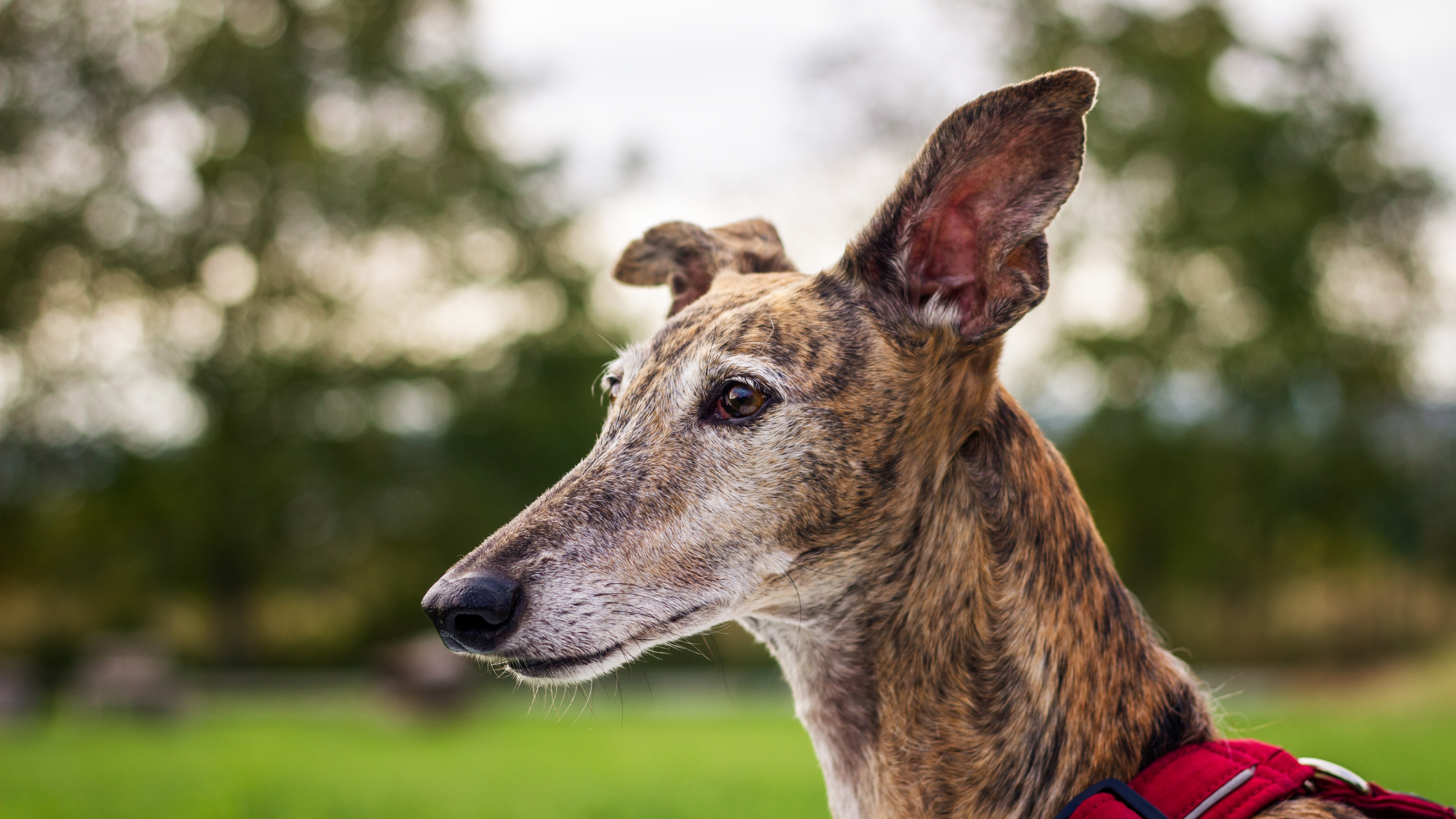
The Galgo’s head is long and narrow, tapering into a slightly rounded muzzle. Their almond-shaped eyes are typically dark and radiate a calm, intelligent expression. The ears are folded back when at rest but perk up slightly when the dog is alert, adding to its expressive appearance.
Body Structure

The Galgo’s body is built for stamina and speed:
- Neck: Long and muscular, supporting the elongated head.
- Chest: Deep and slightly narrow, allowing for efficient lung capacity during high-speed pursuits.
- Back: Long and straight with a slight arch over the loin, giving the breed its characteristic sighthound silhouette.
- Legs: Long and straight with strong, lean muscles for propulsion.
- Feet: Often referred to as “hare feet,” their toes are well-arched and elongated, providing traction and agility on uneven surfaces.
Tail
The tail is another distinguishing feature of the Spanish Greyhound. Long and thin, it tapers to a fine point and often curves slightly at the end. This tail shape assists in balance during high-speed maneuvers.
Movement and Gait
The Galgo’s movement is smooth, efficient, and graceful. Their long legs and supple body allow them to cover ground effortlessly, displaying an impressive combination of speed and endurance. They are adept at navigating challenging terrains, a trait refined through centuries of coursing in diverse landscapes.
Distinguishing Traits
While they bear a resemblance to the English Greyhound, Spanish Greyhounds are generally more slender and less muscular. They are built for long-distance running rather than short bursts of speed, making them well-suited for endurance activities in rugged environments.
The Spanish Greyhound’s physical characteristics reflect its heritage as a skilled hunter and tireless runner, embodying both elegance and functionality in every aspect of its appearance.
Temperament and Personality
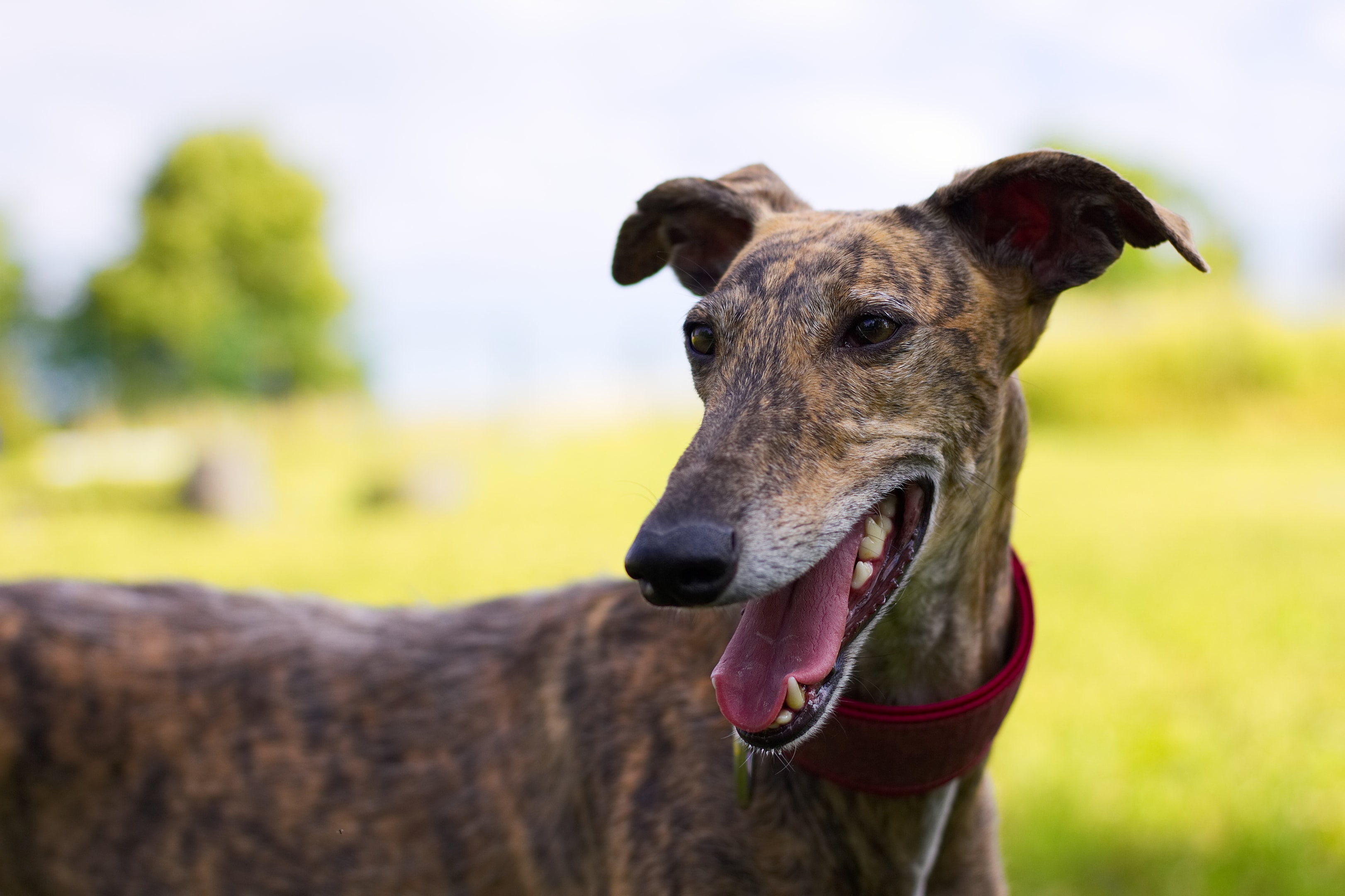
The Spanish Galgo is calm and even-tempered. They create strong bonds with their owners, showing loyalty and affection. Though they seem quiet at first, playful behaviors come out as trust grows.
Their moderate energy levels suit people who enjoy both activity and downtime.
Galgos often get along well with kids and other dogs. Despite being gentle dogs, their high prey drive makes them chase smaller animals like cats or rabbits. Lack of early socialization can make them shy or cautious around strangers.
Proper training helps them gain confidence and good manners over time.
Health Considerations
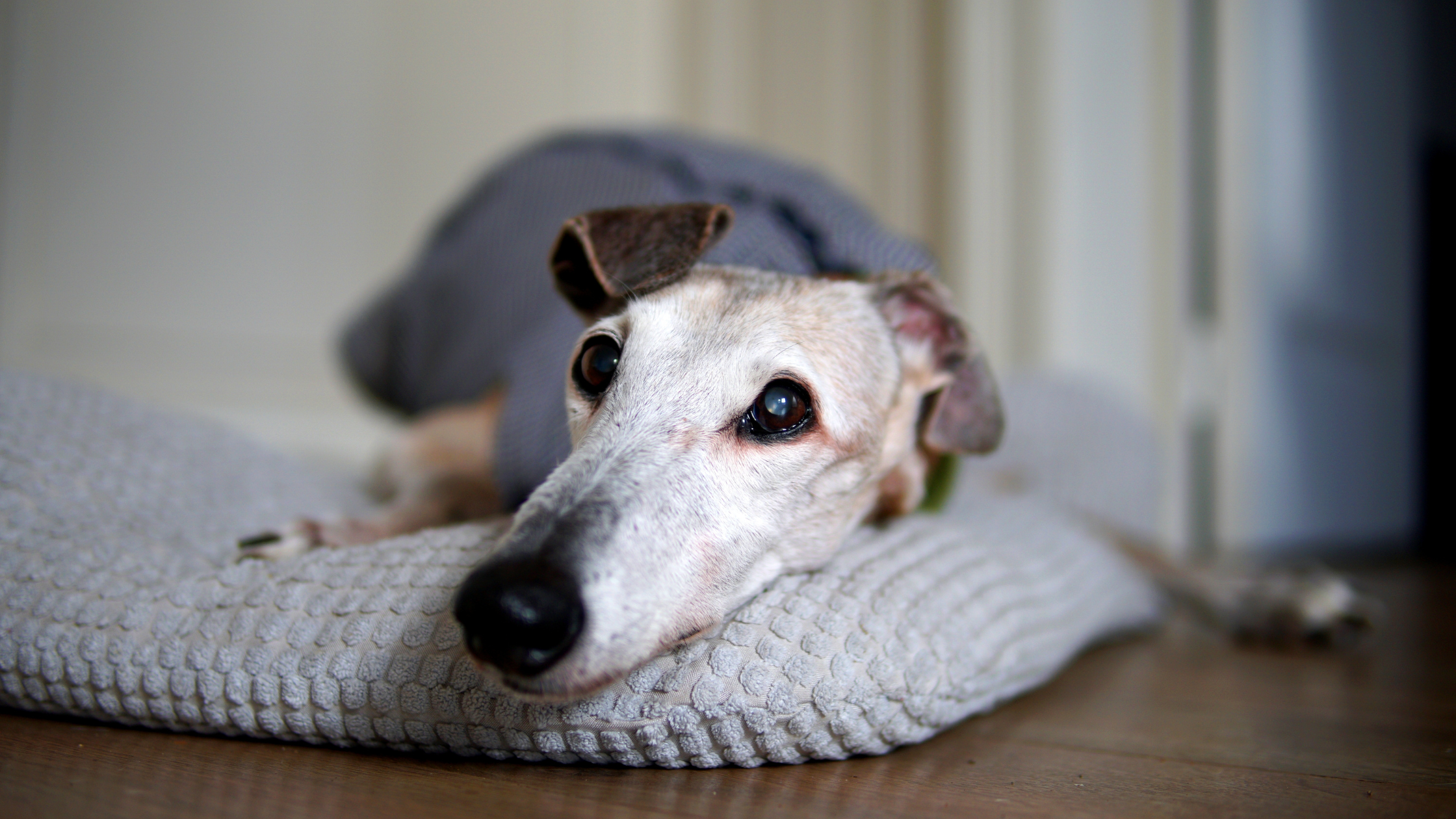
Spanish Galgos often face health problems like bloat, heart issues, anesthesia sensitivity, and osteosarcoma. Feeding smaller meals can help prevent bloat—keep them calm before and after eating.
Regular vet checkups catch these concerns early. Eye conditions may also arise, so watch for changes in vision.
These dogs live 12 to 15 years with proper care. A high-quality diet and fresh water are crucial. “Good nutrition is the key to a long life,” say many galgo owners. Grooming helps too—brush their short hair or rough coat regularly, clean their teeth often, and keep them active with daily exercise!
Common Concerns
Many galgos face abandonment after the hunting season. Some are left in rural areas, while others end up in shelters. Many reports show these dogs suffer neglect or even death. Rescue groups work tirelessly to save them and find loving homes.
Common health issues include bloat, osteosarcoma (bone cancer), eye problems, and anesthesia sensitivity. Regular vet check-ups help catch these early. Like other sighthounds used for hunting, they need special care with anesthesia due to their lean bodies and unique metabolism.
Lifespan
The Spanish Greyhound, or Galgo, lives around 12 to 15 years. This makes it one of the longer-living dog breeds compared to other racing greyhounds. Proper care, good food, and regular vet visits can help them stay healthy throughout these years.
Their lifespan reflects their resilience as ancient sighthounds used in hare hunting. Owners who provide routine exercise and a balanced diet often enjoy many active years with this breed…
leading to important health considerations next.
Training Considerations

Early training shapes a Galgo’s personality. These dogs thrive with positive reinforcement. Reward good behavior with treats, praise, or playtime. Harsh methods or yelling can make them nervous and slow their progress.
Start as puppies to teach basic commands like “sit” and “stay.” Socializing is just as important—introduce them to new faces, pets, and places for confidence. Careful management is key around smaller animals like rabbits due to their prey drive.
Galgos need patience during training because they are sensitive by nature. Abandoned dogs rescued from tough situations may need extra support and time to trust humans again. Rescue groups often help rehabilitate these gentle souls for adoption through kindness-based techniques.
Use secure enclosed areas during exercise sessions so fleeing hares don’t trigger chasing instincts unexpectedly!
Exercise and Socialization
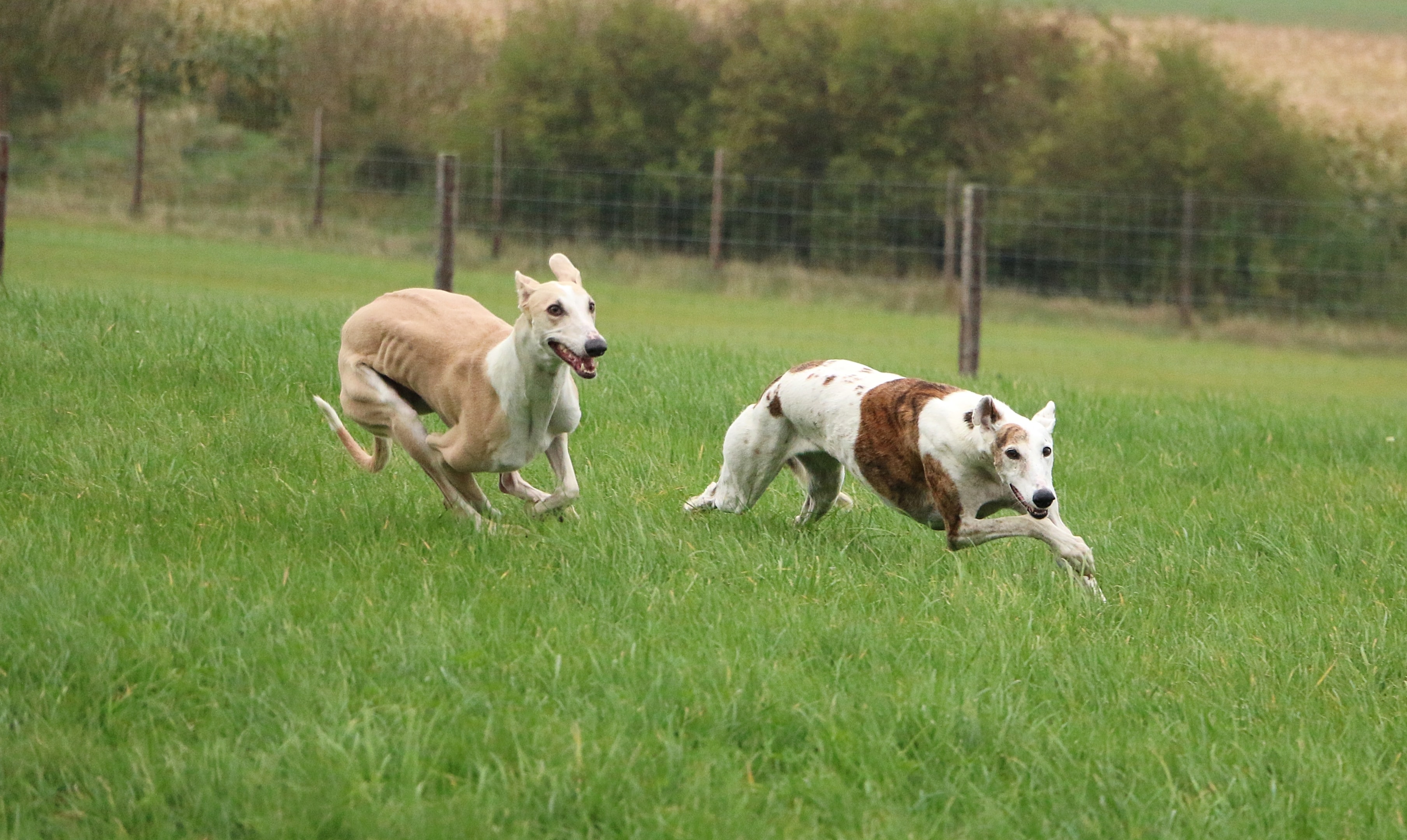
Galgos, or Spanish Greyhounds, need both physical and mental activities to thrive. Regular exercise and socialization help them stay healthy and happy.
- Provide 1 to 2 hours of activity daily. This can include walks, running, or playing games.
- Use a securely fenced area for off-leash exercise. Their high prey drive makes this essential to keep them safe.
- Regularly take them on walks in new places. This helps them adjust to different sights, sounds, and smells.
- Schedule playtime with other friendly dogs. Positive experiences with other animals build their confidence and trust.
- Start training early using treats and praise. Socializing young Galgos prevents shyness later in life.
- Avoid loud or crowded spaces at first if they seem nervous. Gradual exposure works best for timid Galgos.
- Spend quiet time bonding after exercise sessions. They form strong attachments with their families over time.
Living with a Spanish Greyhound

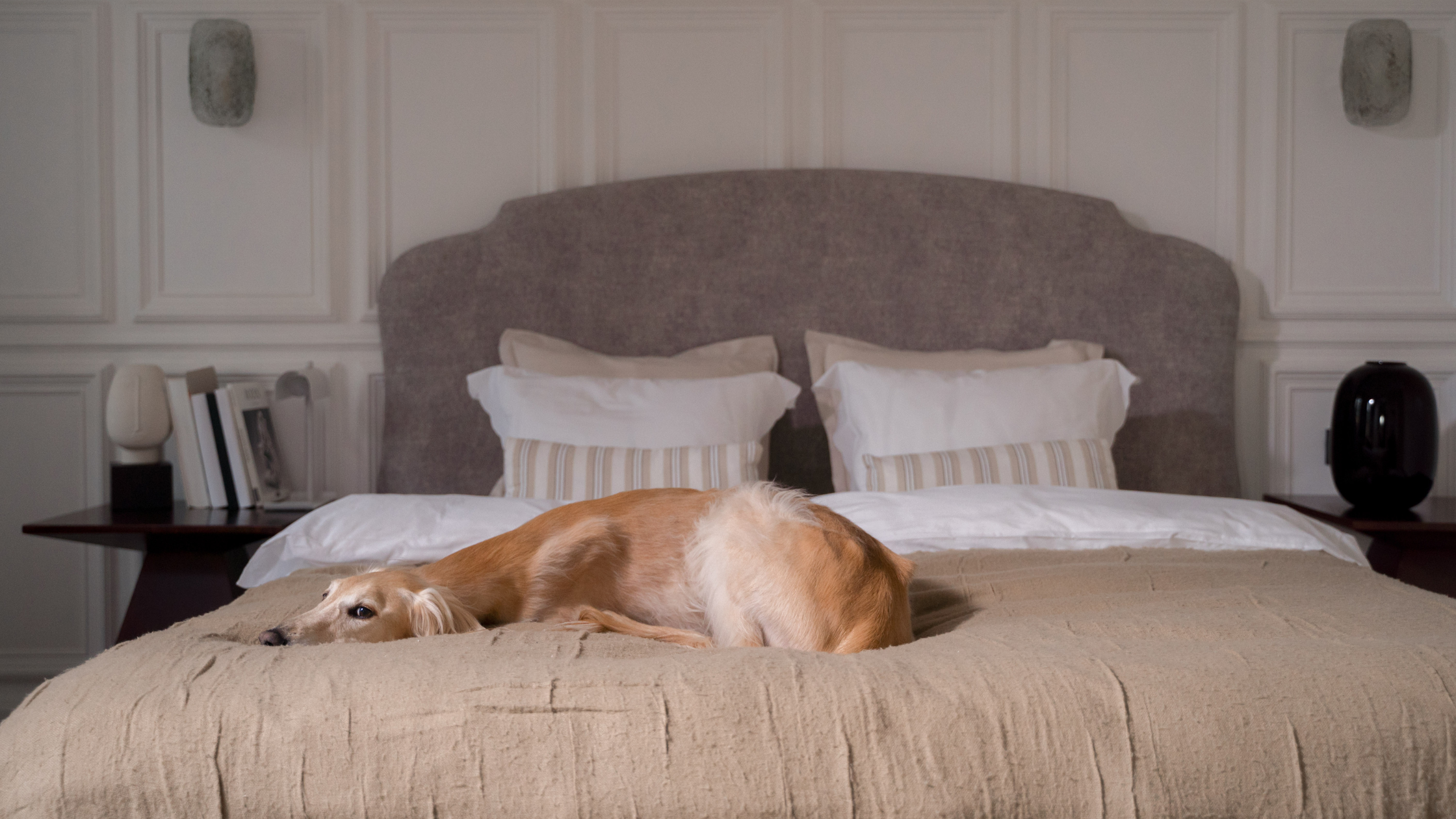
These dogs blend into homes with ease, thanks to their calm nature. Despite their history as hunting dogs, they adapt well to indoor life. A quiet corner for resting suits them best after running out in open spaces.
They love soft beds and safe surroundings but need regular attention and care. Spanish Greyhounds prefer peaceful environments where they feel secure.
They are gentle with children if treated kindly but may shy away from loud or sudden movements. With other pets, caution is key—especially smaller animals due to their high prey drive.
Proper socialization helps reduce any tension with cats or tiny breeds. Many of these dogs come from rough conditions as unwanted dogs after hunting seasons end, so patience during adjustment is vital for earning trust and loyalty.
Best Environment
Spanish Greyhounds need a secure, fenced yard. Their high prey drive makes it risky for them to roam freely or live near smaller pets like cats or rabbits. This breed thrives in calm homes with plenty of space to stretch and relax.
Daily exercise is essential—at least 1 to 2 hours per day. Without it, they can become bored and restless. They’re not suited for families without the time to meet their activity needs or provide proper safety measures outdoors.
Behavior towards Children
Spanish Galgos are gentle and calm around kids. Their friendly nature makes them great companions in family homes. They enjoy playtime, often bonding well with children through fun activities.
With proper training, they adapt easily to households filled with energy and laughter.
Supervision is key during child-dog interactions to ensure safety for both parties. These dogs are affectionate but may need time to build trust with very young kids. Their easy-going temperament adds harmony to homes, especially when paired with their love for cuddles or a quiet nap after playing hard!
Behavior towards other Pets
Galgos often thrive with other dogs, especially their own breed. They enjoy companionship and can form strong bonds. With proper socialization, they may live peacefully with cats too.
Their high prey drive means supervision is needed around smaller animals like rabbits or guinea pigs.
Without training or exposure, they might chase livestock or view small pets as prey. Careful management during interactions helps prevent issues. These sighthounds require close monitoring in multi-pet homes to ensure safety for all animals involved.
Grooming Needs
Weekly brushing keeps their smooth or rough coat in great shape. Use a soft-bristle brush or grooming mitt to remove loose hair. Fall and spring bring more shedding, so brush more often during these times.
A bath once a month works well unless your dog gets extra dirty.
Trim nails every month to prevent discomfort or injury. Check ears weekly for wax buildup or redness—clean gently as needed. Daily teeth brushing helps avoid dental problems. These simple steps keep your Spanish Greyhound looking and feeling their best!
Nutrition and Feeding
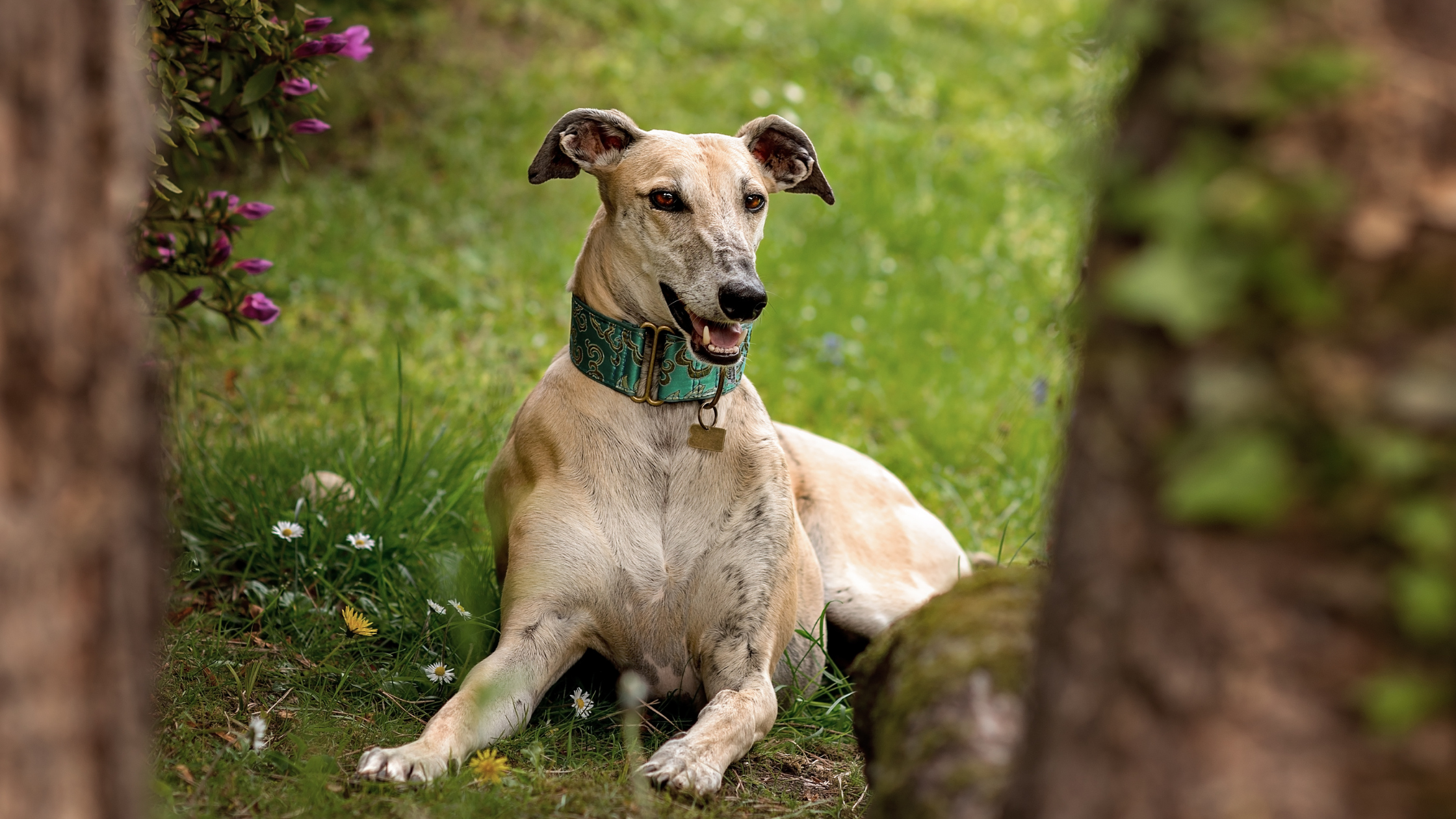
A healthy diet keeps a Spanish Greyhound strong and active. Feed high-quality, balanced meals, as poor nutrition can harm their health. Divide food into two measured servings daily to prevent digestive issues—these dogs have sensitive stomachs.
Smaller, frequent meals work well for Galgos prone to bloat or twisted stomachs. Use slow feeders or puzzle bowls if your dog eats too fast; it reduces the risk of bloat by controlling how quickly they consume food.
Always provide fresh water for hydration.
Avoid exercise directly before or after eating to lower the chances of stomach twisting—a serious concern in this breed. Keep a close watch on your dog’s eating habits; sudden changes may signal problems.
Speak with a vet to ensure you’re meeting all nutritional needs—they can recommend specific diets based on age, size, and activity levels. Proper feeding supports energy levels and contributes to overall lifespan and vitality.
Where to find a Spanish Greyhound

Shelters in Spain rescue many Galgos, also known as Spanish Greyhounds. These shelters often work closely with international organizations to improve their welfare and find them homes.
Searching “galgo español” online can lead to helpful information and resources.
Rescue groups and social media pages give adoption options for these sighthounds. Some breed-specific organizations assist in rehoming efforts worldwide, including countries like Germany.
Contacting a shelter that specializes in Galgo Español is another way to adopt this ancient dog breed.
Dog Breeds Similar to the Spanish Greyhound
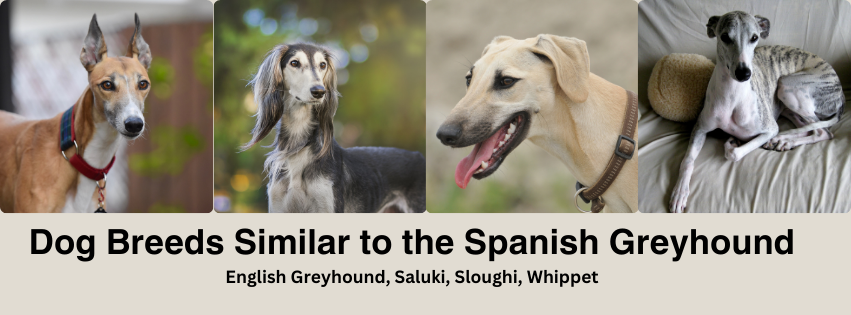
1. English Greyhound
The English Greyhound closely resembles the Spanish Greyhound in its sleek, slender build and role as a sighthound. However, English Greyhounds are bred primarily for sprinting and racing, while Spanish Greyhounds excel in endurance over rough terrain. The English variety is generally more muscular and slightly larger.
2. Saluki
Salukis share the Galgo’s elegant frame and history as ancient sighthounds. Both breeds were used for coursing, though Salukis are typically more feathered in coat and have a slightly more refined, aristocratic appearance. Like Galgos, Salukis are known for their endurance and gentle temperament.
3. Sloughi
The Sloughi, often called the “Arabian Greyhound,” shares ancestry with the Galgo and is similarly lean and agile. Both breeds are adept hunters, but the Sloughi is primarily associated with North Africa and has a shorter, smoother coat. Its temperament is slightly more reserved compared to the affectionate Galgo.
4. Whippet
Whippets are smaller than Spanish Greyhounds but share a similar sighthound build and love for running. While Whippets are suited for short bursts of speed, they lack the Galgo’s stamina for long-distance coursing. Both breeds are friendly and make excellent family companions.
These breeds share the Spanish Greyhound’s agility, elegance, and hunting heritage, yet each possesses unique traits tailored to their environments and historical roles.
Conclusion
The Spanish Greyhound, or Galgo Español, is a remarkable breed that embodies grace, endurance, and a rich cultural history. From its ancient roots as a noble hunting companion to its modern role as a cherished family pet, the Galgo continues to captivate with its elegance and gentle demeanor. While challenges such as abandonment highlight the need for ongoing advocacy, the Galgo’s resilience and charm make it a beloved breed worldwide. Whether as a loyal companion, a star in lure coursing, or a symbol of Spain’s heritage, the Spanish Greyhound truly stands out as a unique and extraordinary canine.
FAQs

1. What makes the Spanish Greyhound different from the English Greyhound?
The Spanish Greyhound, also called the Galgo Español, shares some characteristics with the English Greyhound but is leaner and built for endurance hunting rather than pure speed.
2. Why is greyhound hunting controversial in Spain?
Greyhound hunting often takes place in rural areas where animal rights concerns arise due to mistreatment of dogs—some are abandoned or even killed after their usefulness ends.
3. Are Spanish Greyhounds recognized by organizations like the United Kennel Club?
Yes, while they aren’t as widely known as other breeds, efforts are being made to increase recognition through groups like the United Kennel Club and breed-specific advocates.
4. How can people help protect these ancient sighthounds?
Supporting rescue organizations that save injured or abandoned puppies and adult greyhounds is key. Raising awareness about better treatment offers other ways to improve their welfare globally.
- Furlyfe Rank See Rank
- Group AKC AKC Not Recognized
- Origin Spain
- Size Medium
- Weight 44 to 66 pounds
- Coat Length Short
- Colors Black, Cinnamon, Red, White, Yellow
- Other Names Spanish Galgo, Galgo
- Temperament Affectionate, Calm, Quiet, Gentle
Breed Characteristics

Group members

