
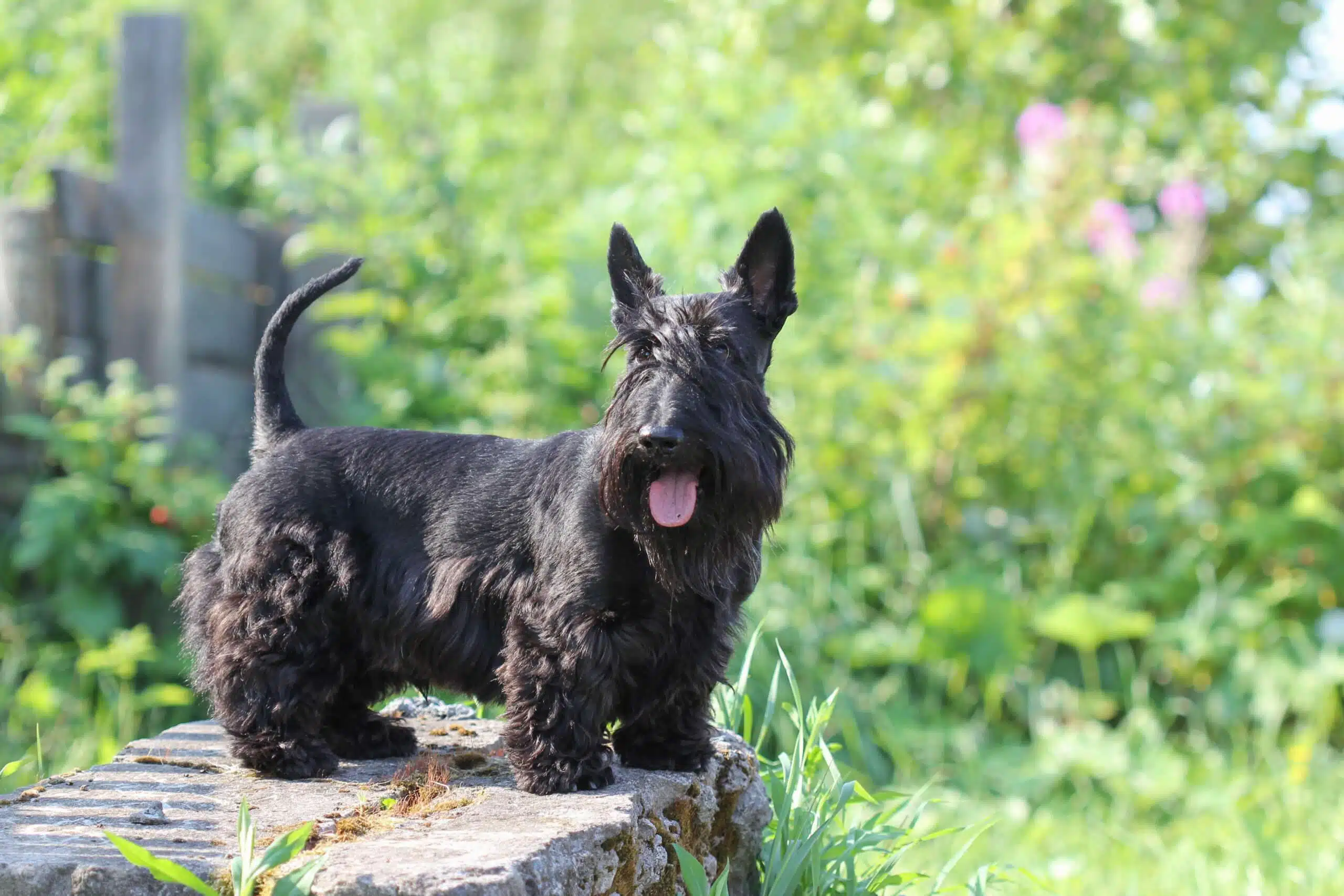
Scottish Terrier
The Scottish Terrier, or “Scottie,” originated from the Skye Terrier and was bred to hunt foxes and badgers around Aberdeen. Known for their bravery, independence, and sharp instincts, these traits still define the breed today, making them excellent at vermin control.
Scotties are lively, observant, and deeply loyal to their families, though they may be wary of strangers. Their iconic look—wiry black coat, beard-like face, and upright tail—makes them one of the most recognizable dog breeds in the world.
Independent to the point of stubbornness, Scotties often ignore commands unless they choose to listen. With time and affection, they form strong bonds with their humans but can become moody if left alone too often.
Best suited for adults or couples, Scotties aren’t ideal for homes with young children or small pets due to their territorial nature and strong opinions. But for the right owner, they’ll give their full devotion.
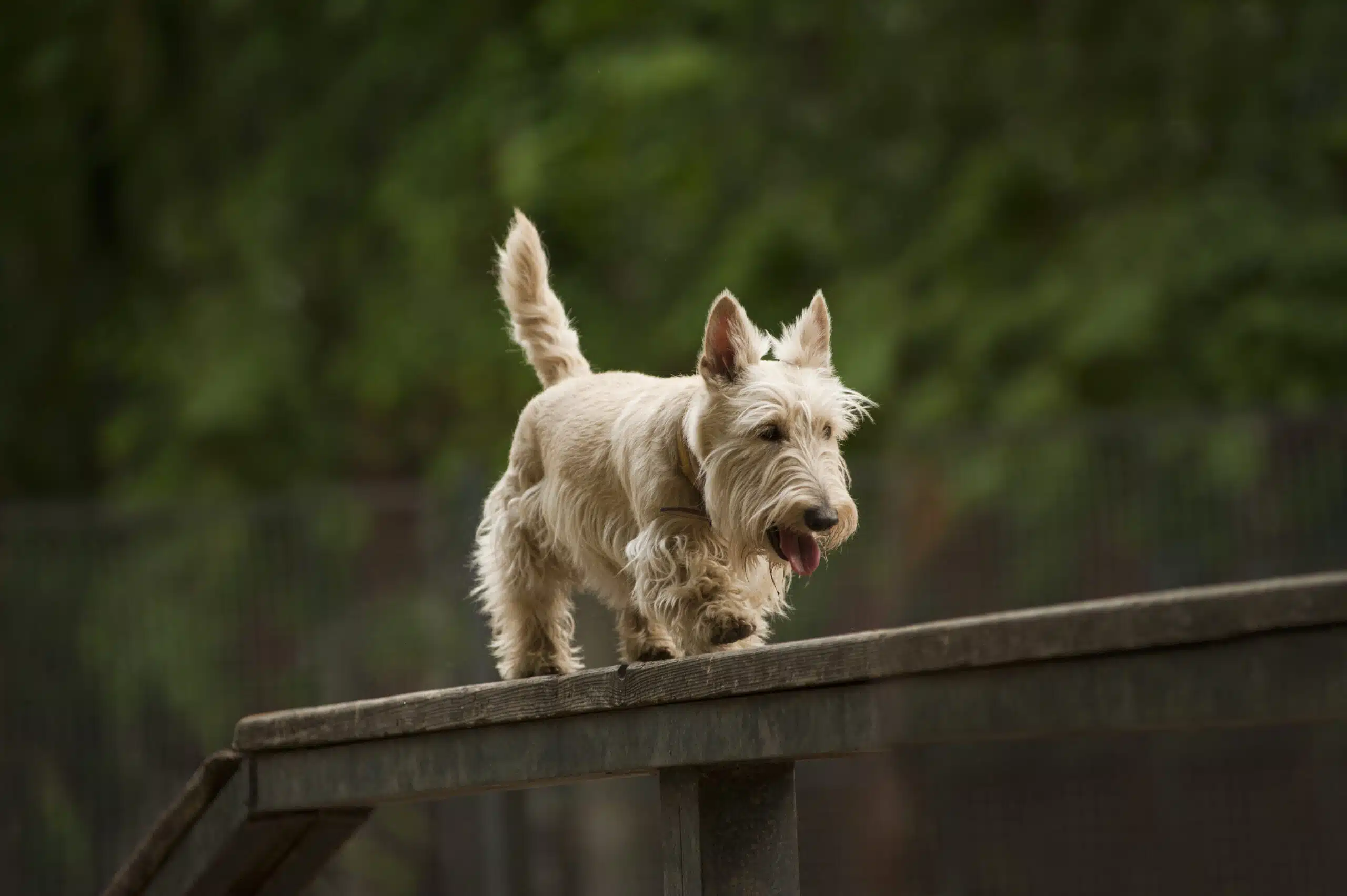
Activities like agility and AKC Earthdog trials are great outlets for Scotties, satisfying both their physical and mental needs. Though training can be challenging, their curiosity and drive make it worthwhile.
Despite their small size—about 20 pounds—Scotties need regular grooming. Weekly brushing and monthly clippings keep their coat in shape, and show dogs require advanced hand-stripping for that classic Scottie style.
Discover The Charismatic Charm Of The Scottish Terrier Breed

Are you curious about the Scottish Terrier and why they captivate so many dog lovers? Choosing the right dog breed for your family can feel overwhelming, especially with so many factors to consider.
Whether it’s personality, health needs, or grooming demands, finding a match can be challenging.
The Scottish Terrier is a small yet fearless breed bursting with charm and pride. Known as “Scottie” or “Diehard,” this breed has a lively personality paired with its iconic look—short legs, erect ears, and a thick double coat.
Recognized by the American Kennel Club (AKC), this loyal companion makes an excellent addition to families who value independence in their pets.
In this guide, we will explore everything about these highland terriers: from temperament and training tips to care essentials. You’ll discover why they’re both lovable family members and fascinating individuals.
Key Takeaways
- Scottish Terriers, nicknamed “Scottie” or “Diehard,” originated in the Scottish Highlands as vermin hunters. They gained global fame, with notable owners like President Franklin D. Roosevelt.
- These small dogs stand around 10 inches tall and weigh 18–22 pounds. Their double coat comes in black, wheaten, or brindle and requires regular grooming to maintain its texture.
- Common health issues include Von Willebrand’s Disease, bladder cancer, hypothyroidism, and Scottie Cramp. Regular vet checkups and DNA testing help manage risks.
- Scotties are independent but loyal family pets who thrive on mental stimulation through playtime or problem-solving games. Early training is key due to their stubborn nature.
- The average lifespan of a Scottish Terrier is 12–15 years with proper care. Adopting from breeders or rescue networks ensures healthy and well-raised companions.
History and Origin

The Scottish Terrier, or Scottie, has roots deeply tied to the Scottish Highlands. Hunters initially bred this short-legged dog in the region to eliminate vermin such as rats, foxes, and badgers.
King James I of England admired this breed so much that he introduced them as gifts during the 17th century.
In 1883, breeders imported the first Scotties to the United States. Just two years later, Prince Charlie became the first registered by the American Kennel Club in 1885. Their popularity peaked between the 1930s and early ‘40s when figures like President Franklin D.
Franklin Delano Roosevelt famously owned one named Fala. The Scottish Terrier Breed club continues promoting their legacy today.
Read More: The History of Dogs
Physical Characteristics

The Scottish Terrier, affectionately known as the “Scottie,” boasts a distinctive and dignified appearance that sets it apart from other terrier breeds. Though small in stature, this breed is built with strength, purpose, and unmistakable presence.
Size and Proportions
Scottish Terriers are classified as small dogs, but their compact and robust build reflects their working heritage.
- Height: An adult dog typically stands about 10 inches (25 cm) at the shoulder
- Weight: Ranges between 18 to 22 pounds (8 to 10 kg). Learn more about different dog breeds and their characteristics.
- Body: Short-backed with a deep chest, broad ribcage, and well-sprung ribs; built low to the ground, giving it a sturdy and grounded posture
- Proportions: Longer in body than in height, creating a rectangular silhouette that enhances its agile, burrowing ability
Head and Facial Features

The head of the Scottish Terrier is one of its most iconic features, giving the breed its regal and bold look.
- Head: Long and proportionate to the body, with a flat skull and strong muzzle
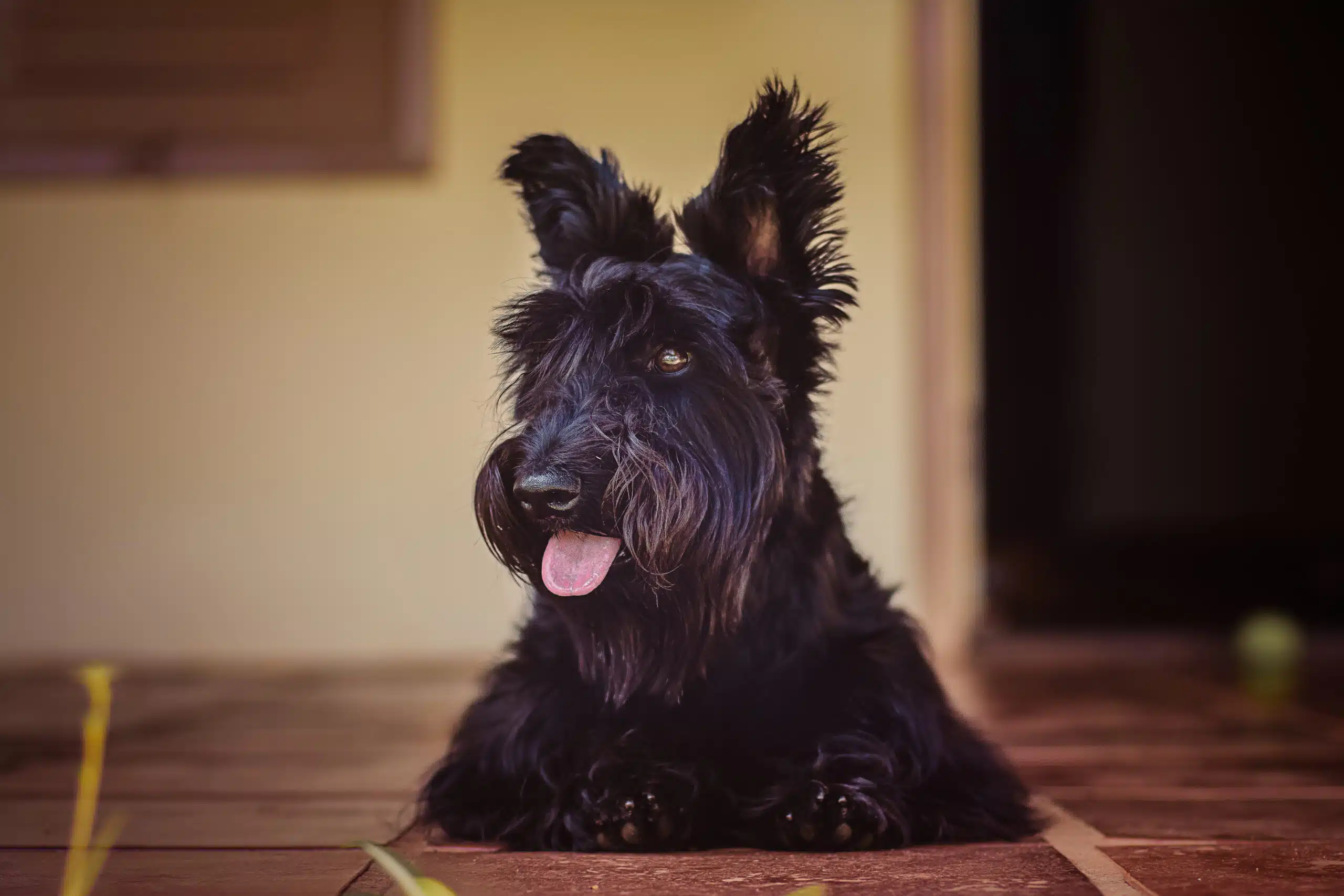
- Eyes: Almond-shaped, dark brown or nearly black, conveying keen intelligence and alertness
- Ears: Pointed, erect, and set high on the skull—always perked and expressive
- Expression: A piercing gaze that reflects confidence and curiosity
- Beard and Eyebrows: Distinctive furnishings around the face add to the Scottie’s dignified and somewhat serious expression
Coat and Colors

The Scottie’s coat is a hallmark of the breed and requires specific grooming to maintain its classic look.
- Coat Type: Double-coated with a hard, wiry outer coat and, a dense soft undercoat
- Texture: The harsh outer coat provides protection from harsh weather and terrain
- Common Colors:
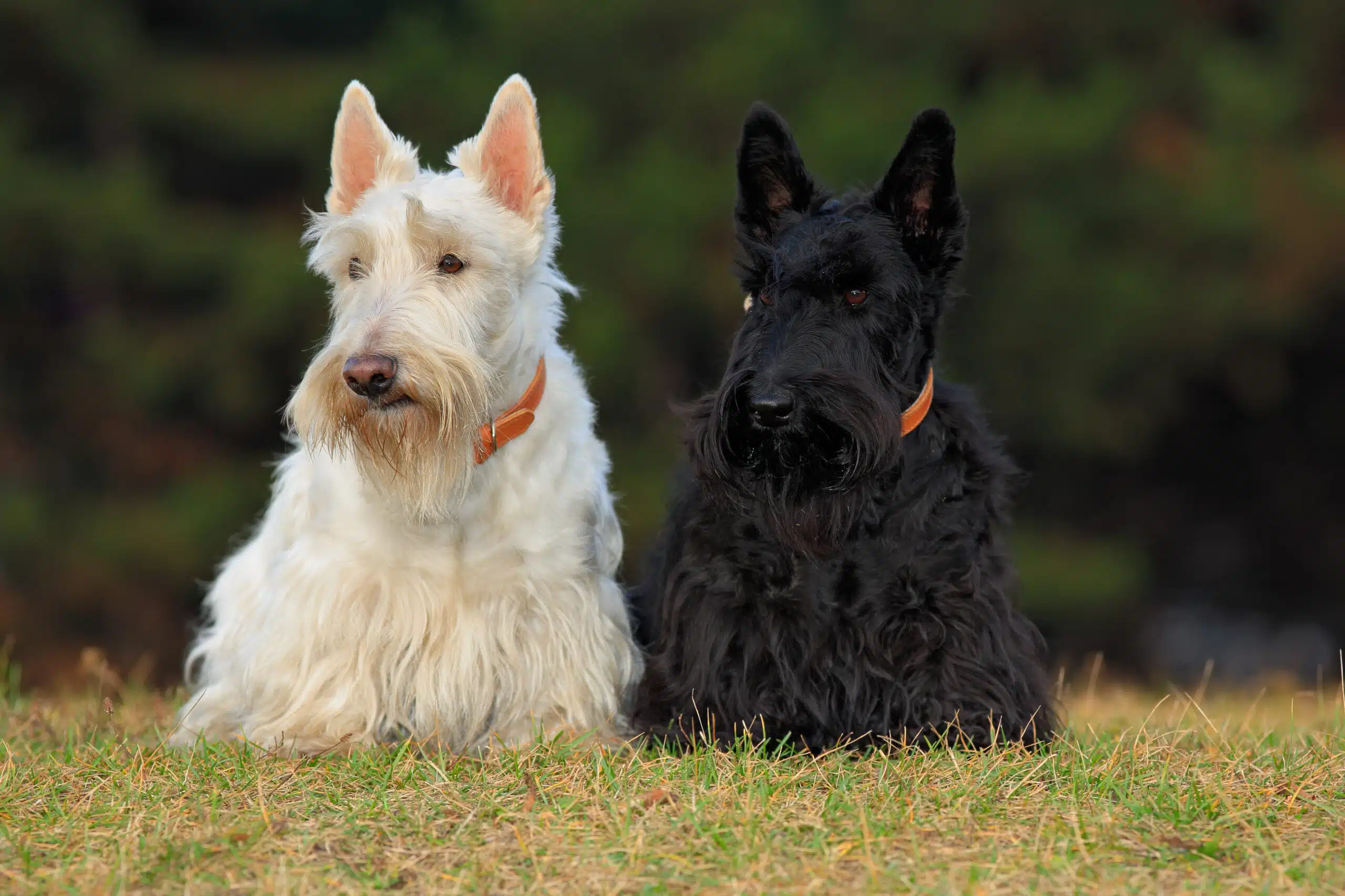
- Black (most popular and widely recognized)
- Brindle (a mix of dark and light striping)
- Wheaten (a soft, pale cream to golden shade)
Tail and Movement
Scotties carry themselves with unmistakable confidence and purpose.
- Tail: Medium-length, thick at the base and tapering to a point; carried upright like a spike, never curled over the back
- Gait: Free and effortless with good reach and drive, reflecting their working origins
Overall Impression
The Scottish Terrier combines elegance with rugged functionality. Its bold outline, textured coat, and confident carriage give it a silhouette that is both charming and formidable. Every aspect of the breed’s physical makeup serves its original purpose as a skilled and fearless hunter, even if it’s now more likely to command attention at home or in the show ring.
Temperament and Personality of the Scottish Terrier

The Scottish Terrier is more than just a striking appearance—it has a personality as bold and distinctive as its look. With a strong sense of independence, unwavering loyalty, and a dignified demeanor, the Scottie is a breed with depth and character.
Independent and Self-Assured
Scotties are famously self-reliant and carry themselves with quiet confidence.
- Autonomous Thinkers: Bred to work independently, Scotties make decisions on their own and may seem stubborn or aloof at times
- Selective Obedience: They often choose when to follow commands, especially if they don’t see the point—training requires patience and consistency
- Reserved Demeanor: Not overly eager to please like some breeds; they thrive on mutual respect with their owner
Loyal and Protective
While they may keep strangers at arm’s length, Scotties are fiercely devoted to their inner circle.
- Bond with Owners: They often form strong attachments to one or two people in the household
- Protective Nature: Naturally vigilant and territorial, making them effective watchdogs
- Quiet Companions: Not overly clingy, but always aware of their surroundings and their family’s activities
Courageous and Determined

True to their terrier roots, Scotties possess remarkable bravery and tenacity.
- Fearless Spirit: Originally bred to face down foxes and badgers, their courage is ingrained
- Persistent Hunters: They still carry a strong prey drive and love to chase small animals
- Strong-Willed: Determined to get their way—early training and socialization are key to managing their spirited nature
Reserved Yet Affectionate
Scotties may not be overtly affectionate with everyone, but they express love in quiet, meaningful ways.
- Slow to Warm Up: Often wary of strangers, needing time to build trust
- Affectionate at Home: Once comfortable, they enjoy companionship, cuddles, and even a bit of lap time
- Not Ideal for Young Kids: Their dislike of chaos and loud noise makes them better suited for calm households
Energetic with a Purpose
Though not hyperactive, Scotties have bursts of focused energy and need outlets to express it.
- Playful but Structured: Enjoy games with a clear objective like fetch or agility courses
- Mental Stimulation: Thrive on problem-solving, puzzles, and digging activities
- Enjoy Routine: Adaptable but prefer structured daily routines over spontaneous changes
Overall Disposition
The Scottish Terrier is dignified, intelligent, and bold. They are not the breed for everyone, especially those seeking an overly social or obedient companion. But for the right owner—someone who appreciates independence, character, and loyalty—the Scottie is a deeply rewarding and devoted pet.
Health Considerations

Scottish Terriers are prone to several health concerns, including Von Willebrand’s Disease, a genetic bleeding disorder. Pet parents should consider DNA testing for this condition when choosing Scottish Terrier puppies from reputable breeders.
Common cancers like transitional cell carcinoma and lymphoma also affect this breed. Regular vet check-ups can help detect early symptoms such as blood in the urine.
Scottie Cramp is another hereditary disorder that impacts mobility but can be managed with proper care. Allergies affecting the dog’s skin and fur may require special diets or treatments.
Proper nutrition with measured meals and access to fresh water supports their overall well-being. Up next, discover how training ensures a well-behaved Scottish Terrier with high energy levels.
Common Concerns
Scottish Terriers are resilient but face specific health challenges. Being aware of these concerns can help you provide better care.
- Von Willebrand disease is a common bleeding disorder affecting clotting ability. It may result in excessive bruising or prolonged bleeding from injuries.
- Bladder cancer, particularly transitional cell carcinomas, occurs at higher rates in this breed. Symptoms include changes in urination patterns like straining or frequent urination.
- Scottie cramp affects movement during excitement or stress but is not painful or life-threatening. The condition causes temporary stiffness or lack of coordination.
- Craniomandibular osteopathy impacts young dogs’ jawbones and lower skull regions. This genetic condition leads to swelling, pain, and difficulty eating.
- Hypothyroidism causes weight gain, lethargy, and skin issues like dry coats or hair loss. Regular vet checkups help control this with medication.
- Joint disorders such as patellar luxation can occur due to their short-legged build. This issue can affect mobility over time without proper care.
- Autoimmune diseases may also arise and impact organs like the thyroid gland and dog’s skin, requiring close monitoring for symptoms such as fatigue or unexplained sores.
- Malignant melanoma poses another risk, often appearing as dark lumps on their coats or gums that require immediate attention from a vet expert.
- Cerebellar abiotrophy, while rare, causes neurological problems like tremors and poor balance in affected dogs at an early age.
- Regular checkups help detect early signs of health conditions like liver shunts, which can cause vomiting and neurological symptoms if untreated over time.
- Proper grooming ensures healthy skin and prevents infections tied to oily fur buildup on their wiry outer coat.
Lifespan
The Scottish Terrier has an average life expectancy of 12 to 15 years. On average, their lifespan is about 12.7 years, which is longer than many crossbreeds. Careful breeding plays a vital role in preventing inherited diseases that might shorten their lives.
Health issues like Von Willebrand’s Disease and bladder cancer are common concerns for Aberdeen Terriers. They also face conditions such as Scottie Cramp and hemangiosarcoma. Regular exercise, proper dog food, and routine checkups help improve longevity.
Owners can ensure better health by promoting an active lifestyle from a young age.
Training Considerations

Scottish Terriers enjoy short and focused training sessions. Limit each session to 15 minutes or less to keep their attention sharp. They are well behaved when trained with positive reinforcement, such as treats or verbal praise.
Harsh methods can discourage them, so focus on consistency and encouragement instead.
Daily walks help burn off energy for these active dogs. Include interactive toys or problem-solving games to stimulate the dog mentally while reinforcing good behavior. Activities like dock jumping or other dog sports suit their high prey drive and love for challenges.
Properly trained Scotties thrive in environments that offer structure and mental engagement.
Exercise and Socialization

Exercise and socialization are key to keeping Scottish Terriers happy and healthy. Their high energy makes regular activity essential for mental and physical well-being.
- Take your dog on daily walks to channel their energy. Aim for at least 30 minutes of consistent walking each day.
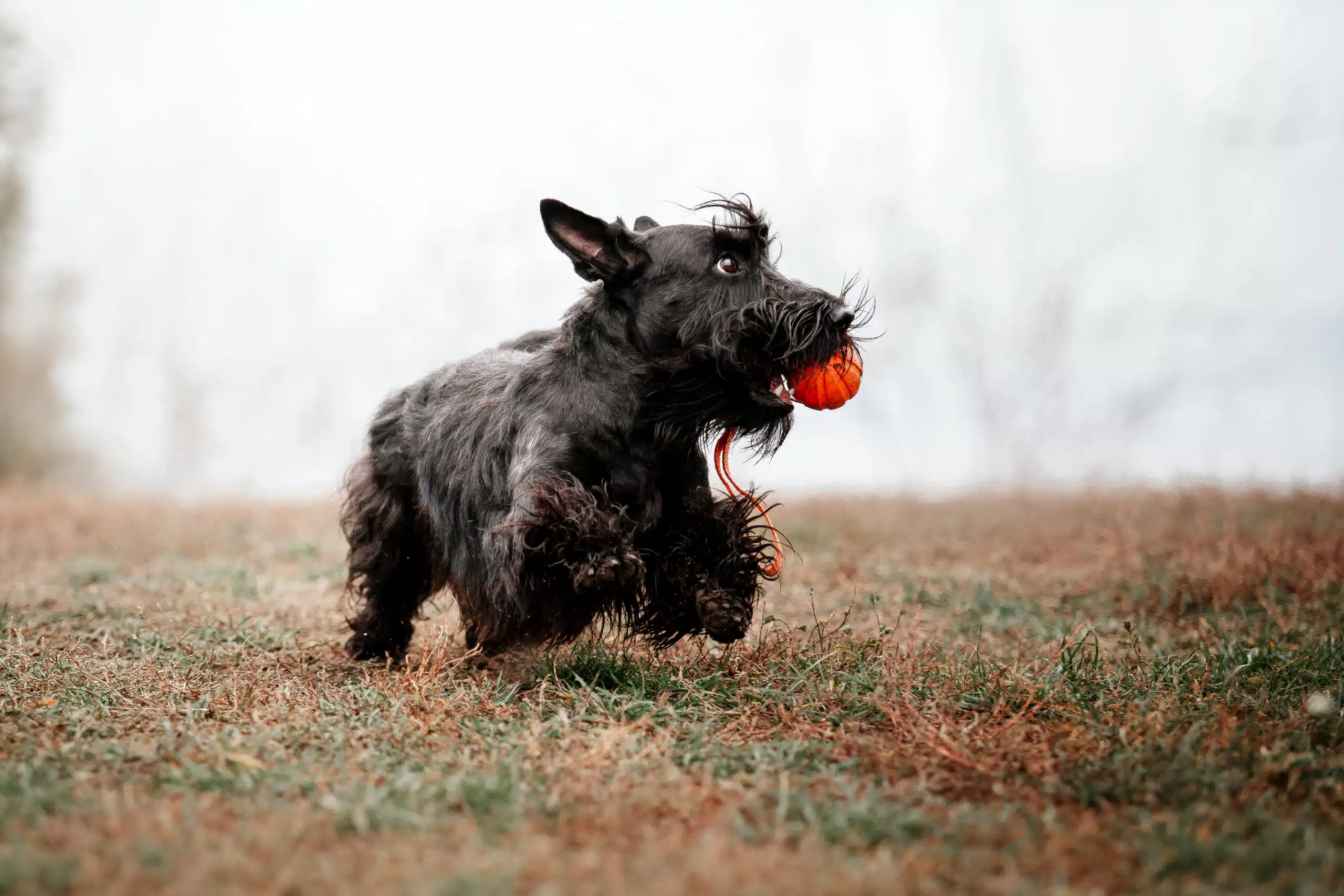
- Engage in playtime with interactive toys like balls or tug ropes to stimulate problem-solving skills while burning energy.
- Introduce short training sessions lasting about 15 minutes to keep them focused without overwhelming them.
- Expose your terrier to other dogs early to reduce cantankerous behavior during interactions with the same breed or other breeds later on.
- Include supervised visits to pet-friendly parks, ensuring they get along with other animals while staying calm.
- Provide moderate exercise through activities like games of fetch or gentle runs in a fenced yard.
- Encourage early socialization with small children under controlled environments for better behavior inside family settings.
- Watch for hunting instincts when meeting cats or smaller pets as they may display chasing tendencies.
- Prevent boredom by offering stimulating activities that engage both body and mind, such as puzzle feeders or new challenges.
- Reinforce good manners through structured social outings which build confidence alongside obedience training.
Read More: Puppy Socialization Checklist
Living with a Scottish Terrier

Scottish Terriers thrive in homes with moderate activity levels. They adapt well to apartments or houses and benefit from a secure yard for exploration. Their short legs and compact build make them suited for smaller spaces, but they still need regular playtime and walks.
This breed enjoys mental stimulation through toys or problem-solving games, which helps channel their energy.
These dogs typically behave well around children when raised together but prefer gentle handling due to their spirited personality. Early socialization ensures balanced interactions with other pets like cats or smaller dog breeds.
While Scottish Terriers can coexist peacefully, their terrier instincts may occasionally emerge during encounters with unfamiliar animals.
Best Environment
Scottish Terriers thrive in dynamic homes with plenty of mental and physical activities. Regular walks, playtime, and problem-solving tasks help manage their energy levels. These short-legged dogs appreciate a secure space where they can explore freely while maintaining their territorial nature.
Homes without small children or tiny pets are ideal for this breed’s independence and confidence. They enjoy settings that balance interaction with freedom. Their stubborn tendencies around other dogs improve with socialization in organized environments.
A well-maintained structure supports both their distinctive personality and overall happiness.
Behavior towards Children

A calm home suits this breed better for interactions with kids. The Scottish Terrier’s independent spirit and strong attachments to adults may limit its patience with young children.
Their reserved nature often leads them to shy away from strangers, including unfamiliar kids. Small children lacking experience with dogs could unintentionally provoke defensive behavior.
Supervision is crucial during playtime between a Scottie dog and any child. Early socialization helps reduce territorial tendencies but doesn’t eliminate the need for care in these situations.
They can behave well near older kids who respect their boundaries, making them a possible fit for families willing to train both the dog and the child effectively.
Behavior towards other Pets

Scottish Terriers often show a cantankerous attitude around other dogs, and they may struggle to get along with unfamiliar pets. Their strong hunting instinct can create challenges with animals like cats or smaller pets.
They are best suited for homes without small children or tiny companions due to this prey drive.
Good socialization is essential early on to manage interactions with other animals. Regular obedience training helps reduce behavioral issues and builds tolerance in group settings.
Always supervise them in multi-pet environments to ensure peaceful coexistence.
Grooming Needs

A Scottish Terrier’s coat is double-layered and needs regular care. Weekly brushing keeps the dog’s fur free from tangles and supports healthy skin. Hand stripping works best for keeping the correct texture, but trimming is acceptable for pet owners seeking a simpler routine.
Professional grooming every few months helps maintain this breed type’s signature look. Trim their eyebrows and beard regularly to avoid messes during meals. Use a gentle shampoo when bathing to protect the natural oils on their skin.
Proper grooming also minimizes shedding since Scottish Terriers shed minimally compared to some high-energy breeds like German Shepherds or Golden Retrievers.
Nutrition and Feeding

Scottish Terriers need a balanced diet to maintain their coat and skin health. A moderate-protein diet, including quality canned food, can reduce itching or chewing issues. Adjustments may be necessary for dogs with specific conditions like gastric carcinoma or urinary tract infections.
Always ensure the food supports healthy digestion and keeps the dog’s fur shiny.
Monitor portion sizes to prevent obesity in this short-legged breed with a cobby build. Fresh water is essential during meals to support hydration and proper digestion. Consult your vet if dietary changes are needed due to bleeding disorders or scotty cramp symptoms.
Where to find a Scottish Terrier

The AKC Marketplace lists 100% American Kennel Club (AKC) puppies from registered litters. It ensures buyers receive purebred Scottish Terriers with proper pedigrees. The Scottish Terrier Club of America (STCA) offers a breeder referral service to connect potential owners with reputable breeders.
This service helps locate healthy, well-raised Scotties.
Adoption is another option through STCA rescue volunteers who rehome dogs in need. These rescues often include adult Scotties looking for loving families. STCA members also have access to networks offering support and further information on available dogs or upcoming litters.
Read More: Understanding Kennel Clubs
Dog Breeds Similar to the Scottish Terrier

Scottish Terriers are easily recognized for their unique traits. However, several other terrier breeds share similarities while offering differences in appearance, temperament, and care needs. Below is a comparison table of four breeds similar to the Scottish Terrier.
| Breed | Similarities | Differences |
|---|---|---|
| Skye Terrier | – Both breeds originated in Scotland.
– Independent and loyal temperament. – Developed to hunt small animals. – The Skye Terrier also requires regular grooming. |
– Skye Terriers have longer, flowing coats.
– Longer body shape compared to the Scottish Terrier. – Tend to be slightly more reserved with strangers. |
| Cairn Terrier | – Originated in the Scottish Highlands.
– Similar hunting background for vermin control. – Spirited and energetic personality. – Compact size and sturdy build. |
– Cairn Terriers have a rougher, less dense coat.
– More social and less territorial. – Higher energy levels and need for outdoor activity. |
| West Highland White Terrier | – Shares a Scottish heritage.
– Comparable grooming requirements for a double coat. – Confident and lively personality. – Small, sturdy, and muscular build. |
– Bright white coat distinguishes them.
– Friendlier disposition with other pets. – Slightly more extroverted and playful. |
| Soft Coated Wheaten Terrier | – Loyal and protective of their families.
-Terrier group breed with a similar hunting role such as Pudelpointer. – Requires consistent training with positive reinforcement. |
– Larger and taller in size.
– Wavier, softer coat compared to the Scottish Terrier. – Less territorial and more sociable. |
Each of these breeds shares historical and functional roots but stands out with unique features.
Conclusion

The Scottish Terrier is a breed full of personality and charm. Their history, distinct looks, and spirited temperament make them unforgettable companions. Caring for their health, grooming, and exercise needs is simple with consistent attention.
They thrive in loving homes that match their energy and independence. Exploring this breed further through trusted resources or breeders can help future owners prepare well. Adopting a Scottie means welcoming loyalty, intelligence, and endless affection into your life.
FAQs
1. What makes the Scottish Terrier breed unique?
Scottish Terriers, also called Scotch Terriers or Scotties, are short-legged dogs known for their distinct coat and pricked ears. They have a bold personality and strong problem-solving skills.
2. How should I care for a Scottish Terrier’s coat?
A Scottish Terrier’s fur needs regular grooming to stay healthy. A professional groomer can help maintain its texture while protecting the dog’s skin underneath.
3. Are Scottish Terriers high-energy breeds?
Yes, they are active dogs that enjoy exercise but do not require as much activity as some other high-energy breeds like German Shepherds or Doberman Pinschers.
4. What health issues are common in Scottish Terriers?
Scottish Terriers may face conditions like lymphosarcoma or Westie jaw, which affect specific breeds. Regular vet visits can help detect defects early.
5. Are Scotties good at dog shows?
Yes! Known for their conformation and charm, many have won “Best in Show” titles at events registered with organizations like the United Kennel Club.
6. Can Scotties live well with other specific breeds of dogs?
Scottish Terriers often adapt well to living alongside certain terrier breeds but may need supervision around others due to their independent nature.
- Furlyfe Rank See Rank
- Group AKC Terrier
- Origin United Kingdom
- Size Small
- Weight 18 to 22 pounds
- Coat Length Medium
- Coat Type Double, Wiry
- Colors Black, Black Brindle, Brindle, Red Brindle, Silver Brindle, Wheaten
- Other Names Scottie, Aberdeenie
- Temperament Independent, Fiesty, Alert, Playful, Quick, Self Assured