



Rottweiler
It’s no surprise that the Rottweiler breed hails from the town of Rottweil in western Germany, where these hardworking purebred dogs have been bred for centuries. Historians believe the Rottweiler descends from ancient Mastiff-type dogs that accompanied Roman legions as they marched across Europe nearly 2,000 years ago. These powerful canines were used to herd cattle alongside the troops, serving as a mobile food source. In addition to their herding duties, these formidable dogs also served as camp guards and backup in battle, thanks to their strength, intelligence, and innate fearlessness.
The Rottweiler is a powerful, dependable, and loyal dog breed that often makes a devoted companion for the right pet parents. When raised with consistent training, early socialization, and confident leadership, Rottweilers tend to become affectionate family members who are naturally protective of their home and loved ones. However, without proper guidance, their instincts may develop into dominant or aggressive behavior, so responsible ownership is key.
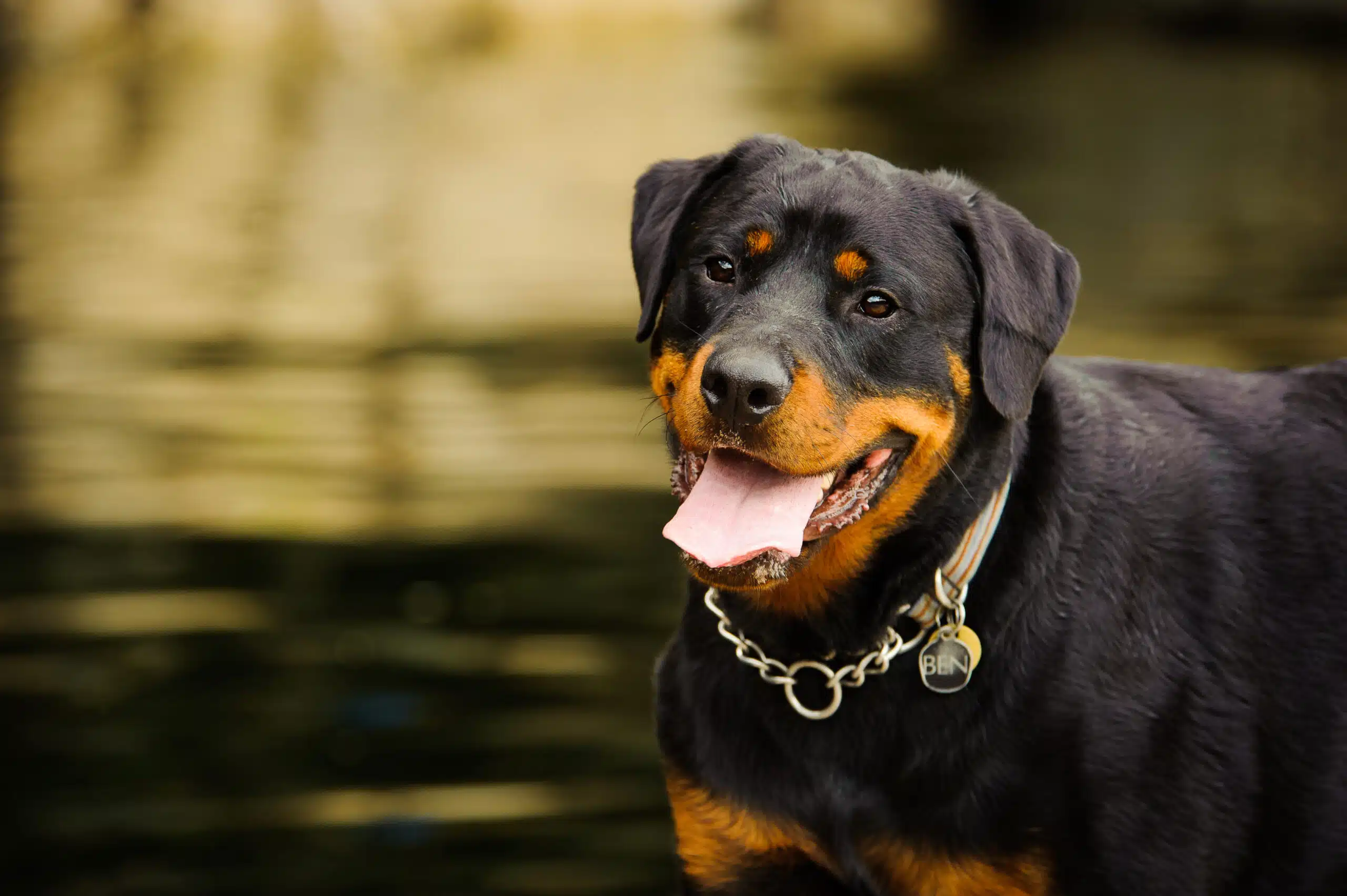
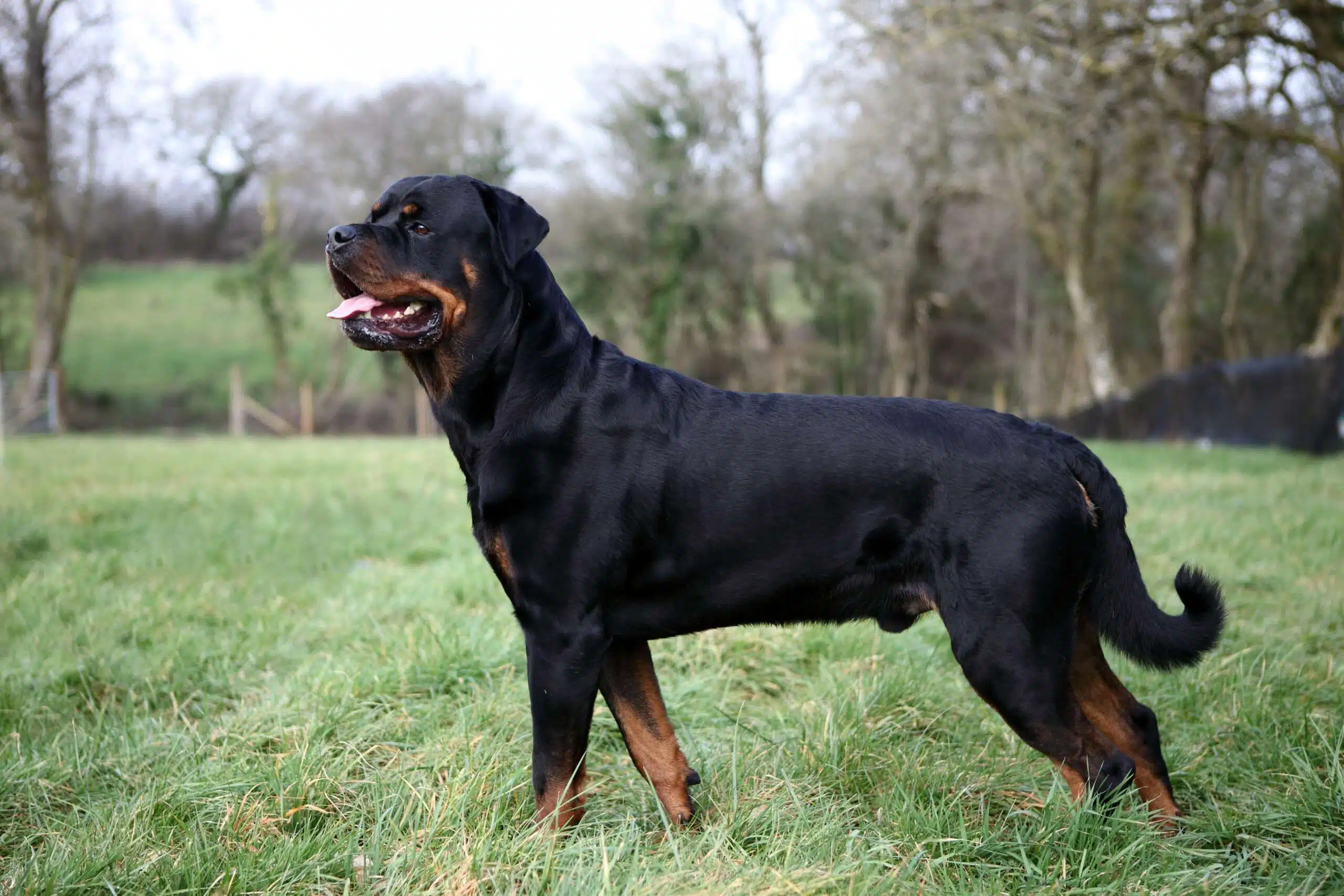
Physically, the Rottweiler is a large and muscular dog breed with a confident and steady posture. Its build should be balanced, with no exaggerated features—particularly in the front limbs. The head is broad and solid, featuring a strong brow, well-developed muzzle, and a distinctive black nose. The coat is medium-short, coarse in texture, and mostly black with sharply defined tan markings around the muzzle, eyes, chest, and paws—an iconic look among purebred dogs.
Despite their serious appearance, Rottweilers can make outstanding family pets. They tend to be calm and reserved around strangers but show deep affection and loyalty toward their families, including children. This combination of wariness and warmth makes them excellent watchdogs. Rottweilers tend to adapt well to household life and social situations when properly raised, making them one of the most versatile large breed dogs around.
Training a Rottweiler puppy can be incredibly rewarding, as these dogs are smart and eager to please. They respond well to structured activities like obedience, agility, carting, and even sledding. That said, young Rottweiler puppies can be energetic and mischievous. Common puppy antics include chewing, mouthing during play, and testing boundaries, all of which require patient correction and engagement.
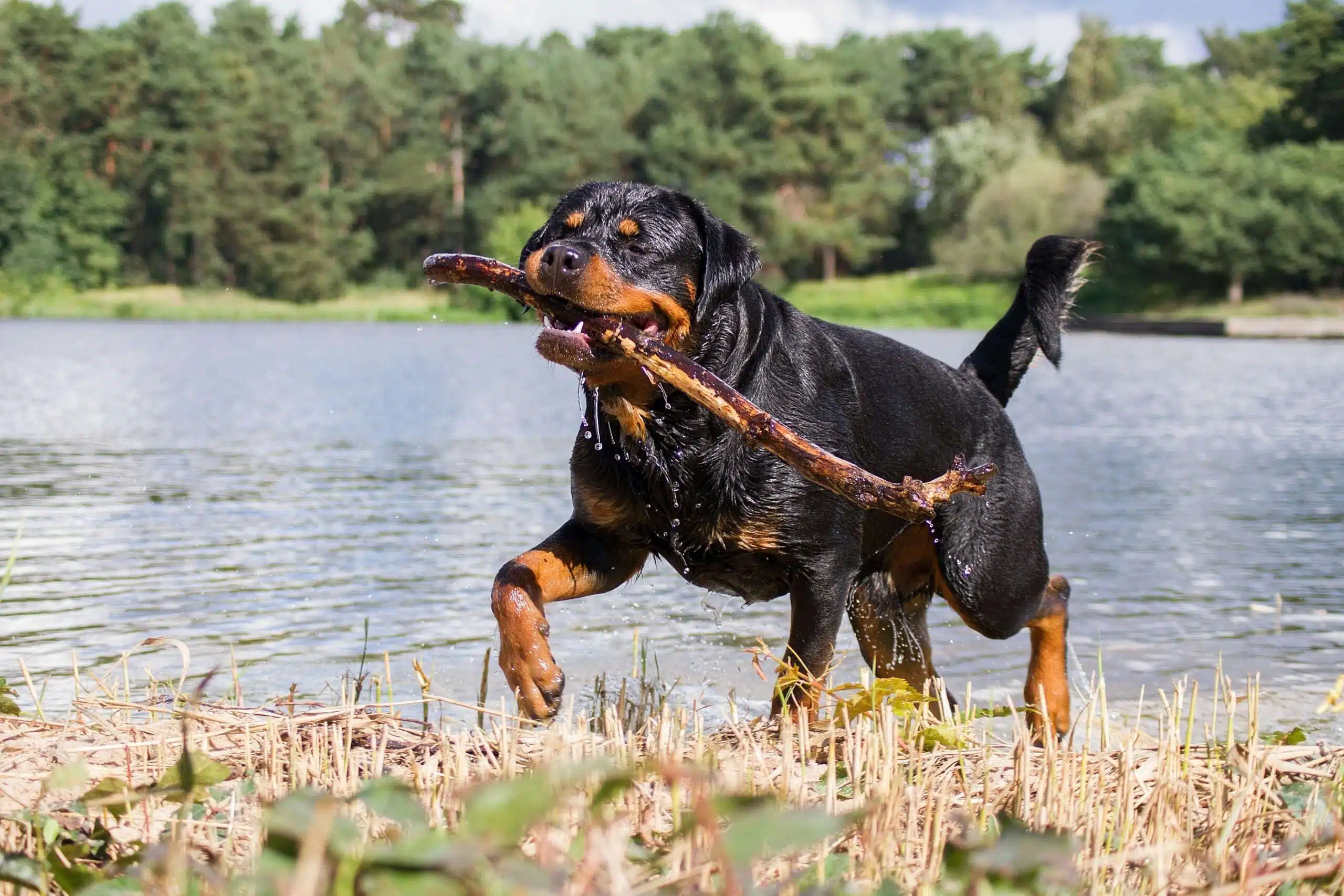
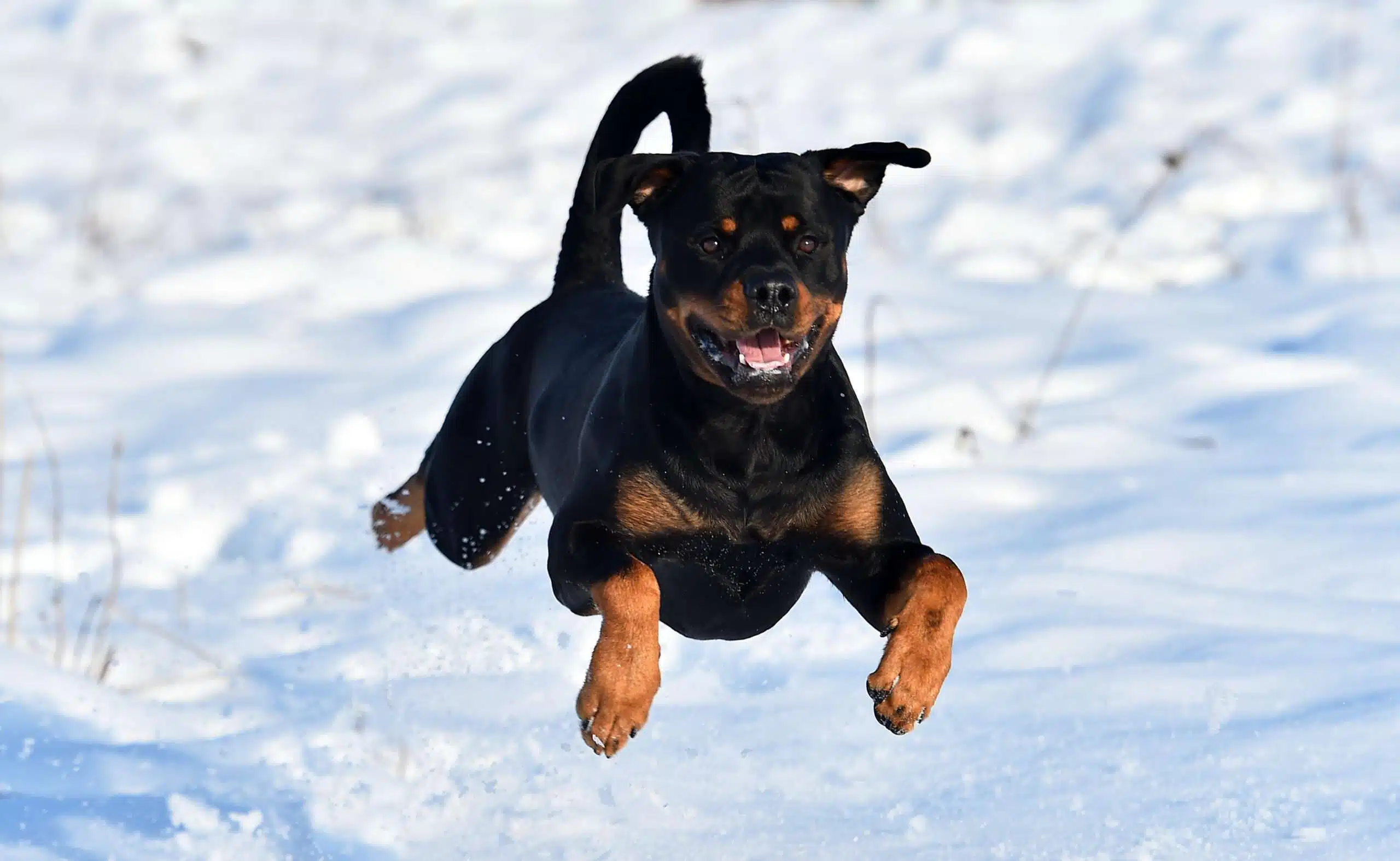
Exercise is essential for a healthy, well-behaved Rottweiler. Aim for at least 60 minutes of lead walking each day, and supplement with off-leash activities like swimming or pulling carts when safe and appropriate. Despite their solid build, Rottweilers are surprisingly athletic and benefit greatly from mentally stimulating tasks such as agility classes. Still, be cautious when introducing them to other dogs, as some Rottweilers tend to assert dominance or show territorial behavior. Proper training, supervision, and early exposure to other dogs can help mitigate these tendencies.
For those considering adding a Rottweiler puppy to the family, it’s important to work with reputable Rottweiler breeders who prioritize health, temperament, and adherence to breed standards. A responsibly bred Rottweiler is more likely to thrive in a family environment and grow into the calm, confident, and loyal companion the Rottweiler breed is known for.
The Ultimate Guide to Rottweiler Care and Training

Many dog owners feel confused about Rottweiler care. You may worry if your Rottweiler has enough exercise, the right food, and proper training. Sometimes it feels hard to balance their needs, especially if you hear stories about them as guard dogs or working dogs.
One important fact: the Rottweiler is one of the oldest surviving dog breeds. The breed began long ago with Roman legions traveling over mountains.
This guide will answer common questions about caring for a Rottweiler dog breed. It covers everything from health problems to behavior around children and other pets. You’ll also find tips on grooming their coats and keeping their diet balanced.
Ready to help your Rottweiler thrive? Keep reading for simple answers every pet parent needs!
Key Takeaways

- Rottweilers are an old breed with roots in Roman times and were recognized by the American Kennel Club in 1931.
- Common health problems include hip dysplasia, elbow dysplasia (38.1%), cranial cruciate ligament deficiency (8%), and cancer, which causes over 45% of deaths; their typical lifespan is about 9–10 years.
- Early socialization, consistent training using positive reinforcement, and at least 60 minutes of daily exercise help prevent problem behaviors and keep these strong dogs happy.
- Grooming is simple but important: brush weekly to manage shedding, bathe monthly, trim nails often, and watch for skin or dental issues that can affect quality of life.
- Feeding a balanced diet matched to age and size helps control weight—key to avoiding stress on joints—and regular vet visits catch health concerns early.
History and Origin of the Rottweiler

Ancient Roman Roots
The Rottweiler’s history can be traced back to the Roman Empire, where it is believed to have descended from ancient mastiff-type dogs known for their strength, endurance, and guarding instincts. These dogs accompanied Roman legions as they marched across Europe, helping to drive and guard herds of livestock that fed the troops. As the Roman Empire expanded, so did the use of these versatile drover dogs, which protected both the soldiers and their cattle from thieves and predators.
Development in the Town of Rottweil
After the collapse of the Roman Empire, many of these dogs remained in various regions of what is now Germany. In particular, they settled in the town of Rottweil, located in southern Germany in the state of Baden-Württemberg. During the Middle Ages, Rottweil became a prosperous cattle-trading center, and these strong dogs found new purpose assisting butchers and livestock merchants. They became known as Rottweiler Metzgerhunds, or “butcher’s dogs of Rottweil,” for their roles in herding cattle, pulling carts loaded with meat, and guarding money pouches tied around their necks.
The breed’s name, Rottweiler, directly stems from this town. These dogs were prized for their intelligence, stamina, and devotion to their handlers, traits that made them indispensable to butchers and drovers for centuries.
Decline and Revival

With the advent of railroads and mechanized transportation in the 19th century, the need for cattle-driving dogs diminished. The Rottweiler’s numbers began to decline rapidly, nearly pushing the breed toward extinction. However, enthusiasts and breeders recognized the breed’s working capabilities beyond herding. Rottweilers began to gain favor as guard dogs, police dogs, and military dogs.
The revival of the breed began in earnest in the early 20th century, particularly in Germany, where breed clubs were established. The Allgemeiner Deutscher Rottweiler-Klub (ADRK), founded in 1921, remains the primary Rottweiler club in Germany and is considered the authority on breed standards.
Read More: Understanding Dog Clubs
Introduction to the United States
Rottweilers were introduced to the United States in the early 20th century, but the breed didn’t gain widespread popularity until the 1970s and 1980s. Their strong build, protective nature, and trainability made them appealing for both family homes and professional service roles.
Today, the Rottweiler is a well-regarded working breed used in police work, search and rescue, therapy, and competitive obedience. Despite historical misconceptions about aggression, responsible breeding and proper training have helped reinforce the Rottweiler’s true character: loyal, confident, and courageous.
“The Rottweiler is confident and courageous yet makes a great family companion.”
Physical Characteristics of the Rottweiler

General Appearance
The Rottweiler is a large, robust, and powerful working dog with a muscular build and a confident, alert posture. Known for its strength and agility, the breed exudes a calm but imposing presence. The ideal Rottweiler appears well-balanced, not bulky or overly lean, with a harmonious blend of strength, endurance, and responsiveness.
Size and Proportions

Male Rottweilers typically stand between 24 and 27 inches tall at the shoulder, while females range from 22 to 25 inches. Adult males generally weigh between 95 and 135 pounds, with females slightly lighter at 80 to 100 pounds. Despite their size, Rottweilers are agile and capable of rapid movement, making them well-suited for both physical work and active lifestyles.
The breed’s body is slightly longer than it is tall, with a deep chest and a broad back that slopes gently toward a well-developed rear. This proportion contributes to the breed’s natural efficiency in movement and work.
Coat and Color

Rottweilers have a short, dense, and straight outer coat with an undercoat present mainly on the neck and thighs. The coat lies flat and is of medium length, offering protection in various climates without requiring excessive grooming.
The breed’s coat is always black with clearly defined rust to mahogany-colored markings. These markings appear in specific areas: above the eyes, on the cheeks, muzzle, chest, legs, and beneath the tail. The contrast between the black base and the rich tan accents gives the Rottweiler its iconic and distinguished appearance.
Head and Expression

The Rottweiler’s head is broad with a moderately arched forehead and a strong, well-developed muzzle. Its eyes are medium-sized, almond-shaped, and dark brown, projecting a calm, confident, and intelligent expression. The ears are medium-sized, triangular, and set high on the head, carried forward and flat when alert, which adds to the breed’s attentive and thoughtful demeanor.
The jaws are powerful with a strong scissor bite, and the neck is muscular, slightly arched, and blends smoothly into the shoulders. The Rottweiler’s expression is often described as self-assured and watchful, reflecting its natural guarding instincts and deep loyalty to its family.
Tail

Historically, Rottweilers often had docked tails, especially in the United States. However, many breed standards today, including those in Europe, call for a natural tail that is carried level with the topline when the dog is in motion. The natural tail is strong, thick at the base, and slightly curved, balancing the dog’s overall appearance.
Temperament and Behavior of the Rottweiler

Confident and Calm Demeanor
The Rottweiler is known for its self-assured, confident, and steady temperament. These dogs carry themselves with a calm strength and are not easily provoked. A well-bred and properly trained Rottweiler is even-tempered, observant, and unlikely to act impulsively. Instead, they take a watchful approach to their surroundings and only act when truly necessary.
Rottweilers form strong bonds with their families and thrive on companionship. While they can appear aloof or reserved around strangers, they are rarely shy or nervous when properly socialized. Their loyalty and protective instincts make them naturally suited for guarding roles, yet they are not aggressive by default—they require provocation or a real threat to respond defensively.
Protective but Discerning

Rottweilers are natural guardians, a trait that has been preserved from their heritage as both Roman herders and German butcher’s dogs. They are highly protective of their home and family, making them exceptional watchdogs. However, they are not indiscriminately aggressive. Instead, they assess situations carefully and only intervene when they perceive a real danger.
This protective nature should be managed through early socialization and consistent training to ensure they are well-adjusted in public and household settings. When properly raised, Rottweilers are polite but not overly friendly with strangers, maintaining a respectful distance while keeping alert.
Intelligent and Trainable

Highly intelligent and eager to work, Rottweilers excel in obedience training and structured tasks. They respond best to firm, fair, and consistent leadership. Training should be positive and reward-based, as heavy-handed methods can cause resistance or mistrust in the breed.
Rottweilers enjoy mental stimulation and physical challenges. They thrive in environments where they have clear jobs or roles—such as obedience work, agility, tracking, or protection sports. Without enough stimulation, they may become bored or destructive.
Their strong will and intelligence can sometimes be mistaken for stubbornness. However, with the right guidance, Rottweilers are responsive learners that enjoy pleasing their handler and working as part of a team.
Health Considerations

Hip dysplasia and elbow dysplasia affect many Rottweilers, with elbow dysplasia present in 38.1 percent of the breed. Some also develop cranial cruciate ligament deficiency, found in over 8 percent of them.
Heart problems can arise as well, so you should schedule regular check-ups with a trusted veterinarian or veterinary cardiologist.
Cancer causes more than 45 percent of Rottweiler deaths and is their leading killer. Many live for only eight to nine years on average, which is shorter than the lifespan seen in certain breeds.
Skin conditions like acral lick dermatitis and malignant histiocytic sarcoma often appear too. Watch your dog’s weight, monitor the condition of your dog’s coat for changes linked to health issues, and keep up with routine care as your pet ages.
Next comes practical training considerations that help support a healthy life for your Rottweiler.
Common Concerns
Rottweilers can face several health concerns that all owners should know. Proper care and routine checkups help keep your dog healthy as it grows.
- Bone cancer often affects Rottweilers, especially in their middle age. Watch for any sudden limp or swelling in your dog’s legs since this may signal a problem.
- Many Rottweilers experience joint pain due to hip or elbow issues as they get older. Keep an eye on your dog’s weight to reduce stress on its joints.
- Obesity shortens a dog’s lifespan and can cause diabetes or heart issues. Feed a balanced dog’s diet and avoid giving too many treats to control weight.
- Some Rottweiler coats tend to shed loose hair year-round, which can trigger allergies in sensitive family members. Regular brushing removes dead fur and keeps the coat healthy.
- Large breeds like Rottweilers sometimes suffer from bloat, also called gastric torsion, which is life-threatening without fast treatment. Feed two small meals per day instead of one large serving to help reduce risk.
- Heart problems may occur with age or due to genetics in some lines. Schedule yearly vet exams so early signs of any issue do not get missed.
- Skin allergies are common because of their thick rottweiler’s coat and skin folds near the neck or paws that may collect moisture over time.
- Dental disease develops quickly if plaque builds up on teeth, leading to pain or infection as your dog ages.
- Some rottweiler personality traits include stubbornness, so start rottweiler training at a young age for safer interactions with other pets and children.
- Long haired types might need extra grooming attention to prevent mats and maintain good coat health.
Regular vet visits and observation will help you catch health concerns before they become bigger problems for your pet’s quality of life.
Lifespan

A Rottweiler’s average lifespan ranges from 9 to 10 years. A recent study in the UK published in 2024 found the life expectancy for Rottweilers reached up to 10.6 years, while a similar Italian study reported an average of around 9 years.
Responsible breeding practices can help improve how long your dog lives and supports better health as your dog ages. Regular vet visits, a balanced dog’s diet, and daily exercise play key roles in keeping your Rottweiler healthy through every stage of its life.
Long haired Rottweilers share similar lifespans with standard-coated dogs when cared for properly. While each dog’s age may vary due to genetics or lifestyle choices, you can help extend your pet’s quality of life by sticking to scheduled checkups and smart feeding choices.
Knowing these facts helps set realistic expectations before selecting training tips for this loyal breed.
Training Considerations

Start training Rottweilers early to help them grow into well-behaved companions. The first months of a dog’s age matter most, with socialization at dog parks and daily walks shaping their trust around people and other animals.
Use positive reinforcement like treats or praise; this works better than harsh corrections for teaching commands such as sit, stay, come, and down. These basics keep your Rottweiler safe on walks or in busy places.
Training sessions go best when you set a daily routine since Rottweilers respond well to clear expectations from their owners. Give mental challenges through puzzle toys or simple games to prevent boredom that can lead to unwanted behavior.
Keep exercise consistent for both body and mind—this breed thrives when working off energy outside with its owner, not just in the yard but exploring new spaces safely on leash. Consistent practice helps even butcher’s dogs learn what is good behavior and fit right into family life without becoming dangerous pets.
Exercise and Socialization

Rottweilers thrive on activity and positive experiences with people and animals. A good routine boosts their happiness and health.
- Rottweilers need at least 60 minutes of daily exercise for proper growth, health, and behavior.
- Activities like walking, swimming, and dog sports help keep a Rottweiler’s mind and body sharp.
- Regular activity prevents boredom, which lowers the risk of destructive acts in your home.
- Early socialization teaches Rottweilers to feel calm and friendly around strangers, children, and small dogs.
- Puppy training classes offer safe ways to meet other pets and learn basic manners.
- Dog owners who use positive reinforcement coaching see better results in a Rottweiler’s listening skills.
- Exposing your dog to different settings helps reduce stress in new surroundings.
- Social outings such as visits to the park give your butcher’s dog practice with friendly greetings.
- Consistent exercise routines support muscle growth and help trim a rottweiler’s coat by lowering loose hair from stress-shedding.
- Engaging your Rottweiler with puzzle toys or scent games builds intelligence while adding fun to learning commands related to safety or the dog’s tail movement.
Read More: Puppy Socialization Checklist
Living with a Rottweiler

Living with a Rottweiler requires consistency and commitment. These large dogs thrive in homes that provide structure, space, and plenty of attention. Daily routines should include at least 60 minutes of exercise to keep both body and mind healthy.
A fenced yard helps, but supervised play remains key for safety.
Children usually find rottweilers good companions when adults guide their interactions. Early socialization with people and other animals can prevent problems like aggression or fearfulness.
Supervision stays important around smaller pets since strong herding instincts may show up. Understanding the rottweiler’s needs leads to better training results—the next topic explains effective grooming habits for your butcher’s dog’s coat and hygiene care routines.
Best Environment

Rottweilers thrive in homes that offer a spacious yard where they can exercise daily. These dogs require regular physical activity, such as long walks and playtime, to manage their energy levels.
Early socialization shapes positive behavior and lowers the risk of rottweilers becoming dangerous or aggressive.
Consistent training builds confidence and helps set clear boundaries for your dog’s age group. Rottweilers need companionship; leaving them alone for hours increases stress and leads to unwanted behaviors.
Families with older children provide a safer match since younger kids may not handle these strong dogs safely. A structured routine keeps your rottweiler content while supporting good habits inside the home.
Behavior towards Children

A family’s living space can shape a Rottweiler’s personality, but their behavior with children depends greatly on supervision and early socialization. These dogs display strong protective instincts and loyalty, making them reliable playmates for families.
Rated a 3 out of 5 in temperament around young children, they often enjoy playing or relaxing close to kids when an adult is present.
Rottweilers show affection through gentle physical closeness yet need proper training from puppyhood to prevent aggressive or unruly actions as they age. A reputable breeder introduces puppies to new sights and sounds early.
This helps reduce risk factors sometimes linked with rottweilers considered dangerous without guidance. Supervision remains key because tolerance can vary between individual dogs and situations involving kids’ unpredictable behavior.
Early consistent training channels these confident companions into safe protectors instead of overreactive watchdogs within the home environment.
Behavior towards other Pets

Rottweilers can act territorial around other pets, especially dogs they do not know. Many rottweilers show natural guarding instincts that may look like aggression or dominance. Male rottweilers often display higher confidence and protective drives, which can cause conflict with other male dogs in the home or neighborhood.
Supervision during introductions is a must to prevent problems.
Socialization and training play a big role in helping rottweilers behave well with cats, smaller pets, or livestock. Early and positive exposure lowers the chance of chasing or aggressive behavior.
Owners should watch their dog’s body language for warning signs such as stiff posture or intense staring. Keeping your pet safe means managing each meeting with care until everyone gets along peacefully.
Grooming Needs

A Rottweiler’s coat is short, dense, and coarse. It feels smooth but sheds heavily twice a year, especially in spring and fall. Brush your dog weekly with a bristle or slicker brush.
This helps cut down shedding and keeps the rottweiler’s coat healthy. During heavy shedding season, increase brushing to two or three times per week.
Keep baths to once a month unless they get very dirty. Clean their ears regularly and trim nails every few weeks using pet nail clippers or a Dremel tool. Pay close attention to dental care by brushing your rottweiler’s teeth with dog-safe toothpaste at least twice a week.
Their undercoat on the neck and thighs needs extra attention during grooming sessions since it can trap dirt.
Regular vet check-ups can help spot skin problems like acral lick dermatitis early. These basic steps keep their appearance sharp without much trouble compared to some other breeds—just right for busy owners who want easy routines for their dog’s age or activity level.
Nutrition and Feeding

Grooming keeps a Rottweiler’s coat healthy, while proper nutrition supports your dog’s weight and joint health. Rottweilers need a high-quality diet that matches their age and activity level.
Puppies require more calories for growth than older dogs. Senior dogs benefit from diets lower in fat to help manage weight.
Feed your Rottweiler at the same times each day to set clear behavior expectations. Consult with your veterinarian before starting any new food or supplement routine, especially since large breeds like rottweilers often face hip and elbow dysplasia risks.
Monitor portions closely because overeating can lead to extra weight, which stresses the joints even more. Choose foods rich in omega-3 fatty acids for cognitive support as well as joint maintenance.
Healthy eating habits combined with regular feeding schedules help maintain energy levels, mental sharpness, and wellness throughout your rottweiler’s life cycle.
Where to find a Rottweiler

Local breeders serve as one of the main sources for finding Rottweiler puppies. Many breeders advertise their dogs online or through puppy finding resources. The American Kennel Club (AKC) offers a breeder search tool, which allows you to find AKC-registered Rottweilers in your area.
This ensures the dog’s age and health records are easy to verify.
Contact breed referral services if you need help connecting with reputable breeders. These groups can give names and contact info for trusted sources, helping you avoid places that may not put the dog’s welfare first.
Always visit the kennel in person and ask about each Rottweiler’s coat condition, socialization practices, and medical history before making a decision.
Dog Breeds Similar to the Rottweiler

Many dog owners find themselves drawn to the Rottweiler’s loyalty, strength, and trainability. If you appreciate these traits but want to explore similar breeds, this table breaks down key comparisons.
| Breed | Similarities to Rottweiler | Key Differences | Ideal Owner |
|---|---|---|---|
| Doberman Pinscher |
|
|
|
| Boxer |
|
|
|
| German Shepherd |
|
|
|
| Bullmastiff |
|
|
|
Reviewing these breeds can help you decide what fits your lifestyle and needs. Next up, learn more about proper grooming for Rottweilers.
Conclusion

Caring for a Rottweiler means giving your dog proper training, the right food, regular exercise, and lots of attention. You learned about their history, unique personality, health risks like hip dysplasia and heart problems, as well as grooming needs for the Rottweiler’s coat.
These tips make daily care simple and help you avoid problems before they start. Do you feel ready to check your routine or ask a vet about your own dog’s age or health? Strong routines help owners raise happy rottweilers who enjoy time with children and other pets.
Check out guides from the American Kennel Club or connect with local breed groups to learn more ways to support your Rottweiler—your effort today can lead to years of friendship tomorrow!
FAQs

1. Are Rottweilers dangerous dogs?
Rottweilers often get labeled as dangerous, but this is a myth. With proper training and socialization from a young age, Rottweiler dogs become loyal and calm companions.
2. What should I know about caring for my Rottweiler’s coat?
A Rottweiler’s coat needs regular brushing to stay healthy and shiny. This breed sheds moderately throughout the year, so weekly grooming helps control loose hair.
3. Why were Rottweilers originally bred?
This breed was originally bred as working animals in Germany to herd cattle and pull carts for butchers. Their strength and intelligence make them excellent service dogs today.
4. Does my dog’s age affect how I care for its tail?
Yes, your dog’s age can change tail care needs. Puppies may need gentle handling while older rottweilers might need more attention if arthritis or injury affects their tails’ movement or health.
- Furlyfe Rank See Rank
- Group AKC Working
- Origin Germany
- Size Large, Giant
- Weight 95 to 130 pounds
- Coat Length Short
- Coat Type Smooth
- Colors Black & Mahogany,Black & Rust,Black & Tan
- Other Names Rottie, Rott
- Temperament Alert,Courageous,Fearless,Good-natured,Independent,Intelligent,Loyal,Protective