



Rhodesian Ridgeback

Click Image to see Gallery

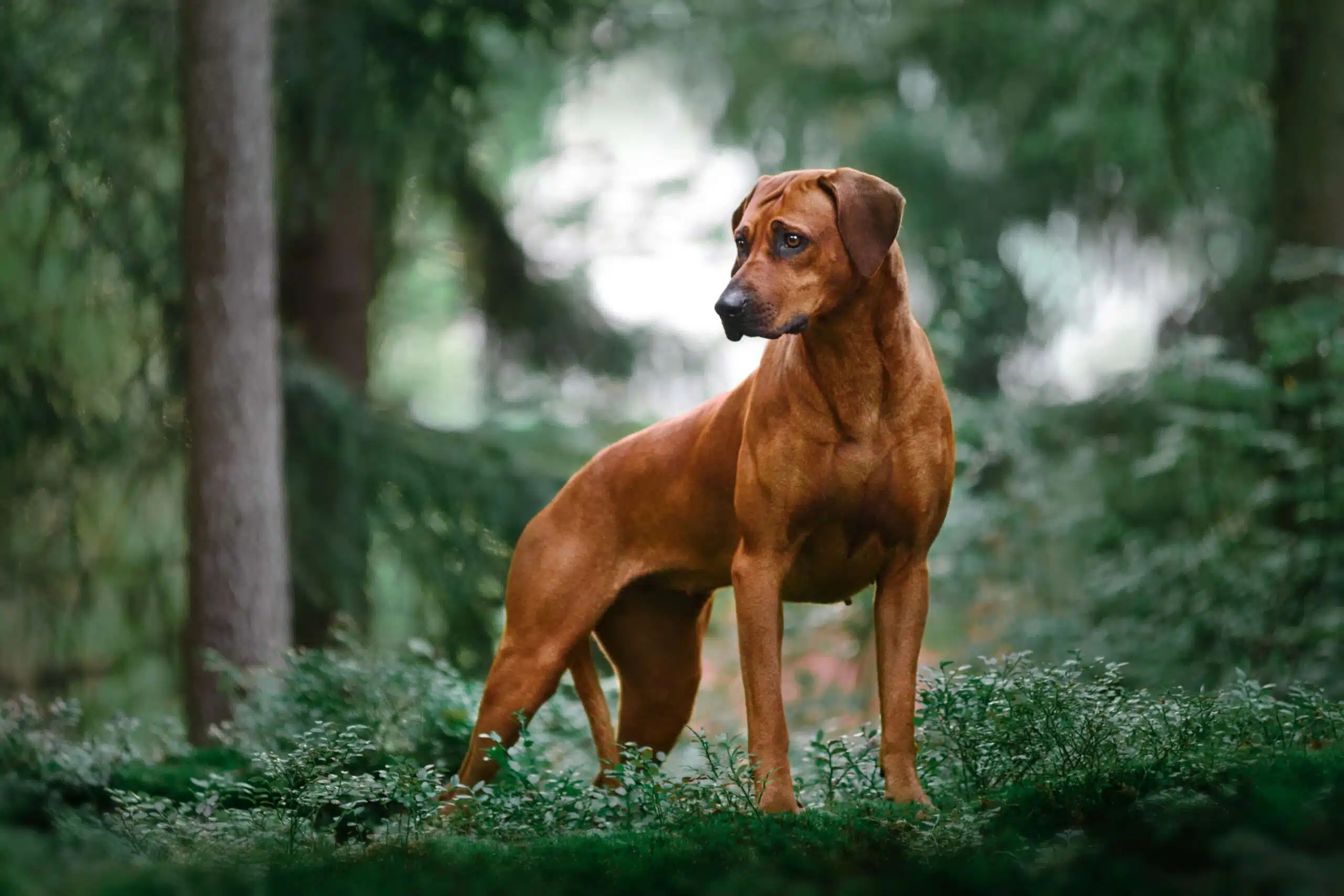
The Rhodesian Ridgeback, often referred to as the African Lion Hound, is a striking breed with a rich and rugged heritage. Originally bred by European settlers in southern Africa, this powerful hunting dog was developed by crossing local Khoikhoi dogs with various European dog breeds.

The goal was to create a resilient, intelligent, and courageous dog capable of handling the extreme African climate and terrain. The result was a large, muscular dog known not only for its strength and endurance but also for the unique ridge of hair running along its back—an unmistakable feature inherited from native dogs.

This breed quickly earned a reputation for its ability to hunt lions and other large game, working alongside hunters across the open plains. Though they didn’t attack lions directly, these dogs would track, corner, and distract the animals until the hunter arrived. Their bravery, speed, and sharp instincts made them ideal African lion hounds and one of the most dependable hunting dog breeds ever developed in the region.

As an adult dog, the Rhodesian Ridgeback can weigh up to 100 pounds and possesses a dignified, athletic build. While originally bred for hunting, the Ridgeback also excels as a guard dog. Instead of barking at every passerby, this breed tends to watch silently and will instinctively place itself between its family and any potential threat. This makes the Ridgeback a calm yet highly effective protector in the home.

Despite their strength and hunting background, Ridgebacks are surprisingly well-mannered around the house. They enjoy moderate exercise and benefit from activities like running, hiking, or even participating in dog sports. When taken to the dog park, they are usually social with familiar dogs but may remain aloof or dominant around strangers—especially other large breeds. Early socialization is key to ensuring their interactions stay positive and controlled.

The Rhodesian Ridgeback is a loyal and intelligent companion, but training must begin early. Their independent streak can be traced back to the European dogs used in their development, which included breeds known for working autonomously in tough environments. Though they are fast learners, Ridgebacks often challenge commands if they sense inconsistency or lack of leadership. Positive reinforcement and structured routines work best to bring out their full potential.

Grooming needs are minimal thanks to their short, sleek coats, which range from light tan to red wheaten. Weekly brushing, regular nail trims, and occasional baths are generally all that’s required. Their appearance is as low-maintenance as their temperament is noble.

Finally, the Ridgeback’s love of food is nearly legendary. These dogs will eat just about anything offered to them, and without careful portion control, weight gain becomes a concern. Owners should be vigilant about diet and exercise to keep this athletic breed in prime condition.

The Rhodesian Ridgeback remains one of the most respected African breeds in the world. From its roots as a lion-tracking hunter to its role today as a loyal family companion and impressive guard dog, this breed continues to embody a unique blend of power, loyalty, and intelligence not often found in other European dog breeds or modern companions.

Rhodesian Ridgeback: History, Characteristics, And Care Guide

An infographic of the Rhodesian Ridgeback

Are you searching for a loyal companion but worry about picking the right dog breed? Many people wonder if the Rhodesian Ridgeback fits into their busy, family-focused life. Some pet parents worry about finding a healthy puppy or managing such an active dog while balancing work and home.

The Rhodesian Ridgeback is famous for its unique ridge of hair down its back and its history as the African Lion Hound. The American Kennel Club recognizes this impressive dog as part of the Hound Group.

This guide will cover what makes this breed special, including its history, physical traits, temperament, health needs, exercise routine, training style, grooming tips, diet advice, and where to find one.

You will learn how to care for your new best friend at every stage of your dog’s age.

Find out why many consider the Rhodesian Ridgeback one of the best athletic dogs today!

Key Takeaways


  • The Rhodesian Ridgeback started in Southern Africa and was bred to hunt big game, including lions. The American Kennel Club recognized the breed in 1955.
  • These dogs stand 24–27 inches tall and weigh between 70–85 pounds. They are athletic, have a short coat, and feature a unique ridge of hair along their back.
  • Health issues include hip dysplasia, thyroid problems, dermoid sinuses (affecting up to 10% of the breed), bloat, degenerative myelopathy, and cancer. Responsible breeders use health screenings before selling puppies.
  • Ridgebacks need at least one hour of daily exercise and early socialization for good behavior with children and other pets. Positive training works best due to their independent nature.
  • Grooming is easy with weekly brushing. Their lifespan averages about 12 years when owners provide proper care, regular vet visits, healthy food, and structured routines.

History and Origin of the Rhodesian Ridgeback

An historical image of a Rhodesian Ridgeback with an African landscape in the bacground

Indigenous Roots and African Development

The Rhodesian Ridgeback traces its lineage to southern Africa, where early European settlers crossed their imported breeds with local African dogs. Among the most influential of these native canines was the Khoikhoi dog, kept by the indigenous Khoikhoi people of the Cape of Good Hope. These dogs were notable for a distinctive strip of backward-growing hair along their spine—the “ridge” that defines the modern breed.

European colonists in the 16th and 17th centuries began blending these indigenous dogs with various breeds brought from Europe, including Great Danes, Greyhounds, Bloodhounds, and possibly Mastiffs and Terriers. The result was a tough, intelligent, and resilient dog that could thrive in the rugged African bush.

The Lion Hunter of Rhodesia

An historical image of the African Lion Hound showing a hunter and a Lion on the background

By the late 19th century, the breed had become prominent in what was then Southern Rhodesia (modern-day Zimbabwe). It was here that the dog earned its reputation as the “African Lion Hound.” Big game hunters, including the famous Cornelius van Rooyen, selectively bred these dogs for their courage, stamina, and ability to keep lions at bay without engaging in direct combat. Rather than killing, these dogs would corner or distract lions long enough for hunters to take aim.

Their ability to track and hold large, dangerous game while remaining agile and hardy in a harsh climate made them indispensable to hunters throughout the region.

Standardization and Global Recognition

A Rhodesian Ridgeback standing on a trail with a blurred background

The breed remained largely regional until the 1920s, when efforts were made to standardize it. In 1922, a group of Rhodesian breeders established a breed standard in Bulawayo, modeled closely after the Dalmatian, but adapted for the unique traits of the Ridgeback.

In 1955, the American Kennel Club (AKC) officially recognized the Rhodesian Ridgeback, which sparked greater global interest. Over time, they became valued not only as hunters but also as loyal family companions and show dogs.

Read More: Understanding Dog Clubs

Legacy and Cultural Impact

Despite its relatively recent formal recognition, the Rhodesian Ridgeback is deeply rooted in centuries of African dog history. The breed’s iconic ridge, a hallmark of its Khoikhoi ancestry, remains a genetic and visual link to its earliest beginnings.

Today, the Ridgeback stands as a symbol of strength, endurance, and nobility—qualities forged in the wilds of southern Africa and celebrated by dog lovers around the world.

Physical Characteristics of the Rhodesian Ridgeback

A running Rhodesian Ridgeback highlighting its muscular build

Size and Build

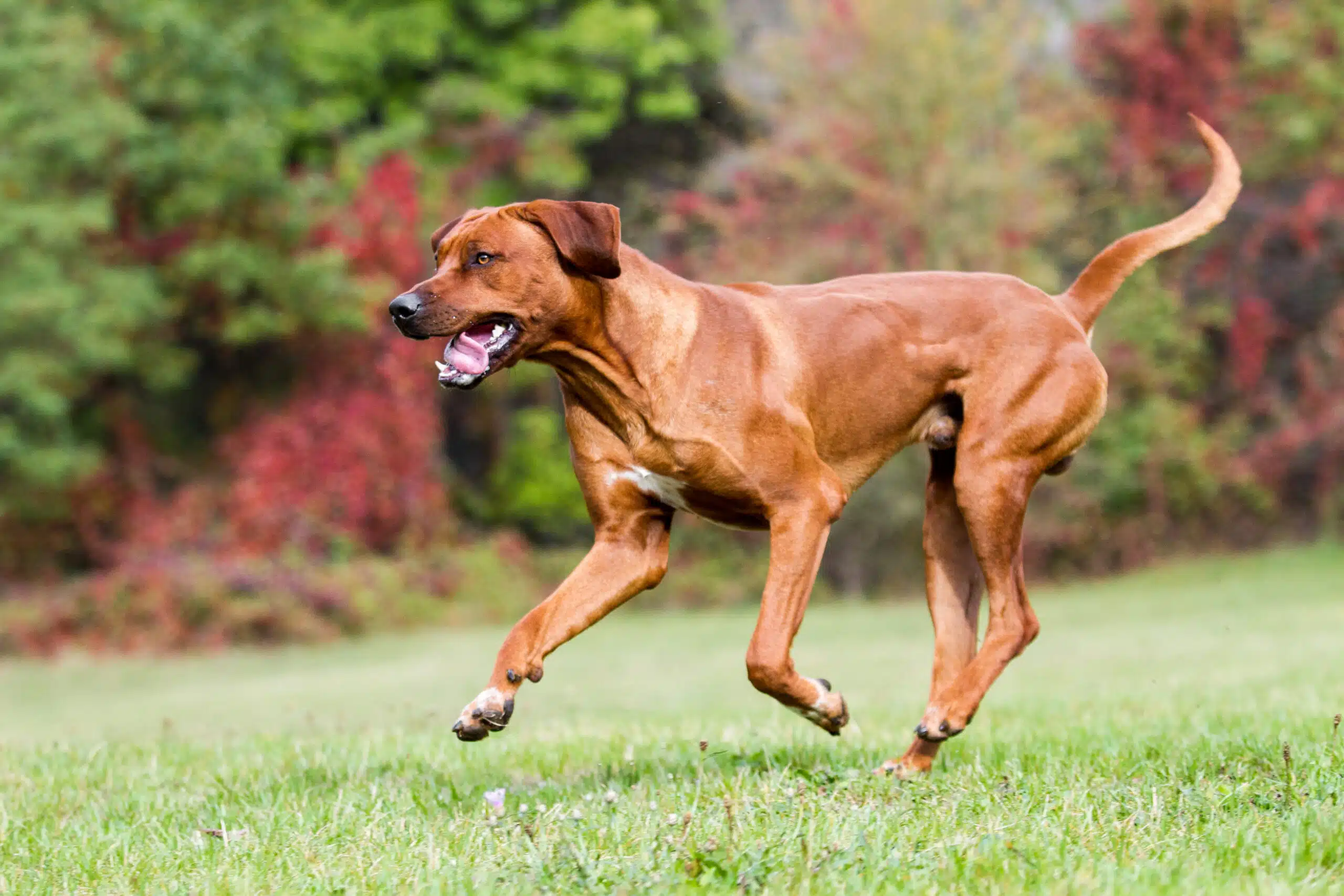
The Rhodesian Ridgeback is a large, athletic breed known for its powerful, symmetrical build. Males typically stand between 25 to 27 inches tall at the shoulder and weigh 85 pounds, while females measure slightly smaller at 24 to 26 inches and weigh around 70 pounds. The body is muscular without appearing bulky, built for both speed and endurance, with a deep chest and a slightly arched loin.

Their movement is fluid and efficient, showing off their heritage as tireless hunters of African plains. Ridgebacks have a distinctive, confident gait with good reach and drive.

The Distinctive Ridge

Three Rhodesian Ridgebacks showing their distinct feature against a black backdrop

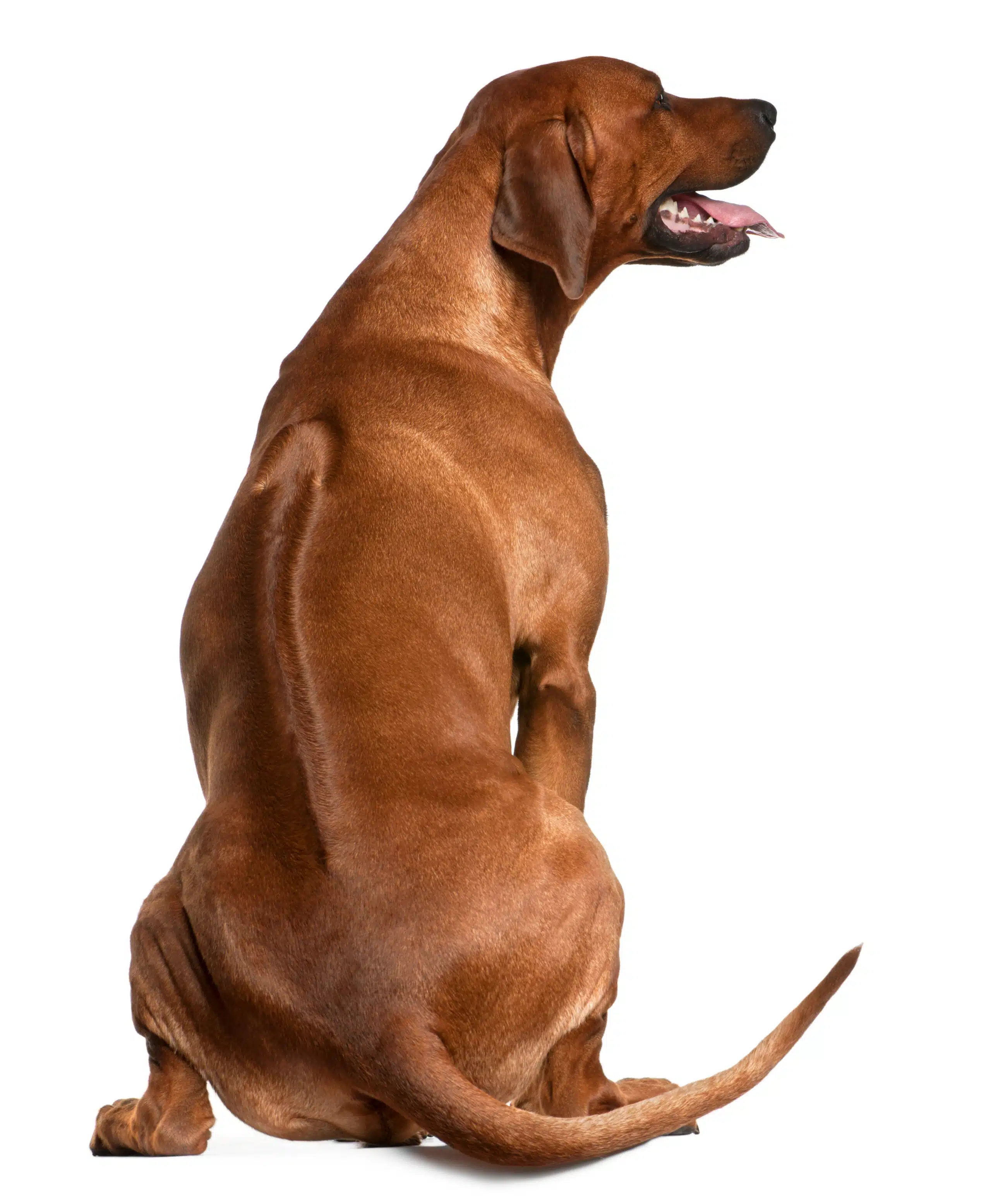
The breed’s most iconic feature is the ridge of hair running along its spine. This ridge grows in the opposite direction from the rest of the coat and is formed by a strip of hair that begins just behind the shoulders and tapers down to a point near the hips. Ideally, the ridge is symmetrical with two identical crowns (whorls) opposite each other near the top. The presence and quality of this ridge are essential for show dogs, though Ridgebacks without ridges—while not eligible for conformation shows—are otherwise healthy and make excellent companions.

Coat and Color

An infographic of the Rhodesian Ridgeback showing off its coat colors

Rhodesian Ridgebacks have a short, dense coat that lies flat and is smooth to the touch. It requires minimal grooming and is well-suited for warm climates. The breed standard accepts a color range from light wheaten to red wheaten. Some dogs may have a small amount of white on the chest and toes, which is permissible, though excessive white or black hair is discouraged.

A black mask may appear on some individuals, and while not a fault, it is not particularly preferred in the show ring.

Head and Facial Features

A close up faceview of the Rhodesian Ridgeback highlighting its expressive features

The breed’s head is strong and balanced, with a flat skull, moderate stop, and long, deep muzzle. The nose is typically black or brown, correlating with coat pigmentation. Eyes are round and set moderately apart, usually in a color that harmonizes with the coat—dark eyes for darker coats, amber for lighter shades.

Ears are set high, medium-sized, and carried close to the head with a slight forward curve, adding to their alert and intelligent expression.

Tail and Overall Appearance

A Ridgeback standing by a lake

The Ridgeback’s tail is strong at the base, tapering toward the tip, and carried in a gentle curve without curling over the back. It adds to the dog’s balanced silhouette and reflects the breed’s dignified and poised demeanor.

In full stance, the Rhodesian Ridgeback gives an impression of grace, agility, and controlled power—a dog bred for both endurance and presence.

Temperament and Behavior

A smiling Ridgeback looking cute

Rhodesian Ridgebacks show a dignified and affectionate side at home. Most dogs from this breed bond deeply with their family members. They stay loyal and protective but often act reserved around strangers.

This independent nature means consistent training must start at a young age, making the breed less suited for inexperienced dog owners or first time dog owners. Early socialization helps prevent shyness or overprotectiveness.

Rhodesian Ridgeback requires moderate daily physical exercise and regular mental stimulation to remain calm in the house. The high energy breed thrives best in active households, especially with older children because of its size and strength.

Positive reinforcement works well during obedience training since most dogs respond better when treated gently rather than harshly corrected. Responsible breeders within the Rhodesian Ridgeback Club screen puppies for any health issues that can affect temperament, such as hip or elbow dysplasia affecting movement and behavior long-term.

Health Considerations

An older RIdgeback awaiting a treat from his owner

Hip dysplasia is a common problem in breed Rhodesian Ridgebacks. This joint issue can limit movement and cause pain as dogs age. Autoimmune thyroiditis, which affects hormone balance, shows up in some Ridgebacks.

Eye diseases such as juvenile cataracts and progressive retinal atrophy also occur in this breed.

Responsible breeders screen for hip and elbow dysplasia, thyroid issues, and eye anomalies before selling puppies. The average lifespan of these dogs is around 12 years with proper care.

Separation anxiety develops if left alone for long periods, so owners should consider their schedules carefully before adopting Rhodesian Ridgebacks or other breeds with similar needs.

Common Concerns

A Ridgeback puppy laying on a couch

Rhodesian Ridgebacks are strong dogs, but they face a few health issues. Dog owners should know about these common concerns to keep their pets safe and happy.

  1. Hip and elbow dysplasia affects many large breeds, including Ridgebacks. Breeders use health screenings to lower the risk in puppies. Owners can support joint health with proper exercise and a balanced diet.
  2. Hypothyroidism sometimes causes weight gain, dull coat, or low energy in this breed. Regular blood tests help catch thyroid problems early for easy management with medication.
  3. About 5% to 10% of Rhodesian Ridgebacks get dermoid sinuses, a skin defect that needs early surgery. Responsible breeders check puppies for this issue before adoption.
  4. Degenerative myelopathy is a genetic nerve disease seen in some Ridgebacks as they age. DNA testing helps detect the mutation so breeders can avoid passing it on.
  5. Gastric dilatation volvulus (bloat) is a sudden and dangerous problem in larger dogs like the Ridgeback. Fast medical attention saves lives if you spot signs like a swollen belly or unproductive vomiting.
  6. Cancers such as mast cell tumors or lymphoma can affect older Ridgebacks more often than small dogs or other breeds of similar size.
  7. Eye anomalies appear less often but should be checked during routine vet visits as part of regular care.
  8. Joint problems sometimes show up if the dog’s weight gets too high, so feeding an appropriate diet helps reduce strain on hips and elbows.
  9. Some medications and flea preventives cause allergic reactions; always talk with your veterinarian before starting new treatments for your pet.

Early detection, responsible breeding practices, and preventive veterinary care help Rhodesian Ridgeback owners give their pets long, healthy lives with minimal stress for both the dog and its family members—humans and other animals alike.

Lifespan

A mother and her liter of Ridgeback puppies

Most Rhodesian Ridgebacks live between 10 and 12 years. Studies in the UK show an average lifespan of about 12 years for this breed. Dogs with proper care, a healthy diet, and sufficient exercise can sometimes reach the higher end of that range.

Health issues like hip dysplasia, hypothyroidism, and dermoid sinus may affect how long your dog lives. Responsible breeders often screen puppies early to help lower these risks. Choosing a breeder who follows health screening guidelines can improve your chances of having a Ridgeback that enjoys a full life at any weight or color from light wheaten to red.

Training Considerations

A Ridgeback chewing a stuffed animal in a living room

Rhodesian Ridgebacks need consistent, early training to shape good behavior. Early socialization prevents issues with other pets and small animals.

  1. Start training at an early age to encourage positive habits and prevent problem behaviors.
  2. Use positive reinforcement techniques, such as treats or praise, instead of harsh corrections.
  3. Socialize your puppy with other dogs, people, and new situations daily to build confidence.
  4. Introduce your Ridgeback to other pets gradually for best results in multi-pet homes.
  5. Attend obedience classes for structure and support if you have trouble at home.
  6. Practice short, frequent sessions since this breed can get bored easily.
  7. Keep commands clear and consistent so your dog learns your expectations.
  8. Avoid leaving your Ridgeback alone for long periods as isolation may lead to separation anxiety.
  9. Work on leash manners early because Rhodesian Ridgebacks have a strong prey drive toward small animals.
  10. Reward calm interaction around children or other dogs in supervised settings for better social skills.
  11. Make training part of playtime, using games that challenge both mind and body to prevent boredom-related issues like chewing or barking.
  12. Teach basic commands such as “sit,” “stay,” and “come” before moving on to advanced tricks; these basics are crucial for safety during off-leash activities in secure areas since the breed is not always easy to train without motivation.
  13. Use high-value rewards when teaching difficult behaviors or during distractions outdoors; food treats often work well due to their responsiveness but avoid overfeeding to manage the dog’s weight effectively.

Exercise and Socialization

A Ridgeback on a leash ready for a walk

Rhodesian Ridgebacks need daily physical activity to stay healthy and happy. Proper socialization helps prevent anxiety and poor behavior.

  • Plan at least one hour of exercise each day, such as long walks, jogging, or fetch in a secure yard.
  • Engage your dog in canine sports like agility or tracking to channel their energy and intelligence.
  • Active households offer the best environment due to this breed’s high energy level.
  • Apartment living is possible with ample exercise but often works better if you have access to open spaces.
  • Socialize puppies early by introducing them to different people, other dogs, and pets in safe settings.
  • Consistent positive experiences help adult dogs become confident and less likely to develop fears or aggression.
  • Structured playtime also reduces the chance of separation anxiety when left alone for short periods.
  • Training classes can provide social skills and teach good manners around children and unfamiliar animals.
  • Keep in mind that their large size means supervised play is safest for young children and smaller pets.
  • Regular mental stimulation keeps your dog engaged; puzzle toys or hide-and-seek games work well.

Read More: Puppy Socialization Checklist

Living with a Rhodesian Ridgeback

A Ridgeback in a downward dog pose

A Rhodesian Ridgeback thrives in active environments with plenty of space to roam. Families who enjoy hiking, jogging, or long walks make a good match for this breed. Daily exercise helps manage the dog’s weight and keeps boredom away.

Regular playtime also strengthens your bond and reduces unwanted behaviors.

Ridgebacks display affectionate loyalty to their families but may act reserved around strangers. Socializing them early ensures they behave well near children and other animals. Use positive reinforcement techniques since Ridgebacks are easily trained when motivated with treats or praise.

The best dog environments offer clear routines, secure fencing, and activities that challenge both mind and body.

Best Environment

A red Rhodesian Ridgeback laying in a large backyard

This breed thrives in homes with large yards and active families. Daily runs or play sessions help manage the dog’s weight and energy. Close contact with its people keeps this dog happy, but long periods alone can lead to separation anxiety.

Apartment living does not suit this breed unless owners commit to intense exercise routines.

Early training and making sure they are socialized properly reduces problems caused by their strong prey drive and independent streak. The best environment offers both mental challenges and opportunities for physical activity each day.

Families willing to provide attention, structure, and space create a healthy home for this loyal companion.

Behavior towards Children

A Rhodesian Ridgeback, known for its athleticism and distinctive ridge of hair along its back, is playfully interacting with an older child in a spacious backyard, showcasing the breed's friendly and energetic nature. The scene captures the joyful bond between the active dog and the child, highlighting the importance of socialization and play in the lives of both pets and their owners.

A busy home suits the Rhodesian Ridgeback, especially one filled with play and activity. Moving from best environment to their interaction with young family members, Ridgebacks often show patience and tolerance around children.

Their loyal and protective nature helps make them a popular choice for families.

Supervision remains important at all times due to their strong build and high energy levels. Families with older kids tend to experience better results. Early socialization sessions set the stage for positive encounters, while consistent training curbs unintentional roughness during playtime.

Many owners adopt from a local shelter where pups may have basic manners or social skills started already. With plenty of exercise and structured routines, Ridgebacks thrive in homes that encourage healthy engagement between dog and child.

Behavior towards other Pets

A Ridgeback and another dog breed outside in a dog park

After discussing their gentle nature with children, it is important to consider how Rhodesian Ridgebacks react around other pets. These dogs usually get along with fellow canines, especially after calm and supervised introductions.

Their protective instincts may make them act standoffish at first, but proper socialization helps build trust.

Rhodesian Ridgebacks have a strong prey drive rooted in their heritage as hunting dogs from southern Africa. This instinct means smaller pets like cats or rabbits require extra caution during interactions.

Early training sets the stage for peaceful coexistence. They adjust best in active homes that provide plenty of exercise, which reduces boredom and curbs unwanted chasing or rough play.

Setting clear boundaries with other animals helps everyone live together safely under one roof.

Grooming Needs

A happy Ridgeback awaiting the groomers

Grooming a Rhodesian Ridgeback takes little time thanks to its short, smooth fur. Weekly brushing with a soft bristle brush helps control regular shedding and keeps the coat shiny.

Occasional baths will keep your dog clean without drying out the skin.

Use nail grinders instead of clippers for safe and easy nail trimming every few weeks. This method helps prevent split nails and discomfort for your Ridgeback. Regular care supports strong hygiene and a healthy appearance in this breed.

Nutrition and Feeding

A Rhodesian Ridgeback, known for its distinctive ridge of hair along its back, is happily eating high nutrition dog food from a bowl, showcasing its athletic build and healthy appetite. This breed, originally bred to hunt lions in Africa, requires regular exercise and proper training to thrive as a loyal companion.

A healthy coat starts with good nutrition, just like proper brushing and bathing do. High-quality dog food helps your Rhodesian Ridgeback thrive at every age. Choose a commercial brand you trust or prepare meals at home under a veterinarian’s guidance to make sure it meets the dog’s needs.

Feed puppies, adults, and seniors food that matches their life stage for balanced growth and health. Fresh water should always be within reach. Keep an eye on “counter surfing,” as these dogs love to sneak extra treats or food when they can.

Overeating may lead to weight gain, so stick to regular meal times instead of allowing free feeding throughout the day.

Where to find a Rhodesian Ridgeback

Two puppy Ridgebacks laying in green grass

Start your search by checking breeders who register with the American Kennel Club. The AKC keeps a list of reputable sources in their Hound Group section. Many responsible breeders focus on health, temperament, and standard features like the breed’s unique ridge of hair along its back.

Ask to see official health clearances for issues such as hip dysplasia or autoimmune thyroiditis.

Visit regional Rhodesian Ridgeback clubs or rescue groups across the United States. These organizations often have adult dogs and puppies in need of new homes. Animal shelters sometimes get purebred Ridgebacks too, especially after changes in family situations.

Use resources like Petfinder to locate available dogs near you before making a decision.

Dog Breeds Similar

pet, dogs, boerboel, tongue, boerboel, boerboel, boerboel, boerboel, boerboel thai ridgeback, ridgeback, thai ridgeback dog, young dog, black dog, cute dog, pet, animal, dog, domestic animal, cute dog, puppy, muzzle, animal, sweet, eyes, tenderness, pet, hair, nature, animals, hound, grey, weimaraner, bone, canino, ear, weimaraner, weimaraner, weimaraner, weimaraner, weimaraner dogs, vizsla, purebred dog, nature, hunting dog, canine, vizsla, vizsla, vizsla, vizsla, vizsla

Finding a Rhodesian Ridgeback is exciting, but you may want to compare similar breeds before making a decision. Here is a quick guide for dog owners looking at breeds with traits and needs close to the Ridgeback.

Breed Key Similarities Main Differences Best For
Boerboel
  • Loyal and protective
  • Strong build
  • Suited for active families


  • Larger size, often 150-200 pounds
  • More territorial with strangers
  • Requires experienced handlers


  • Homes with secure yards
  • Owners committed to training


Thai Ridgeback
  • Distinctive ridge on back
  • Independent nature
  • Needs regular exercise


  • Smaller, averaging 45-75 pounds
  • More reserved with strangers
  • Less common in the United States


  • Active individuals and families
  • Owners who enjoy unique breeds


Weimaraner
  • High energy levels
  • Short, sleek coat
  • Sporting background


  • Often more social with people
  • Gray or silver coat instead of red wheaten
  • Prone to separation anxiety


  • Active owners
  • Homes with space for movement


Vizsla


  • Smaller, usually under 65 pounds
  • More eager to please
  • Needs more social interaction


  • Owners seeking loyal, athletic dogs
  • Families who enjoy outdoor activities


Conclusion

A smiling Ridgeback laying on a dock

Rhodesian Ridgebacks stand out for their history, unique ridge, and loyal character. These dogs blend strength with gentle patience, making them great family companions. Daily exercise and early training keep them happy and well-behaved.

Their grooming needs are simple, yet health checks must stay a priority for owners. Have you thought about how this breed could fit into your home or family life? Explore local rescues or the American Kennel Club’s resources to learn more before choosing a puppy.

Owning a Rhodesian Ridgeback rewards you with years of loyalty and love if you provide the right care from day one.

FAQs

A Ridgeback puppy against a black background

1. What is the history of the Rhodesian Ridgeback breed?

The Rhodesian Ridgeback comes from southern Africa. Hunters bred these dogs for their strength and courage to track large game, including lions. Their name refers to a unique ridge of hair along their backs.

2. What are key characteristics of Rhodesian Ridgebacks?

Rhodesian Ridgebacks have athletic builds, short coats, and expressive eyes. They show loyalty and intelligence but may act stubborn if not properly trained early.

3. How much exercise does a Rhodesian Ridgeback need each day?

Rhodesian Ridgebacks thrive with daily walks or runs that last at least one hour total. These hounds also enjoy mental challenges like puzzle toys or obedience tasks.

4. What care guide should owners follow for a healthy Rhodesian Ridgeback?

Owners should feed high-quality food in measured portions, provide regular vet checkups, brush the coat weekly, and train using positive methods starting young for best results. Socializing puppies helps prevent unwanted behaviors as adults.

  • Furlyfe Rank See Rank
  • Group AKC Hound
  • Origin Zimbabwe
  • Size Large
  • Weight 75 to 80 pounds
  • Coat Length Short
  • Coat Type Smooth
  • Colors Golden,Gray,Red,Wheaten,White
  • Other Names African Lion Dog, African Lion Hound
  • Temperament Dignified,Intelligent,Loyal,Mischievous,Sensitive,Strong Willed

Breed Characteristics

Leave a Reply

Participate on Doggy Duel