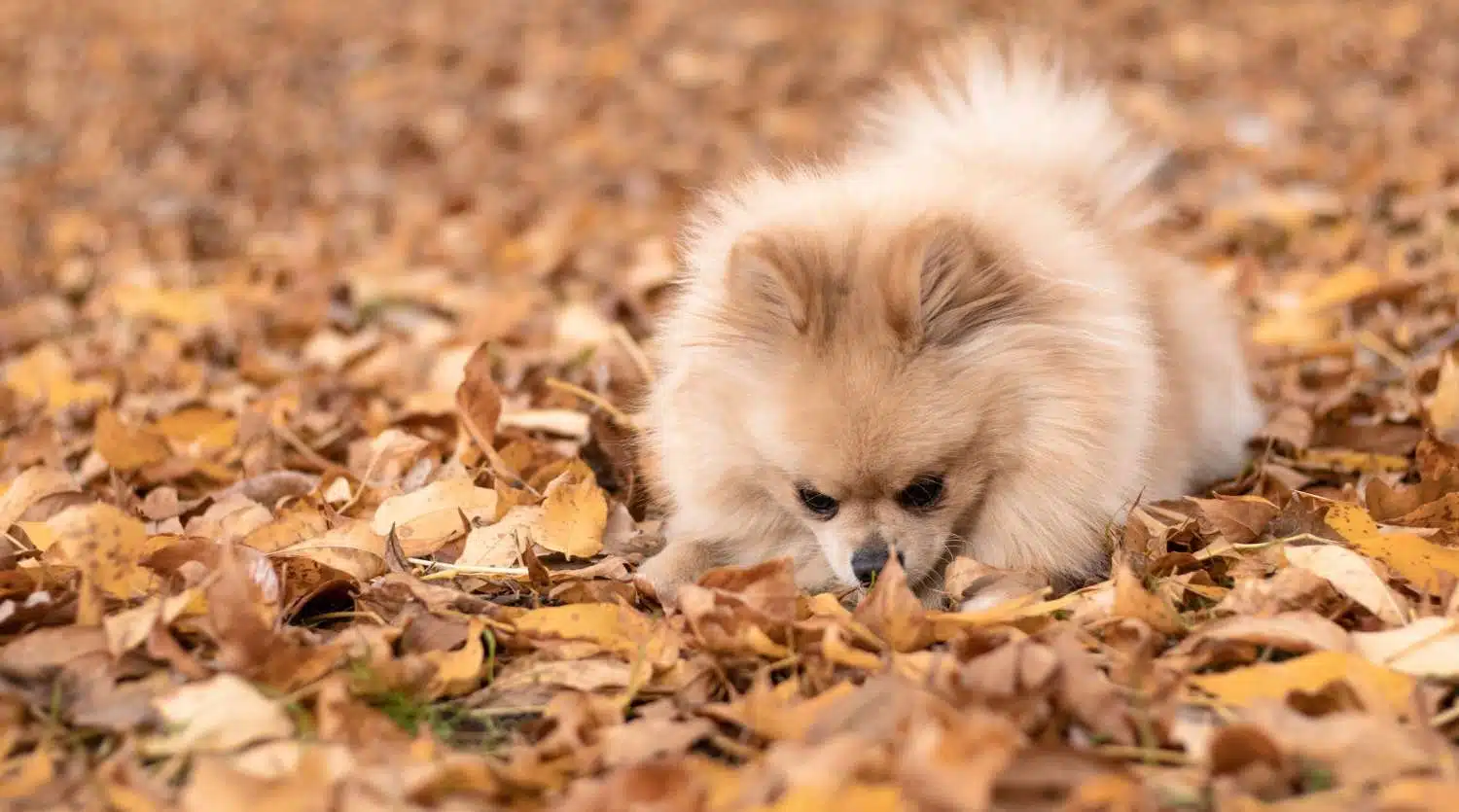
Pomeranian

Click Image to see Gallery

The Pomeranian Dog gets its name from the region of Pomerania, along the Baltic Sea in Northern Europe. It was here that breeders began downsizing larger Spitz dogs into the smaller, fluffier little dogs we know today. Once weighing up to 30 pounds, these early Pomeranians were a far cry from today’s tiny Pomeranian, which typically weighs under seven pounds.

Despite its size, the tiny Pomeranian carries itself with bold confidence. With sparkling eyes, a vibrant personality, and sharp intelligence, this little dog believes it’s the center of the universe—and it often is. Pomeranians love to explore, chase leaves, and take part in activities like agility or rally, proving they’re just as adventurous as larger breeds.

These energetic dogs are great for people who want a small pet with a big personality. While a tiny Pomeranian can get plenty of exercise indoors, they truly thrive on walks and interactive play. They’re affectionate, alert, and often follow their families around like a shadow. Their compact size also makes them ideal for apartment living, though they adapt well to larger homes too.

The breed’s thick double coat requires regular brushing, and though small, Pomeranians aren’t shy about barking. Early training is important to manage their vocal nature and help with housebreaking, which can be tricky due to their small size.

Training a Pomeranian Dog can be challenging thanks to its stubborn streak and cleverness. Short sessions with positive reinforcement—like treats and praise—work best. With consistency and leadership, the tiny Pomeranian becomes a delightful, entertaining, and loyal companion.

Ultimate Pomeranian Breed Guide: Health, Care, And Characteristics

Choosing the right dog breed can feel tough, especially with so many small dogs and toy breeds to consider. Many pet parents find themselves asking if the Pomeranian is a good fit for their family or lifestyle.

Finding clear answers about Pomeranian care and health can get confusing fast.

A fun fact: The American Kennel Club ranks the Pomeranian among the most popular dog breeds in America year after year. These tiny Pomeranians are famous for their fluffy coats, smart minds, and lively personalities.

This blog post will cover everything you need to know about this cheerful companion dog. You’ll learn about health concerns like luxating patellas and thick double coat grooming needs, as well as tips on training, exercise, feeding, and more practical advice from reputable sources such as the American Kennel Club and American Pomeranian Club.

Wonder what makes a Pomeranian stand out? Keep reading to find out!

Key Takeaways

Infographic of the pomeranian dog breed

  • Pomeranians are small dogs (3–7 lbs, 6–12 inches tall) with a fluffy double coat; they became popular after Queen Victoria favored tiny Poms in the late 1800s.
  • The American Kennel Club recognized the breed in 1900; two Pom puppies even survived the Titanic disaster in 1912.
  • Common health issues include luxating patellas, collapsing trachea, hypothyroidism, dental problems, and obesity (over 54% risk without diet/exercise supervision).
  • With proper care—such as daily exercise, regular grooming (2–3 times a week), vaccinations, healthy food portions, and early socialization—most Pomeranians live between 12 to 16 years.
  • For trusted advice or adoption: visit AKC Marketplace for breeders or the AKC Rescue Network/American Pomeranian Club for rescues; consult sources like OFA for health screening details.

History and Origin of the Pomeranian

The Pomeranian, often affectionately referred to as the “Pom,” is a small dog with a surprisingly grand history. Despite its diminutive size today, the breed has deep roots tracing back to powerful working dogs of the Arctic and a long lineage intertwined with European royalty.

Ancestral Roots: From Sled Dogs to Companions

The Pomeranian descends from large Spitz-type sled dogs that originated in the Arctic regions. These early ancestors were hardy, thick-coated canines used by native peoples to pull sleds and herd animals in frigid climates. Over time, these robust working dogs migrated southward through Europe and began to take on more domesticated roles.

The name “Spitz” refers to a group of northern breeds characterized by their pointed ears, thick double coats, and curled tails. The Pomeranian is the smallest member of this group, a product of centuries of selective breeding to reduce size while maintaining the spirited and alert nature of its larger forebears.

Geographic Origins: The Region of Pomerania

The breed takes its name from the historical region of Pomerania, located along the southern shore of the Baltic Sea in what is now northeastern Germany and northwestern Poland. In this area, early Spitz-type dogs were bred down in size to serve more as watchdogs and companion animals rather than working dogs.

These early Pomeranians were considerably larger than the ones we see today—often weighing between 20 and 30 pounds. They retained their working-dog traits, such as intelligence, alertness, and a protective nature, but were becoming increasingly popular in homes and on estates.

Royal Influence: The British Transformation

The breed’s international fame can largely be credited to British royalty, particularly Queen Victoria. In the late 19th century, Queen Victoria encountered the breed during a trip to Florence, Italy, and brought back a small Pomeranian named Marco. Enthralled by the little dog’s charm and personality, she became a dedicated breeder and exhibitor of the breed.

Under her influence, British breeders began to selectively breed Pomeranians to be even smaller, leading to the toy-sized version we recognize today. Queen Victoria’s Pomeranians, often weighing under 12 pounds, dramatically changed the breed standard and helped to popularize the Pom across England and beyond.

The queen’s involvement in showing and promoting the breed also led to its acceptance by kennel clubs. By the early 20th century, the Pomeranian was officially recognized by major kennel clubs in both the United Kingdom and the United States.

Evolution in America

The Pomeranian made its way to the United States in the late 1800s and was quickly embraced by American dog lovers. The American Kennel Club (AKC) recognized the breed in 1888, and by the turn of the 20th century, the Pom had become a fixture in American homes.

Breeders in the U.S. continued the trend of refining the Pomeranian’s features—emphasizing its luxurious coat, compact frame, and expressive face. Today, Pomeranians typically weigh between 3 to 7 pounds, a far cry from their sturdier ancestors.

A Global Favorite

Over time, the Pomeranian evolved from a regional Spitz-type dog to a global companion breed. Its small size, fox-like face, vibrant personality, and loyalty have made it a favorite among city dwellers, celebrities, and families alike.

While the modern Pomeranian is far removed in stature from its working dog ancestors, it still retains the intelligence, energy, and confidence that made its forebears such prized companions across centuries.

From royal courts to modern homes, these smart dogs have always charmed people with their fluffy double coat.

Physical Characteristics of the Pomeranian

The Pomeranian may be small in stature, but it possesses a distinctive appearance that sets it apart from other toy breeds. From its abundant double coat to its fox-like expression and bold carriage, the Pom is a tiny dog with a commanding presence.

Size and Weight

The Pomeranian is classified as a toy breed due to its petite size. Adult Pomeranians typically stand between 6 to 7 inches tall at the shoulder and weigh between 3 to 7 pounds. Despite their small size, they are compact, sturdy, and well-proportioned, with a balanced body that supports their lively and energetic movement.

Coat and Color

One of the breed’s most defining features is its luxurious double coat. The undercoat is soft, dense, and short, providing insulation, while the outer coat is long, straight, and stands off the body, giving the dog a distinctive fluffy appearance.

Pomeranians come in a wide array of colors—more than any other breed recognized by the American Kennel Club. Common colors include:

  • Orange
  • Black
  • White
  • Cream
  • Blue
  • Chocolate
  • Red
  • Beaver
  • Merle
  • Sable
  • Brindle
  • Parti-color (white with patches of other colors)

Color and pattern variety is one of the breed’s most charming attributes, making each Pom unique in appearance.

Face and Expression

Pomeranians are known for their alert, intelligent, and fox-like expression. They have dark, almond-shaped eyes that are bright and full of life. The ears are small, triangular, and set high, often standing erect to add to their alert demeanor.

The muzzle is short and straight, tapering slightly toward the nose, which is black or self-colored to match the coat. A distinct stop between the muzzle and forehead gives the Pom its characteristic sharp facial profile.

Body and Structure

Though small, the Pomeranian has a sturdy and well-balanced body. The neck is slightly arched and supports a proud, upright head. The back is level, and the chest is deep with well-sprung ribs. The legs are straight and moderately feathered, contributing to a graceful, brisk gait.

The tail is one of the breed’s signature traits—it is plumed, heavily coated, and lies flat and straight over the back. This tail carriage gives the Pomeranian an added flourish of elegance and flair.

Movement and Gait

The Pomeranian moves with a lively, confident stride. Its gait is smooth and efficient, with good reach in the front and strong drive from the rear. The dog should appear buoyant and energetic, reflecting its spirited temperament.

Temperament and Behavior

Pomeranian puppies show a mix of curiosity and boldness. Their energy level is moderate, but they crave mental challenges and enjoy active play with pom parents. Pomeranians tend to bark often at changes in their environment or when strangers arrive, giving them a reputation as one of the more vigilant small breeds.

This trait makes them excellent watchdogs for an apartment or house.

Most Pomeranians are smart dogs who respond well to positive reinforcement during obedience training and agility activities. Some show independent streaks, while others become very affectionate with adults they trust.

Supervise all interactions between young dogs and children because this breed may not always get along smoothly with little ones or other pets like cats. Changes in routine can make affected dogs anxious; set up daily schedules to help your Pomeranian feel secure and adjusted in any home setting.

Health Considerations

Luxating patellas, hypothyroidism, and a collapsing trachea rank as the most common health problems for this breed. Reputable Pomeranian breeders screen adult dogs with tests from organizations like OFA and the Canine Eye Registry Foundation.

Before buying a Pomeranian puppy from a reputable breeder, ask to see these health clearances.

Some studies show that over 54% of Pomeranians become obese if owners do not watch their food intake or provide daily exercise. Good Pomeranian care means choosing high-quality dog food and keeping strict portions.

Most healthy Pomeranians live between 12 to 16 years when cared for properly. Neglecting weight control can increase issues such as dental disease or lead to hip dysplasia over time.

Common Concerns

Pomeranians often face some health concerns that dog owners should notice early. These issues can affect both their daily life and long-term well-being.

  1. Pomeranians experience luxating patellas, which means their kneecaps may slip out of place. This can cause lameness or pain in the back legs.
  2. Collapsing tracheas are frequent in this breed and can lead to a honking cough or trouble breathing, especially during excitement or pulling on a leash.
  3. Hypothyroidism sometimes appears in these smart dogs, resulting in tiredness, weight gain, or skin problems.
  4. Pomeranians have a risk for congestive heart failure as they age; signs include coughing at night or tiredness after simple activities.
  5. Seizures may happen due to neurological causes or congenital concerns such as portosystemic shunts.
  6. Black skin disease, also called alopecia X, affects their fluffy fur and leads to hair loss and darkened skin patches.
  7. Dental issues surface early unless owners provide regular brushing and dental chews every four to six weeks.
  8. Grooming is important since a double-layered coat will tangle and mat if ignored.
  9. Responsible breeders use health tests like OFA results to screen parent dogs before puppies are sold through reputable breeders listed with AKC recognized groups.
  10. Some Pomeranians bark excessively due to anxiety, boredom, or lack of training; this often becomes a nuisance if left unchecked.

Dog owners must stay proactive with pomeranian care to help their pets live healthy lives up to 12–16 years old, based on current studies and breed history data.

Lifespan

Most Pomeranian dogs live between 12 and 16 years, showing why they rank as one of the longer-living small breeds. A recent UK study reported that the average life expectancy stands at about 12.2 years for these smart dogs.

Data from a Japanese pet cemetery found an even higher average lifespan; many pomeranians reached around 14 years.

Proper pomeranian care, good nutrition, and regular vet visits extend their lives and improve their quality. While conditions like patellar luxation can affect health, routine checkups help manage risks early in your pomeranian’s life.

Choosing to adopt from a local animal shelter or rescue group may give you insight into each dog’s history, which supports better long-term care plans for these loyal pets.

Training Considerations

Pomeranians are smart dogs that learn new routines quickly, especially with positive reinforcement training. Treats and praise work better than harsh corrections and help curb issues like excessive barking.

Housebreaking a pomeranian called “Pom” needs patience; use leash walks and recall commands daily for success. Regular socialization with other dogs builds confidence in young pomeranian puppies and prevents future behavioral problems.

Mental stimulation is key for healthy behavior. Try puzzle toys or short agility courses at home to keep your pomeranians engaged. Short, regular sessions prevent boredom and reduce unwanted habits.

Always use clear cues in all aspects of pomeranian care so your pup knows what you expect from them each day.

Read More: Crate Training a step by step guide

Exercise and Socialization

Exercise and socialization help Pomeranians grow into happy, well-behaved pets. Smart dogs like these need both mental and physical activity every day.

  • Short walks or indoor play keep a pomeranian healthy and fit due to their small size.
  • Mental stimulation, such as puzzle toys or training games, prevents boredom and unwanted behaviors.
  • Group activities at parks let pomeranians meet other dogs under safe supervision, reducing the risk of anxiety.
  • Dog sports like agility or rally keep their minds active and bodies moving.
  • Positive reinforcement methods encourage good behavior while discouraging excessive barking.
  • Supervised playtime with children and other pets is essential for balanced social skills.
  • Consistent routines early in life ensure adult pomeranians adapt well to new people and situations.
  • A mix of daily exercise, structured activities, and positive interaction provides the best results for pomeranian care.

Read More: Complete puppy socialization checklist

Living with a Pomeranian

Pomeranians fit well in small homes or apartments. Their tiny size of 3 to 7 pounds makes them easy to handle and comfortable in most living spaces. These smart dogs thrive with regular mental stimulation and daily activity, such as short walks or fun indoors with toys like KONGs or treat puzzles.

Despite their bold personality, they do not need large yards.

Most pomeranians adapt quickly to family life. They bond closely with their owners and often form strong attachments. Children should learn gentle ways to interact because these small canines are fragile if handled roughly.

With early socialization, a Pomeranian can live peacefully beside other pets, including cats or even a yorkie mix like the popular Yorkie Pom. Consistent training builds good habits that last throughout their long lives of up to 16 years.

Best Environment

Small apartments or suburban houses suit Pomeranians because of their tiny size and moderate exercise needs. These smart dogs stay happy with daily indoor play, short walks, and regular social time with family members.

Provide safe spaces to prevent accidents from roughhousing or being underfoot, especially if there are young children.

A consistent grooming routine keeps the thick coat in great shape and reduces shedding around your home. Owners should supervise interactions between Poms and other pets due to their petite build.

Regular training sessions help meet pomeranian care goals, making them excellent companions for families who understand toy breed needs.

Behavior towards Children

Pomeranians show a playful and affectionate attitude with children, making them good family dogs. Their high affectionate behavior score of 5 helps build strong bonds in homes with kids.

Families find that this breed’s adaptability rating of 4 means Pomeranians adjust well to life with children. These smart dogs thrive best when you teach both your child and the dog how to interact safely.

Supervision proves vital during play, especially since Pomeranians are tiny and need gentle handling by kids. Proper training and early socialization help ensure positive experiences for everyone involved.

Teaching respect for your pet’s space lessens the risk of accidents or fear-based reactions from your Pomeranian companion. Parents should always guide interactions so both their child and their dog stay safe while enjoying each other’s company as part of daily pomeranian care routines.

Behavior towards other Pets

A strong personality and bold confidence often shape how a Pomeranian interacts with other pets. These smart dogs sometimes bark a lot or investigate small animals out of curiosity, which can bother shy or sensitive pets in your home.

Many owners find that handling dogs like Pomeranians in multi-pet households takes patience and supervision.

Supervised introductions help everyone feel safe and comfortable. Regular socialization and training give the best results for positive behavior. Experts recommend teaching basic commands early to improve manners around other animals.

Even though Pomeranians are intelligent, their lively nature means you must watch them closely during playtimes with cats or larger dogs. Social skills grow best when regular rules guide daily routines in every pomeranian care plan.

Grooming Needs

Pomeranians have a long, double-layered coat that needs frequent care to stay healthy. Regular brushing two to three times each week helps prevent matting and removes loose hair. During shedding seasons, daily grooming becomes important for Pomeranian care since these smart dogs shed more at those times.

Their grooming frequency is rated as a 3 out of 5, so while not the highest, it does demand your attention.

Grooming sessions should also include nail trimming and dental hygiene. Clean teeth are vital because small breeds like Pomeranians face dental issues often. Check their eyes and ears weekly to manage tear stains and catch early signs of infection, especially if you own white Pomeranians.

Good habits lead to fewer skin problems that can trouble this breed and help keep your dog happy in any home environment. These steps offer an easy way to handle dogs with moderate grooming needs without stress or fuss.

Nutrition and Feeding

Nutrition makes a huge difference in Pomeranian care. Feed smart dogs like Pomeranians high-quality dry or wet dog food, either commercially prepared or cooked at home with guidance from a veterinarian.

Controlling calorie intake helps prevent obesity, especially since treats can add up fast in small breeds. Always keep fresh water available to support kidney and heart function. Puppies must eat several times daily due to their faster metabolism and risk of low blood sugar, while adult and senior Pomeranians should get fed at least three times each day.

A balanced diet supports healthy skin, bright eyes, and agile joints throughout all life stages. Antioxidants help slow down aging effects such as cognitive decline that sometimes appear in this breed after age eight.

Supplements like omega-3 fatty acids can ease itchy skin problems that are common among these fluffy companions. Chondroitin sulfate and glucosamine may protect joint health; ask your vet before starting any supplements for your dog’s specific needs.

Proper nutrition plays a central role in the long-term wellbeing of every Pomeranian family member you welcome into your home.

Where to find a Pomeranian

Check the AKC Marketplace for local Pomeranian breeders. The American Kennel Club lists responsible breeders with healthy, socialized puppies. Visit in person to meet both breeder and puppy before making a choice.

Use the AKC Rescue Network if you prefer rehoming adult purebred Pomeranians. The American Pomeranian Club, Inc. offers a directory of regional clubs and detailed breed information.

These resources help you connect with knowledgeable pomeranian owners who value proper pomeranian care and support smart dogs finding new homes.

Similar Dog Breeds

Many dog owners who love Pomeranians also show interest in breeds with similar traits. The table below compares four breeds: German Spitz, Papillon, Pekingese, and Keeshond. You’ll see key details like size, coat, temperament, and how each compares to the Pomeranian.

Breed Origin Main Similarities Main Differences Key Facts
German Spitz Germany
  • Looks like Pomeranian
  • Plush double coat
  • Alert, lively


  • Usually larger
  • Less popular in the US
  • Heavier bone structure


Papillon France/Belgium
  • Small size
  • Long, flowing coat
  • Friendly, energetic


  • Distinctive butterfly ears
  • Single coat, less dense
  • Excels at agility


  • Weight: 5-10 lbs
  • AKC recognized since 1915
  • Long average lifespan (up to 16 years)


Pekingese China
  • Compact toy size
  • Profuse mane-like coat
  • Loyal, bold spirit


  • Flatter face (brachycephalic)
  • Slower pace
  • Less tolerant of heat


  • Bred for Chinese royalty
  • Weight: up to 14 lbs
  • Distinct lion-like appearance


Keeshond Netherlands
  • Thick, spitz-type coat
  • Sociable, affectionate
  • Fox-like expression


  • Much larger size
  • Gray and black coloring
  • Used as barge dogs


  • Weight: 35-45 lbs
  • Ancient breed (1700s Europe)
  • Known as “Smiling Dutchman”


Conclusion

This guide gave you a clear overview of pomeranians, known for their bold and smart traits. You learned about their history, double coat care, typical health issues like collapsing tracheas, and ways to keep them happy in your home.

These tips help make pomeranian care simple and fit daily life with ease. Are you ready to bring out the best in your pomeranian or choose one from a trusted breeder? Keeping up with regular grooming and proper training leads to a healthier pet-family bond.

Choosing practical steps today builds years of joy since these affectionate dogs can live up to 16 years. Want expert advice on dog ownership or breed details? Explore American Kennel Club resources for extra support as you enjoy every lively moment with your furry friend!

FAQs

1. Are Pomeranians smart dogs?

Pomeranians are smart dogs with quick learning abilities. They respond well to training and often enjoy solving puzzles.

2. What should I know about Pomeranian care?

Regular grooming is vital for proper Pomeranian care since their thick coats can mat easily. Good nutrition, daily walks, and routine vet visits help keep pomeranians healthy.

3. How would you describe a typical Pomeranian overview?

A typical pomeranian overview highlights their small size, lively nature, and loyalty. These pomeranians make alert companions who thrive on attention from owners.

4. Do pomeranians have special health needs?

Yes; pomeranians may face dental problems or joint issues as they age. Regular checkups help detect health concerns early so you can offer better care for your dog.

  • Furlyfe Rank See Rank
  • Group AKC Toy
  • Origin Poland
  • Size Smallest
  • Weight 3 to 7 pounds, sometimes larger
  • Coat Length Long
  • Coat Type Double
  • Colors Black,Black & Tan,Blue,Brown,Gray,Orange,Red,White
  • Other Names Pom, Pom Pom, Deutsche Spitze, Zwergspitz, Spitz Nain, Spitz Enano, Zwers
  • Temperament Active,Extroverted,Friendly,Intelligent,Lively,Playful,Sociable

Breed Characteristics

Leave a Reply

Participate on Doggy Duel