Old English Sheepdog
The Old English Sheepdog is a shaggy dog known for its gentle, clownish personality and powerful herding instincts. This large dog, weighing 60 to 100 pounds, thrives on companionship and makes a loyal family watchdog with a deep, resonant bark. Beneath its huggable coat lies an independent, intelligent nature that requires consistent training and early socialization.
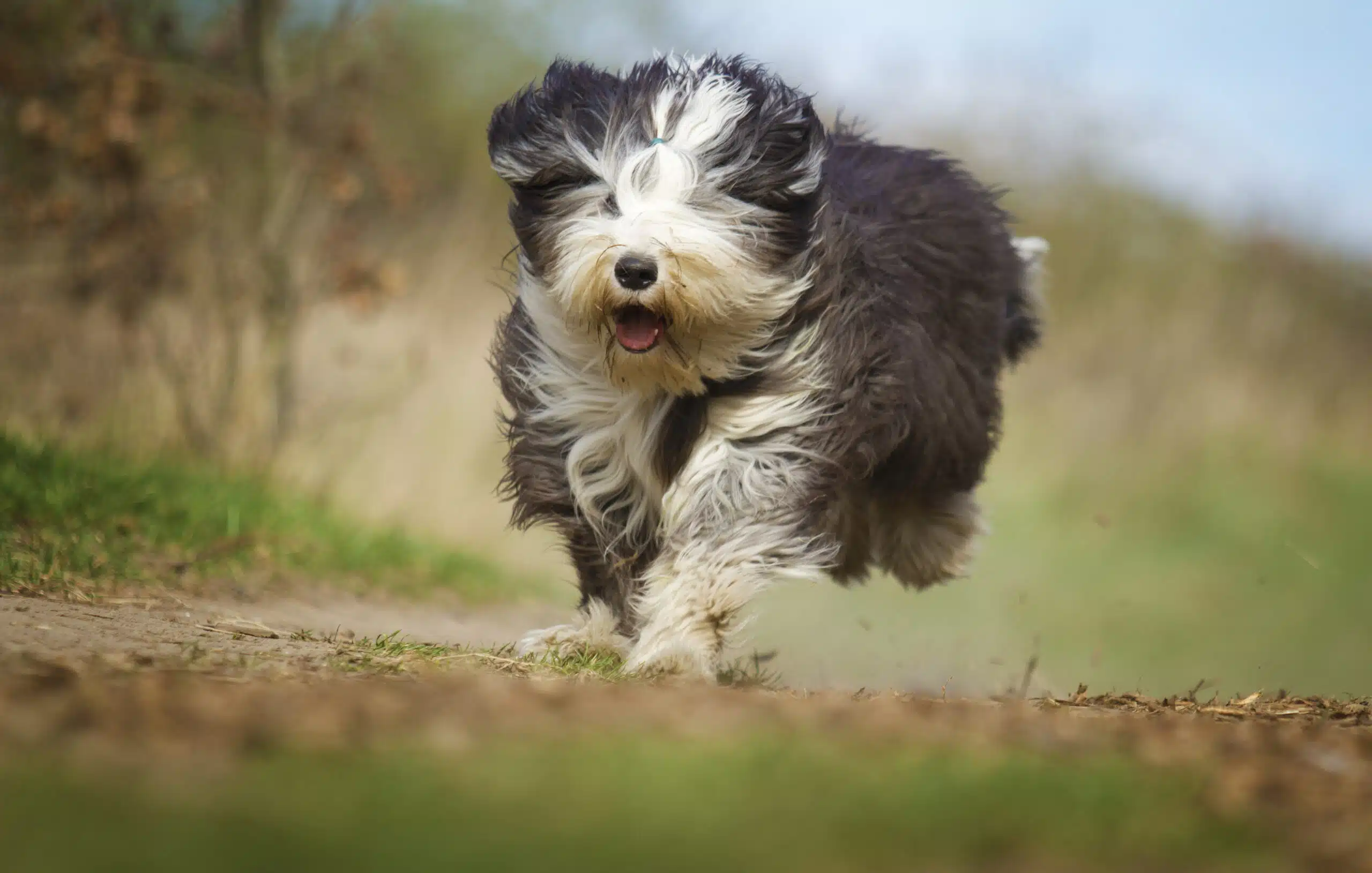
Originally bred as an all-purpose farm helper and livestock guardian in 19th-century England, the Old English Sheepdog has transitioned into a beloved pet and show dog without losing its working spirit. The national breed club recommends finding a responsible breeder who socializes puppies early to ensure confident, well-adjusted adults.
Training should begin as soon as your puppy arrives home, while still manageable in size. Positive reinforcement works best, and this energetic breed enjoys activities like herding, obedience, rally, and agility. Regular exercise is essential to keep them happy and engaged.
Grooming is the biggest commitment. The Old English’s iconic double coat requires 30–60 minutes of brushing each week, with more effort for show dogs. Owners must also manage the inevitable shedding, tracked-in debris, and occasional matting that come with life alongside a true shaggy dog.
Ultimate Guide To Old English Sheepdog Care And Characteristics
Many dog owners love the look of an Old English Sheepdog but feel unsure about caring for their thick, shaggy coats and big personalities. This breed can seem hard to manage without the right knowledge, especially regarding their grooming needs or exercise routines.

Old English Sheepdogs belong to the Herding Group under the American Kennel Club. They are smart, gentle, and make great family dogs with a strong need for physical activity and daily grooming.
This guide will cover all you need to know about Old English Sheepdog care and characteristics. You will learn facts about health issues like hip dysplasia or eye disease, tips on nutrition from responsible breeders, what makes this breed unique in behavior with children and other pets, plus easy advice for training and coat care.
Start reading now if you want your Old English Sheepdog healthy, happy, and well-groomed!
Key Takeaways

- The Old English Sheepdog is a large herding breed from England, first developed in the late 1700s and recognized by the American Kennel Club in 1888.
- Regular grooming is necessary; owners should brush these dogs at least once a week for three to four hours to prevent painful mats. Many people hire professional groomers because of the dense double coat.
- Common health issues include hip dysplasia, autoimmune thyroiditis, hereditary deafness, eye diseases like cataracts, and skin allergies. Responsible breeders use DNA screening and regular vet checks to manage risks.
- This breed has a lifespan of about 10–12 years. Most sheepdogs are active and need one hour of daily exercise plus socialization with children or other pets to stay happy.
History and Origin

Origins in Western England
The Old English Sheepdog traces its roots to the late 1700s in the rural counties of western England, particularly Devon, Somerset, and Cornwall. Farmers in these regions needed a durable working dog capable of driving cattle and sheep to market across rough countryside. Unlike modern herding breeds that primarily manage flocks in open fields, early Old English Sheepdogs were often used as drovers, moving livestock over long distances to town markets.
Ancestral Bloodlines
The breed’s ancestry is a mix of several rugged herding dogs. Historians point to Scotch Bearded Collies, European sheepdogs, and even Russian Owtcharkas as likely contributors to the breed’s foundation. This blend produced a powerful and intelligent large dog with excellent stamina and a weather-resistant coat. As members of the Old English Sheepdog Club of America note, the breed’s profuse coat originally served a practical purpose: protecting these shaggy dogs from cold winds, heavy rain, and damp British pastures.
Rise in Popularity
By the mid-1800s, the Old English Sheepdog was gaining recognition beyond farm work. Their first appearance at an English dog show in 1865 introduced the breed to a broader audience, and their unique, endearing look quickly captured public attention. Farmers often sheared their dogs annually, using the soft undercoat for yarn, much like sheep’s wool—a practice that made these dogs valuable both for work and textile production.
Arrival in America and National Recognition

The breed crossed the Atlantic in the late 19th century, where it quickly found admirers. The American Kennel Club registered the Old English Sheepdog in 1888, and the breed entered the prestigious Westminster Kennel Club Dog Show ring for the first time in 1914. In 1904, the Old English Sheepdog Club of America was established and earned official AKC recognition one year later, becoming the national breed club dedicated to preserving and promoting the breed.
From Working Dog to Beloved Companion
Though originally developed as a drover’s dog, the Old English Sheepdog has transitioned seamlessly into the role of a cherished family companion and show dog. Its charm, intelligence, and unmistakable shaggy coat continue to make it a favorite worldwide while still honoring the breed’s hardworking farm heritage.
Physical Characteristics

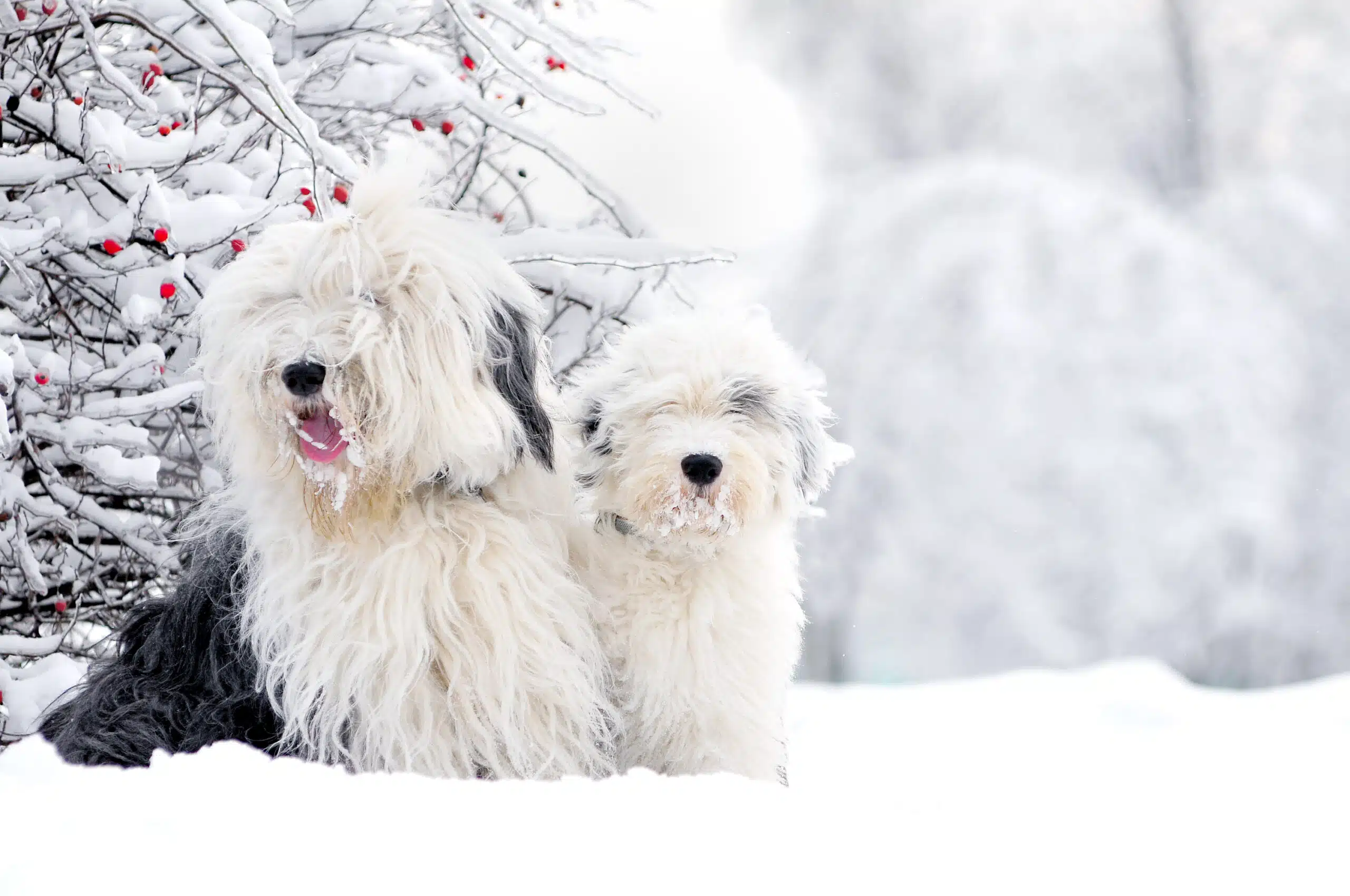
Old English Sheepdogs stand between 21 and 22 inches tall at the shoulder. Adult dogs usually weigh from 60 to 100 pounds, making them a large breed with a solid body structure. This breed sports a double coat; beneath the fluffy outer layer sits a waterproof undercoat that helps protect against harsh weather.
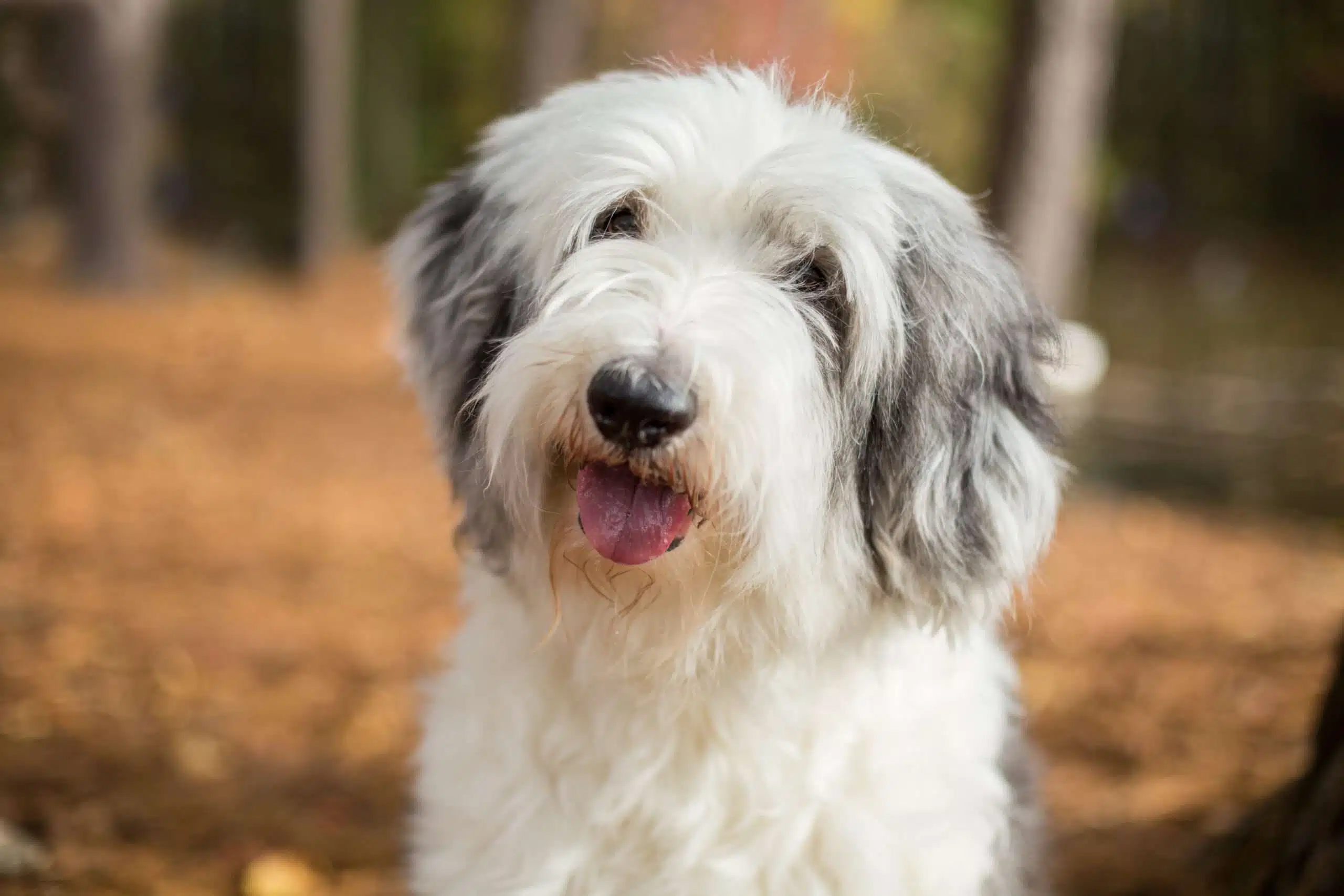
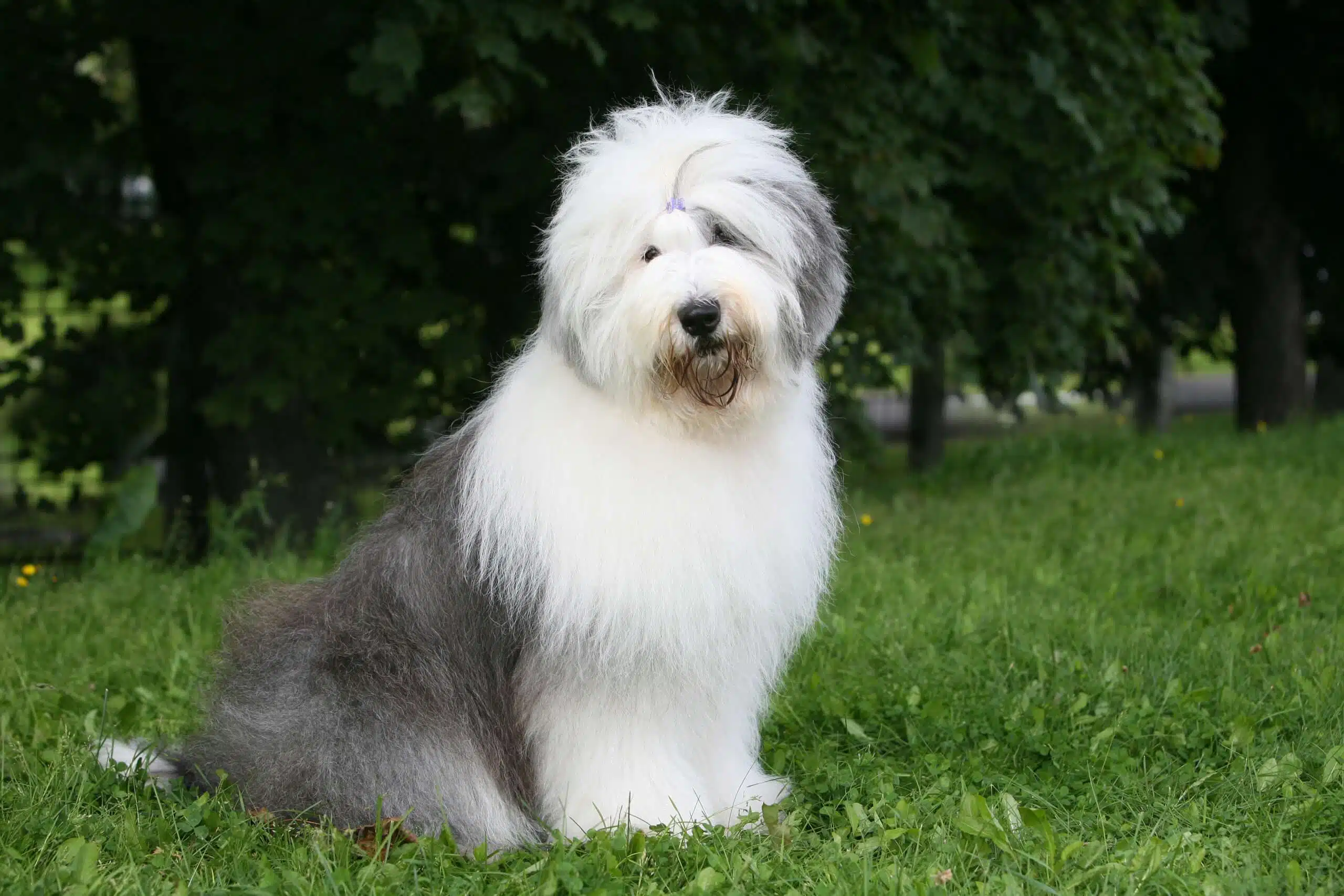
Most Old English Sheepdogs have shaggy, floor-length fur in shades of blue gray or blue merle, often with white markings on their head or legs.
Their facial fur can cover dark brown eyes, blue eyes, or even one of each color, giving each dog a unique look. The face appears broad and expressive under all that fluff. Many owners notice the sheepdog’s distinctive shuffle-like walk—a trait highlighted by herding trials judges following the OES breed standard.
Regular grooming is vital to prevent tangles in their long coat and keep these sensible watchdogs looking their best.
Body and Structure
Males stand at least 22 inches tall; females reach a minimum of 21 inches. Most adult English Sheepdogs weigh between 60 and 100 pounds, which classifies them as a large breed. Each dog has a muscular and compact build with plenty of strength for work or play.
The body appears square, well-coated, and strong in every position.
This breed’s deep brisket allows room for healthy organs and supports stamina during activity. A level topline stretches from the shoulders to the tail base, showing off their balance when moving or standing still.
Soundness is key; the bones are sturdy but never heavy or bulky. Agility makes these dogs great partners for active families who expect enough exercise each day.
Face and Expression

The Old English Sheepdog has a head that matches its body size, giving it a balanced look. A broad square skull and strong jaw help set this breed apart from other dogs. Eyes can appear dark brown, blue, or even one of each color, which adds to their striking face.
The mouth needs a scissor bite for proper alignment.
Medium-sized ears hang close to the head without drawing attention away from the eyes’ intelligent expression. This wise and good-natured face is part of what makes many old English sheepdogs popular on television shows and as family companions.
With those soulful eyes looking back at you, it’s easy to understand why people fall in love with Old English Sheepdog puppies.
Coat and Color

Old English Sheepdogs have a double coat that feels fluffy and thick. Their shaggy hair grows long across the body, including the face, feet, and rear. Regular brushing helps keep their coat free of mats and dirt.
Most owners spend three to four hours each week on grooming. Many people hire a professional groomer to handle this time consuming job.
Colors stand out as part of the breed’s charm. Classic shades include gray, blue merle, blue gray, grizzle with white fur patches or markings. Black & White, Fawn & White, Brown & White are also recognized color variations by experts in America and Europe since 1888.
The typical OES shows a mix of gray and white fur throughout its body. Their waterproof coat protects them from rain but does not shed excessively compared to other breeds with similar coats like Bearded Collies or Polish Lowland Sheepdogs.
Movement and Gait

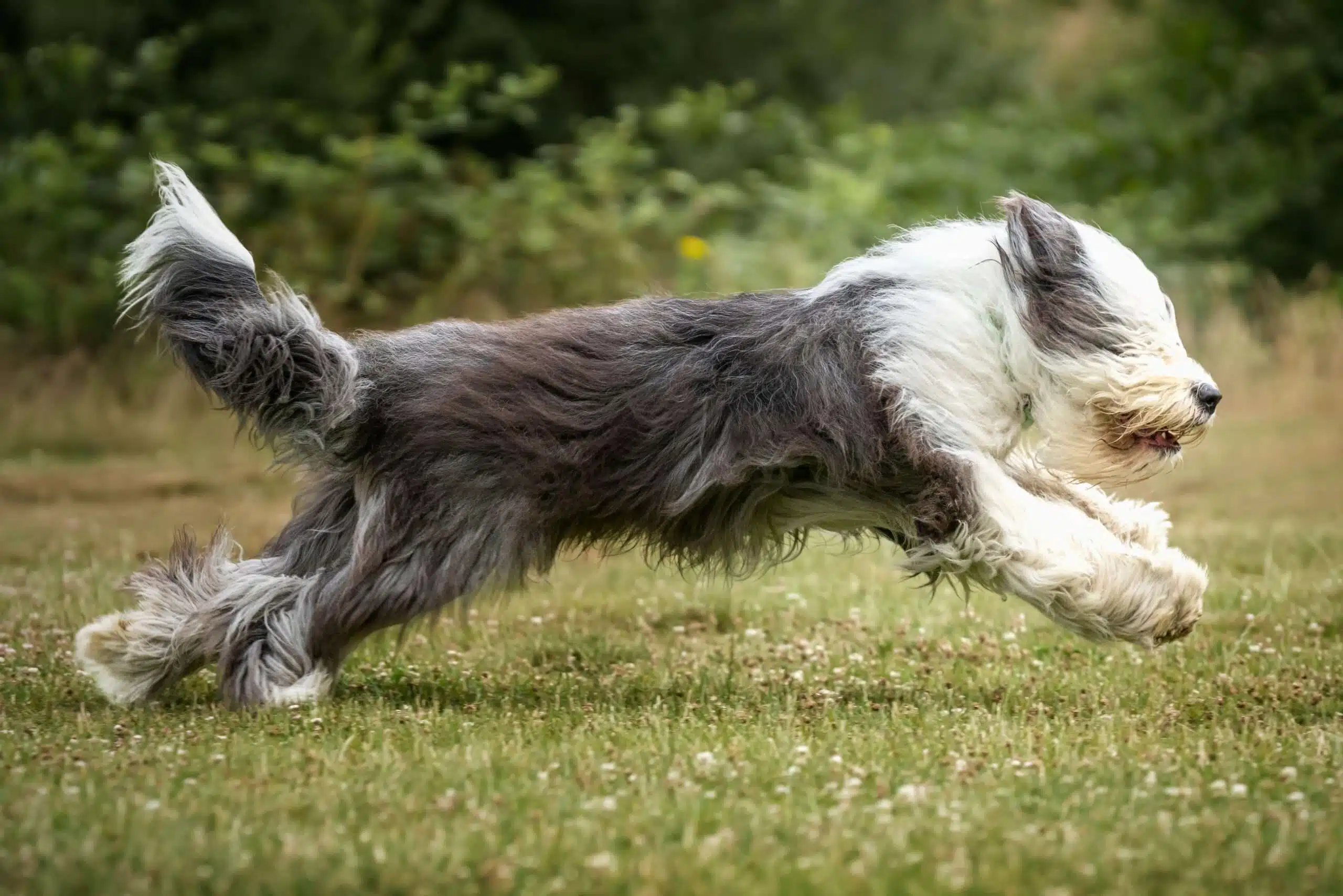
Movement for this breed stands out with its bear-like gait, often called a shuffle. The English Sheepdog’s unique way of walking helped farmers spot the dog in pastures. This marked shuffling step is not just cute; it signals good hip joint health when seen from behind.
Many English Sheepdogs tend to walk with strength and purpose, keeping their head low while moving smoothly. The fluffy coat may hide some movement, but watch for the signature rolling stride during playtime or walks.
Breeders and judges use this gait as a key characteristic of the breed in dog shows and good standing competitions. Regular exercise helps keep joints healthy and supports strong, active movement throughout life.
Temperament and Behavior

Old English Sheepdogs have a good-natured attitude and show clear devotion to family. They rate a 5 out of 5 for affection, often earning the “Lovey-Dovey” label from dog owners.
These dogs do not just sit quietly—they love play and keep their playful spirit into adulthood. Their playfulness gets a solid score of 4 out of 5, making them one of the more fun-loving breeds.
This dog’s personality stands out for its adaptability and intelligence. Children find a gentle but protective friend in this breed, while adults notice their calm approach at home.
The Old English Sheepdog will alert you with its ringing bark if it sees something new or odd near your house but usually warms up quickly after he accepts strangers or other animals into the group.
Herding instincts often kick in; many owners see these dogs gently direct children or pets around the yard without any harshness. Early socialization helps shape their instinctive behaviors so they become model companions for families with small children and other household pets.
Health Considerations

Many English sheepdog owners see health issues like hip dysplasia, autoimmune thyroiditis, and eye disease in their dogs. Routine screenings for these problems can help detect them early.
Responsible breeders often use DNA tests to check for exercise induced collapse and cerebellar ataxia. Some also screen for hereditary deafness before breeding.
A balanced diet that matches your dog’s weight, age, and activity level keeps an old english sheepdog healthy. Specific medications may be needed if a problem arises with the thyroid gland or joints.
Make sure puppies socialize early and follow obedience training guidelines from professionals to reduce stress-related health problems later in life. Regular vet visits will increase the chance of catching any new health conditions promptly.
Common Concerns
Old English Sheepdogs face some health challenges that every dog owner should know. Regular vet visits can help detect problems at an early stage.
- Eye diseases such as progressive retinal atrophy and hereditary cataracts often affect this breed. Annual eye screenings by a veterinary ophthalmologist can catch these issues early.
- Hip dysplasia is common in Old English Sheepdogs due to their size and genetics. Responsible breeders test for hip health before breeding dogs.
- Autoimmune thyroiditis impacts the dog’s energy levels, coat, and weight. Blood tests will help monitor your sheepdog’s thyroid function regularly.
- Heart problems, including certain cardiac anomalies, sometimes occur in the breed; regular check-ups are necessary for older dogs.
- Hereditary deafness is possible, so puppies should get hearing tests as part of their first health screenings.
- DNA tests screen for cerebellar ataxia, primary ciliary dyskinesia, drug sensitivity, and exercise-induced collapse (EIC). Early detection lets you plan safe care strategies.
- Skin allergies cause itching or discomfort; dense coats trap dirt and moisture if not brushed often.
- Floppy ears make ear infections more likely by holding in moisture and debris; inspect and clean ears weekly to limit infections.
- Old English Sheepdogs need certain medications only under strict vet guidance because they may react differently than other breeds.
- Standing or sitting with signs of pain could mean joint or muscle issues; observe changes in your old english sheepdog sitting posture closely.
Early screening helps maintain a good natured old english sheepdog personality and prevents bigger health woes later on.
Lifespan

Most Old English Sheepdogs live between 10 and 12 years, with the median lifespan for UK Kennel Club registered dogs reported as 10.33 years. This is a moderate length of life compared to other breeds; for example, West Highland White Terriers average about 12.71 years while Dobermann Pinschers average only 7.67 years.
The most common reasons these dogs pass away include old age, unspecified cancer, and heart failure. Maintaining your dog’s weight in a healthy range can sometimes help reduce certain health risks over time.
Always check with veterinarians or rescue organizations for tips on supporting your sheepdog’s well-being throughout its lifespan.
Training Considerations

Old English Sheepdogs respond well to training that uses positive reinforcement. Offer treats and praise for good behavior, since this breed learns quickly but can lose interest with too much repetition.
Switch up your training routines to keep your dog engaged, using toys or short games as breaks. Their intelligence rivals other working breeds, so challenge them with new commands once they master the basics.
Early socialization during puppyhood is essential for a balanced temperament as adults; expose them calmly to different sounds, people, and places so they build confidence outside their home environment.
Always guide puppies gently with a firm hand; never allow habits that would cause problems in a full-grown adult of this breed’s size and strength. Obedience classes work well because group settings help reinforce listening skills while teaching polite manners around others.
The dog’s weight can make managing an untrained Old English Sheepdog difficult if you skip early lessons in leash walking or boundaries at home. Use what experts call “fun training,” which means turning routines into play—this method keeps sessions lively and helps prevent boredom-related mischief often seen in clever dogs like those immortalized by the Beatles song “Martha My Dear” or Disney’s Little Mermaid movie character Max.
Exercise and Socialization

Exercise and regular socialization help Old English Sheepdogs stay happy and healthy. This breed originated to herd, so they require both physical activity and mental challenges each day.
- Provide at least one hour of daily exercise, such as brisk walks or supervised play sessions in a secure area.
- Mix up activities using fetch, agility equipment, or canine sports to keep the dog mentally engaged.
- Offer puzzle toys and interactive games since this breed needs significant mental stimulation; rated level 4 out of 5, they thrive with jobs or tasks.
- Arrange early socialization with different people, sights, and sounds to prevent shy or reserved behavior later on.
- Schedule regular outings with other dogs at parks or organized play groups; friendly contact helps build confidence around pets.
- Balance high activity outdoors with quiet time inside; these dogs settle down well indoors and have a natural “off switch.”
- Avoid only backyard play as their minds crave structured interaction; herding breeds like this benefit from routines and goals.
- Consult trainers experienced with working breeds for group classes, which can boost manners while providing vital social skills.
- Monitor energy levels—some individuals need extra walks or new challenges if they appear restless despite daily exercise.
- Plan family games that involve simple obedience cues to encourage bonding between the dog and all household members.
These steps will support proper development for any Old English Sheepdog in your care, no matter their age or background.
Living with an Old English Sheepdog

Daily life with an Old English Sheepdog involves regular grooming. Their thick double coat needs brushing a few times each week to prevent tangles and painful knots. Active families find these dogs great companions because of their friendly nature and playful attitude.
In homes with children or other pets, the sheepdog often shows patience and gentle behavior.
A balanced diet is key for these large dogs, as they can gain weight easily if owners do not monitor calories. Routine veterinary check-ups help catch any genetic health issues early.
Owners who provide plenty of exercise and mental challenges see happy, well-behaved pets. Early training using different methods encourages reliable manners at home and outside.
Best Environment

Old English Sheepdogs do best in homes with plenty of space for movement and play. They need a backyard or an open area where they can exercise every day. Apartments or small living spaces often make them restless.
Their size and energy levels require more room than most city dwellings allow.
This breed adapts well to changes in schedule, noise, and weather, scoring a 4 out of 5 on adaptability. Even though they adjust well, these dogs dislike loud noises common in busy urban areas like construction sounds or traffic.
Peaceful suburbs or rural environments help keep them relaxed and happy.
Behavior towards Children

This breed ranks highly with families and often earns a score of 5 out of 5 for patience around children. Many people choose this dog because it acts as a protective playmate. These dogs show gentle behavior and adapt well to the energy levels kids display in daily life.
The breed’s herding background means these dogs may try gently guiding children, but early socialization helps set clear boundaries.
Puppies benefit from early exposure to kids so they learn good manners. Supervision always remains important, especially with young children, to keep both safe during playtime. The adaptable temperament and high tolerance make these pets reliable companions for homes with active kids.
Owners report that consistent routines help reinforce positive interactions between this working dog and every child in the home.
Behavior towards other Pets

Old English Sheepdogs show moderate friendliness to other dogs and pets. They often need supervision during new or active interactions, as their herding instinct can kick in around small animals.
Many OES may try to herd cats or smaller pets by gently nudging or circling them. Some dogs will get along better with others if they meet as puppies.
Owners should watch for signs of possessiveness or playful nipping when the dog gets excited. Early socialization helps prevent problems with other dogs and household animals. Most Old English Sheepdogs respond well to training that rewards calm and gentle behavior around different creatures in the home.
Supervised play works best for these large, energetic companions who sometimes forget their size during group activities.
Grooming Needs

Dense, shaggy coats need serious attention. Plan for thorough grooming at least once a week, brushing all the way down to the skin. Missed spots invite painful tangles and mats that can irritate your dog’s skin.
Use a slicker brush and wide-tooth comb as basic tools; these help work through thick undercoats and remove dead hair. Regular brushing between baths also keeps shedding in check and helps avoid dirt buildup.
Professional groomers often suggest “puppy trims” for easier maintenance if you keep one of these dogs as a pet rather than showing them. Ask professionals about clipping options to suit your household routine.
Trim feet carefully to improve hygiene since long fur attracts debris and moisture between pads. Expect to schedule nail care every few weeks along with bathing, brushing, and trimming sessions multiple times each month for healthy results.
Regular appointments reduce stress on both you and your dog while keeping their coat clean, soft, and manageable year-round.
Nutrition and Feeding

Feed an Old English Sheepdog high-quality dog food. Choose between reliable commercial brands and home-made recipes that follow your vet’s guidance. Match the diet to your dog’s age.
Puppies, adults, and seniors each need different nutrients and calorie levels for their life stage.
Watch portion sizes to prevent obesity. Obesity can cause joint problems in a large breed like this one. Ask your veterinarian which human foods are safe as some common snacks can be toxic to dogs.
Always keep clean water available throughout the day so your sheepdog stays hydrated and healthy. Switch from puppy kibble to adult formula at the right age for steady growth without extra weight gain; most dogs make this change around 12 months old.
Where to find an Old English Sheepdog

The Old English Sheepdog Club of America, Inc. offers breeder referrals through its official website at www.oldenglishsheepdogclubofamerica.org. Only breeders who follow the OESCA Code of Ethics appear on this list.
OESCA participates in the AKC Rescue Network and helps connect dog owners with rescue dogs nationwide. Over 450 groups work within this network to place Old English Sheepdogs into loving homes across the United States.
GCHP CH Bagatelle Rainbow Moon won Best of Breed during the prestigious 2024 National Specialty event, showing you where top examples of the breed come from as well.
Similar Dog Breeds

Finding the right breed for your lifestyle is key. Several European herding dogs share traits and history with the Old English Sheepdog. These breeds vary in looks, temperament, and care needs, but each brings something special to a home.
| Breed | Origin & Recognition Year | Life Expectancy | Physical Traits | Temperament | Key Similarities | Main Differences |
|---|---|---|---|---|---|---|
| Briard | France, 1928 | 12 years | Large, strong; long, wavy double coat; beard and mustache | Loyal, protective, intelligent; natural guardian | Both are herding breeds; need regular grooming; similar size; family-friendly | Briard is more reserved with strangers; coat texture is wavy, not fluffy; has a natural guarding instinct |
| Polish Lowland Sheepdog | Poland, 2001 | 12–14 years | Medium; sturdy; long, shaggy coat covers eyes | Lively, clever, active; strong will | Shaggy coats; both bred for herding; high intelligence | Polish Lowland is smaller; often more independent; needs firm training |
| Schapendoes | Netherlands | 12–15 years | Medium; lightweight; abundant, long, curly hair | Sociable, cheerful, energetic; playful | Friendly nature; energetic; requires coat care | Lower weight; more agile; less protective |
| Bearded Collie | Scotland, 1976 | 12–14 years | Medium-large; lean; long, flat coat; beard and eyebrows | Outgoing, affectionate, lively; loves children | Long, flowing coats; excellent with families; herding roots | Bearded Collie is lighter, more athletic; less prone to weight gain; gentler herding instinct |
Conclusion

Caring for an Old English Sheepdog centers on regular grooming, daily exercise, and thoughtful training. These herding dogs thrive with early socialization and a balanced diet from trusted brands or under your vet’s guidance.
Consistent routines make these tips easy to follow at home or in the park. Are you ready to welcome a loyal companion who brings energy and kindness into every day? For more help, visit the Old English Sheepdog Club of America or explore breed guides online; your journey is sure to be rewarding.
FAQs

1. What are the main characteristics of an Old English Sheepdog?
Old English Sheepdogs have a thick double coat, a strong build, and a friendly nature. These herding dogs often show loyalty and intelligence. Their shaggy fur can cover their eyes but does not block vision.
2. How much grooming does an Old English Sheepdog need?
Regular brushing is essential for this breed due to its dense coat. Without frequent care, mats and tangles form quickly. Many owners use professional groomers to keep coats healthy.
3. Are Old English Sheepdogs good with children and other pets?
These sheepdogs usually bond well with kids because of their gentle temperament; they also adapt to homes with other animals when socialized early.
4. What health issues affect Old English Sheepdogs most often?
Common concerns include hip dysplasia, eye disorders like cataracts, and some skin problems linked to their heavy fur; regular vet checkups help catch these issues early for better outcomes.
- Furlyfe Rank See Rank
- Group AKC Herding
- Origin United Kingdom
- Size Large
- Weight 60 to 100 pounds
- Coat Length Long
- Coat Type Double
- Colors Black & White, Blue Grey & White, Grey & White, Grizzle & White
- Temperament Smart, Gentle, Adapatable