
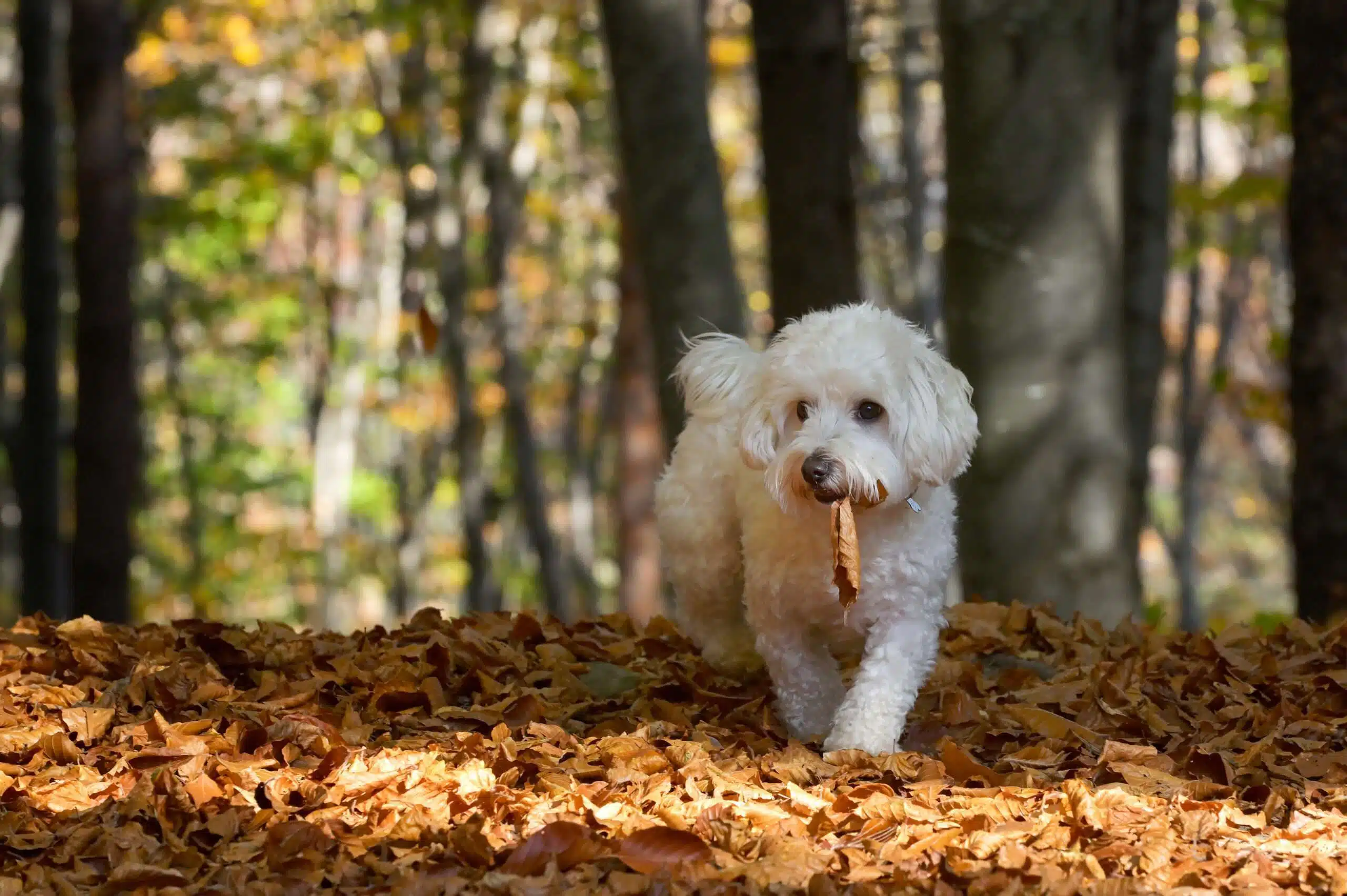





Maltese
With a spirited, loving personality and a history stretching back thousands of years, the Maltese lion dog has long captured human affection. In Maltese history, even Aristotle and Pliny described this small yet noble breed nearly 2,500 years ago. Bred purely as a companion, the Maltese thrives on attention and closeness—too much solitude can lead to boredom or anxiety.
Weighing under seven pounds, this lively toy breed remains playful and puppy-like throughout life. Its elegance lies in its long, flowing white coat, often showcased to the floor in dog shows. Most pet owners, however, prefer the easier “puppy clip,” which keeps the fur short and manageable. Without an undercoat, the Maltese’s silky hair tangles easily, and regular cleaning around its expressive dark eyes helps prevent tear staining.
Exercise needs are modest. Indoor play and a brief daily walk keep this energetic little dog healthy and happy. A small yard or even an apartment suits them perfectly. While cheerful and bold, Maltese dogs are delicate, making them better suited to adults or families with gentle, older children.
Those considering a show-quality Maltese should know that the magnificent ring coats require daily washing, combing, and careful wrapping. For most owners, professional grooming every few weeks maintains the coat comfortably and prevents matting or skin irritation.
The Maltese lion dog remains one of the world’s most enduring and adored lapdogs—a graceful blend of ancient heritage, beauty, and unwavering devotion.
Exploring The Beauty And History Of The Maltese Dog Breed

Small, bright, and full of charm, Maltese dogs spark big curiosity. Myths follow this toy dog, yet their real story is even better. If you are sorting facts from tall tales about the Maltese breed, you are in the right place.
The breed’s roots reach back more than 2,000 years to the island of Malta. That history shaped a companion known for a silky coat and a kind heart. Today’s tiny Maltese still wins homes with grace and a playful spirit.
This guide gives you clear help: breed history, size and looks, temperament, health issues like dental disease and eye stains, exercise needs, coat care, training with positive reinforcement, smart feeding for toy breeds, and how to find a reputable breeder or rescue. You will also see tips for homes with children or other pets. Ready to see what actually works for daily life with a Maltese?
Key Takeaways

- The Maltese began on Malta over 2,000 years ago and later charmed Greeks, Romans, and European courts.
- Adults stand 7 to 9 inches tall and weigh under 7 pounds, with a white, silky coat that needs daily care.
- Common risks include dental disease by age three, tear staining, luxating patella, collapsed trachea, and skin allergies.
- Early socialization and positive reinforcement reduce anxiety and support good manners. With steady care, most live 12 to 15 years.
- Choose reputable breeders who share health records, or adopt from rescue groups that evaluate each dog carefully.
History and Origin of the Maltese Dog Breed

The Maltese is one of the oldest and most beloved toy breeds in the world, admired for centuries for its beauty, grace, and affectionate temperament. Its long, flowing white coat and expressive eyes have captured hearts across cultures and eras, while its history reflects a fascinating journey through ancient civilizations, royal courts, and modern homes.
Ancient Beginnings in the Mediterranean
The Maltese is believed to have originated on the island of Malta, a small but strategically significant outpost in the Mediterranean Sea. Malta’s location between Europe and North Africa made it a crossroads for ancient trade, and it’s likely that small companion dogs were introduced there by seafaring merchants or travelers as early as 500 BCE.
Archaeological evidence and ancient writings suggest that the Maltese, or dogs closely resembling it, were known to the Greeks, Romans, and Egyptians. Greek art and literature often depicted small, long-haired lap dogs similar to the Maltese, and even the philosopher Aristotle described a small, elegant breed he called the “Canis Melitaeus” — a reference to Malta. Roman women of high status prized these dogs as symbols of refinement and wealth, often carrying them in their sleeves or adorning them with jewelry.
The Dog of Aristocrats and Royalty

Throughout the Middle Ages and Renaissance, the Maltese maintained its association with nobility and luxury. The breed was especially popular in the courts of Europe, where it was cherished by queens, duchesses, and ladies of high society.
In England, the Maltese gained favor among the aristocracy during the reign of Queen Elizabeth I and later Queen Victoria. Paintings from the 16th through 18th centuries often depict small white dogs with flowing coats lounging beside noblewomen, a clear reflection of the Maltese’s status as a fashionable lapdog.
During these centuries, breeders worked to refine the dog’s appearance — emphasizing its small size, silky coat, and affectionate personality — while maintaining its alert and lively disposition.
Evolution and Recognition of the Modern Maltese
By the 19th century, the Maltese had spread throughout Europe and to the United States, where it became a popular show and companion breed. Early breeding records show that while some lines experimented with colors like lemon or pale tan, white eventually became the universally accepted standard.
The breed was first exhibited at dog shows in England in the late 1800s and made its American debut at Westminster Kennel Club’s inaugural show in 1877. The American Kennel Club officially recognized the Maltese in 1888.
Enduring Legacy
Today’s Maltese retains much of its ancient charm. Though centuries removed from its early days in the Mediterranean, the breed continues to exemplify elegance, intelligence, and devotion. Its lineage connects directly to the world’s oldest known lap dogs — companions of philosophers, artists, and royalty — and it remains one of the most admired toy breeds in existence.
The Maltese’s enduring popularity stands as a testament to its timeless appeal: a small dog with a big heart and a history as rich as its gleaming coat.
Physical Characteristics

The Maltese is a small yet striking toy breed, instantly recognizable by its flowing white coat and lively, expressive face. Beneath its delicate appearance lies a confident, playful spirit and centuries of refinement as a cherished companion. Elegant, agile, and full of charm, the Maltese embodies both beauty and bold personality in a compact frame.
Body and Structure
This small dog is well balanced. A straight back and deep chest help healthy breathing and stamina. Legs are fine-boned yet sturdy enough for playful bursts.
At full size, most weigh between 4 and 7 pounds and stand 7 to 9 inches. Responsible breeders select for strong joints and good movement. That choice helps reduce risks like luxating patella, which is a slipping kneecap.
Face and Expression

Large, dark eyes stand out against the white coat and give a bright, kind look. A rounded skull with a short muzzle creates a soft, appealing head shape.
Expression reveals mood. Curious eyes signal interest, and relaxed lips show comfort. Clear faces also reduce staining and irritation, so routine cleaning pays off.
Coat and Color

The Maltese dog’s coat feels like silk and often reaches the floor if kept long. Pure white is standard for shows. A pale cream tint near the ears can appear, but crisp white is most common.
Daily brushing prevents mats and keeps the skin healthy. The breed sheds very little, so tangles form if grooming is skipped. Gentle wipes under the eyes limit stains and allow you to spot early skin issues.
Movement and Gait

Maltese dogs move with light, smooth steps, almost floating across the room. The tail carries high, and the head stays up, which gives a proud, cheerful look.
Short daily walks keep muscles strong without overtaxing the joints. If you ever notice quick body tremors, it could be white dog shaker syndrome, a tremor disorder seen in some small white dogs. Call your veterinarian if it persists or worries you.
Temperament and Behavior

Affectionate, bright, and people focused, the Maltese is a classic companion dog. The Maltese personality is known for its friendliness, sociability, and fearlessness, making them a joy to have around. Their affectionate personality means they form strong bonds with family members and thrive in loving homes, bringing warmth and joy to family life. Early socialization, which means safe exposure to new places and faces, builds confidence and friendly habits.
Maltese are well-suited for first time dog owners due to their gentle temperament and manageable care needs, especially in smaller living spaces. Harsh training backfires. Short, upbeat lessons work best, and praise teaches faster than scolding. Calm parents often produce steady puppies, so ask to meet the puppy’s parents when possible.
Crate training helps with travel and grooming. It also eases stress during changes at home, like new schedules or visitors. Because Maltese are highly attached to their owners, they can be prone to separation anxiety if left alone for long periods, so pet parents should provide proper training and companionship to prevent distress.
Health Considerations

Maltese health is an important consideration for anyone interested in this breed. The Maltese is generally considered a healthy breed, but specific health screenings are recommended to ensure their well-being. Good care starts with knowing the common risks and understanding that healthy dogs tend to live longer and are less prone to issues.
Dental disease affects many small dogs by age three. Tear staining is common and usually cosmetic, yet irritation or infection needs attention. Luxating patella and other health conditions, such as heart anomalies and liver problems, can affect the breed. A collapsed trachea, which is a weakening of the windpipe, leads to coughing. Many vets suggest a harness instead of a collar for this reason. Health problems may arise that require prompt veterinary attention.
Feed a high quality dog food made for toy breeds, and limit table scraps. Keeping your Maltese healthy through proper care, diet, and exercise is essential for a long, happy life. With steady care and yearly checkups, most Maltese live 12 to 15 years. Adjust care based on your dog’s age, especially for senior dogs who may need dietary or activity changes.
Your vet may screen for heart murmurs or a liver shunt, a blood flow problem that can affect toy breeds. When considering health screenings, it’s important to look at the individual dog and its unique health background, as well as to stay within the same breed for accurate health screening and responsible breeding practices. Eye health certifications from the Canine Eye Registry Foundation can help verify that your dog’s eyes are healthy and normal.
Brush teeth at home with dog-safe toothpaste. Small, daily steps prevent big problems later.
Common Concerns
Spot signs early. Quick action keeps small issues from growing.
- Eye irritation and tear stains are common. Wipe gently each day. Call your vet if redness, squinting, or discharge appears.
- Dental trouble leads to pain and tooth loss. Brush several times a week, use dental chews, and schedule cleanings.
- Collapsed trachea causes coughing or raspy breathing, especially with excitement. Walk with a harness and avoid leash jerks.
- Luxating patella means a kneecap that slips. Watch for limping or skipping steps and ask your vet about treatment.
- Skin allergies show up as itching, paw chewing, or red patches. Mild shampoos and a food trial can help.
- Low blood sugar, especially in puppies, can cause weakness or wobbling. Offer small, frequent meals and keep treats handy during activity.
- Deafness can be present at birth or with age. If response to sounds fades, ask your vet for a hearing check.
These habits protect comfort and quality of life. A simple daily check often spots problems before they escalate.
Lifespan
Most Maltese live 12 to 15 years. Regular exams, a balanced diet, and steady exercise support healthy aging. Small size limits joint strain compared to big dogs.
Poor dental care shortens lives for many small breeds. Eye checks also matter, since cloudiness or irritation can hint at age-related issues. Your veterinarian can guide the right schedule for exams and screenings.
Training Considerations

Positive reinforcement training means rewarding good choices with treats, praise, or play. It builds trust and makes learning fun. Keep lessons short so your dog stays focused.
Consistency is your best tool. Use the same cue words and hand signals every time. A clicker, a small device that makes a quick sound, gives instant feedback the moment your dog gets it right.
Social skills count as much as sit or stay. Start with calm, quiet places, then add gentle noise and new people. Reward steady behavior around children and other dogs to build confidence.
Exercise and Socialization

Think “little and often.” Two short walks plus indoor play usually cover a Maltese adult dog, as this breed needs only occasional exercise to stay healthy and happy. Tug, fetch with a soft toy, or a puzzle feeder turns energy into learning. If you have a fenced yard, it provides a safe space for your Maltese to play and exercise off-leash, protecting them from external dangers.
Socialization prevents problem behaviors later. Safe visits to parks, friendly shops, or a puppy class expand your dog’s comfort zone. A simple example: greet a neighbor at a distance, reward calm, then move a step closer.
Living with a Maltese

Maltese dogs love being near their people. They do well in small homes if they have a cozy bed and a quiet corner to rest. Gentle handling is key because their bodies are delicate.
Responsible pet owners ensure their Maltese receive attentive, informed care as part of a daily routine, helping to promote a happy and healthy home environment.
They pair well with polite children who understand soft hands and indoor voices. Supervise early play to build trust and prevent rough handling.
Many Maltese live happily with other pets when introduced with care. Because they bond strongly, long hours alone can spark barking or anxiety. Plan daily check-ins, play, and snuggle time.
Best Environment

Calm, climate-controlled homes suit this companion. Keep indoor temperatures near 68 to 75 degrees Fahrenheit and offer fresh water at all times. A soft bed near family activity helps them relax.
Short leashed walks provide exercise and mental breaks. Busy streets or harsh weather can be stressful, so choose safe routes and times of day with mild conditions.
Behavior towards Children

Maltese dogs are gentle and affectionate with kids who treat them kindly. Their curiosity draws them into family life, yet they tire of rough play.
Set simple rules: sit on the floor to hold the dog, use quiet voices, and keep toys low. Short training games that include the child, like “sit” then treat, build respect on both sides.
Behavior towards other Pets

With early socialization, most Maltese get along with cats and other small dogs. First meetings should be short and calm. Reward good choices with a tiny treat.
Some will bark at larger dogs out of caution. Teach “sit,” “watch me,” and “leave it” to keep greetings polite and safe.
Be aware that herding breeds may have strong herding or chasing instincts, which can affect their interactions with small dogs like the Maltese. Supervise initial introductions to ensure a positive and safe experience for both pets.
Grooming Needs

Daily brushing prevents mats and keeps hair out of the eyes. Use a slicker brush and a metal comb, working from the ends toward the skin. Be gentle around the face and ears.
For an adult Maltese, establish a consistent grooming routine to maintain their mature coat and overall health. Bathe every three weeks with a mild dog shampoo. Trim nails every two to four weeks. Wipe under the eyes every day to limit stains. Check ears weekly for wax or redness and ask your vet about safe cleaners.
Routine care does more than keep the coat pretty. It helps you spot skin flare-ups, ear issues, and tiny lumps early.
Nutrition and Feeding

Choose a high quality dog food made for toy breeds. These diets pack energy into small kibble and often support dental health. Measure meals to prevent weight gain.
Fresh water should be available at all times. Skip human foods that are high in fat or sugar, since they can upset the stomach and harm long-term health. Ask your veterinarian for portion sizes based on age, weight, and activity level.
Where to find a Maltese

A reputable breeder shares health tests, vaccination records, and clear photos of parents and puppies. When searching for Maltese puppies, it is important to choose reputable sources, such as responsible breeders or rescue organizations, to ensure the health and well-being of the dogs.
Always ask breeders for health clearances for the puppy’s parents to help reduce the risk of inherited health issues. When selecting a Maltese puppy, look for early socialization, health certifications, and a stable temperament. Be cautious of advertisements for teacup Maltese, as this is not an official category and these extremely small dogs are often bred irresponsibly, leading to significant health risks.
The American Kennel Club and national breed clubs list breeders who follow standards. Consult the national breed club for breed-specific resources, health standards, and rescue support. The American Maltese Association is the official AKC Parent Club for the breed, providing advocacy, health research, and community connections for Maltese enthusiasts.
Rescue groups and shelters also place wonderful Maltese dogs. These teams evaluate each dog’s health and temperament before adoption. Local adoption events and rescue directories can connect you to a match nearby.
Similar Dog Breeds

Considering options helps you choose the right fit for your lifestyle.
| Breed | Similarities | Differences | Best Fit For Owners Who |
|---|---|---|---|
| Bichon Frisé |
|
|
|
| Havanese |
|
|
|
| Shih Tzu |
|
|
|
| Papillon |
|
|
|
Conclusion

The Maltese shines as a friendly, loyal companion with a rich past and a silky coat that turns heads. A few steady habits, like daily brushing, measured meals, and upbeat training, keep this toy dog happy and healthy.
If you want a clear next step, start small. Book a wellness exam, pick a high quality toy-breed food, and set two short walks today. For breeding or health questions, your veterinarian and the American Kennel Club are reliable guides.
Care given with patience builds a bond that lasts for years. Each calm walk, clean face, and soft bed tells your Maltese, you belong here with us.
FAQs
1. What are the main features of Maltese culture and traditions?
Maltese culture blends Mediterranean customs with influences from North Africa, Italy, and Britain. Local music, village feasts, religious festivals, and traditional crafts like lace-making shape daily life.
2. How does Malta’s history influence its cultural identity?
Centuries of rule by Phoenicians, Romans, Arabs, Knights of St John, French rulers, and the British Empire have left deep marks on language, architecture, cuisine, and social customs across Malta.
3. Which Maltese traditions remain strong today?
Village festas honoring patron saints draw crowds each summer; folk music called għana is still performed at gatherings; local artisans continue glassblowing and filigree jewelry making using old techniques.
4. Are there common myths about Maltese heritage that need correction?
Many believe Maltese culture is only Italian or British in origin; however historical evidence shows a unique blend shaped by many civilizations over thousands of years. This mix creates a distinct national character found nowhere else in Europe or North Africa.
- Furlyfe Rank See Rank
- Group AKC Toy
- Origin Italy, Malta
- Size Smallest
- Weight 6 to 9 pounds
- Coat Length Long
- Coat Type Silky
- Colors White, White & Lemon, White & Tan
- Other Names Maltese Dog, Maltese lion dog
- Temperament Active, Docile, Easygoing, Gentle, Intelligent, Playful, Responsive, Sweet-tempered