
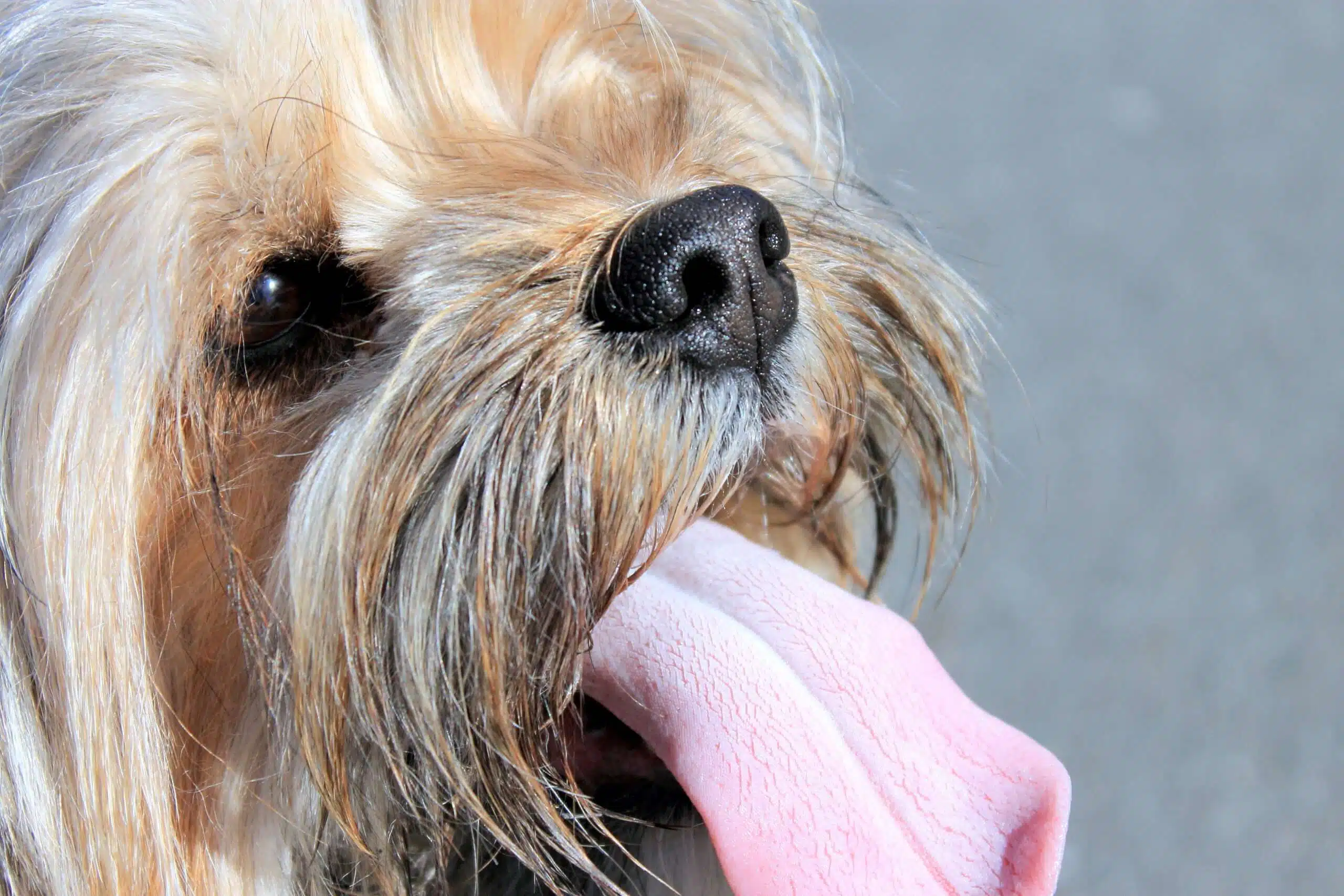
Lowchen
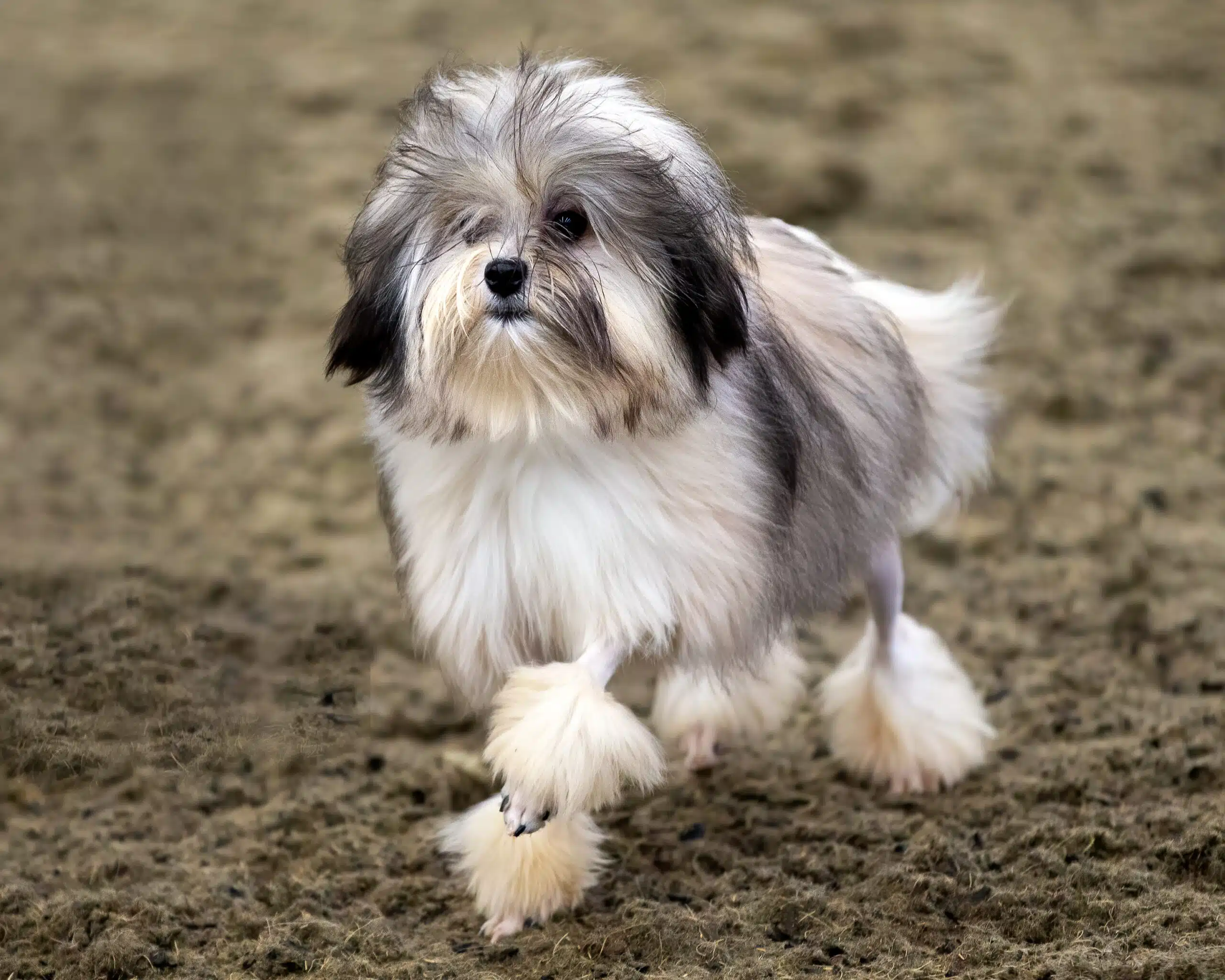
Lowchen, often known as lion dogs or little lion dogs, have long charmed European nobility with their upbeat personalities and irresistible companionship. Their traditional lion trim—with a flowing mane around the neck and head—adds to their distinctive appeal, though their soft, wavy coat is just as tempting to leave natural.
This dog breed is intelligent, inquisitive, and full of lively spirit. Even though they stay small as adults, these confident pups are braver than they realize, making it important to keep an eye on them so their courage doesn’t land them in trouble. Thankfully, their boldness is balanced by a joyful nature that makes them wonderful indoor family dogs.
Purposefully bred to be devoted a companion dog in the non sporting group, Lowchen quickly pick up commands and often excel in obedience and agility. They bring positive energy wherever they go and typically get along beautifully with other animals thanks to their friendly, social temperament.
Playful and spirited, Lowchen love children and can easily keep pace on long walks. While not aggressive, they are vigilant and will readily alert their families to approaching strangers—sometimes a bit too readily in busy neighborhoods, leading to the occasional false alarm or bout of enthusiastic barking.
Nearly lost by the end of the 19th century, these healthy dogs were brought back from the edge of extinction. Their warm, engaging personalities and reputation as a healthy breed have helped them rebound, ensuring that today’s Lowchen continue the legacy of a delightful and enduring companion.
Small Dog Breeds: Discover The Charismatic World Of Lowchen Cuteness

Stuck choosing a small dog that fits your life? The Lowchen, often called the little lion dog, gives you a compact companion with a big, steady heart. If you want a friendly, portable dog that still enjoys activity, this rare breed deserves a close look.
Many small dogs can be yappy or nervous. Some need complicated care routines. Lowchens break that pattern with a cheerful, confident nature and an easygoing attitude around kids and other pets when socialized well.
This guide walks you through the Löwchen breed from nose to tail. You will learn history, size and coat traits, smart training steps, health risks like progressive retinal atrophy, and practical care such as frequent brushing and choosing high quality dog food. By the end, you will know if this lion dog matches your home and pace.
Key Takeaways

- The Lowchen, or “little lion dog,” ranked among the rarest breeds, with only 65 registered worldwide in 1973.
- Recognized by the American Kennel Club in 1996, adult Lowchens stand 12–14 inches, weigh about 15 pounds, and live 13–15 years.
- Health watchlist: hip dysplasia, progressive retinal atrophy, cataracts, luxating patella, and dental disease. Responsible breeders provide health test results for parents.
- Regular grooming matters for their long, wavy, often hypoallergenic coat. Most owners brush weekly and book pro trims every two months.
- Positive reinforcement and early socialization manage moderate barking and watchdog instincts, supporting a gentle, playful family temperament.
History and Origin

The Lowchen is a breed with a long and distinguished past, beloved for centuries across Continental Europe. From palace halls to Renaissance portraits, this “little lion dog” has been a cherished companion whose history intertwines with art, nobility, and devoted preservation efforts.
Early Companions of European Nobility
For more than five hundred years, the Lowchen charmed families throughout France, Italy, Holland, Spain, Russia, and Germany. During the Middle Ages, noblewomen prized these small, affectionate dogs for their companionship and cheerful presence. Their popularity among the upper classes meant they were often seen in grand homes and luxurious estates, living alongside royalty and aristocrats.
A Fixture in Renaissance Art
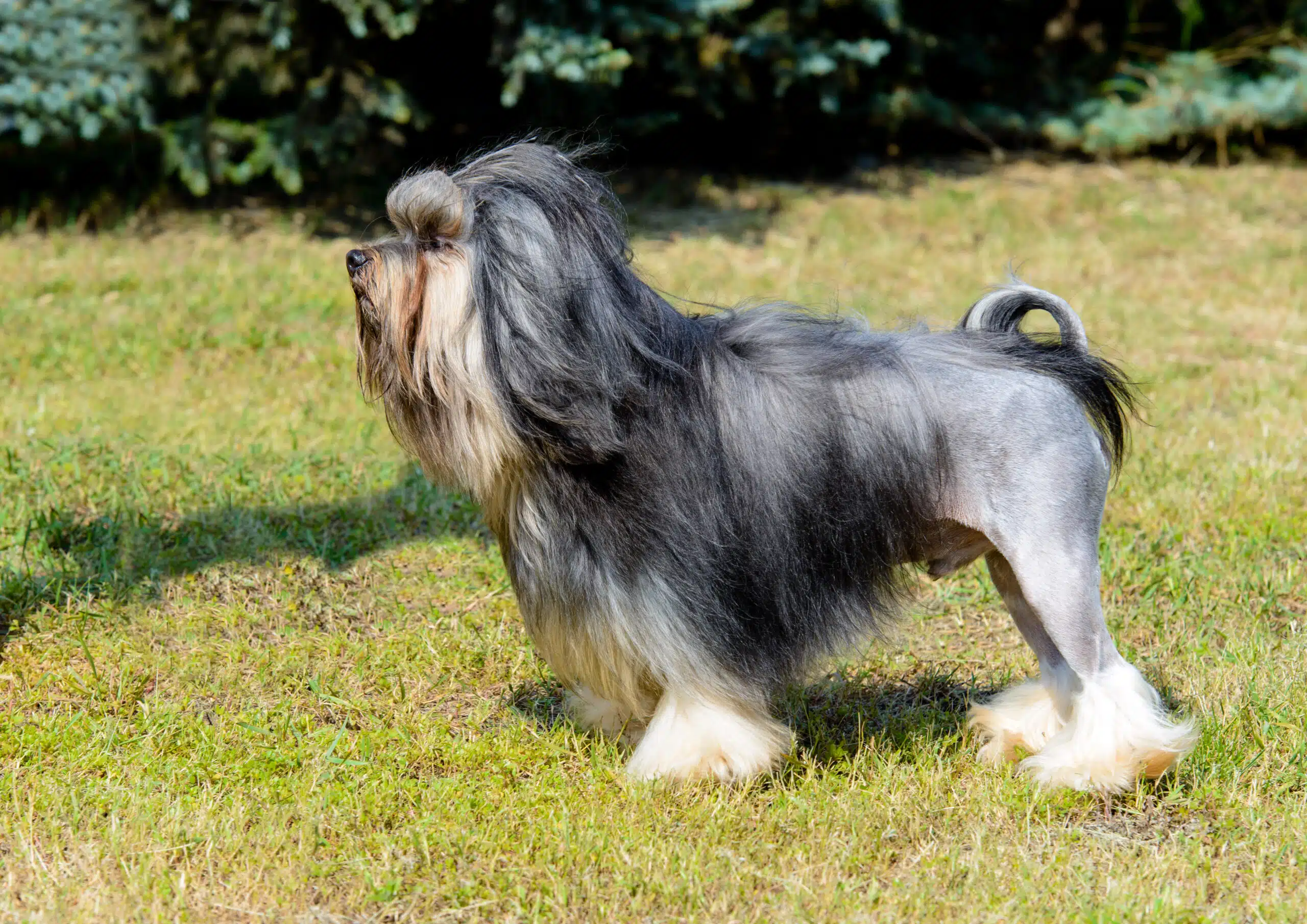
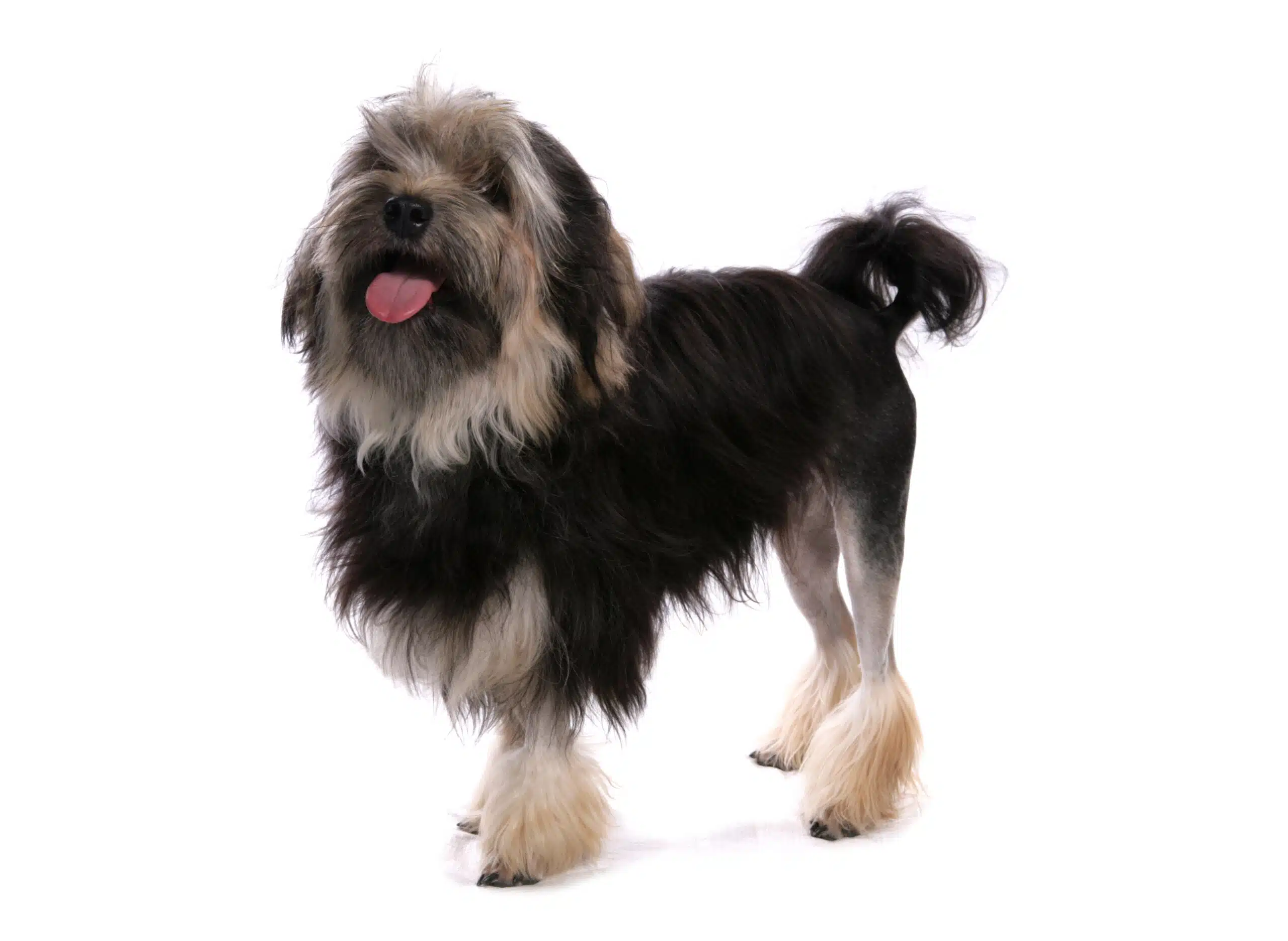
Artists of the Renaissance frequently included the Lowchen in their paintings, a testament to how recognizable and beloved the breed was. The breed’s appearance then is remarkably similar to how it looks today, thanks in part to the signature lion cut. The German name “Löwchen” translates to “little lion,” reflecting both the trim—hindquarters clipped short with a full mane left around the chest and head—and the confident expression these dogs carry.
Shared Roots With Other Bichon Breeds

The Lowchen shares ancestry with other members of the bichon family, including the Bichon Frise and the Maltese. These small companion breeds traveled throughout Europe and the Mediterranean with traders and sailors, contributing to a diverse but connected lineage of cheerful, people-oriented dogs.
A Brush With Extinction
Despite their long history, the Lowchen nearly disappeared in the 20th century. As late as 1973, only 65 registered Lowchen existed worldwide, making them one of the rarest dog breeds on the planet. Their survival is largely credited to the tireless work of Madame Bennert, who gathered and preserved essential breeding stock when numbers were critically low.
Her efforts, along with growing interest from enthusiasts, led to renewed preservation and responsible breeding programs.
Formation of Breed Clubs and Modern Recognition
To protect the breed’s future in the United States, the Löwchen Club of America was established in 1972. The group worked to maintain healthy pedigrees, educate the public, and support responsible breeders.
A major milestone came on August 31, 1995, when the American Kennel Club accepted the Lowchen. The breed entered the AKC Miscellaneous Class on April 1, 1996, marking its formal step into the modern registry system.
The Lowchen Today
What began as a treasured companion of European nobility has grown into a small but dedicated global community. Breed clubs and passionate owners continue to safeguard the Lowchen’s lineage, ensuring that this rare, spirited dog remains healthy and thriving for generations to come.
Physical Characteristics

The Lowchen is a compact, sturdy little dog with a bright, expressive face, flowing coat, and the iconic lion trim that highlights its proud, confident stance. Its balanced proportions and lively, alert expression give it a presence far larger than its small size suggests.
Body and Structure
Lowchens present a compact, well-proportioned frame in line with the toy group. Most stand 12 to 14 inches tall and weigh close to 15 pounds. Some males reach 18 pounds.
The chest reaches the elbows, and the loin has a slight tuck that signals fitness. Well-laid-back shoulders, matched forearm length, and a clean elbow angle support smooth, efficient movement. Many breeders remove dewclaws early, and you should keep nails short to protect the toes and joints.
The hindquarters show firm muscle with good bend at the stifle and strong hocks. Slightly smaller rear feet help that quick, springy step. You will notice a proud tail carriage during play or regular walks.
Face and Expression

A broad, fairly flat skull, moderate stop, and deep underjaw create a strong yet sweet look. The wide-set, expressive eyes draw you in.
Shorter muzzles in some small breeds can increase a baby-like appearance. That cute look, called “kindchenschema,” often triggers a caring response from people. It helps explain why families see them as natural lapdogs and gentle companions.
Coat and Color

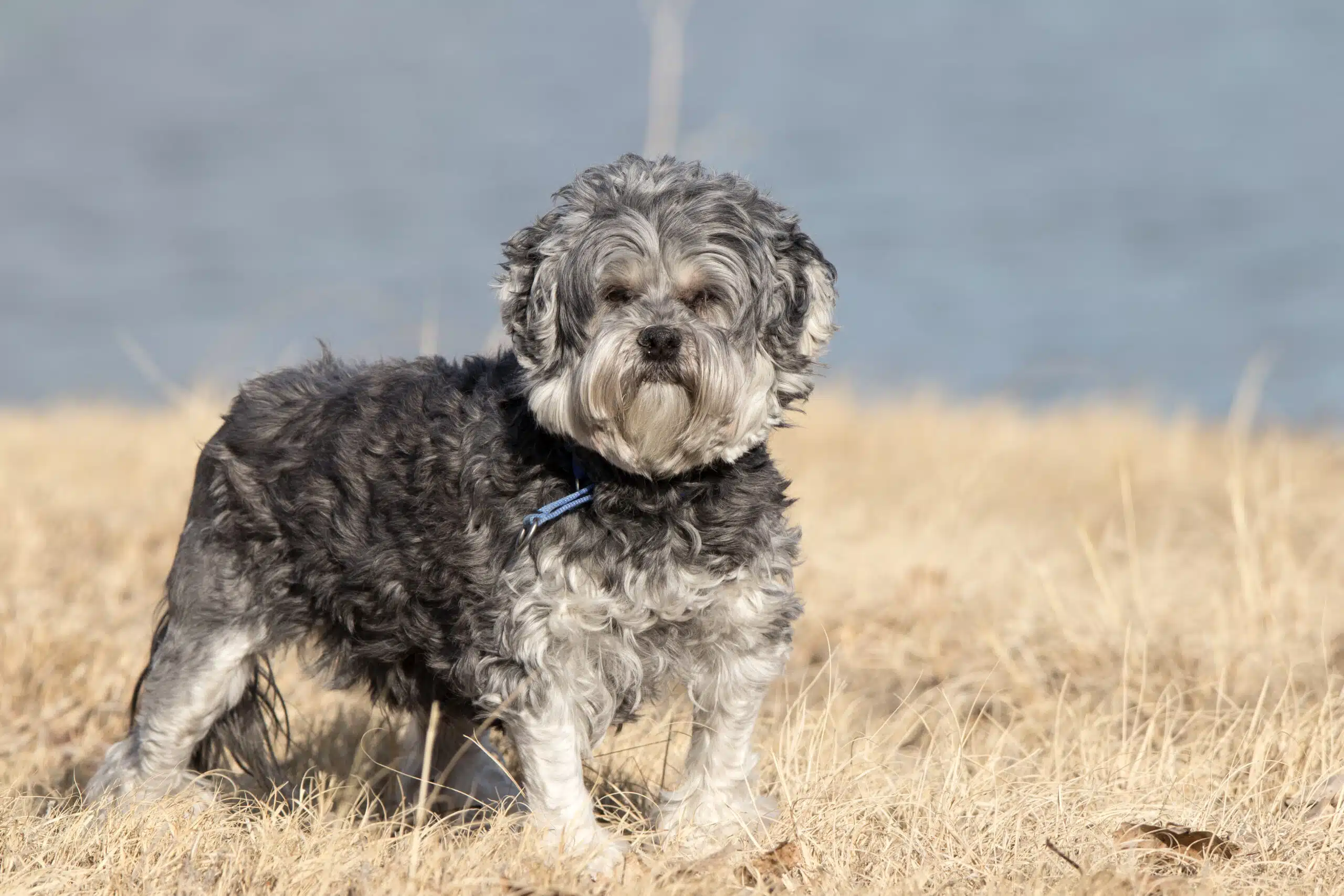
Löwchen coats are long and wavy with a silky feel. Many owners report fewer allergy issues, though no dog is truly hypoallergenic. The traditional lion cut trims the rear and part of the tail, leaving a flowing mane and a tail plume.
Coat care is essential. Their double coat can tangle if neglected, so frequent brushing prevents mats and skin irritation. Colors include Black, Chocolate, Silver, White, Blue Brindle, Gold Sable, Red Brindle, and Fawn Sable. Markings like Irish Pied or Tan Points are also seen. Puppies can shift color until about age four as the adult coat settles.
Movement and Gait

Lowchens should move with an easy, elastic stride. The head stays high, and the tail arches over the back like a teacup handle.
Show judges expect good reach in front and strong drive from the rear. Restricted steps, or a leggy terrier style, miss the breed’s essence. Correct motion supports healthy hips and knees and reduces stress on joints that can lead to luxating patella or arthritis later.
Temperament and Behavior

Löwchens are spirited, sweet, and steady, which suits family life. Many owners rate them a 5 out of 5 for playfulness and affection toward family. They tend to greet new experiences with calm confidence, not fear.
Watchdog instincts are real. Expect a helpful alert bark, rated around 3 out of 5, without constant noise. With patient introductions, they usually warm up fast.
They handle gentle children well and often choose to play softly or cuddle close. Early socialization and positive reinforcement shape polite manners and reduce separation anxiety. Simple, clear routines help them relax when you leave and settle faster when you return.
Health Considerations

Thoughtful breeding keeps Lowchens active and sound. Responsible lowchen breeders screen for inherited problems such as hip dysplasia and cataracts. Hip dysplasia is a hip joint mismatch that can lead to pain and lameness. Cataracts cause clouding of the lens, which may lead to vision loss. Cataract surgery can help some dogs.
Patellar luxation, also called luxating patella, happens when the kneecap slips out of place. Intervertebral disc disease, or IVDD, involves spinal discs and can cause back pain or nerve problems. Chondrodystrophy, a cartilage growth trait in some dogs, raises IVDD risk.
A steady weight protects joints, so follow feeding guidelines and keep treats modest. Regular grooming reduces skin trouble under the coat and helps you spot issues early. Short daily walks and play sessions are better than long distance runs, which stress small joints.
This content is for general education. For health concerns, contact your veterinarian or a board-certified specialist.
Common Concerns
Smart, early care lowers the odds of expensive problems and keeps your companion comfortable.
- Hip dysplasia can appear in Lowchens. Reputable lowchen breeders screen hips before breeding. Keep your dog’s weight lean to ease joint stress.
- Luxating patella, a slipping kneecap, is common in small dogs. Medication or surgery may be needed. Early diagnosis improves results.
- Progressive retinal atrophy causes slow vision loss and, over time, blindness. There is no cure yet. Ask for eye exams from a veterinary ophthalmologist on breeding dogs.
- Cataracts can cloud vision with age. Surgery restores sight in many cases. Regular eye checks catch changes early.
- Dental disease builds fast in small mouths. Daily brushing and routine cleanings prevent infections and tooth loss.
- Floppy ears trap moisture and debris. Weekly cleaning with a vet-approved solution helps prevent ear infections.
- Weight gain increases joint strain and risks for conditions like hip dysplasia or diabetes. Feed puppy food or adult kibble based on age and activity, and avoid harmful human foods.
- Even with screening, inherited issues can appear. Ask for proof of parental tests, including patella evaluation, hip evaluation, and eye screenings.
- Lifespan averages 13–15 years with steady exercise, good nutrition, and daily mental stimulation into old age.
- Avoid puppy mills that skip health testing. Choose reputable lowchen breeders who provide complete certifications, unlike many casual crossbreeds such as golden doodles or basset mixes.
Lifespan
Most Lowchens reach 13 to 15 years. That is similar to the Lhasa Apso at 12 to 15 years. Havanese and Biewer Terriers often live to 14 to 16 years. Some larger Mediterranean water dogs average closer to 11 to 13 years. For more information on the longest living dog breeds, you can explore detailed breed comparisons and lifespan insights.
With routine checkups and a healthy weight, your little lion can stay active in the teen years. Many enjoy long walks and family games well past middle age, which makes them a strong match for apartment life or busy homes.
Training Considerations

Lowchens learn fast with positive reinforcement. Reward wanted behavior with treats, praise, or toys. Skip harsh corrections, which create confusion and stress.
Address alert barking early so it stays useful, not annoying. A target stick makes teaching loose-leash walking and simple tricks clearer for both of you. Keep sessions short, upbeat, and frequent.
Small-dog classes, such as “Mighty Mites,” provide safe spaces sized for petite learners. In many group classes, only a small share of owners bring tiny breeds, which can overwhelm smaller dogs. Smart trainers scale exercises so little bodies can succeed. Early socialization builds confidence and prevents fear-based reactions for life.
Exercise and Socialization

Think “steady and fun,” not extreme. A daily plan keeps a Lowchen fit in body and mind.
- Take daily walks to meet moderate exercise needs and offer fresh sights and smells.
- Use structured play like fetch or simple agility games. Many Lowchens enjoy short bursts of activity.
- Practice obedience a few minutes a day. Their quick minds like jobs and clear cues.
- Set up calm introductions with other dogs. Regular, safe exposure builds social skills.
- Rotate indoor toys and add brief playtimes if space is limited. Balance active moments with rest.
- Skip long-distance running. This breed prefers variety over endurance work.
- Encourage gentle, supervised time with children. Model soft voices and calm hands.
These habits help your companion stay relaxed at home and polite in public.
Living with a Lowchen

Daily walks and playful moments suit the Lowchen’s moderate energy. You do not need a big yard. A small patio or regular trips outside work well.
Their small size and surprisingly robust frame fit most homes, including apartments. With kind guidance, they bond closely with children and usually blend well with other pets. Expect a long partnership, often 13 to 15 years, filled with simple routines and lots of affection.
Best Environment

Löwchen do best with owners who enjoy close company. They thrive in apartments and single-family homes, including with seniors or people with limited mobility. The dog’s weight and low energy needs make day-to-day care straightforward.
Socialization during puppyhood shapes a stable adult. Daily walks support both fitness and mental health. Many experts rate Lowchens 4 out of 5 for adaptability, which makes them one of the most flexible toy dogs from Germany and France according to recent l ö wchen overview reports.
Behavior towards Children

Lowchens show patience and a gentle touch with kids. Their playful style translates into simple games and cozy couch time.
Active homes with children suit them well, but supervision is wise with very young kids. Teach calm petting and no pulling. Good boundaries protect both the child and the dog and build trust for years.
Behavior towards other Pets

Most Lowchens get along with other dogs and household pets. Surveys suggest they often land around 3 out of 5 for dog-dog friendliness. Start with controlled introductions and short, positive meetings.
Males may act more assertive than females. Public opinions sometimes mislabel certain breeds as aggressive, yet research finds many are not. Purebred Lowchens generally adapt smoothly alongside cats or small pets when owners guide early interactions.
Grooming Needs

Good coat care keeps your Lowchen comfortable and looking sharp. It also prevents painful mats that tug the skin.
- Brush once or twice a week. In humid weather, brush more often to prevent tangles.
- A light finishing spray, like Chris Christensen Just Divine, helps the brush glide and reduces breakage.
- Bathe every two to four weeks based on activity. Use a dog-safe shampoo to protect skin oils.
- Book professional grooming every two months. Choose the classic lion cut or a tidy puppy cut.
- Trim nails monthly with tools like the Safari Professional Nail Trimmer so walking stays comfortable.
- Clean ears weekly with gentle wipes to reduce wax and prevent infections.
- Expect low drool and modest shedding, which helps keep your home cleaner.
- Use quality tools such as a slicker brush from Hertzko for their unique double coat.
- Watch for redness or scratching. Regular care protects the skin and keeps the coat healthy.
Nutrition and Feeding

Food choices drive energy, weight, and longevity. Aim for consistent portions, complete nutrition, and access to fresh water.
- Pick high-quality dog food matched to life stage, including puppy, adult, or senior formulas.
- Check for AAFCO statements that confirm complete and balanced nutrition.
- Measure meals to avoid obesity. Skip free feeding to protect the waistline.
- Adults usually do well on two meals a day. Puppies often need three to four small meals.
- Use treats for training, but keep them under 10 percent of daily calories.
- Offer clean water at all times, especially after walks or play.
- Ask your veterinarian for feeding guidelines based on body condition and goals.
- Both quality kibble and vet-guided home-prepared meals can work if they cover protein, fats, vitamins, and minerals.
If your dog has allergies or chronic issues, seek veterinary advice before changing diets.
Where to find a Lowchen

Ready to meet a Lowchen puppy or consider an adult dog? Good Dog connects you with vetted breeders, and most puppies list between $2,500 and $3,500. Their app adds buyer protections and convenient messaging.
The AKC Marketplace lists American Kennel Club puppies from breeders who follow strict rules. The Löwchen Club of America has served as the national breed club since 1971 and can point you toward reputable options. Contact Vicki All at (574) 304-0405 or visit www.thelowchenclubofamerica.org. Top breeder Jennifer Beban-Lawless has raised these companion dogs since 2000 and is another trusted source.
Similar Dog Breeds

Comparing close cousins helps you pick the best fit for your lifestyle. Here is how four small breeds stack up beside the Lowchen.
| Breed | Similarities with Löwchen | Differences & Best Fit for Owners Who… |
| Havanese AKC recognized 1996 Life expectancy: 14-16 yrs |
|
|
| Tibetan Terrier AKC recognized 1973 Life expectancy: 15-16 yrs |
|
|
| Lhasa Apso AKC recognized 1935 Life expectancy: 12-15 yrs |
|
|
| Biewer Terrier AKC recognized 2021 Life expectancy: ~16 yrs |
|
|
Conclusion

The Lowchen combines small size, bold personality, and a steady, loving nature. It fits busy families and relaxed households alike. With positive training, regular grooming, and high quality dog food, your little lion dog can thrive for many years.
If a friendly lion dog sounds right for you, connect with rescue groups or reputable lowchen breeders. Ask for health testing, meet the dogs, and choose the companion whose energy fits your life. That careful start sets you up for a loyal friend who brings joy every day.
FAQs
1. What makes the Lowchen stand out among small dog breeds?
The Lowchen, often called the “Little Lion Dog,” stands out for its lively personality and affectionate nature. This breed forms strong bonds with families and adapts well to different living spaces.
2. Are there common myths about Lowchen care needs?
Many believe that Lowchens require high-maintenance grooming or constant attention, but regular brushing and moderate exercise keep them healthy and happy. Their coat is manageable compared to other long-haired breeds.
3. How does the temperament of a Lowchen compare to other small dogs?
Lowchens display confidence without aggression; they are playful yet gentle with children and adults alike. Compared to some toy breeds, they show less nervousness in new situations.
4. What practical tips help first-time owners raise a healthy Lowchen?
Consistent socialization from puppyhood builds trust in various settings; daily walks support their energy levels while interactive play strengthens your bond. Routine vet visits ensure early detection of health issues specific to this charismatic companion breed.
- Furlyfe Rank See Rank
- Group AKC Non Sporting
- Origin Germany, France
- Size Smallest, Small
- Weight 9-18 pounds
- Coat Length Long
- Colors Black, Lowchen, often known as lion dogs or little lion dogs, have long charmed European nobility with their upbeat personalities and irresistible companionship. Their traditional lion trim—with a flowing mane around the neck and head—adds to their distinctive appeal, though their soft, wavy coat is just as tempting to leave natural. This dog breed is intelligent, inquisitive, and full of lively spirit. Even though they stay small as adults, these confident pups are braver than they realize, making it important to keep an eye on them so their courage doesn’t land them in trouble. Thankfully, their boldness is balanced by a joyful nature that makes them wonderful indoor family dogs. Purposefully bred to be devoted a companion dog in the non sporting group, Lowchen quickly pick up commands and often excel in obedience and agility. They bring positive energy wherever they go and typically get along beautifully with other animals thanks to their friendly, social temperament. Playful and spirited, Lowchen love children and can easily keep pace on long walks. While not aggressive, they are vigilant and will readily alert their families to approaching strangers—sometimes a bit too readily in busy neighborhoods, leading to the occasional false alarm or bout of enthusiastic barking. Nearly lost by the end of the 19th century, these healthy dogs were brought back from the edge of extinction. Their warm, engaging personalities and reputation as a healthy breed have helped them rebound, ensuring that today’s Lowchen continue the legacy of a delightful and enduring companion. Small Dog Breeds: Discover The Charismatic World Of Lowchen Cuteness Stuck choosing a small dog that fits your life? The Lowchen, often called the little lion dog, gives you a compact companion with a big, steady heart. If you want a friendly, portable dog that still enjoys activity, this rare breed deserves a close look. Many small dogs can be yappy or nervous. Some need complicated care routines. Lowchens break that pattern with a cheerful, confident nature and an easygoing attitude around kids and other pets when socialized well. This guide walks you through the Löwchen breed from nose to tail. You will learn history, size and coat traits, smart training steps, health risks like progressive retinal atrophy, and practical care such as frequent brushing and choosing high quality dog food. By the end, you will know if this lion dog matches your home and pace. Key Takeaways The Lowchen, or “little lion dog,” ranked among the rarest breeds, with only 65 registered worldwide in 1973. Recognized by the American Kennel Club in 1996, adult Lowchens stand 12–14 inches, weigh about 15 pounds, and live 13–15 years. Health watchlist: hip dysplasia, progressive retinal atrophy, cataracts, luxating patella, and dental disease. Responsible breeders provide health test results for parents. Regular grooming matters for their long, wavy, often hypoallergenic coat. Most owners brush weekly and book pro trims every two months. Positive reinforcement and early socialization manage moderate barking and watchdog instincts, supporting a gentle, playful family temperament. History and Origin The Lowchen is a breed with a long and distinguished past, beloved for centuries across Continental Europe. From palace halls to Renaissance portraits, this “little lion dog” has been a cherished companion whose history intertwines with art, nobility, and devoted preservation efforts. Early Companions of European Nobility For more than five hundred years, the Lowchen charmed families throughout France, Italy, Holland, Spain, Russia, and Germany. During the Middle Ages, noblewomen prized these small, affectionate dogs for their companionship and cheerful presence. Their popularity among the upper classes meant they were often seen in grand homes and luxurious estates, living alongside royalty and aristocrats. A Fixture in Renaissance Art Artists of the Renaissance frequently included the Lowchen in their paintings, a testament to how recognizable and beloved the breed was. The breed’s appearance then is remarkably similar to how it looks today, thanks in part to the signature lion cut. The German name “Löwchen” translates to “little lion,” reflecting both the trim—hindquarters clipped short with a full mane left around the chest and head—and the confident expression these dogs carry. Shared Roots With Other Bichon Breeds The Lowchen shares ancestry with other members of the bichon family, including the Bichon Frise and the Maltese. These small companion breeds traveled throughout Europe and the Mediterranean with traders and sailors, contributing to a diverse but connected lineage of cheerful, people-oriented dogs. A Brush With Extinction Despite their long history, the Lowchen nearly disappeared in the 20th century. As late as 1973, only 65 registered Lowchen existed worldwide, making them one of the rarest dog breeds on the planet. Their survival is largely credited to the tireless work of Madame Bennert, who gathered and preserved essential breeding stock when numbers were critically low. Her efforts, along with growing interest from enthusiasts, led to renewed preservation and responsible breeding programs. Formation of Breed Clubs and Modern Recognition To protect the breed’s future in the United States, the Löwchen Club of America was established in 1972. The group worked to maintain healthy pedigrees, educate the public, and support responsible breeders. A major milestone came on August 31, 1995, when the American Kennel Club accepted the Lowchen. The breed entered the AKC Miscellaneous Class on April 1, 1996, marking its formal step into the modern registry system. The Lowchen Today What began as a treasured companion of European nobility has grown into a small but dedicated global community. Breed clubs and passionate owners continue to safeguard the Lowchen’s lineage, ensuring that this rare, spirited dog remains healthy and thriving for generations to come. Physical Characteristics The Lowchen is a compact, sturdy little dog with a bright, expressive face, flowing coat, and the iconic lion trim that highlights its proud, confident stance. Its balanced proportions and lively, alert expression give it a presence far larger than its small size suggests. Body and Structure Lowchens present a compact, well-proportioned frame in line with the toy group. Most stand 12 to 14 inches tall and weigh close to 15 pounds. Some males reach 18 pounds. The chest reaches the elbows, and the loin has a slight tuck that signals fitness. Well-laid-back shoulders, matched forearm length, and a clean elbow angle support smooth, efficient movement. Many breeders remove dewclaws early, and you should keep nails short to protect the toes and joints. The hindquarters show firm muscle with good bend at the stifle and strong hocks. Slightly smaller rear feet help that quick, springy step. You will notice a proud tail carriage during play or regular walks. Face and Expression A broad, fairly flat skull, moderate stop, and deep underjaw create a strong yet sweet look. The wide-set, expressive eyes draw you in. Shorter muzzles in some small breeds can increase a baby-like appearance. That cute look, called “kindchenschema,” often triggers a caring response from people. It helps explain why families see them as natural lapdogs and gentle companions. Coat and Color Löwchen coats are long and wavy with a silky feel. Many owners report fewer allergy issues, though no dog is truly hypoallergenic. The traditional lion cut trims the rear and part of the tail, leaving a flowing mane and a tail plume. Coat care is essential. Their double coat can tangle if neglected, so frequent brushing prevents mats and skin irritation. Colors include Black, Chocolate, Silver, White, Blue Brindle, Gold Sable, Red Brindle, and Fawn Sable. Markings like Irish Pied or Tan Points are also seen. Puppies can shift color until about age four as the adult coat settles. Movement and Gait Lowchens should move with an easy, elastic stride. The head stays high, and the tail arches over the back like a teacup handle. Show judges expect good reach in front and strong drive from the rear. Restricted steps, or a leggy terrier style, miss the breed’s essence. Correct motion supports healthy hips and knees and reduces stress on joints that can lead to luxating patella or arthritis later. Temperament and Behavior Löwchens are spirited, sweet, and steady, which suits family life. Many owners rate them a 5 out of 5 for playfulness and affection toward family. They tend to greet new experiences with calm confidence, not fear. Watchdog instincts are real. Expect a helpful alert bark, rated around 3 out of 5, without constant noise. With patient introductions, they usually warm up fast. They handle gentle children well and often choose to play softly or cuddle close. Early socialization and positive reinforcement shape polite manners and reduce separation anxiety. Simple, clear routines help them relax when you leave and settle faster when you return. Health Considerations Thoughtful breeding keeps Lowchens active and sound. Responsible lowchen breeders screen for inherited problems such as hip dysplasia and cataracts. Hip dysplasia is a hip joint mismatch that can lead to pain and lameness. Cataracts cause clouding of the lens, which may lead to vision loss. Cataract surgery can help some dogs. Patellar luxation, also called luxating patella, happens when the kneecap slips out of place. Intervertebral disc disease, or IVDD, involves spinal discs and can cause back pain or nerve problems. Chondrodystrophy, a cartilage growth trait in some dogs, raises IVDD risk. A steady weight protects joints, so follow feeding guidelines and keep treats modest. Regular grooming reduces skin trouble under the coat and helps you spot issues early. Short daily walks and play sessions are better than long distance runs, which stress small joints. This content is for general education. For health concerns, contact your veterinarian or a board-certified specialist. Common Concerns Smart, early care lowers the odds of expensive problems and keeps your companion comfortable. Hip dysplasia can appear in Lowchens. Reputable lowchen breeders screen hips before breeding. Keep your dog’s weight lean to ease joint stress. Luxating patella, a slipping kneecap, is common in small dogs. Medication or surgery may be needed. Early diagnosis improves results. Progressive retinal atrophy causes slow vision loss and, over time, blindness. There is no cure yet. Ask for eye exams from a veterinary ophthalmologist on breeding dogs. Cataracts can cloud vision with age. Surgery restores sight in many cases. Regular eye checks catch changes early. Dental disease builds fast in small mouths. Daily brushing and routine cleanings prevent infections and tooth loss. Floppy ears trap moisture and debris. Weekly cleaning with a vet-approved solution helps prevent ear infections. Weight gain increases joint strain and risks for conditions like hip dysplasia or diabetes. Feed puppy food or adult kibble based on age and activity, and avoid harmful human foods. Even with screening, inherited issues can appear. Ask for proof of parental tests, including patella evaluation, hip evaluation, and eye screenings. Lifespan averages 13–15 years with steady exercise, good nutrition, and daily mental stimulation into old age. Avoid puppy mills that skip health testing. Choose reputable lowchen breeders who provide complete certifications, unlike many casual crossbreeds such as golden doodles or basset mixes. Lifespan Most Lowchens reach 13 to 15 years. That is similar to the Lhasa Apso at 12 to 15 years. Havanese and Biewer Terriers often live to 14 to 16 years. Some larger Mediterranean water dogs average closer to 11 to 13 years. For more information on the longest living dog breeds, you can explore detailed breed comparisons and lifespan insights. With routine checkups and a healthy weight, your little lion can stay active in the teen years. Many enjoy long walks and family games well past middle age, which makes them a strong match for apartment life or busy homes. Training Considerations Lowchens learn fast with positive reinforcement. Reward wanted behavior with treats, praise, or toys. Skip harsh corrections, which create confusion and stress. Address alert barking early so it stays useful, not annoying. A target stick makes teaching loose-leash walking and simple tricks clearer for both of you. Keep sessions short, upbeat, and frequent. Small-dog classes, such as “Mighty Mites,” provide safe spaces sized for petite learners. In many group classes, only a small share of owners bring tiny breeds, which can overwhelm smaller dogs. Smart trainers scale exercises so little bodies can succeed. Early socialization builds confidence and prevents fear-based reactions for life. Exercise and Socialization Think “steady and fun,” not extreme. A daily plan keeps a Lowchen fit in body and mind. Take daily walks to meet moderate exercise needs and offer fresh sights and smells. Use structured play like fetch or simple agility games. Many Lowchens enjoy short bursts of activity. Practice obedience a few minutes a day. Their quick minds like jobs and clear cues. Set up calm introductions with other dogs. Regular, safe exposure builds social skills. Rotate indoor toys and add brief playtimes if space is limited. Balance active moments with rest. Skip long-distance running. This breed prefers variety over endurance work. Encourage gentle, supervised time with children. Model soft voices and calm hands. These habits help your companion stay relaxed at home and polite in public. Living with a Lowchen Daily walks and playful moments suit the Lowchen’s moderate energy. You do not need a big yard. A small patio or regular trips outside work well. Their small size and surprisingly robust frame fit most homes, including apartments. With kind guidance, they bond closely with children and usually blend well with other pets. Expect a long partnership, often 13 to 15 years, filled with simple routines and lots of affection. Best Environment Löwchen do best with owners who enjoy close company. They thrive in apartments and single-family homes, including with seniors or people with limited mobility. The dog’s weight and low energy needs make day-to-day care straightforward. Socialization during puppyhood shapes a stable adult. Daily walks support both fitness and mental health. Many experts rate Lowchens 4 out of 5 for adaptability, which makes them one of the most flexible toy dogs from Germany and France according to recent l ö wchen overview reports. Behavior towards Children Lowchens show patience and a gentle touch with kids. Their playful style translates into simple games and cozy couch time. Active homes with children suit them well, but supervision is wise with very young kids. Teach calm petting and no pulling. Good boundaries protect both the child and the dog and build trust for years. Behavior towards other Pets Most Lowchens get along with other dogs and household pets. Surveys suggest they often land around 3 out of 5 for dog-dog friendliness. Start with controlled introductions and short, positive meetings. Males may act more assertive than females. Public opinions sometimes mislabel certain breeds as aggressive, yet research finds many are not. Purebred Lowchens generally adapt smoothly alongside cats or small pets when owners guide early interactions. Grooming Needs Good coat care keeps your Lowchen comfortable and looking sharp. It also prevents painful mats that tug the skin. Brush once or twice a week. In humid weather, brush more often to prevent tangles. A light finishing spray, like Chris Christensen Just Divine, helps the brush glide and reduces breakage. Bathe every two to four weeks based on activity. Use a dog-safe shampoo to protect skin oils. Book professional grooming every two months. Choose the classic lion cut or a tidy puppy cut. Trim nails monthly with tools like the Safari Professional Nail Trimmer so walking stays comfortable. Clean ears weekly with gentle wipes to reduce wax and prevent infections. Expect low drool and modest shedding, which helps keep your home cleaner. Use quality tools such as a slicker brush from Hertzko for their unique double coat. Watch for redness or scratching. Regular care protects the skin and keeps the coat healthy. Nutrition and Feeding Food choices drive energy, weight, and longevity. Aim for consistent portions, complete nutrition, and access to fresh water. Pick high-quality dog food matched to life stage, including puppy, adult, or senior formulas. Check for AAFCO statements that confirm complete and balanced nutrition. Measure meals to avoid obesity. Skip free feeding to protect the waistline. Adults usually do well on two meals a day. Puppies often need three to four small meals. Use treats for training, but keep them under 10 percent of daily calories. Offer clean water at all times, especially after walks or play. Ask your veterinarian for feeding guidelines based on body condition and goals. Both quality kibble and vet-guided home-prepared meals can work if they cover protein, fats, vitamins, and minerals. If your dog has allergies or chronic issues, seek veterinary advice before changing diets. Where to find a Lowchen Ready to meet a Lowchen puppy or consider an adult dog? Good Dog connects you with vetted breeders, and most puppies list between $2,500 and $3,500. Their app adds buyer protections and convenient messaging. The AKC Marketplace lists American Kennel Club puppies from breeders who follow strict rules. The Löwchen Club of America has served as the national breed club since 1971 and can point you toward reputable options. Contact Vicki All at (574) 304-0405 or visit www.thelowchenclubofamerica.org. Top breeder Jennifer Beban-Lawless has raised these companion dogs since 2000 and is another trusted source. Similar Dog Breeds Comparing close cousins helps you pick the best fit for your lifestyle. Here is how four small breeds stack up beside the Lowchen. Breed Similarities with Löwchen Differences & Best Fit for Owners Who... Havanese AKC recognized 1996 Life expectancy: 14-16 yrs Both are small, sturdy companion dogs Non-shedding, long-haired coats Outgoing and friendly Bichon Frise ancestry connection Often more playful and people-focused Great for owners who host guests often Easy to train for family life Tibetan Terrier AKC recognized 1973 Life expectancy: 15-16 yrs Similar size and coat needs Affectionate and smart Works in apartments Sometimes more reserved with strangers Fits owners who want a loyal, slightly independent dog Best in calmer homes Lhasa Apso AKC recognized 1935 Life expectancy: 12-15 yrs Petite, sturdy build Luxurious long coat Alert and playful More independent and watchful Good for singles or couples Less ideal for very young kids Biewer Terrier AKC recognized 2021 Life expectancy: ~16 yrs Toy size with a cheerful, loving spirit Long silky coat needs routine grooming Very people-oriented Great for owners wanting a true lap companion Best for those comfortable with frequent coat care Excellent in apartments Connect with other dog owners and discover breed resources at FurLyfe! Conclusion The Lowchen combines small size, bold personality, and a steady, loving nature. It fits busy families and relaxed households alike. With positive training, regular grooming, and high quality dog food, your little lion dog can thrive for many years. If a friendly lion dog sounds right for you, connect with rescue groups or reputable lowchen breeders. Ask for health testing, meet the dogs, and choose the companion whose energy fits your life. That careful start sets you up for a loyal friend who brings joy every day. FAQs 1. What makes the Lowchen stand out among small dog breeds? The Lowchen, often called the “Little Lion Dog,” stands out for its lively personality and affectionate nature. This breed forms strong bonds with families and adapts well to different living spaces. 2. Are there common myths about Lowchen care needs? Many believe that Lowchens require high-maintenance grooming or constant attention, but regular brushing and moderate exercise keep them healthy and happy. Their coat is manageable compared to other long-haired breeds. 3. How does the temperament of a Lowchen compare to other small dogs? Lowchens display confidence without aggression; they are playful yet gentle with children and adults alike. Compared to some toy breeds, they show less nervousness in new situations. 4. What practical tips help first-time owners raise a healthy Lowchen? Consistent socialization from puppyhood builds trust in various settings; daily walks support their energy levels while interactive play strengthens your bond. Routine vet visits ensure early detection of health issues specific to this charismatic companion breed.Black & Tan, Blue, Brown, Gray, Red, Silver, White
- Other Names Petit Chien Lion, Little Lion Dog
- Temperament Active, Familial, Friendly, Happy, Playful