
Labrador Retriever


The Labrador Retriever is an intelligent, amiable active breed that originated in Canada and was refined in England as a highly capable bird-retrieving dog. Its cheerful temperament and adaptability have made it one of the most popular dog breeds worldwide, but Labs require plenty of exercise, steady training, and mental engagement to stay fit and well-mannered.
Their short, waterproof coats shed moderately and come in black, yellow, or chocolate. Whether choosing a puppy from a reputable breeder or adopting a rescue dog, selecting healthy lines is essential due to certain inherited conditions.
Labs are known for their fun-loving personality and remarkable versatility. They’re just as content relaxing at home as they are chasing a tennis ball, and their outgoing attitude allows them to fit seamlessly into a variety of lifestyles. Their popularity with the AKC and other registries reflects their broad appeal and loyal nature.
This breed excels in countless roles—family companion, service dog, therapy partner, or outdoor adventure buddy. If an activity involves movement or time with their people, Labradors are eager participants. They mix well with kids, enjoy the company of other dogs, and adapt to apartments or large properties as long as they receive enough exercise and companionship.
Highly trainable and eager to please, Labradors respond well to reward-based training and reliably follow commands once taught. Like all breeds, they can face certain hereditary health concerns, so informed breeding practices remain important for long-term wellbeing.
Most importantly, Labs thrive as true members of the household. With adequate activity, affection, and inclusion, they make devoted, enthusiastic companions for individuals and families alike.
Ultimate Guide To Labrador Retriever Breed Characteristics And Care

Are you wondering if a Labrador Retriever fits your family, but feel unsure about their care or energy levels? Many dog owners struggle to find the right balance between meeting this active breed’s needs and enjoying life with such a friendly pet.
Finding clear facts on Lab traits, health issues like hip dysplasia, and daily routines for Labradors can be confusing.
Labrador Retrievers are America’s most popular dog breed according to the American Kennel Club. These dogs have an outgoing nature. Labs quickly bond with families and get along well with children and other animals.
This guide will share everything you need to know about Labrador Retriever characteristics, proper exercise, grooming tips, training help from groups like the AKC, how to choose good breeders or rescue dogs, and more.
You will learn simple steps for happy living with one of these smart dogs at home.
Key Takeaways
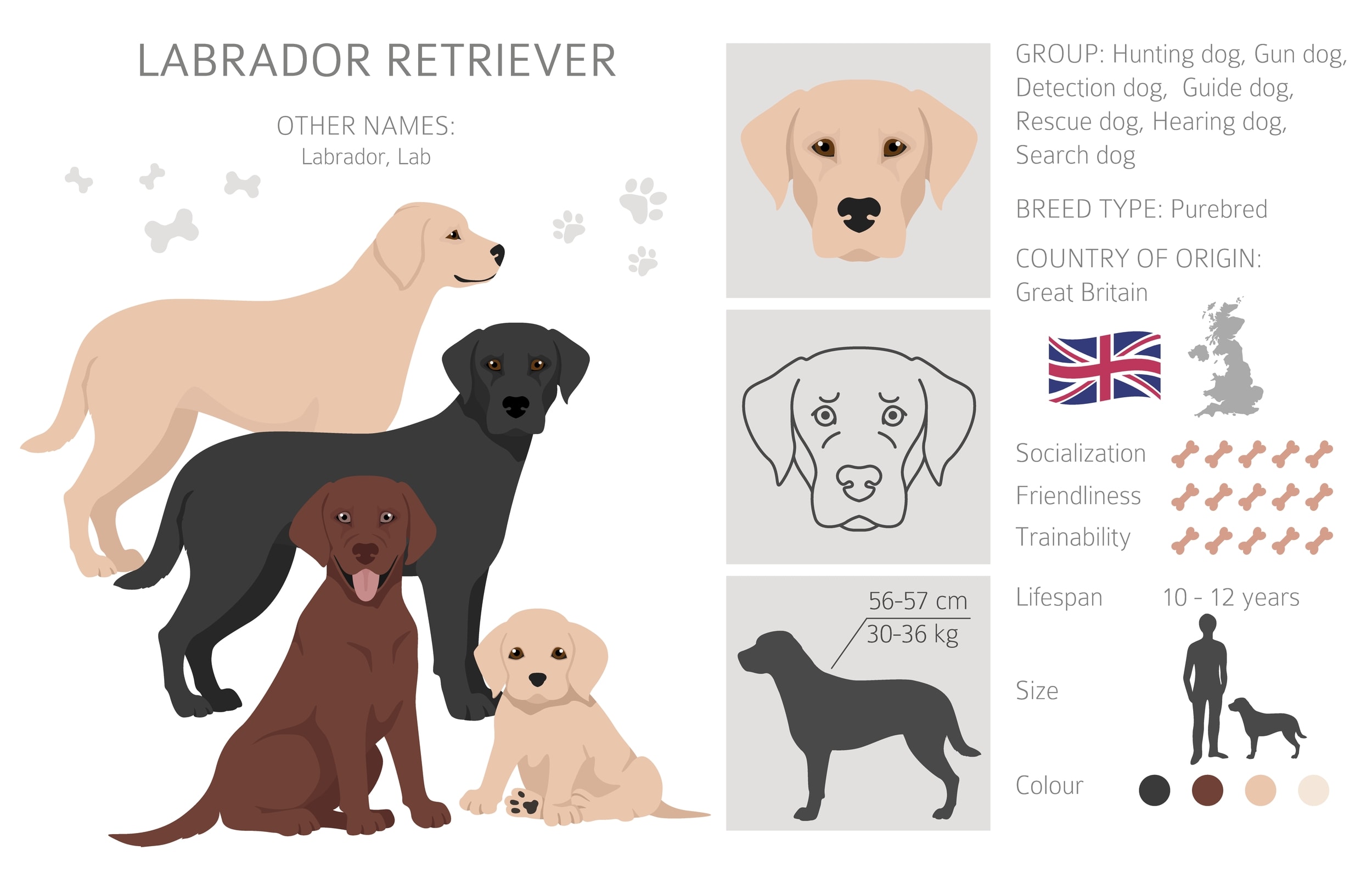
- Labrador Retrievers are America’s most popular dog breed, recognized by the AKC since 1903, and originated from St. John’s water dogs imported to Britain in the 1830s.
- Males stand about 22–22.5 inches tall and weigh 65–80 pounds; females are slightly smaller at 21.5–22 inches tall and weigh 55–70 pounds.
- Labradors come in three coat colors—black, yellow, and chocolate—with genetic factors like MC1R influencing color; chocolate Labs have a life expectancy about 10% shorter than others (UK data: average lifespan is around 13 years).
- Common health issues include hip and elbow dysplasia, chronic hepatitis (4.14 times more likely in females), eye conditions like progressive retinal atrophy linked to PRCD gene mutations, ear infections due to floppy ears, allergies, obesity, and arthritis.
- The Labrador Retriever Club Inc., located in Georgia (PO Box 231), offers breeder lists; avoid backyard sellers lacking health records or standards; rescue groups provide options for adopting adult Labs needing homes.
History and Origin of the Labrador Retriever

Working roots in Newfoundland
The Labrador Retriever descends from the St. John’s water dog, a versatile working breed developed by Newfoundland fishermen in the 1700s. These dogs retrieved nets, lines, and fish in freezing waters, aided by their dense coats and powerful, otter-like tails. British sailors admired their skill and began importing them to England in the early 1800s, where they quickly earned a reputation as exceptional water retrievers.
Development into a British gundog

By the 1830s, aristocratic sporting families—especially the Earls of Malmesbury and the Dukes of Buccleuch—refined these imported dogs into a dedicated gundog. Selective breeding emphasized steadiness, trainability, and strong retrieving instincts. By the late 1800s, the dogs were commonly called Labrador Retrievers, distinct from both the larger Newfoundland and other retriever types.
Recognition, colors, and global rise
The Kennel Club recognized the Labrador Retriever in 1903, followed by the American Kennel Club in 1917. Black Labradors dominated early lines, but yellow and chocolate varieties soon appeared; the first known yellow Labrador, Ben of Hyde, was born in 1899. Field trials and organized shooting sports helped propel the breed’s popularity, and by mid-century Labradors had spread across Europe and North America. Meanwhile, their progenitor—the St. John’s dog—disappeared, leaving the Labrador as its closest living link.
From specialist retriever to multipurpose dog
As Labradors gained recognition for their intelligence and stable temperament, they transitioned into broader roles: guide and assistance dogs, search-and-rescue workers, detection dogs, and devoted family companions. Their adaptability remains one of the key reasons they are among the world’s most popular breeds.
Notable Labrador Retrievers
- Endal – British assistance dog known for performing advanced tasks and life-saving actions.
- Sully – Service dog to former U.S. President George H. W. Bush, celebrated for his calm devotion.
- Frida – Mexican Navy search-and-rescue dog credited with finding survivors after major earthquakes.
- Zanjeer – Mumbai Police detection dog known for preventing multiple terrorist attacks.
Physical Characteristics
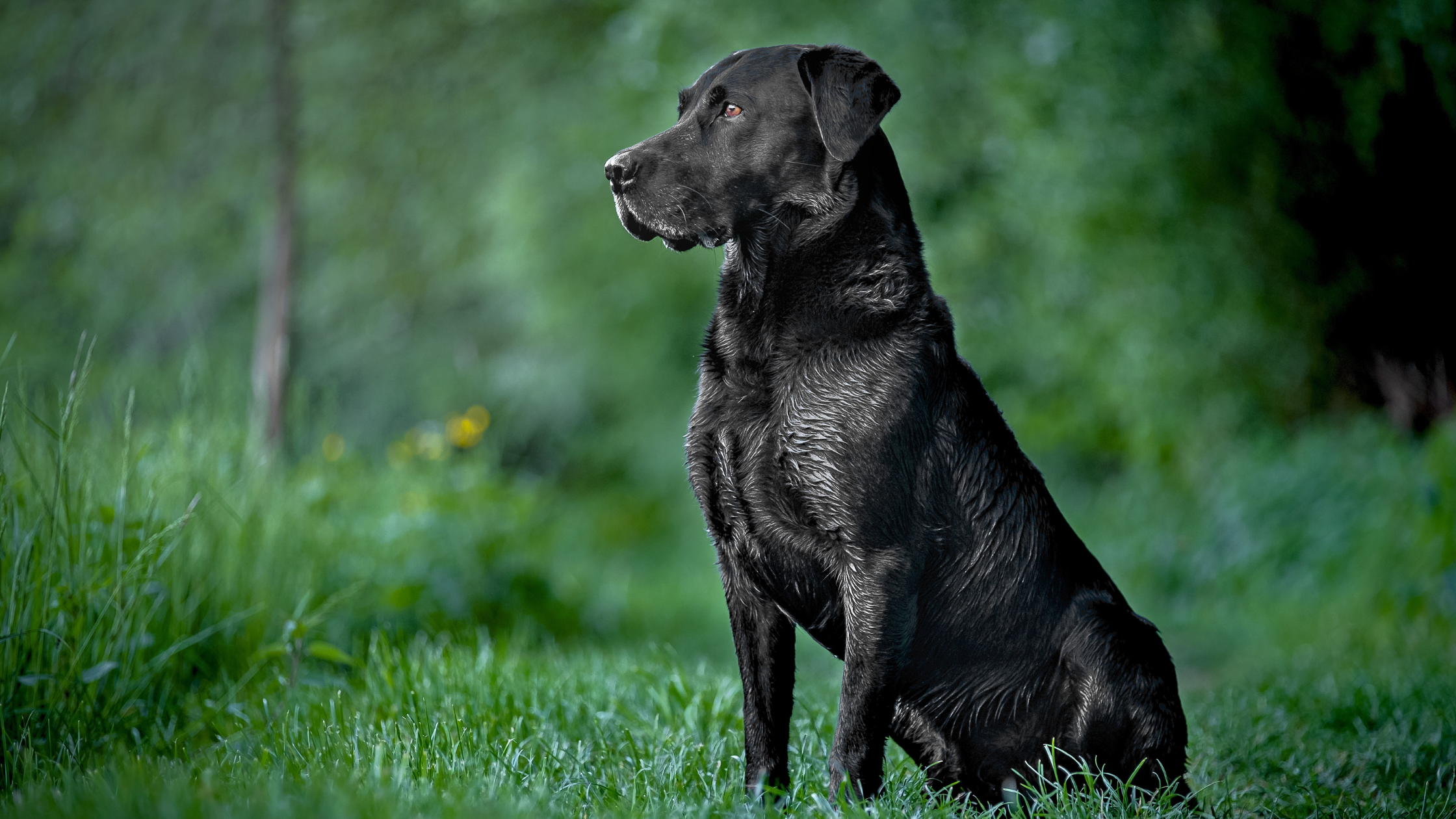
The Labrador Retriever is a powerfully built, athletic dog designed for endurance, strength, and efficiency in the field. Its broad skull, expressive eyes, and strong muzzle give it a classic sporting-dog presence, while its famously dense, water-repellent double coat and thick, rudder-like tail equip it for swimming in cold, choppy water.
A Labrador‘s body is balanced and muscular, with a deep chest, sturdy limbs, and a smooth, effortless gait that reflects both speed and stamina. Combined with its eager expression and confident posture, the breed embodies a blend of robust working ability and friendly approachability that makes it instantly recognizable.
Body and Structure
Labrador retrievers are medium-large dogs with a strong and muscular body. Adult males usually weigh between 65 and 80 pounds, standing about 22 to 22.5 inches tall at the shoulder.
Females typically weigh from 55 to 70 pounds and reach heights of around 21.5 to 22 inches. These large breed dogs have deep chests that give them power and stamina during outdoor activities like dock diving or swimming.
Their short, dense coats help protect against cold water while retrieving game or playing outside in chilly weather. Fully webbed paws make labs excel as swimmers, which is one reason they are popular breeds for guide dogs and assistance work.
Labradors tend to stay sturdy without looking heavy or sluggish; their structure supports an energetic breed that thrives on movement and playtime with families or when tested in dog sports by national breed clubs or reputable breeders.
Face and Expression

Sweet-faced and lovable, this affable breed draws many families with its friendly look. Kind eyes shine in shades of brown or hazel, matching a warm nature that makes labrador dogs the perfect family dog.
Their broad heads show a clear stop between muzzle and forehead, adding depth to their gentle expression.
Strong jaws and a medium-length muzzle support healthy chewing habits from puppyhood to old age. Many labs sport short and smooth coats that highlight their expressive faces. A weather-resistant undercoat frames distinctive facial features without hiding the dog’s personality.
These classic looks help explain why the labrador breed is one of the most popular dog breeds used as assistance dogs for drug and explosive detection work worldwide.
Coat and Color
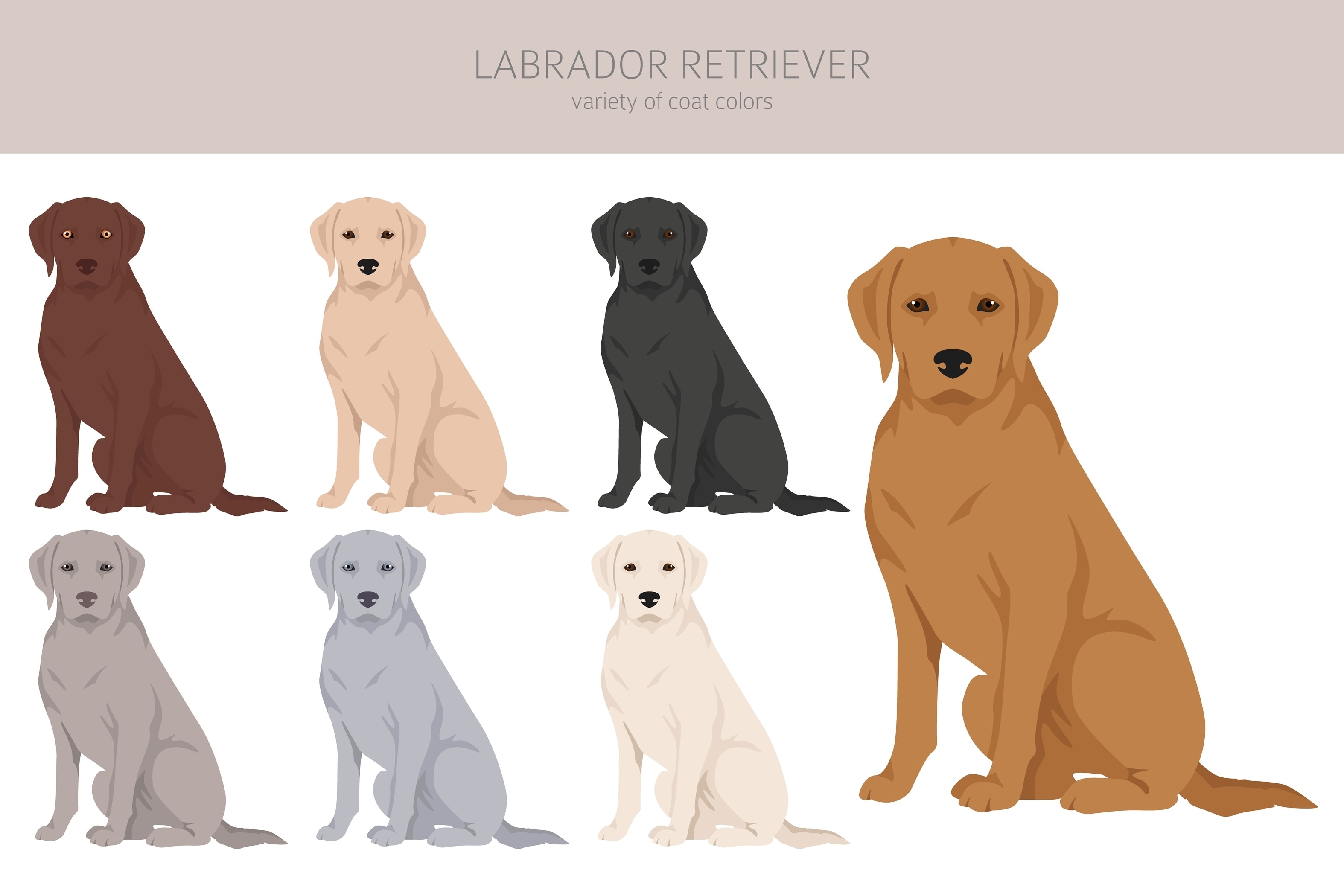
Labrador Retrievers have a thick double coat. The top layer feels straight and water-resistant. Underneath, a soft undercoat keeps these dogs warm in cold or wet weather. Labradors shed loose hair year-round, so regular brushing helps manage dog hair around your home.
All purebred Labs come in three solid shades: black, yellow, and chocolate. Genes like MC1R, Agouti, and CBD103 control their color patterns. Black Labs have wild-type alleles for both MC1R and Agouti genes.
Yellow Labs show specific changes at the MC1R gene that block dark pigment and produce lighter fur. Chocolate Labradors carry distinct pigmentation linked to the same genetic locations; they first gained recognition in the late 1800s.
Scientific data notes shorter lifespans for chocolate-colored Labs compared to other colors. The American Kennel Club sets strict standards for Labrador coats and colors during official breed judging as well as health testing practices for healthy dogs of this popular breed.
Movement and Gait

Strong muscles and a sturdy frame give this healthy breed its agile movement. Wide, webbed paws let labs thrive in water, making them excellent swimmers. The otter-like tail steers and balances the dog while swimming or running.
These features work together to produce a friendly and steady gait that reflects their gentle nature.
Most dogs tested for athletic ability show that Labradors stand out due to their coordinated steps and active walk. Proper care at a young age keeps joints strong, which helps prevent elbow dysplasia later in life.
Regular exercise like fetch or swimming supports good movement habits and keeps your lab puppy healthy as it grows into adulthood.
Temperament and Behavior

Labrador Retrievers show a friendly, outgoing spirit that shines in any household. Families often choose Labradors because of their sweet faces and lovable nature. This breed greets both adults and kids with enthusiasm, making them solid companions for families big or small.
Their stable temperament helps avoid many behavior issues seen in other deep chested dogs.
Experts use Labradors as assistance dogs due to their calm minds and desire to please. Obedience training works well during short training sessions since they enjoy learning new commands.
Labs usually get along with small animals and other pets if introduced early. Early socialization reduces the risk of negative behaviors, especially around unfamiliar people or noises at home.
Labrador owners should give plenty of mental stimulation through play, high quality dry food rewards, and regular exercise to keep these high-spirited pups content.
Health Considerations

Health problems in this breed span joint, vision, and liver issues. Hip and elbow dysplasia can restrict mobility as they age, making regular vet checks important. Conditions like chronic hepatitis are more likely to appear in females, with a 4.14 odds ratio noted in the UK.
Hepatobiliary diseases such as nodular hyperplasia and gall bladder disease also show up frequently.
Ear infections remain common thanks to their floppy ears and deep ear canal. Gum disease may develop without good dental care or proper dog food choices. Progressive retinal atrophy affects eyesight through a PRCD gene mutation; breeders should screen for it before breeding puppies.
Exercise induced collapse puts active dogs at risk during play or training sessions, so watch for sudden fatigue after exercise.
Chocolate Labradors face more health issues than black or yellow ones; studies from VetCompass and the University of Sydney (2018) found these dogs live about 10 percent shorter lives on average.
Research from the UK (2020) put life expectancy at 13.1 years while an Italian study reported 11 years on average by 2024 data sources; Swedish insurance records showed one-fourth do not reach ten years old compared to all breeds where that number is thirty-five percent.
Common Concerns
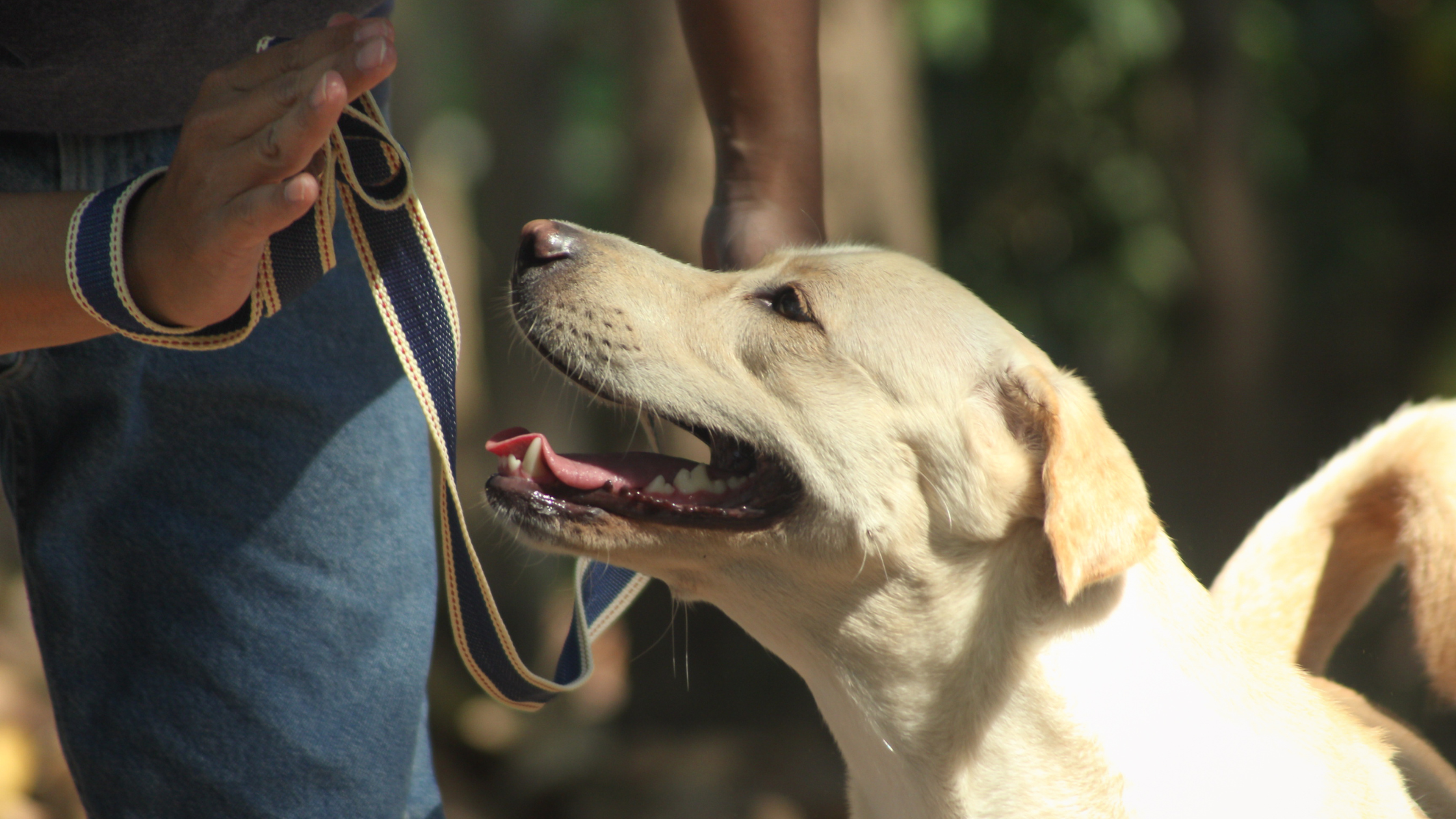
Labrador Retrievers are a popular breed, but they face several health challenges. Owners should be proactive in understanding these concerns for the best care.
- Chronic hepatitis affects many Labradors and requires early diagnosis from a veterinarian for better outcomes.
- Hip and elbow dysplasia often appear in young dogs, causing pain and joint problems that may limit movement.
- Eye diseases such as progressive retinal atrophy can lead to vision loss; annual veterinary eye exams help catch problems quickly.
- Chocolate Labradors have a 10 percent shorter life expectancy than black or yellow Labradors due to genetic factors.
- Inherited disorders like certain heart defects may pass from parents to puppies without obvious signs at first.
- Veterinarians see obesity often in this breed, increasing risks of diabetes and joint issues; portion control and daily exercise remain essential.
- Some Labradors develop allergies that cause itching or skin infections, sometimes linked to their weather resistant undercoat or food choices.
- Research such as studies from The Labrador Retriever Club tracks these common concerns, promoting responsible breeding practices for healthier puppies.
- Ear infections occur frequently because of their floppy ears and love for water activities; regular cleaning helps prevent painful inflammation.
- Older Labradors may develop arthritis, needing joint supplements or medications to stay active and comfortable.
Proper attention to these issues gives black, yellow, and chocolate Labs the best chance at a long and happy life.
Lifespan

Most Labrador Retrievers live about 13.1 years, according to a UK study. Italian researchers found the average closer to 11 years for these dogs. Black, yellow, and chocolate Labradors share many traits, but chocolate Labradors tend to have a life expectancy that is about 10 percent shorter than other colors.
About one in four Labradors passes away by age 10 based on Swedish insurance data. Health issues like hip dysplasia, elbow disease, eye problems, and chronic hepatitis can affect how long your dog lives.
Genes and breeding decisions play a big role in each dog’s health and lifespan. Regular checkups with your veterinarian help spot problems early so you can give your Labrador the best chance at a long life.
Training Considerations

Labrador Retrievers show great promise during training. Their high trainability has made them a top choice for service roles like guide dogs and assistance animals. The American Kennel Club (AKC) and The Labrador Retriever Club, Inc.
both offer trusted resources to help owners handle training at every stage of life. In 2006, research on guide dogs revealed that Labradors achieved a higher success rate compared to other breeds after shorter training periods.
This data proves the breed learns new commands quickly when given clear instruction and positive reinforcement.
Many Labradors, whether black, yellow or chocolate, shine in specialized jobs such as bomb detection and search-and-rescue work. These examples highlight their intelligence and eagerness to work with people.
Start basic obedience early using simple commands like “sit,” “stay,” and “come.” Short daily sessions keep young retrievers engaged without overwhelming them. Use treats or toys as rewards; Labradors love food but also respond well to praise and playtime with their favorite ball or chew toy.
Group classes can also provide socialization benefits along with structured learning environments for your pup’s growing mind.
Exercise and Socialization

Black, yellow, and chocolate Labradors thrive on daily physical activity. These dogs come from a long history as retrievers and working partners. Their energy matches that of police K-9s or military search and rescue teams.
Experts recommend at least 60 minutes of exercise each day for these active dogs. Games like fetch, swimming in a pond, or agility courses keep them mentally sharp while working their muscles.
Socialization starts early with this breed. Puppies meet new people and other animals to shape friendly adult dogs who handle busy families well. Trips to dog parks or joining group training classes can help black, yellow, and chocolate Labs practice good manners in public settings.
Consistent social experiences prevent fearfulness or unwanted behaviors later on. This is especially important because Labradors often serve as therapy animals due to their gentle natures.
Healthy habits begin at home with family walks around the neighborhood or structured playdates with neighbor pets.
Living with a Labrador Retriever

Active families or individuals who love spending time outdoors often enjoy living with a Labrador Retriever. These dogs thrive in homes with plenty of space and appreciate daily walks, runs, or games of fetch.
Medium-to-large size and high energy levels mean Labradors need both room to move and regular mental stimulation like puzzle toys.
Labradors show patience and friendliness around children, making them reliable family companions. Most Labradors get along well with other pets due to their sociable nature. Owners can expect black, yellow, or chocolate Labs to adapt easily into busy households that provide exercise and attention.
Pet cameras such as Furbo help monitor your Lab while away, giving peace of mind for active dog owners. For those interested in longest living dog breeds, understanding breed lifespan can help with choosing and caring for your pet.
Best Environment

Labrador Retrievers need space to move and play. A house with a fenced yard works best, but many Labs do well in apartments if they get enough exercise outside each day. Strong fences help keep these dogs safe, since their curious nature pushes them to explore.
Labs love swimming, hiking, and running. Owners should provide water bowls in shady spots outdoors because these active dogs overheat quickly during summer months. Whether you choose black yellow or chocolate Labradors, all need plenty of family time indoors too; this helps prevent boredom and anxiety.
Behavior towards Children

Friendly and outgoing, black, yellow, and chocolate Labrador Retrievers often stand out as top choices for families with children. Their gentle jaws let them play safely without biting or causing harm.
Children enjoy active games like fetch thanks to the breed’s playful spirit and high energy levels.
A calm demeanor helps make interactions with kids safe and pleasant even in busy homes or parks. These dogs learn fast due to their intelligence; early puppy training solidifies positive behaviors around young ones.
Proper socialization from a young age supports their reputation as well-behaved family companions. Dog trainers such as Cesar Millan often praise this breed for its patient nature around children of all ages.
Behavior towards other Pets

Labrador Retrievers show a social and non-aggressive attitude with other pets, including both cats and smaller animals. Black, yellow, and chocolate Labs often thrive in homes with multiple pets due to their gentle nature.
Early socialization makes a big difference; introducing puppies to other animals helps prevent jealousy or competition as they grow.
Labs love to play, but their excitement can be too much for tiny companions. Always supervise interactions between your Labrador and smaller pets to keep everyone safe. With proper guidance and training from pet owners or professional trainers like Cesar Millan, Labradors usually get along well with diverse animal friends at home.
Responsible ownership supports harmony among all household animals.
Grooming Needs

Black, yellow, and chocolate Labradors have a short, dense coat built to handle harsh weather. Weekly brushing with a slicker brush helps control shedding and keeps their fur clean.
During spring and fall, expect more shedding as these dogs lose their undercoat. Bathing every few months will keep them fresh unless they roll in mud or something smelly outside.
Pay attention to nails by trimming them once or twice per month using nail clippers designed for medium breeds. Clean the ears each week with a pet-safe solution to prevent infection since floppy ears trap moisture easily.
Keep teeth healthy by brushing several times per week using canine toothpaste and a toothbrush made for dogs. Regular grooming tools like brushes from brands such as FURminator make this process simple at home without frequent trips to professional groomers.
Nutrition and Feeding

Nutrition plays a key role in keeping your Labrador Retriever healthy and active. Labradors, whether black, yellow or chocolate, need meals packed with quality proteins like chicken or fish.
Add vegetables such as carrots or green beans for fiber and vitamins. Choose a diet that fits their age; puppies need more calories while seniors may benefit from fewer fats to prevent weight gain.
Keep an eye on portion sizes using measuring cups or even smart pet feeders to avoid overfeeding. Labradors often face joint issues and obesity if they eat too much, so regular checks on their body condition score can help spot problems early.
Consult your veterinarian for life stage recommendations or special diets that support mobility and heart health specific to the breed’s needs.
Where to find a Labrador Retriever

Start your search with The Labrador Retriever Club, Inc. This club is the only American Kennel Club-recognized parent group for Labradors and keeps a trusted list of breeders. You can reach them at PO Box 231, Lincolnton, Georgia 30817 or call 609-924-8864.
Email [email protected] for breeder directory details or information about rescue options.
The American Kennel Club (AKC) website also provides resources to help find black, yellow, and chocolate Labrador Retriever puppies from reputable breeders. Avoid backyard sellers who lack health testing records or proper breeding standards.
Reach out to local breed-specific rescues if you want to give a retired dog a second chance at family life, and consider the importance of crate training to help your new companion adjust to their new environment.
Similar Dog Breeds

Several dog breeds share traits with the black, yellow, and chocolate Labrador Retriever. Many of them come from the UK and were bred for hunting or working.
| Breed | Similarities | Differences | Best Fit for Owners Who |
|---|---|---|---|
| Golden Retriever | Also a retriever breed; intelligent, friendly, and easy to train; soft mouth | Longer, wavy coat needing more grooming; golden color only | Want a gentle family dog with a calm demeanor |
| Chesapeake Bay Retriever | Considered a close cousin; bred in America but related to UK lines; water-loving; excels at retrieving | Has an oily, wavy coat that repels water; stubborn nature; coats are usually brown shades only | Enjoy outdoor activities like swimming or hunting |
| Flat-Coated Retriever | Shares playful nature and working background; similar size | Silky black or liver-colored coat is always long and flat | Prefer an energetic companion for active lifestyles |
| English Pointer | Used for hunting upland game birds in the UK; athletic build | Shorter coat, not as people-focused as Labradors | Want a focused sporting dog for field work |
Conclusion
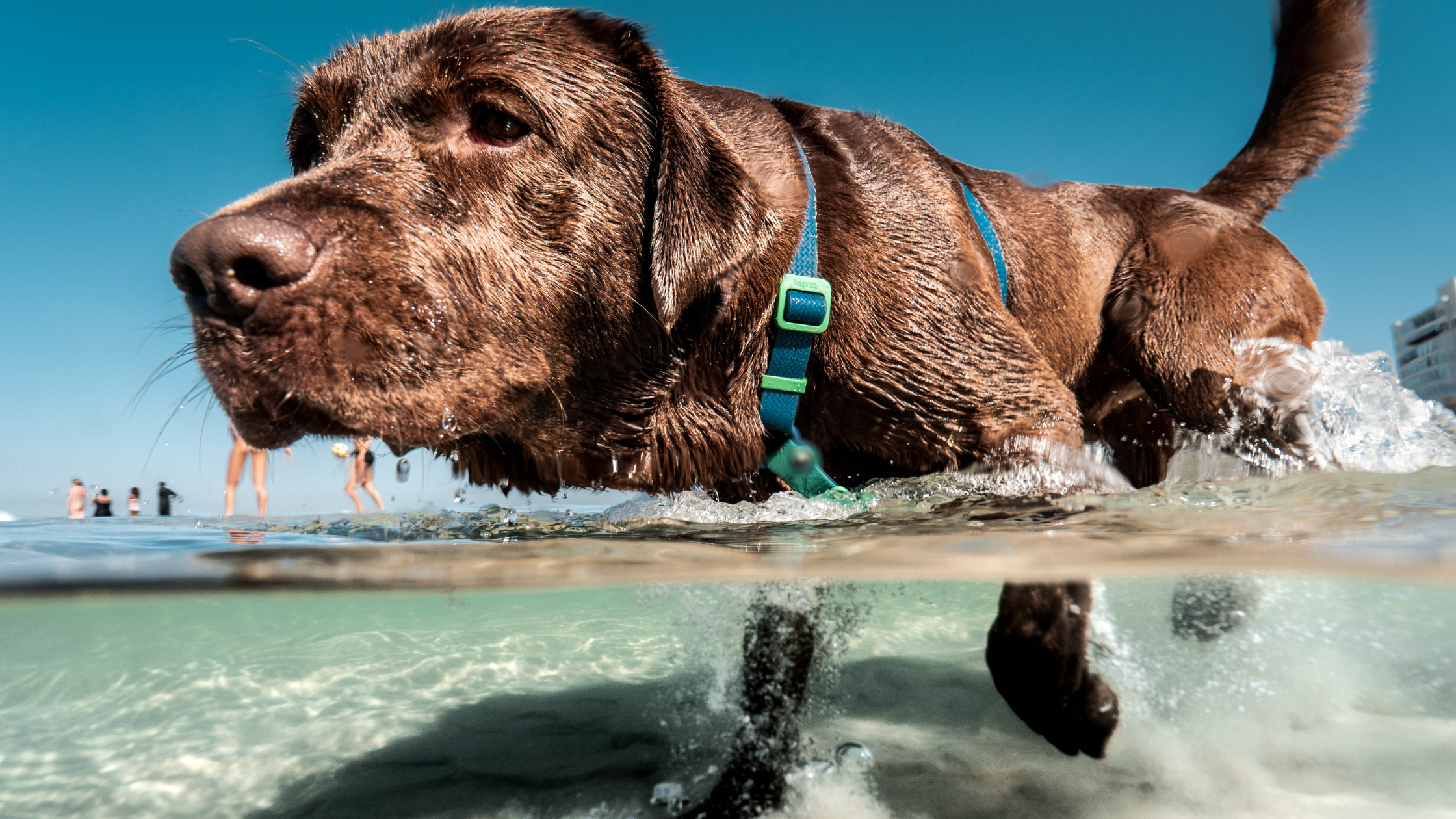
Labrador Retrievers stand out for their friendly spirit, strong bodies, and loyal nature. This guide covered everything from the breed’s origin to coat colors like black, yellow, and chocolate.
You learned about health needs, training tips, exercise routines, and common illnesses such as hip dysplasia and eye disease. These steps help make care simple and efficient for any family or dog owner—refer to this complete guide for more detailed information.
Are you ready to give your Labrador a happier life? Check AKC resources or connect with your local pet community for extra support. Your dedication can turn each day with your Labrador into an adventure filled with joy and love—just like my own Lab greets me every morning with his wagging tail and bright eyes!
FAQs

1. What are the main differences between black, yellow, and chocolate Labrador Retrievers?
Black, yellow, and chocolate Labradors all share the same breed standards for temperament and structure. The color difference comes from genetics; each shade is equally healthy and intelligent.
2. Do black, yellow, or chocolate Labradors need special care based on their coat color?
All three colors of Labradors require the same grooming routine. Regular brushing keeps their double coats clean and reduces shedding.
3. Are there behavior differences among black, yellow, and chocolate Labradors?
No proven studies show that coat color affects personality in Labradors. Training style and environment shape their behavior more than color does.
4. How can owners best care for a Labrador Retriever’s health regardless of being black, yellow, or chocolate?
Feed your dog balanced meals daily; give regular exercise to manage weight; schedule yearly vet visits to catch health issues early; brush teeth often to prevent dental problems; keep vaccinations up-to-date for all shades of this breed.
- Furlyfe Rank See Rank
- Group AKC Sporting
- Origin Canada, United States
- Size Large
- Weight 55 to 80 pounds
- Coat Length Short
- Coat Type Double
- Colors Black,Chocolate,Yellow
- Other Names Labrador, Lab
- Temperament Affectionate,Alert,Cheerful,Energetic,Friendly,Gentle,Intelligent,Loving,Loyal,Out-going,Playful,Responsive,Social
Breed Characteristics

Group members


