
Koolie
The Koolie, often called the Australian Koolie, is an australian breed developed in the early 1800s from working dogs brought to Australia by British and European settlers. Unlike many modern breeds, Koolies were shaped almost entirely by working ability rather than appearance. As a result, the breed shows significant variation across regions, depending on the terrain and livestock they were originally bred to manage. Taller, lighter-built dogs were favored for long-distance herding, while more compact, powerful individuals were used for working cattle in dense scrub.
Historically, Koolies were sometimes referred to by names such as german collie, german coolie, german koolie, and german tiger—terms used by settlers to describe herding dogs of European origin rather than formal breeds. These dogs were not the same as modern german sheep dogs, which were standardized much later, but they likely shared ancestry with continental herding stock that influenced early Australian working dogs. Within the broader dog world, this has contributed to long-standing debate about the Koolie’s exact genetic origins.
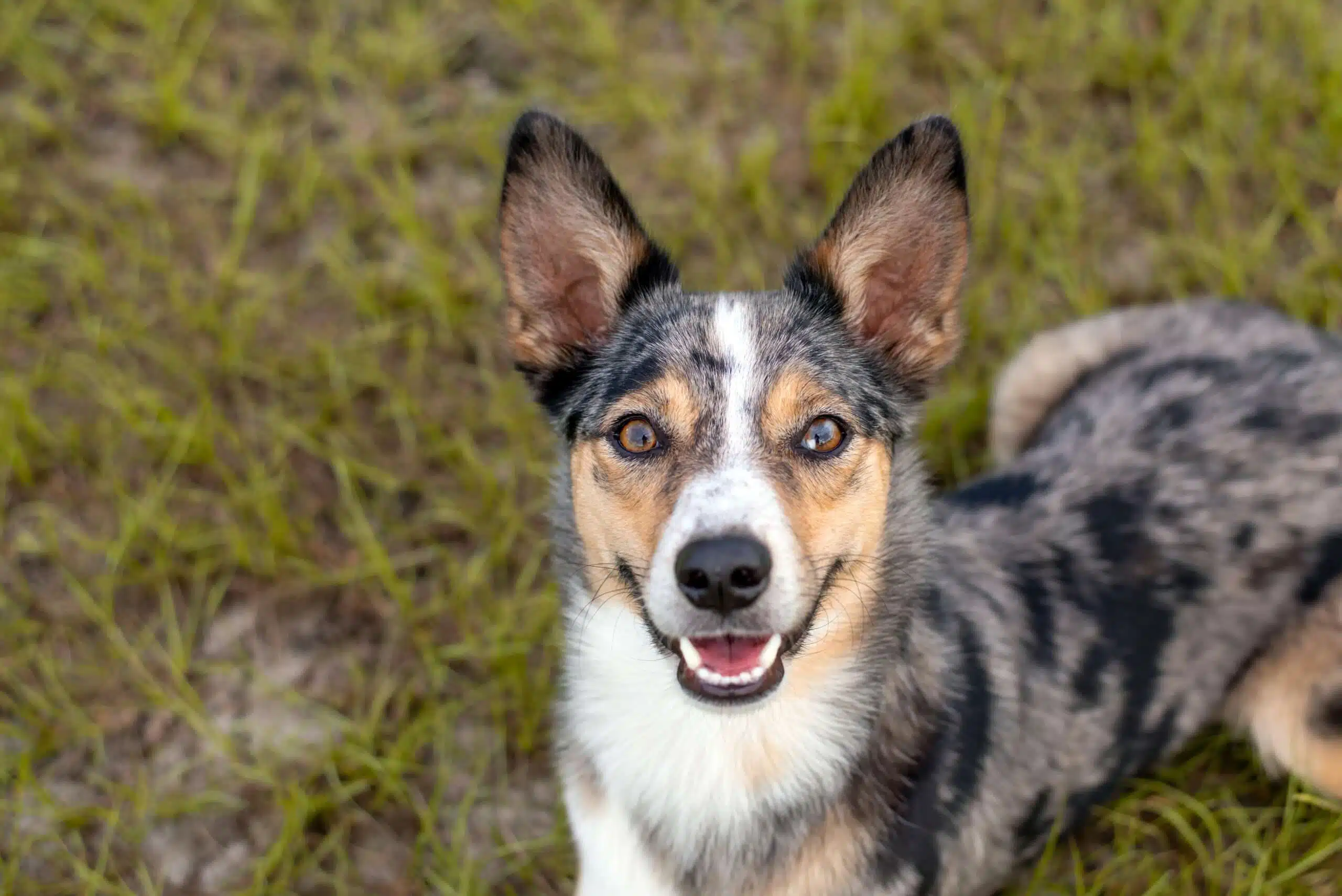
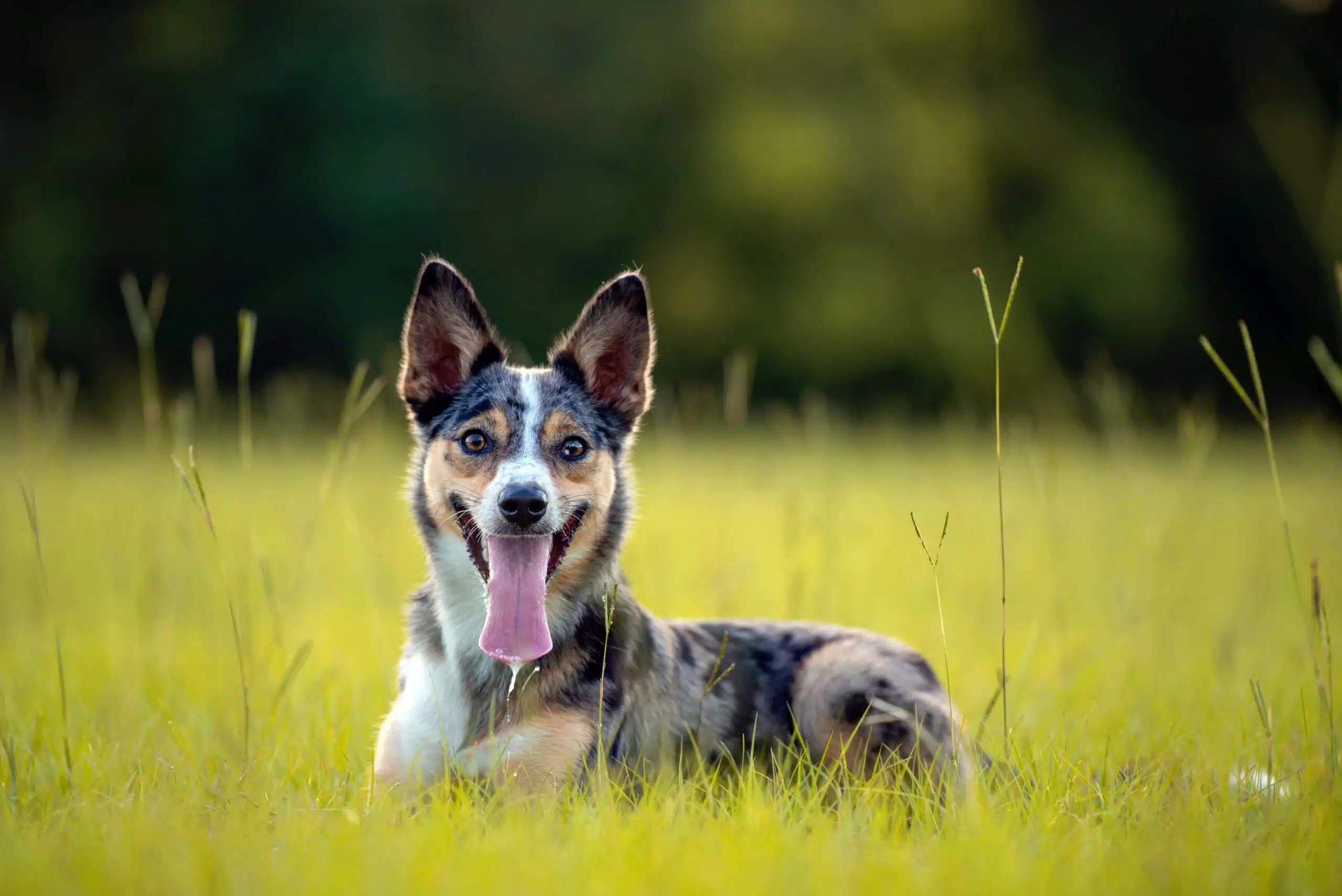
Because Koolies were developed strictly for work, their physical traits vary widely. Coat length ranges from short to long, with shorter coats generally preferred by farmers for ease of care. Common colors include black, red, brown, white, and merle. Eye and nose pigmentation often correspond with coat color, and their triangular ears may droop at rest but lift when the dog is alert or focused. In size and function, the Koolie is sometimes compared to the australian cattle dog, though Koolies are typically more flexible in build and working style.
Temperament-wise, the Koolie is an energetic, loyal, and intelligent working dog with exceptional stamina. They are known to remain enthusiastic well into old age, making them a cool dog for owners who enjoy an active lifestyle. Koolies are generally tolerant with children and other animals and form strong bonds with their families when properly socialized.
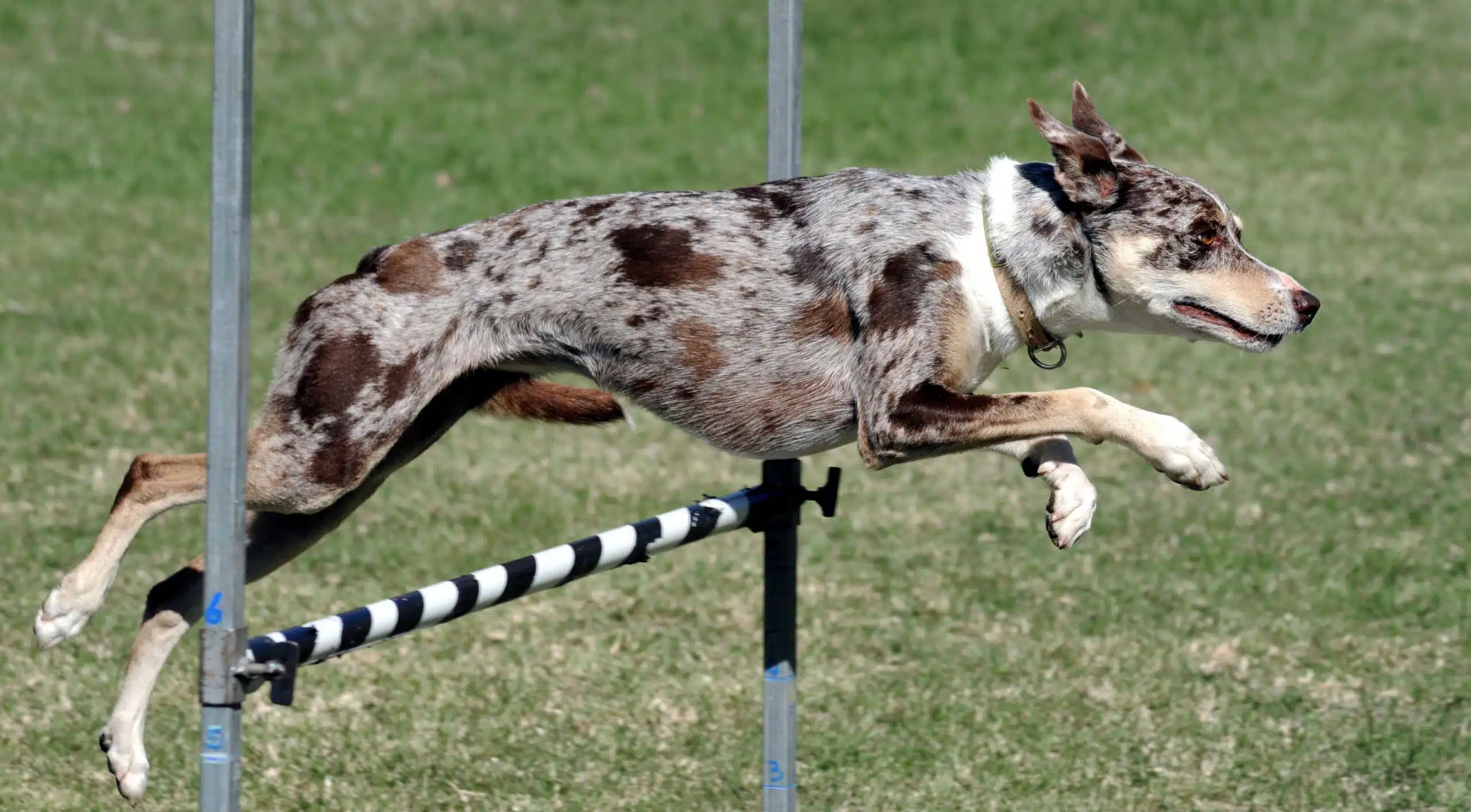
Highly trainable and eager to please, Koolies excel in herding, agility, obedience, and other canine sports. Their natural problem-solving ability makes training rewarding, but they do best when given consistent physical exercise and mental stimulation. Without sufficient activity, boredom-related behaviors can develop, making daily work, long walks, and interactive play essential for a balanced and content companion.
The Ultimate Working Dog: Exploring The Koolie Dog Breed

Looking for a smart, loyal partner who can work hard and still relax with the family? The Australian Koolie may be exactly what you need. This skilled herding dog learns fast, has steady nerves, and keeps up with busy days.
Many pet owners want a healthy dog that is also easy to train. If you need a canine with strong instincts, serious drive, and a friendly nature, the Koolie stands out. Known for the blue merle coat and sharp mind, Koolies have helped farmers move sheep and cattle across rural Australia for generations.
Major kennel clubs do not recognize the breed, yet stock handlers and sport competitors value it highly. In this guide, you will see where the breed came from, what makes it effective at work, how to protect its health, and how a Koolie fits family life. You will also get training and care tips you can use right away.
Key Takeaways

- The Australian Koolie traces back to early 19th century Australia and British collies. It is prized for intelligence, stamina, and the classic blue merle coat.
- Typical height is 16 to 20 inches, with a lifespan of 15 to 18 years. Screening for hip dysplasia and merle gene risks is essential before breeding.
- Recognized by groups such as the Coolie Club of Australia since 2000, but not by major kennel clubs. Koolies excel in herding and compete strongly in dog sports.
- UC Davis DNA work led by Dr. Mark Neff in 2003 reported no mdr1-1 mutant gene in sampled Koolies, which affects medication sensitivity in some related breeds.
- Daily vigorous exercise, early socialization, balanced nutrition matched to activity, routine grooming, and yearly veterinary care help maintain a healthy dog.
History and Origin

The Koolie dog, whose breed’s foundations trace back to the 19th century in Australia, is a herding breed shaped by the importation of german working dogs and german sheep dogs by german settlers and early german settlers. These settlers brought with them a variety of herding dogs, including the german tiger, german shepherd, black and tan collie, tan collie, and original blue merle collies, all of which played a role in the Koolie’s development as working breeds began to take shape in Australia. The breed is sometimes referred to by alternative or historical names such as german collie, german coolie, german breed, and german koolie, though these terms are often misnomers, as the Koolie is primarily an Australian breed with European and British lineage.
As breeds began to evolve, the Koolie’s own breed’s foundations were influenced by these imported bloodlines, resulting in a versatile and hardworking dog. Koolies are often mistaken for other breeds such as Kelpies and Border Collies due to their similar appearance. However, the Koolie stands out with its unique upright working style, which differentiates it from other herding breeds like the Border Collie. Additionally, Koolies have a natural instinct to circle widely around sheep and bring them back to their owner, a trait that highlights their strong herding heritage and sets them apart from other breeds.
British Roots and Australian Beginnings
In the early 1800s, Australian farmers needed tough, clever dogs to control sheep and cattle. Smooth-coated blue merle collies, black and tan collies, and other British imported dogs arrived with settlers. German immigrants added their stock dog skills. The name Koolie likely grew from a German accent saying “Collie,” and it stuck on the farms.
Robert Kaleski, a noted early dog writer, mentioned this hard-working breed in August 1903, calling it a “blue-gray dog” that looked like a smooth-haired collie. During industrial growth, people often crossed Koolies with kelpies and border collies to sharpen natural herding instincts. Modern DNA suggests the closest relative is the Australian Kelpie.
“The ‘coolie’ is not simply a color; he’s bred for brains as much as beauty.” — Robert Kaleski
The Coolie Club of Australia formed in 2000 to protect the breed’s working heritage and genetic diversity. In 2004, the Australian Sporting Registrar began recognizing Koolies. Many standout dogs earned respect across New South Wales ranches beside famous working breeds.
Physical Characteristics

The Australian Koolie is a medium-sized dog, typically standing 16-20 inches (40-60 cm) at the shoulder and weighing between 30-60 pounds (15-25 kg). As one of the medium sized dogs, the Koolie’s moderate stature makes it well-suited for active families and working environments. Strong shoulders and a deep chest support efficient, powerful movement during herding or dog sports like agility and obedience. A streamlined body helps them stay fast and steady in rough terrain.
Koolies have a cheery and outgoing personality, although they may be reserved around strangers. Most Koolies wear a short, low-shed coat with a natural shine. The blue merle pattern is common, but you will also see solid black, red, or chocolate with white markings or tan points. Bright, expressive eyes signal alertness and quick thinking.
Body and Structure
Males usually stand 17 to 20 inches at the withers. Females tend to be 16 to 19 inches. Most weigh 33 to 49 pounds, a healthy range for a medium-sized working dog.
Breed type favors a slightly longer body than height, which increases stride and power. A deep chest down to the elbows and firm loin muscles support speed and sharp turns. Height at withers should match height at hips for balance between front and rear assemblies.
Puppies grow into their muscles with age. A well-furnished tail with a gentle curve helps balance during quick movement in pastures and yards.
Face and Expression

Black Koolies carry black noses and dark eyes. Red or chocolate dogs show brown noses and matching eyes. Some have blue or bi-colored eyes, especially with merle coats. Koolies with merle coats may have a blue eye or display heterochromia, where one eye is blue and the other is a different color.
Genes that affect mask and pattern can change facial markings, sometimes hiding tan or brown points—areas of brown or tan coloration on the muzzle, ears, or around the eyes. Strong jaws suit farm work and well-set ears stay alert. The focused look matches their reputation as serious working dogs.
“A Koolie’s gaze means business—their intense focus is a hallmark trait among true working herding dogs.”
Coat and Color

The koolie coat comes in a variety of types, including short, smooth, medium, and long lengths. This variety influences maintenance, appearance, and suitability for different working conditions or environments. Most Koolies are merle, making them a classic example of a merle breed. Blue merles are a specific merle pattern characterized by grey, black, or slate-colored coats, often with blue eyes. Red merle shows shades of red and chocolate. Solid red or black are also distinct coat color patterns, and solid Koolies can sometimes be mistaken for other breeds such as Kelpies or Border Collies due to their similar appearance when lacking the merle pattern. Other solid colors include chocolate, cream, dilute red, and dilute black.
Every Koolie has a double coat. The flat outer layer sheds water. The dense undercoat insulates during long days of droving, which means moving livestock over distance. Smooth coats are most common and easy to maintain. Longer coats appear at times within purebred lines recognized by Koolie clubs.
Koolies are known to have very few health concerns, but inherited deafness and blindness have been reported in merle-colored breeds. Responsible breeding practices, such as breeding merle to solid dogs, are encouraged to prevent the occurrence of blind and deaf offspring. Many Koolie breeders participated in a research project to find a DNA test for the merle gene. In 2019, breeders adopted a DNA test to map the merle gene before pairing two merles. Two copies of the merle gene can raise the risk of vision and hearing defects in puppies, so testing protects future litters.
Movement and Gait

Koolies move with a free, tireless stride. At speed they tend to single track, meaning the feet move closer to a straight line under the body. At a fast trot, the front foot lifts just before the rear foot lands in that same spot.
Good shoulder and upper arm angles, close to 90 degrees, reduce strain and boost reach. Strong rear drive keeps the center of gravity steady, which saves energy. Sound rear pasterns and parallel hind legs lower injury risk. Balanced structure and flexible joints help them handle sharp turns without losing control.
Temperament and Behavior

Koolies are bred for strong working instinct and close bonds with people, thriving on human companionship and showing deep devotion to their handlers. They are patient, loyal, and task focused. Due to their strong herding instincts, Koolies may attempt to herd not only livestock but also family members and children during daily activities. Without enough early socialization, some can seem shy with strangers, so it’s important to start with Koolie pups by assessing temperament and encouraging positive experiences.
This is a high intelligence breed that needs mental stimulation. Puzzles, training games, and regular jobs are essential to prevent boredom and manage their pent up energy, which can otherwise lead to destructive behavior. Koolies can develop separation anxiety if left alone for long periods, making them unsuitable for owners with long working hours. They thrive in environments where they have space to run and work, and are less suitable for apartment living. Koolies are known for their herding instincts and can be used for various tasks including service work. Their intelligence and adaptability also make them excellent choices for therapy, service, and emotional support roles. Most Koolies are not aggressive, but confident dogs may try to take charge during work with other dogs. Their quick minds help them switch easily between tight yards and open paddocks.
Health Considerations

With good care, the Australian Koolie often reaches 15 years or more. Like many active breeds, they can face hip or elbow problems. Screening breeding dogs through hip and elbow scoring helps reduce risk.
A diverse gene pool in Koolies contributes to their genetic health and resilience, reducing the incidence of inherited health issues. However, like other breeds, Koolies can be susceptible to minor allergies of the skin or immune system issues. A smaller gene pool in purebred dogs can increase certain inherited issues. Dog DNA tests can uncover risks early. Breeding two merles can produce pups with hearing or vision defects, so merle testing is vital. Research from UC Davis in 2003 did not find the mdr1-1 mutant gene in sampled Koolies, a gene that affects drug sensitivity in some herding breeds.
Daily exercise supports joint health and behavior. Feed quality dog food matched to life stage and activity level. A yearly veterinary exam and prompt care for any concern keep your Koolie on track. This article is educational, not medical advice; your veterinarian is the best source for diagnosis and treatment.
Common Concerns

Koolies tend to stay healthy with smart care, but owners should watch a few breed-specific areas.
- The gene pool is small in size but diverse in lines, so inherited issues can occur. Breed associations recommend complete genetic screening before breeding any sire or dam.
- Hip and elbow dysplasia reduce comfort and working ability. Ethical breeders score hips and elbows before using a dog for breeding or registering puppies.
- Merle DNA testing is crucial. Two merle parents can produce deaf or blind white pups with serious complications.
- UC Davis testing in 2003 found none of the 56 Koolie lines sampled carried the mdr1-1 mutant gene, unlike Collies or some Australian Shepherds.
- Since 2004, the Koolie Club of Australia has collected DNA with the Genetic Science Service of Australia to manage genetic disorders with real data.
- Routine vet checks catch eye problems, hearing loss, and hip issues early. These concerns also appear in similar breeds like heelers and kelpies.
- Breed groups require DNA identification for registration, so only dogs meeting pedigree rules get official Koolie status.
- Watch your dog’s movement for any lameness or unusual shoulder blade movement. Seek veterinary advice quickly if you notice changes.
- Responsible breeding through recognized organizations helps keep inherited diseases rare in registered lines.
- Keep nails trimmed. Long nails can cause pain and reduce traction in these active workers.
Lifespan
Most Koolies live about 15 years, and many reach 18 with great care. Strong endurance and steady conditioning support long, healthy lives. Dogs that stay fit with daily activity often outlive less active peers.
Thoughtful breeding helps maintain genetic diversity. Regular checkups catch issues early, which adds years with your dog. Quality nutrition and a healthy weight protect joints and keep coats bright at every age.
Training Considerations

Obedience training is highly effective for Koolies, especially when combined with positive reinforcement and structured sessions. Training works best with clear routines and positive reinforcement. Use treats, toys, or praise to reward the exact behavior you want. Short, focused sessions help Koolies stay engaged and eager to learn.
A varied plan prevents boredom. Introduce new people, places, and sounds early to build confidence. Agility, flyball, and herding lessons use their energy and instincts. Avoid harsh methods, which can break trust. Consistency and fair rules turn this working dog into a steady family companion.
Exercise and Socialization

Koolies are high energy dogs that need vigorous, daily exercise. Regular exercise is essential to prevent destructive behaviors, maintain health, and provide proper mental stimulation. Running, swimming, hiking, and long walks are ideal. Plan at least one long session plus short bursts of play each day. Many owners join agility clubs or try herding trials to challenge body and mind. Koolies have a natural instinct for herding sheep and excel in herding trials, making them outstanding working dogs on farms.
Socialization from puppyhood shapes a balanced temperament. Expose your dog to new people and animals in calm, controlled steps. Without enough activity or social time, Koolies may develop anxiety or bad habits at home. Regular engagement brings out this breed’s best qualities.
Living with an Australian Koolie

Life with a Koolie means planning for movement. A large yard or frequent access to open space helps, even if you live near town. Hikes and swims give great outlets for energy and reduce boredom behaviors like digging or pacing.
Families with children often see quick bonds, especially if the dog grows up with the kids. Use reward-based training for manners and basic obedience. Light weekly brushing controls shedding, and the double coat sheds water, which keeps cleanup simple. Hips and elbows should be screened before breeding or adoption. With proper care, many Koolies stay active well into their teens.
Best Environment

Australian Koolies thrive on active farms or homes with large, secure yards. Open space lets them run and use natural herding instincts. The double coat handles rain and changing weather, so they adapt to many climates across rural Australia.
This breed struggles in apartments or quiet homes without daily exercise. Strong fencing is important because Koolies are athletic and curious. Regular work or challenging activities keep them happy and calm.
Behavior towards Children

Herding instinct may lead a Koolie to collect or guide kids, especially during fast play. Some dogs will even nudge heels lightly. Early training and supervision help prevent unwanted herding of young children.
Most Koolies show patience and loyalty with kids when raised together. Their energy fits active families who enjoy outdoor time. Clear rules and boundaries prevent pushy behavior, which creates a safe and respectful home for everyone.
Behavior towards other Pets

Koolies often try to organize other pets, including cats or smaller dogs. Socialize early and set clear rules to reduce chasing. Structured introductions and calm corrections teach good manners.
With consistent routines, many Koolies live peacefully in multi-pet homes. Regular playdates, training, and mental work support stable social skills with various animals.
Grooming Needs

Koolie coats are low maintenance. A weekly brushing removes loose hair and dirt while protecting the water-resistant outer coat and insulating undercoat. During shedding seasons, a rake or de-shedding tool helps control heavy undercoat shed.
Clean ears regularly to prevent infection, especially in active dogs that spend time outdoors. Trim nails every few weeks to protect feet and joints. Brush teeth often to reduce tartar and keep gums healthy. Simple, steady care keeps your dog comfortable and ready to work or play.
Nutrition and Feeding

Food powers performance. Feed high-quality dog food suited for active, working breeds. Measure portions so your Koolie stays lean and strong. Treats should be less than 10 percent of daily calories.
Match diet to life stage and workload. Puppies need growth formulas. Adults need fuel for stamina. Seniors often need fewer calories plus joint support. Adjust intake when seasons or routines change. Fresh water should be available at all times, especially after exercise.
Where to find an Australian Koolie

Start with breed organizations such as the Koolie Club of Australia, Working Koolie Association, or Australian Koolie Association. They list breeders who use DNA identification and health screening. Major kennel clubs do not recognize the Koolie, so look to the Australian Sporting Registrar and American Herding Breed Association for sport and trial support.
Koolies are gaining interest in the USA, Germany, New Zealand, and Canada. DNA services like Wisdom Panel can help verify heritage for dogs found locally or through rescue. Registration with a breed club may be required for competition. These groups also help you find responsible breeders and connect with a helpful community.
Similar Dog Breeds

Many people compare the Koolie to other working breeds and sometimes mistake them for other breeds due to similar traits. DNA, history, and herding style show overlap, yet the Koolie pairs speed with adaptability in a unique way.
| Breed | Similarities to Koolie | Key Differences |
|---|---|---|
| Australian Kelpie | * Closest relative by DNA * Strong herding instincts * Similar intelligence and work ethic * Often share ancestry due to cross-breeding | * More uniform appearance * Recognized as a separate breed since the late 19th century * Fewer coat colors * Usually pricked ears |
| Border Collie | * Top-tier working ability and intelligence * Used widely for sheep herding * Popular in agility and dog sports * Can look similar due to past crosses | * More intense eye contact during work * Often longer, heavier coat * Stricter breed standards * Global recognition as a premier working breed |
| Australian Shepherd | * Versatile herding abilities * Similar merle coat patterns * High energy and drive * Popular with active families | * Bred mainly in the United States * More sturdy build * Bobtail appears in some lines * Longer, shaggier fur |
| English Shepherd | * Practical, efficient herding style * Highly intelligent and easy to train * Excellent stamina and all-day work ethic * Bred as a versatile farm and ranch dog, similar to the Koolie | * Originated in the United States with roots in British farm dogs * Coat is typically medium-length rather than sleek * More standardized appearance with fewer coat pattern variations * Remains uncommon in kennel clubs and is primarily valued for working ability rather than show recognition |
Owners use DNA tools like Embark or Wisdom Panel to confirm lineage when traits overlap. Herding registries include many similar breeds, yet Koolies stand out for quick thinking and agile movement.
Conclusion

The Australian Koolie is a sharp-minded, loyal working dog that fits active homes and busy farms. With steady exercise, positive training, health screening, and the right food plan, this koolie dog stays ready for both work and play. Care is simple, results are rewarding.
If you want a capable partner for herding or dog sports, this breed deserves a serious look. Reach out to breed clubs or rescue groups to learn more. The right Koolie can bring energy, purpose, and a lot of heart to your everyday life.
FAQs

1. What makes the Australian Koolie an effective working dog?
Australian Koolies excel as herding dogs due to their intelligence, agility, and strong work ethic. Their stamina allows them to manage livestock over large areas, making them valuable for farmers who need reliable help with sheep or cattle.
2. Are there common myths about the Australian Koolie breed?
Many believe that all Koolies are aggressive or difficult to train; however, data shows they respond well to positive training methods and socialization. With proper guidance, these dogs become loyal companions and skilled workers.
3. How much exercise does an Australian Koolie require each day?
Koolies need at least two hours of physical activity daily because of their high energy levels. Regular tasks such as running, playing fetch, or structured herding keep them healthy both mentally and physically.
4. What practical steps can owners take to ensure a happy life for their Australian Koolie?
Owners should provide consistent training routines using clear commands along with varied activities like obedience classes or agility courses. Early socialization helps prevent behavioral issues while regular vet checkups support long-term health in this active breed.
- Furlyfe Rank See Rank
- Group AKC AKC Not Recognized
- Origin Australia
- Size Medium
- Weight 33 to 55 pounds
- Coat Length Short, Medium
- Colors Black, Tri Merle, Chocolate, Red Merle, Blue Merle, Merle
- Other Names Australian Koolie, German Koolie, German Coolie
- Temperament Dominant, Diligent, Dedicated, Intelligent, Temerate