



Golden Retriever
The Golden Retriever is a friendly, people-pleasing sporting breed known for its gentle nature and easygoing temperament. Lacking strong guarding instincts, Goldens happily greet strangers and are famously good with children, other dogs, and new people. Their sociable personality makes them ideal companions and a popular choice for families, service work, and therapy roles.
Because they are so eager to please, golden retriever training is typically straightforward when built around positive reinforcement and consistency. However, their strong need for human interaction means they do poorly when left alone for long periods, which can lead to boredom and destructive behavior. This is why many families also consider golden retriever rescues, where adopting an adult dog can be a great option for those seeking a calmer, already-trained companion.
Golden Retrievers were bred to work and require regular physical and mental stimulation. Daily activities like walking, hiking, swimming, jogging, and playing fetch—combined with puzzle toys or training games—are essential for maintaining golden retriever health. They excel in dog sports such as agility, obedience, dock diving, flyball, rally, and tracking.
There are two general types of Golden Retrievers today: show-line dogs with a heavier “teddy bear” look and field-line dogs that are leaner and more athletic. While field-bred Goldens tend to have higher energy levels, both types share the same affectionate, stable temperament. Regardless of type, all Goldens thrive in active homes and eagerly look forward to daily adventures.
Exercise should be carefully managed during the first two years of life while growth plates mature. Low-impact activities like swimming and leash walks on soft surfaces are ideal for puppies, while running, jumping, and intense sports should wait until full physical maturity.
Golden Retriever Breed Guide: Temperament, Care, And Health Facts

Introduction: Many dog owners wonder if a Golden Retriever fits their home. You might worry about how much golden retrievers shed, common health issues like hip dysplasia, or how to train a golden retriever puppy.
You may also need simple grooming tips for the water repellent double coat and advice on finding a reputable golden retriever breeder. These are common concerns for family dogs.
Key Takeaways

- At Guisachan, Sir Dudley Marjoribanks bred Goldens from Nous × Belle (1868); Kennel Club recognized them in 1913 and AKC in 1932.
- Goldens face high cancer risk—hemangiosarcoma ~1-in-5 and lymphoma ~1-in-8—with U.S. studies showing cancer caused about 50% of deaths.
- Average lifespan is 10–12 years; 2024 UK mean 13.2 years and 2024 Italian median 10 years.
- Breed health needs include hip/elbow radiographs, heart ultrasound, eye exams, thyroid panels, and DNA tests for PNPLA1 ichthyosis.
- Provide 60–90 minutes daily exercise, weekly brushing (daily during shedding), puppy food until 12–18 months, and short 5–10 minute reward-based training sessions.

History and Origin of the Golden Retriever

Foundations at Guisachan Estate
Golden Retriever history begins in Scotland at Sir Dudley Marjoribanks’s Guisachan estate, where he carried out careful breeding experiments between 1840 and 1890. His goal was to create a skilled retriever suited to Scotland’s climate and terrain—one with a soft mouth, strong swimming ability, and a cooperative temperament.
In June 1864, Marjoribanks purchased a yellow Flat-coated Retriever named Nous, a dog whose unusual color set him apart at a time when black retrievers were preferred. Nous would become the cornerstone of the breed.
The Foundational Litter
In 1868, Nous was bred to Belle, a Tweed Water Spaniel—a now-extinct Scottish breed known for intelligence and water-working skill. This pairing produced four yellow puppies: Primrose, Ada, Cowslip, and Crocus. These dogs formed the genetic foundation of what would become the Golden Retriever.
Careful records kept by Marjoribanks confirm that these early dogs consistently produced the traits he sought: reliability in the field, calm demeanor, and an aptitude for retrieving on land and in water.
Refinement Through Selective Breeding

To further refine the type, Marjoribanks introduced additional bloodlines, including a sandy-colored Bloodhound to enhance scenting ability and a black Labrador Retriever to reinforce retrieving instincts and structure. These calculated crosses helped stabilize temperament, coat color, and working performance, shaping the modern Golden Retriever dog.
Despite these additions, breeders maintained a strong connection to the Flat-coated Retriever, and many owners today still appreciate that shared heritage.
Early Success and Recognition
Golden Retrievers quickly proved their value as working dogs. The breed won its first field trial in 1904 and made its debut at a British dog show in 1908. In 1911, enthusiasts formed the Golden Retriever Club in England, formalizing breed standards and promoting responsible breeding.
The The Kennel Club granted official recognition in 1913, initially registering the dogs as “Retriever (Yellow or Golden).” In 1920, breeders dropped the “Yellow” prefix, and the name Golden Retriever became standard.
International Recognition
The breed’s popularity spread rapidly beyond Britain. Canada recognized the Golden Retriever in 1927, followed by the American Kennel Club in 1932. France accepted the breed in 1934, and Australia followed in 1937, securing the Golden Retriever’s place as a truly international dog breed.
Clarifying the Breed’s True History
For years, myths surrounded the breed’s origins, including claims of Russian circus dogs. These were definitively debunked in 1952, when researchers Giles Fox-Strangways, 6th Earl of Ilchester and Elma Stonex published Lord Tweedmouth’s original breeding records, confirming the Scottish origins and deliberate development of the breed.
The Modern Golden Retriever
Today, many Golden Retriever puppies grow into one of the world’s most popular and versatile dog breeds. Beyond companionship, they excel as therapy dogs, search and rescue dogs, guide dogs, and service dogs, reflecting the intelligence and temperament intentionally bred into them over a century ago. Golden Retrievers are highly intelligent and can learn complex commands quickly, which makes them especially suitable for these important roles. Their eager-to-please nature and motivation by treats make golden retriever training effective and enjoyable for both dog and owner.
When it comes to golden retriever training, positive reinforcement methods are recommended because Golden Retrievers are sensitive dogs; harsh corrections can damage the bond between dog and owner.
While conformation and coat color have diversified—including the lighter English cream Golden Retriever variation—owners and breeders continue to value the breed’s strong working roots and enduring connection to other retriever breeds.
Physical Characteristics

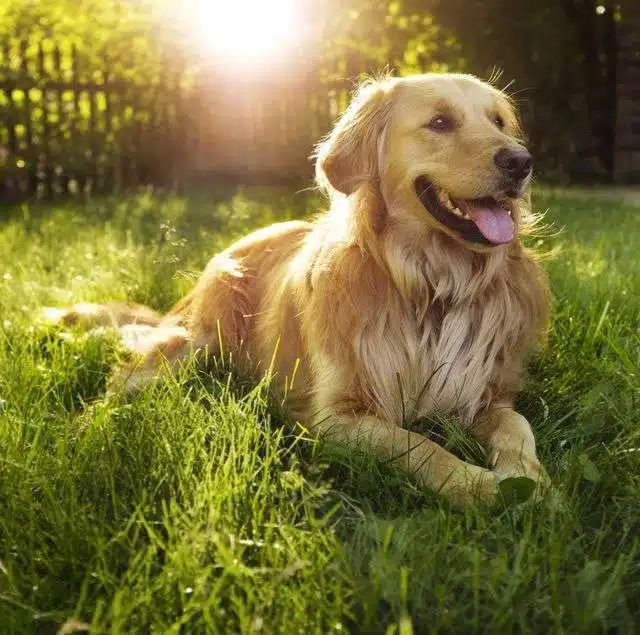
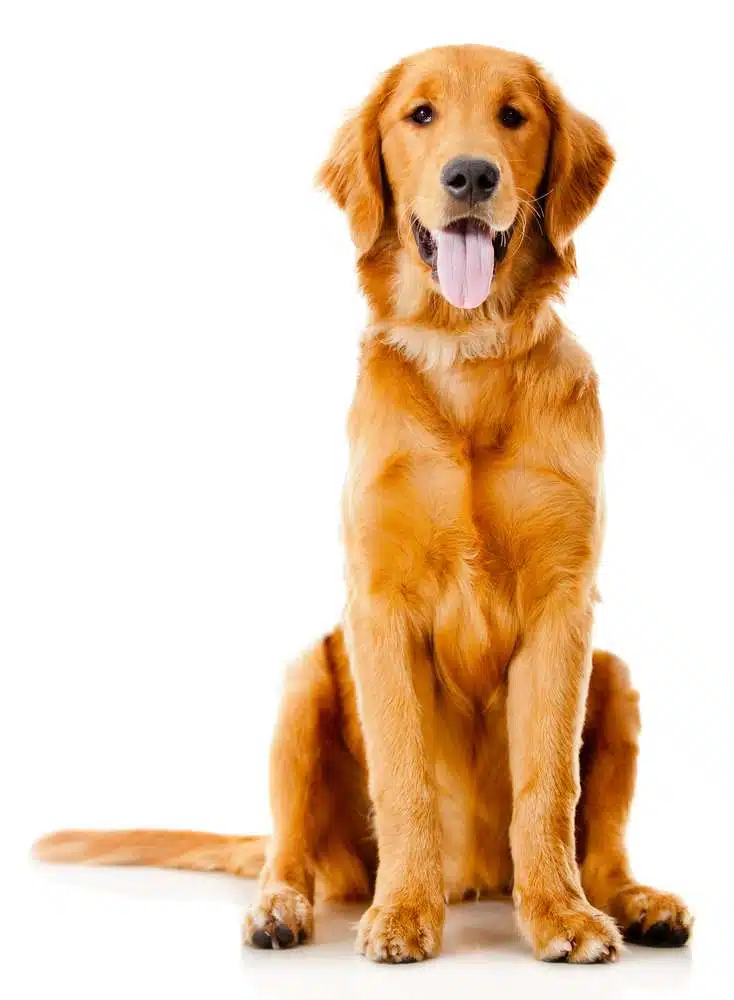
This medium-sized, powerfully built sporting dog shows a strong, athletic frame. The breed has a broad head, dark eyes, a wide muzzle, and a large black nose. Hanging, floppy ears sit close to the skull and add to the kind, alert expression.
A muscular neck flows into a deep chest, a level back, and a long straight tail.
Breeders originally bred the breed in the Scottish Highlands to retrieve game. Coat structure includes a long, flat or wavy outer coat, a thick undercoat, and a water repellent outer coat.
Colors run from cream and light golden to rich gold, and many adult dogs pale with age. The American Kennel Club placed the breed in the Sporting Group and gave it recognition in 1925.
Pet parents value the gentle and patient nature, playful personality, and strong golden retriever personality that make them excellent family dogs.
Body and Structure
Males should stand 23 to 24 inches at the withers, while females should be 21 to 22 inches; any deviation beyond one inch leads to disqualification. The breed stands 21 to 24 inches tall and typically weighs 55 to 75 pounds, giving a medium sized, muscular build.
A broad skull and deep foreface create a friendly expression, and a scissors bite is the preferred dentition. Judges value balance and functionality in the breed standard.
A medium long neck ties to well proportioned forequarters and strong hind legs, with a level back for function. Coat is dense and water repellent, straight or wavy, and ranges from cream to rich golden shades.
Short ears lie close to the head. Check the ear canal for ear infections. Owners should work with a reputable breeder or breeding program to protect the distinct breed and its role as a family pet among the most popular dog breeds.
Monitor the hip joint and elbow dysplasia risk that affects many goldens.
Face and Expression

Dark, kind eyes give Goldens their gentle look. Reputable golden retriever breeders and veterinarians set the breed standard around a broad head, wide muzzle, and large black nose.
Short, hanging ears sit at eye level and the soft mouth aids gentle carrying of game birds.
Their friendly, intelligent expression makes them easy to read.
A soft mouth lets Goldens carry birds without damage, which ties to early history and the breed name. Not all goldens match the classic look, and some people mix them up with the flat coated retriever or a black golden retriever.
Owners who aim for healthy dogs practice regular brushing to reduce hair loss and keep faces clean. Golden retrievers love attention and do well with other pets. Obedience training and daily exercise help keep faces alert and eyes bright.
Coat and Color

Golden Retrievers have a dense, water-repellent double coat that sheds moderately to heavily. The double coat has a long, flat or wavy outer coat and a dense undercoat. Feathered forelegs and a lustrous golden appearance define the breed.
Most dogs need regular brushing, and many owners say golden retrievers good family dogs.
Colors include Dark Golden, Golden, and Light Golden. A 1936 breed standard amendment added cream, but North American standards typically do not permit cream-colored coats and favor taller dogs.
Red or mahogany shades remain prohibited, while white chest hairs are allowed. Owners of flat coats reach for a slicker brush, de-shedding tool, or comb, and good coat care can reduce some health conditions like skin infections.
Movement and Gait

They move with a smooth, powerful gait that shows efficiency and endurance in the field. A well-balanced structure gives them reach and drive that reflects their sporting heritage.
Breed fanciers praise the feathery tail carriage, calling it a merry action that adds to breed type in conformation shows. Judges watch tail carriage and overall movement during gait evaluation to assess working ability.
Temperament and Behavior

Golden Retrievers show intelligence, gentleness, loyalty, and calmness. The breed stays naturally friendly and outgoing, and lacks strong guarding instincts. Proper socialization helps puppies adapt and avoid anxiety.
Goldens thrive on human interaction and do poorly when left alone for long stretches, risking separation anxiety.
Owners find them eager to please, with a joyous, playful approach that makes training fun using reward methods, a training device, or treats. Maturity comes slowly for this breed, so many maintain puppy-like play longer than other retrievers.
Use a crate and leash early to teach calm manners and safe outings, and expect a strong retrieving instinct that prompts toy returns.
Health Considerations

Golden retriever health is a crucial consideration for owners, as the breed is prone to several specific health issues. Owners must plan regular veterinary check-ups. Vets screen hips, elbows, and hearts with exams and imaging. The breed faces high cancer risk, including hemangiosarcoma and lymphoma.
Golden Retrievers are predisposed to developing atopic dermatitis, an inflammatory skin condition. They are also susceptible to hypothyroidism, which can cause weight gain and decreased energy levels. Hip dysplasia is an inherited condition in Golden Retrievers that can cause pain and arthritis. The breed is at risk for certain eye conditions, including progressive retinal atrophy and pigmentary uveitis. Their floppy ears can trap moisture, making them prone to ear infections. Golden Retrievers can also develop hot spots, which are inflamed and infected areas of skin, often due to moisture and scratching.
Hemangiosarcoma affects about 1 in 5 dogs over a lifetime. Lymphoma shows in roughly 1 in 8 Goldens. A U.S. study found cancer caused about 50 percent of deaths in this group. European studies found cancer prevalence of 20 to 39 percent.
2024 UK research set life expectancy at 13.2 years. 2024 Italian research reported a median life of 10 years. A 2005 Swedish study showed 22 percent died by age 10, versus 35 percent for all dogs.
Seventeen percent of primary hypothyroidism cases in one review occurred in Goldens. A PNPLA1 gene mutation causes nonepidermolytic ichthyosis. Responsible breeders screen breeding stock for hip dysplasia, elbow problems, and eye disorders.
Use x-rays, heart ultrasound, DNA tests, thyroid panels, and eye exams to spot issues early. Owners who act on early signs can improve care and extend quality life.
Common Concerns
Golden Retrievers need regular health checks. Act early to reduce risk.
- Hip dysplasia risks rise with excess weight, so get radiography, weigh your dog on a scale, discuss genetic testing, and ask your veterinarian about joint supplements and early intervention.
- Atopic dermatitis can cause itching and hair loss, so schedule allergy testing, try medicated shampoo, and use a grooming brush to cut skin irritation under veterinary guidance.
- Hypothyroid signs like weight gain and low energy require blood tests, treat with lifelong medication if needed, and keep routine screening as part of regular veterinary visits and preventative care.
- Eye conditions range from cataracts to retinal disease, so get annual eye exams with a veterinary ophthalmologist and act fast on discharge, cloudiness, or vision changes.
- Cancer and heart problems, including subvalvular aortic stenosis and dilated cardiomyopathy, affect the breed; request a heart ultrasound, chest radiography, and blood tests during wellness checks.
- Obesity raises the risk for hip dysplasia and heart disease, so follow a measured feeding plan, track weight with a scale, and boost daily activity to protect joints and cardiac health.
- Grooming needs include heavy shedding and matting, so brush with a deshedding tool weekly, book professional trims when needed, and bathe to manage atopic dermatitis flares under vet advice.
- Exercise and enrichment prevent boredom and unwanted behaviors, so give two long walks or active play daily, use puzzle toys, and combine short training sessions for mental stimulation.
Lifespan

Average lifespan for the breed usually ranges from 10 to 12 years. A 2024 UK study found a mean of 13.2 years, and a 2024 Italian study reported 10 years.
Regular health screenings and preventive care help extend quality of life. Owners should plan senior care adjustments at about age 8, add joint exams, diagnostic tests, imaging, and steady weight checks.
Good weight management and proper nutrition play a large role in longevity. Genetic predispositions to cancer and hip conditions can shorten lifespan, so use genetic screening, clinical checkups, and nutrition plans to manage risk.
Training Considerations

Golden retriever training is essential for these active and affectionate dogs. Golden Retrievers are intelligent and eager to please, making them easy to train. Owners should use clear cues, calm praise, and firm rules in every session.
Keep practice short, five to ten minutes, to hold interest. Use positive reinforcement, a marker device, leash work, and snack rewards to shape behavior. Start social exposure early, and enroll in puppy classes between seven weeks and four months.
Structured practice can fix common behavior problems and often shows quick improvement. These dogs stay eager to please and learn fast with reward-based methods. Short focused drills cut through teenage testing, and they curb chewing, jumping, and recall lapses.
Owners who add a rest area and steady leash practice find gains sooner. Training builds a strong bond and helps manage adolescent behaviors at home.
Exercise and Socialization

Exercise keeps Goldens fit and calm. Socialization shapes their confidence and manners.
- Aim for 60 to 90 minutes of daily activity, mixing walks, play, and problem-solving games. Split sessions into two or three slots to keep energy steady and prevent overheating.
- Start puppy socialization early, before 16 weeks, with a puppy group class and safe exposure to people, animals, sounds, and surfaces. Early socialization builds confidence and adaptability.
- Use mental tools like interactive feeders and puzzle toys for daily brain work. Lack of mental stimulation often leads to boredom and destructive behaviors, so rotate challenges to sustain interest.
- Keep training steady through adolescence; increase structure and rewards with positive reinforcement and a training tool such as a click device. Consistent training calms testing behaviors and strengthens obedience.
- Offer social time daily; visit off-leash areas, supervised playdates, or family outings. The breed thrives on social interaction and can develop depression if left isolated for long periods.
- Match high-energy outlets to fitness, including long runs, bike rides, hunting practice, field trials, agility courses, and obedience trials. Introduce intensity gradually and monitor conditioning over weeks.
- Combine exercise with family life; involve kids in walks, fetch, and short training drills. Integration into family life requires daily engagement and physical activity to keep the dog content and balanced.
- Monitor signs of fatigue, mood change, or withdrawal and adjust plans promptly. If destructive acts or sadness appear, contact a trainer or veterinarian for a structured plan that adds exercise and mental work.
Living with a Golden Retriever

Golden Retrievers are intelligent, gentle, and loyal family dogs. As an adult dog, a Golden Retriever requires consistent care routines, including daily exercise, regular grooming, and ongoing socialization to maintain their health and happiness. They need 60–90 minutes of daily exercise plus mental work to avoid behavioral issues. Owners should plan walks on a sturdy leash, fetch at a dog park, swims in a pool, and interactive play to boost bonding and emotional health.
Their thick double coat needs regular brushing with a grooming brush, and heavy shedding peaks during shedding seasons. Proper socialization from a young age in obedience class or at playdates helps them stay friendly with children and other pets.
A committed owner who uses a crate when needed, visits a veterinarian regularly, and keeps up exercise, grooming, and social time will help a Golden thrive.
Best Environment

Active adults must plan 60 to 90 minutes of daily exercise for a Golden Retriever. They prefer cooler weather, so owners should use shaded walks, AC units, or cooling gear and cut back activity in hot summer months.
Puppies need early socialization with a leash, a training class, and dog park visits to adapt to new people and places.
Homes must offer a safe, comfortable living area with space to run and an outdoor fence for secure play. Multi-pet households work well once owners socialize dogs early and keep regular contact with a veterinarian.
Families value their sociable nature, which makes them reliable companions for children and adults.
Behavior towards Children

Golden Retrievers show gentle behavior with children and often act as protective family members. Their friendly demeanor and non-aggressive nature make them a top choice for families with kids.
Their high tolerance toward children makes them one of the best family dogs.
Owners must use proper training to manage the dog’s size and energy and to prevent accidental injuries to small children. Use positive reinforcement, a clicker or marker, and consistent obedience training in short sessions.
Teach children how to greet, pet, and respect the dog, and keep all early meetings supervised until boundaries are clear. Sign up for a training class and plan leash-led play and socialization with other dogs and people.
Behavior towards other Pets

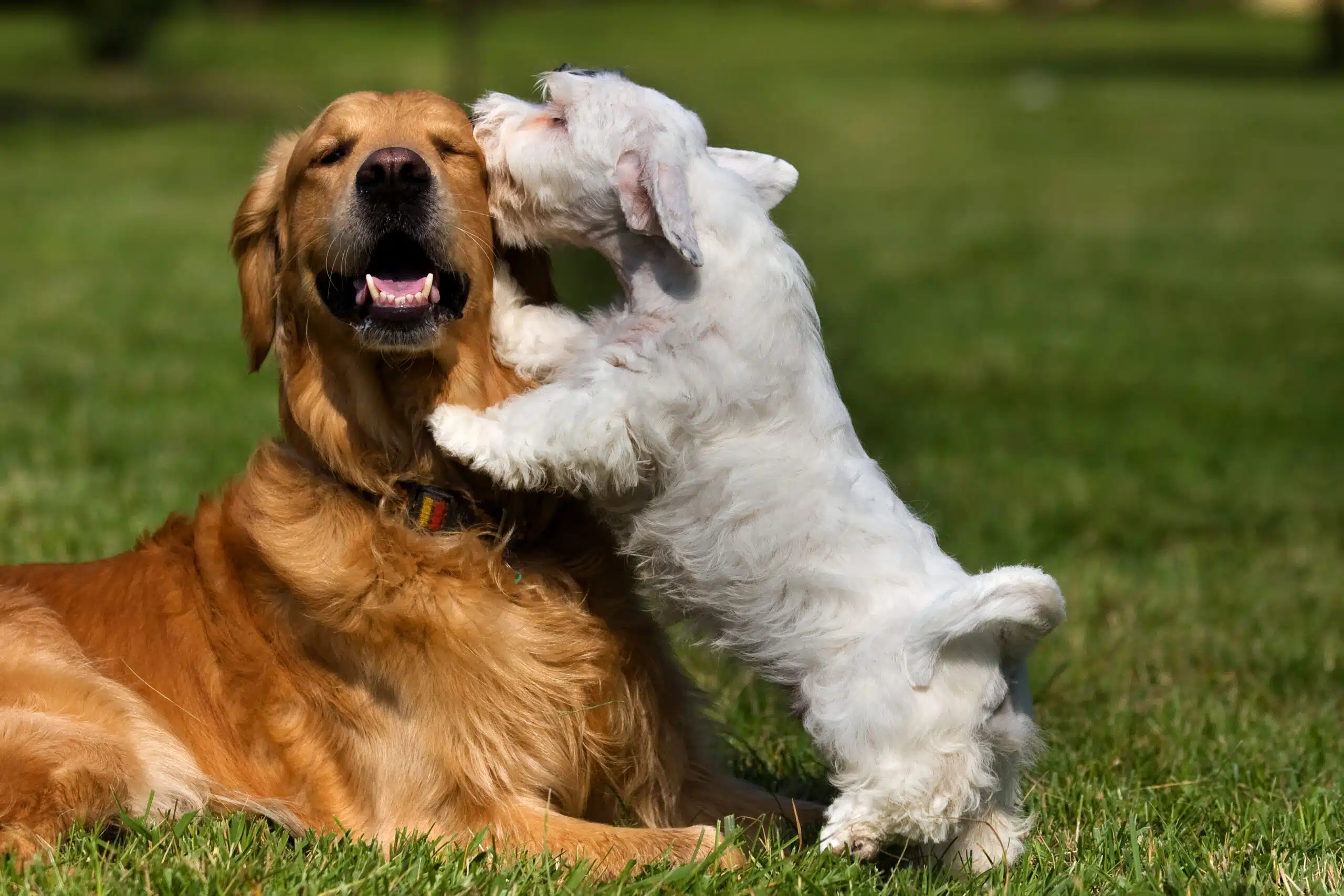
Most Goldens adapt well to other pets after calm, staged introductions. Owners must use early socialization and steady training to help dogs accept cats, small mammals, or other canines.
Use tools like a leash, crate, baby gate, and training device for safe first meetings.
Their friendly, adaptable temperament helps form peaceful bonds with existing animals. Their size and energy can overwhelm smaller animals, so supervise first sessions closely. Set clear boundaries, keep meetings short, and reward calm behavior with treats to ease integration.
Grooming Needs

Golden Retrievers need regular grooming to prevent matting and keep their coat healthy. Brush at least once a week, and brush daily during heavy shedding seasons. Use a slicker brush, a soft-bristle brush, a wide-tooth comb, nail clippers, and quality canine shampoo.
Bathe every two to three months with a dog-specific shampoo, and let the coat dry before you brush.
Clean ears on a regular schedule to cut the chance of infections. Brush teeth several times a week to lower the risk of dental disease. See a professional groomer every few months for trims, nail care, and a deep clean.
Frequent grooming helps spot skin lumps, hot spots, or irritated pads early so you can call your vet.
Nutrition and Feeding

Puppies need a high-quality puppy formula until 12 to 18 months. After that, adult dogs should move to a premium adult dog diet tailored to their nutritional needs. Feed full-grown dogs twice daily. Offer puppies three to four feedings daily.
Choose AAFCO-compliant food for balanced nutrition; extra vitamins and minerals are unnecessary.
Provide quality protein, healthy fats, and carbohydrates for muscle maintenance and steady energy. Monitor calorie intake to prevent obesity, a common concern in the breed. Watch weight to reduce the risk of joint issues and book regular veterinarian check-ups.
Consider joint supplements and omega-3 fatty acids to support joint health and lower inflammation. Give treats in moderation. Avoid table scraps, especially cooked bones and high-fat foods.
Use a measuring tool or weighing device to portion meals and keep a steady feeding schedule.
Where to find a Golden Retriever

Check the AKC Marketplace for 100% AKC-registered puppies. The American Kennel Club began in 1884 and maintains breed standards and registration. The Golden Retriever Club of America, GRCA, formed in 1938 and offers breeder resources plus a Code of Ethics for breeders and buyers.
Search over 450 AKC Rescue Network groups, many that specialize in Golden Retrievers. You can also find Golden Retrievers for adoption or rescue at local animal shelters. Breed associations and golden retriever rescues help match families with suitable dogs. Choose responsible breeders who screen for common health conditions, or adopt from breed-specific rescues or animal shelters as an alternative to buying a puppy. If you don’t see a rescue listed for your area, contact the national breed club or a local breed club for guidance.
Similar Dog Breeds

Golden Retrievers share traits with many sporting and gundog breeds. Compare labs, tollers, Chesapeake dogs, and popular mixes to match energy, coat, and family needs.
| Breed | Similarities | Key Differences | Best Match For |
|---|---|---|---|
| Labrador Retriever | Closely related to the Flat-coated Retriever and Golden Retriever; known for strong loyalty, kid-friendly nature, and sporting heritage | Short, dense coat compared to the Golden’s longer coat | Active families with children |
| Chesapeake Bay Retriever | Similar size and sporting ability to the Golden and Curly-Coated Retriever | Denser, oilier coat and a tougher, more independent temperament | Hunters or owners who spend a lot of time swimming |
| Nova Scotia Duck Tolling Retriever | Shares retrieving drive, intelligence, and eagerness to work | Smaller body and higher prey drive | Owners committed to daily training and mental exercise |
| Goldendoodle (mixed) | Combines Golden Retriever friendliness with Poodle intelligence; similar family-oriented temperament | Coat type, shedding, size, and lifespan vary depending on parent breeds | Families wanting Golden-like behavior with flexible coat options |
Conclusion

Conclusion: Readers learned the breed’s history, physical traits, temperament, care needs, and common health issues. The article explains Guisachan origins, Kennel Club recognition, and the working-trial requirement.
Practical tips cover grooming, feeding plans, training box use, and clear obedience training steps. Use a veterinarian for health screening, regular vaccinations, and joint checks.
These steps fit busy lives and reduce common problems with short daily routines. Keep patient, follow the guide, and enjoy a loyal, confident companion.
FAQs

1. What is the Golden Retriever temperament?
Golden Retrievers stay friendly, eager to please, and social. They learn fast and like people and other pets. They need training and socialization early to avoid fear or bad habits. If your dog shows aggression or fear, use steady training and a pro if needed.
2. How much exercise and grooming does a Golden need?
Plan 60 to 90 minutes of active time each day, with walks, fetch, or swimming. Brush their coat several times a week and more in heavy shed seasons. Check ears, trim nails, and clean teeth regularly to prevent ear problems and dental issues.
3. What key health facts should owners watch for?
Average lifespan is about 10 to 12 years. Watch for joint disease, heart issues, tumors, ear problems, and weight problems. Schedule annual vet checks, keep a healthy weight, and test or screen breeding dogs to lower genetic risks.
4. How should I train and feed a Golden for best care?
Start training when your young dog arrives, use positive rewards, and set steady rules. Give a balanced, high-quality diet and control portions as activity changes. Use toys and exercise to cut down on chewing or jumping. See a trainer or vet if problems persist.
- Furlyfe Rank See Rank
- Group AKC Sporting
- Origin United Kingdom
- Size Large
- Weight 55 to 75 pounds
- Coat Length Medium
- Coat Type Double
- Colors Golden, Dark Golden, Light Golden
- Other Names Yellow Retriever, Golden Flat Coat
- Temperament Confident, Friendly, Intelligent, Kind, Reliable, Trustworthy