
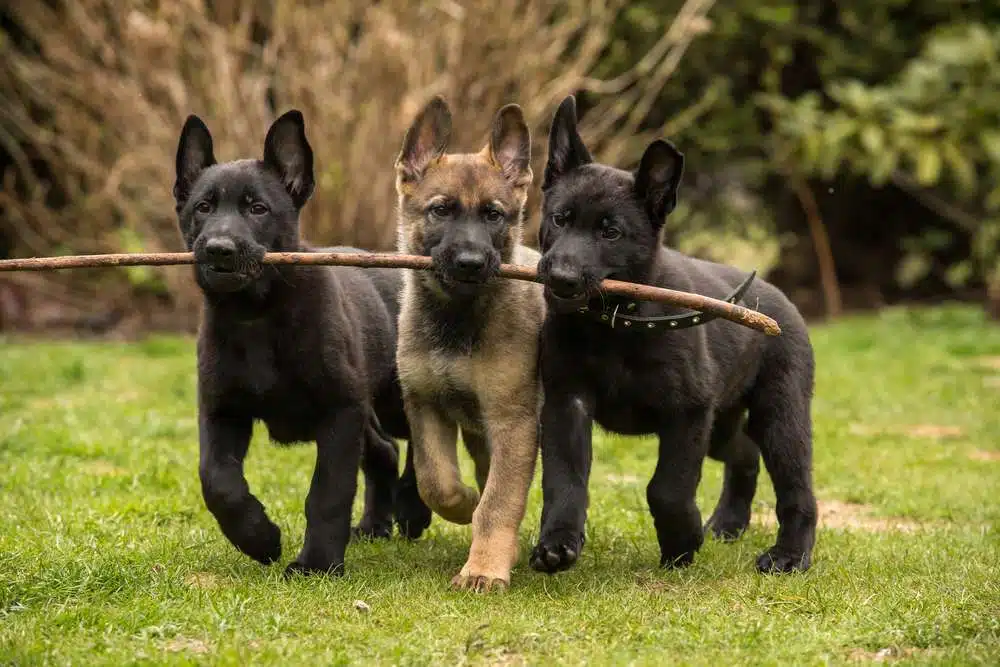
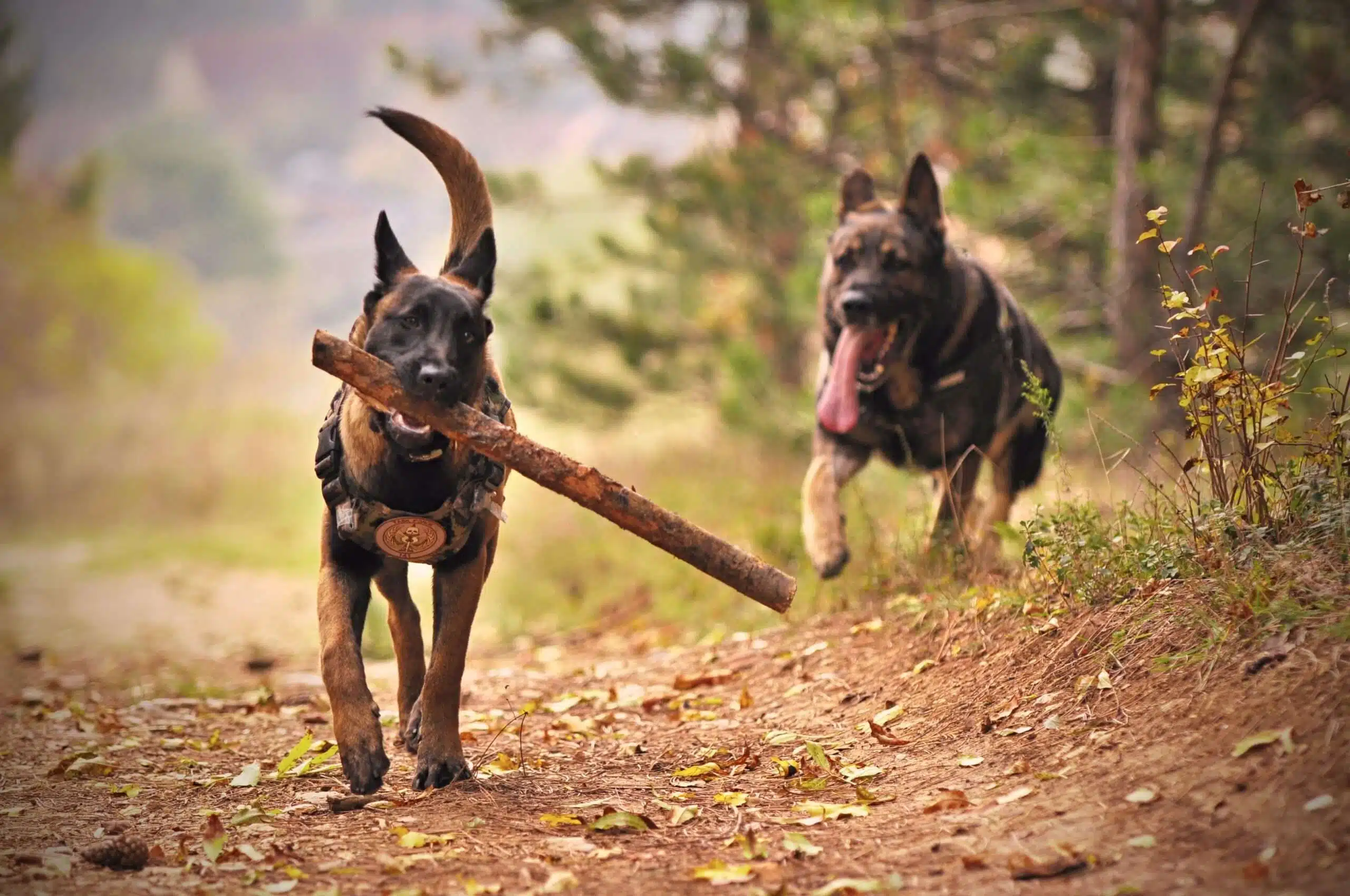
German Shepherd Dog

Click Image to see Gallery

The German Shepherd is a powerful, intelligent breed long admired for its loyalty and versatility. Developed in the late 1800s as a herding and livestock guardian dog, the breed later proved invaluable during World War I and has since become a cornerstone of modern working roles. Today, German Shepherds serve with law enforcement, search and rescue teams, therapists, and as guide dogs—an adaptability recognized and promoted by organizations such as the American Kennel Club and the German Shepherd Dog Club.

Fiercely devoted and highly trainable, the German Shepherd excels at a wide range of tasks. One of the breed’s most famous ambassadors, Rin Tin Tin, helped make the German Shepherd a global icon, showcasing its intelligence, courage, and strong bond with humans.

Beyond their working reputation, German Shepherd dogs are athletic, energetic companions that thrive on purpose and engagement. They perform exceptionally well in canine sports such as agility, obedience, rally, tracking, and even herding. Their confidence and awareness also make them excellent partners for active owners, whether on trails, farms, or alongside horses.

Grooming is manageable despite seasonal shedding; regular brushing helps control loose hair, while bathing should be limited to avoid skin irritation. Routine ear checks, nail care, and daily exercise are essential parts of responsible ownership.

Welcoming a German Shepherd requires commitment. They need daily physical activity—ideally two brisk walks plus training or play—and consistent mental stimulation. When these needs are met, German Shepherds make outstanding companions for families, singles, and couples alike. Though adaptable to many living situations, they thrive best as indoor dogs, closely involved in family life, where their minds and bodies stay fully engaged.

German Shepherd Dog Breed Guide: Traits, Care, And Training Tips

Many dog owners feel overwhelmed by high energy, heavy shedding, and training needs. They ask how to raise a well trained German Shepherd or care for german shepherd puppies. The German Shepherd Dog ranks as one of the finest all-purpose working dog breeds. German Shepherd dogs have a long history of versatility and significance, excelling as working, service, and companion animals in various roles and historical events. German Shepherds are recognized as one of the most popular dog breeds in the United States.

This guide gives clear, step-by-step tips on german shepherd training, exercise, grooming, and dog food choices. It explains double coat care, why german shepherds shed, and common health issues like hip dysplasia.

It shows why german shepherds make great police dogs and search and rescue dogs, and how the American Kennel Club can help you find a puppy or a reputable breeder. Read on.

Key Takeaways

  • Captain Max von Stephanitz began the breed with Horand von Grafrath in 1899; the Verein für Deutsche Schäferhunde had 50,000 members by 1923.
  • Adult males stand 24–26 inches and weigh 66–88 lb; females reach 22–24 inches and weigh 49–71 lb; they can sprint up to 30 mph.
  • Screen hips via OFA/PennHIP (hip dysplasia 19.1%), test SOD1 for degenerative myelopathy (16% homozygous, 38% carriers), and check Von Willebrand and EPI.
  • Give 1–2 hours of daily exercise, feed puppies 3–4 times daily then adults twice daily, brush 2–3 times weekly, and use positive, reward-based training.
  • Expect heavy seasonal shedding, average lifespan 7–10 years (mean 11.3 years in a 2024 UK study), and breeder prices of $2,000–$4,000.

German Shepherd Dog Breed Guide: Traits, Care, And Training Tips

History and Origin of the German Shepherd Dog

The German Shepherd is a breed with a rich and complex history. Originating in Germany in the late 19th century, the breed was initially developed for herding sheep and protecting livestock from predators. In the UK, the breed was officially called the ‘Alsatian Wolf Dog’ after World War I, a name chosen to distance the breed from its German origins and to evoke qualities of strength and resilience. However, the association with wolves also led to public concerns about temperament, even as the breed’s popularity grew.

Captain Max von Stephanitz is credited as the founder of the German Shepherd breed. He aimed to cultivate an unparalleled German herding dog by experimenting with dog breeding, focusing on intelligence, strength, and versatility. In 1899, von Stephanitz established the Verein für Deutsche Schäferhunde (Society for the German Shepherd Dog), which became the official breed club. Von Stephanitz implemented a rigorous quality control system for breeding to maintain the breed’s working abilities and temperament.

After World War II, divergence between American- and German-bred German Shepherds escalated, with American breeding focusing more on appearance than working ability.

Function-Driven from the Start

The German Shepherd Dog was created with utility as its primary purpose, making its history and function inseparable. In 1899, Max von Stephanitz purchased a herding dog named Hektor Linksrhein, later renamed Horand von Grafrath, at a dog show. Dog shows played a crucial role in selecting and evaluating breeding stock, helping to standardize the breed and emphasize traits suitable for both appearance and working ability. This moment marked the formal beginning of the breed and the establishment of a dog designed to work.

Herding as the Foundation and Standardization Around Work

The original function of the German Shepherd was herding and flock protection. These dogs were bred to manage sheep through intelligence and controlled movement rather than speed alone. They were expected to work independently, guard livestock, and respond reliably to their handler—traits that became central to the breed.

Von Stephanitz founded the Verein für Deutsche Schäferhunde (SV) soon after, registering Horand as the first German Shepherd and enforcing standards that prioritized working ability, sound structure, and stable temperament. As traditional herding declined, the breed’s skills naturally transitioned to guarding farms, estates, and industrial sites.

Expansion into Service Roles such as Police Dogs and Lasting Purpose

The German Shepherd’s intelligence and adaptability led to widespread use in police and military work, especially during World War I, where the breed served as messenger, guard, and tracking dogs. These roles reinforced its reputation as a dependable working dog.

Postwar exposure from returning soldiers and famous film dogs such as Rin Tin Tin helped spread the breed worldwide, despite periods of political backlash and temporary renaming in some countries.

Today, the German Shepherd Dog remains true to its origins, excelling in police, military, search and rescue, service work, detection, and competitive working sports. The breed was never meant to be decorative—it was built to serve, protect, and work alongside humans, and that purpose continues to define it.

Physical Characteristics

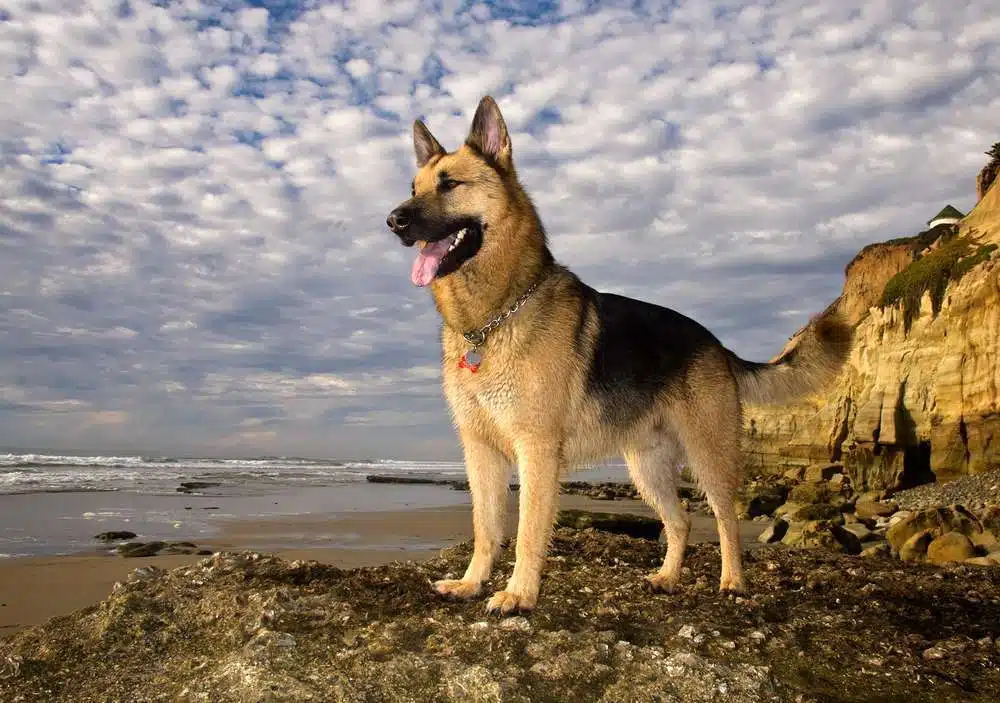
German Shepherds show an athletic, muscular build. The German Shepherd’s strong and robust build places them in the medium to large-sized dog category. They keep ideal body proportions of about 10 to 8.5, which adds balance. The breed is characterized by its distinctive appearance, including a strong, well-muscled body and a noble head. The breed can sprint up to 30 miles per hour. Most German Shepherds push off with powerful hind legs.

Owners find the German Shepherd’s temperament loyal and alert. A German Shepherd puppy grows fast and needs early training. They have a reputation as excellent guard dogs.

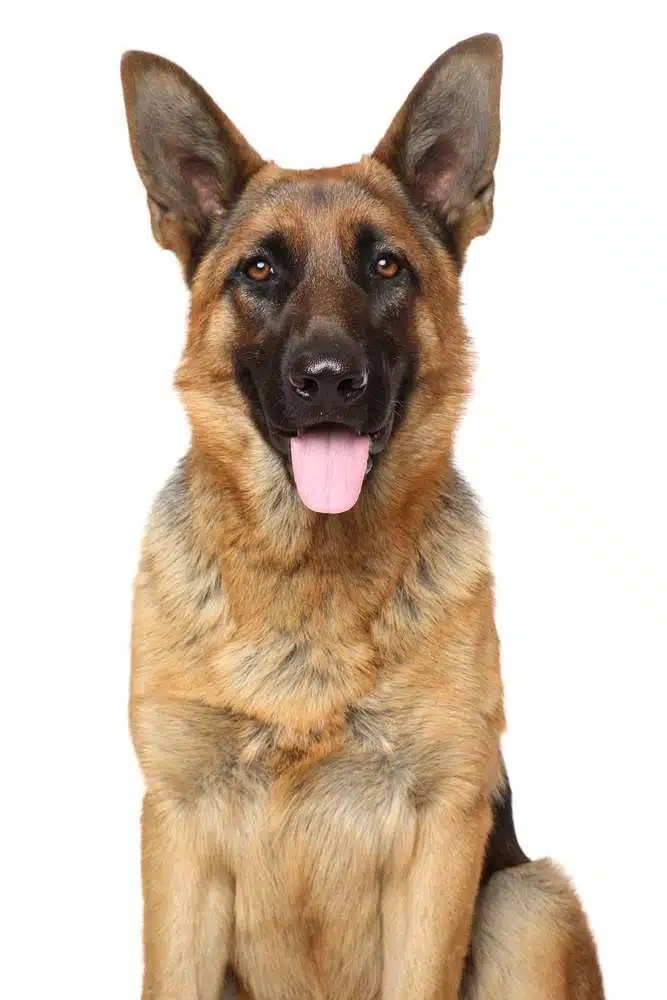
A domed forehead and a long square-cut muzzle create a keen face. Medium-sized brown eyes give alert focus. Strong jaws suit work as herding dogs, police work, and service dogs. Their movement shows a smooth, efficient gait that highlights agility.

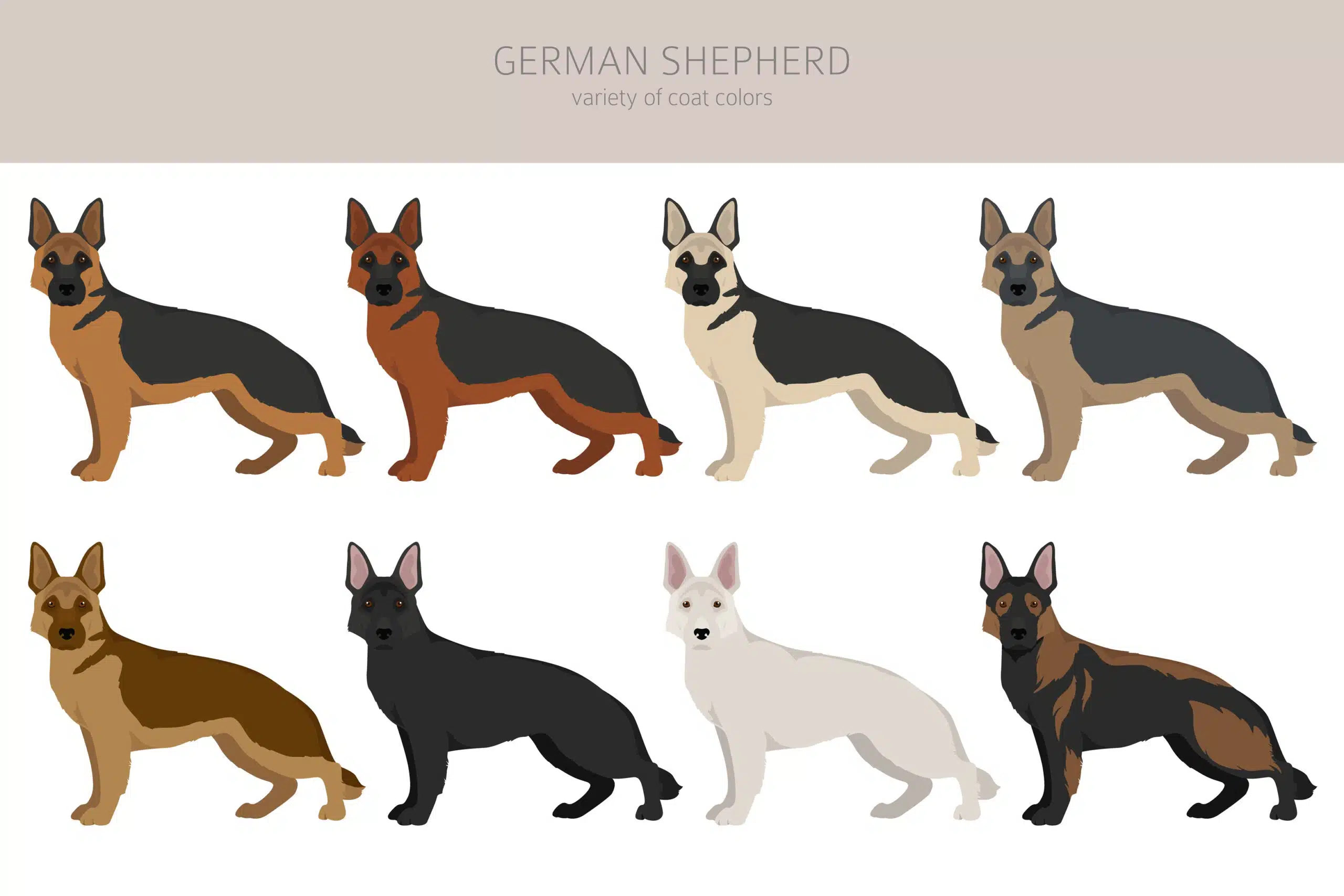
The German Shepherd’s double coat is medium-length and dense, which sheds profusely. Some lines show medium and long hair variants with a dense outer layer and a thick undercoat. Colors range from tan with a black saddle to sable and solid black, and rare coats include pure-white and blue.

Modern German Shepherds appear in dog shows, military roles, and as great family dogs.

Power and grace, built to work.

Body and Structure

Adult males stand 24–26 in (60–65 cm) tall and weigh 66–88 lb (30–40 kg).

Adult females reach 22–24 in (55–60 cm) and weigh 49–71 lb (22–32 kg).

The breed standard offers no official weight range, but the ideal shape stays lean and muscular.

Ideal body length-to-height ratio is 10 to 8.5.

This athletic breed can sprint up to 30 mph (48 km/h).

Distinct features include an extended muzzle and tall, erect ears.

Coats often show black and tan markings.

King Shepherd and Shiloh Shepherd, U.S. bred variants, were developed for greater size and adjusted structure.

Litter size typically ranges from 6 to 8 puppies.

Poor conformation can raise the risk of hip and elbow dysplasia.

A tape measure and scale help pet parents check length, height, and weight for adult german shepherds.

Their temperament pairs working drive with loyalty, which helps german shepherds thrive as working dogs, herding sheep, and excellent family pets.

Face and Expression

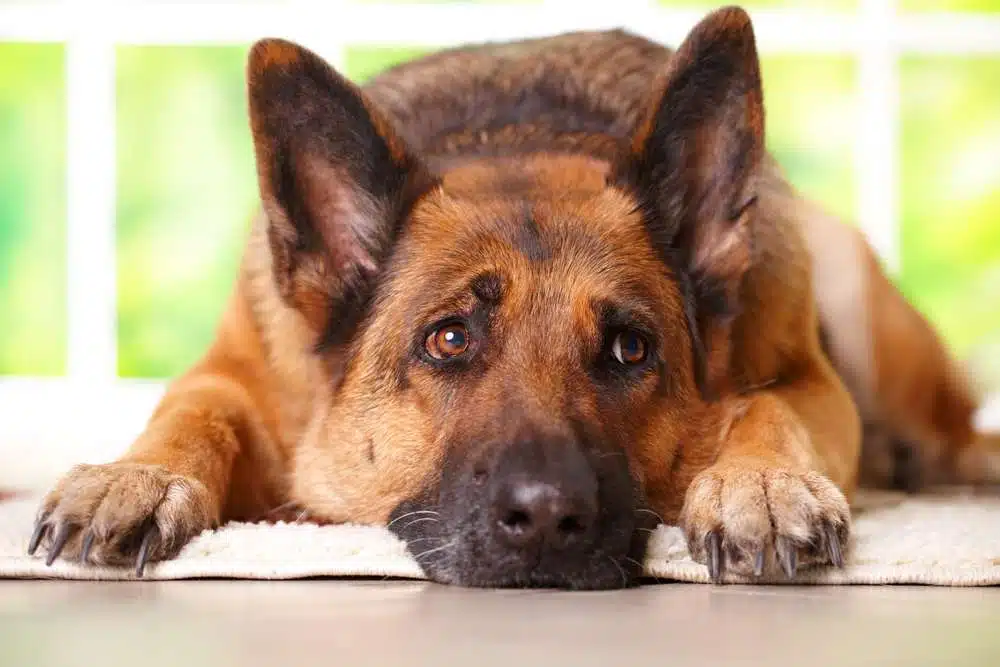
A German Shepherd has a domed forehead, a long square muzzle, and strong jaws. A black nose and medium brown eyes add to the breed’s clear look. Erect, pointed ears sit high on the head and signal attention during dog training, K9 patrol, and other work as versatile working dogs.

That noble character is reflected in their facial expression, and it helps owners read german shepherd temperament. Clear eye contact plus ear position show if a dog feels playful, wary, or calm around other dogs and other animals.

Coat and Color

German Shepherds have a double-layered coat, medium in length. It features a dense, harsh outer coat and a softer underlayer. Two coat variants exist, medium and long, and the long-haired type is recessive and rare.

Show judges in the UK and Germany do not accept long-haired dogs in conformation events.

Common colors include tan and black, red and black, sable, solid black, and bi-color. Rare hues appear as blue, liver, silver, panda, and pure-white. White German Shepherds carry the pure-white trait, which disqualifies them in many shows.

Black and sable receive acceptance; blue and liver act as faults in the show ring. Some breeders bred the East-European Shepherd for larger size and cold resistance to avoid western show deformities.

Owners use a slicker brush and a deshedding tool to manage heavy shedding after dog park visits. Reputable breeders explain coat genetics and color faults to new owners.

Movement and Gait

Conformation differences within the breed cause variation in movement and gait. The dog’s structure supports efficient, agile movement. The breed was originally bred for herding and other working tasks.

Gait analysis with simple video or treadmill tests helps spot faults early. Owners and dog walkers must give proper training and mental stimulation to prevent a bored dog from becoming a destructive dog. Hiring a dog walker can help ensure German Shepherds get sufficient daily exercise and prevent destructive behaviors. German Shepherds enjoy interactive play and need engaging activities to keep them entertained.

Active dogs often fit roles like military dogs or busy family pets.

Temperament and Behavior

German Shepherds show high intelligence, fierce loyalty, and real bravery. As a pet parent, you play a crucial role in nurturing and guiding your German Shepherd, building a strong and responsible relationship. German Shepherds form deep emotional bonds with their families and are often aloof with strangers. They are also known for their vocal communication, which includes barks, whines, and grunts. They need one to two hours of daily exercise to avoid destructive behavior. Proper socialization in puppyhood keeps them friendly; without it they can grow overprotective or aloof with strangers.

German Shepherds are highly intelligent and quick learners, making them highly trainable. Owners should use positive reinforcement and reward-based training with a training tool like a treat to build calm habits. German Shepherds are also known for their playfulness and enjoy interactive play with family members.

Strong prey drives mean you must use a leash or a fenced yard when outside. They rank second on Stanley Coren’s list for breeds most likely to bark as watchdogs. That watchdog instinct helps guard homes, but poor training feeds myths that german shepherds aggressive or german shepherds dangerous; well-trained dogs become a good family dog and gentle family pets.

Service with the german cavalry and on battlefields in World War II shaped their work drive, and owners often compare them to other popular dog breeds such as the Belgian Malinois.

Health issues and a dog’s age change activity and mood, so inspect adoptable german shepherds and talk to vets about german shepherd health issues before you bring one home.

Health Considerations

Owners should watch for hip and elbow dysplasia, degenerative myelopathy, and Von Willebrand disease. Veterinarians recommend regular veterinary check-ups and health screenings, including orthopedic exams and blood tests.

Degenerative myelopathy has no cure, but you can manage mobility loss with physical therapy and mobility aids.

Some dogs develop exocrine pancreatic insufficiency and need ongoing enzyme supplementation to absorb nutrients. A balanced diet and regular exercise keep joints strong and help prevent weight related stress.

Average lifespan runs about 10 years, with some studies reporting a mean of 11.3 years. Many owners say german shepherds good and wonderful dogs, yet they need more frequent screening than other dog breeds or other breeds.

Common Concerns

German Shepherds face several key health risks. You can cut many problems with testing, training, and timely care.

  1. Screen hips and elbows with the Orthopedic Foundation for Animals. The OFA reports 19.1% of German Shepherds show hip dysplasia; ask breeders for OFA or PennHIP scores and recent radiographs.
  2. Test for degenerative myelopathy via SOD1 genetic screening early. United Kingdom research found 16% homozygous and 38% carriers; avoid breeding affected dogs and plan physical therapy if signs appear.
  3. Reduce bloat risk by feeding small meals and avoiding heavy exercise after eating. Learn GDV signs and keep emergency contact info; discuss prophylactic gastropexy for at-risk dogs with your veterinarian.
  4. Manage bite risk with socialization and obedience training. They bite with over 1,060 newtons, 238 lbf; a 2020 review found they caused the most severe bite hospitalizations in the United States, 1971 to 2018. For context, Rottweiler force 1,180 to 1,460 N; Pit Bull 1,050 N; human 380 N.
  5. Watch for exocrine pancreatic insufficiency signs like chronic diarrhea and weight loss. EPI affects about 1% in the United Kingdom; test with trypsin-like immunoreactivity and treat with enzyme replacement therapy.
  6. Ask your veterinarian to screen for Von Willebrand disease before surgery or dental care. Use DNA and clotting tests and plan transfusion support for any major bleeding event.
  7. Address allergies, cancer, and heart disease with routine exams and prompt diagnostics. Use ultrasound, biopsy, and cardiac auscultation as tools, and act fast on lumps, persistent coughing, or sudden collapse.

Lifespan

Average lifespan sits at 7 to 10 years, though some reports note dogs living up to 13 years. A 2024 UK study found a mean life of 11.3 years; crossbreeds averaged 12 years and purebreds averaged 12.7 years.

A 2022 UK analysis gave 10.16 years for one subgroup. The same work reported 11.23 years across the sample, with crossbreeds at 11.82 years. Older studies show 2015 France at 10.08 years, and a 2005 Sweden report noted 51 percent of dogs dead by age 10, compared to 35 percent in the full population.

Talk with your veterinarian about genetic testing, health screening, joint scoring, radiograph checks, balanced nutrition, and an exercise plan to lower risk from hip dysplasia and other common conditions.

Training Considerations

German Shepherds learn fast. Owners should use positive reinforcement and reward calm behavior. Give clear structure and firm boundaries in each session. Mix mental work and physical play every day.

Use a marker device and a reward pouch to mark good choices. Train for jobs like agility and tracking. They excel in those activities.

Seek help for leash pulling and reactivity from specialized training services. Tackle possessiveness and insecurity with motivation techniques and strict leash management. Use a front-clip harness to cut pulling and teach loose lead walking.

Prioritize basic behavior knowledge over police or military style methods for most owners. Book an obedience class or a behavior modification session if problems persist. Trainers will give clear steps, structure, and homework for daily practice.

Exercise and Socialization

Adult German Shepherds need 1 to 2 hours of daily exercise for both body and mind. Herding, agility, tracking, and hiking match their drive. Lack of exercise creates behavioral issues from pent-up energy.

Use a leash, harness, long line, treats, and a marker tool for obedience training on walks.

Early socialization for puppies and consistent training prove crucial to good behavior. Positive reinforcement works best with their high trainability. Supervise all child interactions and turn puppy classes, playgroups, and dog park visits into learning chances.

They stay gentle with family and often remain reserved around strangers.

Living with a German Shepherd

German Shepherds require 1 to 2 hours of exercise each day to stay healthy. Early socialization helps puppies grow into confident, calm adults. Owners should use positive reinforcement and enroll dogs in training classes.

Leash and enclosure work speed training and build good habits.

The breed has a double coat that sheds a lot during spring and fall. Use a grooming tool, clean ears, and trim nails on a set schedule. Puppies need high quality food, fed three to four times daily, while adults eat twice daily.

Visit an animal health professional for health checks and watch the hips and weight.

Best Environment

Active families suit this breed best. They need 1 to 2 hours of exercise each day and have high energy needs. Owners must provide regular training and mental and physical challenges, like obedience drills, agility courses, and interactive puzzle toys.

This dog is not hypoallergenic and will shed heavily year-round. A double coat requires regular grooming and maintenance, with weekly brushing and extra work during seasonal sheds.

Use leash training, clicker work, activity trackers, and crate sessions to channel energy and measure progress.

Behavior towards Children

German Shepherds do well with kids when owners use consistent training and early socialization. Consistent training and early exposure to children build trust and confidence. Use positive reinforcement and short obedience sessions that teach sit, stay, and come for steady progress.

Always supervise play to keep both child and dog safe. Provide a quiet retreat like a wire crate or playpen so the dog can leave busy play. Teach children to respect the dog, avoid grabbing, and approach calmly to foster a positive bond.

Behavior towards other Pets

A strong prey drive can make German Shepherds chase small animals. Early socialization with other pets helps cut that instinct. Use a lead, crate training, and a training device during slow introductions.

Genetic factors and early training shape how dogs react to cats or smaller pets. Consistent obedience training improves inter-pet relations over time. No precise compatibility rates exist, so watch body language and consult a dog trainer or veterinarian for safe steps.

Grooming Needs

German Shepherds have a double coat that sheds heavily, especially in spring and fall. You must brush the coat 2 to 3 times a week to control loose hair and keep the skin healthy. Use a slicker brush and an undercoat rake for most sessions.

Trim nails with nail clippers every 2 to 4 weeks. Schedule a professional groomer visit every 4 to 6 weeks during heavy shedding seasons. Avoid shaving the coat, it harms the dog’s natural temperature regulation.

Bathe the dog only occasionally to preserve natural oils. Check skin, eyes, and ears during each grooming session for signs of irritation or infection.

Nutrition and Feeding

A German shepherd dog is happily eating high-quality dog kibble from a stainless steel bowl, showcasing its black and tan coat and alert demeanor. This image captures the essence of a well-trained adult German shepherd, known for being excellent family pets and versatile working dogs.

Feed puppies three to four times per day. Feed adults up to two cups twice per day, and consult a veterinarian for a balanced diet. Transition to adult food at 12–18 months under vet guidance.

Choose AAFCO-compliant large-breed puppy food, then switch to AAFCO large-breed adult food.

Avoid table scraps to prevent gastrointestinal upset and obesity. Do not exercise for one hour before or after eating to help prevent GDV, bloat. Offer smaller, more frequent meals for dogs that gulp food to aid digestion.

Use a slow-feeding bowl or a measuring cup to slow intake and manage portions. Ask your vet to set calorie targets and track weight with a weekly check.

Where to find a German Shepherd

Check registered breeders for purebred pups; expect prices of $2,000 to $4,000. Adoption offers a lower-cost option and local animal shelters or rescue organizations often list German Shepherds.

Search Petfinder and shelter websites for available dogs. The AKC lists breeders, runs an online Puppy Marketplace, and helps register puppies.

Ask for health clearances and meet the parents before you buy. Contact breed clubs and regional rescue groups for referrals and temperament notes. Use the AKC Puppy Marketplace to compare offers and confirm breeder credentials.

Similar Dog Breeds

These breeds often get compared to German Shepherds. Owners must weigh size, coat, and drive before choosing.

Breed Shared Traits with the German Shepherd Key Differences Best Fit for Owners Who…
Belgian Malinois Extremely high drive, elite working ability, fast learning in obedience, agility, and protection sports Lighter frame, shorter coat, less bulk; typically 40–80 lbs Need an intense, high-energy working partner for sport, police, or protection roles
Dutch Shepherd Similar herding origins, intelligence, versatility, and work ethic Brindle coat, generally leaner build, rarer outside Europe Want a German Shepherd–like worker with slightly more agility and less shedding
Rottweiler Strong loyalty, guarding instincts, confidence, and trainability Heavier, more muscular build; less herding drive, more protection-focused Want a powerful, protective companion with a calmer off-switch
Doberman Pinscher High intelligence, loyalty, responsiveness, and protection ability Sleeker frame, shorter coat, less tolerance for cold weather Prefer a sharp, elegant guardian with strong handler focus and minimal grooming

Conclusion

Conclusion, this guide sums up German Shepherd traits, care basics, training tips, and health needs. Practical tips show grooming with a brushing tool, feeding with a food scale, and training with AKC guides, a leash, a crate, and a sound marker.

You can use clear commands, steady socialization, and short exercise sessions to shape confident, loyal behavior. Ask your vet to screen for common concerns early and to track lifespan risks.

I recommend you start one small routine today and watch courage, teamwork, and the bond grow.

FAQs

1. What are the main traits of the German Shepherd dog breed?

The German Shepherd is smart, loyal, and very active. This dog breed guide lists common traits like strong work drive, quick learning, and alertness. Adult males usually stand about 24 to 26 inches, females 22 to 24 inches, and most live 9 to 13 years. They are not naturally aggressive; poor social skills cause most behavior problems.

2. How should I care for a German Shepherd?

Give at least 60 minutes of exercise each day and add mental work like scent games or training. Brush their coat weekly and check ears, teeth, and nails on a set schedule. Start young dog care early, follow vet vaccine plans, and keep a steady, high-quality diet.

3. What training tips work best for this dog breed?

Use short, reward-based sessions and stay consistent with rules. Begin socialization and basic commands early, and raise the difficulty step by step. For problems like leash pulling, trade habits with calm walking drills and an enclosure or front-clip harness.

4. What health and behavior issues should I watch for, and how do I fix them?

Watch for hip dysplasia, elbow issues, and spinal problems. Get health clearances from breeders, keep weight in range, and give joint-safe exercise. For behavior worries, add more structured training, consult a trainer, and use steady routines to reduce stress.

  • Furlyfe Rank See Rank
  • Group AKC Herding
  • Origin Germany
  • Size Large
  • Weight 50 to 90 pounds
  • Coat Length Medium
  • Coat Type Double
  • Colors Black, Black & Tan, Black & Silver, Black & Red
  • Other Names Alsatian, Alsatian wolf dog, Berger Allemand, Deutscher Schaferhund
  • Temperament Alert, Confident, Courageous, Curious, Intelligent, Loyal, Obedient, Watchful

Breed Characteristics

Leave a Reply

Participate on Doggy Duel