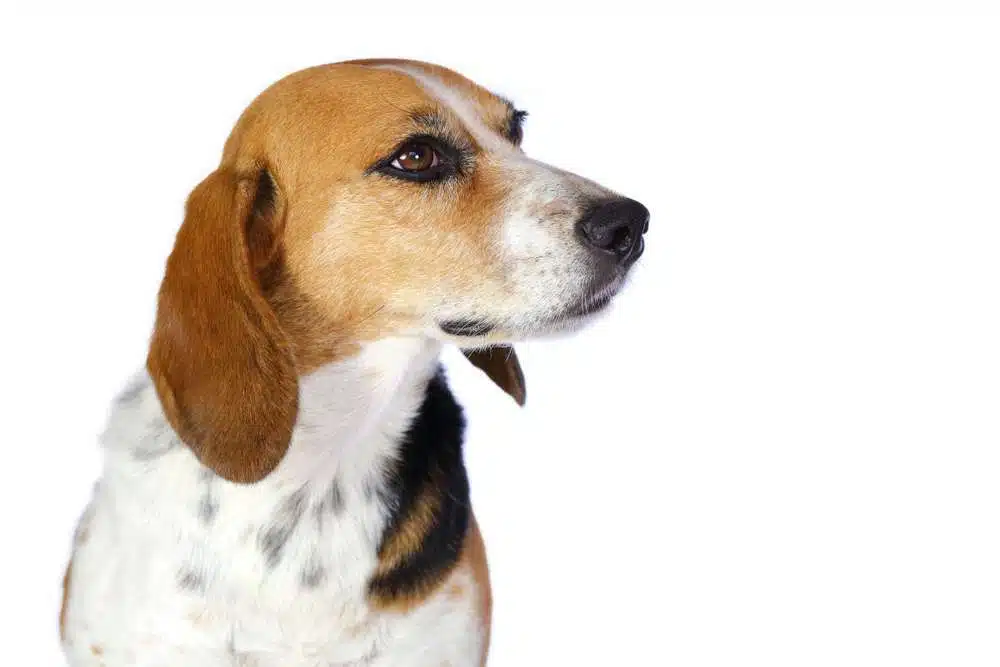
English Foxhound
Bred for more than 150 years to pursue quarry in traditional English fox hunts, the English Foxhound remains first and foremost a working hound. Though similar in purpose to breeds like the fox terrier, the Foxhound was developed for endurance over long distances, not quick bursts underground. In America, the breed has been present since the 18th century, particularly along the Atlantic Seaboard and in the South, where hunting clubs often maintain entire packs.
Athletic and driven, the English Foxhound thrives in active, rural environments. This is not a casual companion content with short strolls. Bred to run across hills and valleys for hours, he requires vigorous daily exercise such as running, hiking, or riding alongside horses or bicycles. Without adequate outlets, boredom can quickly lead to destructive behavior.
His powerful bay—designed to carry across open countryside—makes suburban or city living challenging. Secure fencing is essential, as scent can override recall in seconds. These hounds are fast, focused, and unlikely to respect invisible or electronic fencing once instinct takes over.
In temperament, the English Foxhound is typically gentle, sociable, and happiest in the company of other dogs. Raised properly, they can live peacefully with children and even household pets, though supervision is wise. Their pack-oriented nature means they do best with companionship rather than isolation.
Training requires patience and positive reinforcement. Intelligent yet independent, they respond best to consistent leadership rather than harsh correction. Grooming is simple: a weekly brushing, routine nail care, ear checks, and dental maintenance keep them in good condition. Prospective owners should seek experienced breeders who prioritize health and working ability, ensuring this energetic hound is matched to the right home.
English Foxhound Breed Guide: Traits, Care Tips, And Health Facts

Many dog owners wonder if an English Foxhound fits family life. They worry about high energy, barking, and shedding. These dogs act as pack hounds and work by scent like other scent hounds. As a pack hound, the English Foxhound is known for its social, friendly nature, thrives in groups, and has high energy levels requiring regular exercise.
Owners want clear advice on training, exercise, and feeding.
The English Foxhound is a large, robust hound with long, straight legs and a deep chest that gives big lung capacity. This guide will cover traits, care tips, and health facts. You will find practical steps for training, socializing, grooming, and picking high quality dog food.
It also points to resources like the American Kennel Club, stud books, and how to find a reputable breeder. Read on.
Key Takeaways

- Originating in late 16th‑century England, kept by George Washington and Lord Fairfax, English Foxhounds stand 20–27 inches, weigh up to 75 lb, and live 10–13 years.
- They need at least two hours of daily exercise, show strong pack and scent drives, bark loudly, and rarely suit apartment living.
- Owners should screen for hip dysplasia, bloat, ear infections, and renal disease with annual vet exams, X‑rays, hip scoring, and bloodwork.
- Use weekly brushing, an AAFCO diet with two to three small meals and slow feeders, avoid post‑meal exercise, and start short training sessions early.
- Studbooks date to the 1700s; AKC and the English Foxhound Club help owners find registered, health‑tested breeders and trusted breed resources.

History and Origin

Origins in Elizabethan England
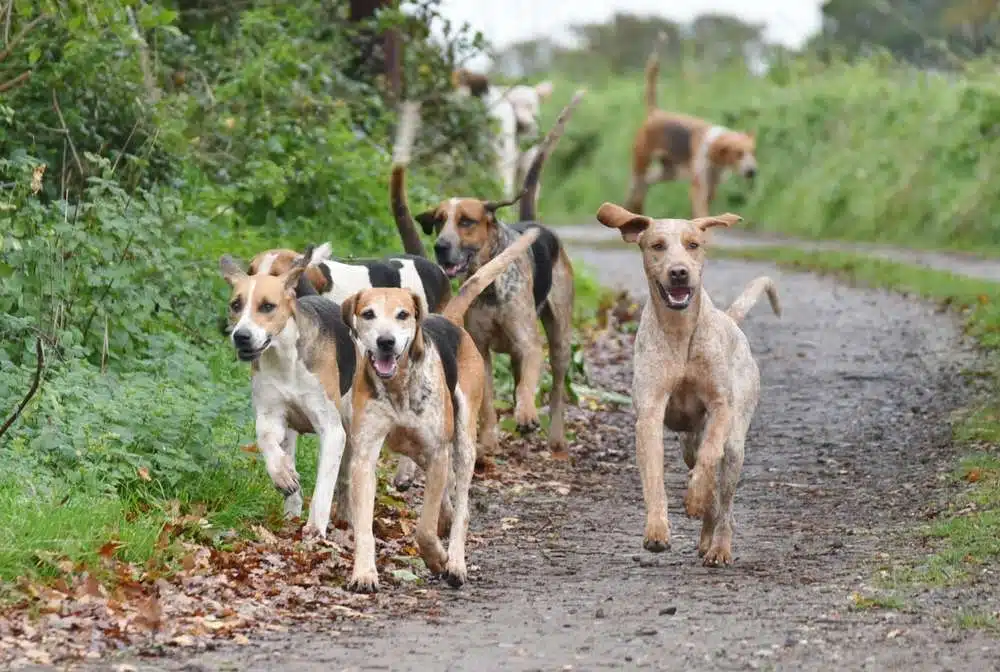
The English Foxhound emerged in England in the late 16th century as mounted fox hunting grew in popularity. As deer numbers declined, landowners turned to foxes as quarry, and breeders began shaping a hound built specifically for long-distance pursuit across open countryside. These dogs were developed to work in organized packs alongside huntsmen on horseback, forming the foundation of the traditional English fox hunt.
Development for Stamina and Pack Work
English Foxhounds were bred for endurance, soundness, and cooperation rather than speed alone. Unlike greyhounds, which excelled in short bursts, foxhounds were designed to maintain a steady chase for hours, allowing riders to follow the scent trail over varied terrain. Their balanced structure, deep chest, and strong limbs supported sustained effort, while their temperament favored teamwork within large packs. Over time, this breeding focus helped shape the culture and traditions of fox hunting throughout Great Britain.
Early Studbooks and Organized Breeding
Formal recordkeeping began early in the breed’s development. Studbooks and breed registers date back to the 1700s, with documented pedigrees that predate 1800. These detailed records reflect the importance of maintaining consistent working ability and pack compatibility. The English Foxhound’s documented history now spans well over 200 years, making it one of the most carefully recorded working hound breeds.
Influence Beyond Britain
During the era of British colonial expansion, English Foxhounds were exported abroad, including to British India, where they were used for jackal coursing. In these hunts, foxhounds gradually replaced greyhounds because their stamina produced longer, more sustained chases. In North America, notable figures such as George Washington and Thomas Fairfax, 6th Lord Fairfax of Cameron kept packs of English-type hounds. Their breeding efforts contributed to the development of the closely related American Foxhound.
A Lasting Working Heritage
The English Foxhound remains a symbol of traditional mounted hunting and disciplined pack work. Its history reflects centuries of careful selection for endurance, cooperation, and reliability in the field. Though rarely kept solely as a household companion, the breed’s legacy endures in both British sporting tradition and in the bloodlines of modern foxhounds worldwide.
Physical Characteristics

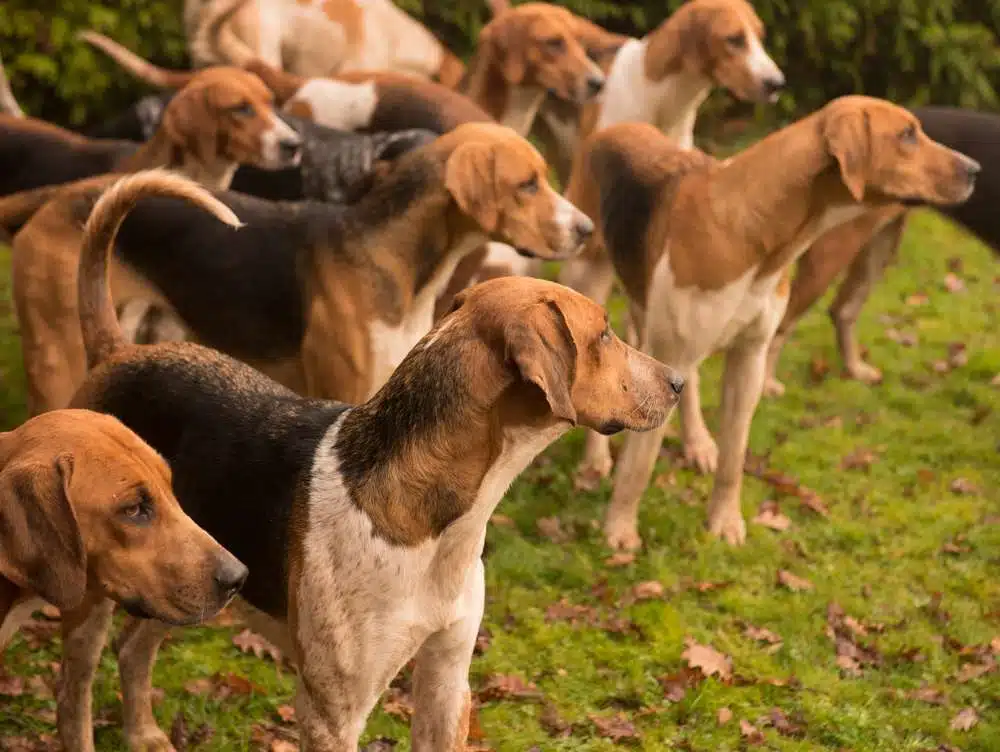
Large, robust build shows the english foxhound dog is bred for stamina and athleticism. Long, straight muscular legs and a deep chest give it the reach and power needed to follow the red fox.
Chest girth can reach 31 inches, which helps long runs and endurance. A thick skull and long muzzle aid tracking and scenting work.
Rounded, almost cat-like paws support steady, tireless movement. The short coat sheds loose hair; weekly brushing with a hound mitt keeps fur and skin healthy. Foxhounds association notes this active breed ranks high among foxhound breeds, and they often live well with other dogs, other pets, and children.
Body and Structure
The English Foxhound dog breed stands between 20 and 27 inches at the withers, 51 to 69 cm. Breed standards set a working maximum height of 24 inches at the shoulder. Males can weigh up to 75 pounds.
A deep chest may reach a girth of 31 inches while the dog stands two feet tall, so use a tape measure to check. Long, straight legs look like a sturdy gatepost and support steady trotting across miles.
They have muscular, straight-boned legs and a strong build made for stamina and endurance. Paws appear rounded and almost cat like, which helps on rough ground. Breeders bred this fox hound to hunt foxes in packs and cover long distances.
Owners must give daily exercise and long walks to help this healthy breed stay fit. Early socialization helps English Foxhound puppies live with other animals and become good house pets.
Face and Expression

A foxhound’s face shows power and warmth.
An english foxhound puppy shows a thick skull and long muzzle. Eyes sit under a pronounced brow, which gives a gentle, easygoing expression at home, unlike a fox terrier’s sharper gaze.
Many compare that calm look to an old greek statue.
A keen sense of smell helps with scent tracking while hunting. Owners report an alert and friendly demeanor around guests and children. Low-hanging ears need regular professional cleaning, so speak with your veterinarian about ear cleaners.
Keep eye care strict and watch for redness or discharge. Face markings often match hound colors, tricolor being common.
Coat and Color

The English Foxhound has a short, double coat that stays dense and shiny. Colors typically combine black, tan, and white in many patterns. This coat needs minimal maintenance and does not mat.
Shedding stays moderate, with heavier loss in spring and fall.
Weekly brushing with a grooming brush or glove cuts loose hair and keeps the coat glossy. Use a comb or rake tool during seasonal shed to lower fur around the house. Give an occasional bath to keep the coat clean.
Check skin for burrs, sticks, and debris after walks, and apply regular tick and flea prevention to help them stay healthy and remain an excellent companion for an active lifestyle.
Movement and Gait

Built for endurance rather than speed, the English Foxhound runs for hours during hunts. This substantial galloping hound, bred to hunt, reaches up to 24 inches and 75 pounds and covers large distances with steady stamina.
Long straight legs and rounded paws give it a powerful, efficient gait.
Huntsmen on horseback count on the breed to horseback accompany them across fields and trails. Athletic stride and efficient pacing let it keep up with riders and other dogs for hours.
Owners should provide other exercise and mental stimulation to match that drive. A tracking device can record miles and pace during long outings.
Temperament and Behavior

English Foxhounds act friendly, sociable, outgoing, and playful. They score five out of five with children and receive a top mark for other dogs. Strangers rate them three out of five; playfulness rates four and protectiveness comes in at three.
Their barking level registers a five, so expect lots of noise during walks or at home.
The English foxhound personality fits active families who can spend lots of time walking or tracking. They do not make a reliable guard dog, even though their bark runs loud. Owners use leash work, crate routines, and a sound marker device to build obedience and focus.
This scent hound, related to an American cousin, follows interesting scent trails and will bolt if left uncontained. Early socialization helps them live calmly with children and other pets and makes them great companions.
Health Considerations

A typical English Foxhound can live up to 13 years. Adults can weigh up to 75 pounds and reach about 25 inches tall. High energy keeps them fit, and a background in stag-hunting built extra stamina that can stress joints.
Their gentle, easygoing nature helps a calm home and supports a healthy life. Minimal grooming needs lower skin care time and help their health.
Owners must watch for hip dysplasia and other health problems. Bloat, gastric dilatation-volvulus, can strike fast and show as dry heaving, retching, vomiting, or a distended abdomen.
Give fresh water and split meals, and avoid hard exercise right after eating to reduce bloat risk. Schedule vet checks, X-rays, hip scoring, vaccinations, and DNA tests with a veterinarian.
Buy from reputable breeders and compare traits to american foxhounds and the four foxhound breeds to find a fine foxhound fit. Proper training and steady exercise match their stamina, and good dental care prevents bad breath and infection.
Common Concerns
English Foxhounds face several health risks. Owners must spot problems early and act fast.
- Watch for hip dysplasia, a common orthopedic issue in the breed. Ask your veterinarian for radiographs and hip scoring before breeding or heavy work, and keep weight controlled with low-impact exercise.
- Check ears weekly, since low-hanging ears trap moisture and debris. Clean with a veterinarian-approved solution when needed, treat odors or discharge promptly, and note that some notable english foxhound owners stress routine ear care.
- Monitor for renal disease, as some lines develop kidney issues. Request periodic bloodwork and urinalysis from your veterinarian. Early lab changes let you change diet and start medications to slow decline.
- Guard against bloat, because large, deep-chested canines face higher risk. Feed small, frequent meals, avoid vigorous activity around mealtimes, and learn emergency signs like a swollen belly and retching.
- Schedule bloodwork and full exams at least once a year, more for older hounds or lines with known issues. Use blood panels to catch kidney or liver trends and adjust care quickly.
- Start socialization and consistent training early. Use short, positive sessions to reduce stress. This helps behavior during apartment living, around children, and with other pets.
- Inspect skin and coat after every outing. Remove burrs, sticks, and debris to prevent irritation and infection. Trim hair near ears and paws and treat wounds fast to lower infection risk.
- Consider apartment life carefully, since few such combinations of size and energy suit tiny flats. Expect strong scent drive and loud baying; provide daily long walks and secure fencing to prevent escapes.
Lifespan
Most English Foxhounds live 10 to 13 years, with some healthy dogs reaching 13 years. Genetics and environmental factors shape each dog’s lifespan.
Regular veterinarian care, proper nutrition, and daily exercise help dogs live longer and stay healthier. Health screening in breeding lines and genetic testing reduce inherited risks, and owners who watch for bloat and hip dysplasia, a joint disorder, can improve quality and length of life.
Training Considerations

English Foxhounds show strong independence, so training needs consistency and patience. Calm, firm leadership makes correction easier and builds trust. Early socialization and training classes help reduce problem chasing.
Their strong instinct for pursuit can make recall difficult. Keep a leash on walks to manage that instinct and keep the dog safe. Treats and praise, as rewards, work well as positive reinforcement.
Keep commands consistent so the hound learns clear expectations.
Design training around rewards, mental stimulation, and plenty of exercise. Short sessions of 10 to 15 minutes suit an active nose. Use marker tools and food rewards to reinforce correct behavior.
Training class instructors and local clubs offer social setups for dogs and people. Leash rules and clear commands limit bolting and hunting drives. Owners must act patient and firm during setbacks.
Exercise and Socialization

Daily exercise keeps your Foxhound fit. Early social play with people and other dogs prevents bad habits.
- Plan at least two hours of daily exercise to meet the breed’s needs. Include long walks, hiking, running, cycling, and dog sports like agility to match a 3 out of 5 energy level.
- Schedule varied sessions to prevent boredom and channel energy. Use leash, GPS tracker, or activity monitor for safe off-road long walks and hikes.
- Use positive reinforcement for every training and socialization session to shape good manners. Start early to avoid undesirable habits and keep lessons short and consistent.
- Mix solo exercise with pack play since this breed thrives with other medium to large dogs due to its pack nature.
- Train recall and loose-leash walking because high scent drive can lead to chasing. Use a head collar or sturdy harness and long line during off-leash practice.
- Keep mental stimulation daily with puzzle feeders, rubber chew toys, and scent games to reduce destructive behavior. Rotate toys and add short training drills to reach the needed mental work.
- Schedule socialization with people of all ages and varied dogs to build stable behavior. Pair sessions with positive reinforcement and calm praise to create good associations.
- Balance high-intensity runs and low-key walks, two hours total can include sprinting, hiking, and dog sport practice like agility. Track exercise with an activity monitor and adjust workload for age and health.
Living with an English Foxhound

English Foxhounds stand 20 to 27 inches tall and can weigh up to 75 pounds. They have a friendly, social nature that fits well with children and other dogs. Their hunting heritage gives them a strong sense of smell and a steady chase drive, so scent work and pack-style play suit them.
Owners should use a sturdy leash, a padded harness, a training device, and a secure enclosure to aid walks, training, and rest. AKC offers training guides and support, and their moderate grooming needs keep shedding minimal, with a typical lifespan of up to 13 years.
Best Environment
Foxhounds need significant daily exercise and mental stimulation. They are not suitable for city or apartment living. A home with ample space for running and activity suits an active family with plenty of outdoor access.
Their pack-oriented nature means they do best with other dogs or in active households. Outdoor activity is essential for their health and well being. Provide a secure, fenced area or regular trips to a park, and use a leash or tracker for safe offsite work.
This breed may not be ideal for households without time for daily exercise.
Behavior towards Children
English Foxhounds are affectionate and gentle. They show high tolerance and strong patience. They are generally good with children but not ideal for homes with very young kids. Supervision around small children remains essential for safety.
Proper socialization from a young age improves calm behavior with kids. Early training and positive reinforcement shape safe interactions. Use a lead, resting enclosure, or training device for first meetings with toddlers.
Owners must always supervise dogs around young children, regardless of breed.
Behavior towards other Pets
This breed is pack-oriented and highly sociable with dogs and people. They thrive in homes with other medium to large dogs. Their sociable temperament makes them enjoy group interaction and play.
Introduce smaller pets carefully, using leash introductions and controlled meetings. The Foxhound has a strong prey drive that can spark chasing behavior toward small animals. Socialization is key to harmonious multi-pet households; start early with obedience training, positive reinforcement, desensitization, and use a kennel for safe breaks.
Raised together, they usually coexist well with other pets.
Grooming Needs

English Foxhounds need simple coat care. They shed moderately and rarely mat.
- Use a soft bristle brush or grooming glove once a week to control shedding, rated 3 out of 5, on the short, dense, shiny coat, since the breed rarely mats and has low grooming needs, 1 out of 5.
- Trim nails every 3 to 4 weeks with quality nail clippers to prevent cracking and limping, and have a veterinarian or groomer show proper technique if you feel unsure.
- Bathe only as needed, using a mild dog shampoo, and ask a veterinarian for timing advice to avoid stripping natural skin oils after hunting or long muddy sessions.
- Inspect coat after outdoor runs for burrs, sticks, and debris; use a tick comb and follow a flea prevention schedule your veterinarian recommends to lower infection risk.
- Check ears and eyes weekly for redness, discharge, or odor, clean ears with a vet-approved ear cleaner, and seek care quickly to prevent painful infections common in floppy-eared hounds.
- Brush teeth two to three times weekly with canine toothpaste, and keep a basic grooming kit with a toothbrush, soft cloth, nail clippers, and ear cleaner for simple home maintenance.
- Hire a professional groomer or visit your veterinarian for annual skin and ear exams; routine professional trims are seldom needed, reflecting the breed’s minimal grooming needs score of 1 out of 5.
Nutrition and Feeding

Feed high-quality puppy food during growth. Switch to an adult formula for maintenance once growth ends. Offer senior food as your vet recommends. Use AAFCO-compliant dog food to supply all needed nutrients.
Feed two to three smaller meals daily to lower bloat risk, and use a slow feeder.
Keep fresh water available at all times. Set a regular feeding schedule to help maintain weight and health. Adjust portions and calories to match age, activity level, and health status.
Track intake with a measuring tool or kitchen scale and keep a food diary for changes. Watch for vomiting, diarrhea, itching, or skin changes as signs of food allergies or sensitivities.
Ask your vet for specific dietary guidance and testing.
Where to find an English Foxhound

Contact the American Kennel Club to find English Foxhound litters and registered pups. Use the AKC Find A Puppy tool, the judges’ directory, and local club listings to search by state and breeder.
Visit the official English Foxhound Club page for breed standards and trusted breeder referrals. Check the AKC shop for breed guides, gear, and training resources.
Attend dog shows to meet exhibitors and join events listed by the Westminster Kennel Club and AKC. Download registration forms and review comprehensive rules on the AKC site, and use the Answer Center for quick help.
Consider donations to the AKC Humane Fund to support health and welfare programs for the breed.
Similar Dog Breeds

Here are four breeds similar to the English Foxhound.
| Breed | Similarities | Differences | Best fit for owners who |
|---|---|---|---|
| American Foxhound | Closely related, both are scent hounds in the hound group. | American bloodlines are leaner, and English Foxhound follows British pack standards while appearing on FCI lists and rare breed rosters. | Active hunters and owners with space for long runs. |
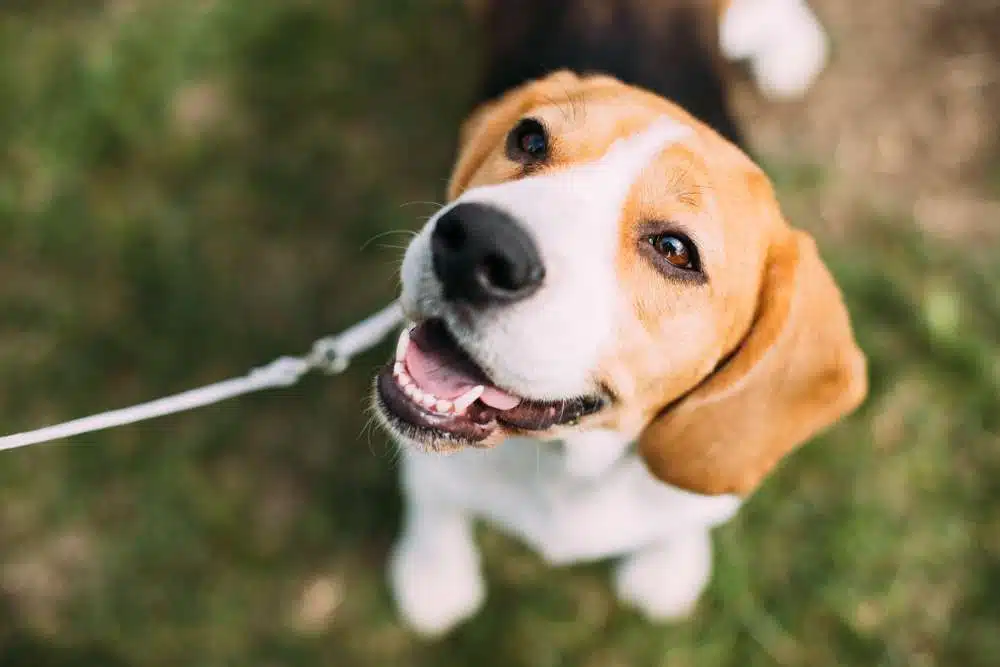
| Beagle | Shared origin in the United Kingdom, joining other UK hounds such as Bloodhound, Greyhound, Scottish Deerhound, Welsh Hound, West Country Harrier, and Whippet. | Smaller size and lower stamina make Beagles more common pets than the rare English Foxhound. | Families wanting a compact scent hound for suburban life. |
| Harrier | Pack oriented hound bred to hunt in groups, similar to English Foxhounds in pack dynamics, scent tracking, and tracking harness use. | Medium build suits hare hunting and keeps it smaller than traditional English Foxhounds; historical related breeds include Buckhound and the now extinct Celtic Hound. | Owners seeking frequent group runs and a dog that thrives with other dogs. |
| Otterhound | UK origin and scent hound classification, part of a diverse group bred for hunting, herding, and companionship. | Water hunting heritage and a dense, rough coat set it apart from foxhounds, and it shares pack orientation with Harrier. | Homeowners near rivers or lakes who can meet heavy grooming and exercise needs. |
Conclusion

Conclusion: This guide summed key traits, care tips, and health facts for the English Foxhound breed. Owners can follow AKC resources, clear training plans, scent training, and veterinary guidance.
Many expect hounds to live outdoors, yet these dogs do well indoors with daily exercise. Grooming, balanced nutrition, and timely veterinary care cut health risks and extend lifespan.
Match your routine to the dog’s stamina, then watch loyalty and joy grow.
FAQs
1. What are the main traits of the English Foxhound, per this breed guide?
The English Foxhound is a medium to large scent hound with a short coat, strong nose, and a steady hunting drive. It is social, calm with family, and often loud when excited. The breed guide notes an average lifespan near 10 to 13 years and an energy level that needs daily work.
2. How should I care for an English Foxhound, using simple care tips?
Give long walks, runs, or scent work every day to meet exercise needs. Feed a balanced diet and watch weight to avoid obesity. Clean ears weekly and brush the coat once a week. Start training and social visits early. Take the dog to the vet for regular shots and checks.
3. What health facts should owners watch for, based on data and common issues?
Watch for joint disease and heart disease, both of which can show as stiffness or tiredness. Check ears for infections and inspect eyes for any change. Keep teeth clean to lower dental disease. Use regular vet screening, weight control, and prompt care for any new sign.
4. Is an English Foxhound a good family dog, and what problems can arise?
Yes, the breed fits active families that can meet exercise needs. The dog bonds with people and stays gentle with kids. Problems appear if the dog is left alone or not trained, they may howl, dig, or chase small animals. Train early, give jobs like scent games, and provide a secure yard.
References
- https://www.borrowmydoggy.com/doggypedia/dog-breed-guides-english-foxhound
- https://www.akc.org/dog-breeds/english-foxhound/
- https://www.petmd.com/dog/breeds/english-foxhound (2024-12-31)
- https://wagwalking.com/breed/english-foxhound
- https://showsightmagazine.com/dog-breeds/english-foxhound/
- https://www.hillspet.com/dog-care/dog-breeds/english-foxhound
- https://www.thesprucepets.com/english-foxhound-dog-breed-profile-4782409 (2025-06-10)
- Furlyfe Rank See Rank
- Group AKC Hound
- Origin United Kingdom
- Size Medium
- Weight 60 to 70 pounds
- Coat Length Short
- Coat Type Double
- Colors Black White & Tan, Lemon & White, White
- Other Names Foxhound
- Temperament Active, Companionable, Friendly, Gentle, Sociable, Tolerant