



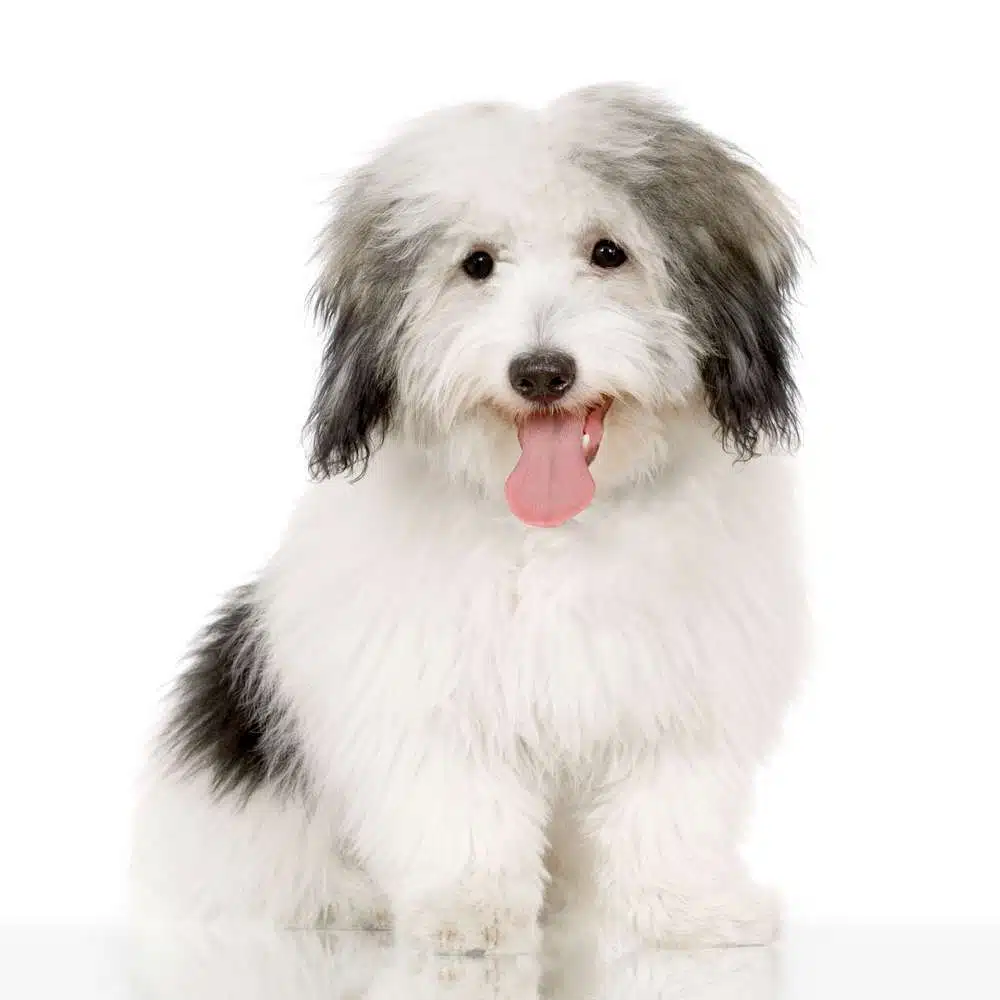
Coton de Tulear

Click Image to see Gallery

The Coton de Tulear (pronounced KO-tohn day TOO-lay-are), originating from the port of Tulear in Madagascar, is a cheerful and playful dog with an affectionate personality. Their unique, luxurious coats do not shed but do require regular brushing to keep them looking their best. It is believed they were bred as rat catchers or companions by either pirates, traders, or sailors who shipped them overseas many centuries ago – and then crossbred with local dogs. The breed’s name comes from its soft ‘cotton’ like coat which gives it a distinctive look unlike any other breed of dog!

The Coton de Tulear is an incredibly endearing and affectionate companion. They are usually simple to train, love a great time, as well as have an extremely friendly attitude which makes them perfect for families with children or other pets in the household; however, they can become severely distraught when left alone too long and may develop separation anxiety. It’s important to be mindful of health issues that this specific breed might face while selecting family lines wisely.

The Coton de Tulear is an exceptionally intelligent breed, which excels in learning commands and tricks with relative ease. With obedience training a regular part of the routine, housebreaking should be by-the-book easy! If you’re looking for a companion that can also double as your active partner at dog sports like agility or nose work – then this pup’s definitely one to consider. What sets it apart from other Bichon breeds its superior ability to learn housetraining basics quickly and more effortlessly too!

With his gorgeous, thick coat of fur, this indoor pup demands special grooming to stay healthy and pristine. He’s generally placid in nature and strong enough for home life with kids around as long as adults supervise them when handling him. This fluffy pooch is usually friendly towards other animals too—even cats!

Coton De Tulear Dog Breed Traits, Care Tips, And Personality Guide

Many people want a small, friendly dog that fits easily into family life, but they also worry about allergies, shedding, and the time required for grooming. At the same time, they’re looking for a companion that is adaptable, trainable, and gentle with children—one that can be both playful and relaxed depending on the moment. Finding that balance in a single breed can be challenging.

The Coton de Tulear often comes up as a strong contender. Known for its soft, low-shedding coat and affectionate personality, this breed is prized for its ability to bond closely with its family while remaining cheerful and easygoing. For households seeking a small dog with charm, intelligence, and a people-focused temperament, the Coton offers a compelling option.

Key Takeaways

  • Coton de Tulear came from Madagascar (Tulear/Toliara) and appeared in the U.S. when Dr. Robert Jay Russell brought them in 1973.
  • Adults stand 9–11 inches, weigh 8–15 pounds, and average lifespan ranges about 14–19 years (2024 UK study: 14.2 years from 44 dogs).
  • Brush daily, book professional grooming every 4–8 weeks, and despite low genetic rates (1–5%) screen hips, patellas, and eyes.
  • Affectionate, sociable, and trainable (affection 5/5, sociability 5/5, trainability 3/5) with low barking (3/5) but separation anxiety risk.
  • Provide two daily exercise sessions and mental enrichment, feed about 3/4 cup split into two meals, and monitor weight.

Coton De Tulear Dog Breed Traits, Care Tips, And Personality Guide


History and Origin

The Coton de Tulear is a charming companion dog with a fascinating history. The coton de tulear’s small, fluffy stature and signature cotton-like coat originate from Madagascar, and they are known for their affectionate, clownish personality.

The breed’s origins trace back to Madagascar, where it developed its unique appearance and temperament. The Coton de Tulear is related to the Bichon Frise and Maltese. It is believed that the breed likely arrived in Madagascar in the 15th century, brought by sailors who used small dogs as companions and for barter.

Initially, the breed was favored by the island’s elite. The breed became popular among the nobility in Madagascar during the French colonization in the 1700s, earning the nickname ‘Royal Dog of Madagascar.’

Origins in Madagascar

The Coton de Tulear originated on the island of Madagascar, where it takes its name from the port city of Tulear (now Toliara). This small dog with a soft, cotton-like coat became a cherished companion among Malagasy nobility. Ownership was once restricted by law to the Merina tribe, elevating the breed to elite status and earning it a reputation as a “royal” lapdog.


A small dog with a cottony coat earned royal favor on the island.


Ancestral Roots Beyond Africa

Despite Madagascar’s proximity to Africa, researchers believe the Coton’s ancestry traces back to dogs from Indonesia. These early companion dogs likely arrived via trade routes, eventually adapting to island life and developing the distinctive coat and temperament that define the breed today.

Rise to Recognition in Europe

The breed gained formal recognition in Europe during the 20th century.France’s Société Centrale Canine recognized the Coton de Tulear in 1970, followed by the Fédération Cynologique Internationaleestablishing an official breed standard in 1972. Its charming personality and unique coat helped it gain popularity beyond Madagascar.

Introduction to the United States

The Coton de Tulear was introduced to the United States in 1973 by Dr. Robert Jay Russell, who helped popularize the breed and referred to it as the “Royal Dog of Madagascar.” Interest grew steadily, leading to the formation of the United States of America Coton de Tulear Club in 1993, which later became the official parent club.

Modern Status and Preservation

The American Kennel Club officially registered the Coton de Tulear in 2014, marking its full recognition in the U.S. Today, breed clubs promote responsible breeding practices, including health clearances and registry programs such as the Foundation Stock Service. Though still considered a rare breed, the Coton remains beloved for its affectionate nature, distinctive coat, and rich history.

Physical Characteristics

This small dog has a body that is longer than its height, with a slightly arched topline and a rectangular outline. Its hind legs provide solid drive and balance. Dark, rounded eyes sit in a short, triangular head and give a lively, sweet expression, a trait noted by the american coton club.

A long, soft, pure white coat resembles a cotton ball and reads like a dog’s cotton like coat, which is a key characteristic of the Coton de Tulear and contributes to its distinctive appearance. Owners value the breed as hypoallergenic and as a hardy dog despite its fluffy coat. The Coton de Tulear’s coat feels more like hair than fur, which is another reason it is considered hypoallergenic. Cotons shed little, mainly in the spring, making them suitable for allergy sufferers.

Cotons de Tuleár need regular brushing and trips to a professional groomer to prevent matting; many families use a short puppy clip at first, then let the adult coat grow long. Movement stays light and jaunty, a trot that fits small dogs, apartment living and dog sports. They adapt well to apartment living due to their small size and relatively moderate energy.

Body and Structure

Coton de Tulear males stand 10 to 11 inches tall and weigh 9 to 15 pounds. Females stand 9 to 10 inches tall and weigh 8 to 13 pounds. The breed is longer than tall and shows a rectangular outline.

The topline stays smooth and has an arch over the lower back. A dog’s cotton-like coat sits over the frame and can grow into a long coat. Use a tape measure and a scale to check height and weight for a coton puppy or an adult dog.

Chest stays long and well developed, reaching the elbows. Shoulders angle about 30 degrees and the upper arm equals the shoulder in length. A short triangular head fits a 2:5 head to body ratio.

Legs remain short and sturdy, and the tail sets low then carries over the back during movement. Skin usually looks pink and may show dark pigmentation. The general appearance is compact, small, and sturdy, with a proportionate frame that suits many owners who want small breeds.

Face and Expression

Rounded, dark brown to black eyes sit wide apart and show dark, expressive centers with black eyelid rims. A black or brown nose meets kennel clubs and registry standards; pink does not meet the breed rules.

Triangular, high set ears look like thin leather and frame an expressive black-and-white smile.


That bright, happy face wins hearts at home and in the show ring.


A slightly arched neck of moderate length and the head structure create a gentle, friendly, alert look. The coton de tulear’s face shows a bright, happy-go-lucky nature and a sweet personality that makes these dogs excellent family pets with other dogs and other pets.

Owners use spray conditioner during regular grooming to protect the dog’s cotton like coat, especially on white dogs that show dirt.

Coat and Color

Their coat grows 4 to 6 inches long and feels long, soft, dense, and slightly wavy, with a coton texture. The coton’s coat is a defining feature, prized for its fluffy, cotton-like appearance and low-shedding qualities, but it requires consistent maintenance to stay healthy and attractive. Breeders and dog owners call it non-shedding, hypoallergenic, and low in dander.

The Coton de Tulear’s coat is long, soft, and thick, requiring regular grooming to prevent matting.

The skin under the coat stays pink, though it may show areas of pigmentation. Puppy coats feel softer than adult coats, and some color fades as the dog ages.

Breed standards accept pure white, black-and-white, and tricolor patterns, including the honey bear marking. Markings can include gray (GR MKGS), yellow (YLW MKGS), black, and tri-color (TRI MKGS).

Owners must brush the fluffy coats daily with a brush and comb to prevent matting, unless they keep a short puppy clip. It is recommended to brush the Coton de Tulear’s coat three to four times a week with a pin brush to minimize tangles, especially in delicate areas like behind the ears, legs, and elbows.

Faults include tightly curled, wooly, or silky hair, and judges mark those down in shows.

Using a spray conditioner while brushing can help reduce hair breakage in the Coton de Tulear’s coat.

Bathing the Coton de Tulear may be needed weekly, bi-weekly, or monthly depending on how dirty they get, and using a whitening shampoo can help keep the coat bright. When bathing a Coton de Tulear, it is advised to pat them dry instead of rubbing to prevent tangling.

The Coton de Tulear’s coat can develop tear stains, which can be minimized by regularly washing their face with lukewarm water.

Movement and Gait

Coton de Tulear shows an agile, lively gait that reflects its playful nature and toy group roots. Owners notice the tail carried over the back while the dog moves, which makes the step look springy.

Front legs stay vertical and parallel, and the movement appears upright and balanced.

The dog stands 9–11 inches tall and weighs 8–15 lbs, so it moves with small, nimble steps on a lead. Cotons de Tulear often clown and even walk on hind legs during play, and they adapt to an owner’s activity level.

This dog breed rates a 3 of 5 for energy and proves agile and trainable in agility trials and obedience events.

Temperament and Behavior

Bright and happy-go-lucky, this dog shows a gentle, affectionate nature and a strong drive to follow its person. Owners of Coton de Tuléar dogs report deep bonds and frequent clowning, which matches a playfulness rating of 4/5.

They score 5/5 for affection and 5/5 for adaptability, and they rarely bark, with a 3/5 barking level noted. The breed also shows FOMO and unique vocalizations, traits that make them witty companions and excellent therapy dogs.

Eager to please, these dogs earn a 3/5 trainability score and a 5/5 sociability rating with other dogs. Short, consistent training sessions and basic dog training tools work best, and owner-led practice helps avoid issues tied to poor socialization or puppy mills.

They make adaptable dogs for families who live indoors, yet owners should watch for separation stress as the dog’s age or routine change. Guarding instincts sit at 3/5, so teach children proper training and manners to keep this rare breed safe around other pets.

Health Considerations

Coton de Tulears have low rates of genetic issues, about 1 to 5 percent. They face some risks, like hip dysplasia, patellar luxation, and various eye diseases. Owners should get hip dysplasia screening and ophthalmic checks early.

A veterinarian can run DNA screening and joint checks before breeding. Average life expectancy is 15 to 19 years. Plan long term care.

Breeders often test parents to keep inherited problems low. Cotons rank as hypoallergenic, which helps people who are allergic. Their single coat has little undercoat, so the Coton stays clean with regular grooming.

Watch for ear infections, tooth decay, and weight gain as the dog’s age increases. Use heartworm prevention and dental care as parts of routine health checks. Compared with bichon frise, maltese, poodles, and havanese, cotons are generally healthy.

Talk with dog breeders and your vet about screenings at an early age.

Common Concerns

These dogs face a few breed-specific health risks. Test early and keep clear records.

  1. Hip dysplasia affects Cotons de Tuléar and other dog breeds, and genetic health issues occur in about 1 to 5 percent of the breed. Get a hip evaluation and request breeder hip clearances before purchase.
  2. Patellar luxation, called luxating patellas, causes limping and joint pain. Ask for a patella evaluation and discuss surgical options or physical therapy with your veterinarian.
  3. Eye disease can impair vision in some dogs and shows up in breed health screens. Book an ophthalmologist evaluation and confirm breeders screened breeding stock for inherited eye problems.
  4. Spinal disc disease can cause sudden pain and mobility loss, so limit high jumps and use ramps to protect the spine. Discuss imaging and treatment plans during routine dogs health visits.
  5. Breeders should run genetic screening and health tests, like AKC DNA testing; like most dog breeds, Cotons need hip, patella, cardiac, and eye records. Note the breed was bred on an island nation and carries a French word in its name.
  6. Use AKC Pet Insurance and AKCRx Online Pharmacy to offset vet bills and prescriptions, including care for canine cancer or hereditary conditions. Compare plans early and enroll before costly treatments arise.
  7. The hypoallergenic coat helps allergy sufferers and keeping the coton clean can reduce how allergies react to pet dander; coat color does not change that benefit. Maintain regular grooming to prevent skin health issues and matting.
  8. Watchdog or guard dog traits do not replace health checks, so schedule a cardiac exam and wellness visits to detect health issues early. Keep all test records to compare results across litters and breeders.

Lifespan

Coton de Tulear often live 14 to 15 years. A 2024 UK study of 44 Cotons found an average life expectancy of 14.2 years, compared to 12.7 years for other purebreds and 12 years for crossbreeds.

American Kennel Club and breed clubs support those life expectancy figures. The USCTC reports Cotons rarely get sick, and the breed ranks among small dogs with the longest lifespans.

Owners should limit high jumps and quick turns because the long back and short legs can add strain. Responsible breeders track health and longevity and use health screening and vet checkups to keep the Coton a better breed.

Training Considerations

This breed is alert, territorial, and eager to please. Owners find them relatively easy to train with a clear plan. Use positive reinforcement and reward-based tools like a sound marker and a treat pouch.

Keep sessions short, frequent, and fun, and skip military-style drills. Obedience classes help reinforce good habits. AKC lists Companion Events like Obedience, Rally, Tracking, and Agility.

Start socialization early; expose puppies to parks, car rides, visitors, and different sounds. Obedience training helps reinforce positive behaviors and builds calm confidence. Use crate work and short leash drills to teach independence and safe manners.

Watch for separation anxiety, since Cotons can suffer if left alone for long periods. AKC resources like the GoodDog! Helpline and the Canine Good Citizen Training Program offer extra support.

Work with short, positive drills and use praise, food rewards, and consistent cues.

Exercise and Socialization

Coton De Tulear needs daily exercise and social play. Early social training builds confidence.

  1. Plan two daily sessions of walks and play, offering moderate exercise such as chasing a rubber ball. Cotons need this to stay fit and avoid boredom that leads to destructive behavior.
  2. Schedule agility, swimming, fetching, and obedience training to engage both body and mind. American Kennel Club events provide sport goals and social outlets.
  3. Use positive reinforcement and short sessions for obedience and social classes. Puppy socialization class helps build adaptability and lifelong confidence.
  4. Join dog parks and structured play dates to teach polite greetings and reduce fear of strangers. Cotons thrive in family environments and require companionship, so include family members in social outings.
  5. Practice crate training with short departures to reduce separation anxiety from extended periods alone. Offer safe chew toys and puzzle feeders for distraction while you are out.
  6. Monitor exercise intensity and watch for fatigue in heat. Cotons are small and can tire quickly, so give water breaks and shade during long sessions.
  7. Engage in daily playtime to boost physical health and social skills and prevent destructive acts. Fetch, tug, and short obstacle courses offer quick mental and physical outlets.
  8. Track progress and adapt routines as the dog ages, changing activities for senior mobility and mental needs. Keep social contacts active with neighborhood walks and periodic class refreshers.

Living with a Coton De Tulear

These dogs weigh 8 to 15 pounds and stand 9 to 11 inches tall. They often live 14 to 19 years in loving homes. Owners must brush daily unless they keep a short puppy clip to prevent matting.

Use a grooming brush, comb, and nail clippers, and schedule vet visits for routine care.

Their sociable, affectionate nature makes them great family dogs and good with kids. They need moderate exercise, including daily walks and mental play. Low shedding and a generally hypoallergenic coat suit many allergy sufferers.

Talk with a vet about patella and hip evaluations, cardiac exams, and eye specialist checks.

Best Environment

Cotons thrive in apartments. AKC includes them on its list of best dogs for apartment dwellers. A 5/5 adaptability rating shows they fit many home types. The breed holds the official title of companion dog of Madagascar.

They do not need excessive daily activity and match their owner’s energy level. People value their low-shedding coat, rated 2/5, which helps allergy sufferers.

The Coton bonds closely with family and fits a companion role. Homes where dogs are not left alone for long periods work best. Supervision is recommended around young children and other pets.

Use a leash for walks, a sturdy crate for short absences, and a brush for regular grooming.

Behavior towards Children

Families rate them 3 out of 5 for being good with young children. Their gentle and affectionate nature makes them an excellent family pet. They show strong playfulness and serve as lively playmates for kids.

Small size, just 8 to 15 pounds, keeps handling easy for parents. Supervise interactions with toddlers and small kids during rough play.

Adaptability and sociability help them bond in varied households. AKC lists the breed in categories that note dogs good with children. Low barking levels suit quiet homes and apartment living.

A dog trainer can teach safe play routines and positive reinforcement. Ask a veterinarian for health tips after active play.

Behavior towards other Pets

Cotons score 4/5 for sociability with other dogs. They usually get along with cats and other animals, though supervision is recommended. Early socialization helps ensure positive interactions and reduces fear or guarding.

Their friendly, playful temperament makes them a good fit for homes with multiple pets, and many lists include them among the best dogs for families with more than one animal.

They are generally not aggressive toward other animals. If owners skip socialization young, Cotons may show territorial behavior. Use short training sessions, training tools, a leash, and puzzle toys to curb guarding.

Their moderate mental stimulation needs, rated 3/5, help them adapt to multi-pet households.

Grooming Needs

This section lists key grooming needs for Coton De Tulear owners. Follow these steps to keep the coat healthy and mat free.

  1. Brush the coat daily unless you keep a short puppy clip; the fluffy white coat grows 4 to 6 inches and mats easily. Use a soft brushing tool and spray conditioner to prevent tangles and reduce pulling.
  2. Groom puppies often to build a calm habit; short, gentle sessions create positive associations. Expect high maintenance, rated 5 out of 5, so start early and stay consistent.
  3. Bathe about once a month with a gentle dog shampoo; rinse thoroughly and apply spray conditioner to the coat. Note that this breed sheds little but is not entirely hypoallergenic.
  4. Check ears weekly and clear excess hair and debris using pet ear cleaner and cotton pads; trim interior hair only if you can do so safely. Contact a vet at the first sign of odor, redness, or discharge.
  5. Trim hair around eyes, muzzle, and paw pads every few weeks to prevent rubbing and mats; use grooming scissors and clippers with care. Keep a tangle comb handy for small knots near the skin.
  6. Book professional grooming every 4 to 8 weeks based on coat length and your chosen puppy clip; a groomer will use a grooming stand and specialty shears to manage mats and shape the coat.
  7. Build a grooming kit with a soft brushing tool, tangle comb, gentle shampoo, spray conditioner, grooming scissors, clippers, ear cleaner, and cotton pads. Replace worn tools and store the kit where you groom daily.

Nutrition and Feeding

A fluffy Coton de Tulear is happily eating high-quality dog kibble from a bright dog bowl, showcasing its cotton-like coat and playful nature. This small dog, known for being an excellent family pet, enjoys its meal in a cozy indoor setting.

Cotons need a balanced, high-quality diet for their life stage. Owners should feed about 3/4 cup daily, split into two meals, and track calories.

  1. Pick age-appropriate dog food approved by the Association of American Feed Control Officials, AAFCO. Both dry and wet formulas qualify when labeled complete and balanced for puppy, adult, or senior dogs.
  2. Weigh portions with a measuring tool to match calorie targets. Use the typical 3/4 cup per day as a starting point, then adjust for activity, dog’s age, and body condition.
  3. Limit treats and count them toward daily calories to avoid obesity. Do not feed table scraps, cooked bones, or high-fat foods that cause digestive upset or weight gain.
  4. Keep fresh water available in a clean bowl at all times. Change the water daily and wash bowls weekly to reduce bacteria and encourage drinking.
  5. Ask your veterinarian for a personalized feeding plan for allergies, weight issues, or medical needs. Use the vet’s guidance to pick protein levels, portion sizes, and feeding frequency.
  6. Follow a steady feeding schedule, split meals into morning and evening sessions. A routine aids digestion, steadies energy, and cuts down on begging.
  7. Check package labels for AAFCO approval and a guaranteed analysis of protein, fat, and fiber. The AKC offers nutrition guides and breed-specific health resources to consult.
  8. Track weight weekly and your high quality dog food intake to spot trends fast. Use a phone app, paper chart, or journal to adjust calories and keep a lean, healthy body condition.

Where to find a Coton De Tulear

Use the AKC Marketplace to search for 100% AKC-registered Coton de Tulear puppies and AKC-compliant breeders. AKC tools help you locate local breeders and available litters. When looking for a Coton de Tulear, it is especially important to choose a reputable breeder to ensure the health and quality of your puppy. The AKC offers a Breeder Toolkit and educational resources that support responsible ownership for first-time and current owners.

Check the United States of America Coton de Tulear Club, the official AKC Parent Club (USACTC), founded in 1993.

Reputable breeders provide puppy folders with essential care, feeding, and health information. AKC registration options include Canine Partners for mixed breeds and the Foundation Stock Service for rare breeds.

Similar Dog Breeds

Here are four breeds often compared with the Coton de Tulear.

Breed Similarities Differences Best fit for owners who
Bichon Frise (Bichon type) Shares a cottony coat and playful nature tied to Mediterranean and North African merchant dog ancestry and to Bichon Tenerife roots. Shows a rounder face, shorter muzzle, and higher grooming need than the Coton de Tulear, and it sits farther from terriers like West Highland White and Yorkshire. Fits owners who want an active lap dog listed as hypoallergenic and a small breed by AKC.
Havanese Shares Bichon lineage, small size, and strong owner bond, and the Coton also links to the Russian Tsvetnaya Bolonka. Has longer coat textures and a more extroverted play style than many Cotons. Suits owners who value early socialization to shape behavior and trainability.
Maltese Shares white coat, toy size, and inclusion in AKC hypoallergenic and small dog categories. Shows finer, silkier hair and a higher tendency for intense owner attachment than the Coton. Best for owners who prefer low shedding, frequent grooming, and indoor companionship.
Bolognese Shares Bichon-type roots and a calm, adaptable temperament traced to island trade dogs. Has a denser wool coat and firmer body than many Cotons, and it remains rarer in AKC records. Ideal for owners who seek a calm companion, and AKC data shows breed and age most affect personality; try the AKC breed comparison tool for side by side stats.


Conclusion

The Coton de Tulear blends affectionate nature, smart training, and easy living. The guide covered history, body type, coat care, health, and nutrition. Use a soft brush and grooming tool each day to prevent mats.

Schedule leash walks, play sessions, and training tool work for steady exercise and socialization. Will you contact the AKC, a vet, or a trainer to start your plan? Take the step and gain a joyful, low-shedding companion for many years.

FAQs

1. What are the key Coton De Tulear dog breed traits?

The Coton De Tulear is a small companion dog with a cotton-like coat. It stays lively, friendly, and alert. Most weigh about 8 to 15 pounds and like play and close company. These dog breed traits make it social and eager to please.

2. What basic care tips keep a Coton healthy?

Brush the coat two to three times each week to prevent mats. Give daily short walks and play for mental and physical exercise. Feed measured, high-quality food and schedule regular vet checks. Clean teeth and check ears to avoid common small-breed problems.

3. How would you describe the Coton personality in this guide?

This breed shows warm, affectionate behavior and a playful spirit. It learns fast with positive training and likes family life. Some dogs miss company and show stress when left alone, so train for calm independence early.

4. Is a Coton De Tulear a good fit for families and allergy concerns?

The Coton suits families, older adults, and apartment life because it adapts well to people and space. It sheds little, but no dog is truly hypoallergenic. Ask to spend time with the dog before you decide. Follow care tips for grooming and vet screening to lower health risks.


References

  1. https://www.petmd.com/dog/breeds/coton-de-tulear (2023-05-16)
  2. https://wagwalking.com/breed/coton-de-tulear
  3. https://www.akc.org/dog-breeds/coton-de-tulear/
  4. https://www.houndsy.com/blogs/modern-tails/understanding-coton-de-tulear-personality-traits-what-makes-this-breed-so-endearing?srsltid=AfmBOor3sXH6cjMYFg8zrEA5I5IBlt5zIN1MvXpoYduvfoNNNyxEkI-O
  5. https://www.thesprucepets.com/coton-de-tulear-dog-breed-profile-4771476 (2025-04-10)
  6. https://pmc.ncbi.nlm.nih.gov/articles/PMC10165416/
  7. https://www.mdpi.com/2813-9372/1/3/18


  • Furlyfe Rank See Rank
  • Group AKC Non Sporting
  • Origin Madagascar
  • Size Small
  • Weight 9 to 15 pounds
  • Coat Length Long
  • Coat Type Double
  • Colors Black, White
  • Other Names Coton, Cotie
  • Temperament Affectionate, Intelligent, Lively, Playful, Trainable, Vocal

Breed Characteristics

Leave a Reply

Participate on Doggy Duel