
Collie
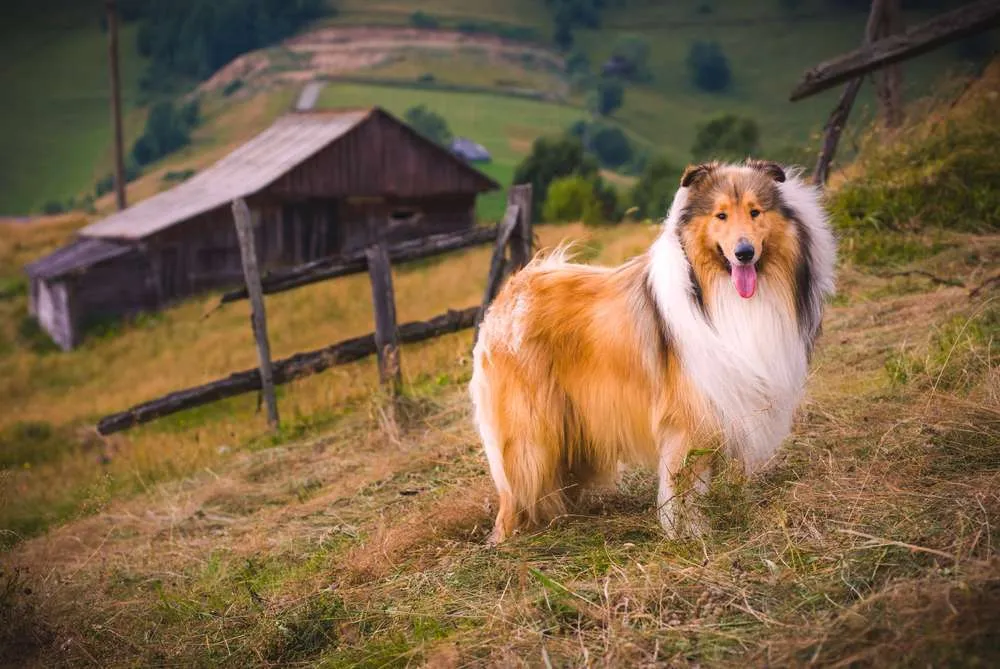
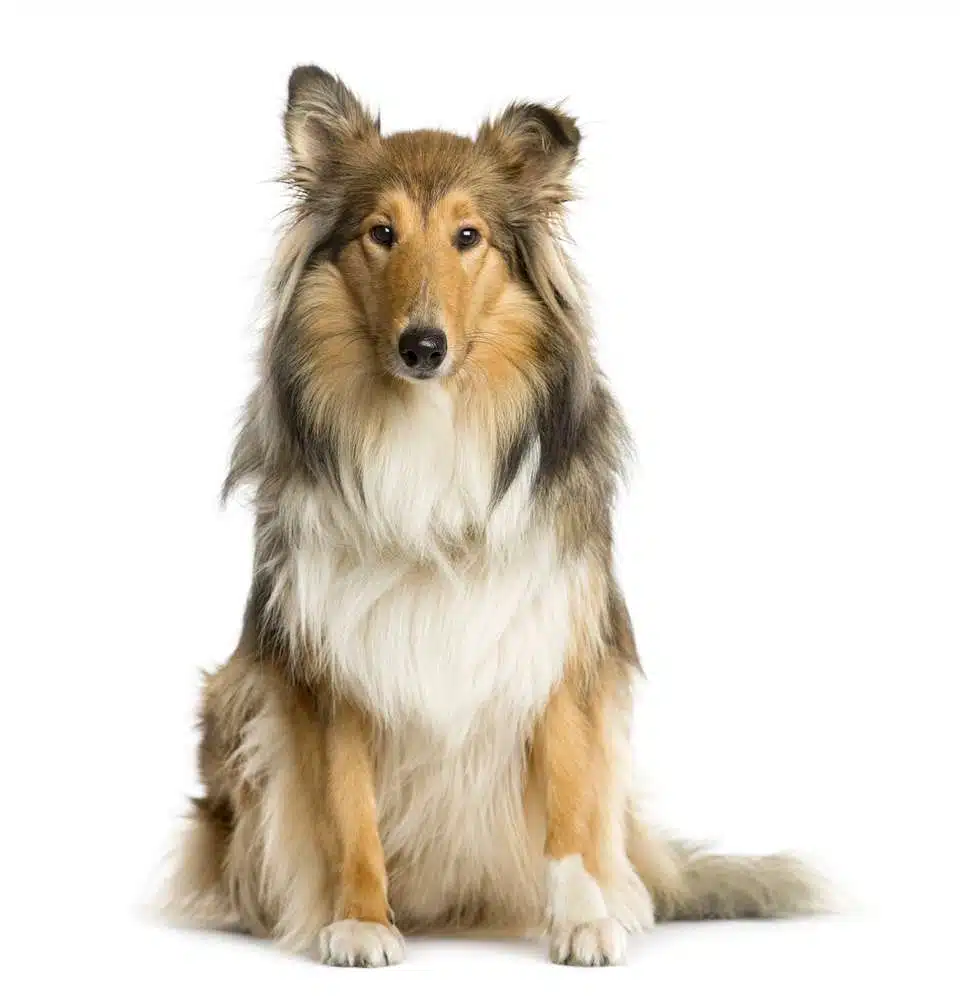
Collies, originally bred to herd sheep in Scotland, are medium to large dogs with a long, refined head and narrow muzzle. There are two main types: the Rough Collie, made famous by “Lassie” with its long, flowing coat, and the Smooth Collie, which has a shorter but still dense coat. In the show ring, both are considered the same breed and judged by identical standards.
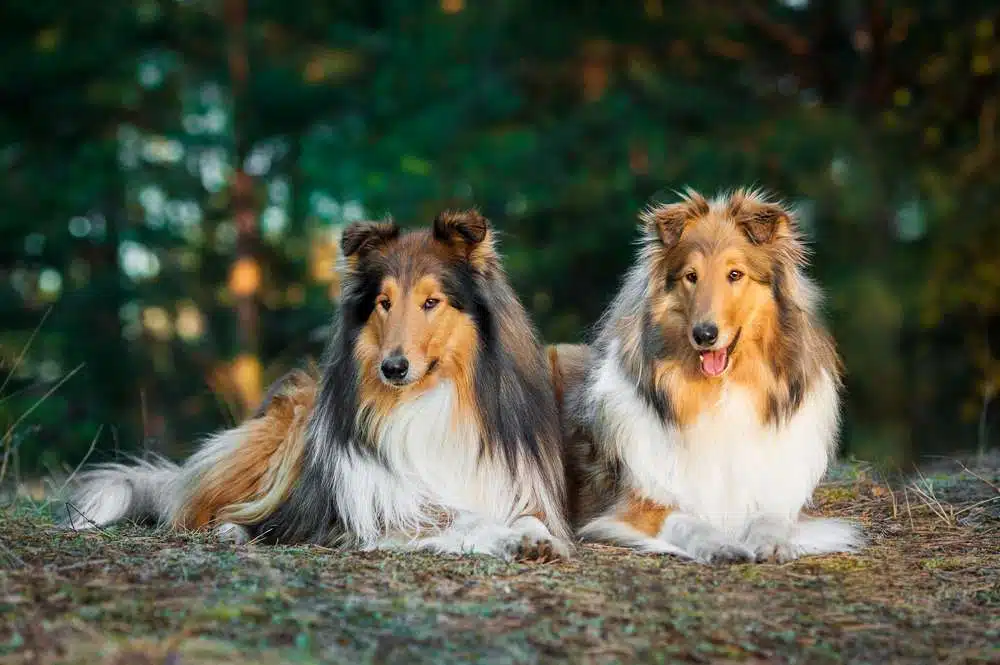
Both types come in a range of colors, including sable and white, tri-color, blue merle, and white. The white variety is predominantly white-bodied, with color typically limited to the head. Regardless of coat type, Collies maintain the same elegant outline and balanced structure.
Coat care varies between the two. Rough Collies shed heavily during seasonal “coat blows” and require extra brushing during those periods, while Smooth Collies shed more consistently year-round but need less intensive grooming overall. Neither is ideal for those with dog allergies.
Collies are intelligent, sensitive, and deeply loyal dogs with a natural instinct to watch over their families. They are eager to please, relatively easy to train, and generally calm indoors when their exercise needs are met. Their reputation as heroic, almost mythical dogs—popularized by stories like Lassie Come Home—reflects their strong instincts, though they still require training and guidance like any breed.
They are especially well-suited for families, forming close bonds with both adults and children. However, their herding instincts can lead to behaviors like heel-nipping or attempting to herd other animals, so supervision and training are important, particularly with young kids.
As a working breed, Collies need regular physical and mental activity. Daily walks, playtime, or structured activities are essential to keep them balanced and prevent boredom-related behaviors like barking. While they can adapt to home life, they do best with space and consistent engagement rather than long periods of inactivity.
Collie Breed Guide: Temperament, Care, Health, And Family Life

Are you thinking about a Collie but worry about grooming, training, or health problems? Many owners ask how much exercise and socialization these active herding dogs need. Collies are herding dogs originally bred to herd sheep and manage livestock, known for their intelligence and strong work ethic. They also worry about drug sensitivities like MDR1 and eye conditions such as collie eye anomaly.
The famous Lassie dog, a Rough Collie, brought worldwide attention to the breed with its long, flowing coat and iconic role in movies and television, greatly increasing the Collie’s popularity as a family pet.
Collies came from Scotland and northern England and often weigh 48 to 70 pounds. This guide explains temperament, the difference between rough collie and smooth collies, care tips for grooming and nutrition, training steps for strong herding instincts, and common health issues like hip dysplasia.
Key Takeaways

- Roman soldiers brought Collie ancestors to Scotland in the 1st century CE; modern Collies stand 22–26 inches and weigh 48–70 pounds.
- Collies are devoted, highly trainable, and vocal family dogs that need at least one hour of daily aerobic exercise.
- Rough Collies need frequent brushing to prevent matting, while Smooth Collies shed heavily twice yearly and need regular grooming.
- About 70% of Collies carry the MDR1 defect, so owners must test, avoid drugs like ivermectin, and screen for CEA and PRA.
- With proper care Collies typically live 12–14 years; schedule annual vet exams, ophthalmic screening, parasite control, and dental checks.

History and Origin

Ancient Origins in Britain
The Collie’s history stretches back nearly 2,000 years to the 1st century CE, when Roman soldiers brought herding dogs to Britain. These early dogs eventually adapted to the rugged landscapes of Scotland, where they became the foundation for the breed. The name “Collie” likely comes from the Scots word for coal—referring to dark coloration—or from “coolly,” a term used for black-faced mountain sheep the dogs commonly herded.
Development in the Scottish Highlands
In the Scottish Highlands, breeders refined these early dogs into highly capable “Scotch sheep dogs.” Built for endurance and intelligence, they excelled at managing flocks across rough, hilly terrain. Their strong herding instincts and responsiveness made them indispensable working partners for shepherds, shaping the Collie’s reputation as a skilled and reliable farm dog.
Early Recognition and Dog Shows
By the early 1800s, the Collie began to emerge as a recognized breed, though spellings varied, including Coll, Colle, and Coally. The breed gained wider attention when it was first exhibited at the Birmingham dog show in 1860 in the Scotch Sheep-Dogs class. This marked a turning point, bringing the Collie from rural farms into the public eye.
Royal Influence and Popularity
The Collie’s popularity soared in the late 19th century thanks to Queen Victoria, who took a strong liking to rough collies at Balmoral Castle. Her admiration elevated the breed’s status from working farm dog to fashionable companion, leading to increased interest among the public and breeders alike.
Expansion and Modern Lines
The Collie Club of America was established on August 26, 1886, and the American Kennel Club later recognized the breed. Over time, Collies diverged into different lines, including rough collies, border collies, and other working and show variations. This evolution helped shape both the highly skilled herding dogs still used today and the iconic “Lassie” image that brought the breed global fame.
Physical Characteristics

Most collies stand 22 to 26 inches tall and weigh between 22 and 32 kg, about 48 to 70 pounds. The breed shows a medium build, with a balanced body and athletic frame suited for herding sheep and managing livestock. As a herding dog, the Collie was originally bred to herd sheep and other animals, making them highly valued for their natural herding instincts and agility. The Collie is a medium-to-large-sized dog breed known for its long, flowing coat and gentle temperament.
They move with long, fluid strides that show sound movement and a level gait useful in herding trials. Two main varieties exist, rough for long coats and smooth for short coats. The rough coat is abundant, straight, and harsh to the touch, with a soft, furry undercoat. They are working dogs at heart.
Coat colors include sable and white, tri color, and blue merle, plus sable merle seen across collie dog breeds. Rough collie puppies grow into long haired adults that need moderate grooming, while smooth types need less brushing.
Owners should brush rough coats often to prevent matting and keep the long haired collie comfortable. Collies rank as intelligent, trainable dogs that form strong bonds with family members and do well in obedience training.
Body and Structure
Collies are medium sized dogs that stand 22 to 26 inches tall. Male collies weigh 60 to 75 lb and female collies weigh 50 to 65 lb. The breed standard calls for a strong, active body with a deep chest, sloping shoulders, and well-bent hocks.
These dogs are slightly longer than tall, with well-rounded ribs and a firm, muscular neck.
Forelegs stay straight and muscular, and flexible pasterns help an efficient gait. Hindlegs show well-bent hocks, strong thighs, and small padded feet for power and speed. The athletic body makes them active dogs suited for dog sports and herding competitions.
Owners and collie breeders should plan regular exercise and agility training to meet energetic dogs’ needs. Breeding stock selection affects collie health, and the Collie Health Foundation tracks issues like progressive retinal atrophy.
Face and Expression

The breed features an elegant wedge-shaped head. Almond-shaped eyes convey a wide variety of expressions. Mobile ears contribute to the breed’s alert and intelligent expression.
Fanciers list the face structure as a point of pride in anatomy. That expression acts as a hallmark of collie personality from young age to adult dog. Owners of the rough collie breed and other Collie Breeds note how this look differs from Bearded Collies and German Shepherds.
A grooming brush will not change the bone lines, but it helps highlight the face and lets owners assess temperament collies during visits.
Coat and Color

Rough Collie and Smooth Collie form the two main varieties. Rough coats fall into three types, Brandwyn coat, fluffy; Parader coat, flat long; and working coat, medium. They appear abundant and straight, with a soft undercoat.
Smooth coats stay sleek on the face and show feathered legs. Base colors include sable and white, tricolor, blue merle, black, black and tan, and red. Some collies carry merle markings, while bi black, sable merle, harlequin, red merle, red tricolor, and black/tan remain non recognized.
Spayed females shed heavily once a year. Intact females shed about three months after heat. Early collies from the 1800s sometimes had natural bob tails. Collie collies rank as popular family pets and beloved dog breeds.
Not all collies share the same coat or color, so owners should plan grooming, brushing, and slow introductions to other pets.
Movement and Gait

Working collies are agile, have great stamina, and are highly athletic. Their structure allows a harmonious, fluid gait that looks active and graceful. They excel in speed and agility activities such as herding trials and dog sports.
Movement assessment and video tracking show smooth, efficient footwork in many dogs bred for herding. Compare the same breed lines or other breeds to spot subtler differences in reach and drive.
Owners use agility trials to test stamina and coordination in athletic dogs and many herding dogs. Early socialization and mental stimulation help a collie become a well rounded dog, not one of the strictly working dogs that lack pet manners.
Good gait signals a healthy breed and sound structure.
Temperament and Behavior

Collies are highly perceptive and pick up on human moods, responding best to gentle, positive handling. They stand out as devoted, proud, and graceful companions with a strong desire to please their families. While not as intensely work-driven as some herding breeds, Collies are still very intelligent dogs—quick learners with excellent problem-solving ability and strong trainability when guided with consistency and encouragement.
These dogs score 5/5 on barking and remain very vocal in many homes.
Families find Collies famously fond of children and excellent with daily routines. They act as better watchdogs than guard dogs, though temperaments vary among individual dogs. Gentle praise and positive reinforcement work best during obedience sessions.
Use socialization, a training device, and a steady lead to shape calm habits. Owners should watch body language and adjust handling for the dog’s mood. Lassie and other stories helped shape the breed’s public image as loyal helpers.
Health Considerations

About 70% of collies carry the MDR1 genetic defect, which affects how they tolerate some veterinary drugs. Ask your veterinarian for an MDR1 test and avoid drug risks if the dog tests positive.
Genetic testing for Progressive Retinal Atrophy and Collie Eye Anomaly helps detect eye disease early. Canine cyclic neutropenia can cut life short for affected puppies. Gastrointestinal issues also occur often, so owners must keep strict hygiene and feed a balanced diet.
Schedule regular health checkups that include parasite control, dental exams, and vaccinations. Use parasite screening, heartworm screening, and appropriate preventives as your veterinarian directs.
See a veterinary ophthalmologist for PRA and CEA screening and use DNA tests when needed. Keep dogs mentally active with daily engagement and company, because collies thrive on human companionship and need regular mental stimulation.
Common Concerns
Collies carry several inheritable health risks that owners must know. Follow clear steps for testing, drug safety, diet, and breeding to reduce those risks.
- Test all Collies for the MDR1 defect; about 70% carry it. Avoid over 100 drugs, including Ivermectin and some antibiotics, and share MDR1 genetic screening results with your veterinarian before any treatment.
- Order a Collie Eye Anomaly DNA test, since an NHEJ1 gene mutation causes CEA. Schedule an ophthalmic exam with a veterinary ophthalmologist at puppy age and again as the dog matures.
- Watch for canine cyclic neutropenia, known as grey collie syndrome; it is a stem cell disorder and affected pups often live less than six months. Screen breeding stock and exclude carriers from litters.
- Recognize canine familial dermatomyositis signs such as skin sores and muscle weakness. Work with your vet for early diagnosis, immunosuppressive treatment when needed, and avoid breeding from affected lines.
- Feed fresh, hygienic meals and avoid raw diets to protect fragile Collie intestines. Practice strict kitchen hygiene, rotate diets carefully, and run stool pathogen screens when diarrhea or vomiting appears.
- Test breeding stock for Progressive Retinal Atrophy and monitor vision yearly. Refer to a veterinary ophthalmologist for diagnostic exams and plan home safety changes as sight declines.
- Follow the German Kennel Club VDH recommendation for rigorous testing of breeding dogs. Keep documented results for MDR1, CEA, PRA, and dermatomyositis screens and share them with buyers and veterinarians.
- Carry an MDR1 wallet card and give your vet copies of all genetic screening records. Use polymerase chain reaction assays and other genetic screening tools when vets need precise diagnostic confirmation.
Lifespan
A Collie typically lives 12 to 14 years with proper care. Regular veterinarian visits and health screenings help increase that span.
Pet owners should book annual check-ups that cover parasite control, a dental exam, heartworm screening, and vaccinations. Vaccinations include distemper and parvo every three years, and rabies as required by local law.
Genetics and lifestyle also influence life expectancy.
Training Considerations

Collies are intelligent and responsive, making them highly trainable with positive reinforcement and early puppy classes. They respond best to gentle guidance, praise, and rewards, so bringing treats, a marker (like a clicker), and a lead to training sessions can help build clear communication. Short, consistent daily sessions work well to maintain focus and keep training engaging.
They can excel in a variety of activities, including obedience, agility, herding, therapy work, and even scent-based games. While Collies enjoy learning and mental stimulation, they are generally more balanced and less intense than some herding breeds, making them easier for many owners to manage.
Consistent obedience training not only builds good manners but also strengthens the bond between dog and owner. Collies are eager to please and typically respond well to structured routines, developing reliable behavior both at home and in more advanced training environments.
Start training early and add social classes to shape a calm personality. Use a training den for naps and a steady routine for cues.
Exercise and Socialization

Plan daily activity and social exposure for your Collie. These steps protect health and shape good behavior.
- Provide at least one hour of outdoor aerobic activity each day, using walks, running, fetch, or play to prevent boredom and cut down on destructive behavior.
- Schedule walks and a focused play session to total one hour daily, mixing brisk walks, running, fetch, and short recall drills to meet energy needs.
- Use agility training and interactive games to boost mental and physical health, especially for puppies, adding obstacle courses, puzzle toys, and timed drills.
- Enroll puppies in social classes and expose them to varied environments, people, and animals early, using short outings, supervised play, and positive rewards.
- Pair outdoor exercise with companionship; Collies thrive with people and do poorly in isolation, so offer family walks, play dates, and indoor bonding time.
- Avoid long solo periods; dogs left alone can develop anxiety and destructive habits without social contact, schedule dog sitters or daycare for long workdays.
- Monitor behavior and energy levels to adjust exercise; increase activity for high-drive dogs and puppies, or reduce intensity for older dogs with health limits.
- Seek a trainer or use a training tool like a clicker and a leash to guide socialization and teach good play manners in public play areas.
Living with a Collie

Collies form strong bonds with their families. They need regular exercise and mental tasks to stay healthy. Use a leash for daily walks. Visit a dog park and join an obedience class or an agility course for mental and physical work.
Avoid prolonged loneliness; use a crate for safe alone time and give puzzle toys for play.
Rough Collies need frequent brushing to prevent matting, while smooth Collies shed and need steady grooming during shedding seasons. Schedule routine visits with a veterinarian and eye exams to screen for Collie Eye Anomaly and Progressive Retinal Atrophy.
Train with positive reinforcement and a training clicker, Collies often excel in obedience and agility. They usually do well with children, but supervise meetings with other pets.
Best Environment
A family home with regular companionship and activities fits a Collie best. They adapt to moderate care and daily activity and enjoy walks and short training sessions.
Avoid leaving a Collie alone for long periods. Set a feeding, grooming, and exercise schedule. Work with a responsible breeder and ensure puppies are conceived with breed preservation in mind.
Use tools like a leash, fenced yard, training tool, grooming brush, and routine vet care.
Behavior towards Children
Collies are among the best family dogs and are great with children. They score 4/5 for affection with family. The breed shows gentle, loyal behavior and a famous fondness for kids.
They require gentle handling because they sense human emotions.
Young children need calm, clear rules and supervised play. Owners should use positive reinforcement and socialization early. Use a training device or leash for short, focused lessons.
Keep interactions short and sweet to match the dog’s gentle nature.
Behavior towards other Pets
Collies are generally friendly and social, but introductions to other pets should still be handled with care and supervision. Early socialization plays a key role in helping them develop positive relationships with other dogs and household animals.
Because of their herding background, Collies may try to herd other pets, which can include gentle chasing or nipping behaviors. While usually not aggressive, this instinct can be misunderstood by smaller animals, so it’s important to guide and manage interactions early.
With proper training and gradual introductions, most Collies coexist well with other pets and can become calm, respectful companions in multi-animal households.
No significant sex differences appear in aggression toward pets, and individual variation proves more impactful. Litter effects hint that genes or early environment may shape this behavior.
Early intervention matters for dogs that show rising aggression signs. Use socialization, leash work, kennel training, positive reinforcement, and a behavior assessment from a trainer or behaviorist.
Arrange short, controlled meetings with other animals and reward calm responses. Supervise all sessions and separate pets at the first sign of stress.
Grooming Needs

Daily brushing helps prevent matting and finds ticks or injuries. Owners should still brush at least once a week and bathe monthly. Rough Collies need extra care, especially behind the ears and at the elbows where mats form.
Smooth Collies need regular grooming and more work during heavy shedding periods. They are a mid-level shedding breed and blow their undercoat twice a year. Use a brush, a comb, and a tool for mats to keep the coat clear.
Bathe roughly once a month and clean ears at the same time. Use standard over-the-counter shampoos for normal skin and coat care. Trim nails about every two weeks, adjusting for the dog’s natural wear.
Check paws during nail work for cuts, thorns, or foreign objects. Keep a comb, a brush, clippers, and an ear cleaner in a grooming kit. Store tools dry and clean clippers after each use to reduce skin issues.
Nutrition and Feeding

Collies do well on large-breed dry food from Hill’s, Purina Pro Plan, and Royal Canin. Choose high quality, meat-based formulas and skip corn and soy ingredients. Feed adult dogs in several small meals per day to lower bloat risk.
A 60-pound Collie needs about 1,000 to 1,200 calories each day, and very active dogs can need more than 2,000 calories.
Add omega fatty acids for brain health and keep protein levels high for muscle support. Offer fresh food options and follow strict hygiene, since Collies have fragile intestinal systems.
Use a digital scale or measuring scoop to portion food and consult your veterinarian for an individualized feeding plan.
Where to find a Collie

Use the AKC searchable database to find Collie puppies from registered litters. AKC Marketplace connects buyers to responsible breeders and lists available parents. When looking for a Collie, it is important to select a reputable Collie breeder to ensure your dog’s health, temperament, and proper lineage—a good breeder will also provide guidance on grooming and health care. AKC hosts dog shows and events where you can meet breeders, trainers, and other Collie owners.
The AKC provides resources to locate dog groomers in your area.
Check the AKC Rescue Network, which includes over 450 rescue groups that list Collies for adoption. Contact the Collie Club of America at www.collieclubofamerica.org, 20 VIA CONEJO, EDGEWOOD, NM 87015-9035 for breed referral contacts.
Use Collie Health Foundation resources for health research, education, and DNA sample collection.
Similar Dog Breeds

Find breeds that share history and traits with the Collie.
| Breed | Similarities | Differences | Best Fit for Owners Who |
|---|---|---|---|
| Border Collie | Shares herding heritage, high intelligence, and strong trainability | More intense, work-driven, and mentally demanding; Collie is calmer and more companion-oriented | Want a highly active, task-focused dog and can provide constant mental stimulation |
| Shetland Sheepdog (Sheltie) | Similar Collie appearance, intelligence, and family-friendly temperament | Smaller size, more vocal, and often more sensitive; Collie is larger and more laid-back | Prefer a smaller herding dog with strong family bonds and manageable exercise needs |
| Bearded Collie | Scottish herding roots, playful nature, and strong work ethic | More boisterous and shaggy-coated, requiring heavier grooming; Collie is more reserved and refined | Enjoy an energetic, outgoing dog and are committed to regular grooming |
| Australian Shepherd | Intelligent, loyal, and excels in work and dog sports | More intense and high-energy; Collie is typically calmer and easier to manage in the home | Lead an active lifestyle and want a versatile working or sport dog |
Conclusion

This guide sums up Collie temperament, care, health, and family life. You learned Collie history, body traits, and coat types. We covered AKC recognition, MDR1 genetics, and eye conditions.
Practical tips show training steps, grooming tool choices, and feeding plans. Try basic agility, steady walks, and regular play to meet exercise needs. Ask your vet about MDR1 testing and collie eye anomaly screening.
Adopt with care, enjoy the bond, and celebrate your loyal companion.
FAQs
1. What is a collie’s temperament?
A collie has a calm, loyal, and smart temperament. They learn fast and enjoy work and play. They can show high energy and need mental tasks to stay happy. Many people think collies are shy or cold, but most are friendly with training and socialization.
2. How should I care for a collie?
Care means regular grooming, steady exercise, and clear training. Brush their coat two to three times a week. Give them 30 to 60 minutes of active play each day and use puzzle toys for mental work. Feed a balanced diet and keep up with vet visits and vaccinations.
3. What health issues should I watch for?
Collies can face hip problems, some inherited eye conditions, and sensitivity to certain medications. Keep weight in a healthy range and schedule regular vet checks. Ask your vet about genetic tests and early screenings to catch issues sooner.
4. Are collies good for family life?
Collies fit well in many families. They bond with kids and like being part of family routines. Teach kids how to treat the dog with respect and set rules for safe play. Offer training, exercise, and quiet space so the collie can relax when needed.
References
- https://thecollieclub.org/collie-origins-history/ (2025-08-18)
- https://www.nylabone.com/dog101/collie
- https://www.akc.org/dog-breeds/collie/
- https://www.petmd.com/dog/breeds/collie (2022-09-26)
- https://pmc.ncbi.nlm.nih.gov/articles/PMC5295634/
- https://www.sciencedirect.com/science/article/pii/S0168159125001236
- https://www.pawlicy.com/blog/border-collie-dog-breed/
- https://www.years.com/blogs/guides/border-collie-owners-guide (2025-02-19)
- https://www.colliehealth.org/ (2025-09-25)
- https://pmc.ncbi.nlm.nih.gov/articles/PMC11718627/
- Furlyfe Rank See Rank
- Group AKC Herding
- Origin United Kingdom
- Size Medium, Large
- Weight 50 to 70 pounds
- Coat Length Short, Long
- Coat Type Rough, Smooth
- Colors Black White & Tan, Blue Merle, Blue Merle & White, Sable, Sable & White, White, White Merle
- Other Names Rough Collie, Scottish Collie, Long-haired Collie, English Collie, Lassie Dog
- Temperament Friendly, Gentle, Intelligent, Loyal, Protective, Responsive, Social