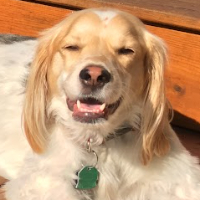
Cavalier King Charles Spaniel
The Cavalier King Charles Spaniel is a charming dog breed known for its affectionate nature and eagerness to please. Modeled after the small spaniels favored by royalty, including the era of King Charles I, these dogs have long been cherished as close human companions. They thrive on attention and adapt easily to family life, as long as they are not left alone for extended periods.
As one of the larger toy dogs, the Cavalier blends lapdog affection with surprising energy. While they love to cuddle, they are equally happy joining their owners on walks, hikes, or outdoor play. Their history as small hunting spaniels gives them a lively, curious personality that sets them apart from more sedentary companion breeds.
Friendly and trusting, Cavaliers are often described as “comfort dogs” because of their gentle temperament. They tend to get along well with people and other pets, making them excellent family companions. However, their small size means they are better suited to homes with older children who understand how to handle them carefully.
Despite their classification among toy dogs, Cavaliers retain traits of sporting dogs, including a natural interest in chasing birds and small animals. They excel in activities like obedience, agility, and even therapy work, thanks to their intuitive and people-focused nature. Their versatility makes them much more than just lap companions.
Training requires consistency, especially with housebreaking, which can be a challenge if not approached with structure and patience. Positive reinforcement works best, and early routines help build reliability. Like many small breeds, they benefit from clear boundaries and regular guidance.
Recognized by the American Kennel Club, the Cavalier remains a popular choice for families seeking a balanced companion. Whether relaxing at home or exploring the outdoors, this breed offers a rare combination of elegance, warmth, and playful energy, making it one of the most beloved companion dogs today.

Cavalier King Charles Spaniel Breed Guide: Temperament, Care, And Facts

Many new owners feel lost when they bring home a Cavalier King Charles Spaniel. They worry about grooming, training, and health risks like mitral valve disease.
This guide will cover temperament, care, and clear facts. It will explain health checks like patella and hip evaluations, cardiac exams, and ophthalmologist evaluations. You will get tips on dog food, grooming, exercise, and finding a reputable breeder or breed club.
Key Takeaways

- Roswell Eldridge revived the breed in 1920s; Kennel Club listed it in 1945, W. Lyon Brown imported to US in 1956, AKC recognized 1995.
- Mitral valve disease caused 42.8% of deaths; over 50% show signs by five, nearly universal by ten; Chiari >90% and syrinxes 30–70%.
- Episodic Falling affects ~1% (19% carriers); thrombocytopenia up to 50%; PSOM common; OFA hip ranking 78/157; life expectancy 10–15 years.
- Schedule echocardiograms, MRI for neck pain, eye exams, patella checks at four–six months, OFA hip screening, weekly ear inspections, and weight control.
- Gentle, highly social, bonds strongly and risks separation anxiety; needs ~1 hour exercise daily, brush coat three times weekly, and suits families with children.
History and Origin

Royal Roots in England
The Cavalier King Charles Spaniel traces its origins to England, where small toy spaniels were favored companions of nobility. Paintings from the 17th century frequently depict these dogs alongside King Charles II and his Royalist supporters, known as Cavaliers. These early spaniels were valued for both their charm and their ability to accompany hunters, blending companionship with light sporting ability.
Decline Through Crossbreeding
Over time, the original toy spaniel type began to change. Crossbreeding with Pug dogs and Japanese Chin altered the breed’s appearance, producing a shorter muzzle and more domed head. By the early 20th century, the older, longer-nosed spaniel seen in historic paintings had nearly disappeared, replaced by the modern King Charles Spaniel type.
Revival of the Original Type
In the 1920s, American enthusiast Roswell Eldridge offered a cash prize at the Crufts dog show to encourage breeders to recreate the old-style spaniel seen in earlier artwork. His efforts sparked renewed interest, and in 1928 a dedicated Cavalier club was formed. A dog named Ann’s Son became a key influence, helping establish the look and standard breeders aimed to preserve.
Official Recognition in the UK
The Kennel Club of the United Kingdom formally recognized the Cavalier King Charles Spaniel as a separate breed in 1945. This distinction solidified the revival of the original type and set it apart from the shorter-faced King Charles Spaniel. From this point forward, breeders focused on maintaining the breed’s balance of elegance, temperament, and function.
Expansion to the United States
The breed arrived in the United States in 1956 when W. Lyon Brown imported the first Cavalier. Interest grew steadily, leading to the formation of a national breed club in 1994. The American Kennel Club officially recognized the Cavalier King Charles Spaniel in 1995. Today, the breed is prized for its affectionate nature, gentle temperament, and versatility as both a companion and a capable sporting dog.
Physical Characteristics

The Cavalier King Charles Spaniel is the definition of refined elegance in a small package. Its soft, rounded skull, large dark eyes, and gently tapered muzzle create an unmistakably sweet, expressive face that seems constantly attentive and affectionate. Long, feathered ears frame the head, enhancing its classic, aristocratic look.
The body is compact yet graceful, built for balance rather than exaggeration. A level topline, well-sprung ribs, and a gently carried tail give the dog a smooth, flowing silhouette. Every movement is effortless and fluid, reflecting its heritage as both a companion and a capable sporting spaniel.
Its coat is long, silky, and naturally flowing, with feathering along the ears, chest, legs, and tail. Colors range from rich Blenheim chestnut and white to deep ruby, black and tan, and tricolor—each pattern highlighting the breed’s soft, luxurious appearance.
Overall, the Cavalier presents a harmonious blend of beauty and function—never overly delicate, yet undeniably refined. It carries itself with quiet confidence, combining gentle expression with a lively, engaging presence that draws attention without demanding it.
Body and Structure
Cavalier King Charles Spaniels stand 12 to 13 inches tall. Adults weigh 13 to 18 pounds. They have a moderately long, silky coat with feathering on the ears, chest, legs, and tail.
Breed standards list Blenheim, chestnut and white, Black and Tan, Black and White, and Ruby, solid red, as accepted colors.
Large, round dark brown eyes and long, feathered ears set high on the head give the breed its gentle look. Owners must groom the non-docked tail and use regular brushing to keep the coat shiny and control shedding.
As a toy breed, the cavalier breed fits well in apartments and family homes. Use a tape measure at the withers to track growth and follow conformation notes for shows or vet checks.
Face and Expression

Large, round, dark brown eyes give a sweet, gentle look. Long, feathered ears set high on the head add a regal touch. This warm face helps the dog bond with other dogs and people.
Their eyes greet you before their paws do.
Affectionate behavior gives an agreeable expression that suits their role as great therapy dogs. English toy spaniel ancestry links them to toy breeds and to histories like Blenheim Palace.
Reputable breeders spot these traits early during obedience and socialization training for puppy buyers.
Coat and Color

The Cavalier has a moderately long, silky coat that needs regular brushing to prevent matting. Breed clubs recognize four color patterns: Blenheim, Black and Tan, Tricolor, and Ruby.
Blenheim means chestnut and white, and Blenheim spaniels often show a small Blenheim spot on the forehead. Tricolor shows black and white, Black and Tan displays tan markings, and Ruby is a solid red.
The coat should be free from curl but may have a slight wave, and Cavaliers do not have docked tails. Owners must brush weekly with a soft bristle brush and comb, and bathe only as needed to protect the long coat and medium length coats.
Grooming routines should include monthly nail trimming and weekly ear inspections to lower the risk of middle ear infections. Many dog breeds, including this popular breed in the toy group and other little dogs, benefit from a steady care plan.
Movement and Gait

Cavaliers show agile, instinctive chasing behavior that shapes their stride. They can even keep pace with a trotting horse, which makes them suited for canine sports. Their higher-set ears and flatter skull create a gait that differs from other spaniel breeds.
Early signs of syringomyelia include poor proprioception and clumsiness, which can change posture and cause uneven steps. Syrinxes in the spinal cord can cause pain while the dog remains conscious, and signs may include bunny hopping or sudden lameness; contact neurologists at the first odd symptom.
Regular exercise keeps joints and coordination strong, so match activity to whether your dog fits a relaxed lifestyle or a high energy breed.
Temperament and Behavior

These dogs show a gentle, graceful, intelligent, and eager-to-please nature. Owners rate their affection and child-friendliness as high, but supervision is required around small children due to the dog’s small size. Sociability with other dogs also scores 5/5, and openness to strangers rates 5 out of 5.
They bond strongly with humans and can develop separation anxiety.
Owners should provide steady socialization and daily play to curb separation anxiety. A fenced yard or regular walks help release energy and improve behavior. Seek a responsible breeder or parent club guidance to learn about CKCS health issues, like heart disease and congestive heart failure.
Early training and calm handling suit their gentle nature and high intelligence.
Health Considerations

Mitral valve disease causes the largest share of deaths in Cavaliers. A Kennel Club survey found 42.8% of deaths were heart-related. Chiari malformation appears in more than 90% of the breed.
About 30 to 70 percent develop syrinxes that alter cerebral spinal fluid. Syringomyelia can bring severe neck pain and other neurological symptoms. Eye problems include juvenile cataracts, progressive retinal atrophy, corneal dystrophy, and dry eye.
Patella luxation shows up between four and six months and gets graded one to four. The Orthopedic Foundation for Animals ranks Cavaliers 78th out of 157 breeds for hip dysplasia. More than half of Cavaliers face middle ear infections called PSOM or glue ear.
Episodic Falling affects about one percent, while 19 percent carry the gene and whole-colored dogs show higher risk. Blood work finds up to fifty percent with thrombocytopenia and at least one third with macrothrombocytes.
Schedule an echocardiogram and regular cardiac checks as your dog’s age increases. Order an MRI if you see neck pain, odd behaviors, or signs linked to Chiari malformation. Request eye exams to catch cataracts and retinal disease early.
Have a vet check knees at four to six months for patella luxation. Screen hips through the Orthopedic Foundation for Animals before breeding or showing. Inspect ears often for PSOM and treat glue ear quickly to protect hearing.
Monitor platelet counts when you see bruising, bleeding, or unusual fatigue. Ask about DNA tests for Episodic Falling and other genetic disease in purebred dogs. Control weight with a proper dog’s diet to ease strain on hearts and hips in older dogs.
Pick breeders who share health records and avoid lines that only chase dog shows and titles. Consider crossbreeds to reduce the risk of some inherited defects.
Common Concerns

Cavaliers face several key health and care concerns. Owners must plan screenings, grooming, exercise, and a dog’s diet to lower risks.
- Heart disease risks, especially mitral valve disease, affect many Cavaliers. Schedule regular heart ultrasound checks as your pet grows older, listen for abnormal heartbeats, and follow vet treatment plans.
- Syringomyelia, linked to Chiari malformation, can cause neck pain and odd scratching. Ask for advanced imaging if your pet shows signs, and seek specialist care early to limit pain and prevent loss of function.
- Hip dysplasia can bring lameness and stiffness in some dogs. Use radiograph screening, control weight with an adjusted dog’s diet, and monitor mobility as the dog ages.
- Obesity worsens joint and heart health problems. Feed a high-quality dog’s diet, count calories, and avoid free feeding, since Cavaliers are small but gain weight faster than many larger dogs.
- Coat and ear care prevent infections and skin issues. Brush weekly, trim nails monthly, inspect ears frequently, and book professional grooming for heavy matting to protect skin and coat.
- Off-leash time carries risk because hunting instincts remain strong. Keep leashes in open areas, train recall on short lines, and never assume safe recall near wildlife or roads.
- Moderate exercise and social interaction support mental and physical health. Aim for daily walks, supervised play with other pets, and regular social time to reduce anxiety and bad habits.
- Genetic disorder screening helps catch inherited problems in purebreeds. Ask your vet about tests for MVD and Chiari malformation, and set a screening schedule as your dog’s age advances.
Lifespan
Average lifespan for the breed runs from 10 to 15 years. Studies report life expectancies of 10 to 13.1 years.
Mitral Valve Disease affects nearly all dogs and stands as the leading cause of death. Over half show signs by age 5, and the disease is nearly universal in 10-year-old dogs. Responsible breeding and routine cardiac ultrasound can help reduce risk and lengthen life.
Owners of a King Charles Cavalier should schedule regular heart checks and consider genetic testing. Other problems like epilepsy, paralysis, or loss of consciousness may also affect quality of life, so stay alert and work with your vet.
Training Considerations

Cavaliers learn fast and want to please. Trainability rates at about 4 out of 5 for this popular dog. Use treats, a marker device, and short sessions to keep focus. Puppy classes plus early socialization shape a calm, confident temperament.
They excel in obedience, rally, and agility competitions.
Owners should rely on steady, positive reinforcement and clear cues. Lack of dominance and aggression makes them peacemakers in homes with many dogs. Their food motivation speeds learning, so use tasty rewards and small goals.
Exercise and Socialization

Give your Cavalier at least 1 hour of exercise each day. Use walks, play, and interactive games to meet moderate energy and mental needs.
- Schedule one brisk walk and one play session daily to hit the one hour target, energy level rates 3 out of 5, and mental stimulation needs also rate 3 out of 5.
- Use a lead or long line and a proper harness on walks, because hunting instincts mean the dog should not be off-leash in unsecured areas.
- Keep dogs in a fenced yard for safe off-leash play, and supervise interactions with other breeds like Labrador retrievers, German shepherd dogs, Staffordshire bull terriers, and Scottish terriers.
- Teach calm greetings early with sound marker training and positive reinforcement to build social skills around children, cats, and Pekingese sized dogs.
- Supervise puppy play to avoid injury; watch for signs of microphthalmia, scoliosis, and scotty cramp, since odd movements or head tilts need vet checks.
- Provide puzzle toys and short training sessions to meet moderate mental stimulation and prevent boredom, since Cavaliers enjoy both play and relaxation and adapt to many lifestyles.
- Introduce new people and pets early, because early socialization shapes adaptability and good behavior; breeders like Judith Blunt-Lytton, 16th Baroness Wentworth, helped shape breed traits.
- Monitor activity levels as generally healthy adults can handle daily exercise, but adjust for age or health issues, and watch white coat and tail ruby dogs for cold sensitivity; carry water and pause for rest.
Living with a Cavalier King Charles Spaniel

This breed adapts well to apartments and large homes. Owners must not leave them alone for long, because they get separation anxiety. Keep them indoors and provide daily walks, leash work, a crate for quiet time, interactive toys, and a dog gate for safe zones.
Use a trainer, join a puppy socialization class, and see a veterinarian for regular checks.
They suit families with kids, as they show gentle play and patient behavior. Supervise young children and start early training with positive reinforcement to shape calm responses. The breed bonds deeply with children and stays sensitive to moods, so reward calm choices.
They fit well with other dogs, often acting as peacemakers; ideal companions include Bichon Frise, small poodle, and Shih Tzu. Avoid pairing with very high-energy or herding dogs, and arrange introductions on neutral ground for short, positive meetings.
Adoption fees, training class costs, and some rescue merchandise may be tax-deductible for eligible donors or volunteers.
Best Environment
Small size makes Cavaliers ideal for apartment living. They need social interaction and should not stay alone for long. Owners should plan daily walks and regular exercise. Keep them on a leash during outings.
Cavaliers adapt well to both active and relaxed lifestyles. Their friendly nature makes them good with children, other pets, and strangers, so include supervised play and social outings to meet their needs.
Behavior towards Children
Cavalier King Charles Spaniels show a gentle, affectionate temperament. They score a 5 on the child-interaction scale, which shows they work well in families with children. Early socialization proves crucial to teach safe play and calm manners.
Their playful nature helps form a loving bond during games, walks, and quiet activities. Owners should supervise interactions to prevent mishaps and to model proper behavior.
Use short training sessions with positive reinforcement and a training tool to teach gentle greetings. Provide a safe space so the dog can step away from boisterous play. Their adaptable, gentle disposition makes them suitable for many family setups.
Behavior towards other Pets
They are friendly and usually get along with other dogs and pets. Their affectionate nature helps them easily adapt in multi-pet homes. Early socialization through puppy classes and help from a trainer builds good manners around cats and small mammals.
They typically show non-aggressive behavior, which makes introductions calmer. Owners should supervise first meetings to ensure compatibility. Keep a leash and a separate resting area handy during introductions, and use a training device or rewards to reinforce calm play.
A quick vet visit and trainer advice can help if issues arise. Their sociable nature helps them thrive with plenty of social interaction.
Grooming Needs

Grooming needs shape a Cavalier King Charles Spaniel’s health and comfort. Owners must keep a steady routine for coat care, baths, nail trims, ear checks, and vet visits.
- Brush the coat at least three times a week to prevent mats and tangles, using a slicker brush or pin brush made for feathering and long hair.
- Bathe your Cavalier King Charles Spaniel every 4 to 6 weeks, or sooner after heavy play, with a dog-friendly shampoo to protect skin and manage coat condition.
- Trim nails monthly, or when you hear clicking on floors, with quality nail clippers and practice calm handling so trims stay safe and stress-free.
- Check ears weekly for wax, redness, or odor and use an ear care solution to reduce infection risk, and clean only as your veterinarian advises.
- Use essential tools listed in groomer kits: a slicker brush, dog-friendly shampoo, nail clippers, and ear cleaning solution; keep items handy for regular sessions.
- Address heavy shedding with frequent brushing and vacuuming, accept that Cavaliers shed heavily and are not low-shedding, and plan seasonal coat management.
- Trim foot feathering or slippers for cleanliness when dirt builds, use blunt-tipped scissors or clippers, and move slowly to avoid nicks or cuts.
- Schedule regular vet checkups to monitor skin, ear, and coat issues and get professional guidance on grooming-related health concerns.
Nutrition and Feeding

Cavaliers need a balanced, nutrient-rich diet to stay healthy. Use veterinary guidance before you feed raw or home-prepared meals.
- Feed roughly 75% meat and organs and 25% vegetables or fruit, plus vitamins and minerals, to meet protein, carbohydrate, and fat needs.
- Offer home-prepared diets with raw or lightly cooked meat and vegetables only under veterinary guidance or a nutrition specialist, to balance nutrients and safety.
- Handle raw food carefully to avoid bacterial contamination; use a scale, thermometer, and appliance for proper storage and temperature control.
- Monitor the calcium-to-phosphorus ratio closely, since this balance is critical for bone and joint development in growing and adult Cavaliers.
- Fight obesity, a prevalent issue, by using Body Condition Scoring and adjusting portions, calories, and treats to reach an ideal weight.
- Individualize raw food diets; tailor portions, protein sources, and supplements with input from a holistic veterinarian or veterinary nutritionist regularly.
- Set a consistent feeding schedule, measure servings with a scale, and split portions into two meals daily to reduce hunger and overeating.
- Add vitamins and minerals only per a nutrition specialist, since improper supplementation can skew mineral ratio and cause long-term harm.
- Track weight, BCS, and stool quality weekly; consult a veterinary nutritionist for audits and lab-based diet plans when weight or digestion issues arise.
Where to find a Cavalier King Charles Spaniel

Use the AKC Marketplace to find litters; it exclusively lists 100% AKC puppies from AKC-Registered litters and breeders. Contact the American Cavalier King Charles Spaniel Club, Inc, for breeder referrals visit www.ackcsc.org.
Find national breed clubs in Belgium, Canada, the Czech Republic, Denmark, Finland, France, Germany, the Netherlands, New Zealand, Norway, South Africa, Spain, and Sweden. Use those organizations to locate local breeders, rescue groups, and club events.
Similar Dog Breeds

Here is a short comparison of four breeds related to the Cavalier King Charles Spaniel.
| Breed | Similarities | Differences | Best fit for owners who |
|---|---|---|---|
| Cocker Spaniel | Shares the Cavalier’s gentle nature and flowing ears. | Needs more daily exercise than the Cavalier. | Active families who can provide long walks and play sessions. |
| English Toy Spaniel | Matches the Cavalier in personality and in delicate appearance. | Stays smaller and often shows a flatter face than the Cavalier. | Owners seeking a calm lap dog with a regal profile. |
| Papillon | Shares high sociability and quick affection for people. | Demands less coat maintenance yet needs focused training and mental work. | Households that want an alert, agile companion and training challenges. |
| Maltese | Offers gentle companionship similar to the Cavalier’s temperament. | Has a white coat that needs regular grooming with brush and clippers. | Owners who prefer small companions and steady grooming routines. |
|
Additional related breeds include Japanese Chin, Pug, Tibetan Spaniel, Chihuahua, Pekingese, and Affenpinscher. Other similar breeds include Bichon Frise and Miniature Schnauzer. Cavalier often crossbreeds with poodle to create popular designer mixes.
|
|||
Conclusion

This guide recaps the breed’s temperament, care, health, and history. Breeders and owners should follow AKC standards and join the American Cavalier King Charles Spaniel Club for support.
Monitor weight, feed high quality dog food, and schedule heart checks, knee and hip checks, and eye exams. Watch for syringomyelia and mitral valve disease and talk with your vet about screening.
Train with gentle methods, keep walks regular, and fit socialization and playtime for mental health. Groom daily or weekly, brush the coat, check ears, and trim nails to avoid problems.
Will you try one of these steps to give your Cavalier a long, happy life?
FAQs
1. What is the temperament of a Cavalier King Charles Spaniel?
A Cavalier King Charles Spaniel is friendly, gentle, and eager to please. This dog bonds fast with people. It usually gets along with kids and other pets. It can show separation anxiety if left alone too long.
2. What care does a Cavalier need each day?
Give daily walks of 20 to 30 minutes and play time at home. Brush the coat three times a week and check ears once a week. Brush teeth often and schedule regular vet visits. Use positive training and early social work.
3. What health facts should owners know?
This breed can have heart problems and spinal issues. Average life span is about 9 to 14 years. Ask a vet for heart screening and routine checks. Keep vaccinations and dental care up to date.
4. Is a Cavalier a good fit for families or first-time owners in this breed guide?
Yes, if you can offer steady attention and daily care. They fit family life and suit first-time owners who work at home or can provide help. They are more than lap dogs, they also enjoy walks and play.
References
- https://www.petmd.com/dog/breeds/cavalier-king-charles-spaniel (2025-11-11)
- https://www.trupanion.com/pet-blog/article/cavalier-king-charles-spaniel (2024-06-13)
- https://www.akc.org/dog-breeds/cavalier-king-charles-spaniel/
- https://cvm.ncsu.edu/cavalier-king-charles-spaniels-research/
- https://www.cavalierhealth.org/overview.htm
- https://www.borrowmydoggy.com/doggypedia/dog-breed-guides-cavalier-king-charles-spaniel
- https://www.differentdog.com/blog/cavalier-king-charles-spaniel-breed-guide (2024-11-24)
- https://www.eachpaw.com/blogs/the-latest/are-cavalier-king-charles-spaniel-good-with-kids-a-family-friendly-breed-analysis?srsltid=AfmBOopxO3kKMHGqkg9f8X59HW1xOyIgp3Gwf2X7Qf2Qss55duRajW3v (2024-12-22)
- https://judyscavaliers.com/cavalier-temperment-and-companions/
- https://pro.prideandgroom.com/blogs/dog-grooming/cavalier-king-charles-spaniel-grooming (2024-03-20)
- https://www.akc.org/expert-advice/health/how-to-groom-cavalier-king-charles-spaniel/ (2024-06-18)
- https://cavalierhealth.org/diets.htm
- https://iheartdogs.com/dog-breeds-similar-to-cavaliers/ (2025-05-23)
- https://www.thesprucepets.com/spaniel-dog-breeds-4842200
- Furlyfe Rank See Rank
- Group AKC Toy
- Origin United Kingdom
- Size Smallest
- Weight 13 to 18 pounds
- Coat Length Medium
- Coat Type Silky
- Colors Black & Tan, Black & White, Blenheim, Ruby
- Other Names Cav, Cavalier, Cavie
- Temperament Affectionate, Cheerful, Courageous, Gentle, Intelligent, Social