Caucasian Shepherd Dog
The Caucasian mountain dog, also known as the Caucasian Shepherd, developed over centuries in Eastern Europe and the Caucasus region as a powerful guardian. Bred to protect livestock from wolves and human threats, these dogs earned a reputation for unmatched courage, loyalty, and resilience. Their massive build and dense coat reflect a life shaped by harsh mountain conditions.
As one of the true giant breeds, the Caucasian Shepherd combines strength with a calm, watchful presence. While often devoted to its family, it is naturally suspicious of strangers and highly territorial. This instinct makes it an exceptional guardian, but also requires careful management in modern homes.
Despite their protective nature, these dogs can form strong bonds and may live successfully as family pets in the right environment. They are typically gentle with people they trust, including children, but their size and guarding instincts mean supervision and structure are essential. They are less tolerant of unfamiliar dogs and may show aggression without proper socialization.
Raising a Caucasian shepherd puppy requires experienced ownership and consistent training from an early age. These dogs are intelligent but independent, responding best to firm, fair leadership rather than harsh correction. Without proper guidance, their natural guarding instincts can become difficult to control.
While adult dogs are not overly energetic, they still need space and clear boundaries to thrive. A home with secure outdoor access is ideal, but they should remain closely integrated with their family rather than isolated. When properly trained and socialized, Caucasian Mountain dogs can be loyal, steady protectors—but they are best suited for owners prepared to handle a powerful and independent guardian.

Caucasian Shepherd Dog Breed Guide: Traits, Temperament, And Care Tips
You want a strong, steady dog but worry about training, grooming, or feeding a giant breed. Many first time pet parents ask if they can handle a Caucasian Shepherd Dog and its protective nature.
Owners often fear trouble with obedience training, vet visits, or unique dog food needs.
One key fact is this breed began as livestock guardian dogs in the Caucasus Mountains. Caucasian shepherd dogs have a thick double coat, great guarding instincts, and a bold, territorial side.
This guide will cover temperament, health checks with a veterinarian, feeding, grooming, leash work, and where to find trusted puppies or breeders. Read on.
Key Takeaways

- Originating in the Caucasus (Georgia, Armenia, Azerbaijan, Dagestan) and refined in Soviet programs circa 1920, the breed was FCI-recognized in 1984.
- Males weigh at least 50 kg (110 lbs), 72–75 cm preferred height; females 45 kg (100 lbs), 67–70 cm; adults 23–30 inches, 99–170 pounds.
- High risk of hip/elbow dysplasia and entropion; require OFA or PennHIP, ophthalmic exam, radiography, cardiac ultrasound, genetic screening, vaccinations, and parasite control.
- Typical lifespan 10–11 years but a 2024 study found median 5.4 years; owners must pursue regular health screening and annual, or biannual senior, vet checks.
- Require firm, calm leadership, early socialization, short 5–10 minute positive-reinforcement sessions; groom weekly with de-shedding tools; expect monthly food costs near Rs. 3,000–4,500.
History and Origin

Ancient Roots in the Caucasus
The Caucasian Shepherd Dog originates from the rugged Caucasus region, spanning modern-day Georgia, Armenia, Azerbaijan, and Dagestan. For centuries, local herders relied on these powerful dogs to survive in some of the harshest mountain environments on earth. Shaped by isolation, climate, and constant threats, the breed developed into a formidable guardian long before formal breeding programs existed.
A Breed Forged by Function
Shepherds bred these dogs with one purpose in mind: protection. Tasked with defending livestock from wolves, bears, and human thieves, the Caucasian Shepherd became a fearless and independent guardian. Life in the mountains demanded strength, resilience, and the ability to act without human direction—traits that remain central to the breed today.
Regional Variations and Development
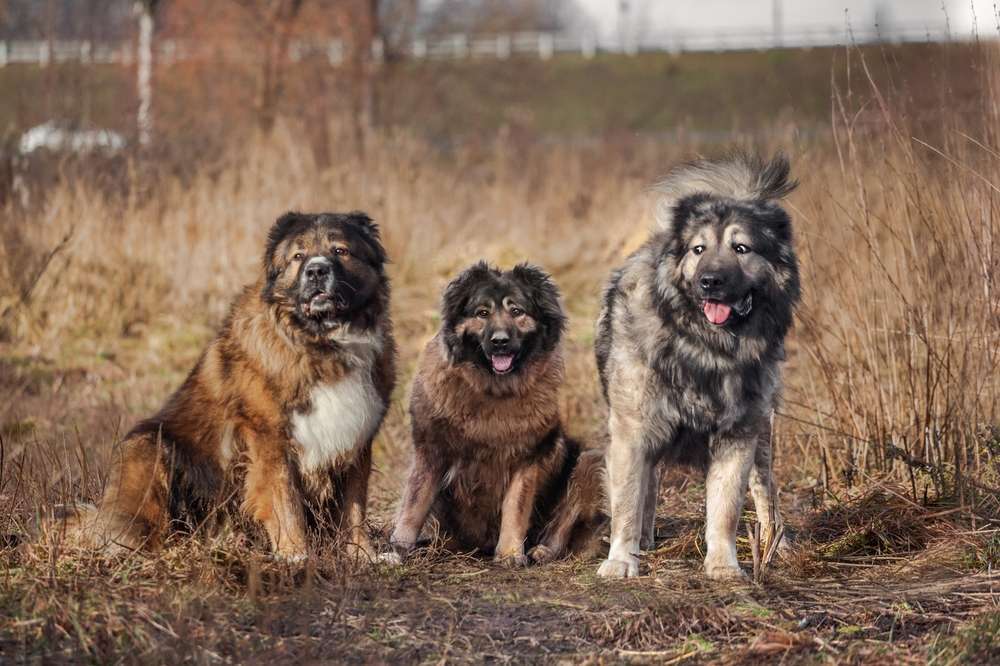
Different regions produced slightly varied types of the breed. Dogs from Azerbaijan, Dagestan, Ingushetia, and Chechnya show differences in size, coat, and build depending on terrain and climate. Despite these variations, all share the same core traits of power, endurance, and protective instinct that define the Caucasian Shepherd Dog.
Soviet Standardization and Recognition
In the early 20th century, around 1920, breeders in the Soviet Union began formally developing and standardizing the breed using dogs from the Caucasus Mountains and southern Russian steppes. Aleksandr Mazover played a key role in documenting and describing the breed, identifying its primary homelands. The Fédération Cynologique Internationale (FCI) officially recognized the breed in 1984, cementing its status internationally.
Modern Roles and Legacy
Also known as the Caucasian Ovcharka or Russian Bear Dog, this breed remains one of the most powerful working dogs in the world. Beyond livestock guarding, it has been used for roles such as property protection, bear hunting, and even prison security in Russia. While still considered rare in some regions, including the United States, it continues to be valued for its unmatched strength, loyalty, and unwavering protective instincts.
Physical Characteristics

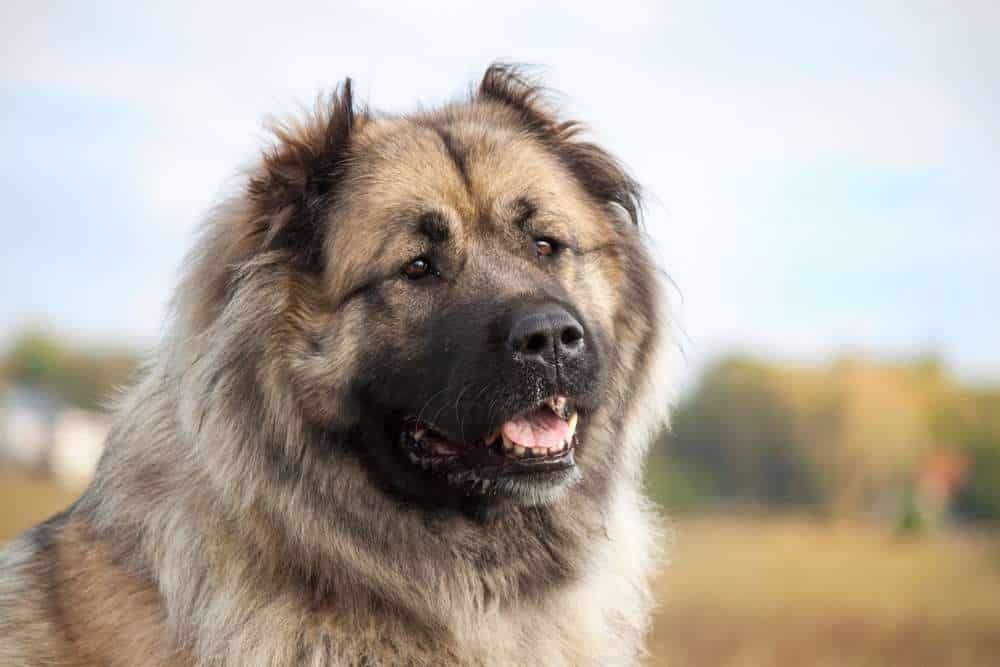
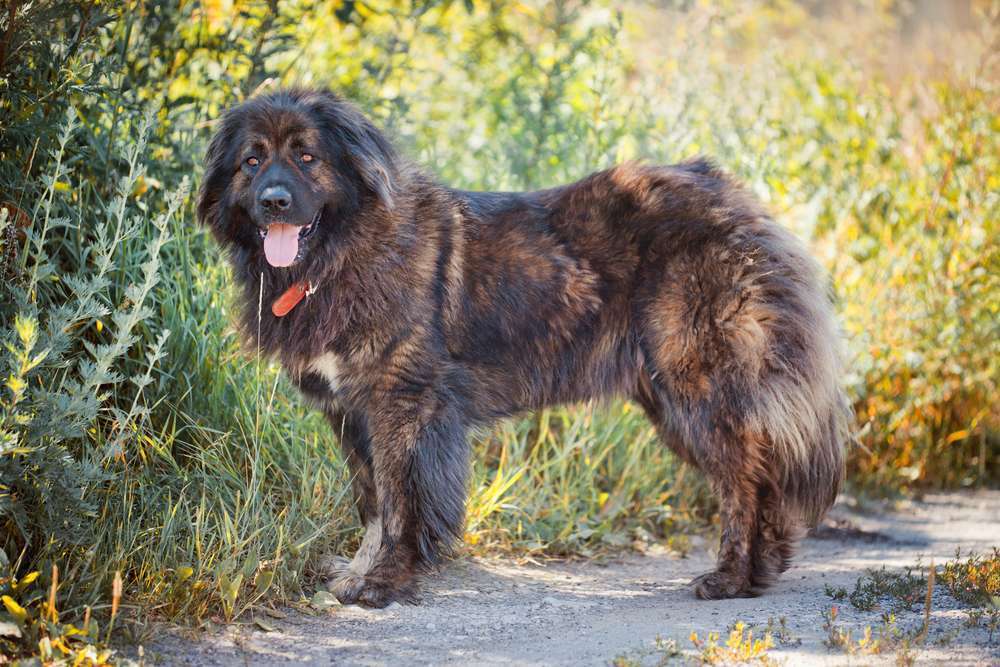
The Caucasian Shepherd Dog is a massive, imposing guardian built like a fortress. Its thick-boned frame, broad chest, and powerful limbs give it raw, immovable strength, while its large, blocky head and deep-set eyes project calm authority and watchfulness.
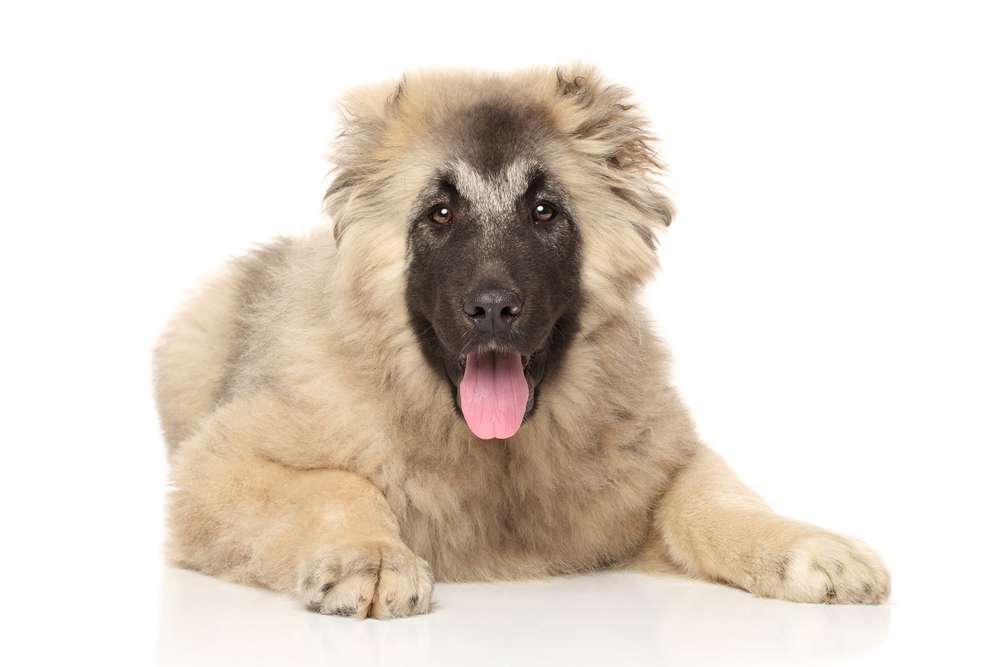
A dense double coat—ranging from medium to long—adds to its commanding presence, forming a mane-like ruff around the neck that enhances its lion-like silhouette. Colors vary widely, but all emphasize its rugged, natural look suited for harsh climates.
Every movement is deliberate and confident, never rushed. This is a dog bred to stand its ground—solid, fearless, and unmistakably powerful.
Body and Structure
Caucasian Shepherds have a giant working dog build with big bones and heavy muscle. Males weigh at least 50 kg, or 110 lbs. Females start at 45 kg, or 100 lbs. Preferred male height stands 72 to 75 cm; the minimum is 68 cm.
Preferred female height runs 67 to 70 cm; the minimum sits at 64 cm.
Regional body types vary and the largest, most heavily built dogs come from Ingushetia and Chechnya, areas tied to the Checheno-Ingush ASSR. As large dogs, they need proper training and to be properly socialized around other dogs and other pets.
Their heavy frame raises risk of joint problems and elbow dysplasia, so breeders must screen for healthy dogs. Use a scale and measuring tape to check weight and height when assessing an individual dog for conformation and fitness.
Good bone and muscle balance helps them serve as fierce protectors and match well with certain other breeds on farms.
The Caucasian Shepherd’s tail is thick, heavily furred, and carried high in a loose curl or sickle shape, adding to its powerful and imposing silhouette.
Face and Expression

The breed shows an alert, watchful expression that reflects its protective guardian temperament, a mark of many Caucasian dogs. Their eyes look confident and stay on the lookout for potential threats, a feature that helps them act as excellent guard dogs when properly trained.
Alert eyes warn before they act.
Bold facial lines reflect the dog’s fearless, self-confident nature and show a soft side that can be gentle with children. Owners must monitor health issues, unique digestive needs, dental care and dental hygiene in bitches and males, and use body language and eye contact to guide trained handling.
Coat and Color

Caucasian Shepherds have a straight, coarse, stand-off coat and a well-developed undercoat. Acceptable colors include any solid, piebald, or spotted pattern, except liver, blue, and solid black.
Common coat colors are fawn, cream, sable, and gray; red, grizzle, and white occur more rarely.
They shed significantly and need regular grooming, especially during shedding seasons. Use a grooming brush, a rake, and a deshedding tool to remove loose hair and reduce mats.
Movement and Gait

They move with a sturdy, powerful gait that suits their size.
Adults stand 23 to 30 inches at the shoulder and weigh 99 to 170 pounds. Their stride length and steady pace show the endurance that makes them fit for guarding and herding tasks. Handlers use a leash or dog harness during movement study, and a veterinarian may assess joint function.
Temperament and Behavior

Caucasian Shepherds show boldness and fearlessness in stressful situations. Boldness, fearlessness and self-confidence drive their guard instincts. Around threats, the dog becomes fierce to protect the family.
Inside home life, owners find a devoted and soft companion. Past work as livestock guardians meant they defended flocks from wolves and jackals.
Regional lines in Azerbaijan, Dagestan and Georgia show different body types and sizes. Family members enjoy a kind and endearing side with pets and kids. Early socialization and obedience training help shape safe behavior.
Use a leash, a buckle collar, and a kennel for control and rest during training. A serious guardian temperament demands careful thought before ownership.
Health Considerations

Large-breed dogs often develop hip dysplasia and elbow dysplasia, and owners should screen with orthopedic exams. Talk with a veterinarian about imaging, cardiac ultrasound, and genetic screening to catch problems early.
Vaccination schedules and parasite control protect pups and adults from preventable disease.
Average lifespan sits near 10 to 11 years for this breed. A 2024 study found a median lifespan of 5.4 years in a limited sample. That large gap signals the need for careful health screening and clear records by breeders and owners.
Common Concerns
Caucasian Shepherds face specific health risks. Owners must watch for eye and joint problems.
- Watch for entropion, an inherited eye condition that makes lids roll inward. Have a veterinarian perform an ophthalmic exam; surgical correction fixes most cases and returns comfort.
- Hip dysplasia causes loose joints, limping, and trouble rising. Ask for radiography and OFA or PennHIP evaluation; manage with weight control, targeted physical therapy, or surgery when needed.
- Elbow dysplasia can cause intermittent lameness and a stiff gait. Schedule an orthopedic exam and radiography; veterinarians offer pain meds, joint supplements if a veterinarian recommends them, or surgery for advanced disease.
- Book regular veterinary check-ups to catch problems early. Have adult dogs seen yearly, and seniors twice a year; request blood work, orthopedic screening, and radiography as the veterinarian advises.
- The breed does not typically require special diets or supplements unless a veterinarian recommends them. Plan monthly food costs near Rs. 3,000 to Rs. 4,500 and consult a veterinarian before adding extras.
- Watch gait daily and note any limp or stiffness. Use gait analysis or refer to a rehabilitation clinic for physical therapy to preserve mobility and reduce pain.
- Check local laws before buying or importing a Caucasian Shepherd. This breed faces a ban in Denmark and specific restrictions in Russia; confirm kennel club rules and transport permits first.
- Choose kennels that screen breeding stock for entropion, hip dysplasia, and elbow dysplasia. Request genetic testing, radiography results, and OFA or PennHIP certificates before you reserve a puppy.
Lifespan
Most sources list a lifespan of 10 to 12 years for this large guardian. A 2020 estimate gave an average life expectancy of 10 to 11 years. A 2024 study of 22 dogs reported a median lifespan of 5.4 years, the lowest among all breeds in that project.
Breeding programs and veterinarian professionals now push regular health screening, genetic testing, and early treatment to lower risk. Owners should schedule annual veterinarian exams and track health records to help improve outcomes.
Training Considerations

Caucasian Shepherds need firm, calm leadership from day one. Owners must set clear rules and show consistent cues. Use reward-based methods and positive reinforcement in every session.
Swap a clicker for a sound marker if you prefer a quieter tool. Keep sessions short, five to ten minutes, and repeat often. Teach basic cues, like sit, stay, and leave it. Introduce a safe den and short leads for early control.
Socialization must begin early and cover people, other dogs, and loud noises. Enroll in an obedience class or hire a professional trainer if a dog shows strong guarding instincts. Ask the trainer for a behavior modification plan and hands-on coaching.
Work with a veterinarian to rule out health issues that can affect behavior. Use structured outings, lead breaks, and controlled meet-and-greets to test responses. Reward calm behavior and avoid harsh punishment.
Log training wins and setbacks in a notebook after each session.
Exercise and Socialization

Daily exercise keeps a Caucasian Shepherd fit and calms destructive urges. Early socialization teaches safe manners around people and other animals.
- Create a daily exercise plan that mixes brisk walks and controlled play to protect physical health and mental well-being. Use a sturdy leash and treat pouch to keep sessions safe and focused.
- Add mental work with puzzle toys, scent games, and short training drills using a sound marker and treats; this lowers stress and reduces aggressive tendencies in bold dogs.
- Introduce pups to many people, animals, and loud sounds during the first months; early training and exposure can help reduce aggressive tendencies and shape good habits.
- Teach clear boundaries and reward calm behavior with consistent positive reinforcement; this channels fearlessness into predictable responses and lowers the chance of unwanted guarding.
- Train a solid recall and a leave-it cue using praise and treats so the dog learns to step back when it senses a threat, instead of turning fierce.
- Hold short, supervised meet-and-greets on neutral ground with both dogs leashed; watch posture and ears, and stop the meeting if one dog shows high stress or hard stares.
- Use a trusted dog walker, in-home nosework, or heavy chews on busy days; regular activity prevents boredom and supports mental health, and it reflects responsible ownership.
- Get a certified trainer or veterinary behaviorist at the first sign of aggression; medical issues can drive poor behavior and a pro will design a positive reinforcement plan.
- Keep social skills sharp with regular trips to an off-leash area, controlled playdates, and short refresher obedience sessions so adults stay calm around strangers and other animals.
Living with a Caucasian Shepherd Dog

Large yards and strong barriers suit a Caucasian Shepherd Dog from the Caucasus region. Males weigh at least 50 kg (110 lbs) and stand 72 to 75 cm (28 to 30 in), while females weigh at least 45 kg (100 lbs) and reach 67 to 70 cm (26 to 28 in).
Owners need high fences, a secure lead, and a sturdy containment box for training and safety. This livestock guardian shows boldness, fearlessness, self-confidence, and deep devotion to its family, so careful consideration fits any prospective owner.
Coat comes straight and coarse, with a well-developed undercoat, and color patterns vary except liver, blue, and solid black. A heavy grooming rake helps manage the thick undercoat during seasonal shedding.
Median lifespan runs about 5.4 years, which falls well below many breeds, so plan for intensive care and vet costs. Countries may ban or restrict the breed; Denmark bans it and Russia limits ownership in some areas.
Early socialization and firm training cut unwanted guarding reactions and help the dog accept children and household animals. Keep adult supervision with kids and separate introductions with other pets until trust forms.
Best Environment
A secure, fenced yard suits the Caucasian Shepherd best. They need ample living space and do not fit small apartments due to their large size and exercise needs. Calm, quiet homes with a homebody pet parent let them thrive.
They are less ideal for inexperienced owners or homes with small children. Owners should plan for one-pet households and use tools like a strong leash, a sturdy crate, and a location tracker.
Behavior towards Children
Caucasian Shepherds act very protective of children and family members. They get along well with kids and show clear affection. They enjoy physical play and close contact during family time.
Their size ranges from 99 to 170 pounds, so adults must watch interactions.
Owners should supervise play to prevent accidental injury. Start socialization and obedience training early to shape calm behavior. Use a lead and a kennel during public outings and new visits.
Try a simple training device for clear, calm cues.
Behavior towards other Pets
This breed shows a low friendliness level toward other pets. Owners should expect that they are generally not considered pet-friendly. Strong protective instincts can make the dog wary or aggressive toward other animals.
Early socialization proves crucial to help manage interactions with dogs, cats, and other animals. Use consistent training, positive reinforcement, and a lead or crate under a canine instructor or behaviorist to lower risk.
Grooming Needs

The Caucasian Shepherd has a straight, coarse, stand-off coat and a well-developed undercoat. That double structure sheds seasonally and calls for de-shedding to stop mats. Owners must groom regularly to prevent matting.
Aim for weekly brushing and extra sessions during heavy shed.
Use an undercoat rake to reach the dense layer. Follow with a bristle brush and a wide-tooth comb to lift loose hairs. Employ a dematting tool on tight tangles and finish with gentle dog shampoo during baths.
A grooming table and proper clippers help with trims around ears and paws.
Nutrition and Feeding

Caucasian Shepherds need a diet that matches their large size and high energy levels. Adult males weigh a minimum of 50 kg (110 lbs) and females a minimum of 45 kg (100 lbs). Puppies and adolescents need careful feeding during the first few years to support steady bone and muscle growth.
A protein-rich diet helps keep strong muscle mass for their active lifestyle.
Set a regular feeding schedule and use portion control to manage weight and prevent obesity. Measure meals with a measuring scoop and track calories with a growth chart or body condition score.
Keep fresh water in a clean feeding bowl at all times to aid hydration. Ask your veterinarian for specific dietary plans based on age, weight, and activity level.
Where to find a Caucasian Shepherd Dog

Search registered breeders, FCI-affiliated breed clubs, and livestock guardian rescues for puppies and adults. Origin stories trace the dog to the Caucasus Mountains and southern Russia, and breeders often cite the Soviet Union program from 1920.
Ask breeders for health clearances, DNA tests, and lineage that shows regional builds from Ingushetia, Chechnya, and Azerbaijan.
Inspect coats for a straight, coarse, stand-off texture and colors that include solid, piebald, or spotted; reject claims of liver, blue, or solid black. Expect bold, fearless behavior and strong family devotion, and plan carefully since the dog faces a ban in Denmark and restrictions in Russia.
Talk with a veterinarian or local kennel club before you sign an adoption contract.
Similar Dog Breeds

Here are four breeds often compared with the Caucasian Shepherd.
| Breed | Similarities | Differences | Best fit for owners who |
|---|---|---|---|
| Anatolian Shepherd | Both serve as livestock guardian dogs. They show strong protective instinct and high independence. | Origin in Anatolia, more active and agile. Training can respond well to consistent reward work with a training clicker. | Owners with large, fenced land and farming duties. People who will prioritize early socialization and firm leadership. |
| Kangal (Turkish guardian) | Powerful protector that watches flocks. It shares territorial drive and a calm watchful style. | Often stays steady at distance and uses controlled force. It may require stricter fence security and owner vigilance. | Ranchers and experienced guard dog handlers. Those ready to use crate guidance and clear boundaries. |
| Tibetan Mastiff | Massive, independent guardian that bonds with family. It carries a thick double coat and strong instinct to protect. | More aloof, sometimes more vocal and stubborn. It benefits from consistent training and structured socialization plans. | Experienced mastiff owners who bring calm confidence. Folks willing to groom with a slicker grooming brush and manage seasonal shedding. |
| Great Pyrenees | Steady flock guardian with calm temperament. It shows patience and quiet vigilance. | Often gentler with kids and other dogs. It needs frequent brushing with an undercoat grooming rake to manage loose fur. | Families with flocks or patient children. Owners who can commit to regular grooming and steady social exposure. |
Conclusion

Conclusion: This guide sums up breed traits, temperament, training, health, grooming, and feeding. Owners will get clear steps for socialization, obedience training, and animal health provider checkups.
These practical tips cut risk, save time, and build a safer bond with your livestock guardian dog. Use AKC resources, local clubs, a trainer, and proper grooming tools to keep care efficient.
Trust your calm leadership, act consistently, and enjoy life with this powerful companion.
FAQs
1. What are the main traits of the Caucasian Shepherd Dog?
The Caucasian Shepherd Dog is very large and powerful. Males often weigh 110 to 220 pounds and stand 25 to 30 inches tall. They have a thick double coat that sheds heavily in spring and fall. The breed shows strong protective instincts, high independence, and steady calm at home when trained well. Life span averages 10 to 12 years.
2. What is the typical temperament and how should I socialize one?
This breed is loyal and watchful. They can be wary of strangers and may act territorial without proper social experience. Early socialization and consistent, firm training reduce fear and unwanted guarding. Use short, positive training sessions and expose the young dog to people, animals, and places. Poor socialization, not the breed itself, causes most aggressive behavior.
3. What are basic care tips for a Caucasian Shepherd Dog?
Brush the coat once or twice weekly, and brush daily during heavy shedding. Plan moderate exercise, like daily walks and supervised play, to manage weight and stress. Feed a high quality diet sized for large breeds and check weight often. Schedule regular vet checks to screen for hip issues and heart conditions. Use secure, tall fencing and give mental work to prevent boredom.
4. Is this breed right for my home and family?
Ask three questions, do you have space, experience, and time for training? The breed needs a yard with strong fencing and a guardian who sets firm rules. It usually fits active families with prior large dog experience. If you lack time or skill, work with a professional trainer or consider a smaller, less protective breed. Follow care tips from this breed guide to improve success.
References
- https://dogacademy.org/breeds/caucasian-shepherd (2024-06-30)
- https://www.thesprucepets.com/caucasian-shepherd-dog-breed-4243937 (2025-06-12)
- https://www.akc.org/dog-breeds/caucasian-shepherd-dog/
- https://www.petmd.com/dog/breeds/caucasian-shepherd-dog (2023-05-10)
- https://www.dailypaws.com/dogs-puppies/dog-breeds/caucasian-shepherd-dog (2024-10-10)
- https://www.happypet.care/dog-breeds/caucasian-shepherd-dog (2025-07-21)
- https://pmc.ncbi.nlm.nih.gov/articles/PMC11718627/
- Furlyfe Rank See Rank
- Group AKC Foundation Stock
- Origin Georgia, Azerbaijan
- Size Giant
- Weight 80 to 100 pounds
- Coat Length Medium
- Coat Type Double
- Colors Black, Cream, Gray, Silver, White, Yellow
- Other Names Azerbaijani Shepherd Dog, Georgian Nagazi, Caucasian Mountain Dog, Circassian Sheep Dog, Armenian Khobun Dog, Kars (Kafkas)
- Temperament Alert, Calm, Dominant, Powerful, Quick, Strong