
Boxer
The Boxer is a medium-to-large working breed originally developed in Germany for hunting and later used by the military during World War I. Today, Boxers are best known as loyal companions that also excel in agility, service work, and as dependable guard dogs. Their short coat is easy to maintain and requires minimal grooming.
Boxers are famous for their playful and affectionate personalities. They are energetic, entertaining dogs that often act goofy with their families but remain alert and protective when necessary. Their patience and gentle nature around children have helped make them one of the most popular family breeds.
With their strong attachment to people, Boxers thrive in active homes where they can participate in daily activities. Whether going for walks, playing fetch, or relaxing with the family, they enjoy being involved in nearly everything their owners do. Well-socialized Boxers are typically friendly, confident, and eager companions.
Training is important because Boxers are intelligent, energetic, and sometimes stubborn. A consistent approach using fairness, structure, and positive reinforcement works best. A growing boxer puppy benefits greatly from early socialization and regular exercise to prevent boredom and destructive behavior.
Their athleticism allows them to succeed in canine sports such as agility, obedience, and flyball. Although supervision is always recommended around children, Boxers are generally gentle and adapt well to family life when properly trained and exercised.
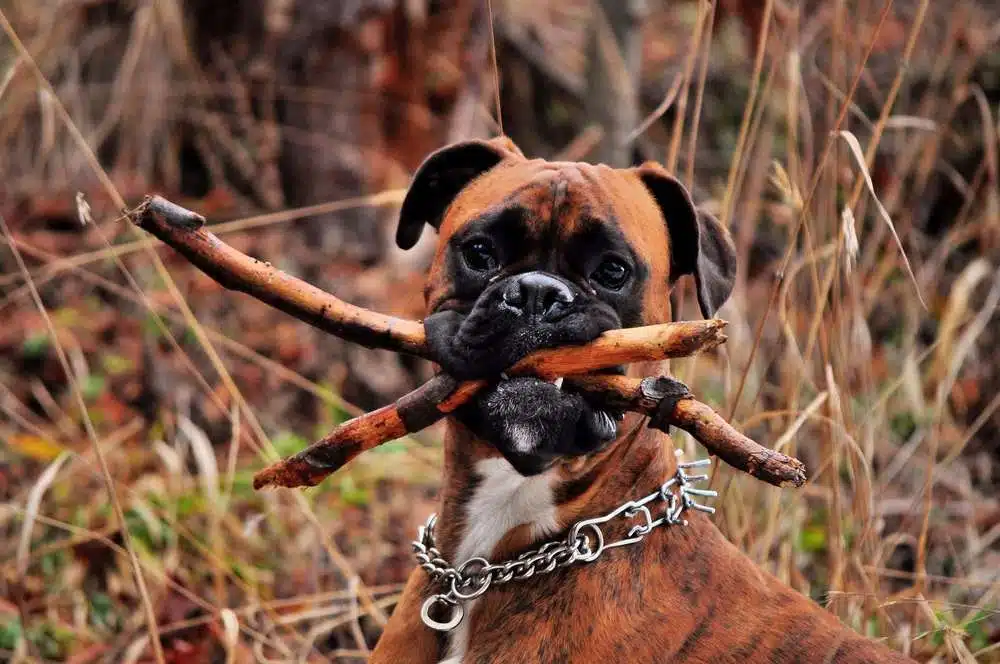
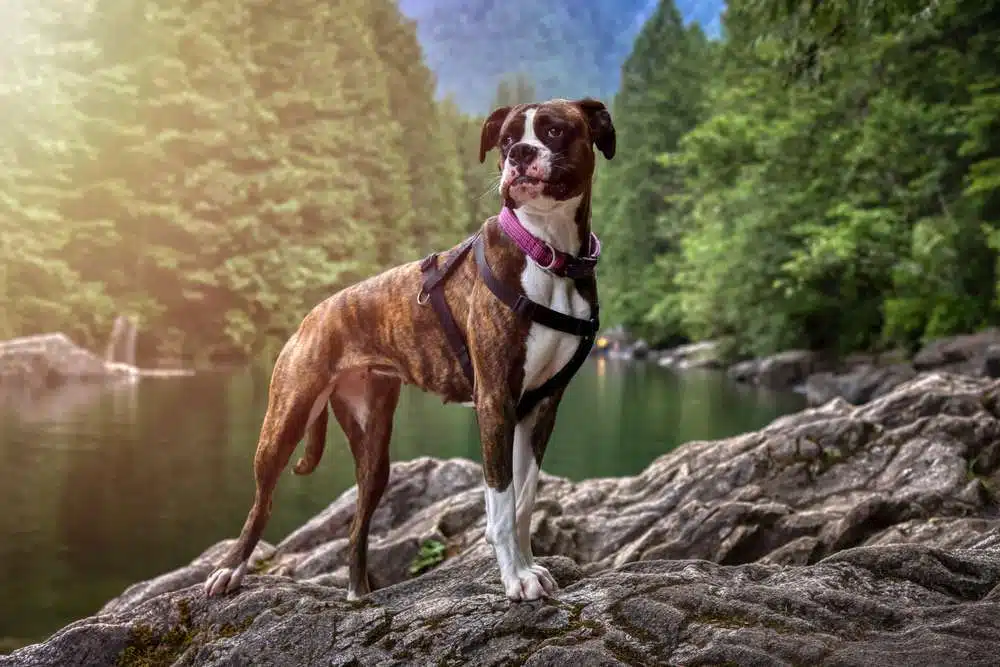
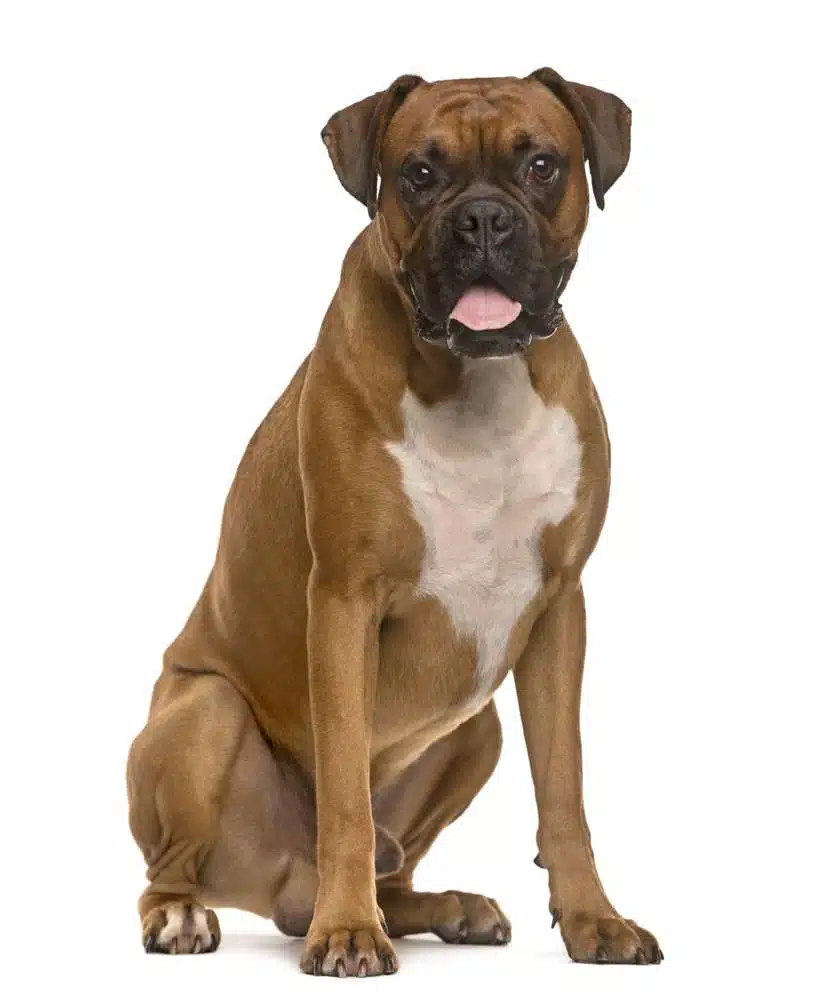
The breed is easily recognized by its square muzzle, muscular body, expressive face, and athletic movement. Boxers come in brindle, fawn, and white color variations. White Boxers were once controversial, but modern breeders and organizations such as the American Boxer Club support responsible placement and care rather than outdated practices.
Despite misconceptions, white Boxers are not a separate breed or genetic mutation. While some may have a slightly higher risk of deafness, most are healthy dogs with the same affectionate temperament and playful personality as other Boxers.

Boxer Dog Breed Traits, Care Tips, And What To Expect

Thinking about a Boxer Dog Breed for your family? You may worry about high energy, health risks, or training needs. Many new owners ask if a boxer dog makes a good guard dog, how boxer puppies behave, and how they do with other dogs and kids.
Boxers come from Germany, bred from the Old English Bulldog and the Bullenbeisser. The American Kennel Club notes their short, smooth coat in fawn, brindle, or white markings. This Introduction will cover traits, boxer health checks like a heart ultrasound, basic obedience training, feeding and dog food tips, and where to find boxer puppies or a boxer rescue.
Key Takeaways

- Boxers originated in Germany late 19th century from the Bullenbeisser and Bulldogs; the breed club formed in 1895 and the first show ran in 1896.
- Boxers face high cancer risk (38.5% UK), median lifespan about 10 to 11 years, and 22% puppy mortality, so screen hearts and tumors early.
- Provide two daily 30-minute walks, vigorous play or canine sports, early socialization, and positive reinforcement training to curb boredom and prevent destructive behavior.
- Buy from reputable breeders ($800–$2,000) or rescues, and demand DCM, hip, thyroid, and genetic health clearances before adopting.
History and Origin

Origins in Germany
The Boxer was developed in Germany during the late 19th and early 20th centuries. Breeders created the modern Boxer by crossing the now-extinct Bullenbeisser, a powerful German hunting dog, with Bulldogs from United Kingdom. The goal was to produce a strong, athletic working dog capable of hunting large game while also serving as a dependable guardian.
The Founders of the Modern Boxer
Three German enthusiasts—Friedrich Robert, Elard König, and R. Höpner—played major roles in refining and promoting the breed beginning in 1894. Their efforts helped standardize the Boxer’s appearance, temperament, and working ability. In 1895, the first Boxer club was established, and the breed made its dog show debut in Munich the following year.
Standardization and Early Recognition
Breeders published the first official Boxer breed standard in 1904, and remarkably little has changed since then. That same year, the American Kennel Club registered its first Boxer, helping introduce the breed to the United States. In 1915, Dampf vom Dom became the first Boxer champion, further increasing the breed’s popularity and prestige.
Service During Wartime
During World War I, Boxers proved themselves as highly capable military working dogs. They served as messenger dogs, pack carriers, guards, and even attack dogs due to their intelligence, strength, and loyalty. Their versatility and courage during wartime strengthened the breed’s reputation around the world.
Boxers rose from hunting roots to champions and war dogs.
The Modern Boxer
Today, the Boxer remains one of the world’s most recognizable working breeds. While many continue to work as police dogs, therapy dogs, and service animals, they are equally beloved as playful family companions. Their energetic personality, protective instincts, and affectionate nature have helped the Boxer transition successfully from hunting and military roles into modern homes.
Physical Characteristics

Boxer dogs show a deep chested, well muscled build and a smooth, tight fitting coat. Their recognized colors include fawn, brindle, and white markings. The American Boxer Club and the AKC breed standard list those colors.
This boxer breed ranks with modern deep chested dogs for power and agility.
Faces have broad, short skulls and a square muzzle, a classic brachycephalic profile. Dark brown eyes give an alert, playful expression. Owners must know most boxers need very little grooming yet can show breathing issues in hot weather.
Life expectancy runs about 10 to 12 years.
Body and Structure
This square-built, medium-sized dog has strong bones and muscles. It shows a noble, powerful look and a compact frame. The muzzle to head ratio is 1:3. Owners see strong hind legs and a balanced gait that suits dog sports and playful dogs.
Tail docking usually happens at 3 to 5 days old, before cartilage forms. Many puppies arrive docked and some are shown with cropped ears. Owners of a boxer puppy should note modern boxer types among purebred dogs, including white boxers and fawn and white male dogs, need low coat care and minimal grooming.
Clinics may use a goniometer and gait tests to inspect the musculoskeletal system during boxer health boxers exams. Median lifespan is 10.25 years, so owners should watch structure as the dog ages.
Face and Expression

A Boxer’s face mixes strength and a playful spark.
A Boxer has a robust, proportionate head with folds from the nose to the muzzle. The muzzle tip sits higher than the root, which creates a slight underbite. Eyes are dark brown and sit neither protruding nor deep set.
The nose is broad and black and the muzzle stays short. Ears may be cropped or floppy, and many veterinary groups oppose cropping. A veterinary cardiologist uses an echocardiogram for heart checks, and face checks focus on the eyes, nose, and expression that show why boxers thrive as a playful breed with a fawn background.
Coat and Color

Among dog breeds, Boxers have a short, smooth, shiny coat that needs minimal grooming. Fawn coats range from light tan to dark honey-blonde, while brindled dogs show black stripes on fawn.
Purebred black Boxers do not exist.
Breeders often call heavily brindled dogs sealed. About 20 to 25 percent of Boxers are born white, though genetics show they are fawn or brindle with excessive white. Responsible breeders know this fact and avoid risky pairings.
Shedding is moderate and rises in spring and fall, so regular brushing keeps coats healthy.
Movement and Gait

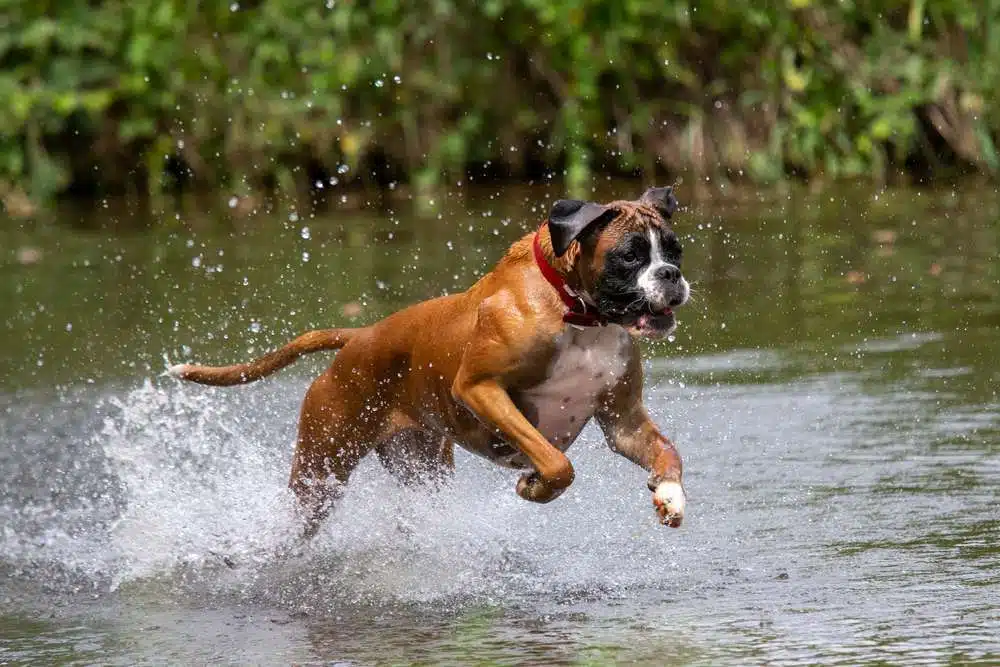
Boxers move like athletes. Their stride stays smooth and graceful with a powerful forward thrust. They can reach speeds up to 45 miles per hour, which makes them high energy dogs and well suited for canine sports such as rally, agility, and flyball.
Use a leash at the dog park and work with trainers to shape speed and endurance. Watch for early signs of hip dysplasia or cranial cruciate ligament injury if your dog limps or has trouble running.
Temperament and Behavior

They stay loyal, playful, and energetic. Those traits make them excellent family dogs. Owners find them affectionate with family and generally tolerant of children. Instinct drives them to guard, and they act brave, determined, and self-assured.
Their intelligence shows during play, but they may become bored with repetitive tasks. Early socialization and dog training curb bad habits and shape good manners. Use obedience trainers or a dog behaviorist for structure, and add mental stimulation to daily routines.
Not a fighting dog, they do best in active homes that match their energy.
Health Considerations

Boxers face high cancer risk and common heart problems like aortic stenosis and boxer cardiomyopathy, also called arrhythmogenic right ventricular cardiomyopathy or ARVC. Owners should book regular veterinary medicine checkups and get an ultrasound of the heart to catch arrhythmia, irregular heart rhythm, or early signs of congestive heart failure.
See an oncologist fast for lumps, sudden weight loss, or other cancer signs. Breeders who do health screenings and record stock in the German stud book help produce consistently whelped puppies and cut genetic risks.
Hypothyroidism may need levothyroxine and testing of the thyroid gland.
Hip dysplasia and degenerative myelopathy can limit movement and raise arthritis risk as a dog ages. Owners must watch for seizures and intestinal problems and report them to the clinic quickly.
Obesity and allergies respond well to custom diets, regular exercise, omega-3 fatty acids, or fish oil supplements under vet advice. Boxer Juvenile Kidney Disease causes chronic renal failure before age 3, so test puppies early if they show poor appetite or weight loss.
Bloat, gastric dilatation-volvulus, can kill within hours, so watch the dog’s age, feeding routine, and belly and seek emergency care fast.
Common Concerns
Read this list to spot key health problems in your Boxer. Act fast on these signs to protect a healthy life.
- Bloat, or GDV, can kill a dog fast. Watch for abdominal swelling, restlessness, dry heaving, and abdominal distension, and seek emergency vet care at once.
- Arrhythmogenic right ventricular cardiomyopathy, ARVC, can cause sudden death, often around age 6. Also watch for dilated cardiomyopathy (dcm), abnormal heart rhythm, and other cardiac signs; get ECG and cardiac ultrasound screening.
- About 18% of white Boxers may have congenital sensorineural deafness in one or both ears. Test hearing early with a hearing test and use visual cues, training, and safety plans.
- Hip dysplasia can limit activity and cause pain. Treat it with medication, joint supplements, physical therapy, or surgery after assessment by an orthopedic vet.
- Hypothyroidism is common in Boxers; signs include lethargy, hair loss, and weight gain. Treat with daily thyroid hormone replacement and monitor blood levels.
- Eye ulcers cause tearing, squinting, and redness in many dogs. Seek prompt vet care to prevent infection and vision loss.
- Some cancers, like hemangiosarcoma and canine lymphoma, can cause sudden illness, sudden death, or abdominal distension. Work with your vet on surgery, chemotherapy, or radiation therapy and regular checks.
Lifespan
Recent studies show Boxers live shorter lives than many purebreds. A 2024 UK study found life expectancy at 11.3 years, versus 12.7 for all purebreds. In 2024 an Italian study reported a median age of death of 9 years, compared with 10 years for all dogs.
A 2005 Swedish insurance study found half of Boxers die by age 10, versus 35 percent of all dogs.
Puppy mortality runs about 22 percent, with most losses due to stillbirth and infections before seven weeks. The UK Kennel Club health survey lists cancer at 38.5 percent, old age at 21.5 percent, and cardiac and gastrointestinal causes at 6.9 percent each.
Cardiac problems often involve dilated cardiomyopathy (dcm), which weakens the heart muscle and can appear as a dog’s age increases. Owners of Deutscher boxer and German boxer lines should watch registry health data from the fédération cynologique internationale (fci) and local registry, and check screening for hip dysplasia, brindling traits, or other risks noted in boxer history.
Training Considerations

Begin training at a young age, and match work to the dog’s age. Early work keeps a Boxer from becoming headstrong. Use positive reinforcement and clicker training for clear rewards.
Poor methods create the breed’s stubborn reputation. Boxers rank 48th in Stanley Coren’s working and obedience intelligence survey. Teach in ways that honor the boxer’s ancestors, and use steady commands.
Give daily exercise to burn energy and sharpen focus. Lack of activity fuels bad habits and rough play. Train not to jump or mouth during greeting and play. Use firm limits with kind rewards and short sessions.
Adjust exercise if a vet finds dilated cardiomyopathy (dcm) or joint trouble, and swap long runs for leash walks or puzzle toys. Pair social walks with obedience, and add crate and leash work to build control.
Exercise and Socialization

Boxers need lots of daily exercise. They do best with play and canine sports.
- Schedule at least two 30-minute walks daily to meet energy needs and reduce destructive behavior. Rotate routes to add mental stimulation and scent work useful for search and rescue training.
- Add active play like fetch, tug, flyball, or agility sessions to burn energy. Use short drills to keep focus; boxers answer well to consistent training.
- Start socialization early with puppies, local dogs, and supervised visits with cats. Early exposure lowers fear and cuts risk of issues with large, same-sex dogs later.
- Use positive rewards, short sessions, and clear cues to manage energy and the intelligence of dogs. Avoid harsh corrections that can worsen mouthy play.
- Provide puzzle toys, treat-dispensing devices, and scent games for mental work to prevent destructive behavior. Hide kibble from dog foods inside puzzles to boost use and focus.
- Enroll in organized canine sports like agility and flyball or local scent work classes to channel drive. These activities match the energy of a Labrador or German shepherd and build teamwork.
- Use leashed, controlled intros to reduce same-sex friction and training time. Monitor play with large breeds such as English Mastiff, St. Bernards, or American Staffordshire terrier; intervene on tense signals.
- Keep sessions shorter in heat to avoid trouble breathing and heat stress; watch for rapid panting, collapse, or other symptoms. Report signs of dilated cardiomyopathy (dcm), hip dysplasia, or knee issues to your vet.
Living with a Boxer

A Boxer needs a large yard and daily exercise. This medium to large breed gets bored without activity. Boxer’s ancestors helped hunters bring down wild boar centuries ago. They stay playful and affectionate with family members.
Early socialization and positive reinforcement training help Boxers develop confidence and reduce wariness around strangers. Owners often admire the breed’s playful personality, while brindle Boxers are especially appreciated for their distinctive striped coats.
Plan regular veterinarian visits for heart checks and dental care. Watch for dilated cardiomyopathy (dcm), hip dysplasia, and neurological disease. Keep teeth clean to reduce plaque and gum problems.
Avoid leaving a Boxer in a small apartment without long walks. Use a leash, crate, dog park, and a hound glove during handling and training. Some owners debate tail-docking and note same sex rivalry with other dogs.
Boxers thrive as close family companions and should be treated as part of the household rather than kept solely for guarding purposes.
Best Environment
Boxers thrive with regular exercise and mental stimulation. They prefer homes with yards but adapt to apartments if owners provide daily activity and games. Owners should avoid outdoor-only setups since Boxers need a comfortable indoor space.
Exercise stays indoors during hot or cold weather to protect against heat stress and frost injury. Use a leash, crate, puzzle toys and a temperature gauge to keep training safe and engaging.
Keep routine vet checks for dilated cardiomyopathy (dcm) and hip dysplasia and monitor weight and mobility. They are not ideal for homes with very young children because their jumping can knock a young child down.
Behavior towards Children
They show deep affection for family members, including children. Their playful nature makes them fun companions for kids. Their patience and protective nature earned them a reputation as a great dog with children.
Use positive reinforcement, short training classes, and supervised play to teach calm manners.
Keep young kids close during play, since the dog can act rough with high energy. Ask your veterinarian to screen for dilated cardiomyopathy (dcm) and hip dysplasia during health checks.
Professional training and routine vet visits reduce risk and boost safety.
Behavior towards other Pets
Boxers often greet other animals with high energy. Early socialization and short, supervised meetings teach calmer habits. Owners should introduce dogs and pets with caution, using a leash, crate, or training device during first meetings.
Same-sex Boxers typically do not tolerate each other well, while opposite-sex pairs often enjoy each other’s company.
High energy and playfulness may overwhelm smaller animals or frail adults. Consult a certified behaviorist if reactions escalate during introductions. Mind health issues like dilated cardiomyopathy (dcm) or hip dysplasia before allowing rough play and ask your veterinary professional for guidance.
Grooming Needs

Their short, smooth coat needs little work. Use a curry brush once a week to pull out loose fur and clear debris. Shedding peaks in spring and fall, so increase brushing then.
Bathe with a gentle shampoo every two to three months to protect skin and coat. They tend to drool, so wipe the mouth area often and clean saliva stains. Brush teeth daily with a soft-bristled toothbrush and canine toothpaste for dental hygiene.
Trim nails every month with a nail trimmer, and check hips and gait while grooming for signs of hip dysplasia. Watch gums and energy during handling, and tell your vet about pale gums, coughing, or weakness that could link to dilated cardiomyopathy (dcm).
Nutrition and Feeding

Feed adult Boxers two meals per day, spaced about 12 hours apart. Puppies need three to four meals daily during growth. Use slow feeder bowls at mealtime to lower the risk of bloat and GDV.
Choose a diet rich in lean animal proteins, with chicken, turkey, lamb, and fish, and add omega-3 fatty acids, DHA and EPA, to support heart, skin, and coat health.
Serve mostly dry, hard kibble to help reduce plaque. Select formulas that contain polyphosphates to further minimize dental buildup. Limit high calorie treats and swap snacks for raw fruits and vegetables to prevent obesity.
Measure portions with a scale or measuring cup. Talk with your veterinarian about calorie needs, especially if your Boxer has hip dysplasia or a family history of dilated cardiomyopathy, dcm.
Where to find a Boxer

Reputable breeders sell Boxer puppies for $800 to $2,000. The AKC runs a puppy finder service and lists breeder information. Ask each breeder for health clearances that cover dilated cardiomyopathy (dcm), plus hip dysplasia checks.
Adoption options exist through animal shelters and breed-specific rescues. The Boxer Fan Club and rescue groups post available dogs and guide applicants. Talk with your veterinarian about screening and testing for dcm and hip issues before you bring a dog home.
Similar Dog Breeds

Below are four breeds often compared with the Boxer.
| Breed | Similarities | Differences | Best fit for owners who |
|---|---|---|---|
| English Bulldog | Shares mastiff roots, and shows a sturdy, muscular frame; the Boxer is part of mastiffs and appears on German breed lists. | Has a flatter face and higher brachycephalic risk than the Boxer. | Fits owners who can manage heat and breathing care and want a calmer, solid companion. |
| Bull Terrier | Displays playful energy and a tenacious drive, traits that help in agility and obedience training similar to Boxers. | Sports an egg shaped head and an intense terrier prey drive not typical in Boxers. | Works for active people who enjoy rigorous training. |
| Whippet | Shares athleticism and short burst speed, traits Boxers use in short agility drills and sporting tasks. | Operates as a sighthound with a lean frame and less guarding instinct than the Boxer. | Suits those seeking a fast, quiet companion and space for short sprint exercise. |
| Dutch Kooikerhondje | Shares hunting lineage and sporting drive with Boxers, a link noted in several European breed lists. | Stands smaller with different grooming needs and activity pacing. | Appeals to owners who want a smaller working dog and who consult tools like John Wagner, International Encyclopedia of Dogs, and Pet Owner’s Guide to the Boxer. |
Conclusion

You learned key Boxer traits, care steps, and what to expect. Simple routines cut grooming time and keep coats healthy. Vet checks catch dilated cardiomyopathy (dcm) and hip dysplasia early.
Use AKC resources, heart ultrasound, and hip screening to pick healthy pups. I have seen Boxers thrive when owners stay consistent. Adopt patience, train daily, and enjoy loyal company.
FAQs
1. What traits do Boxers have and what should I expect?
Boxers are loyal, playful, and strong. They need daily exercise and mental work. They learn fast but need firm, kind training. They are not naturally aggressive; training and socializing shape their manners.
2. What health issues should I watch for, like dilated cardiomyopathy (dcm) and hip dysplasia?
Boxers can get dilated cardiomyopathy (dcm) and hip dysplasia. Watch for tiring, coughing, fainting, or limping. Ask a veterinarian for heart tests and hip X rays. Keep weight in check and avoid hard work when dogs are tired.
3. How do I care for a Boxer each day?
Give steady walks, play, and short training sessions. Feed a balanced diet and keep a healthy weight. Brush the short coat and check teeth. Keep them cool in hot weather to protect breathing and the heart. See a veterinarian for regular checks.
4. How do I pick a healthy Boxer from a breeder or rescue?
Ask for health records for hips and heart tests. Meet the parents if you can and watch how the dogs act. If you get a young dog from a rescue, ask for a vet exam and any screening done. Avoid cheap puppies with no health history.
References
- https://americanboxerclub.org/short-history-of-the-boxer-breed/ (2024-09-18)
- https://www.petmd.com/dog/breeds/boxer
- https://www.akc.org/dog-breeds/boxer/
- https://www.thesprucepets.com/boxer-dog-breed-1117944 (2025-06-11)
- https://www.thefarmersdog.com/digest/the-boxer-breed-guide-personality-history-training-food-and-more/ (2022-05-29)
- https://bark.co/blogs/breeds/boxer-breed-information?srsltid=AfmBOopb9BuSZ_mV5eyRqyF47M2COSk8IJHao2HPRzcoALxl9kLU2CQv (2025-06-27)
- https://pmc.ncbi.nlm.nih.gov/articles/PMC11718627/
- https://www.allboxerinfo.com/boxer-dog-vs-other-breeds
- Furlyfe Rank See Rank
- Group AKC Working
- Origin Germany
- Size Large
- Weight 50 to 70 pounds
- Coat Length Short
- Coat Type Smooth
- Colors Brindle, Fawn, White
- Other Names German Boxer, Deutscher Boxer
- Temperament Brave, Bright, Confident, Energetic, Fearless, Friendly, Intelligent, Loyal, Playful