

Border Collie
The Border Collie is widely recognized for its intelligence, agility, and incredible work ethic. Originally bred for herding sheep, this energetic breed thrives when given both physical exercise and mental stimulation. Despite its intense working drive, the Border Collie is also affectionate and deeply loyal to its family.
Border Collies are highly trainable and eager to please, making them excellent companions for active owners. They excel in canine sports such as herding, agility, obedience, and search-and-rescue work. However, without enough activity or engagement, they can become bored and destructive.
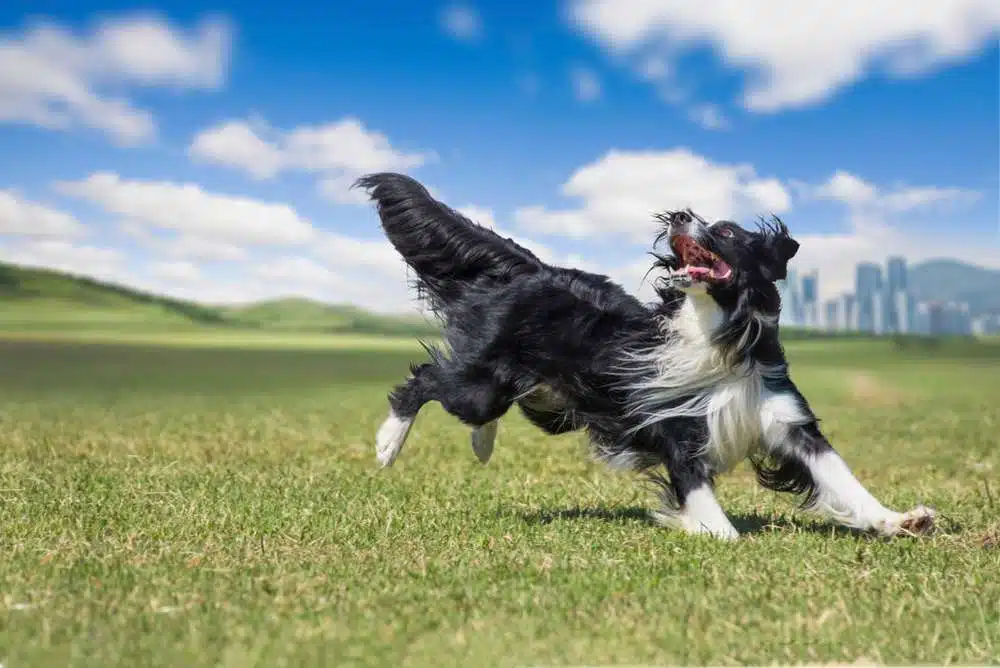
Athletic and graceful, the Border Collie is a medium-sized dog breed with stamina and quick reflexes. Its movement is smooth and efficient, allowing it to change direction rapidly while working livestock. Even after long periods of activity, the breed remains remarkably agile and focused.
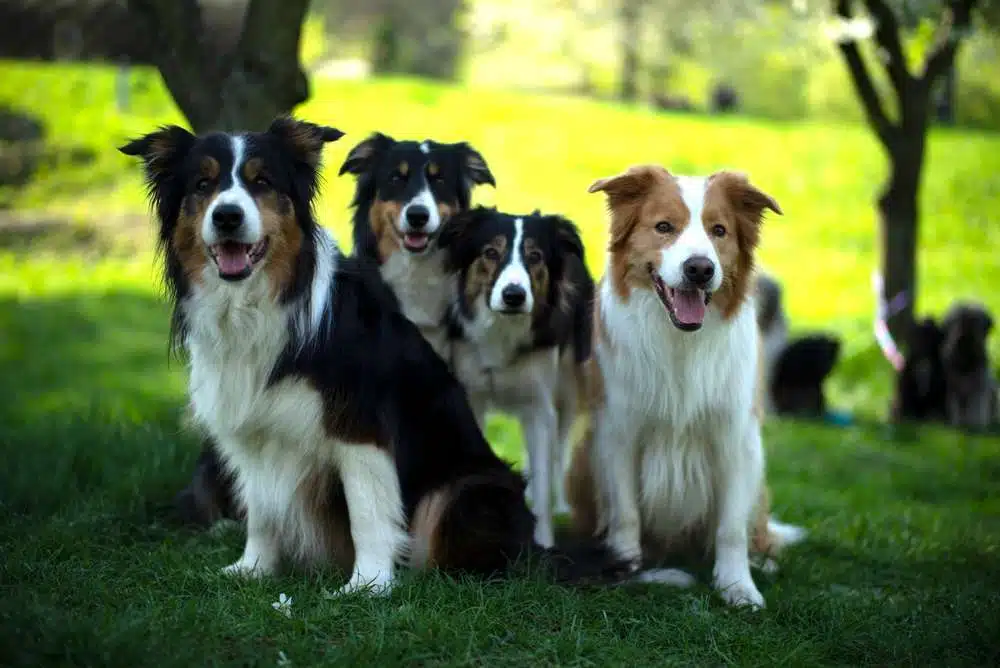
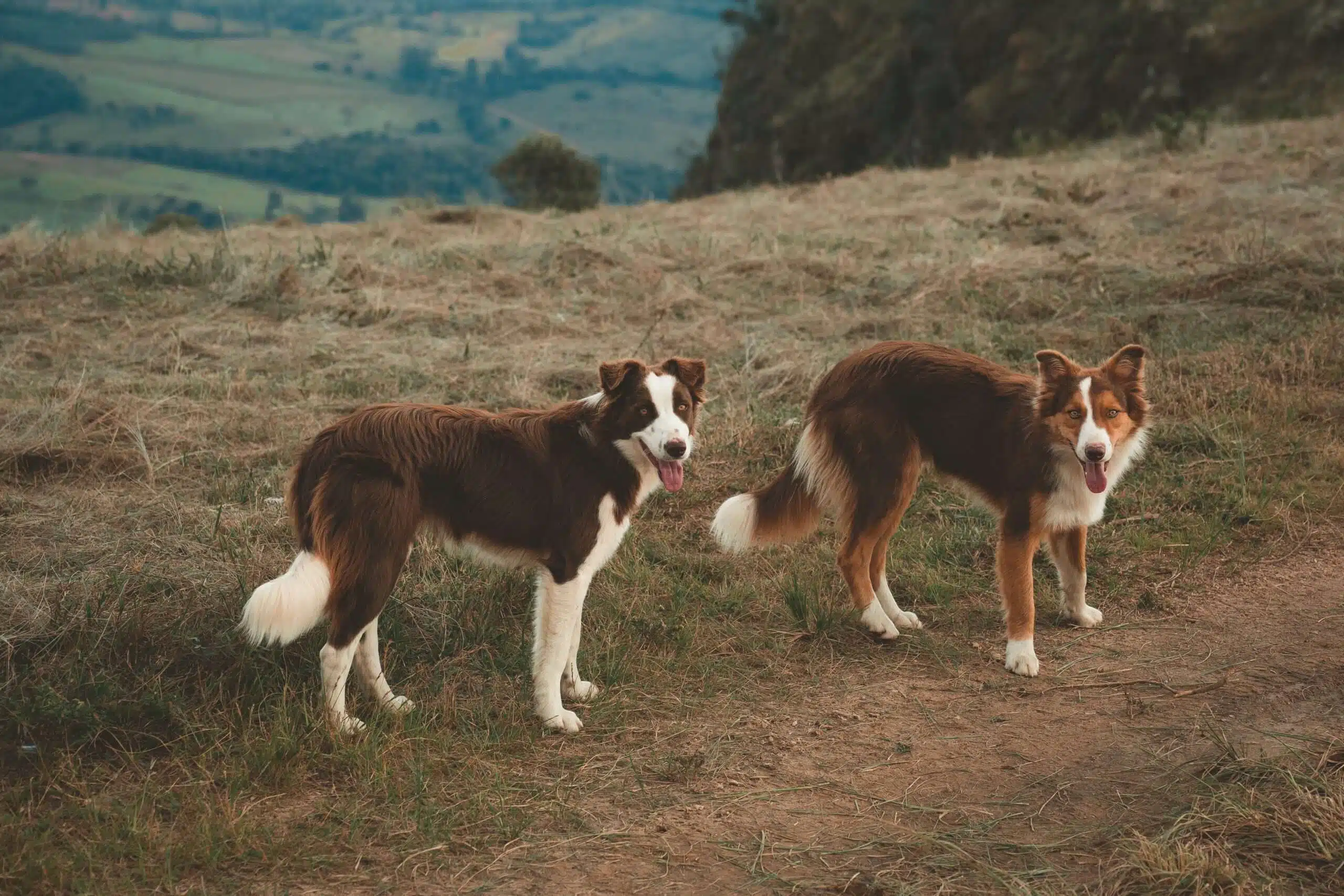
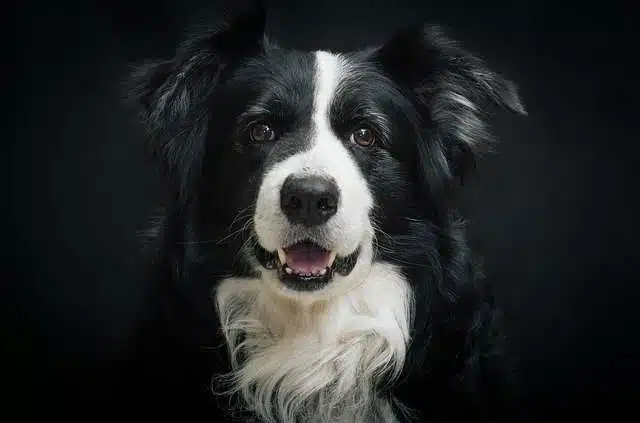
The breed comes in a variety of coat colors and lengths, though black and white remains the most common combination. Border Collies may have smooth or rough double coats, both designed to protect them in varying weather conditions. Their alert expression and intense focus are signature traits of the breed.
Because Border Collies are naturally protective and highly aware of their surroundings, early socialization is important. Without proper exposure to new people, environments, and sounds, some dogs may become fearful or overly reactive. Their sharp hearing and alert nature also make them prone to excessive barking if not properly trained.
Border Collies bond closely with their owners and do best when included in family life. They should not be isolated outdoors for long periods, as loneliness and lack of stimulation can lead to unwanted behaviors. With proper training, exercise, and companionship, the Border Collie becomes an intelligent, devoted, and highly capable companion.

Border Collie Traits, Training Tips, And Health Guide For Owners

Many Border Collie owners feel overwhelmed by nonstop energy and strong herding instincts. Puppies nip, adults herd children, and some dogs bark or chew when bored.
This British herding dog came from the Anglo-Scottish border and ranks among the most intelligent dog breeds. This guide explains Border Collie traits, border collie training, and health issues like hip dysplasia, collie eye anomaly, and Border Collie Collapse.
You will get clear tips on obedience training, dog sports, exercise, grooming, and feeding for a border collie puppy or adult dog. Keep reading.
Key Takeaways

- Border Collies, developed from Anglo-Scottish stock (Old Hemp born 1893), rose via the ISDS (1906) and were distinguished by James Reid in 1915.
- Expect a 12–15 year lifespan (average 13.1); watch cancer (23.6% of deaths in 2004), hip dysplasia, CEA (NHEJ1), exercise‑induced collapse, and MDR1 (14.8%).
- Do hip X‑rays, eye exams, MDR1 and DNA tests (TNS, NCL), consult specialists for seizures, and consider pet insurance.
- Start puppy training at 2–3 months, advance at 6–8 months; give at least two hours daily with short 15‑minute positive‑reinforcement sessions.
- Prevent sport injuries (32–42% reported) with warmups, cross‑training, rest days, and groom every 6–8 weeks to manage shedding and skin.
History and Origin

Early Herding Origins
The Border Collie developed along the border regions of England and Scotland, where shepherds relied on agile and intelligent dogs to manage sheep across rugged terrain. The word “collie” is believed to come from either Scots language or a Celtic term meaning “useful,” reflecting the breed’s practical working role on farms and hillsides.
Sheepdog Trials and Working Tradition
As herding competitions gained popularity, the first organized sheepdog trials were held in Bala, North Wales, in 1873. These events helped showcase the remarkable intelligence, control, and endurance of working collies. Border Collies quickly earned a reputation for excelling at herding sheep with precision and responsiveness.
Old Hemp and the Foundation of the Breed
One of the most influential dogs in the breed’s history was Old Hemp, born in Northumberland in September 1893. Unlike louder, rougher herding dogs of the time, Old Hemp worked sheep quietly and efficiently using strong eye contact and natural instinct. He sired around 200 puppies, and most modern Border Collies trace at least part of their lineage back to him.
Old Hemp helped shape the modern Border Collie.
Formal Recognition and Global Expansion
The International Sheep Dog Society (ISDS) formed in 1906 to preserve working standards for sheepdogs. In 1915, ISDS Secretary James Reid officially distinguished the term “Border Collie” from Kennel Club collies. Around this same period, working collies spread internationally. Collie dogs arrived in New Zealand in 1858, while breeder James Lilico imported Hindhope Jed in the late 1890s, a dog believed to descend from Old Hemp. In Australia, the King and McLeod stud established in 1901 helped shape the breed’s development overseas.
Lasting Influence and Modern Working Roles
Another famous Border Collie, Wiston Cap, born on September 28, 1963, became one of the breed’s most recognizable sires and appears on the ISDS badge. He produced three Supreme Champions and further strengthened the breed’s reputation in sheepdog trials. Today, Border Collies remain world-renowned for herding ability and continue working as farm dogs, trial competitors, and even mountain rescue dogs due to their intelligence, stamina, and trainability.
Physical Characteristics

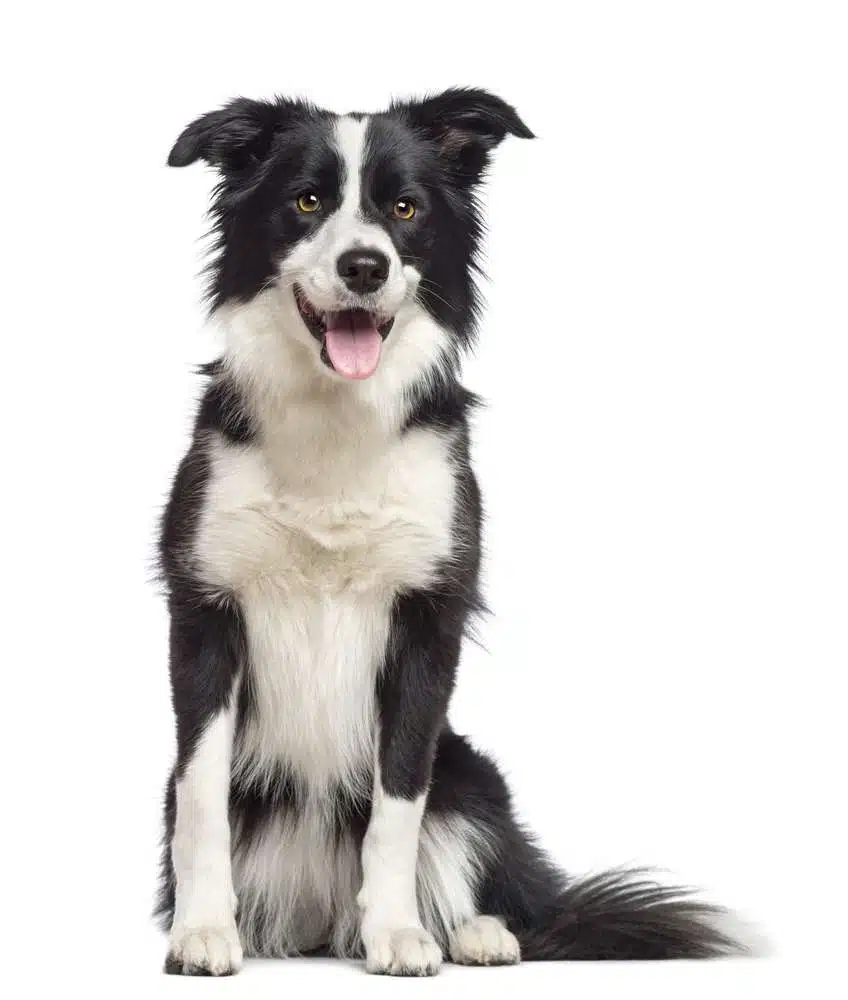
Border Collies are medium sized dogs with a lean, athletic build. Their bodies suit long days of herding and canine sports. Most dogs show a double coat; some appear as a smooth coated border collie while others have a rough coat.
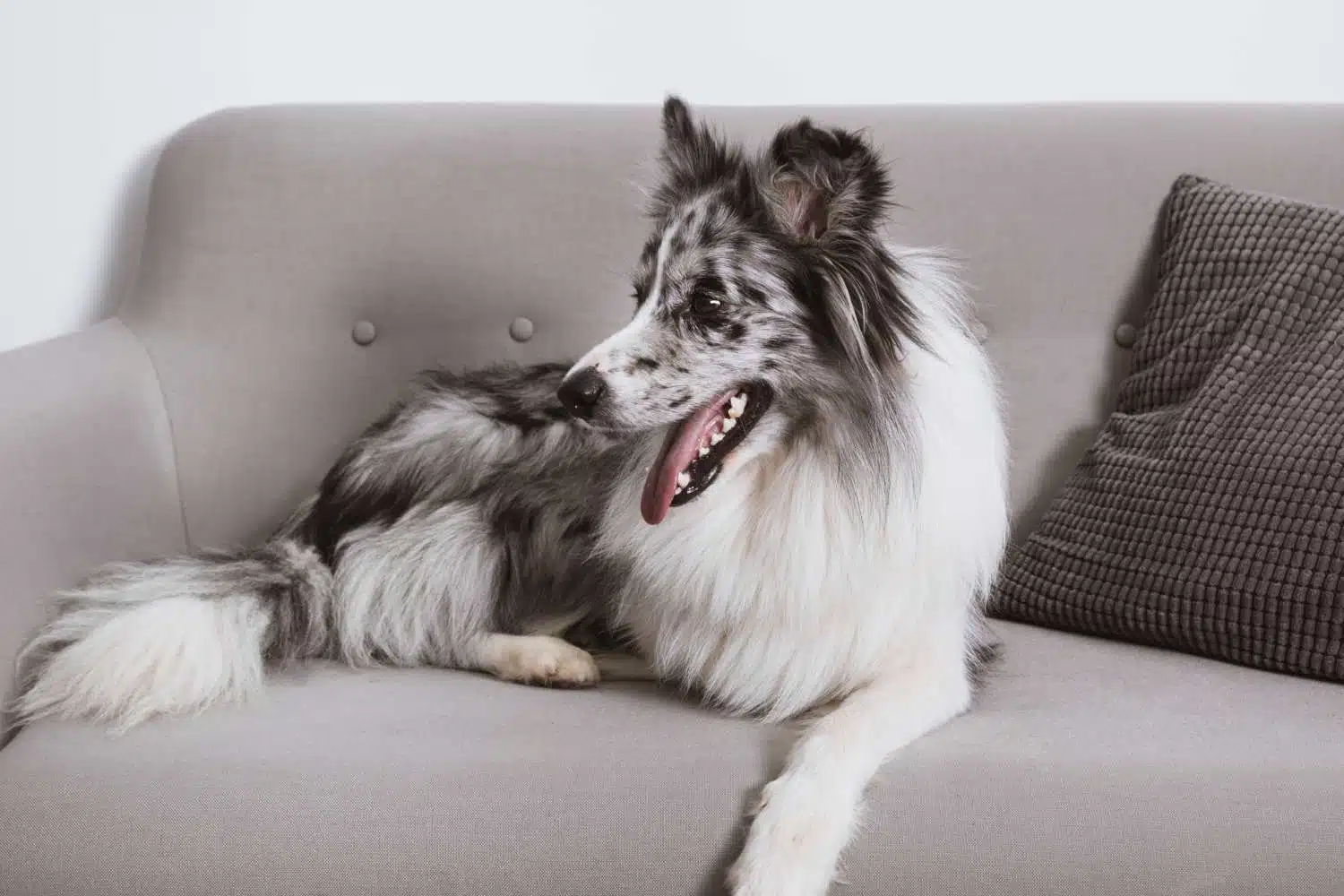
Coat colors vary and include black and white, blue merle, and other patterns.
Eyes range from brown to green, and some dogs show heterochromia. Owners and registries like the American Kennel Club and Border Collie Society point to an alert face and a quick, efficient gait.
Fans call them among the world’s smartest dogs for their sharp looks and fast reactions.
Body and Structure
Males measure 18–22 inches at the shoulder. Females stand 18–21 inches tall. Most males weigh 14–25 kg, about 31–55 lb. Females typically weigh 12–19 kg, or 26–42 lb. They show a muscular but nimble worker build, unspoiled by exaggeration.
Coats are medium length and suit active, working dogs and herding dogs.
Established breed standards emerged in the 19th century. The International Sheepdog Society and national kennel clubs, such as the American Kennel Club, now govern those standards.
Judges do not penalize scars or broken teeth earned during real work. Most border collies excel at agility, herding competitions, and dog sports. Owners see their high working ability and often list them among the most intelligent dogs and energetic dogs.
Face and Expression

The breed standard describes a keen and intelligent expression.
Breed standards favor a sharp, alert face. Preferred eye color is dark brown, although colors can vary. Ears may be erect, dropped, or semi-erect, and they add to the alert look.
Show-bred Border Collies look more homogeneous, and judges focus on expression in the show ring. Owners read these cues to gauge border collie personality and to train this intelligent breed.
Coat and Color

Border Collies have a double coat that comes in smooth or rough types and sheds moderately. Three main coat types exist, smooth, medium, and rough/long, and each needs specific grooming techniques.
Common colors include black and white, black tricolor, liver and white, red tricolor, blue, lilac, red merle, and brindle.
Some dogs show heterochromia with two different colored eyes, a trait seen especially in merle-patterned dogs. Many pet parents ask about border collies hypoallergenic claims, and the answer is no for most dogs because of their double coat and moderate shedding.
Brush regularly during shedding seasons to remove loose undercoat and prevent mats. Bathe every 6 to 8 weeks with dog-specific shampoos to protect skin and keep the coat healthy. Working Border Collies often need shorter coats and more frequent grooming to stay clean and move easily.
Ask a reputable breeder about coat types before you bring home border collie puppies.
Movement and Gait

Researchers found five distinct gait styles in Border Collies during agility competitions, with clear patterns in weave pole performance. High-speed video and gait analysis showed single-step gaits ran faster than double stepping, and taller dogs used single-step more often.
Statistical tests revealed significant differences in weave styles by dog height and breed, and the data linked gait variability to competition success. About 32 to 42 percent of dogs in agility reported injuries, so owners must focus on gait training and injury prevention.
The breed’s agile movement defines this herding breed and helps in dog sports like agility, making proper conditioning crucial for many border collies. Regular mental and physical stimulation, balance work, and controlled runs keep a border collie’s stride safe and fast on weave poles.
Owners who use force plates or video analysis catch stride faults early and lower injury risk.
Temperament and Behavior

Border Collies show high intelligence and drive. They work hard, stay loyal, and thrive when given a clear job. Their intense drive can overwhelm inexperienced owners, especially without mental stimulation.
Owners must give structured routines and consistent training methods to channel that energy into useful tasks. They can be a good family dog for active homes and make affectionate dogs when given work and socialization.
Studies report rises in fearfulness, aggression toward people, and responsiveness to training between 6 and 12 months of age. Litter effects significantly influence fearfulness, aggression, and activity, which points to genetic or shared environmental causes.
No major sex differences appear in personality traits, so variation occurs more between individuals than between genders. Early interventions like socialization, obedience training, marker device use, and puzzle feeders lower the risk of fearful or aggressive behavior.
Understanding these traits helps match a dog to an owner and predicts whether a Border Collie will suit family dogs, other dogs, or handlers who favor herding trials and agility course work.
Affected dogs often need help from trainers, rescue organizations, or a veterinarian.
Health Considerations

Owners should plan for a lifespan of about 12 to 15 years, with an average of 13.1 years. Common health concerns include hip dysplasia, eye problems, epilepsy, and genetic issues such as Collie eye anomaly and trapped neutrophil syndrome.
Collie eye anomaly follows an autosomal recessive pattern due to a mutation in the NHEJ1 gene. Exercise-induced collapse can occur during intense activity and cause disorientation.
The breed also shows a genetic risk for deafness and for cancer, and cancer is the leading cause of death.
Many owners find border collies good family pets when they manage health and exercise carefully. Ask a veterinarian for DNA tests, hip X-rays, and eye exams before you buy or breed.
Track seizures closely and consult specialists for epilepsy border collies. Test blood or DNA for TNS and other inherited conditions to lower risk. Consider pet insurance to help cover diagnostics and surgeries.
Choose balanced dog food and match the dog’s diet to energy needs.
Common Concerns
Border Collies face specific health and behavior risks. Use genetic testing and regular vet care to reduce those risks.
- Watch hip joint dysplasia. Schedule hip scoring through your veterinarian or a kennel club program, limit high-impact play until growth stops, and follow rehab plans if a diagnosis occurs.
- Schedule eye exams for progressive retinal atrophy, collie eye anomaly linked to the NHEJ1 gene, and juvenile cataracts. Use genetic testing and an eye specialist to catch problems early.
- Guard against seizures, neuronal ceroid lipofuscinosis, trapped neutrophil syndrome, and cyclic neutropenia. Watch for Border Collie Collapse, an exercise-induced collapse with disorientation and weak hind legs, and stop activity at once.
- Get an MDR1 genetic test, since about 14.8% of the breed carry the mutation. Inform your veterinarian before ivermectin, loperamide, certain anesthetics, or chemotherapy drugs are used.
- Plan regular cancer checks; a 2004 Kennel Club survey found cancer caused 23.6% of Border Collie deaths. Report lumps, weight loss, or abnormal bleeding for prompt diagnostics.
- Limit sport injuries; studies report 32 to 42 percent of dogs in competitive activities get hurt. Warm up, cross-train, ensure safe footing, and schedule rest days to protect joints and tendons.
- Monitor hearing for pigment-associated and adult-onset hearing loss. Use genetic screening and shift to visual cues and touch signals if hearing declines, and train early with hand signals.
- Watch for hypothyroidism, diabetes mellitus, and osteochondritis. Run annual bloodwork, manage weight, and discuss joint supplements or diet changes with your veterinarian.
- Expect high drive, herding instinct, and frequent barking; border collies bark to herd. These dogs were bred for work, so use firm training, mental enrichment, and careful introductions with other pets, and compare traits to Australian Shepherds and Bearded Collie when choosing.
Lifespan
Average lifespan sits between 12 and 15 years, with a 2022 study reporting 12.1 years and a 2024 study finding 13.1 years. Some Border Collies can reach 17 years, and Bramble lived 28 years, from 1975 to 2003.
The breed stays generally healthy compared with other breeds, but it faces specific health conditions tied to genes, lifestyle, and nutrition, a key point in any border collie overview.
Work life matters; dogs bred as sheep dogs and snow dogs in border collie history and border collies today often have more joint stress, which can shorten a border collie’s lifespan.
Owners should know border collies need regular vet care and DNA screening for breeding dogs to catch hereditary diseases early and reduce long-term injuries.
Training Considerations

Puppy training can start at 2–3 months of age. Advanced training suits most dogs at 6–8 months. Owners must stay consistent and engaged to get results. Use positive reinforcement and operant conditioning to build confidence and trust.
Keep sessions short, up to 15 minutes, to hold focus and avoid overstimulation. Research found dogs with higher responsiveness-to-training and lower activity or excitability scores were more successful in tasks.
Border Collies need at least 2 hours of physical and mental activity every day. Mix brainwork with motion to prevent boredom. Use problem-solving exercises, nosework, and interactive puzzles to boost canine cognition.
Add agility, fetch, and obedience drills to sharpen skills and burn energy. Bring course gear, nosework sets, a lead, harness, and a reward bag to sessions. Keep training fun and simple to maintain motivation.
Exercise and Socialization

Border Collies need high daily activity and solid social time. Early socialization shapes steady behavior.
- Plan at least two hours of combined physical and mental activity each day to prevent destructive behavior. Split sessions across walks, fetch, and brain games.
- Keep training sessions short and engaging, capped at 15 minutes. Bring training tool and reward bag to hold focus and boost progress.
- Offer structured outlets like agility courses and herding trials to channel natural drive and build social skills. These activities add mental load and team bonding.
- Begin early socialization with puppy classes and controlled exposure to people, dogs, noises, and places. Short, frequent sessions help Border Collies accept new situations.
- Rotate enrichment toys and puzzle games daily to challenge problem-solving. Offer treat-filled puzzles and brief scent walks to add variety and keep interest high.
- Set a daily routine with fixed walk times, play blocks, and safe off-leash runs where local rules allow. Regular exercise supports health and curbs excess energy.
- Watch for chewing, digging, or nonstop barking as signs of under-exercise. Increase activity, enroll in puppy classes, or consult an obedience trainer if problems persist.
- Limit group play and training to 15 minutes per session for focus, then rest. Carry leash, harness, and plan dog park visits with a reward pouch to structure social outings.
Living with a Border Collie

Owners must give daily physical and mental exercise. The breed ranks as the most intelligent dog and excels in herding and sport, so use training tools and puzzle toys to channel energy.
Responsible breeding matters because lines can carry Collie eye anomaly and Neuronal ceroid lipofuscinosis. Watch for hip dysplasia, exercise-induced collapse, and other eye problems, and book routine vet exams and genetic screening.
Expect a double coat that sheds moderately in many colors. Plan leash walks, crate rest, and social time, since they thrive as working dogs or family pets and enjoy close companionship with owners.
Best Environment
Active households suit Border Collies best. They need structured routines and consistent training. Jobs or regular activities like dog sport, work activities, or obedience classes keep their mind and body busy.
People with experience handling high-drive working breeds handle them well. They are not suitable for low-activity households due to high energy and engagement needs.
Fostering helps check fit before adoption. Introduce the dog to the household and other pets slowly to cut stress. Run a compatibility assessment for existing animals, and plan use of a leash and other training tools during introductions.
Their adaptability helps them do well in many living situations if needs are met.
Behavior towards Children
Border Collies may nip or bite, especially while herding small children. That nipping comes from strong herding instincts. Proper training can address and mitigate herding-related nipping and biting.
Early intervention helps curb unwanted behaviors around kids. Positive reinforcement and redirection help teach appropriate play.
Teaching children how to interact appropriately with dogs is essential for safety. Supervise all interactions between dogs and children to spot rough play early. Train the dog to respond to children’s commands, and praise it so listening improves.
Gradual socialization with children can enhance positive behavior. Use a training device, a leash, and food rewards for safe steps during sessions.
Behavior towards other Pets
Older Border Collies often show increased aggression toward other animals as they age. Research shows litter effects tied to this aggression, which suggests a genetic influence. Early behavioral intervention and structured training can reduce risk.
Use controlled introductions with a leash, crate, and marker device to lower stress and prevent fights.
Puppy play that includes calm, supervised contact with other animals builds tolerance later. Get a behavioral assessment from an animal health professional or dog behaviorist before adding a new pet.
Owners must monitor multi-pet households for signs of tension and act fast if aggression appears. Seek help from a trainer or veterinarian for a targeted plan.
Grooming Needs

Border Collies need steady grooming to keep their double coat healthy. Active dogs demand tools and routines that match their coat type.
- Know your double coat type, smooth, medium, or rough/long, and choose grooming methods that match each type to prevent matting and manage heavy shedding.
- Use a slicker brush, de-shedding rake, steel comb, and blunt-tip grooming scissors to detangle fur, remove undercoat, and shape the coat during regular sessions.
- Schedule baths every 6 to 8 weeks with pH-balanced, dog-specific shampoo to protect coat oils and skin; avoid overbathing, and rinse well.
- Trim working Border Collies to a shorter coat and groom more often to stop overheating during intense farm or sport work.
- Inspect paws and clean ears often, since cuts, irritation, ignored ear cleaning, and incorrect brushing techniques cause common grooming problems for active dogs.
- Adjust grooming for spring and fall shedding seasons; increase brushing frequency and use de-shedding tools to reduce loose hair daily.
Nutrition and Feeding

Feed on a steady schedule. Monitor weight and adjust portions.
- Establish a steady feeding schedule, such as two meals daily, to support digestion and weight control. Use a scale and a food diary to track portions and match calories to age, size, and activity.
- Choose fresh, lightly cooked meals over processed dry food when possible; they digest easier and boost gut health. Add balanced Omega-3 fatty acids from marine oil to support joints and reduce inflammation.
- Adjust portions for puppies, working adults, and seniors; raise calories for high activity and reduce for rest periods. Consult the vet for life stage charts and a daily calorie target.
- Avoid sudden meal switches. Move to a new diet over seven to ten days, mixing increasing amounts of the new food each day to prevent vomiting, diarrhea, and appetite loss.
- Monitor body condition score weekly and weigh your dog monthly. Use a home scale and a body condition chart to spot early weight gain and prevent obesity related joint strain.
- Provide clean, fresh water at all times in a sturdy bowl. Change water twice daily and after long runs to prevent dehydration and support digestion.
- Account for hereditary conditions; some Border Collies need prescription diets for eye, joint, or metabolic issues. Share genetic test results with the vet to choose the right plan.
- Use tools like calorie charts, a digital scale, and a food log to fine tune servings. Fresh food plans make it easier to feed the proper amount for age, weight, and activity level.
Where to find a Border Collie

Local breed registries and kennel clubs list Border Collie litters and working lines. The American Border Collie Association, ABCA, serves as the primary working registry in the United States and records about 20,000 registrations each year.
AKC recognized the breed in 1995 and showed 1,984 registrations in 2004 and 2,378 in 2005. Canada’s CBCA uses A for working lines and B for conformation dogs. In Australia, ANKC yearly entries ranged from 2,011 to 2,701 between 2011 and 2021 on main and limited registers.
South African Sheepdog Association registers working dogs and permits ISDS transfers. The International Sheep Dog Society and national kennel clubs set standards and manage registrations in the UK.
Turkey set up a Border Collie Association in 2007 to support local breeders and owners. Rescue groups, adoption centers, and foster programs let you meet dogs before you commit. Breed specific rescues and fostering help test home fit and cut impulse buying.
Similar Dog Breeds

Below are four breeds often compared with the Border Collie.
| Breed | Similarities | Differences | Best fit for owners who |
|---|---|---|---|
| Australian Shepherd | Shares high herding drive, strong cognitive skill and adaptability, and excels in agility, obedience, and flyball as a playful working dog. | Developed in the United States with different coat types, and show lines often differ from working lines as much as separate breeds. | Suited for owners who want a high-energy partner for course training, herding trials, and sound marker training. |
| Shetland Sheepdog | Has UK roots and shares a herding role, playful group traits, and trainability for herding trials and obedience. | Appears smaller with a softer drive, and many show Shelties are calmer than working stock, so working and show lines can differ markedly. | Fits owners who need a compact, agile dog for daily sessions, family life, and hobby sport participation. |
| Rough Collie | Originates in Scotland and sits alongside the Border Collie and Scottish Terrier as a recognized droving and herding dog from the UK tradition. | Appeals in a larger, more laid back form with a longer coat, and many Collie lines emphasize show presentation over intense stock work. | Good match for families who want a herding history, moderate sport performance, and a calmer companion for walks and courses. |
| Belgian Malinois | Matches Border Collie in working intelligence and sport success, and excels in obedience, protection sport, and agility among high-energy breeds. | Presents stronger protection instincts and higher drive suited to police and military roles, and gifted word learner dogs remain rare even among working breeds. | Best for experienced handlers who can provide long work days, advanced training tools, and structured, high-intensity exercise. |
Conclusion

This guide covered Border Collie traits, smart training tips, and key health checks. Use short, daily sessions with positive reinforcement, a leash, and simple routines. Will you add socialization, obedience drills, and some agility work to your routine? Regular care, vet screenings, eye exams, hip imaging, and genetic tests cut risks and raise quality of life.
Conclusion, visit a breed club, talk with a veterinarian, and try a local trial; start building a strong bond today.
FAQs
1. What are common Border Collie traits I should know?
Border Collies are very smart and very active. They show a strong herding instinct and they like a job to do. They need mental stimulation and regular exercise. Owners should expect high focus, quick learning, and some chasing behavior if left bored.
2. How should I train a Border Collie, and what training tips help most?
Use short, positive sessions and clear, consistent commands. Start training when the dog is a young dog and add socialization early. Teach recall, lead manners, and basic obedience. Use tasks like fetch, agility, or scent games to channel herding behavior.
3. What does a good health guide for owners include?
A health guide should list vet checks, shots, and tests. Watch for joint disease, eye disease, seizure disorder, and dental problems. Feed a balanced diet, keep weight normal, and groom the coat weekly. Consider genetic screening for breeding dogs.
4. How do I meet a Border Collie’s exercise and mental needs?
Give at least one hour of brisk exercise each day, plus play and training drills. Use puzzle toys, scent work, and short practice sessions to add mental work. Set a clear routine and give the dog jobs to do.
References
- https://www.akc.org/dog-breeds/border-collie/
- https://www.pawlicy.com/blog/border-collie-dog-breed/
- https://www.lildog.com/blogs/dog-magazine/border-collie-breed-guide?srsltid=AfmBOooGstx_3gPSjJcJoeLRPRuiZ9c66qqE02z5ix1GVAMBvvLj-BL6 (2025-10-15)
- https://www.woofz.com/blog/border-collie-training/
- https://vetslovepets.com.au/blogs/dog/border-collie-breed-guide?srsltid=AfmBOoocWDoSEZm1DaC0GEodl47tybLB5KkxYz6T4_2O282XdBgzKVyI (2023-06-29)
- https://pmc.ncbi.nlm.nih.gov/articles/PMC8635700/
- https://pmc.ncbi.nlm.nih.gov/articles/PMC5295634/
- https://www.sciencedirect.com/science/article/pii/S0168159125001236
- https://www.thedogsway.co.uk/journal/case-profile-bordercollies (2025-07-11)
- https://pro.prideandgroom.com/blogs/dog-grooming/border-collie-grooming (2024-05-21)
- https://jimsdogwash.net.au/blog/border-collie-grooming-guide-everything-you-need-to-know/ (2025-01-23)
- https://www.thefarmersdog.com/digest/border-collie-care-guide-personality-history-training-food/
- https://www.years.com/blogs/guides/border-collie-owners-guide (2025-02-19)
- Furlyfe Rank See Rank
- Group AKC Herding
- Origin United Kingdom, Ireland
- Size Medium
- Weight 30 to 45 pounds
- Coat Length Medium
- Coat Type Double
- Colors Black, Blue, Brindle, Gold, Lilac, Red, Sable
- Other Names Scotch Sheep Dog, Sheepdog
- Temperament Intelligent, Energetic, Alert, Responsive, Tenacious, Loyal, Protective