
Black Mouth Cur
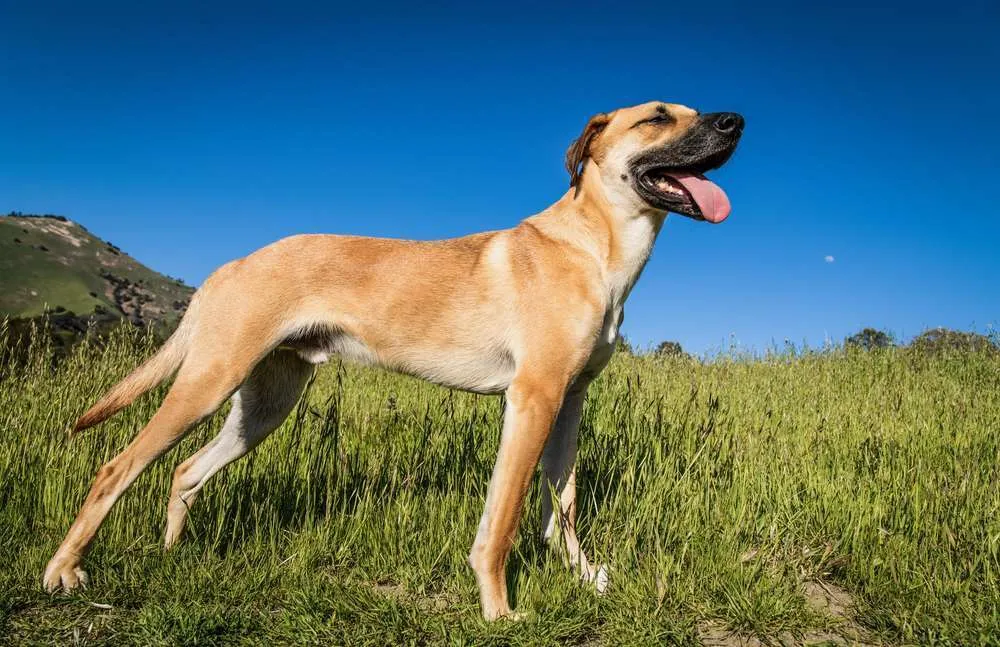

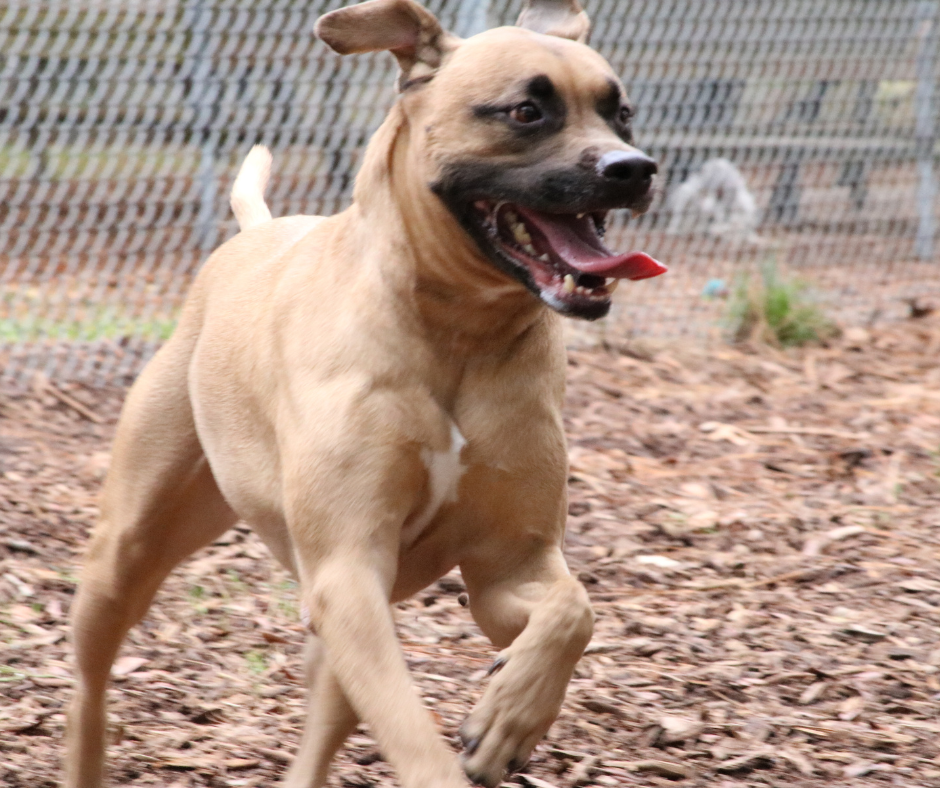

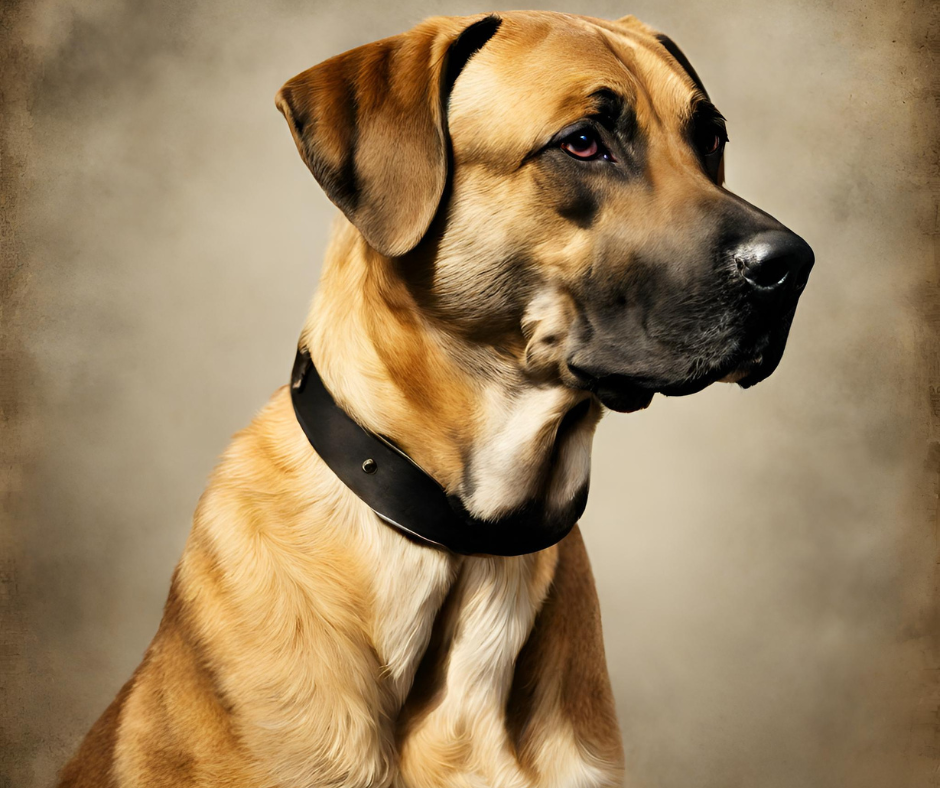



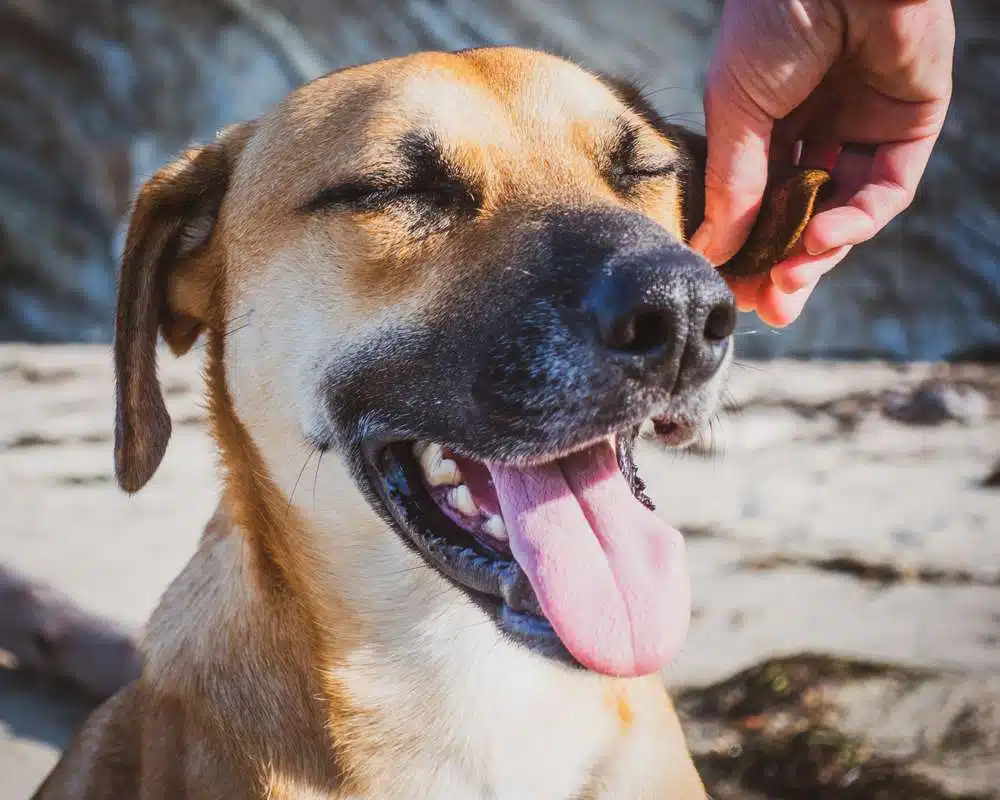
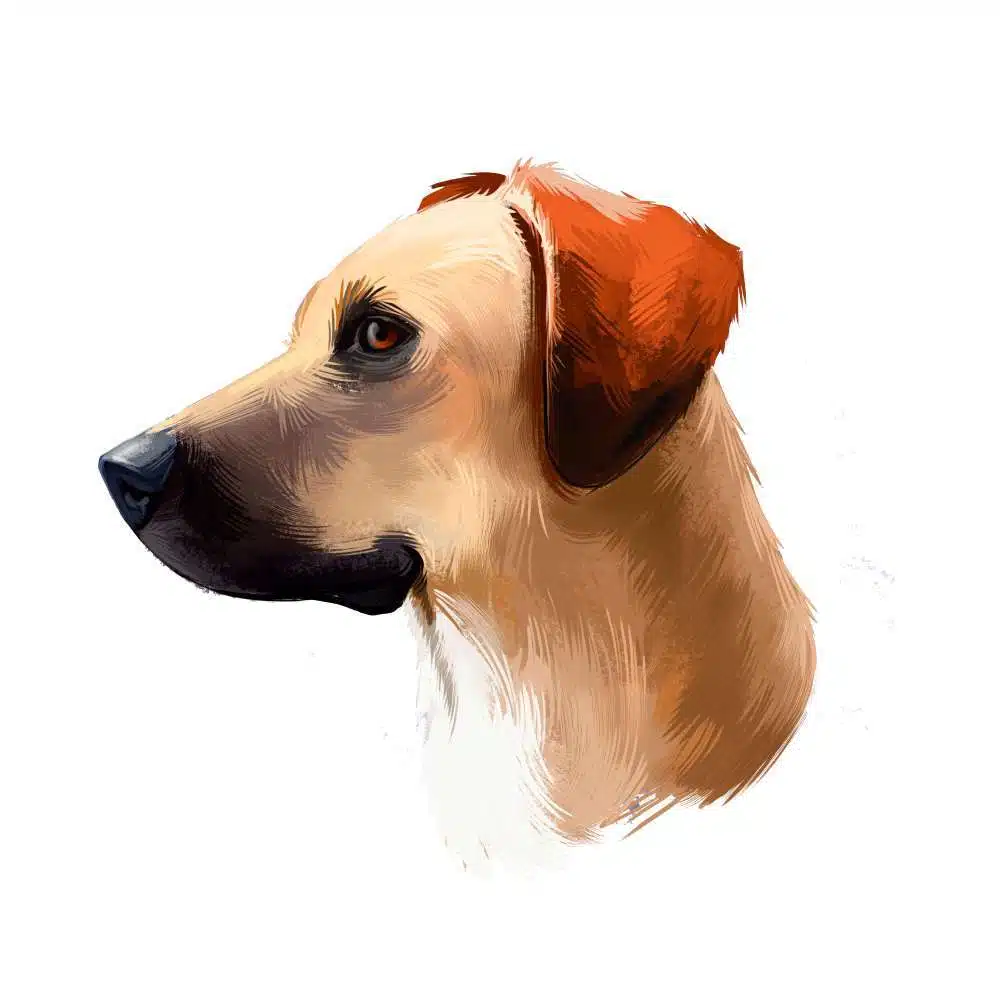
The Black Mouth Cur is a versatile and athletic breed with a distinctive black mask, though not all display this trait. Originating in the United States, this breed is renowned for its diverse lines, each exhibiting unique traits and abilities tailored for tasks like hunting, herding, and guarding. These dogs excel as both diligent working dogs and affectionate family pets due to their strong loyalty and protective nature.
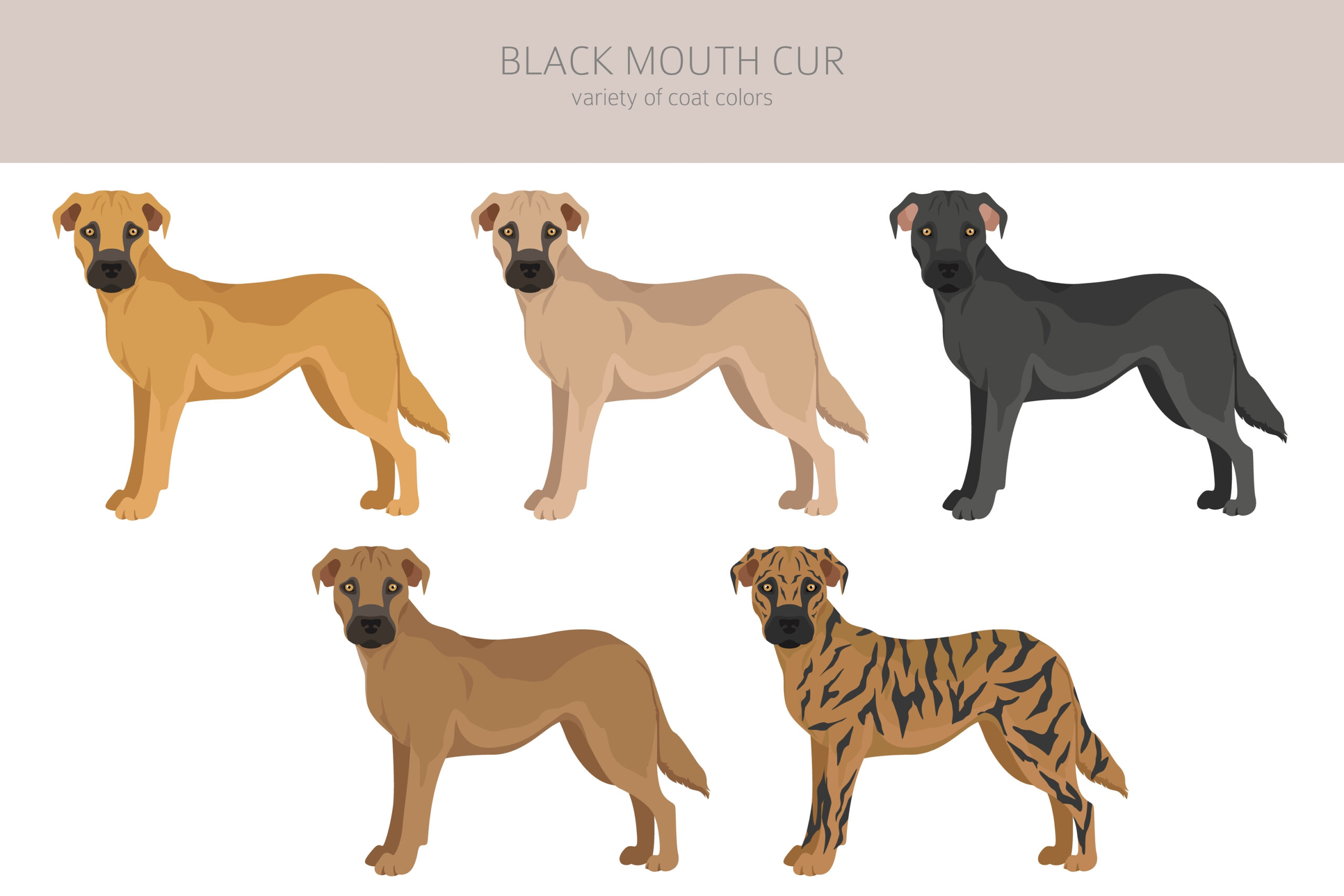
Typically medium-sized with a strong build, Black Mouth Curs are adaptable workers known for their skills in hunting and herding. Their short-haired coats can be rough or smooth and come in various colors, often with characteristic brindle markings and possible white patches. Eye color varies by lineage.
Despite their strong working instincts, Black Mouth Curs form deep, lasting bonds with their families. They are naturally territorial and protective, yet with proper socialization, they can be friendly and social, enjoying interaction with humans and playing well with children. However, their high energy levels and intense nature may not suit very young children.
While generally good with other dogs, Black Mouth Curs can show aggression under certain circumstances, so caution is advised when introducing new pets. Their high prey drive may also pose challenges with smaller animals.
To keep a Black Mouth Cur happy and healthy, ample daily exercise is crucial, especially in rural settings where they can utilize their natural talents. Without sufficient activity, these energetic dogs may not thrive in confined spaces.
More Than Man’s Best Friend: The Multifaceted Black Mouth Cur

The Black Mouth Cur is a versatile breed, excelling in roles ranging from hunting and farming to being a devoted family pet. Known for their intelligence, strength, and loyalty, these dogs are favored both as working dogs and loving companions.
Key Attributes:
- Origins and Roles: Originating from the Southern United States, Black Mouth Curs have been integral in rural communities, highly valued for their hunting abilities and livestock management. Delving into the black mouth cur history, it’s believed that their development traces back to the American South, particularly in states like Mississippi or Tennessee, playing a pivotal role in the settling of the American frontier with ancestry possibly linked to European and Asian cur dogs brought over by pioneers and settlers.
- Hunting Skills: Known for their endurance and keen sense of smell, they excel in hunting diverse game and are adept at navigating challenging terrains.
- Agricultural Utility: In farming, they are essential for herding livestock and safeguarding property, prized for their protective instincts and low maintenance needs.
- Family Relationships: As family pets, they are protective and gentle, forming deep bonds with their owners and showing a playful side that integrates well into family life.
- Adaptability: They adjust well to various environments, balancing their roles as effective working dogs and affectionate family members.
History and Origin of the Black Mouth Cur
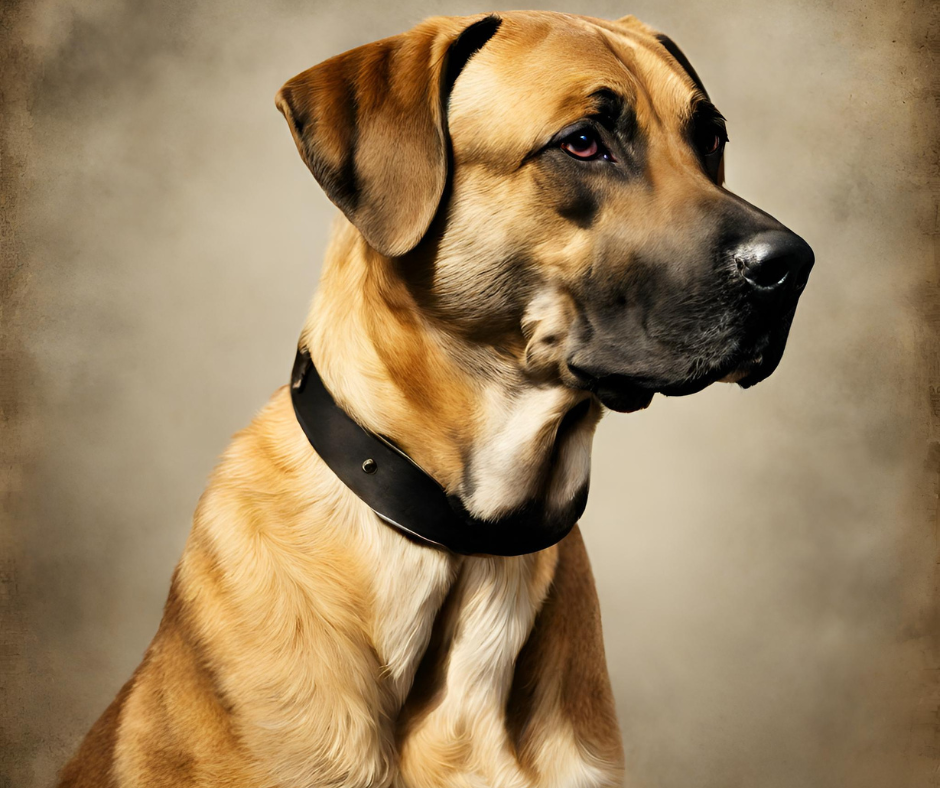
Exploring the black mouth cur’s origins reveals its deep-rooted connection to the southeastern United States, a region synonymous with the breed. The history of the Black Mouth Cur is a tapestry of different beliefs and narratives. Some historians suggest that the breed’s ancestry can be traced back to European immigrants who settled in the southeast, bringing with them their dogs, which then contributed to the development of the breed. Others argue that the Black Mouth Cur is a true American breed, developed in the rural landscapes of Tennessee or Mississippi, designed to meet the specific needs of settlers and farmers in those areas.
Early Beginnings
- The Black Mouth Cur has a rugged and diverse history, originating in the Southern United States. Believed to have developed in the early 19th century, these dogs served as all-purpose pioneer dogs for settlers, combining traits from European and Asian cur dogs with indigenous dogs.
- The term “Cur” refers to dogs bred for general rural work, including herding, guarding, and hunting, demanding a highly adaptable and resilient breed.
Development and Evolution
- The breed’s evolution was largely influenced by the harsh demands of frontier life, which honed its adaptability, resilience, and diverse capabilities.
- Through the 19th and early 20th centuries, as settlers expanded westward, the Black Mouth Cur was pivotal in managing and protecting livestock and serving as a loyal companion in the often lawless early American frontier.
Black Mouth Cur Breed Recognition
The Black Mouth Cur has not been officially recognized by the American Kennel Club (AKC) as a distinct breed. This lack of recognition primarily stems from the breed’s variation in physical characteristics, which makes standardization challenging.
Despite this, Black Mouth Curs are recognized by other canine registries, such as the United Kennel Club (UKC) and the American Black Mouth Cur Breeders Association (ABMCBA), which acknowledge and maintain breed standards for these versatile and robust dogs. The debate around the Black Mouth Cur’s status as a purebred dog and its recognition by different canine registries highlights the complexities of breed standards and the importance of acknowledging the unique characteristics and traits of the Black Mouth Cur as a purebred scenthound with origins in the southeastern United States.
Read More: Guide to Breed Clubs for Dog Owners
Breed Diversification
- Various lines of the breed, such as the Ladner Black Mouth Cur from Mississippi, the Florida Black Mouth Cur, and the Texas Black Mouth Cur, emerged, each adapted to specific local needs and environments.
- These variations contributed to the breed’s rich genetic diversity and enhanced its overall adaptability, yet all lines retained core traits of tenacity, loyalty, and strong protective instincts.
Modern-Day Roles
- Today, while still prevalent in rural and farming settings, Black Mouth Curs have expanded into roles in search and rescue and law enforcement due to their intelligence and keen senses.
- The breed’s enduring versatility and robustness make it a valuable working dog and a cherished companion across various settings.
Physical Characteristics
Not all black mouth cur dogs have the characteristic black muzzle; some may have muzzles that match their coat color, such as red or yellow, and others might feature black markings that do not fully cover the muzzle.
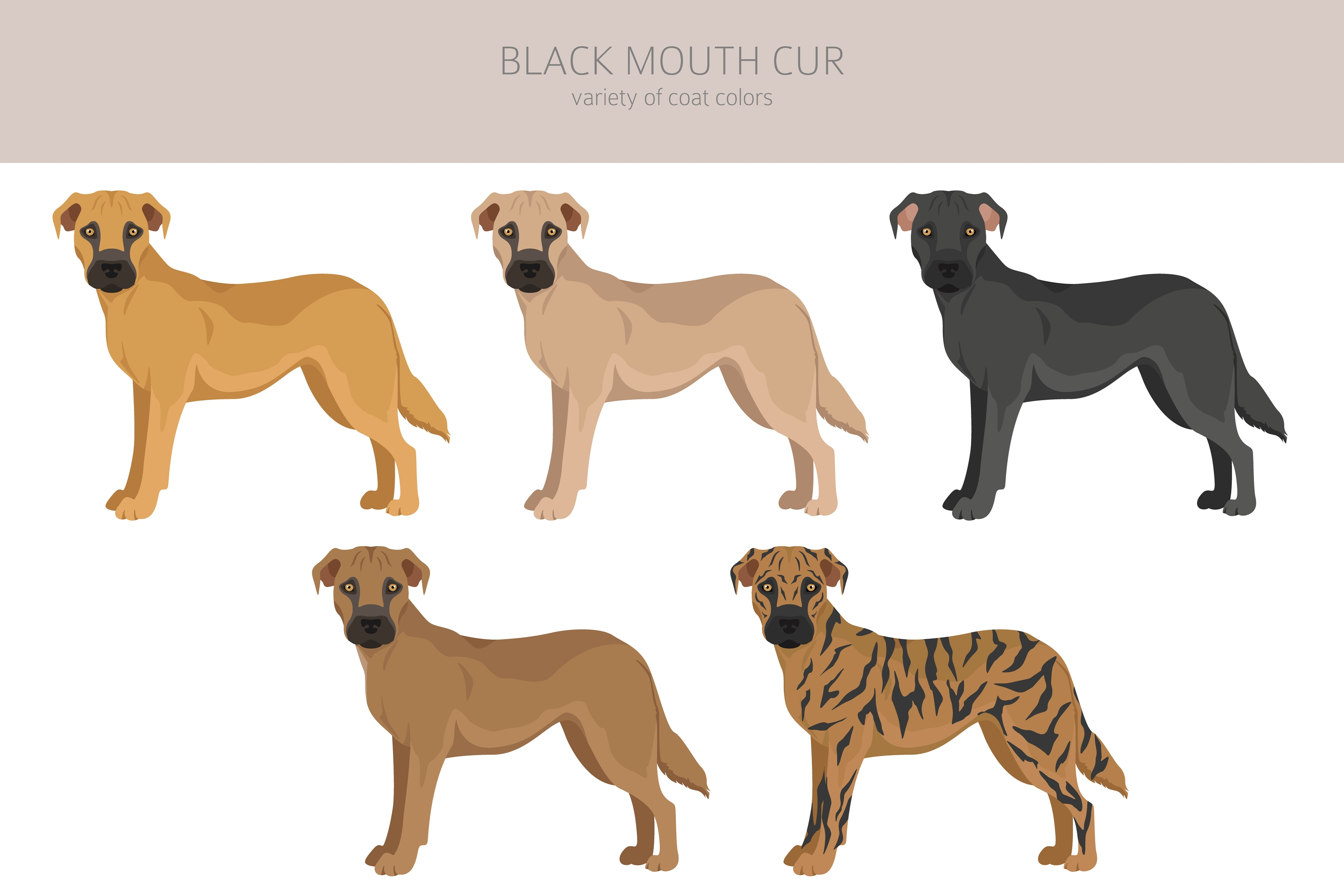
Physical Characteristics of the Black Mouth Cur
Functional Design
- The physical traits of the Black Mouth Cur are closely tied to its historical roles as a working dog and rugged companion. Each aspect of its appearance, from its build to its coat texture, is shaped to meet the demands of diverse and challenging environments.
Size and Build
- General Size: The Adult Black Mouth Cur is typically a medium to large dog.
- Male Dimensions: Males range from 18 to 25 inches in height at the shoulder and weigh between 40 and 95 pounds.
- Female Dimensions: Females are generally smaller, standing 16 to 23 inches tall with a weight of 35 to 80 pounds.
- Physique: Known for a muscular build and well-defined muscles, these features equip them for both endurance in the field and agility in varied terrains.
Versatility and Robustness of the Black Mouth Cur
Distinctive Traits and Capabilities
- The Black Mouth Cur is celebrated for its distinctive appearance and remarkable versatility across various roles including hunting, farming, and as a loyal companion. Known for their intelligence, strength, and unwavering loyalty, these dogs are a favored choice for both working and family environments.
Historical and Functional Significance
- Origins: Originating from the Southern United States, the Black Mouth Cur has become a foundational element in rural communities.
- Hunting Skills: Renowned for their endurance and keen sense of smell, these dogs excel in hunting, capable of tracking a wide range of game from small squirrels to large boars. Their agility and speed make them formidable partners in navigating dense forests and rugged terrains.
- Agricultural Role: As indispensable aides in farming settings, they excel in herding livestock and protecting properties from various threats. Farmers value these dogs for their robust working skills, adaptability, and minimal care requirements, making them ideal for the demanding lifestyle of rural environments.
Family Integration and Social Traits

Black Mouth Curs are cherished as family pets, forming deep bonds with owners and showing a protective yet gentle nature towards children. Their ability to integrate into the family dynamic, coupled with a sociable demeanor, makes them excellent household companions. Their loyalty, energy, intelligence, and affectionate behavior underscore their suitability as a family dog, requiring ample playtime, exercise, and training due to their high energy levels and work drive. Moreover, when properly trained and socialized from a young age, Black Mouth Curs are often considered good family dogs, being gentle and affectionate with children and other pets in the household.
Adaptability and Emotional Connection
Known for their fierce loyalty and protective instincts, Black Mouth Curs also display a remarkable ability to adapt to various situations, enhancing their effectiveness as working dogs and their affection in family settings. Whether involved in active work or family activities, they bring resilience, intelligence, and warmth to every interaction. Additionally, as sensitive dogs, Black Mouth Curs possess a deep emotional depth, requiring consistent affection, training, and socialization to thrive and maintain their mental well-being.
Enduring Popularity and Legacy
- The multifaceted nature of the Black Mouth Cur underscores its continued significance and popularity in both professional and personal spheres. This enduring presence highlights the breed’s role in meeting practical needs and enriching the lives of those with whom they interact, sustaining their cherished status across generations.
Temperament and Behavior
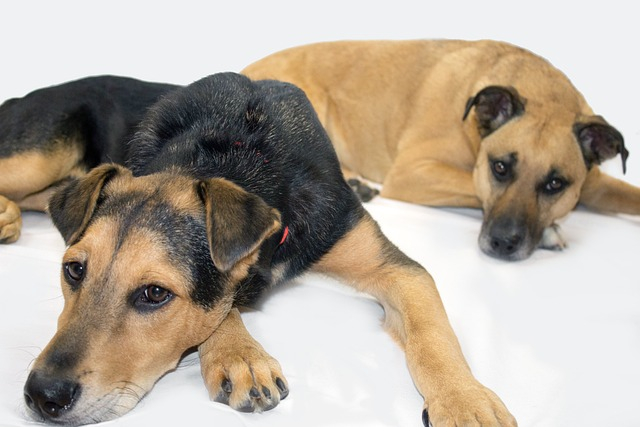
Moving beyond the robust physicality of the Black Mouth Cur, it is essential to explore the breed’s temperament and behavioral characteristics, which are as integral to its identity as its muscular build and distinctive muzzle. Known for their loyalty and intelligence, Black Mouth Curs are versatile dogs, adapting to various roles with relative ease, whether in a family setting or in more demanding working environments.
General Temperament: The temperament of the Black Mouth Cur is marked by its resilience and perseverance. These dogs are generally known for their courage and protective instincts, making them excellent guard dogs. However, they are also incredibly affectionate and loyal to their families, forming strong bonds with their owners. This duality in their nature makes them both fierce protectors and loving companions.
Their intelligence is notable, with a keen ability to quickly learn and respond to commands, which makes them highly trainable. However, their strong will and independent nature can pose challenges, particularly if training is not consistent and authoritative. Thus, the Black Mouth Cur requires a firm, patient hand that can guide without being overly harsh.
Interaction with Families, Children, and Other Pets: In family environments, the Black Mouth Cur demonstrates a gentle and protective demeanor, especially around children. They are patient and often tolerant of the playful antics of kids, making them excellent family pets. However, due to their protective nature, it’s crucial for them to undergo proper socialization from a young age to ensure they can distinguish between normal interactions and actual threats. Taking them to a dog park can be an effective way to socialize Black Mouth Curs with other pets, teaching them how to interact appropriately with other dogs and animals.
The breed’s interaction with other pets can vary. If raised together from puppyhood, Black Mouth Curs can coexist peacefully with other household pets, including cats. However, their strong prey drive can be triggered by smaller animals, which can be mitigated with early and consistent training. Proper socialization teaches them to be more accommodating and less aggressive towards other animals.
Behavioral Traits in Working and Hunting Environments: Black Mouth Curs are historically working dogs, originally bred for hunting and herding. In these environments, their natural traits are maximally utilized. Their stamina, speed, and agility make them exceptional hunting companions, capable of tracking and treeing wild game such as squirrels and raccoons, and larger prey like wild boar.
The breed’s hunting behavior is characterized by a mix of tenacity and intelligence. They are strategic hunters, often using their environment to their advantage, and they can follow commands silently, which is crucial during hunts. Their resilience allows them to work in various climates and terrains, from the dense forests to open fields.
In herding scenarios, their protective instinct combines with their herding nature, making them effective in managing livestock. They are capable of making independent decisions when necessary, which is a valued trait in chaotic farm environments. Their assertiveness helps in guiding stubborn livestock, but this same trait requires the handler to establish a clear command hierarchy.
Overall, the Black Mouth Cur’s behavior and temperament are closely aligned with its historical roles as both a working breed and a companion animal. Their adaptability, combined with the ability to form deep bonds with their owners, makes them uniquely suited to a variety of roles, from active hunting partners to beloved family guardians. This adaptability will be further examined in terms of specific training requirements and care in the following sections.
Training and Care
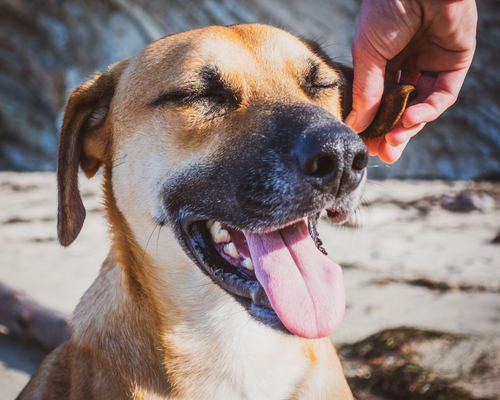
The Black Mouth Cur is a breed that requires dedicated training and care to ensure that they are both happy and healthy in their roles as companions, hunters, or farm dogs. Given their intelligence and high energy levels, training and exercise are not just recommended but necessary.
Training Requirements:
Training a Black Mouth Cur should begin early, as puppies are typically easier to mold and educate before they develop a more independent character. Obedience training is essential, starting with basic commands like sit, stay, come, and heel. These foundational commands not only teach discipline but also enhance the safety of the dog in various situations. Since Black Mouth Curs are known for their strong will and sometimes stubborn nature, consistent, and firm training is crucial. Positive reinforcement techniques, such as using treats and praises, are highly effective with this breed.
Advanced training is also beneficial, particularly for those Curs used in hunting or farm work. Skills such as tracking, fetching, and agility can be introduced once the basic obedience training is solidified. Training should also include exposure to different environments and situations to improve their adaptability and ensure that they are well-rounded.
Read More: Dog Training 101
Exercise Needs:
The exercise needs of a Black Mouth Cur are not for the faint-hearted. This breed is incredibly energetic and requires ample physical activity to remain healthy and content. Ideally, they should have at least one to two hours of vigorous exercise per day. This can be in the form of long walks, jogs, hikes, or playtime in a securely fenced area. Interactive games like fetch, frisbee, and tug-of-war can also help burn off some of their boundless energy.
For Black Mouth Curs involved in hunting or farm work, their daily activities may naturally include more intensive exercise. However, for those kept primarily as family pets, it’s essential to maintain a regular exercise schedule to prevent behavioral issues that stem from boredom and excess energy.
Grooming and Health Care Tips:
Despite their short coat, Black Mouth Curs do shed, particularly during the change of seasons. Regular brushing, about once a week, is usually sufficient to remove loose hair and keep the coat healthy. During periods of heavier shedding, more frequent brushing may be necessary. Bathing should be done occasionally, or as needed, depending on the dog’s lifestyle and activity levels.
Ear care is essential, as their floppy ears can be prone to infections. Regular checks and cleaning with a recommended canine ear solution can help prevent problems. Nail trimming should also be part of the routine care, along with regular dental cleanings to promote oral health.
Health care for a Black Mouth Cur involves regular veterinary checkups to ensure vaccinations are up to date and to manage any potential health issues. A balanced diet suited to their age, size, and activity level is crucial. High-quality dog food that provides adequate protein and energy is ideal, especially for those dogs that are highly active. Additionally, since Black Mouth Curs are prone to joint issues like hip dysplasia, incorporating a diet with joint-supporting nutrients can be beneficial.
This specific training, exercise, and care routine helps in maintaining the physical and mental health of a Black Mouth Cur, ensuring they lead a fulfilled and productive life whether at home or in the field.
Common Health Issues

The Black Mouth Cur, a robust and hardy breed, is nonetheless prone to several health issues that potential owners should be aware of. Understanding these health concerns, along with appropriate preventive measures and signs of illness, can help in maintaining the breed’s health and prolonging its life.
Joint Issues: One of the most common health problems in Black Mouth Curs are joint-related conditions like hip dysplasia and elbow dysplasia. These genetic conditions, where the joint does not form correctly, can lead to arthritis or lameness if not addressed. Preventative measures include ensuring that breeders screen for these conditions and only breed dogs without joint issues. Owners can help prevent the severity of these conditions by maintaining the dog’s proper weight, providing a balanced diet with appropriate nutrients, and regular, moderate exercise that doesn’t over-strain the joints.
Eye Problems: Black Mouth Curs can also be susceptible to eye issues such as cataracts and progressive retinal atrophy (PRA). Cataracts can lead to decreased vision and blindness if severe and untreated, while PRA is a genetic condition that gradually deteriorates the retina, potentially leading to blindness. Regular check-ups with a veterinarian can help catch these issues early. Preventative measures include genetic testing by breeders and providing antioxidants in the diet, which can help support eye health.
Ear Infections: Due to their floppy ears, Black Mouth Curs are prone to ear infections, which can become quite severe if moisture and debris accumulate in the ear canal. Preventative care involves regular ear cleaning and keeping the ears dry, especially after swimming or bathing. Signs of an ear infection include scratching at the ears, head shaking, and a bad odor coming from the ears.
Skin Conditions: Allergic dermatitis and mange are not uncommon in this breed. These skin issues can cause irritation, scratching, and in severe cases, hair loss. Allergic dermatitis can be managed by identifying and avoiding allergens, whether they are dietary or environmental. Mange requires medical treatment from a veterinarian. Maintaining good skin health can also be supported by a diet rich in omega-3 fatty acids, which help nourish the skin and coat.
Thyroid Issues: Hypothyroidism is another condition to watch for in Black Mouth Curs. This thyroid gland disorder can lead to symptoms such as lethargy, weight gain, and coat issues. A simple blood test can diagnose this condition, and it can typically be managed well with medication. Regular veterinary screening can help catch this issue before it becomes problematic.
Heart Conditions: Like many breeds, Black Mouth Curs can suffer from heart conditions such as murmurs or heart disease. Regular veterinary care can help detect these conditions early. Symptoms of heart issues can include coughing, lethargy, and reduced exercise tolerance. Preventative measures include maintaining a healthy lifestyle with appropriate exercise and a nutritious diet.
In addition to these specific health issues, Black Mouth Curs should receive regular vaccinations and routine check-ups to maintain overall health. Parasite control for fleas, ticks, and heartworms is essential, as these pests can cause severe health problems themselves. A balanced diet, regular exercise, and mental stimulation remain crucial to keeping a Black Mouth Cur healthy and happy.
Breeding and Puppy Care

Breeding Black Mouth Curs is a responsibility that requires a deep understanding of the breed’s needs, genetics, and potential health issues. Prospective breeders should be well-prepared for the challenges and rewards that come with breeding any dog breed, particularly one as robust and spirited as the Black Mouth Cur.
Ethical Breeding Practices: One of the first considerations is to adhere to ethical breeding practices. This involves ensuring that the dogs and puppies are treated with respect and care, and that breeding is conducted in a manner that prioritizes the health, temperament, and well-being of both the puppies and the mother. Breeders should strive to enhance the breed through careful selection of the parent dogs, which includes considering their genetic makeup, health history, and temperament.
Genetic Screening: Before breeding, both the male and female dogs should undergo comprehensive genetic screening to check for hereditary conditions common in Black Mouth Curs, such as hip dysplasia, elbow dysplasia, and certain eye conditions. This helps reduce the probability of these issues being passed on to the puppies.
Breed Standards and Temperament: Breeding should aim to adhere to the breed standards set by kennel clubs or breed organizations. Understanding these standards is crucial not only for maintaining the physical traits of the Black Mouth Curs but also for ensuring that they possess the temperament traits that make them excellent working dogs and companions.
Health and Veterinary Care: The health of the breeding female should be monitored closely before, during, and after pregnancy by a qualified veterinarian. Nutritional needs change throughout these stages, and appropriate care can ensure the health of both the mother and her puppies. Postnatal care includes regular health checks and initiating vaccinations and deworming based on veterinary recommendations.
For those considering adding a Black Mouth Cur to their family, it’s worth noting that Black Mouth Cur mix dogs are readily available for adoption. These dogs, celebrated for their long lineage in the United States, can often be found through rescue groups dedicated to the breed, offering a wonderful opportunity to provide a home to a dog in need.
Tips for First-Time Owners

Owning a Black Mouth Cur, especially for first-time dog owners, can be a challenging yet rewarding experience. Here are some tips to help new owners:
Educate Yourself: Understand the breed’s characteristics, including their energy level, health issues, and training needs. Knowing what to expect can prepare you for a successful integration of a Black Mouth Cur into your family.
Professional Training: Consider enrolling your Black Mouth Cur in a puppy training class. This not only helps in training your dog in obedience but also in socializing with other dogs.
Exercise: Black Mouth Curs are energetic and require regular exercise to maintain their physical and mental health. Ensure you have the time and commitment to provide daily exercise that matches your dog’s energy level.
Health Care: Establish a relationship with a good veterinarian and keep up with regular checkups and vaccinations. Be proactive in monitoring for signs of any health issues specific to the breed.
By keeping these aspects in mind, breeders and first-time owners can contribute positively to the welfare and preservation of the Black Mouth Cur breed, ensuring these dogs lead healthy, happy lives.
Dog Breeds Similar to Black Mouth Cur
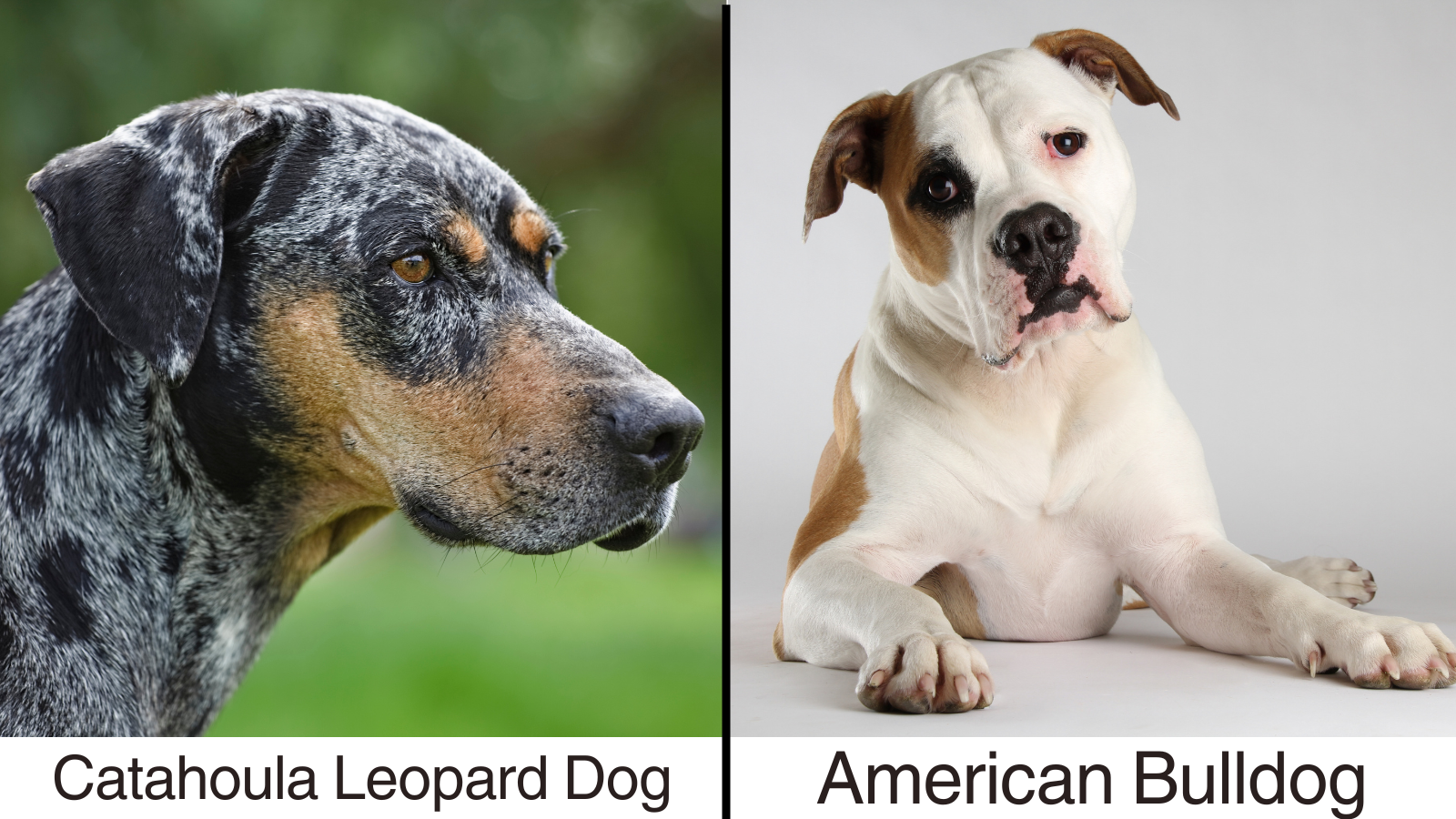
American Bulldog vs. Black Mouth Cur
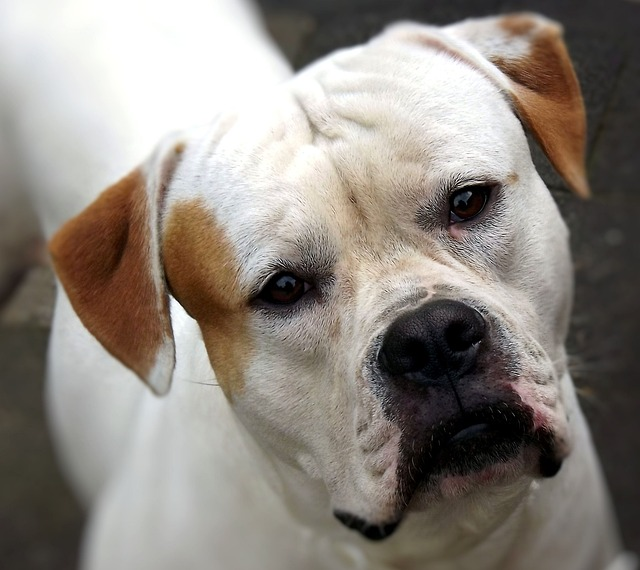
The American Bulldog, like the Black Mouth Cur, is a sturdy and strong breed often associated with farming and hunting tasks. Both breeds share a history of being excellent working dogs and possess high energy levels, necessitating regular and rigorous exercise. However, there are distinct differences that might sway a potential owner to choose a Black Mouth Cur.
Size and Strength: The American Bulldog typically exhibits a more muscular build and may be larger than the Black Mouth Cur. For owners looking for a similarly resilient but slightly less bulky dog, the Black Mouth Cur presents an appealing alternative.
Temperament: While both breeds are known for their loyalty, Black Mouth Curs tend to be less aggressive and more even-tempered than American Bulldogs. This makes them more adaptable to various households, including those with small children.
Trainability: Black Mouth Curs are renowned for their trainability. They often excel in obedience faster than American Bulldogs, which can sometimes show a more stubborn streak. This ease of training makes Black Mouth Curs particularly suitable for first-time dog owners or those who wish for a working dog that can quickly adapt to diverse tasks.
Catahoula Leopard Dog vs. Black Mouth Cur
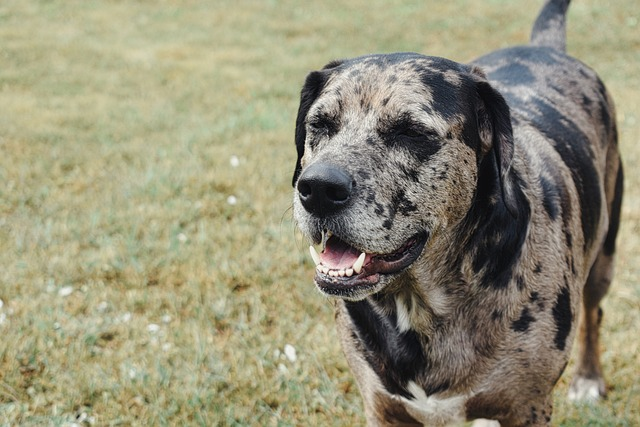
The Catahoula Leopard Dog, another breed valued for its working abilities, shares many traits with the Black Mouth Cur, including a strong work ethic and protective nature. Despite their similarities, several aspects set the Black Mouth Cur apart.
Physical Endurance: Both breeds are durable, but the Black Mouth Cur dog breed often has a slight edge in endurance. This trait is particularly important in roles involving long periods of activity such as hunting or fieldwork, making them a favored choice for these demanding environments.
Social Temperament: Black Mouth Curs are generally more sociable with other pets and dogs compared to Catahoula Leopard Dogs, which can be more territorial and independent. For families with multiple pets or those who frequent dog parks, a Black Mouth Cur might integrate more seamlessly.
Versatility: While Catahoula Leopard Dogs are excellent hunters and herders, Black Mouth Curs often exhibit a broader versatility, excelling in roles ranging from guarding to companionship. This versatility makes them exceptionally suited to various roles without the need for specialized breeding for each function.
Conclusion
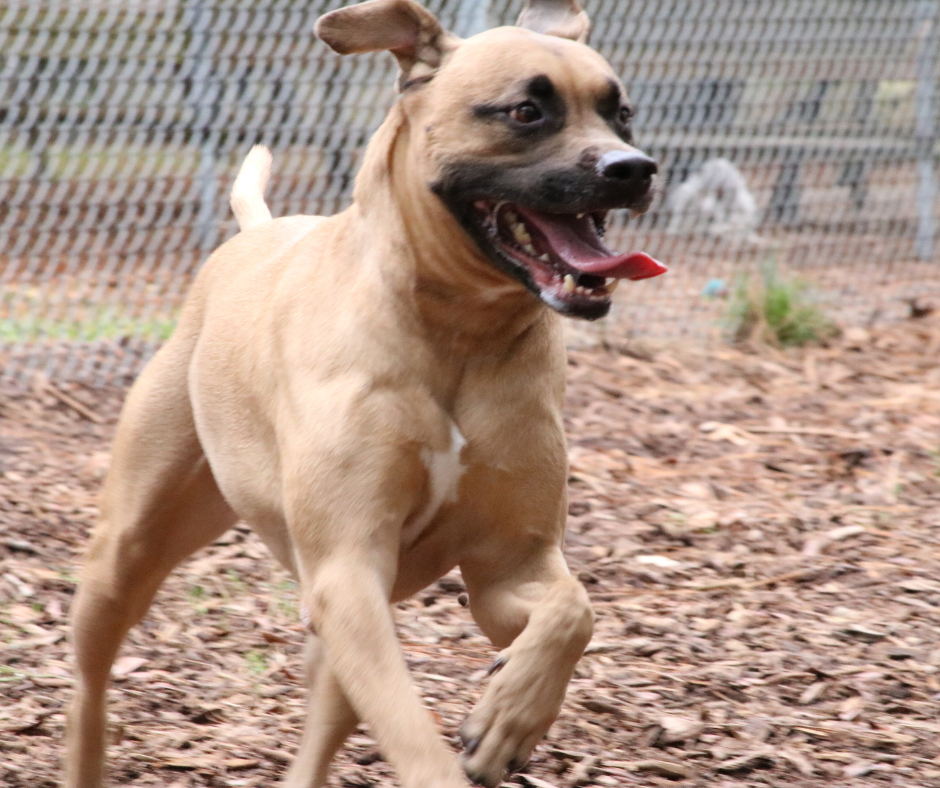
The Versatile Black Mouth Cur
The Black Mouth Cur is a breed defined by its impressive versatility and adaptability, combining resilience, intelligence, and loyalty. These qualities make it highly suitable for active working roles as well as comforting companionship in home settings. Known for their boundless energy and strong work ethic, Black Mouth Curs excel in roles such as hunting, farming, and as vigilant, affectionate family pets.
Family Integration In family environments, Black Mouth Curs are protective yet gentle, known for their rugged spirit and constant alertness. Their energetic nature makes them perfect companions for outdoor activities, allowing them to bond deeply with family members through shared experiences and adventures. Their instinctive protective nature makes them invaluable in households.
Professional Competence In work settings, Black Mouth Curs are reliable and competent. They serve not only as pets but as working partners, capable of managing livestock, assisting in hunting, and participating in search and rescue missions. Their ability to adapt to different climates and terrains, along with a durable build, allows them to perform essential tasks in both rural and wilderness areas.
Key Contributions Black Mouth Curs stand out for their combination of strength, tenacity, intelligence, and affection. They offer more than just companionship; they are committed allies that enhance the lives of their owners in numerous ways, contributing significantly both at work and at home. The breed exemplifies the enduring bond between dogs and humans, highlighting their vital role in enhancing and actively participating in human life.
- Group AKC AKC Not Recognized
- Origin United States
- Size Medium, Large
- Weight 45 to 95 pounds
- Colors Black, Brindle, Brown, Fawn, Red, Yellow
- Other Names Southern Cur, Yellow Black Mouth, East Texas Cur, American Black Mouth Cur
- Temperament Active, Fearless, Kind, Loyal, Protective, Trainable
Breed Characteristics

Group members