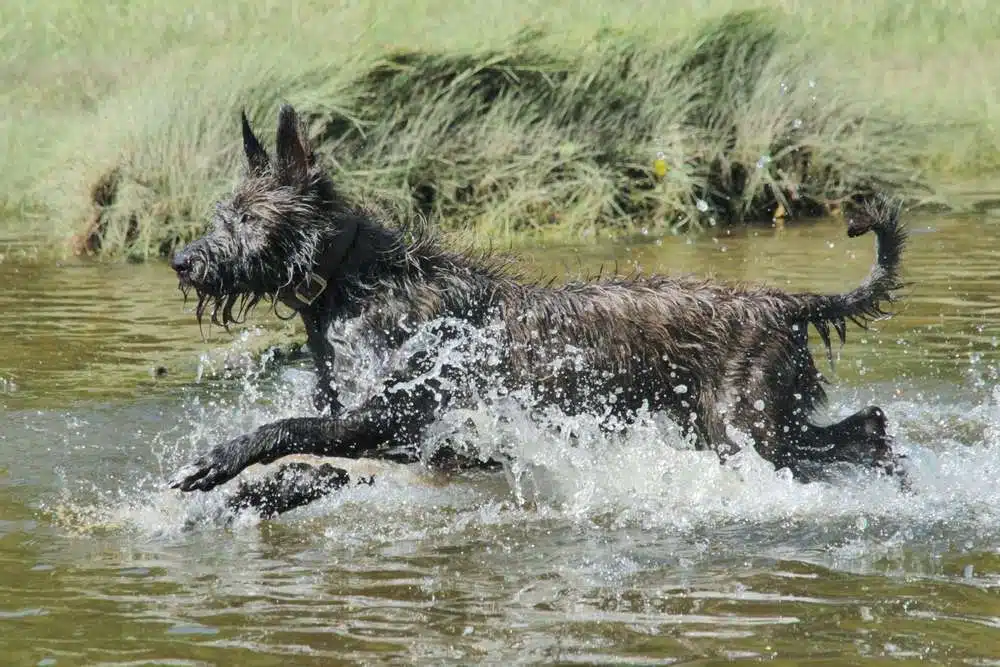
Berger Picard
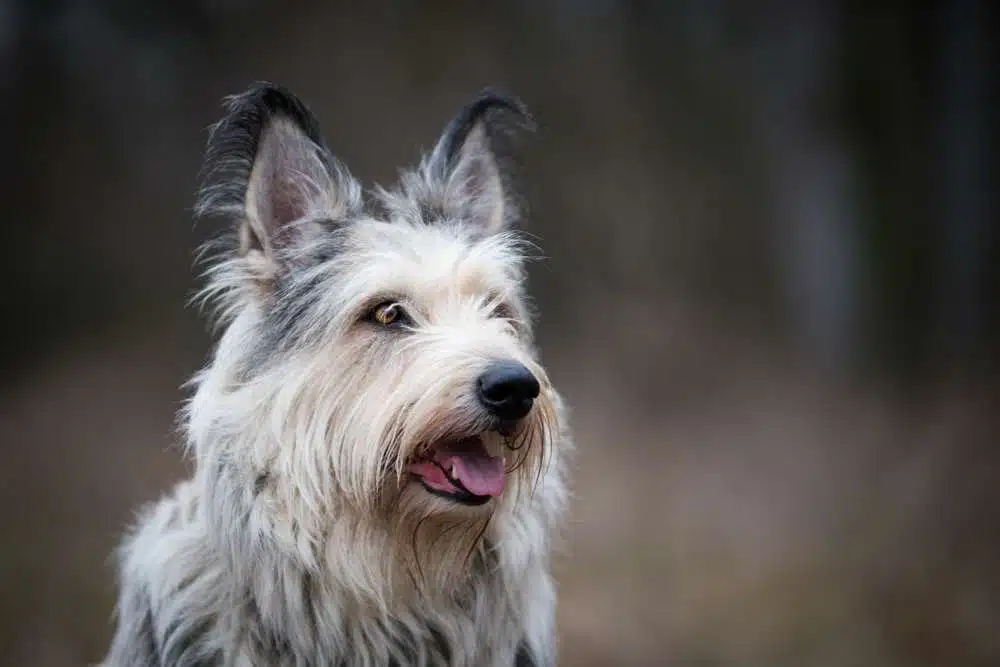
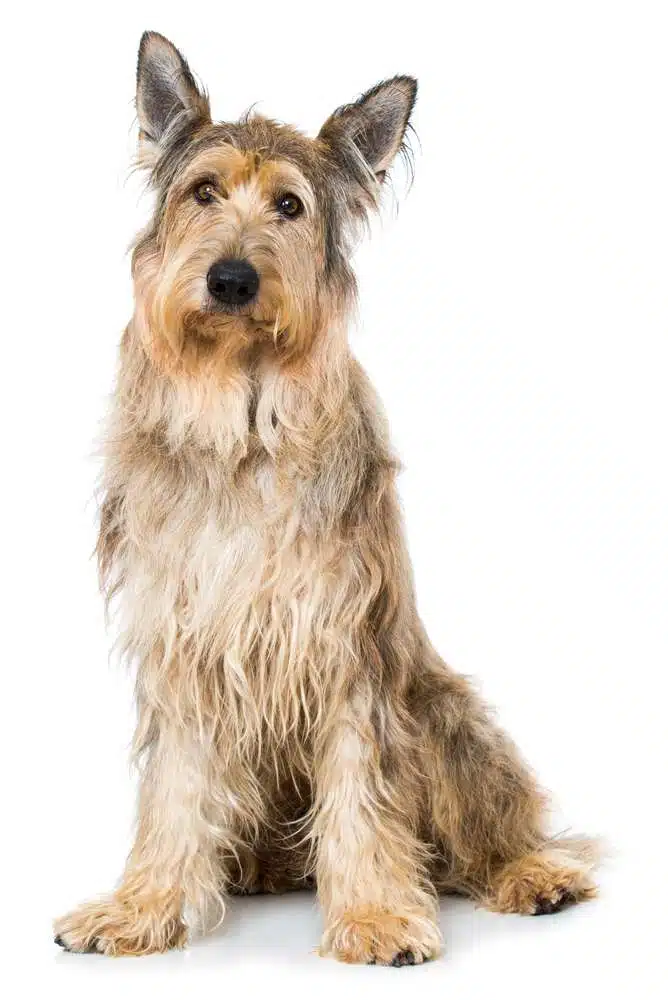
The Berger Picard is a medium-sized dog that is slightly longer than it is tall. It has a well-muscled body and a distinctive rough coat. Its erect ears and natural tail are its most notable features. The Berger Picard has a lively, intelligent personality and responds quickly to obedience training.
Generally, Picards are easy-going and relaxed, but they can be stubborn at times and may not warm up to strangers right away. They need plenty of socialization in the first two years of life. Picards are energetic workers with a keen sense of alertness – although they don’t typically bark excessively. Some may be picky eaters, so it could take some trial and error to find the right diet for your dog.
Because the breed has a well-developed sense of humor, they make endearing companions. They also continue to be used very effectively as both sheep and cattle herders in their native land (the Picardie region of France) and elsewhere. However, like many herding breeds, Picards require human companionship–and lots of it. Because they can be expressive of their feelings to their owners and may become too friendly with other animals, formal obedience training along with socialization from a young age is necessary. If you want an animal that is physically able to work all day long and will be enthusiastic about it as long as there is verbal praise involved, then this breed is ideal for you.
The Picard is known to be amusing, intelligent, and physically fit by those who live with him. If you get the okay from your vet, he may be the perfect dog for you if you’re looking for a jogging or hiking buddy- or even someone to join you on bike rides. Many of them adore swimming and would rather stay in the water than come out of it. At bare minimum, this breed needs several lengthy walks each day; however, they do have an “off switch” where they can lay calmly indoors after being active outdoors.
Although he excels at herding, you might also find him competing in agility, obedience and rally. Boredom often leads to destructive behaviors for this dog breed. If you are an active family with a strong sense of humor, he would be the perfect match for you.

Berger Picard Dog Breed Guide: Traits, Care, And History

Many people researching the Berger Picard find mixed facts online and want a clear answer on what this breed is really like. The Berger Picard is a rare French herding dog that the American Kennel Club recognized in 2015, known for erect ears, a wiry weatherproof coat, and strong herding instincts. Prospective owners, dog enthusiasts, and anyone comparing this breed for family life, farm work, or active companionship usually want to know the same things: energy needs, trainability, and health.
This guide walks through the Berger Picard’s traits, history, physical characteristics, temperament, daily exercise and mental stimulation, grooming, nutrition, training with positive reinforcement, common health concerns like Progressive Retinal Atrophy and hip dysplasia, where to find the breed, and how it compares with similar dogs. Knowing those basics up front helps you decide whether a Berger Picard fits your lifestyle and what proper care will require.
It also points to the Berger Picard Club of America, dog sports, puzzle toys, and how to find a reputable breeder. Read on.
Key Takeaways

- The Berger Picard is a French herding dog from Picardy, first shown in 1863, recognized by the AKC in 2015, nearly lost after WWI and WWII.
- Adults stand 21–26 inches, weigh 50–70 pounds, have erect 4–5 inch ears and a weatherproof double coat in fawn or brindle.
- Lifespan averages 12–13 years; watch for hip dysplasia, progressive retinal atrophy, dilated cardiomyopathy, and hypothyroidism with appropriate screening.
- Give about 60 minutes daily exercise, daily mental work, short reward-based training sessions, and early socialization to curb stubbornness and high prey drive.
- Use responsible breeders, the AKC Marketplace, or AKC Rescue; expect $2,000–$3,000 for puppies and join the Berger Picard Club of America.
History and Origin

Ancient Roots in Northern France
The Berger Picard is one of France’s oldest herding breeds, with ancestors that lived in the Picardy region of northern France as far back as the Middle Ages. It has also been depicted in medieval tapestries and woodcuts for centuries. Many historians believe that Central European Celts brought hardy herding dogs into the region around 800 A.D., where they gradually adapted to the rugged farmland and harsh climate of northern France. Over time, these dogs shared common ancestry with other French herding breeds, including the Briard and Beauceron, and are considered part of the traditional line of French herding dogs, though each eventually developed into a distinct breed with its own appearance and working style.
A Shepherd’s Loyal Working Partner
True to its name, the Berger Picard—pronounced bare zhay pee carr—means “Shepherd of Picardy.” For generations, these intelligent and resilient dogs worked alongside French shepherds, herding sheep, guarding livestock, and protecting farms from predators and intruders. Their athletic build, keen intelligence, and independent nature made them exceptionally versatile working dogs, capable of handling long days in the fields while remaining devoted companions to their handlers. A true Picardy shepherd, the Berger Picard has retained its strong working instincts through centuries of change.
Recognition and Near Extinction
The Berger Picard first appeared at a French dog show in 1863, although it was not officially recognized as a distinct breed in France until 1925. Unfortunately, both World War I and World War II devastated the Picardy countryside, where much of the breed’s population lived. Countless dogs were lost during the conflicts, leaving the Berger Picard on the brink of extinction. Thanks to the dedication of French breeders, small breeding programs gradually rebuilt the population and preserved this historic shepherd for future generations.
Arrival in North America
For many years, efforts to establish the Berger Picard in the United States met with limited success due to the breed’s rarity. Modern communication changed that. The rise of the internet allowed American enthusiasts to connect directly with European breeders, making it much easier to import quality breeding stock and expand the population. As interest grew, the Berger Picard entered the AKC Foundation Stock Service in 2007, paving the way toward broader recognition in the United States.
From French Pastures to the Big Screen
Although still considered a rare breed, the Berger Picard has gained international attention beyond the herding field. The breed appeared in several popular films, including Because of Winn-Dixie, Daniel and the Superdogs, and Are We Done Yet?, introducing audiences to its distinctive shaggy coat, expressive ears, and charming personality. Today, the Berger Picard remains a treasured working dog and family companion, celebrated for preserving the intelligence, endurance, and unwavering spirit that have defined the shepherds of Picardy for centuries.
A true Picardy shepherd, the Berger Picard kept its working heart through centuries of change.
Physical Characteristics

The Berger Picard shows a lanky, strong-boned build made for herding. Rectangular head sports shaggy eyebrows, a beard, and a mustache. Erect, distinctive ears measure about 4 to 5 inches and give a prick, alert look.
Dark eyes add a lively, observant expression. A strong J-hook shaped tail helps with balance. Breed name appears as Berger Picard, pronounced bare zhay pee.
This French dog sits in the herding group with many European dog breeds. They stand tall and show a medium sized frame built for work. Coat forms a double coat, with a soft undercoat and a harsh, wiry outer layer that repels dirt and rarely mats.
Recognized colors include fawn in several shades and brindle, with dark fawn most common and large white patches limited. Puppy brindle patterns often shift as they mature, and breeders watch four stages of coat development.
Movement shows stamina, drive, and athleticism for herding sheep, agility, and long walks. Muscular, long legs give an efficient, purposeful gait and reflect independent problem solving in the field.
Body and Structure
Lanky herding dogs show strong bones and a sturdy build. Males reach up to 26 inches at the shoulder; females can be as small as 21 inches. Adults weigh between 50 and 70 pounds. They have long legs and muscular bodies built for physical work.
They share work traits with italian herding breeds and other dogs that guard livestock.
A double coat gives a soft undercoat and a shaggy, wiry outer coat that resists heavy matting. Erect, prick ears measure four to five inches and add alertness. A rectangular head displays shaggy eyebrows, a beard, and a mustache.
Kennel clubs have officially recognized the distinct breed among many European breeds. Reputable breeders in native France keep the type and aim for a healthy breed.
Face and Expression

The Berger Picard has dark glistening eyes that sharpen its expressive face. Its rectangular head shows shaggy eyebrows, a beard, and a mustache, and erect ears measuring 4 to 5 inches sit with a slightly rounded tip.
A strong tail adds clear mood signals, while the wiry, shaggy coat frames the face and may shed loose fur seasonally.
Owners learn facial cues by watching body language and using a photo device or training clicker to record reactions. The breed’s intelligent personality and guarding livestock roots link to berger picard history and other french sheepdogs, and a stubborn streak needs consistent training and early socialization from a young age, with responsible breeding practices helping limit bad habits near places like Winn Dixie.
Coat and Color

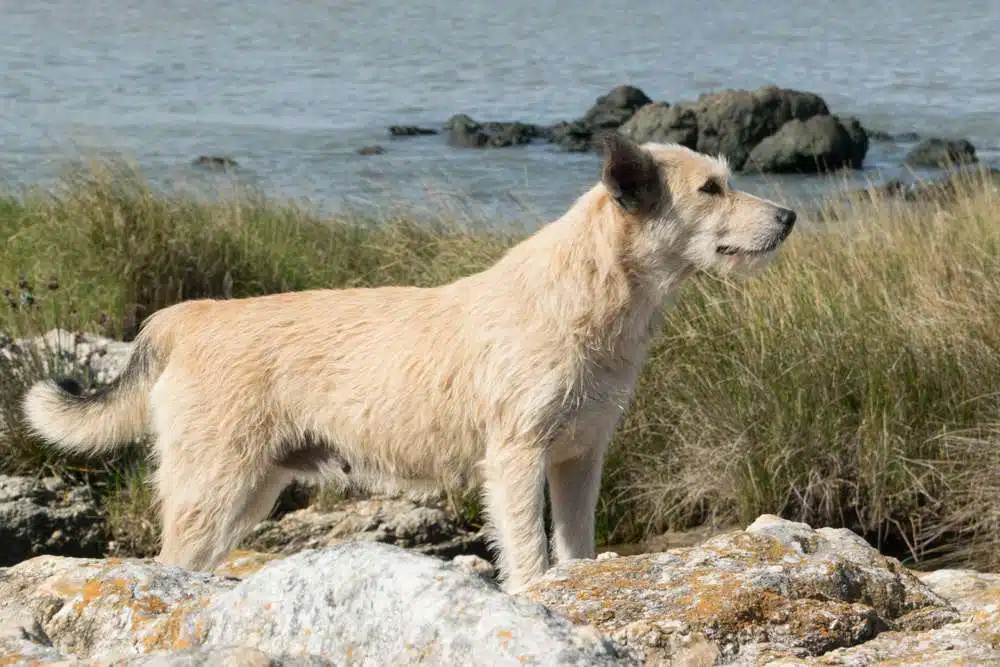
Originating in the region of France, the breed sports a wavy coat in fawn or brindle. The coat has a double layer, with a soft undercoat and a shaggy, wiry topcoat.
Expect seasonal shedding and brush daily during those heavy-shed periods. Brush once a month at other times. Owners find the coat low-maintenance and weatherproof, and it repels dirt.
Use a bristle brush and a steel comb to remove loose hair and prevent mats.
Movement and Gait

Berger Picards move with an agile and enduring gait from their herding past. Their gait looks strong and purposeful and reflects their athletic build and herding capabilities. Owners must give daily exercise like long walks and fetch to prevent destructive behaviors.
High prey drive makes them chase fast-moving animals, so supervise outdoor exercise and keep a leash near other pets. Early socialization and positive training boost confidence and help them adapt their movement to new settings.
Watch for health problems like elbow dysplasia that can alter stride, and use gait analysis, an activity monitor, a treadmill, or an obstacle course to spot changes. Breeders showed this versatile breed with its wiry coat at the first french dog show before the world wars.
Many lines sit in the same class as other rustic herders. With training and tasks they can be great companions, so do thorough research before you adopt one.
Temperament and Behavior

This breed shows independence and deep affection. People describe them as playful, protective, adaptable, and trainable. Owners find them intelligent, willful, sensitive, and even-tempered.
Many act as one-person dogs, yet they get along with all ages. They stay lively, alert, observant, and confident.
Adjustment to strangers takes time. A high prey drive makes them a poor fit for homes with small pets. Boredom or loneliness can cause destructive behavior, so plan daily exercise and steady companionship.
Early socialization during the first 16 weeks shapes proper behavior. They dislike repetitive drills and thrive with short, engaging sessions. Keep training sessions short and engaging; use positive reinforcement, a leash, treats, a training device, toys, and a quiet resting area.
Health Considerations

Berger Picards face some breed-specific health risks. Hip dysplasia, a common orthopedic condition, occurs in the breed. Breeding pairs should get hip radiographs and screening before mating.
Progressive retinal atrophy, or PRA, can lead to night blindness, clumsiness, dilated pupils, and cataracts. Have a veterinary ophthalmologist perform periodic exams and consider genetic testing.
Dilated cardiomyopathy may show as rapid breathing, blue gums, coughing, or fainting. Ask the veterinarian about echocardiogram screening if heart disease appears in the bloodline.
Hypothyroidism can cause weight gain, lethargy, and skin infections, and it responds to lifelong hormone medication. No Berger Picard is hypoallergenic, so allergy-prone families may need another breed.
The breed does not tend to have a high prevalence of health issues compared to some breeds. Most Berger Picards live 12 to 13 years and can enjoy long, healthy lives. Schedule regular veterinary checkups and health screenings, including blood tests and orthopedic evaluations.
Owners might discuss joint supplements for hip dysplasia risk, only under veterinarian advice. Supplements usually remain unnecessary with a complete, balanced diet. Responsible breeders are rare and charge $2,000 to $3,000 for puppies, which can help reduce inherited conditions.
Common Concerns
This list covers common health and behavior concerns for Berger Picard owners. Use it to plan care and avoid surprises.
- Daily activity: These dogs need daily exercise to stay fit and calm. Owners must plan about 60 minutes of varied activity and consider exercise and socialization needs before adoption, since they fit active families.
- Coat care: The breed has a rough double coat that sheds seasonally. Brush daily during shedding seasons with a slicker brush and comb to prevent mats, and book professional grooming when needed.
- Eye health: Progressive Retinal Atrophy, PRA, appears in some lines. Ask your veterinarian about DNA testing and yearly exams with an eye specialist to catch vision loss early.
- Heart screening: Dilated Cardiomyopathy, DCM, can affect the breed. Request cardiac screening, including ECG and echocardiogram, and consult a cardiologist if you see fatigue, fainting, or an abnormal breathing pattern.
- Thyroid checks: Hypothyroidism shows as weight gain, hair thinning, and low energy. Ask the vet for T4 testing and manage confirmed cases with medication and routine follow ups.
- Joint risks: Hip dysplasia can reduce mobility and comfort. Seek hip evaluation with X-rays and scoring, keep your dog lean, and limit high-impact play during skeletal growth.
- Prey drive: They often chase small animals and may not suit homes with cats, rabbits, or rodents. Use secure fencing, keep dogs on leash near wildlife, and avoid unsupervised contact with small pets.
- Training focus: Early socialization and positive training prevent stubbornness and fear. Use reward-based methods, short sessions, a marker device, leash work, and crate training to build reliable behavior.
Lifespan
Berger Picards live about 12 to 13 years on average. The breed is generally healthy, but it faces a few inheritable conditions. Daily exercise boosts fitness and can lengthen their lives.
Common problems include Progressive Retinal Atrophy, Dilated Cardiomyopathy, hypothyroidism, and hip dysplasia. Regular eye exams, cardiac ultrasound, thyroid tests, hip evaluations, and genetic screening help detect risks early.
Training Considerations

They are intelligent, willful, and sensitive. Owners should start training early to prevent bad habits and manage their independent nature. Use rewards-based, positive training that relies on praise and affection.
Offer treats and a training device like a clicker, and keep a leash or treat pouch on hand for practice. Avoid harsh methods or force. Keep sessions short and engaging; this breed dislikes repetitive exercises.
Channel their eagerness to please into tasks that test their mind. Try obedience, skills work, agility courses, and tracking games. Use clicker training, short drills, and varied rewards to keep interest high.
Keep methods consistent across handlers and classes to shape good manners. Enroll in group classes or hire a professional trainer for structure. Expose puppies early to different people, environments, and situations so they grow steady and social.
Expect willful moments and reward effort to build reliable habits.
Exercise and Socialization

Berger Picards need daily exercise and real mental work. Plan at least one long walk each day and add play, training, or dog sports.
- Always exercise outdoors on a leash or inside a securely fenced yard, because Berger Picards have a high prey drive and will chase small animals; never allow unsupervised off-leash time on open land.
- Give a long daily walk and mix in activities like fetch, swimming, hiking, or cycling to meet energy and mental needs; vary intensity to prevent destructive behavior.
- Enroll in agility, flyball, or obedience classes to channel energy, build focus, and reduce problem behaviors; compete or train weekly to meet moderate to high playfulness needs.
- Use puzzle toys, marker devices, scent games, and short drills as tools to raise cognitive load and keep the dog engaged; rotate tasks weekly to sustain interest.
- Start socialization early, before sixteen weeks when possible, with calm dogs, varied people, and supervised outings to prevent timidity and to build steady confidence.
- Adapt to city living by adding frequent short outlets, like indoor fetch, training sessions, and park visits; an apartment works with sufficient activity and structure.
- Supervise off-leash play only in secure fenced areas and keep a leash on trails; add a tracking device and sturdy collar for hikes due to slipping or chasing risk.
- Watch for destructive chewing, digging, or hyperactivity, common signs of unmet exercise or mental needs; increase walks, start new games, or add sport sessions to curb damage fast.
- Train daily with brief, consistent sessions and high-value treats to reward focus; use obedience drills to reinforce impulse control and lessen prey-driven reactions.
Living with a Berger Picard

Active owners and athletic families suit this dog best. They need daily exercise, mental enrichment, and constant companionship. They often bond strongly with one person yet warm to all family members.
City life works if you meet their activity and brain work needs. A secure fence lets them exercise safely, and owners must allow time for socialization and patient training. Budget for regular veterinary care and accept a lifelong responsibility.
Kids often do well with this breed when the dog grows up with them. Supervise young children and teach gentle play to avoid accidental knocks. High prey drive makes small pets unsafe in many homes, so do not mix them without careful planning.
Early structured socialization, training classes, and leash work help dogs accept other animals. Use positive reinforcement, enrichment toys, and consistent routines to shape calm behavior.
Temperament varies by dog, so watch initial introductions and separate animals when needed.
Best Environment
Berger Picards adapt well to farm life and family living, but they need jobs and companionship. They suit active families that provide daily exercise and outdoor activities. City owners can keep them too, if they meet exercise and companionship needs.
Early socialization builds confidence and curbs shy or stubborn behavior. A high prey drive may make them unsuitable for homes with small pets. Use a lead and a kennel for safe travel and rest.
Schedule off-leash area time, agility sessions, and socialization classes to give work and stimulation. A vet or behaviorist can help with training strategies. They thrive on positive reinforcement and do not respond well to repetitive training.
Behavior towards Children
Suitability ranges from “Not Recommended” to “Good with Children” for this breed. Affection and playfulness make many homes lively, and the breed’s high energy boosts kids’ physical activity.
Early socialization, ideally during the first 16 weeks, helps dogs accept children and new settings. Supervise encounters and use positive reinforcement training with a leash or training marker to teach gentle play and clear boundaries.
Behavior towards other Pets

Berger Picards show varied interactions with other pets. Their high prey drive can make them unsafe around small animals like rabbits and guinea pigs. Early socialization proves critical to shape calm behavior.
Owners must use positive reinforcement, clicker training, leash work, and controlled introductions to manage meetings.
Their independent nature responds best to consistent, reward-based training. Provide regular exercise, mental challenges, and steady companionship to prevent boredom and unwanted behaviors.
Puppies introduced to cats and other dogs under supervised sessions often live harmoniously with household animals.
Grooming Needs

This breed has a double coat, a soft undercoat and a shaggy, wiry topcoat. The coat resists matting and repels dirt, which keeps grooming needs low. Brush daily during shedding seasons and brush once a month at other times.
Avoid trimming the coat to keep its natural protective qualities intact. Bathe only when needed and use a crisp-coat shampoo to preserve texture.
Trim nails regularly with proper trimmers as you would for all dogs, including Berger Picards. Clean erect ears as your veterinarian advises, since they are less prone to infection.
Watch eyes for signs of PRA and consult a vet for routine care. Use a soft brush, a comb, nail trimmers, mild shampoo, and an ear solution for basic grooming tasks.
Nutrition and Feeding

High-quality commercial dog food or veterinarian-approved home-prepared meals suit Berger Picards. A veterinary professional should approve any diet plan. Puppies need three meals a day, adults need two, and seniors may need adjusted portions.
Feeding amounts should follow the food label or your vet’s feeding chart. Use a measuring scoop, kitchen scale, calorie calculator, or AAFCO guidelines to set portions.
Limit treats to ten percent of daily caloric intake to prevent obesity. Keep fresh water in a clean bowl at all times. Skip foods with added sugar, flavor enhancers, or gluten grains.
Include balanced vitamins and minerals or a vet-recommended supplement.
Where to find a Berger Picard

Berger Picards remain rare and hard to find, and responsible breeders charge $2,000 to $3,000 for puppies. The AKC Marketplace lists only 100% AKC puppies from registered litters and helps buyers locate litters.
The Berger Picard Club of America became the AKC Parent Club in October 2011, and breeders must follow AKC rules and regulations.
Check the AKC Rescue Network for purebred Berger Picards that need new homes. Use quizzes and breed comparison tools, plus the Breed Archive and breed clubs and forums, to learn about temperament and suitability.
Similar Dog Breeds

These breeds share traits with the Berger Picard, a member of the herding group, and include other French herding dogs such as the Briard and Beauceron as useful comparison points.
| Breed | Similarities to the Berger Picard | Key Differences | Best For |
|---|---|---|---|
| Briard | Rough coat, strong herding instincts, and shared historical roots with the Berger Picard and Beauceron. | Larger, heavier dog with significantly higher grooming requirements. | Owners who can commit to daily brushing, consistent training, and plenty of room for work and activity. |
| Beauceron | French herding breed with a strong work ethic and versatility similar to the Berger Picard. | More protective and guardian-oriented temperament with a short, dense coat. Shares ancestry with Belgian herding breeds such as the Malinois and Tervuren. | Owners looking for a confident, protective working companion. |
| Border Collie | Exceptional herding ability, intelligence, and trainability comparable to the Berger Picard. Related British herding breeds include the Bearded Collie. | Even greater mental stimulation needs and nearly nonstop energy levels. | Highly active owners interested in advanced obedience, agility, herding, or dog sports. |
| Wirehaired Portuguese Podengo Médio | Similar shaggy appearance and medium size, making it one of the breeds most commonly mistaken for the Berger Picard. | Developed as a hunting dog rather than a herding breed, with a stronger prey drive and more independent nature. Requires less coat maintenance. | Owners interested in scent work, hunting sports, or an agile companion with lower grooming demands. |
Conclusion

The Berger Picard blends rugged work drive with family warmth. Readers learn breed history, physical traits, and care needs from this guide. Use simple steps for grooming, training, nutrition, and regular health screening with a veterinarian.
The American Kennel Club and Berger Picard Club of America offer tests, standards, and breeder contacts. Daily exercise activities and dog sports stop boredom and reduce destructive acts.
Ask yourself, will you match this need for energy and steady leadership? Take the next step, meet a Picard, join club events, and give this dog a true job and home.
FAQs

1. What are the main traits of the Berger Picard dog breed?
The Berger Picard is a medium to large herding dog from France. It has a rough coat, upright ears, and an alert, independent temperament. The breed shows high energy, strong herding instinct, and a typical lifespan of about 12 to 14 years.
2. How do I care for a Berger Picard?
Give daily exercise and mental work, about an hour a day. Brush the coat weekly and check for skin and coat issues during grooming. Schedule regular vet checks and keep vaccinations and parasite control up to date.
3. What health issues should I watch for in this dog breed?
Watch for hip dysplasia and progressive retinal atrophy, common concerns in the Berger Picard. Learn signs of illness early and get health screens from a vet. Good breeding and regular care lower many risks.
4. Is the Berger Picard good for families, and how do I train one?
The Berger Picard bonds well with family members and can do well with children when socialized early. Training needs patience and consistent, positive methods because the breed shows independence. Offer firm rules, short training sessions, and early social activities for best results.
References
- https://www.thesprucepets.com/berger-picard-dog-breed-profile-4780490 (2025-06-26)
- https://www.akc.org/expert-advice/dog-breeds/berger-picard-history/ (2024-02-21)
- https://www.akc.org/dog-breeds/berger-picard/
- https://bpclubofamerica.org/picard-coat-colors
- https://www.petmd.com/dog/breeds/berger-picard (2024-11-26)
- https://www.dialavet.com/blog/berger-picard-dog-breed-characteristics-care
- https://www.hundeo.com/en/dog-breeds/berger-picard/
- https://bergerpicard.breedarchive.com/
- https://pmc.ncbi.nlm.nih.gov/articles/PMC12042896/
- Furlyfe Rank See Rank
- Group AKC Herding
- Origin Italy
- Size Medium
- Weight 55 to 70 pounds
- Coat Length Medium
- Coat Type Wiry
- Colors Brindle, Fawn, Gray
- Other Names Berger de Picardie, Picardy Shepherd, Picardy Sheepdog
- Temperament Assertive, Energetic, Intelligent, Lively, Mellow, Stubborn