
Shiba Inu


The Shiba Inu, Japan’s smallest native dog, has been cherished for centuries, originally bred to hunt large game in mountainous regions. By the 1920s, it earned its familiar name and was declared a national treasure in 1936. Known for its sharp instincts and watchdog capabilities, this spirited and energetic dog breed weighs under 25 pounds and captivates with its bright eyes, luxurious coat, and distinctive tail.
Shibas are independent, playful, and often challenging, with a strong prey drive and occasional vocal outbursts, known as the “Shiba scream.” While affectionate and loyal, they may not always get along with small dogs or young children. Proper training and socialization are essential to manage the spirited Shiba Inu temperament.
Active and agile, Shibas thrive on outdoor adventures like hiking and running but require secure fencing as they are skilled escape artists. They are easy to groom thanks to their thick double coat, which comes in red, sesame, black and tan, or white. Careful breeding has minimized health issues, and with a healthy diet and regular exercise, Shibas typically live 12–15 years.
Highly intelligent, Shibas excel in activities like obedience and agility training but require motivation to perform tasks they find worthwhile. They form strong bonds with their families and should not be left alone for long periods, as isolation can lead to destructive behavior. With proper care and attention, the Shiba Inu dog is a remarkable companion that brings endless joy and charm to any home.
Exploring The Fascinating World Of Shiba Inu Dogs

Shiba Inu dogs are unique and charming, but they can be tricky for first-time dog owners. Their strong-willed nature and high energy often surprise people who are not familiar with the breed.
If you’re looking for a loyal yet independent companion, understanding this ancient Japanese breed is key.
The Shiba Inu stands out from other dog breeds due to its hunting instincts and spirited personality. Originally bred in Japan for hunting small animals, this breed has become a favorite worldwide.
Despite their popularity, many still underestimate their care needs.
This blog will guide you through everything you need to know about Shiba Inus—from their history to surprising traits. By the end, you’ll see why these dogs require attention and preparation before becoming part of your family.
Key Takeaways
- Shiba Inus are ancient Japanese dogs, bred for hunting small animals around 300 B.C. Their name means “brushwood dog.”
- They have a lifespan of 12 to 16 years and may face health issues like hip dysplasia, patellar luxation, or allergies.
- These dogs are independent, stubborn, and cat-like but loyal to their families. Early training and socialization are key.
- Shibas shed heavily twice a year and need regular brushing plus daily exercise to stay healthy and happy.
- The unique “Shiba scream” happens when they get excited or upset—a standout trait of the breed!
History and Origin of the Shiba Inu
Ancient Roots in Japan
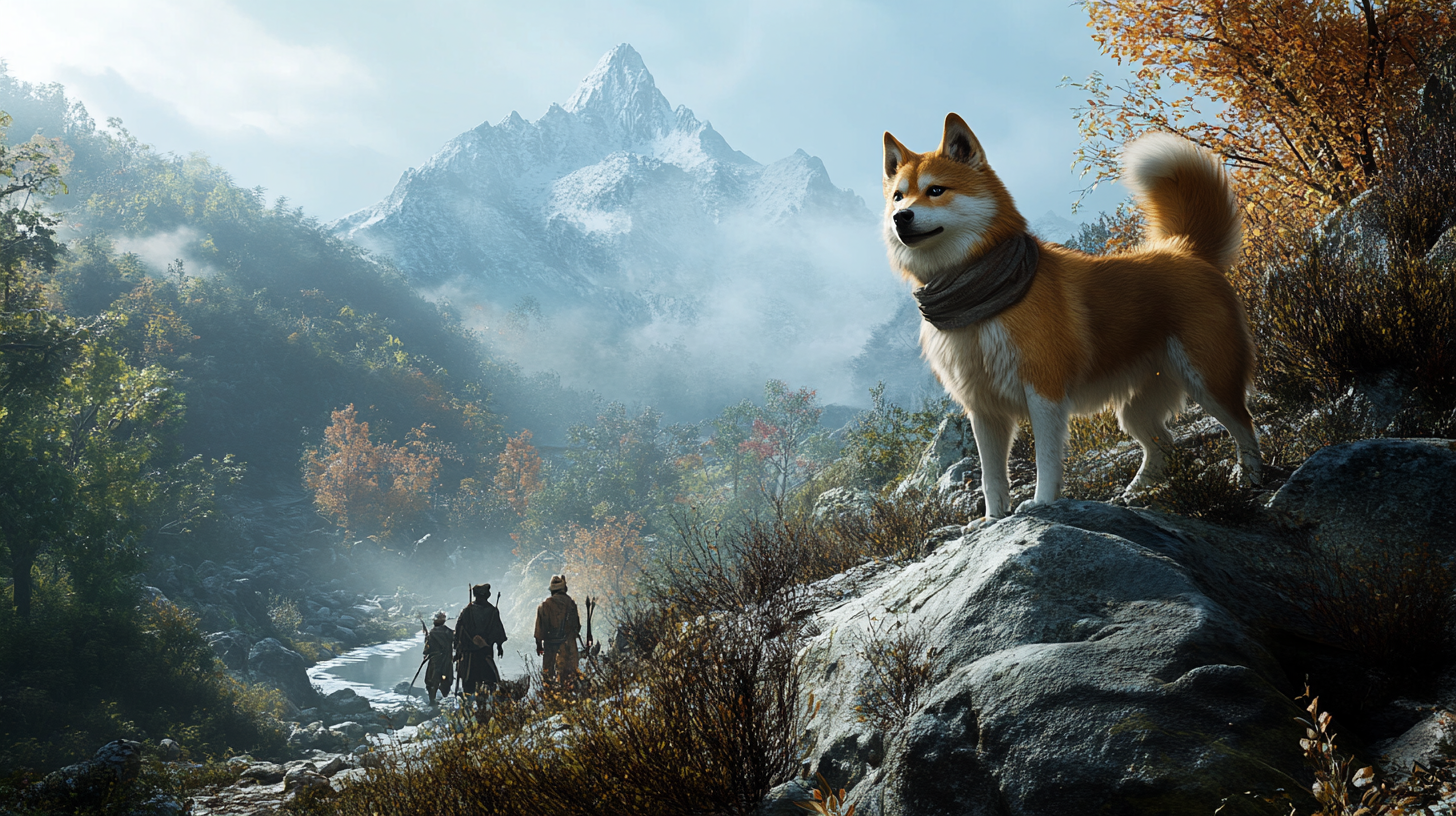
The Shiba Inu is one of Japan’s most ancient dog breeds, with origins dating back to around 300 B.C. These compact and agile dogs were bred for hunting small game, such as birds and rabbits, in the rugged mountainous regions of Japan. Their name, which translates to “brushwood dog,” is believed to refer either to their reddish coat, resembling autumn brushwood leaves, or to the dense undergrowth they navigated while hunting.
Near Extinction During World War II
Despite their deep historical roots, the Shiba Inu nearly disappeared during World War II. The devastation caused by bombings, food shortages, and post-war outbreaks of distemper severely impacted Japan’s native dog breeds, pushing them to the brink of extinction. Dedicated breeders intervened, combining three surviving bloodlines—the Shinshu, Mino, and San’in Shibas—to restore the breed. This careful reconstruction ensured that the modern Shiba Inu retained its historical traits while stabilizing the breed for future generations.
Introduction to the United States
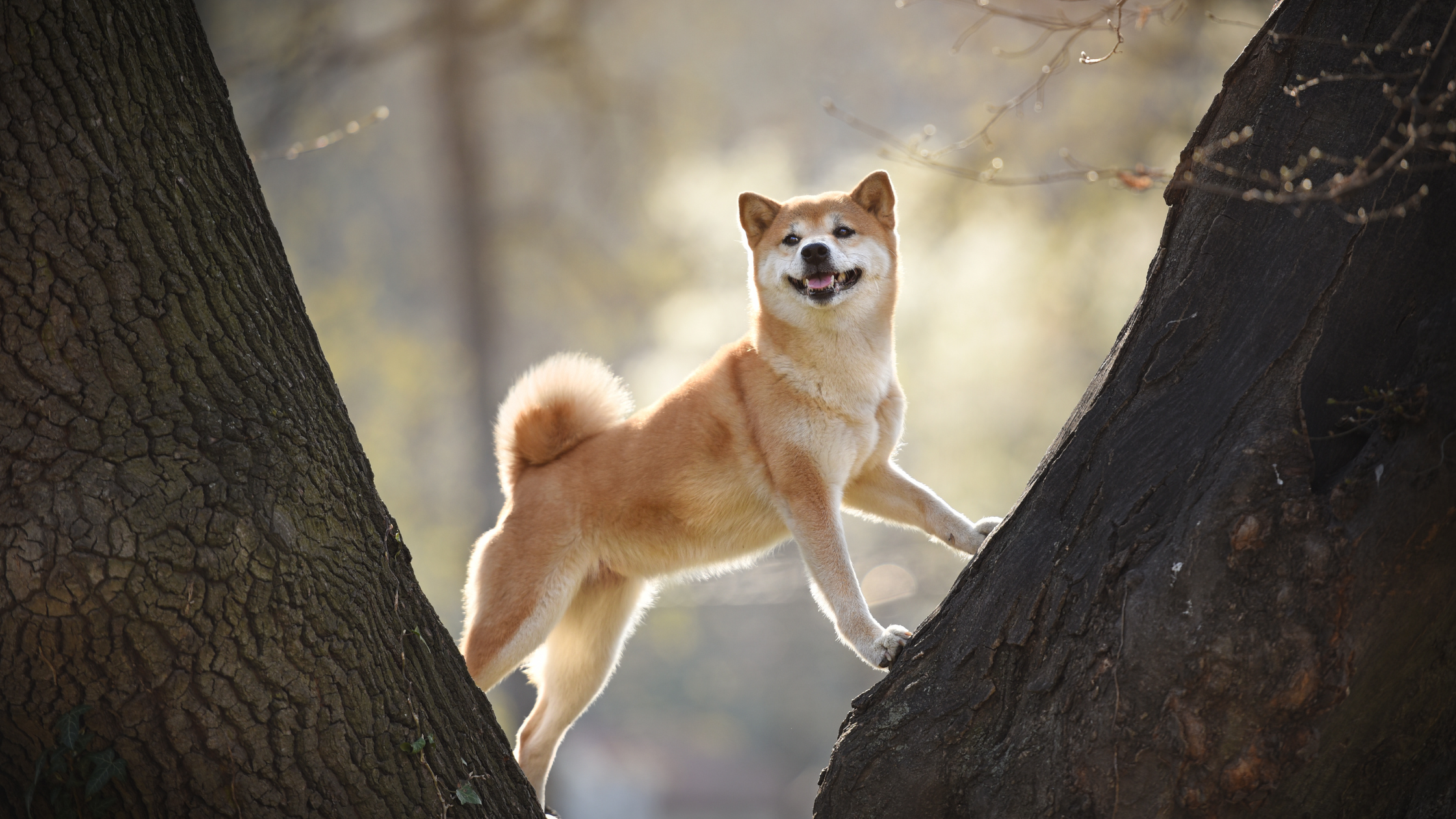
The Shiba Inu remained relatively unknown outside Japan until 1954, when the first documented Shiba Inu puppy was brought to the United States by a military family returning from Japan. Over time, interest in the breed grew, and in the 1970s, more Shibas were imported, leading to the establishment of breeding programs in North America. The breed gained official recognition from the American Kennel Club (AKC) in 1992 and has since become one of the most popular Japanese dog breeds in the U.S.
Today, the Shiba Inu is beloved worldwide for its fox-like appearance, spirited personality, and independent nature, carrying forward a legacy that dates back thousands of years.
Read More: Understanding Purebred Dogs
Physical Characteristics of the Shiba Inu
Size and Build
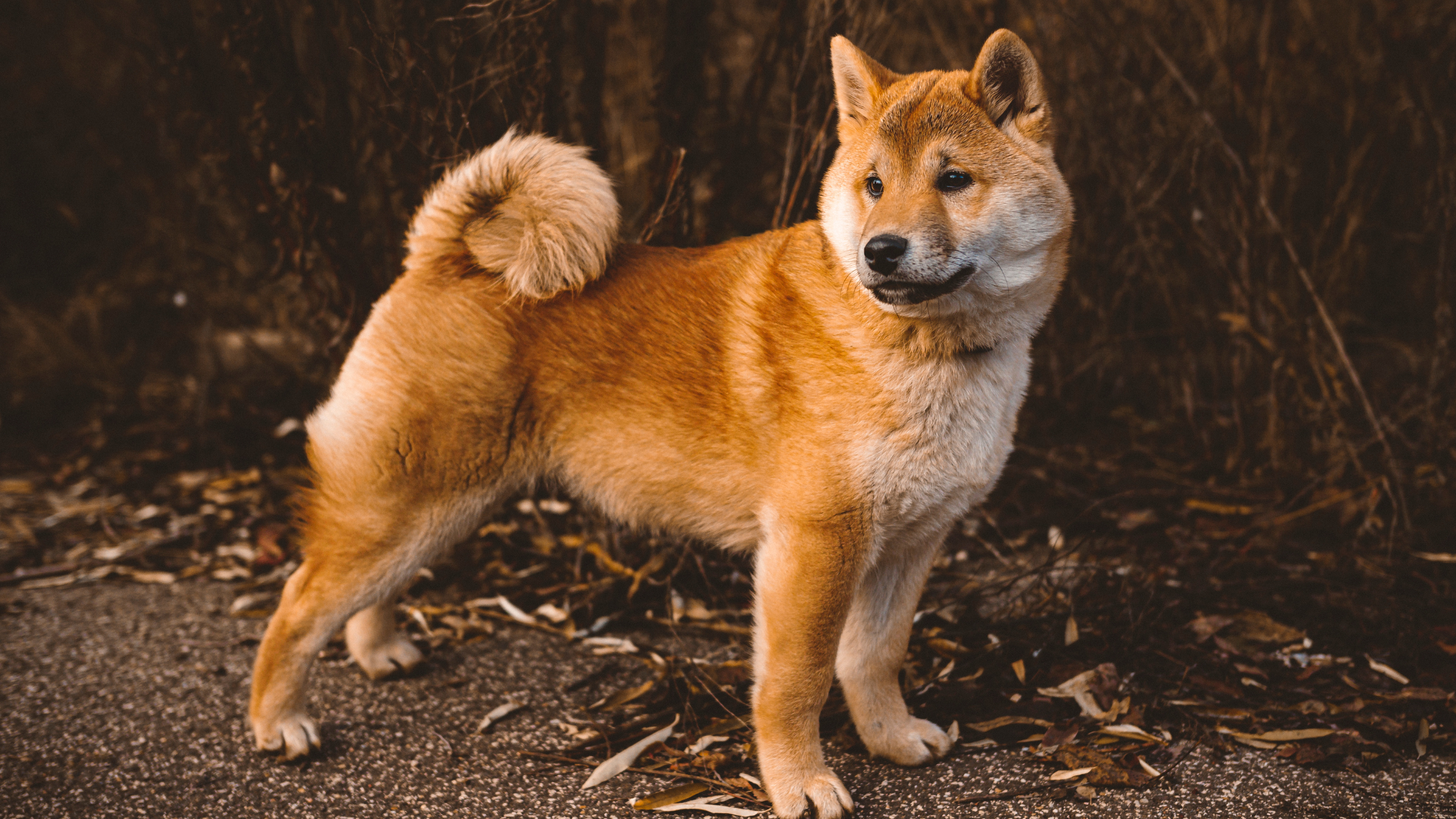
The Shiba Inu is a small-to-medium-sized breed with a compact, well-muscled frame that reflects its hunting origins. Males typically stand between 35 to 43 cm (13.5 to 16.5 inches) tall, while females range from 33 to 41 cm (13 to 15.5 inches). Their weight falls between 17 to 23 pounds, making them a sturdy yet agile breed.
Coat and Colors

Shibas have a thick double coat, which provides excellent insulation against cold weather. Their fur consists of a soft undercoat for warmth and a straight, coarse outer coat for protection. However, this dense coat results in heavy shedding twice a year, requiring regular brushing during shedding seasons to manage loose fur.
Shiba Inu coats come in several recognized colors:
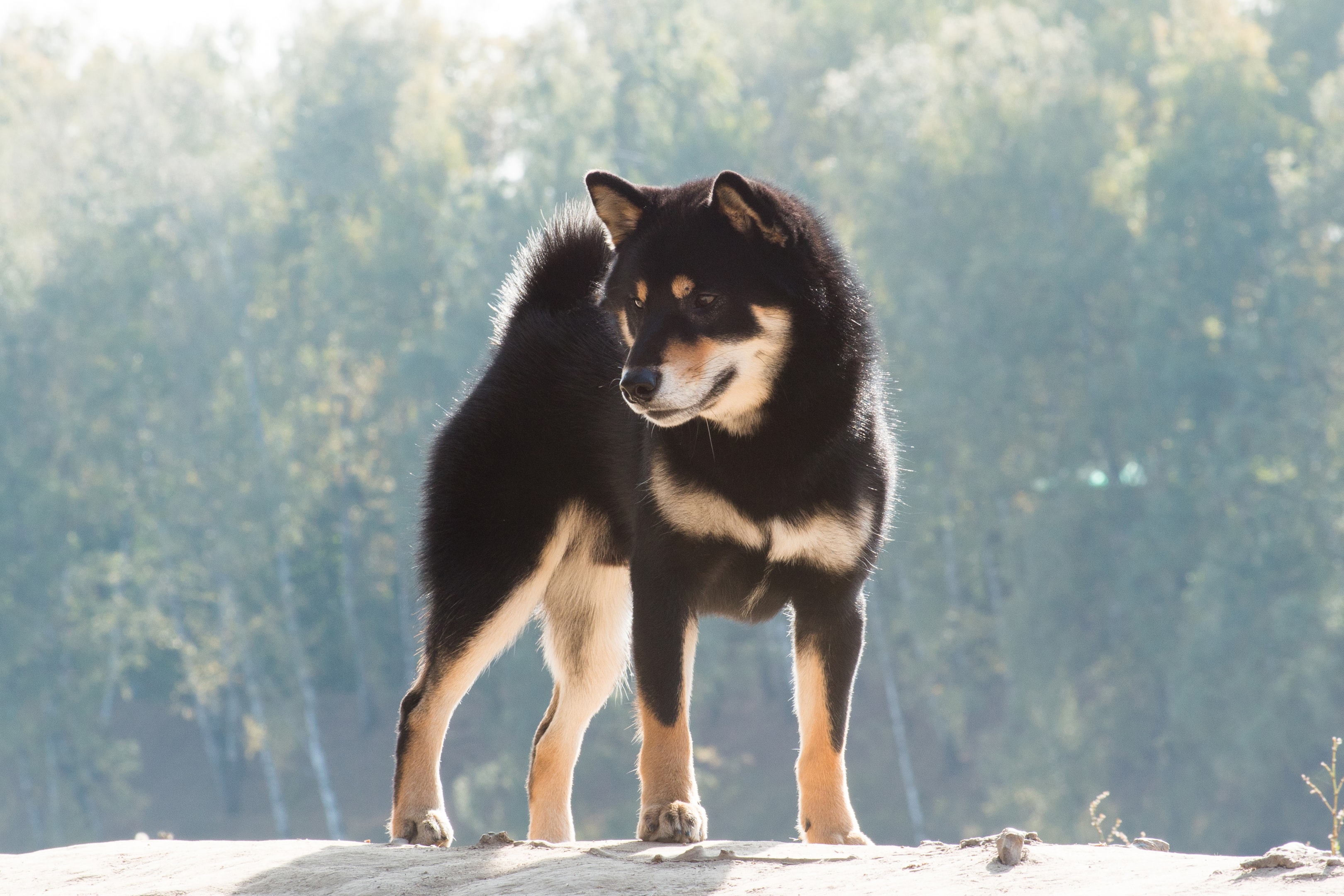
- Red – The most common and iconic shade.
- Black and tan – A striking mix of black fur with tan markings.
- Cream – A lighter variation with a softer appearance.
- Sesame – A mix of red and black hairs, creating a speckled effect.
- Black sesame – A darker sesame variation with more black pigmentation.
Distinctive Features

One of the Shiba Inu’s most recognizable traits is its curly tail, which arches over its back in a tight or sickle-like shape. This feature, along with its small, triangular ears and alert expression, contributes to the breed’s fox-like appearance. Their agile and athletic build makes them well-suited for navigating mountainous terrain, showcasing their strength and endurance.
Despite their small stature, Shibas are active, energetic, and always alert, embodying the essence of a true hunting dog while maintaining an elegant, balanced physique.
Temperament and Personality of the Shiba Inu

Independent and Strong-Willed
The Shiba Inu is a highly independent and strong-willed breed, often likened to a cat in its aloof and self-sufficient nature. While they form strong bonds with their families, they do not constantly seek attention or affection like some other breeds. Instead, they prefer to interact on their own terms, making them fascinating and sometimes challenging companions.
Intelligent but Stubborn
Shibas are exceptionally intelligent, but their intelligence comes with a natural resistance to commands. They are not the type of dog to obey blindly; instead, they assess whether a task is worth their effort. This makes training both rewarding and frustrating, requiring patience, consistency, and positive reinforcement. Owners must establish firm yet fair leadership to guide them effectively.
Alert and Reactive
As a native Japanese hunting breed, Shibas have strong prey instincts and may react aggressively toward small animals or unfamiliar dogs. They are naturally alert and will respond quickly to perceived threats, making them excellent watchdogs. Early socialization is key to helping them interact positively with other pets and people.
Active and Energetic
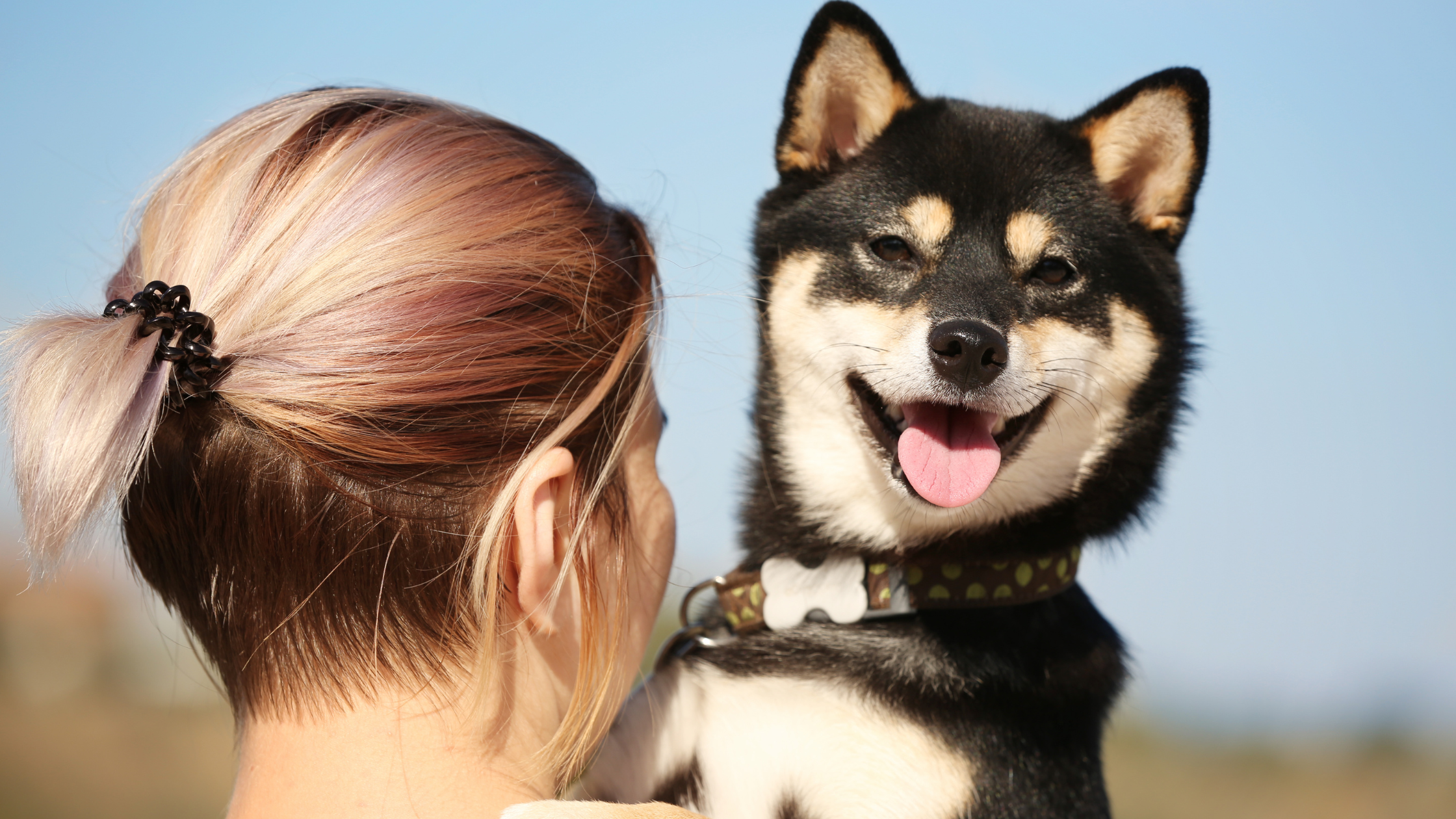
Despite their small-to-medium size, Shibas have high energy levels and require daily exercise to stay mentally and physically fit. Without proper stimulation, they can become bored and develop undesirable behaviors. Engaging them in activities like agility training, hiking, or puzzle games helps satisfy their need for both movement and mental challenges.
Best for Experienced Owners
While Shibas can be affectionate with their families, they are not overly needy or clingy. Their independent spirit and occasional stubbornness make them best suited for experienced dog owners who understand how to work with their temperament. With proper training, exercise, and patience, a Shiba Inu can be a loyal and captivating companion that keeps life interesting.
Health Considerations
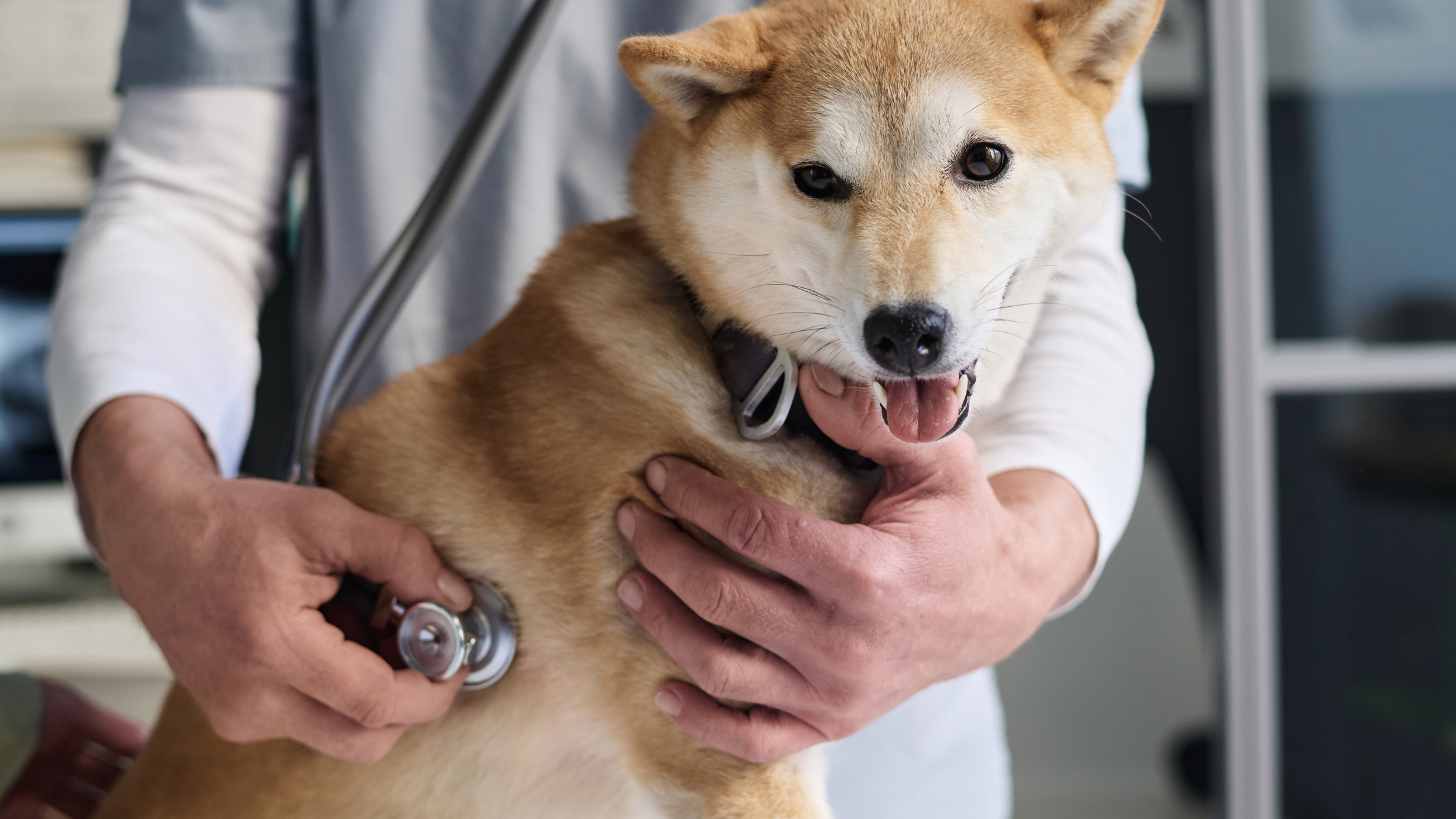
Shiba Inus are generally healthy but can face common issues like hip dysplasia and patellar luxation. Regular vet check-ups help catch early signs of glaucoma, pyometra, or canine atopic dermatitis.
The Japanese Shiba Inu dog breeds need a balanced diet and exercise to stay fit.
Their lifespan ranges from 12 to 15 years with proper care. Shibas shed heavily twice a year, so grooming supports their thick coat’s health. Watch for unusual behavior like tail chasing, which could signal discomfort or stress.
Common Concerns
Shiba Inus are strong, but they have some health concerns. Owners should know about these issues to keep their dogs healthy.
- Hip dysplasia is common in this breed. It affects how the hip joint works and can cause pain.
- Patellar luxation happens when the kneecap moves out of place. It might require surgery in severe cases.
- Skin allergies could develop due to their sensitive skin. Watch for itching or redness.
- Dental problems may arise without regular teeth cleaning, leading to infections.
- Being an active dog, they need regular exercise to avoid obesity and related issues.
Lifespan
Shiba Inus live 13-16 years. They are healthy but can face issues like hip dysplasia and patellar luxation. Allergies are the most common problem that might affect their life quality.
Good care keeps them healthier longer. Nutrition for each life stage is key to long-term health. Responsible breeders check for genetic problems to help extend lifespan. Regular weight checks also support a longer, happier life expectancy in this clean breed of Japanese dogs.
Training Considerations for the Shiba Inu
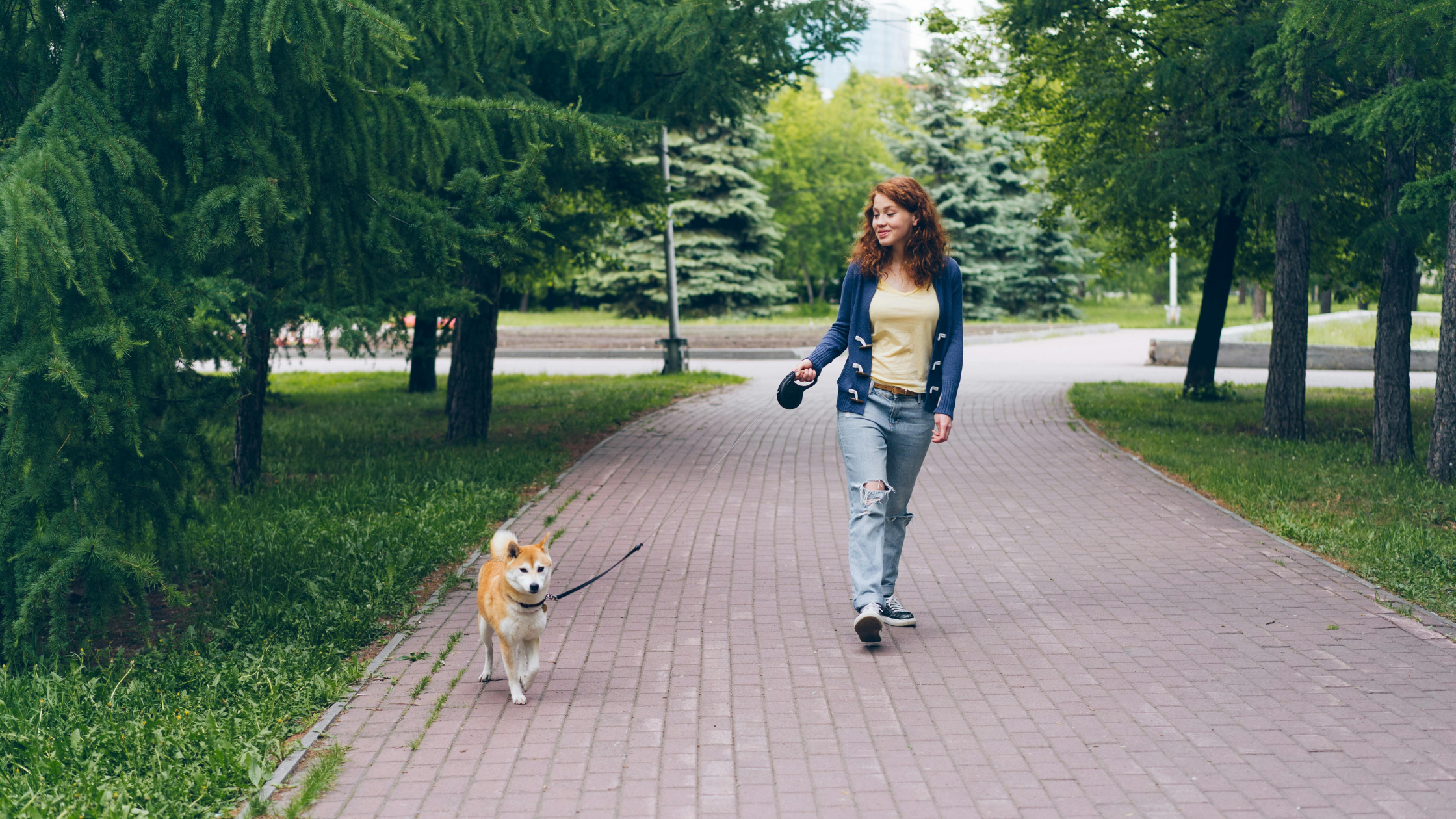
Independent Nature and Training Challenges
Shiba Inus are highly intelligent, but their strong-willed and independent nature can make training a challenge. Unlike eager-to-please breeds, Shibas think for themselves and may choose to ignore commands if they see no benefit. This can frustrate first-time dog owners, as traditional obedience methods may not always work. Consistency, patience, and positive reinforcement are key to successfully training a Shiba Inu.
Positive Reinforcement Works Best
Harsh training methods or punishment can backfire with this breed, as they tend to be stubborn and resistant to forceful tactics. Instead, reward-based training using treats, praise, and toys is the most effective approach. Keeping sessions short, engaging, and varied helps maintain their interest and motivation.
Early Socialization is Crucial
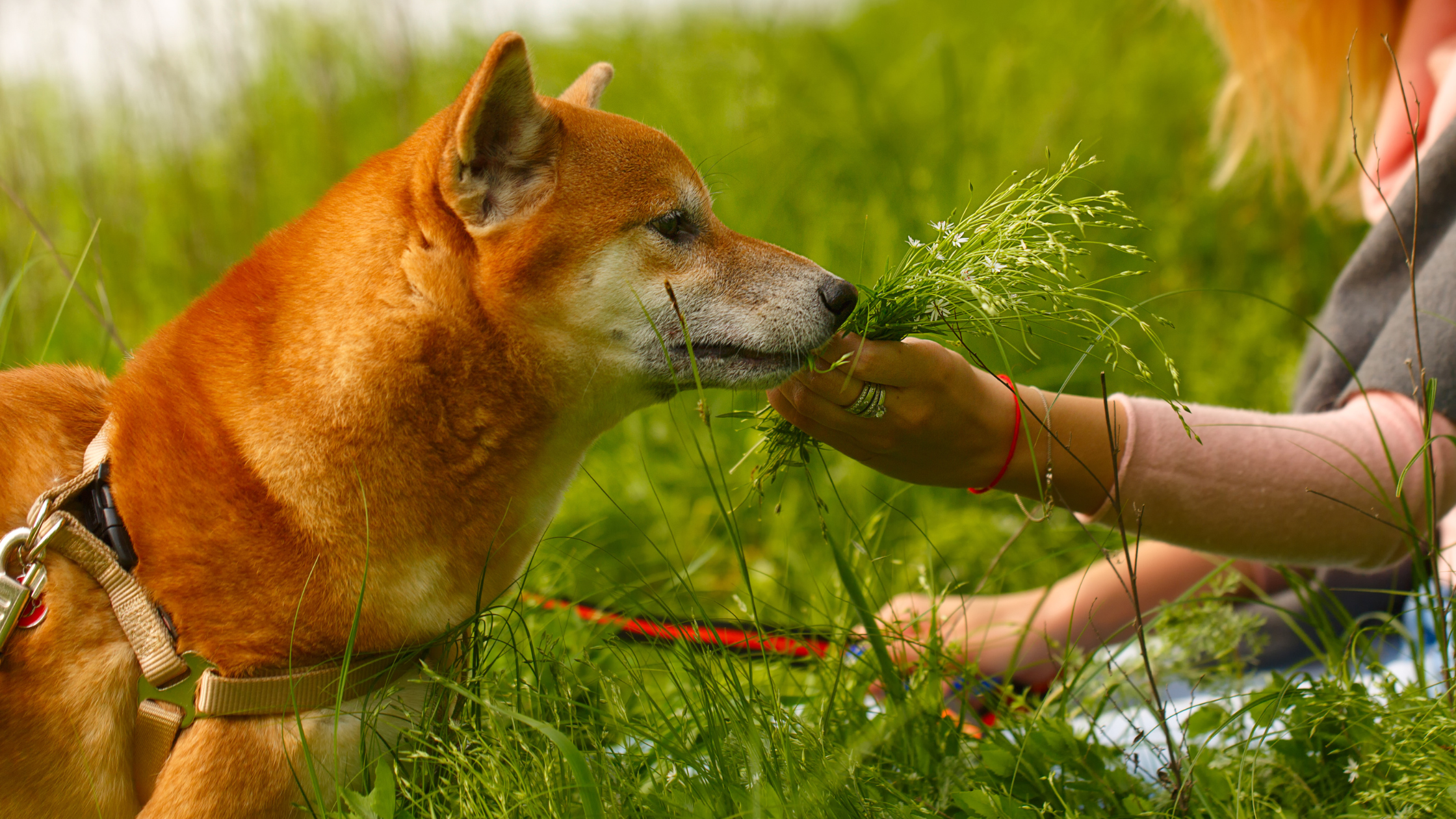
Due to their strong prey drive and natural wariness of other dogs, early socialization is essential. Introducing a Shiba Inu to different environments, people, and animals at a young age helps prevent aggressive or reactive behavior later on. Proper socialization also curbs their natural suspicion and encourages well-balanced interactions.
Leash Training and Recall Challenges
Shibas have an independent streak and a high prey drive, making off-leash training particularly difficult. Many Shiba owners find that their dogs cannot be trusted off-leash, as they are prone to chasing after small animals or running off to explore. A securely fenced yard and a strong leash training routine are necessary to ensure their safety.
Mental Stimulation and Engagement
In addition to physical exercise, Shibas need mental challenges to stay engaged and prevent boredom. Activities such as agility training, puzzle toys, scent work, and structured play can help satisfy their intelligence while reinforcing positive behaviors. Without proper stimulation, they may develop destructive habits or become difficult to manage.
Best Suited for Experienced Owners
Shiba Inus require a confident and patient handler who understands their unique personality. They thrive in households where training is approached as a partnership rather than strict obedience. With the right balance of firm guidance, socialization, and engagement, Shibas can become well-mannered, loyal companions—provided their owner respects their independent spirit.
Exercise

Shiba Inus need daily exercise to stay healthy and happy. Socialization at a young age helps them adapt to kids, pets, and new situations.
- Take them for a 30-minute walk every day to burn energy.
- Play fetch or other active games in a fenced yard for mental and physical health.
- Expose them to other animals early to reduce dog-aggressive behavior.
- Arrange playdates with friendly dogs for better social skills.
- Teach basic commands like “sit” during outings for training and bonding.
- Let them explore different environments during walks or trips for confidence.
- Avoid over-exercise in hot weather as Shibas can overheat quickly.
Living with a Shiba Inu
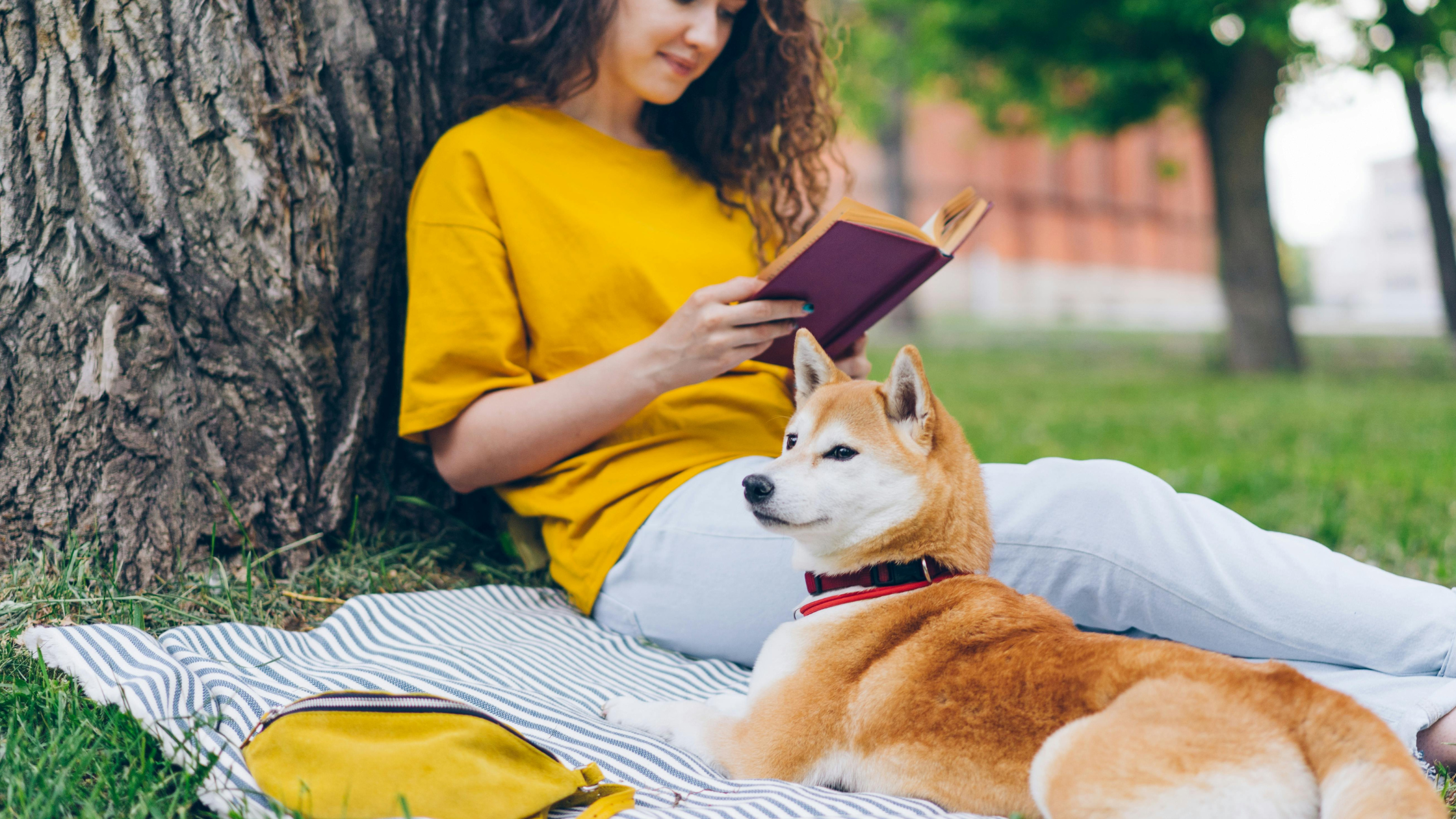
These dogs do best in calm homes with plenty of space to move. Apartments work if they get daily exercise and mental stimulation. They are very clean dogs, often compared to cats for their grooming habits.
Shiba Inus generally act well around children. Early socialization helps them feel secure. They may show dominance over other pets without proper training but can learn to coexist peacefully.
Best Environment
Shiba Inus adapt well to various living spaces, including apartments. They thrive in both urban and rural areas as long as their exercise needs are met daily. Regular walks or play sessions help keep them happy and healthy.
A consistent training routine is essential due to their strong-willed nature. Proper socialization makes them good with children and other pets. Grooming prevents shedding from overwhelming your home, as they have a thick double coat.
Behavior towards Children
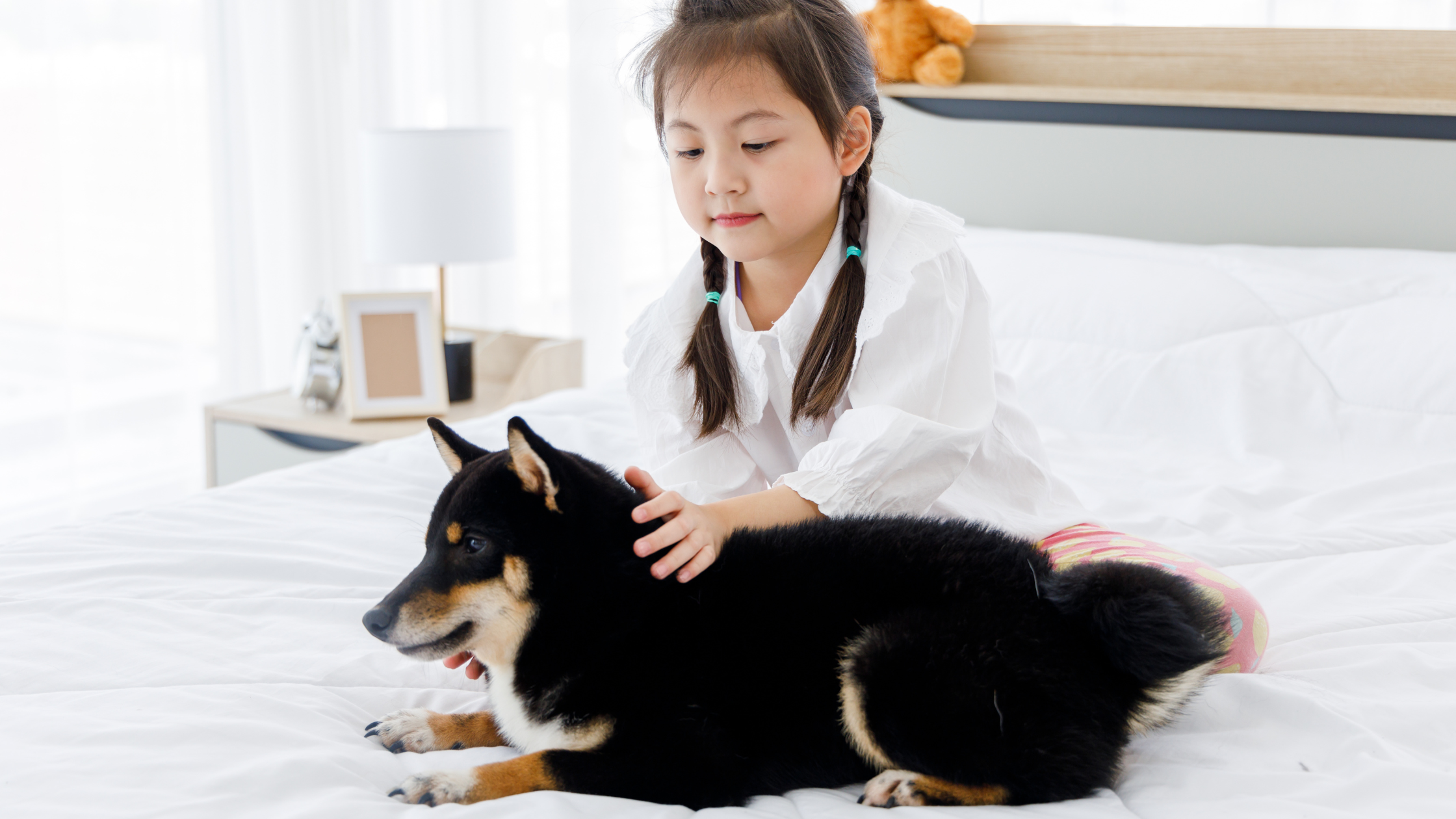
This breed is moderately affectionate with children and requires supervision during play. Proper socialization from a young age helps them interact well with kids. Their spirited personality often makes playtime lively and fun for children.
These dogs tend to be stubborn, so early training is vital for smoother interactions. Regular mental activities keep their energy balanced around kids, preventing unwanted behaviors.
They are alert and can act as protective companions in family settings.
Behavior towards other Pets

Shiba Inus can be dog aggressive and may not mix well with other breeds. Their independent nature makes socialization harder. Early training helps reduce issues. Exercise and mental tasks keep them calm around pets.
Without these, they may show anxiety or unwanted behaviors.
Their loyalty and alertness often affect interactions with foreign breeds or smaller animals. Supervise introductions closely, especially for a first-time Shiba Inu in your home. Socialization works best during puppyhood to improve relationships with most dogs or cats later on.
Grooming Needs
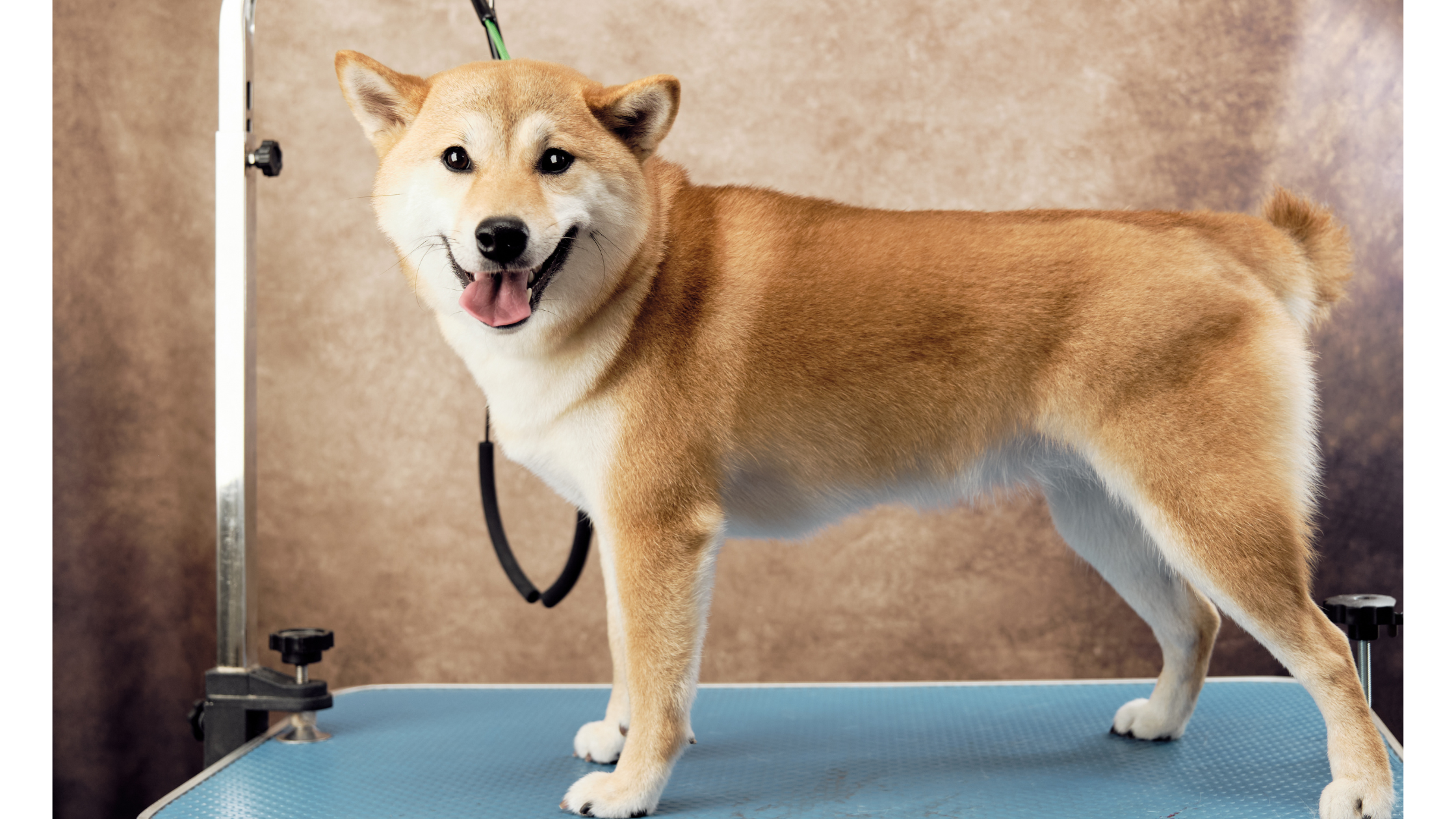
This very clean breed needs regular brushing. A Shiba Inu’s double coat sheds heavily twice a year. Shedding can last up to six months, making weekly brushing important. Use tools like slicker brushes or deshedding combs during this time.
Nail trimming may be hard for first-time dog owners. Early training helps dogs respond better and stay calm. Some Shiba Inus resist nail trims, so professional grooming might help in such cases.
Nutrition and Feeding
Shiba Inus need high-quality dog food based on their life stage. The Shiba puppy thrives on nutrient-rich puppy formulas, while adult and senior dogs have different needs. They can be picky eaters but may also overeat.
Too much food can cause weight problems in this popular breed. Owners should feel their dog’s ribs without seeing them to ensure a healthy weight.
Treats work well for training small tasks but must stay limited to avoid obesity. Provide fresh water at all times for your Shiba Inu care routine. Regularly check their weight and adjust portions if needed.
Feeding balanced meals supports long lives, keeping these modern breeds active and happy companions for first-time dog owners or experienced Shiba owners alike!
Where to find a Shiba Inu

Find a Shiba Inu through reputable breeders, rescue groups, or national breed clubs. The National Shiba Club of America offers referrals and rescue options specific to this breed.
Visit the American Kennel Club marketplace to find registered Shiba puppies matching the AKC breed standard. Focus on ethical breeding programs for healthy dogs.
5 Surprising Facts
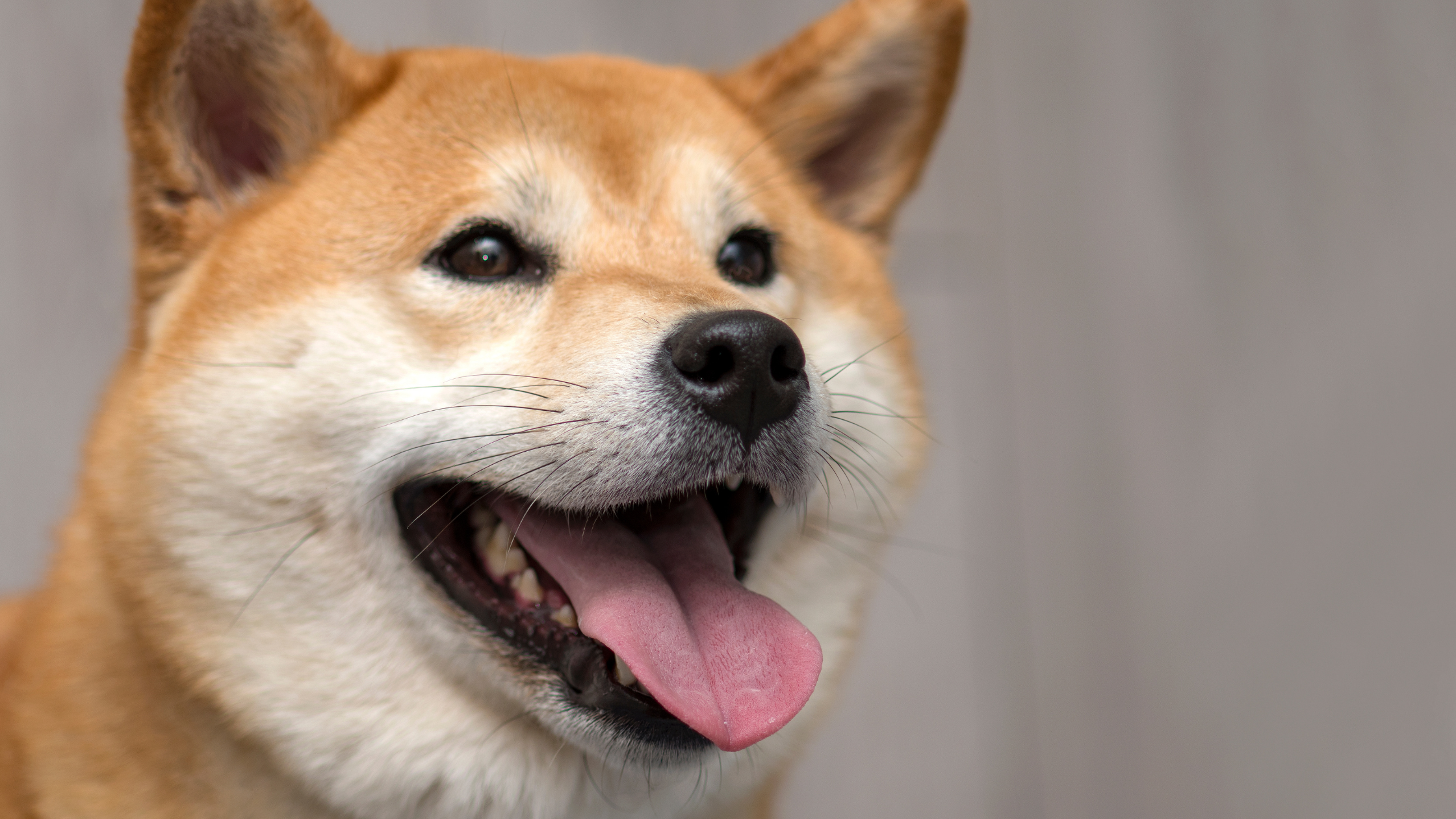
Shiba Inu dogs are full of surprises. They have unique traits that make them stand out among popular breeds.
- Shiba Inus come from Japan and were bred for hunting small game like wild boar. Their name translates to “brushwood dog.”
- They can make a loud “Shiba scream” when excited or upset, which is very unique to the breed.
- This breed often acts like cats, showing independence and cleaning themselves often.
- The Japan Kennel Club lists them as one of the top companion dogs in Japanese culture.
- Shibas are natural guardians with strong loyalty to their families, making them protective pets for first-time dog owners or elderly owners.
Dog Breeds Similar to the Shiba Inu
Shiba Inus are unique in their personality and appearance, but several other breeds share similar traits. Whether in their independent nature, fox-like appearance, or high energy levels, these breeds offer interesting comparisons. Below are four dog breeds that resemble the Shiba Inu in various ways, along with key similarities and differences.
1. Akita Inu
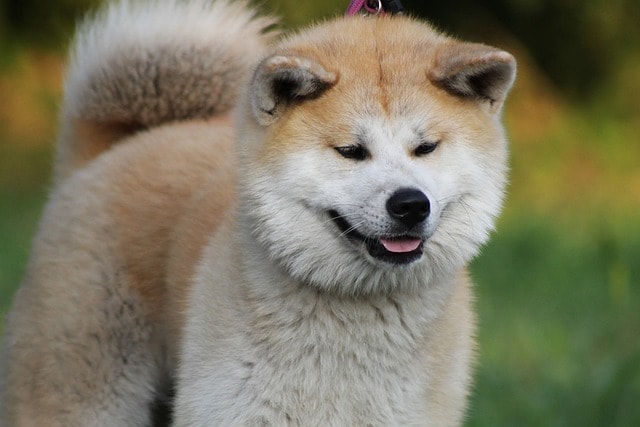
Similarities:
- Like the Shiba Inu, the Akita Inu is a native Japanese breed with a rich history.
- Both breeds have a curled tail, fox-like features, and thick double coats suited for cold weather.
- Akitas and Shibas are independent, strong-willed, and loyal to their families.
- Both breeds require early socialization and training due to their dominant personalities.
Differences:
- The Akita Inu is much larger, weighing between 70 to 130 pounds, compared to the Shiba’s 17 to 23 pounds.
- Akitas tend to be more reserved and protective, whereas Shibas are more playful and mischievous.
- Shibas are more adaptable to small living spaces, while Akitas require more space and exercise.
2. Finnish Spitz
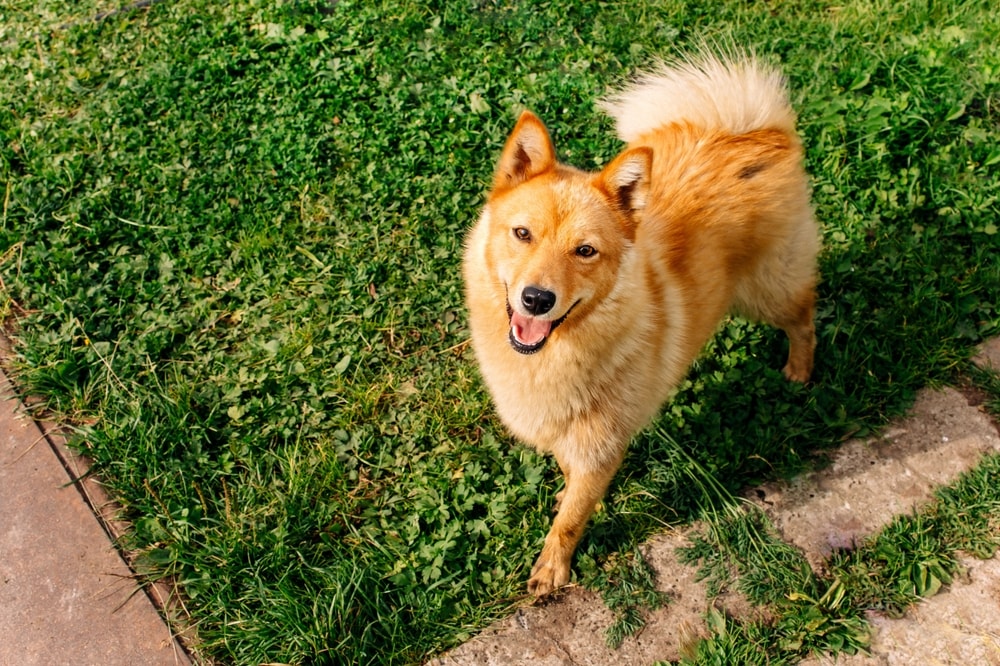
Similarities:
- Both breeds have a fox-like appearance, with pointed ears, a curled tail, and a thick, fluffy coat.
- Finnish Spitz dogs and Shibas are energetic, intelligent, and independent-minded.
- They are both vocal breeds, with the Finnish Spitz known for its unique “yodeling” bark and the Shiba Inu famous for its “Shiba scream.”
- Both are hunting breeds with high prey drives, requiring secure fencing and leash control.
Differences:
- The Finnish Spitz is slightly larger, weighing 20 to 35 pounds, compared to the smaller Shiba Inu.
- While both breeds can be stubborn, the Finnish Spitz is generally more eager to please than the Shiba Inu.
- Finnish Spitz dogs have a longer, softer coat, requiring more frequent grooming.
3. Korean Jindo
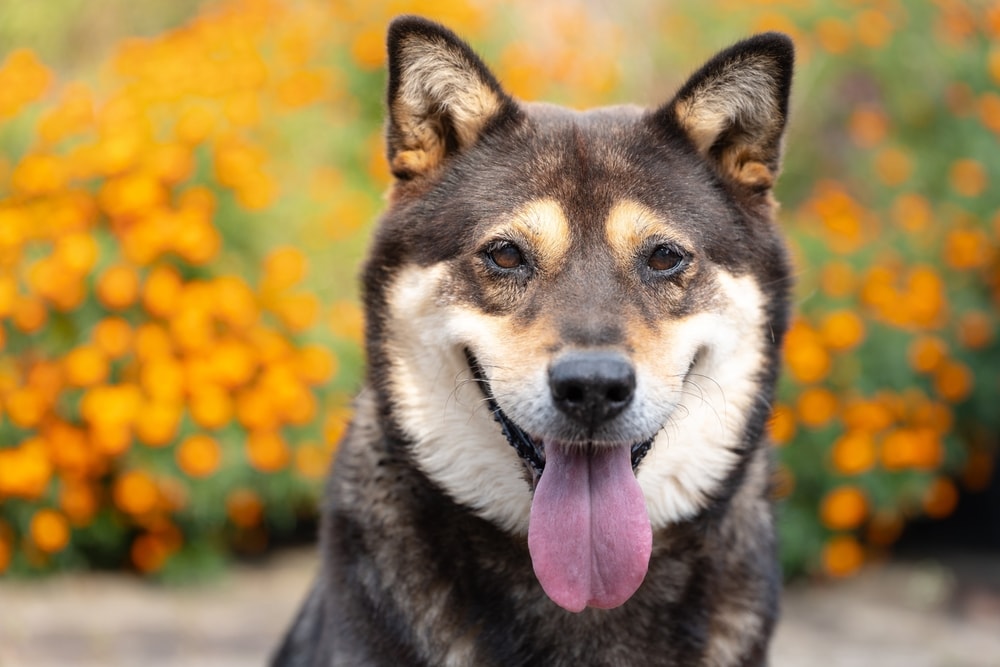
Similarities:
- Like the Shiba Inu, the Korean Jindo is an ancient Asian breed known for its intelligence, independence, and loyalty.
- Both breeds have strong hunting instincts and require early training and socialization.
- Jindos and Shibas are clean dogs with minimal odor and cat-like grooming habits.
- They are both aloof with strangers but deeply bonded to their owners.
Differences:
- The Korean Jindo is larger, typically weighing 30 to 50 pounds, compared to the Shiba’s smaller frame.
- Jindos are more trainable and eager to work with their owners, whereas Shibas tend to be more defiant.
- Unlike the Shiba Inu’s curly tail, the Jindo has a loose or sickle-shaped tail.
4. Basenji
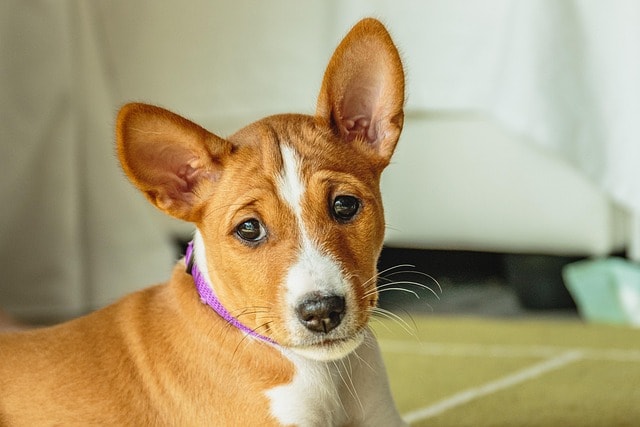
Similarities:
- Both the Basenji and Shiba Inu are independent, intelligent, and stubborn, often choosing when to obey commands.
- They share a high prey drive, making off-leash training difficult.
- Both breeds are low-maintenance in grooming, with Basenjis being famously cat-like in their cleanliness, similar to Shibas.
- They are both active breeds, requiring daily exercise and mental stimulation.
Differences:
- The Basenji is smaller and leaner, weighing 22 to 24 pounds, but with a shorter, fine coat.
- Unlike the Shiba Inu, Basenjis are barkless dogs, instead making unique “yodeling” vocalizations.
- Shibas can adapt to colder climates, while Basenjis prefer warmer temperatures due to their thin coat.
Conclusion
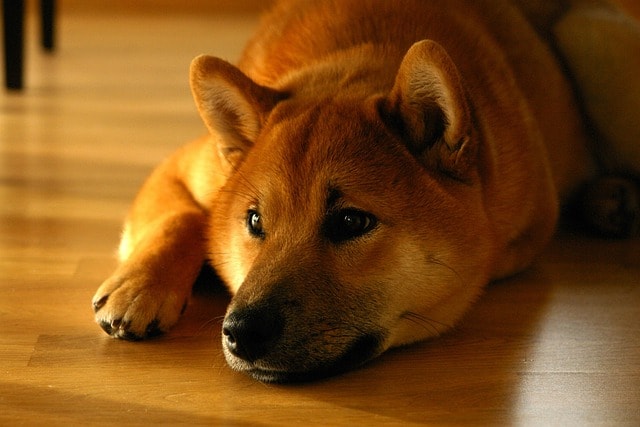
Shiba Inu dogs are unique and full of charm. They have a rich history, bold personality, and distinct looks. These dogs can fit well in the right home with care and training. Regular grooming, healthy food, and proper socialization can keep them happy.
Learning about their traits helps owners build strong bonds with them. Give one a chance to become your loyal companion!
FAQs
1. What does “Shiba Inu” translate to in English?
Shiba Inu translates to “brushwood dog,” referring to their hunting origins and the terrain they were bred for.
2. Are Shiba Inus good for first-time dog owners?
Shibas can be challenging for first-time dog owners due to their strong-willed temperament, but proper training helps.
3. Why are Shibas called the number one companion dog?
They are loyal, independent, and bond closely with their families, making them ideal as a number one companion dog.
4. How many puppies do Shibas usually have in a litter?
A typical litter of Shiba puppies consists of about four to five puppies on average.
- Furlyfe Rank See Rank
- Group AKC Non Sporting
- Origin Japan
- Size Small
- Weight 18 to 20 pounds
- Coat Length Short
- Coat Type Double
- Colors Black & Tan, Cream, Red, Red Seseme
- Other Names Brushwood Dog, Japanese Small size Dog, Japanese Shibu Inu, Shiba Ken
- Temperament Alert, Charming, Confident, Faithful, Fearless, Keen, Out Going
Breed Characteristics

Group members

