



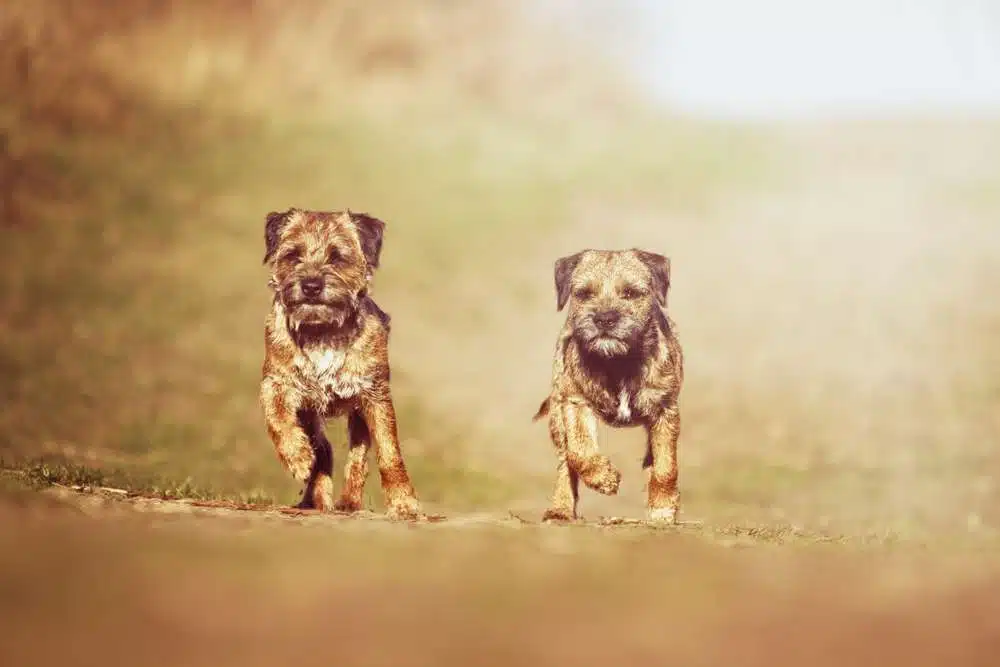
Border Terrier

Click Image to see Gallery

The Border Terrier is a friendly and adaptable breed known for being calmer than many other terriers. Its trainable nature and portable size make it an excellent companion for moderately active families. The classic border terrier personality combines affection, confidence, and determination, helping the breed thrive both as a family pet and alert watchdog.

Originally bred along the border regions of England and Scotland, the Border Terrier worked alongside hunting packs to locate and flush foxes and other small animals from dens. Its narrow body, long legs, and rough weather-resistant coat were perfectly suited for moving through rough terrain and underground burrows.

The compact border terrier size makes the breed highly versatile for modern households. Most Border Terriers are small but energetic dogs that enjoy outdoor activities, walks, and interactive play. They are also athletic enough to compete in agility and other canine sports.

Despite their working background, Border Terriers are highly people-oriented and bond closely with their families. They generally do well with children and enjoy being involved in daily activities. However, because they were bred to chase prey, they may instinctively pursue squirrels, cats, or other small animals if not properly trained and supervised.

Regular exercise and companionship are important for this breed. Border Terriers enjoy daily walks, games, and opportunities to explore new sights and smells. Secure fencing or leash use is recommended because of their speed and strong prey drive.

Although adaptable and relatively hardy, Border Terriers do not do well when left alone for long periods. Without enough attention or stimulation, they may become noisy or destructive. When raised as part of the family, however, they are affectionate, lively, and dependable companions.

Border Terrier Breed Guide: Traits, Care Tips, And Temperament

Border Terrier Breed Guide: Traits, Care Tips, And Temperament

If you own a small dog or plan to get one, you may worry about energy, chasing small pets, and grooming needs. Many people ask if a Border Terrier will fit family life, apartment living, or a secure garden.

You want clear facts and simple steps to help your dog thrive.

The Border Terrier originated as a working terrier and still shows strong hunting instincts. It has a wiry outer coat and a double coat that resists weather, and it needs regular exercise.

This guide covers temperament, training, grooming, nutrition, health issues like hip dysplasia, and the Border Terrier Club for support. Read on.

Key Takeaways

  • Border Terriers rose on the Anglo-Scottish border; Moss Trooper (sired by Chip) registered 1913, UK Kennel Club recognized 1920, AKC recognized 1930.
  • They stand 11–16 inches, males weigh 13–15.5 pounds, females 11.5–14 pounds, and live about 12–15 years (UK mean 14.2 years, 2024).
  • Screen for hip dysplasia, progressive retinal atrophy, SLEM, gallbladder mucocele and neutrophilic cholangitis with hip radiographs, ophthalmology exams, echocardiogram, abdominal ultrasound and SLEM DNA testing.
  • Hand-strip twice yearly, brush weekly, limit baths, give 30 minutes daily exercise, feed AAFCO-compliant food, adults twice daily and puppies three to four times.
  • They show lively, independent temperament, score 5/5 with children, 3/5 with dogs, have high prey drive and need secure fences and supervised introductions.

History and Origin

Origins on the Anglo-Scottish Border

The Border Terrier originated along the Anglo-Scottish border, particularly in the region of Northumberland. Farmers and shepherds developed these hardy terriers to control fox populations and protect livestock during traditional fox hunting days. Their tough working environment helped shape the breed’s fearless personality, compact size, and weather-resistant coat.

Early Working Terriers

Border Terriers were bred to be quick, agile, and courageous enough to pursue foxes into rocky dens and rough terrain. Several early regional names existed for the breed, including Reedwater Terrier, Ullswater Terrier, Coquetdale Terrier, and Redesdale Terrier. Despite the different names, all referred to similar working terriers valued for stamina, determination, and practicality in the field.

Bred to work the earth, quick and fearless.

The First Registered Border Terrier

One of the earliest officially recognized dogs was The Moss Trooper, first registered in 1913 and sired by a dog named Chip. As the breed gained popularity beyond rural hunting communities, enthusiasts began organizing efforts to preserve its working qualities and consistent appearance.

Official Recognition and Breed Standards

The The Kennel Club granted official recognition to the Border Terrier in 1920. The American Kennel Club followed with recognition in 1930. Around the same time, a dog named Barney Boy was imported to the United States by Mr. H. S. Cram and became the first Border Terrier officially registered in America.

Growth in the United States

To preserve the breed’s instincts and promote responsible breeding, enthusiasts formed the Border Terrier Club of America in 1949. Dr. Merritt Pope played a major role in developing the American breed standard between 1941 and 1946, and the AKC officially approved the final standard on March 14, 1950. Today, the Border Terrier remains admired for its rugged working heritage, affectionate nature, and adaptable personality.

Physical Characteristics

They have an otter head and longer legs than other small terrier breeds. The frame looks light and muscular, built for work and quick chases. Movement shows a free stride and strong gait on trails or in securely fenced areas.

The coat pairs a wiry topcoat with a soft undercoat that helps trap dead hair. Colors run grizzle and tan, blue and tan, wheaten, and red. A professional groomer can strip the coat to control border terriers shed and keep the dense undercoat healthy.

Body and Structure

Border Terriers stand 11 to 16 inches at the shoulder. Males weigh 13 to 15.5 pounds, while females weigh 11.5 to 14 pounds. This dog breed is medium-boned and built for endurance and agility.

It has longer legs than other terrier breeds. Owners of active dogs and small dogs prize the breed for its energetic nature.

The body sits deep, narrow, and fairly long with strong loins and well-arched ribs. The standard calls for a strong, supple back and a body that can be spanned by a man’s hands. Forequarters show well-laid back shoulders, straight forelegs, and small compact feet.

Hindquarters look muscular, with well-bent stifles and strong hocks. That structure gives stamina and quick turns, so owners must manage the breed around small furry pets.

Face and Expression

The dog shows the classic otter head, with a moderately broad skull and a short, strong muzzle. Dark hazel eyes give a keen, alert gaze that helps other dogs and owners read mood. Ears sit small and V-shaped, and they drop forward close to the cheek.


Keen, alert expression suits the breed.


A black nose is preferred, while liver or flesh-colored noses are minor faults. Judges prefer a scissor bite; a level bite is acceptable, but undershot or overshot bites are major faults.

A border terrier puppy shows these features early, which fits its good natured personality and makes it easily trained around other pets.

Coat and Color

Border Terriers have a double coat, with a hard, wiry outer coat and a dense, soft undercoat. This weather-resistant coat helped the breed work outdoors in harsh conditions. Colors include grizzle and tan, blue and tan, wheaten, and red.

AKC lists Blue & Tan, Grizzle & Tan, Red, Wheaten, Black & Tan, and Black & Red as official color codes. Markings may show Black Points on face and ears.

Owners should hand-strip the outer coat or use a grooming blade to keep the coat tidy. Use a de-shedding rake and slicker brush to clear the undercoat. Good care can affect border terriers by reducing matting and skin problems common to many dog breeds.

Movement and Gait

Classified as a working terrier, this breed needs sound movement and gait. The dog must follow mounts with steady, ground-covering strides. Proper movement reflects the breed’s capabilities for endurance and agility.

Judges and breeders should avoid exaggerations that could harm the breed’s health and welfare. Video analysis and a running platform help identify gait faults early. Owners who want the best trained border give enough exercise, manage high prey instincts, and groom conformation to keep affectionate dogs and curb escape artists.

Temperament and Behavior

Border Terriers show a lively, bright, and affectionate nature. They work hard and stay hard as nails in the field. They show affection toward children and make good family pets when socialized.

Their independence makes them clever and gives a frustrating quality of stubbornness that can test obedience. High prey drive makes cats and guinea pigs prime targets, so homes with small animals require caution.

Train early with socialization and reward training, and use a leash, crate, and a training device. Provide suitable chew toys to channel chase impulses and protect small pets. Many owners call them affectionate obedient and easily trained with clear rules.

Introduce small animals and older dogs carefully and supervise first meetings to prevent harm. Ask about the puppy’s parents and whether pups were naturally bred to learn more about early temperament.

Health Considerations

Owners should watch for hip dysplasia, progressive retinal atrophy, and skin allergies. Ask your veterinarian for hip radiographs, an echocardiogram for cardiac health, and DNA testing for Spongiform Leukoencephalomyelopathy, SLEM.

They also face gall bladder mucocele and neutrophilic cholangitis more often than other breeds.

Feed a high-quality diet and track food intake to prevent obesity; this habit helps many conditions be successfully managed. Give daily exercise, aim for at least a half hour of activity, and avoid long runs in temperatures above 85°F to keep happy dogs healthy.

Limit outdoor time on hot days in big cities or small towns to protect dogs that do not tolerate heat well. Schedule baseline tests with your veterinarian and watch for signs like muscle spasms or vision loss.

Common Concerns

Border Terriers face several breed-specific health risks. Early testing and regular checks reduce surprises.

  • Have a hip evaluation and patella check by a veterinarian around dog ages one to two years, to screen for hip dysplasia; start weight control and joint therapy if needed.
  • Schedule annual ophthalmologist evaluation for progressive retinal atrophy and juvenile cataracts, since routine eye checks can spot problems early and cataract surgery may be needed.
  • Watch for seizures, stiff episodes, odd cramping, or signs of Cushing’s Disease like excess thirst and a pot belly; get neurology and endocrine input fast to limit harm.
  • Ask for cardiac examination and abdominal ultrasound to screen for heart problems and Gallbladder Mucocele; early detection lets vets treat medically or plan surgery.
  • If your dog eats fairly large quantities of one food or shows rashes, run an elimination diet and allergy tests with your vet to find triggers and treat skin issues.
  • Order a DNA test for Spongiform Leukoencephalomyelopathy, SLEM, and follow with patella and hip evaluations before breeding to reduce inherited health conditions in litters.
  • Do not assume grizzle and tan blue coat color alters disease risk; Border Terriers are popular pets, so check breeder health histories to avoid common health problems.
  • Teach proper border greetings and introduce new dogs carefully during socialization, since many dogs need calm, staged meetings; separate pets if one prefers its own business.

Lifespan

They live 12 to 15 years on average. A 2024 UK study found life expectancy for the breed at 14.2 years, versus 12.7 years for purebreds and 12 years for crossbreeds. The dog stays generally healthy and robust with proper care.

Puppies must be introduced carefully to vets, handling, and routine exams. The Border Terrier Club of America, BTCA, runs annual health clinics and funds research into breed-specific health concerns.

Regular veterinary checkups and canine DNA testing help spot issues early.

Training Considerations

Start training the Border Terrier the day you bring it home. Use positive reinforcement and reward good behavior with treats and praise. Employ a sound marker, a treat bag, and a short leash to mark success in small steps.

Keep commands short and clear, and repeat the same phrase each time. Crate training can improve life quality, but do not overuse it. Avoid harsh discipline; it breaks trust and slows learning.

Enroll the pup in group lessons within the first few weeks. Early socialization builds confidence around people and other pets. Give short, frequent sessions for sit, stay, and recall.

Positive reinforcement should drive every exercise and game. Consistency matters, use the same words and signals for cues. Crate use should support rest and learning, not serve as punishment.

Border Terriers excel at obedience drills and agility courses due to quick learning. Owners who use clear phrases see faster progress and stronger bonds.

Exercise and Socialization

Border Terriers need daily exercise and social time. Early socialization builds confidence and good manners.

  • Schedule at least one brisk walk, 30 minutes long, or active play each day to meet energy needs and cut boredom. This regular exercise is essential for a healthy Border Terrier.
  • Mix scent work, agility, lure coursing and flyball into weekly routines for variety and challenge. These sports match the breed’s hunting drive and sharpen focus.
  • Reserve outdoor time in securely fenced areas, due to a strong chase instinct that can trigger sudden runs after small animals. Unfenced spaces raise the risk of escape.
  • Use interactive toys such as puzzle feeders and rubber treat toys to add mental work. Short training drills and games keep the mind busy and curb destructive behavior.
  • Keep off-leash sessions under strict supervision and use a long line when needed. Off-leash activities require vigilance because the breed can chase without warning.
  • Supervise early socialization with puppy classes, controlled meet-and-greets, and varied sound exposure. Early contact with people and dogs builds confidence and reduces fear-based reactions.
  • Work on recall and impulse control with short, frequent reward-based sessions. Use a clicker or treats to reinforce returns and calm behavior around small animals.
  • Join local clubs, trials, or organized events for scent tests, agility courses, and team sports. These outlets provide physical work, mental challenge, and social contact with handlers and dogs.

Living with a Border Terrier

These terriers need daily exercise, brisk walks, active play, and dog park visits. Owners should use a lead and harness for walks, and brush the double coat with a grooming brush weekly.

Give extra brushing during shedding seasons. They stay affectionate and do well with children, but supervise play.

Begin early socialization and use positive reinforcement in obedience class or at home with a clicker. Their independent nature responds best to firm, consistent training. Watch for hip dysplasia and allergies, and schedule veterinarian screenings as needed.

Feed high-quality, age-appropriate dog food to prevent obesity.

Best Environment

Border Terriers fit well in apartments and in towns if owners give them enough exercise. Daily walks, play sessions, and safe yard time keep them happy. Use a secure lead on outings and a kennel for safe rest at home.

They love to explore outdoors and adapt to urban and rural settings.

They thrive on companionship and regular interaction with their owners. Puppyhood socialization shapes personality and reduces insecurity and aggressive behavior. Responsible ownership includes training classes, vet care, and daily engagement to support their well being.

Behavior towards Children

They remain highly tolerant and patient with young children, scoring 5/5 for kid-friendly behavior. This playful terrier enjoys interactive games and short retrieve sessions with kids.

They are intelligent and trainable, which helps owners manage them around children. Positive reinforcement and treat-based training support safe play and basic obedience.

Early exposure to kids increases the dog’s comfort and social skills. Proper socialization enhances positive interactions at home and in public. The breed may develop protective instincts toward kids while staying gentle and kind.

Involving children in care and training fosters responsibility and strengthens the bond.

Behavior towards other Pets

This breed usually gets along with other dogs. Experts rate dog compatibility at 2 out of 5 and advise supervision. Breeders historically ran Border Terriers with foxhounds during hunts.

Hunting instinct can change how they behave with cats and small animals. Without proper training, they may chase or harm rodents and birds. Use a leash, crate training, clicker work, treats, and steady socialization to reduce risks, and keep them off-leash only inside securely fenced areas.

Grooming Needs

Border Terriers need simple, steady grooming to stay healthy. You will need basic tools and a short routine.

  • Brush a Border Terrier every week or every two weeks with a soft brush and comb to remove surface dirt. During seasonal shedding, groom about 30 minutes daily to clear loose hair and undercoat.
  • Strip the coat twice a year using a coat stripping tool or a skilled groomer to remove dead wire hair and preserve the coat texture. Ask for hand stripping rather than clipping to protect the dirt-repellent finish.
  • Limit baths to preserve the coat’s natural dirt-repellent oils, because frequent washing removes them. Use mild dog shampoo only for fleas, odors, or heavy mud and rinse well.
  • Trim nails about once a month with clippers or a grinder to prevent splits and pain. File rough edges and check quick length before each cut.
  • Check ears weekly or every two weeks and clean with a dog-safe ear solution to prevent wax build-up and infection. Dry the ear canal gently after cleaning.
  • Brush teeth a few times a week with a dog toothbrush and dog-specific toothpaste to cut tartar and bad breath. Offer dental chews to support daily oral hygiene.
  • Expect monthly coat grooming, rated 3 out of 5 for frequency, and very low drooling at 1 out of 5; keep short sessions on the calendar to stay consistent.
  • Keep grooming tools together: a soft brush, grooming rake, coat stripping tool, nail clippers, ear cleaner, toothbrush, and dog toothpaste. Store them in one kit for quick access.
  • See a professional every six months or when mats resist home care; ask groomers about hand stripping experience and confirm prices before booking.

Nutrition and Feeding

A border terrier is happily eating high-quality kibble from a dog bowl, showcasing its wiry outer coat and alert gaze. This small dog breed, known for its energetic nature and affectionate personality, enjoys its meal in a cozy setting.

Feed your Border Terrier a high-quality, age-appropriate diet that meets AAFCO standards. Adjust portions and monitor calories to prevent obesity.

  • Choose AAFCO-compliant food for puppy, adult, or senior life stages to meet nutrient needs. Consult your veterinarian for exact nutrient profile and ingredient advice.
  • Feed adults twice daily and puppies three to four times per day, following age and activity adjustments on the package or a feeding chart. Use the chart to guide portion changes.
  • Monitor body weight weekly and adjust calories to prevent obesity. Use a gram scale or calibrated cup for precise portions and track changes over time.
  • Limit treats to under 10 percent of daily calories and use them mainly for training drills. Opt for low-calorie treats and cut meal portions when you add extra snacks.
  • Keep a clean bowl with fresh water available at all times for hydration and digestion. Change water daily and wash the dish to avoid bacterial growth.
  • Employ measuring tools like calibrated cups and digital scales to track portions and calories. Record meals and body condition score in an app or paper log for vet review at checkups.
  • Ask your veterinarian about prescription diets or limited-ingredient options for allergies and medical needs. Prescription diets meet AAFCO rules and include feeding guides; follow them closely for best results.

Where to find a Border Terrier

Find official breed info on the AKC website and the Border Terrier Club of America, BTCA. BTCA offers resources to help prospective owners evaluate breed compatibility; visit www.btcoa.org for guides.

Use AKC documentation to read the official breed standard and care notes.

Check rescue listings at http://www.btcoa.org/rescue/rescue.html for rehoming options.

Visit homes with Border Terriers before you buy to see their energy and behavior up close.

Similar Dog Breeds

Here are four breeds often compared with the Border Terrier.

Breed Similarities Differences Best fit for owners who
NorwichTerrier Shares small size, family suitability, and apartment adaptability with the Border Terrier.

Terrier categories include working, ratters, cur-type hunting, bull-type, toy, miscellaneous, and extinct.

Related breeds include Norwich, Russell, Norfolk, Jagdterrier, and Cairn.


Slightly shorter legs and a firmer, smoother coat than the Border.


Owners who want a compact, alert pet with moderate grooming needs; tools include leash and training clicker.


NorfolkTerrier Matches Border in terrier drive and hunting heritage, with ancestry tied to British hill country packs.


Ears are dropped rather than prick, and coat texture varies; grooming often uses hand-stripping.


Families who seek a small, adaptable dog that tolerates apartment life; concepts to plan include training and exercise.


CairnTerrier Border Terriers share ancestry with Dandie Dinmont Terrier and Bedlington Terrier; Cairn shares rugged Scottish roots.


Smaller bone and a coarser, weatherproof coat make Cairn more fox-hunt suited.


Good for owners seeking an independent hunter that adapts well to family life; tools include crate for early training.


Jack RussellTerrier Shares lively, bold temperament and high prey drive, traits common in hunting terriers.

Behavioral studies compare Border Terrier to Labrador Retriever, Golden Retriever, and Portuguese Water Dog in breed-related behavior.


Often more energetic and built for quicker bursts; training must focus on impulse control.


Active owners who offer daily runs, mental work, and consistent training clicker sessions.


Conclusion

Conclusion: This guide covered Border Terrier temperament, grooming of the double coat, common health risks, training tips, and exercise needs. Use a slicker brush, a clicker, a leash, and age-appropriate kibble to make daily care quick and effective.

Health checks for hip dysplasia and progressive retinal atrophy help prevent costly problems and keep dogs active longer. Contact the Border Terrier Club of America or your veterinarian for breeder referrals, health testing, and local training classes.

Start good routines of play, grooming, and socialization now, and enjoy a plucky, loyal companion for 12 to 15 years.

FAQs

1. What are the main traits of a Border Terrier?

Border Terrier traits include a small, sturdy body, a wiry coat, and high energy. They stand about 10 to 11 inches tall and weigh about 11 to 15 pounds. They have a strong prey drive, stay alert, and form close bonds with family.

2. What care tips help a Border Terrier stay healthy?

Use simple care tips: give 30 to 60 minutes of daily exercise, add short games for the mind, brush the wiry coat once a week, and trim hair as needed. Feed a balanced diet, clean teeth weekly, and visit a veterinarian for regular checks.

3. Are Border Terriers good with kids and other pets?

Many people think they do not work with kids or small animals. That idea is wrong. Border Terriers do well with kids when they get early social time and clear rules. Expect them to chase small animals. Supervise play and teach recall and calm behavior.

4. What is the Border Terrier temperament and how do I train one?

The breed temperament is bold, friendly, and independent. Use short, regular training sessions and reward good choices. Give clear rules and consistent praise. If they dig or chase, add more exercise and give them tasks like scent games to redirect energy.


References

  1. https://btcoa.org/history-of-the-breed/
  2. https://www.royalkennelclub.com/breed-standards/terrier/border-terrier/
  3. https://www.akc.org/dog-breeds/border-terrier/
  4. https://www.thesprucepets.com/border-terrier-dog-breed-profile-4780473 (2025-06-26)
  5. https://www.petmd.com/dog/breeds/border-terrier (2023-09-19)
  6. https://btcoa.org/healthy-border-terrier/ (2024-11-24)
  7. https://pmc.ncbi.nlm.nih.gov/articles/PMC10165416/
  8. https://btcoa.org/wp-content/uploads/2021/09/border-terrier-in-brief-2021.pdf
  9. https://www.borrowmydoggy.com/doggypedia/dog-breed-guides-border-terrier
  10. https://btcoa.org/living-with-a-border-terrier/
  11. https://btcoa.org/border-terrier-in-brief/
  12. https://www.eachpaw.com/blogs/the-latest/are-the-border-terrier-good-with-kids-a-family-friendly-breed-analysis?srsltid=AfmBOopp-3e44OZ41lGXnkah3VAG0sXyh9YGXph5zBE1VXSWzm9ANGPb
  13. https://www.aspcapetinsurance.com/resources/border-terrier/
  14. https://pmc.ncbi.nlm.nih.gov/articles/PMC11718627/

  • Furlyfe Rank See Rank
  • Group AKC Terrier
  • Origin United Kingdom
  • Size Small
  • Weight 13 to 16 pounds
  • Coat Length Short
  • Coat Type Wiry
  • Colors Blue & Tan, Grizzle & Tan, Red, Wheaten
  • Temperament Affectionate, Alert, Even Tempered, Fearless, Intelligent, Obedient

Breed Characteristics

Leave a Reply

Participate on Doggy Duel