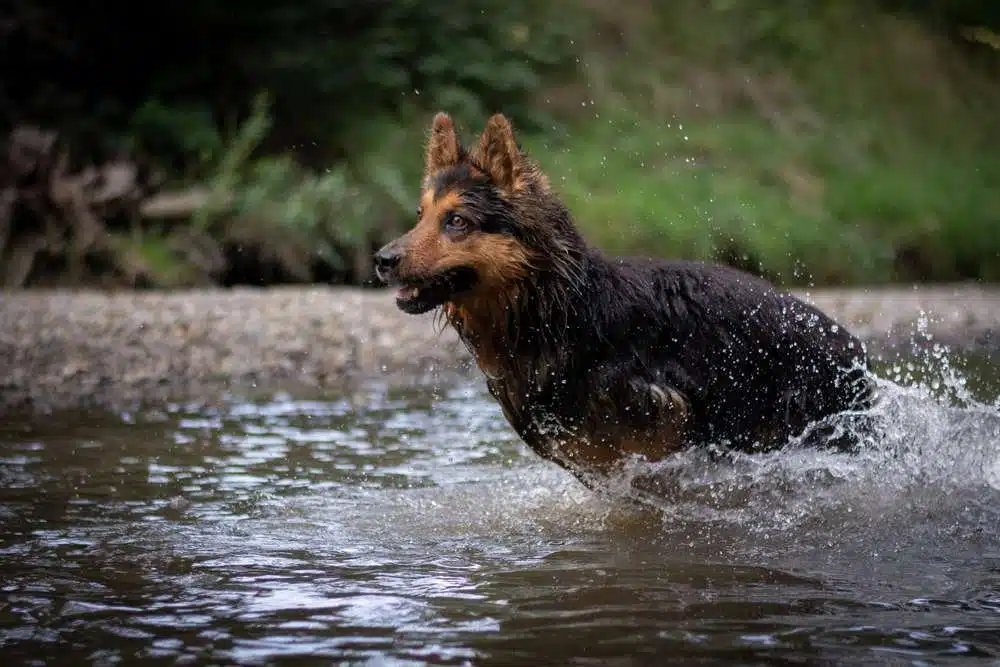
Bohemian Shepherd
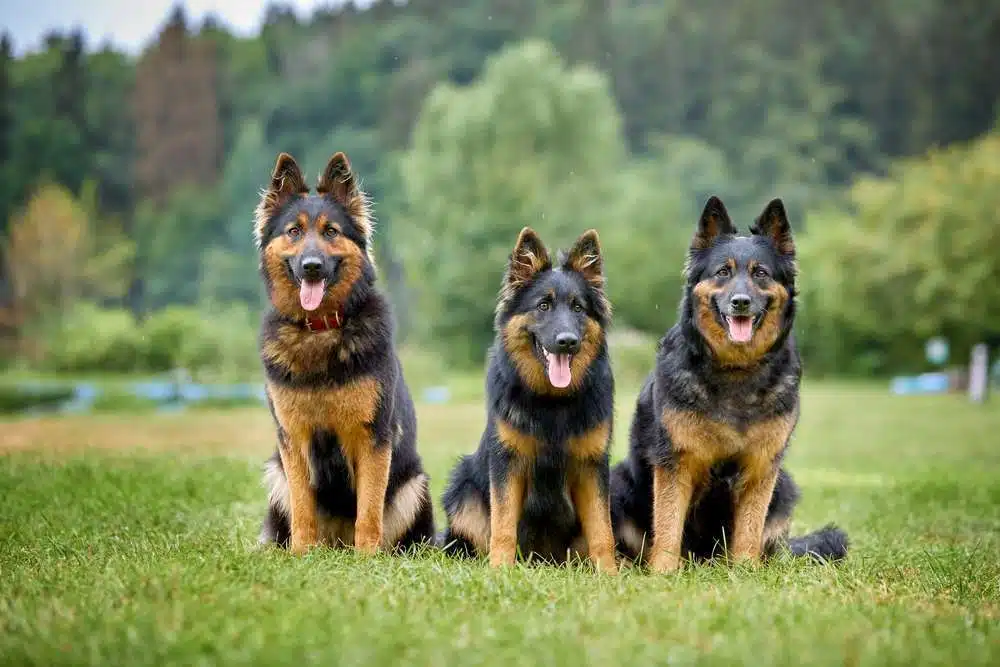
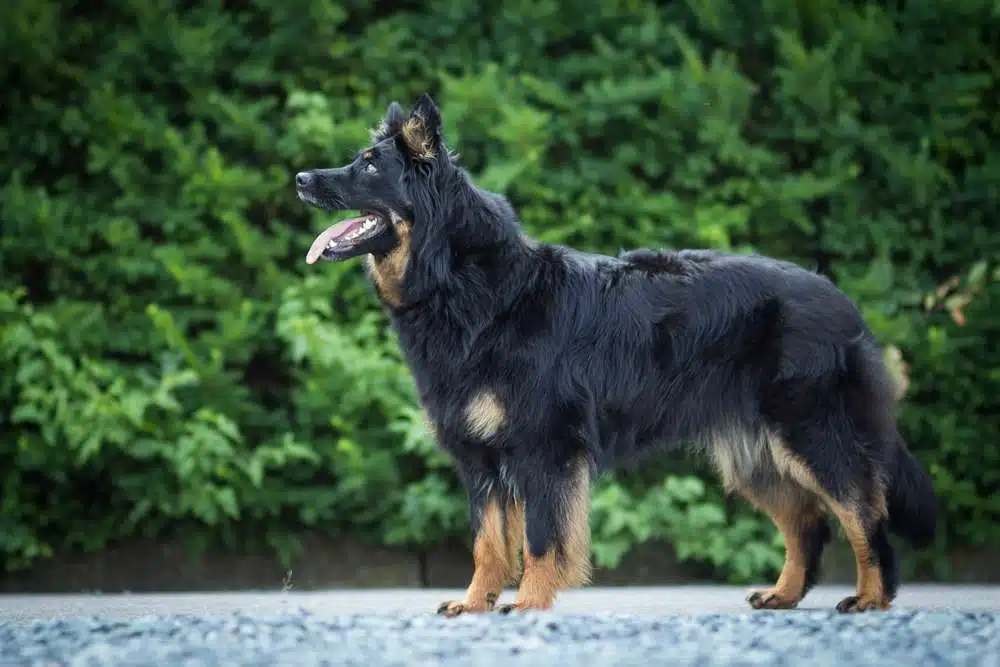
The Bohemian Shepherd, also known as the Chodský pes, is a medium-sized herding breed from the Czech Republic. The breed has a slightly rectangular build, typically standing around medium height with a balanced and athletic frame. Its long double coat protects it from harsh weather, with black and tan being the preferred color pattern. The breed is also recognized for its pointed upright ears, bushy tail, and smooth, effortless movement.
Although often compared to the German Shepherd Dog because of its coloring and appearance, the Bohemian Shepherd developed independently in the Czech countryside. Historically, it served as both a sheep herding dog and a dependable watchdog for farms and villages. Its combination of intelligence, agility, and loyalty made it highly valued by rural communities for centuries.
The breed is known for its affectionate and family-oriented temperament. Well-socialized Bohemian Shepherds are gentle with children and form strong bonds with their owners. Their alert and protective instincts also allow them to excel as natural guard dogs while still remaining friendly and approachable with trusted people.
Because of their athleticism and strong sense of smell, Bohemian Shepherds perform well in a variety of modern working roles. In addition to herding, they are commonly used in search-and-rescue operations, obedience sports, agility training, and scent work. Their calm and empathetic nature has also helped some succeed as Therapy dogs and service animals.
The breed remained relatively uncommon outside its homeland for many years, but interest has steadily grown since receiving recognition from the Fédération Cynologique Internationale in 2019 and entry into the American Kennel Club Foundation Stock Service. Preservation and responsible breeding efforts are now supported by organizations such as the Czech breed club and other Bohemian Shepherd groups dedicated to maintaining the breed’s health, temperament, and working heritage.
Overall, the Bohemian Shepherd is an intelligent, versatile, and devoted breed that balances working ability with companionship. Its combination of trainability, athleticism, and loyalty continues to earn respect both in the Czech Republic and internationally.

Bohemian Shepherd Breed Guide: Temperament, Care, And Key Facts

Introduction. Are you looking for a family dog but worry about energy, shedding, or training needs? The Bohemian Shepherd is friendly, devoted, and is in the American Kennel Club Foundation Stock Service.
This guide will show the breed’s temperament, care needs, and key facts for daily life with a medium sized herding dog. Read on.
You will get clear tips on reward-based training, exercise, and social time at the dog park. I will cover grooming for a double coat, feeding a high quality diet, and common health concerns like hip dysplasia.
The post will also point to AKC resources, dog sports options like agility and search and rescue, and where to find reputable breeders or rescue dogs. Read on.
Key Takeaways

- Medium-sized Bohemian Shepherds stand 19–22 inches, weigh 37–60 pounds, live 9–13 years, have double coats, and gained AKC FSS and FCI recognition in 2019.
- Provide 45–90 minutes daily exercise, reward-based training, weekly brushing, baths every 6–8 weeks, and screen hips/elbows with OFA or PennHIP and DNA tests.
- Watch hip and elbow dysplasia, degenerative myelopathy, epilepsy, and dental disease; request breeder radiographs, DNA panels, and evidence of genetic diversity and screening.
- Contact Bohemian Shepherd Club of North America at [email protected] and consult AKC (akc.org/dog-breeds/bohemian-shepherd) for breeders, events, and FSS resources.
History and Origin

Early Origins in Bohemia
The Bohemian Shepherd traces its history back to 1325 during the reign of the King of Bohemia. The breed served the Chodov people of the West Bohemian region, where these versatile dogs worked as guardians, herders, and farm helpers. Royal approval helped establish the breed as one of the oldest Czech dog breeds and among the earliest dogs intentionally bred for specific working roles.
Working Dogs of the Czech Countryside
Closely related regional types, including the Czech sheepdog and bohemian herder, developed from the same working stock in what is now the Czech Republic. Villagers relied on these intelligent dogs for herding livestock, guarding property, scent tracking, and general farm work. Their adaptability and trainability made them highly valued throughout rural communities.
Decline During the World Wars
Like many European working breeds, the Bohemian Shepherd suffered severe population declines during the 20th century. Both World War I and World War II disrupted breeding programs and dramatically reduced the breed’s numbers by the mid-1900s. For a time, the Bohemian Shepherd faced the possibility of disappearing entirely.
Revival Efforts in the 1980s
In the mid-1980s, breeders Dr. Vilém Kurz and Jan Findejs led organized efforts to restore the breed. Their careful breeding program focused on preserving the Bohemian Shepherd’s working ability, appearance, and temperament. The first modern revival litter was born in 1985, marking a major turning point in the breed’s survival.
Modern Recognition and Roles
The Fédération Cynologique Internationale granted provisional recognition to the breed in 2019, and the American Kennel Club added the Bohemian Shepherd to its Foundation Stock Service the same year. Today, Czech breed clubs and Bohemian Shepherd organizations continue promoting responsible breeding and preserving the breed standard. Modern Bohemian Shepherds work in agility, therapy, service, guarding, and companion roles while still reflecting their historic farm-dog heritage.
Physical Characteristics

This medium sized dog shows a well proportioned body. This bohemian shepherd dog breed wears a long, glossy coat. The coat stays coarse and straight or falls in a slight wave. A shorter undercoat and thick coats give protection in cold weather.
Coat colors include black coat and gunmetal black with rich tan markings.
Lean build, glossy coat, and keen eyes.
Short, erect triangular ears sit above medium sized almond shaped brown eyes. Breeders report a longer coat at the neck and tail on many bohemian shepherd puppy lines. This herding dogs heritage shows in agile movement and a steady, alert stance that helps bohemian shepherds thrive in active homes.
Many owners compare the look to german shepherd traits, yet bohemian sheepdog features feel lighter and more agile.
Body and Structure
Bohemian Shepherds stand 19 to 22 inches tall. Males weigh 41 to 60 pounds, and females range 37 to 53 pounds. Total weight spans 37 to 60 pounds, which helps define a healthy weight.
They have a compact, graceful physical build with a sturdy skeletal system and agile muscle. Erect ears and a keen sense of balance support sure-footed movement. Handlers in North America and members of the Foundation Stock Service Group use a measuring tape and a weighing scale to confirm conformation for the versatile breed.
Face and Expression

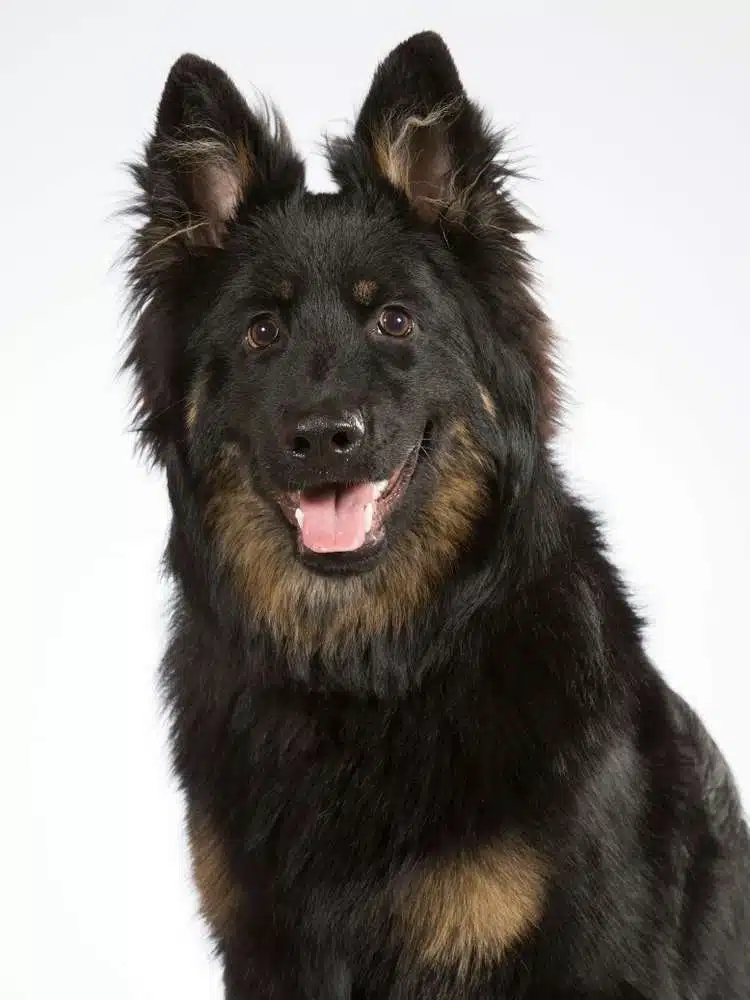
This breed has short, erect, triangular ears. Canine anatomy shows medium, almond-shaped brown eyes that reflect mood. An energetic expression and a long, graceful neck give a lively profile.
Owners read mood from the face during training or dog dancing. Watch ear position for stress and use a training device in short sessions. Plan weekly brushing around the muzzle and ears to keep a healthy breed in good health.
A bohemian shepherd makes a loyal companion to family members, offers a good cuddle, and stays alert around other dogs and other pets.
Coat and Color

The bohemian shepherd’s coat is a medium-length double coat that stays straight or sits slightly wavy. Black or gunmetal black dominates the coat, with rich tan markings on the ears, face, throat, legs, feet, and tail.
Long hair grows on the earlobes and thick, wavy fringes form under the tail. The coat is not hypoallergenic. Regular brushing with a brush and comb limits shedding that can potentially lead to allergies in homes with small children and in households where people spend long periods with working dogs or service animals.
Movement and Gait

This rare, beautiful breed shows a lively, springy gait. They enjoy active work and relaxing with family. They run with energy and endurance and excel in agility, tracking, and pastoral work.
Puppies from the first litter show springy steps early in their life stage.
Owners use an agility course and video analysis to study stride and balance. Choose the right dog for sport if you need stamina and a happy gait. Watch gait for limping or stiffness, since elbow dysplasia can affect movement.
After World War II, breeders and a famous Czech painter helped revive the line, keeping its happy, work-ready motion and strong need for mental stimulation.
Temperament and Behavior

The Bohemian Shepherd stays calm and shows active energy during play. It shows courage and strong loyalty toward family. Owners call it intelligent and deeply devoted. Families often describe it as lovey-dovey.
Breeders note it as a rare breed prized for loyalty. The dog works as an efficient watchdog. It grows vocal and alert when it senses danger.
It thrives in active homes and fits well as an emotional support animal. Early socialization and steady obedience training help curb excess barking and protectiveness. Use a leash and a training marker during walks and short sessions to shape calm replies.
Supervise interactions with young children, and teach gentle play rules to keep both safe. Use reward-based training, and consult a veterinarian or a professional trainer for persistent issues.
Health Considerations

Owners should expect a lifespan of 9 to 13 years for this breed. Regular exercise and mental stimulation remain essential for health and behavior. They need weekly brushing with a grooming brush and only occasional baths to keep their coat healthy.
Watch for hip and elbow dysplasia and schedule orthopedic screening with your veterinarian.
No single disease dominates the breed, so vets recommend routine checkups and clear health records. Train with positive reinforcement, use training tools and behavior plans to reduce anxiety.
Feed a high-quality diet and follow a nutrition plan to support athleticism and a glossy coat.
Common Concerns
Bohemian Shepherds show no single health problem at high rates. Breeders work to lower hip and elbow dysplasia, degenerative myelopathy, and epilepsy through screening and genetic diversity.
- Ask for hip and elbow radiographs, OFA or PennHIP reports before you buy or breed. Breeders use these tools to lower dysplasia risk and share joint scores.
- Screen for spinal degeneration and seizure risk with DNA panels and neurologic exams. Breeding programs test for degenerative myelopathy and epilepsy to protect genetic diversity.
- Keep dental care high on your list, dental disease is common in the breed. Schedule professional cleanings and brush teeth at home several times per week.
- Ask breeders about population management and genetic diversity efforts. A diverse gene pool lowers risk of inherited conditions and supports long term breed health.
- Watch puppy and adult movement for early signs of lameness. Early vet checks catch joint or neurologic problems before they worsen.
- Keep vaccination, parasite prevention, and routine blood work current. These standard tools help reveal unexpected issues and support general health monitoring.
- Plan for dental budgets and at-home care to avoid common oral disease. Use canine toothpaste and a soft brush, and set reminders for annual professional cleanings.
Lifespan
The Bohemian Shepherd typically lives 9 to 13 years. Genetics, diet, and routine vet care shape that span.
Ask your vet for genetic screens, x-rays, blood work, and heart ultrasound when needed. Consistent exercise and a balanced, portioned diet cut chronic disease risk.
Training Considerations

Use positive reinforcement techniques, like treats and praise, to shape good habits. Early training helps set good behavior patterns and makes later lessons easier. Harsh or repetitive methods can cause anxiety and harm your bond.
Eager to please, they learn fast and do well in obedience and dog sports, such as obstacle course events. Use a marker device or verbal cue, high value treats, and short sessions of five to ten minutes.
They are highly trainable and respond best to calm, consistent rewards.
Manage their watchdog instincts with clear rules and consistent cues. Teach a quiet cue and reward calm behavior when visitors arrive. Use leash training and structured walks to reduce reactivity and channel guarding instincts.
Enroll in an obedience course or work with a professional trainer who uses reward based methods. Try controlled socialization sessions early, during the puppy months, to build confidence.
Seek help from a trainer if barking or reactivity persists, especially with stranger approaches.
Exercise and Socialization

Bohemian Shepherds need steady daily work. They thrive with about an hour to an hour and a half of exercise plus mental tasks.
- Set a routine that gives 45 to 90 minutes of activity daily with fast walking, jogs, or dog sports. Use a leash and vary pace to help burn energy and prevent boredom.
- Include puzzle toys and short obedience training for mental stimulation, using a rubber treat toy and sound marker during drills. Change games every few days to keep thinking sharp.
- Train in agility courses, dog dancing drills, and tracking sessions to use natural skills. Add a scent kit for nose work practice and build endurance through timed runs.
- Prevent trouble by meeting daily exercise needs; unmet energy can cause destructive or hyper behavior that shows up at home and on walks.
- Expose early to people, places, and other dogs with supervised play and puppy classes. Praise friendly behavior since this social breed thrives in homes with regular engagement.
- Rotate training tools like a treadmill, prey rod, and scent kit to add variety to sessions. Limit treadmill runs to safe lengths and watch form to avoid injury.
- Keep sessions brief, five to fifteen minutes, and repeat skills across the day. Reward correct responses with treats, then fade food and rely on praise.
- Seek outlets such as search and rescue volunteering, competitive tracking, or endurance trials for advanced dogs. Match activity level to the dog’s age and fitness to avoid strain.
Living with a Bohemian Shepherd

They stay friendly and devoted and make great family pets. The breed adapts well to change but thrives on a steady routine. Owners must provide regular exercise and mental stimulation for good health.
Social play at the dog park lets them meet other dogs, and they can stay alert and protective when needed.
High shedding means frequent grooming, and the wiry coat needs monthly maintenance. Keep a brush and a comb, and schedule regular trims with a groomer or veterinarian for coat care.
Use a leash, a harness, a training device, and interactive toys to burn energy and teach commands. Positive reinforcement works best for training and builds trust while reducing unwanted behaviors.
Best Environment
Bohemian Shepherds stay tough and resilient in cold weather. The breed resists low temperatures and enjoys brisk outdoor play in winter. Keep them indoors for daily living since they show deep devotion to family.
In summer they can suffer from heat, so create cool indoor zones. Use a window air conditioner, an oscillating fan, a cooling mat, and a stone patio to help them cool down. Place an orthopedic foam bed in a shaded room to give them a comfy, cool spot to lie down.
Behavior towards Children
They make good family dogs because of their friendly nature and clear compatibility with children. Tolerance and patience vary by dog and by child, so owners must watch for stress signals.
Apply socialization, clicker work, and positive reinforcement training to teach calm interactions. Supervise all interactions with young children, and never leave a dog alone with a toddler; consult a trainer or veterinarian if tense body language or snapping appears.
Behavior towards other Pets
Bohemian Shepherds show a friendly nature and can get along with other pets after proper socialization. Owners should supervise interactions, since the breed has a medium pet-friendly rating and may react to unfamiliar animals.
Early socialization and positive reinforcement training build calm habits. Use a leash, crate, treats, and a sound marker in short practice sessions. Loyalty and protective instincts can affect interactions with unfamiliar pets, so control first meetings.
Grooming Needs

Grooming keeps the coat healthy. Plan weekly brushing and extra care during seasonal shedding.
- Schedule weekly brushing with a firm brush to remove loose hair and dirt, and brush more often during spring and fall seasonal shedding to cut down on mats and indoor hair.
- Use an undercoat rake during heavy shedding to pull dead undercoat fibers and reduce mats; keep sessions short to prevent skin irritation.
- Give occasional baths with dog shampoo, roughly every six to eight weeks or as needed, to avoid stripping natural oils and causing skin problems.
- Include nail clipping, ear cleaning, and a skin examination at each grooming appointment to catch issues early and keep nails at a safe length.
- Never shave the coat because it protects against weather, prevents injuries, and helps regulate body temperature; trim only pads and sanitary areas.
- Keep basic tools at home, such as a brush, a rake, nail clippers, an ear cleaner, and gentle shampoo for touchups between professional visits.
- Check coat and skin weekly for ticks, mats, lumps, or irritation and call your veterinarian if you find persistent redness, swelling, or unusual bumps.
Nutrition and Feeding

Feed a Bohemian Shepherd high-quality food that suits puppy, adult, or senior needs. Portion control helps prevent obesity and keeps the dog active.
- Choose a life-stage-appropriate diet that meets AAFCO standards and offers 22 to 26 percent protein for adults; give higher protein for growing pups. This fuels athleticism and supports coat health.
- Measure portions with a kitchen scale or measuring cup and follow the bag feeding chart. Control portions to avoid obesity; use an online calorie tool and your veterinarian’s guidance to fine tune servings.
- Limit treats to no more than 10 percent of daily caloric intake for training and snacks. Count treat calories in the daily total and pick low calorie, nutrient rich rewards to prevent weight gain.
- Balance proteins, fats, and carbohydrates to match activity and life stage needs. Include omega-3 fatty acids and quality amino acid sources to support muscle strength and a glossy coat.
- Support metabolic or allergy issues with elimination tests or veterinary-prescribed formulas. Ask a canine nutritionist or your vet for customized plans, and use a food scale to keep portions exact.
- Consult your veterinarian at growth milestones, before breeding, and when the dog enters senior care. Update calorie targets and food type using AAFCO guides and a calorie calculator to maintain healthy weight.
- Re-evaluate weight and body condition monthly and record changes in a simple log. Adjust portions by 5 to 10 percent if weight trends show gain or loss, while keeping treats under 10 percent.
Where to find a Bohemian Shepherd

Contact the Bohemian Shepherd Club of North America at [email protected] for breeder referrals and rescue leads.
Use AKC Marketplace for breeder listings and dog care resources.
The American Kennel Club handles dog and litter registration. It runs the Foundation Stock Service for rare breeds and offers foreign dog registration on its site, www.akc.org/dog-breeds/bohemian-shepherd/.
Similar Dog Breeds

Here are breeds often compared with the Bohemian Shepherd.
| Breed | Similarities | Differences | Best Fit for Owners Who |
|---|---|---|---|
| German Shepherd | Shares herding roots and high intelligence. Prized for police work and service roles. Part of the Herding Group, which includes Australian Cattle Dog, Australian Kelpie, Border Collie, and Belgian Malinois. | More widely used in police and service work than the Bohemian Shepherd. Known for strong loyalty and broad public recognition. | Want a proven working partner and structured training for protection, service, or formal tasks. |
| Belgian Tervuren | Similar shepherd structure, high intelligence, strong herding drive, and devotion to family. Shares alert temperament and working versatility. | Longer, more abundant coat and generally lighter, more refined build; often more intense and sensitive in temperament. | Prefer an elegant, high-drive herding dog for advanced training, sport, and active companionship. |
| Belgian Malinois | Matches high drive, trainability, and herding ancestry. Comes from the same working lineage seen in many herding and duty dogs. | Lighter and faster; often selected for military and rapid patrol roles over traditional herding work. | Need a very active dog for sport, duty, or advanced working roles and can commit to intense training. |
| Dutch Shepherd | Shares agility, intelligence, and a clear herding background with the Bohemian Shepherd. Fits well within herding traditions. | Tends to live longer than the German Shepherd by about 2 to 5 years and typically has a brindle coat. | Prefer an intelligent herding dog with strong stamina and steady working drive. |
Conclusion

This guide covered the Bohemian Shepherd’s origin, appearance, temperament, health, grooming, and training basics. Use simple steps like regular walks, mental games, reward-based obedience training, and a high-quality diet to keep your dog fit.
Follow AKC guides and Foundation Stock Service resources to spot health issues early and schedule needed vet care. Try a brush and training tool, and visit the AKC website for breeders, events, and sport listings.
Take time to bond each day; your steady patience will build a loyal companion and enrich family life.
FAQs
1. What is the Bohemian Shepherd’s temperament?
The Bohemian Shepherd shows loyalty, alertness, and high intelligence. This dog forms strong bonds with its family and stays friendly with people after proper socialization. A common myth says the breed is naturally aggressive, but data and experience show they become calm and stable with good training.
2. How much exercise and training do they need?
This breed needs regular exercise, about 60 minutes of walks and play each day. Trainers report fast learning with short, positive sessions. Early socialization and clear rules cut down on problem behaviors.
3. What care does the breed guide recommend for grooming and health?
Grooming needs are moderate, with weekly brushing and extra care during heavy shed times. Owners should check ears, teeth, and nails, and keep yearly vet visits. The breed tends to have good overall health, but watch for joint issues and eye checks as part of routine care.
4. Are Bohemian Shepherds good for families and first-time owners, and what are the key facts?
They fit active families and owners who give time and structure. This dog does poorly with long alone time and needs regular mental work. Key facts from the guide include steady temperament, moderate grooming, daily exercise needs, and a typical lifespan around 12 to 14 years.
References
- https://www.thesprucepets.com/bohemian-shepherd-characteristics-and-care-8625260 (2025-10-28)
- https://www.akc.org/dog-breeds/bohemian-shepherd/
- https://www.wisdompanel.com/en-us/dog-breeds/bohemian-shepherd
- https://timberwolfpet.com/blogs/dog-facts/8-dog-breeds-similar-to-german-shepherds?srsltid=AfmBOopMFXy2Q1liVVV15tRBDiK5c_Td_6DcJL5HPULVaoq891M0CzQ_
- Furlyfe Rank See Rank
- Group AKC Foundation Stock
- Origin Czech Republic
- Size Medium
- Weight 33 to 55 pounds
- Coat Length Medium
- Coat Type Double
- Colors Black & Tan
- Other Names Chodsky pes, Czech Sheepdog, Bohemian Herder, Chodenhund
- Temperament Active, Courageous, Intelligent, Stable, Trainable