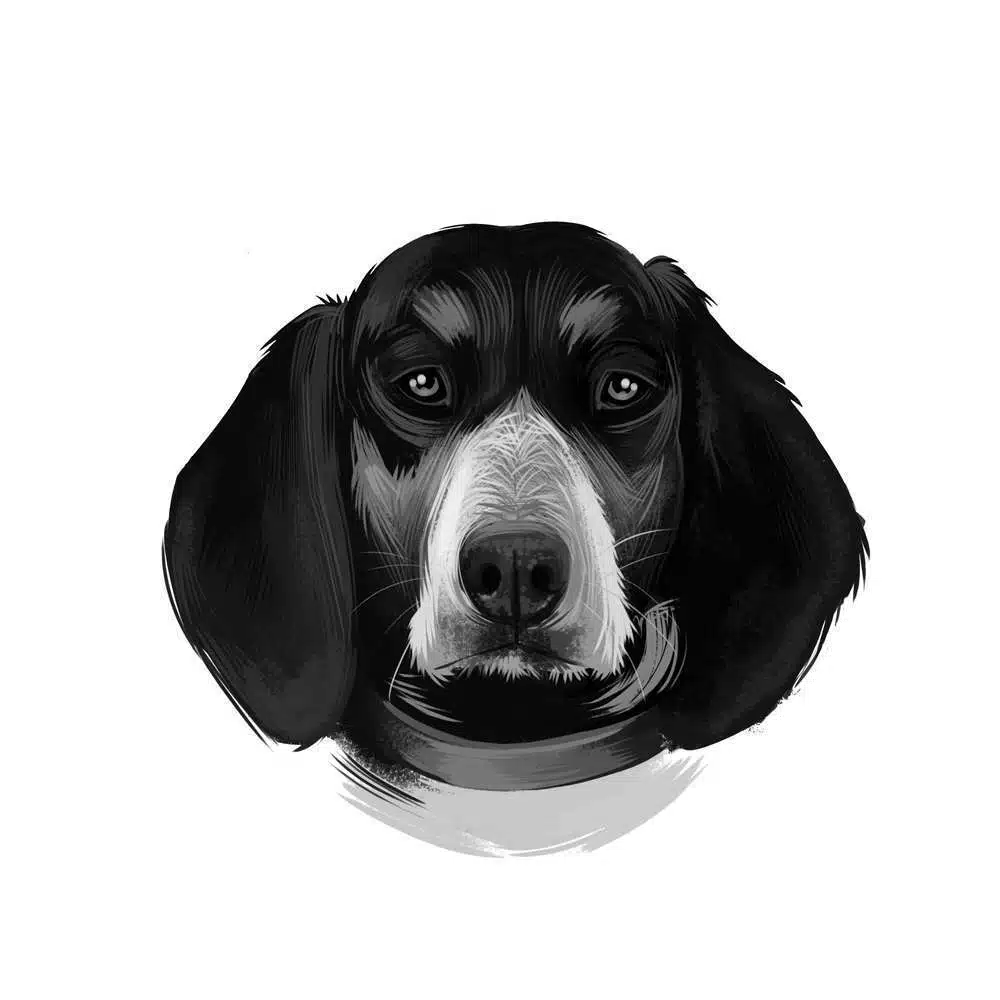
Bluetick Coonhound
The Bluetick Coonhound is an energetic scent hound developed in the southern United States, particularly associated with Louisiana. Bred for hunting and tracking, Blueticks are intelligent working dogs that thrive when given a job to do. Without enough activity or stimulation, they can easily become bored and vocal.
Known for their distinctive baying howl, Blueticks are often loud and expressive, especially when excited or following a scent. Despite their strong hunting instincts, they are generally friendly, affectionate dogs that bond closely with their families. Many enjoy car rides, outdoor adventures, and relaxing near their owners at home.
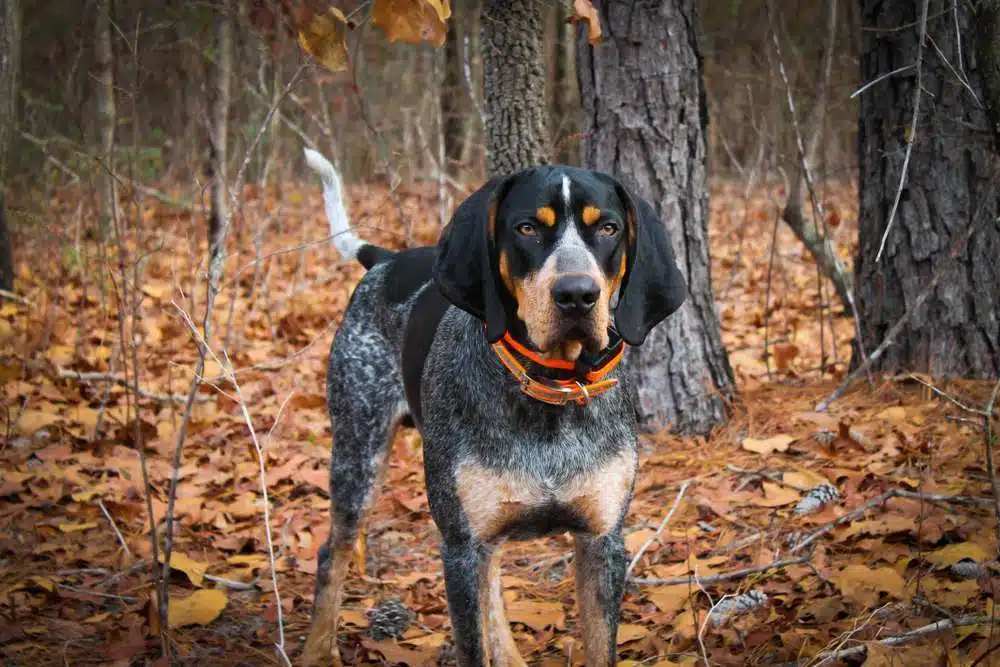
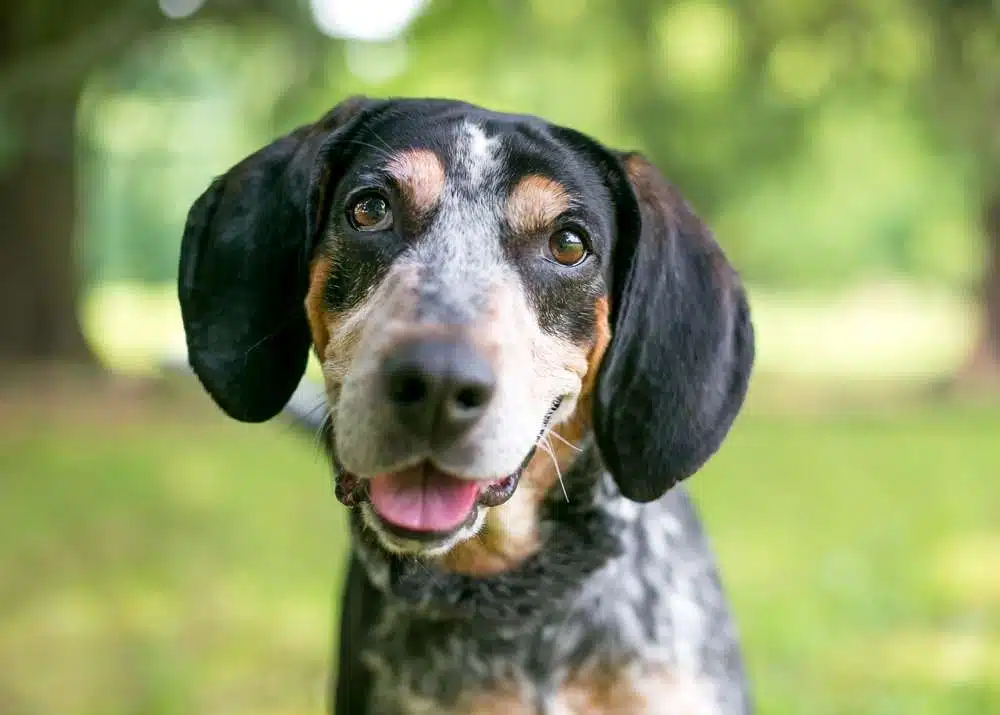
Blueticks are recognizable by their dark blue mottled coat with black spots and tan markings. Originally considered a color variety of the English Coonhound, they later developed into a distinct breed known for both appearance and working ability. Their smooth coat is relatively easy to maintain with weekly brushing and routine ear, nail, and dental care.
These hounds are social and often get along well with other dogs and even cats when properly introduced. However, their strong prey drive means they may chase squirrels and other small animals outdoors. Daily long walks and opportunities to safely run in a fenced area help keep them physically and mentally satisfied.
Because Blueticks are driven by scent, they should remain on a leash or inside a secure yard when outside. Once they pick up an interesting trail, they may wander far from home if given the chance. A tired Bluetick is usually a well-behaved Bluetick, so regular exercise is extremely important.
Potential owners should also consider the breed’s loud voice and strong hound odor, both common traits among scent hounds. Early training with positive reinforcement works best, especially since Blueticks are food-motivated and eager to please. With proper training, exercise, and companionship, they become loyal hunting partners and loving family companions.

Bluetick Coonhound Breed Guide: Temperament, Care, And Unique Traits

You may want a Bluetick Coonhound but worry about their energy, training, and hunting drive. These scent hounds are hunting dogs with strong noses and floppy ears, and they need regular exercise, mental stimulation, and ear checks.
The Bluetick Coonhound is recognized by the American Kennel Club and has competed in the AKC Hound Group since January 1, 2010. This guide covers temperament, health concerns like ear infections and bloat, training methods, grooming tips such as weekly brushing, and feeding advice with high quality dog food.
It also points to where to find reputable bluetick coonhound breeders and puppies. Read on.
Key Takeaways

- Bluetick Coonhounds are scent hounds; AKC registration April 2009, Hound Group Jan 1, 2010; lifespan 11–12 years; males 22–27 in/55–80 lb, females 21–25 in/45–65 lb.
- Blueticks need 1–2 hours daily (minimum 30 minutes), can run up to 6 miles, and require a secure fenced yard plus regular nose work.
- Watch for bloat, ear infections, hip/elbow dysplasia, cataracts, and progressive retinal atrophy; inspect ears weekly, maintain dental care, and use slow feeders.
- They show strong prey drive, vocal baying, and stubborn streaks; use positive reinforcement, crate training, early socialization, and plan active outdoor living rather than apartments.
- Find AKC-registered pups via AKC Marketplace, consult the National Bluetick Coonhound Association (AKC parent club since 2018), or check local rescues.
History and Origin

Origins in Colonial America
The Bluetick Coonhound developed in colonial United States as hunters sought a skilled scent hound capable of tracking game through rough terrain at night. Early American breeders combined several hunting breeds, including the Grand Bleu de Gascogne, English Foxhound, American Foxhound, Cur dogs, and the Black and Tan Virginia Foxhound to create the foundation of the breed.
Bred to Track and Tree Game
Bluetick Coonhounds were specifically bred to track and tree raccoons and other game animals. Hunters valued these hounds for their powerful noses, endurance, and loud vocal tracking style. Their ability to follow cold trails and alert hunters with distinctive baying made them especially effective nighttime hunting dogs.
Distinctive Appearance and Working Ability
Over time, breeders refined the Bluetick Coonhound into a muscular, athletic dog with a glossy coat and distinctive blue-ticked and tan coloration. The breed became known not only for its appearance but also for its intelligence, stamina, and determination in the field. These traits helped establish the Bluetick as a respected working and hunting breed throughout rural America.
Influence of Early American Hound Lines
Early American hound development was influenced by colonial hunting traditions, including those of George Washington, who maintained large packs of hounds in colonial Virginia. These bloodlines contributed to the development of several American scent hound breeds, including the Bluetick Coonhound.
Official Recognition and Modern Popularity
The United Kennel Club officially recognized the Bluetick Coonhound as a separate breed in 1946. Later, the American Kennel Club accepted the breed for registration in April 2009 and allowed it to compete in the Hound Group beginning January 1, 2010. Today, the Bluetick Coonhound remains valued as both a hardworking hunting companion and a loyal family dog.
Physical Characteristics

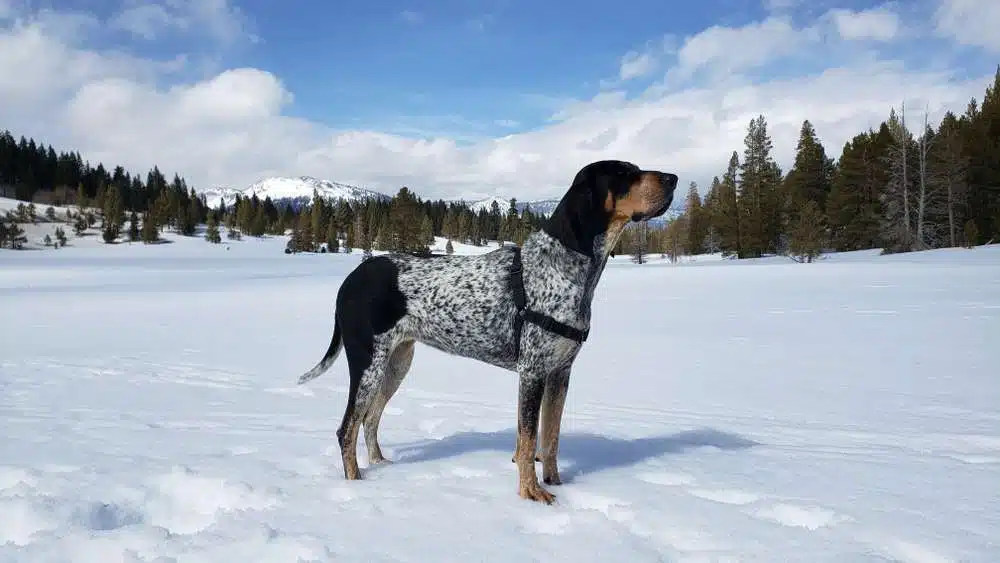
Medium-large breed with a distinctive ticked coat pattern. The coat often shows dark blue ticking over white, with clear tan markings on the face and lower legs. The smooth coat lies close to the body.
Long droopy ears frame a keen expression. Dogs carry their head up and hold their tail over the back.
They show a muscular, speedy build and a deep chest that helps in hunting raccoons and chasing quarry like wild boar. Well arched toes and strong lower legs add to endurance and ground-covering movement.
Movement and gait remain smooth and driven, traits common to French hounds and other hound breeds. Bluetick coonhound puppies reveal these features at a young age, and a female bluetick may look slightly leaner than males.
Body and Structure
Males stand 22 to 27 inches tall and weigh 55 to 80 pounds. Females reach 21 to 25 inches and weigh 45 to 65 pounds. The body looks square or slightly longer than tall and feels muscular.
They rank among muscular dogs and deep chested breeds, so monitor a healthy weight for good bluetick coonhound health.
They have large paws with cat-like, rounded, well-arched toes. Rear legs show a moderate bend at the hocks while legs sit straight from both front and rear views. The American Blue Gascon Hound variant males stand 27 to 30 inches tall.
Keep gait analysis and musculoskeletal structure checks part of routine care for active dogs that do dog activities.
Face and Expression

The Bluetick Coonhound shows a long, square muzzle with long flews and round dark brown eyes. Low, thin ears sit close to the head and add the breed’s droopy-eared charm. Those eyes look soft or alert, and they reflect the affectionate temperament that helps bond with pet parents.
Bluetick coonhounds typically use facial cues during play with other dogs and to signal strong prey interest. Pet owners should learn dog body language and watch the back, ears, and sides during grooming for signs that need a veterinary exam.
Coat and Color
Coat is short, smooth, and glossy, and it most often appears as the Blue Ticked pattern, number 379. Markings may include Black Spots, code 080, and the blue coloring dominates while black appears on the head and ears, with brown above the eyes, on the muzzle, chest, and legs.
Puppies are born mostly white with black markings; ticking develops after a few weeks and darkens with the dog’s age. Blue Ticked and Tan is number 527 in the standard, and judges allow more blue than white coloring; owners and experienced pet parents should use a soft brush or grooming glove and include coat care in proper training to keep healthy dogs.
Movement and Gait

Bluetick Coonhounds move with a speedy, muscular gait that fits hunting work. They carry their head up and hold their tail over the back during movement.
This bluetick coonhound overview shows their long stride helps in dog sports and field work for active families. Owners must provide mental and physical stimulation, adapt exercise by the dog’s age, and use a fenced yard or location tracker off leash to protect small animals and other pets.
Temperament and Behavior

This breed ranks among affectionate dogs and bonds tightly with people who give love. Hunters originally bred the bluetick coonhound for tracking and treeing, which explains the relentless prey drive and bold pursuit of quarry.
They stay highly vocal and answer with a baying, bugle-like call when they lock onto scent. Smart and problem-solving, they learn with positive training methods, yet many owners report stubborn streaks that test patience.
Check the coat for the classic ticking on back ears and sides that marks this dog breed.
Early socialization and firm, consistent lessons help them fit well as family pets around older children. They do best with people who match their pace, since high energy dogs need long runs and playful dogs enjoy scent work.
Use a crate and a marker tool for short, consistent training sessions to build recall and focus. Vision decline from progressive retinal atrophy can change temperament, so owners must watch the dog’s weight and activity levels.
Adopters can meet hounds at a local animal shelter, but hunting instincts and boldness may lead to a life threatening emergency near roads or wildlife.
Health Considerations

Bluetick Coonhounds live about 11 to 12 years on average. Writers of bluetick coonhound history link the breed to hunting lines that shape some health risks. Common problems include bloat, ear infections, hip dysplasia, elbow dysplasia, cataracts, and progressive retinal atrophy.
Owners should check ears often and keep up with regular dental care. The breed is not hypoallergenic, and family members with allergies may need another choice. The bluetick coonhound originated in the southern United States from foxhounds and other scent hounds, and those roots affect some hereditary risks.
Breed club guidelines do not recommend specific health tests, so work with your veterinarian on screening and care plans.
Common Concerns
This section lists common health and behavior concerns for the Bluetick Coonhound. Read each item for clear, actionable steps.
- Bloat, or gastric dilatation-volvulus (GDV), affects deep-chested dogs and can be sudden and life-threatening. Feed two to three small meals, use a slow feeder bowl, avoid vigorous exercise after eating, and learn emergency symptoms for immediate vet care.
- Low-hanging ears trap moisture and wax, raising infection risk. Inspect weekly, clean with a veterinarian-approved ear solution, and seek care for odor, redness, or repeated head shaking.
- Regular dental care cuts infection risk and protects general health. Brush with a dog toothbrush several times per week, offer dental chews, and book yearly dental exams with your veterinarian.
- Not recommended for homes with young children or other pets because of an independent, sometimes stubborn temperament. Choose an experienced handler or arrange slow, supervised introductions if other animals must live together.
- Trainability varies; some dogs please quickly while others act self-willed. Use short, consistent sessions, crate training, positive reinforcement, and hire a professional trainer for persistent recall or scent-driven behaviors.
- High energy and a strong scent drive demand daily exercise and mental work. Provide long walks, tracking games, a secure fenced yard, and a sturdy leash to prevent chasing and escape.
- Schedule annual exams and keep vaccinations current; microchip and discuss spay or neuter with your veterinarian. Inspect ears and teeth at home, and ask about preventive gastropexy if you worry about GDV.
Lifespan
Bluetick Coonhounds have an average lifespan of 11 to 12 years. Genetic factors and breed traits influence that span.
Regular veterinarian care, such as annual exams, vaccinations, and preventive care, can improve health and lengthen life. Owners should use genetic screening, keep a balanced nutrition plan, and maintain a steady exercise routine.
Training Considerations

Owners need patient, consistent positive reinforcement. This hound stays smart, yet shows independence and stubborn streaks. They learn basic commands, but they may resist if bored or distracted.
Short sessions work best, with reward items and a training device. Early socialization helps shape calm, well-rounded adults. Puppy classes and neighborhood meetups build focus and manners.
Daily walks and active play meet physical needs. Mental work matters just as much, scent games fit that need. Use tracking, nose work, and puzzle feeders to challenge the mind. Leash training and clear boundaries cut unsafe roaming and chasing.
Hire a professional trainer when stubbornness stalls progress. Change tasks often to keep interest high during sessions.
Exercise and Socialization

Bluetick Coonhounds need daily exercise and steady socialization. Plan for at least 30 minutes of stimulation, with one hour preferred.
- Schedule 1 to 2 hours of exercise each day, with at least 30 minutes as the minimum; one hour of focused activity helps prevent destructive behaviors and boredom.
- Give access to a secure chain-link fence for off-leash yard play, since they enjoy running; they have the stamina for runs up to 6 miles, but stay leashed on public trails.
- Use a long-line or track harness for extended leash walks and scent work; add agility and tracking drills to burn energy and refine nose skills, and use a clicker for clear rewards.
- Offer daily nose work and puzzle toys for at least 30 minutes to meet mental needs; scent drills count as exercise and cut down on digging and nuisance barking.
- Enroll in puppy socialization classes and structured pack walks to build recall and calm greetings; early group exposure reduces reactivity and improves vet and park visits.
- Pack water, a collapsible bowl, and a GPS tracker for long hikes and runs; limit outings to around 6 miles and watch for heat, paw wear, and fatigue on long routes.
- Build a routine that pairs crate rest with play and training sessions; aim for one hour of focused work or two shorter sessions to channel high energy and protect household items.
- Join local agility, tracking clubs, or field trial groups to channel hunting instincts; regular sport practice meets their endurance needs and gives purposeful outlets for stamina.
Living with a Bluetick Coonhound

Not suited for apartment life due to noise and exercise needs, a Bluetick Coonhound needs long daily walks and open space. This breed will follow you and claim soft spots on sofas and beds.
Owners should plan indoor living, though the dog can adapt to outdoor kennels if needed.
They need a fenced yard and leash walks to prevent wandering due to a strong prey drive. A tall yard fence, a solid leash, a crate or dog bed, and a location tracker help keep them safe.
Visit a veterinarian for care advice and hire a trainer or use an off-leash area for controlled social time.
Best Environment
Bluetick Coonhounds suit active families who have a yard or open space. They need ample exercise and mental stimulation to avoid destructive behaviors. Add a fenced yard, a long leash, off leash area visits, and puzzle toys to burn energy.
Apartment dwellers or owners who cannot give significant daily activity should choose another breed.
Behavior towards Children
These dogs do well with larger kids. Their energy and streak of independence make them a poor match for homes with young children.
Proper socialization and firm training shape safer play. Use a lead and a crate. Offer high-value treats and supervise every interaction.
Behavior towards other Pets
Bluetick Coonhounds usually get along with other dogs. They can compete for dominance inside a household pack. Strong socialization and clear leadership cut tension and reduce fights.
Use a training tool, a restraint, or an enclosure during slow introductions to teach boundaries.
High prey drive makes small animals unsafe around this breed. They may live with dog-savvy cats if owners introduce them slowly and monitor closely. Work on recall and impulse control with a training device and a lead, and always supervise when small pets share space.
Grooming Needs

This breed has a short, glossy coat that sheds moderately. Grooming needs include weekly brushing, occasional baths, regular ear cleaning, and routine nail trims to keep skin and ears healthy.
- Brush the coat once a week with a firm brush and a deshedding tool to remove loose hair, boost the glossy look, and reduce moderate shedding; finish with a grooming glove for final pickup.
- Bathe only as needed using a mild dog shampoo and a full rinse to protect natural oils; occasional baths help without stripping the coat.
- Clean ears regularly with a veterinarian-approved ear cleaner and cotton balls to prevent infections; check inside for odor or heavy wax while brushing.
- Trim nails regularly with quality clippers to prevent overgrowth and pain, and file edges if they feel sharp after a cut.
- Households with allergies should note this breed is not hypoallergenic and sheds moderately; run a HEPA air filter and increase brushing if allergy symptoms appear.
- Inspect skin and coat each session for ticks, sores, or irritation and call your veterinarian at once if you see swelling or other signs of infection.
Nutrition and Feeding

Adult Bluetick Coonhounds need 2 to 3 cups of high-quality dry food daily, split into two or three meals. Puppies may require three meals per day due to a higher metabolism. Measure portions with a cup to keep calories and protein balanced.
Use slow-feeding bowls or toys to prevent bloat. Raise food bowls and limit activity for 1 hour after meals to lower bloat risk. Do not let children bother the dog while it eats. Keep fresh water available in a water bowl at all times.
Where to find a Bluetick Coonhound

Search the AKC Marketplace; it lists only AKC-registered Bluetick Coonhound puppies. The National Bluetick Coonhound Association has served as the AKC Parent Club since 2018 and can offer breeder referrals.
Use American Kennel Club resources to compare up to five breeds and find reputable breeders. Check over 450 AKC Rescue Network groups across the United States, many list Blueticks for adoption, and contact club members or rescue coordinators for local leads and adoption steps.
Similar Dog Breeds

Here are four similar breeds to compare.
| Breed | Similarities | Differences | Best Fit for Owners Who |
|---|---|---|---|
| Beagle | Shares strong scent-tracking instincts, vocal hunting style, and friendly personality with the Bluetick Coonhound. | Smaller, more compact, and generally easier to manage in smaller homes. | Want a scent hound with a playful temperament and moderate exercise needs. |
| English Foxhound | Shares endurance, hunting instincts, and strong nose work with the Bluetick. | Typically faster-paced and bred more for fox hunting than treeing game. | Enjoy active outdoor lifestyles and want a social running companion. |
| Treeing Walker Coonhound | Similar coonhound structure, tracking ability, and nighttime hunting instincts. | Leaner and faster, with a more intense drive and greater speed on trails. | Want a high-energy hunting hound that excels in tracking and treeing game. |
| Black and Tan Coonhound | Shares American coonhound heritage, deep baying voice, and strong scenting ability. | Heavier-bodied with a calmer demeanor and distinct black-and-tan coloring. | Prefer a slightly steadier coonhound that still performs well in scent work and hunting. |
Conclusion

Conclusion: This guide recapped Bluetick Coonhound history, physical traits, temperament, health risks, training, and grooming. You get clear steps for early socialization, daily exercise, and ear checks to prevent infections.
Use AKC resources, the breed club, AKC Marketplace, or a local rescue to find a puppy or get support. Will you try agility, tracking, or training classes to channel that hound drive? Feed age-appropriate food, watch calories, and brush weekly to cut shedding and avoid obesity.
Take action now and enjoy a loyal, smart companion that rewards care with joy.
FAQs
1. What is the Bluetick Coonhound temperament?
Bluetick Coonhounds are friendly, curious, and vocal. They show a strong scent drive and can be stubborn. Early socialization and steady training calm their high energy and tracking instincts.
2. How do I care for a Bluetick Coonhound?
Provide daily exercise, basic grooming, and regular veterinarian checks. Give long walks or scent games to meet exercise needs. Brush weekly and bathe only as needed to protect the coat.
3. Are Bluetick Coonhounds good family pets?
Yes, they can be loyal family pets when trained and socialized. They do best with active families who manage their vocal habits and strong prey drive. Supervise interactions with small animals and teach children safe handling.
4. What unique traits affect training and health care?
Their tracking nose and loud bay make them great hunting dogs, not quiet companions. Use reward based training, leash work, and mental games to focus their energy. Watch joint health and ear infections, and see a veterinarian for routine care.
References
- https://www.zealandiapets.com/pages/the-bluetick-coonhound-an-american-hunting-icon?srsltid=AfmBOopr-ne_Wwn6KpR0DscVq5hb5ljIANNcTXusIIfBPWWvwU8oLVoW
- https://www.thesprucepets.com/bluetick-coonhound-dog-breed-profile-1117911 (2025-06-23)
- https://www.akc.org/dog-breeds/bluetick-coonhound/
- https://www.petmd.com/dog/breeds/bluetick-coonhound
- https://www.houndsy.com/blogs/modern-tails/understanding-bluetick-coonhound-personality-traits-a-comprehensive-guide-for-enthusiasts?srsltid=AfmBOoqNyeVVwNxpTUPMe3xvWudZm9cV34OuAfuGYq6y234ckKmOs-j4 (2025-04-10)
- https://dogacademy.org/breeds/bluetick-coonhound (2025-11-24)
- https://www.houndsy.com/blogs/modern-tails/understanding-bluetick-coonhound-personality-traits-a-comprehensive-guide-for-enthusiasts?srsltid=AfmBOopLyGxVuo4Qll9A7Gt64Z7XNKZGV6hgV3gFtM5u5ojMCWEGlsDE (2025-04-10)
- Furlyfe Rank See Rank
- Group AKC Hound
- Origin United States
- Size Large
- Weight 45 to 80 pounds
- Coat Length Short
- Coat Type Smooth
- Colors Blue Ticked, Black Ticked & Tan
- Other Names None
- Temperament Friendly, Active, Gentle