
Black Russian Terrier

Click Image to see Gallery

The Black Russian Terrier was originally developed by the Russian military to serve as a powerful guard dog capable of working in freezing climates. This giant working breed typically weighs between 80 and 145 pounds and is known for its strength, intelligence, and protective instincts. Because the breed is naturally wary of strangers, early training and socialization are essential.
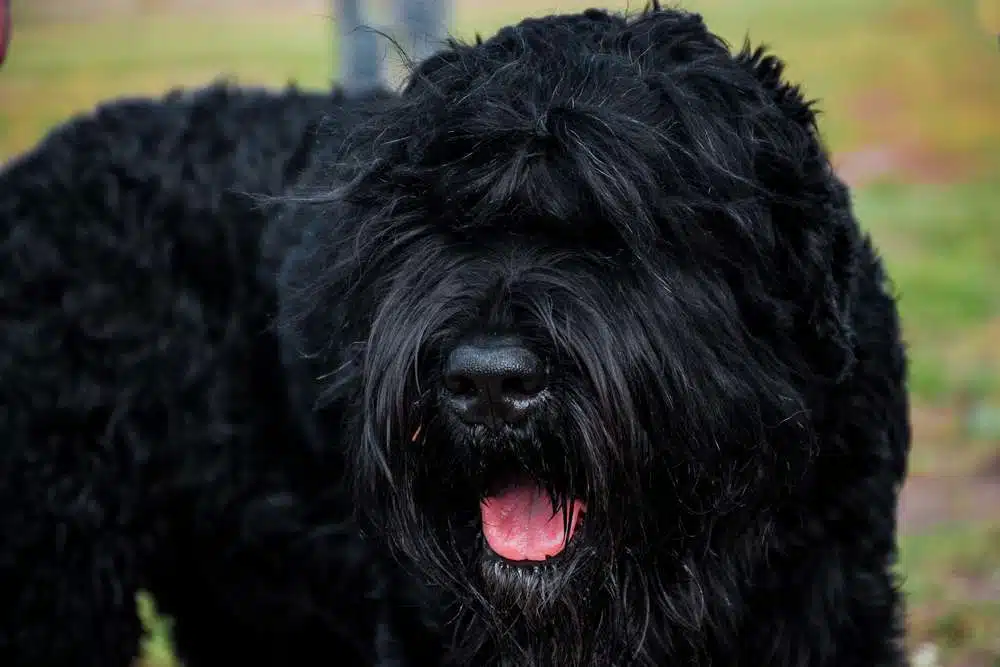
Black Russian Terriers are deeply loyal to their families and prefer staying close to their people rather than roaming independently. They are often good with children and can coexist peacefully with other pets when properly socialized, though some may not tolerate dominant dogs. Their calm but confident temperament makes them dependable guardians and devoted companions.

Built with heavy bone and strong muscles, the breed excels in demanding work. Historically, Black Russian Terriers served in military and security roles, using their courage and endurance to patrol, guard property, and assist handlers. Today, many also participate in obedience, protection sports, and working competitions.

Although the breed is now more common as a family companion, it still requires experienced ownership. Black Russian Terriers are intelligent and independent thinkers that need consistent training, structure, and regular exercise. First-time dog owners may find the breed challenging due to its size, confidence, and strong working instincts.

The breed’s dense double coat protects it from harsh weather and includes a weather-resistant outer layer and thick undercoat. While the Black Russian Terrier has a relatively low shedding coat, regular brushing is still necessary to prevent mats and tangles. Professional grooming every several weeks also helps maintain the coat and beard, which can trap water and debris.
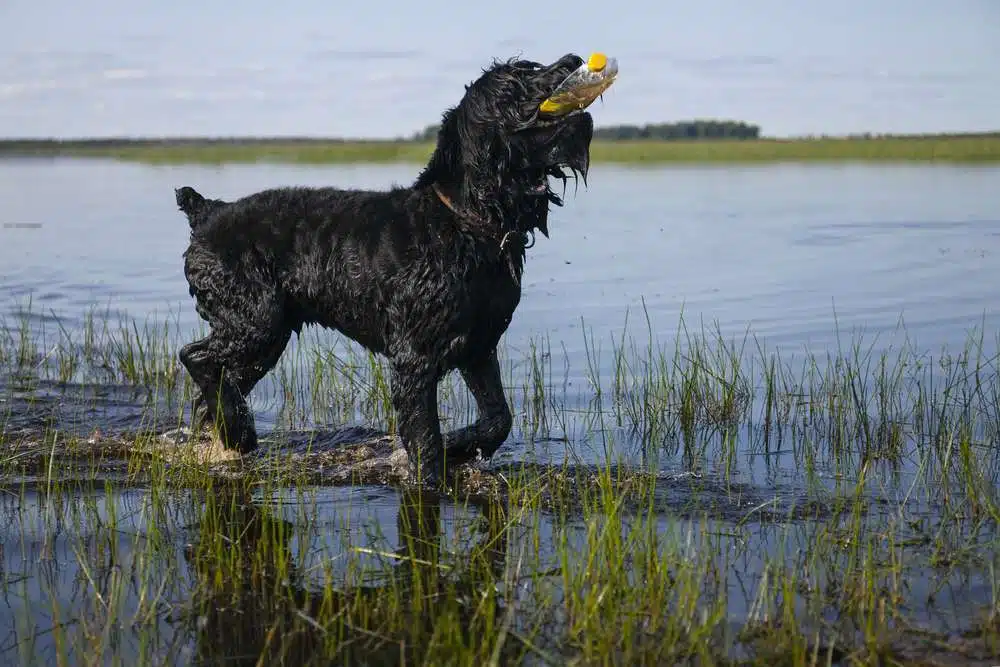
Despite their imposing appearance, Black Russian Terriers are highly family-oriented dogs that do not do well when isolated outdoors. They thrive when included in daily family life and should have both secure outdoor space and plenty of indoor companionship. With proper training and attention, they become loving, reliable, and highly capable guardians.

Black Russian Terrier Breed Guide: Traits, History, And Care Tips
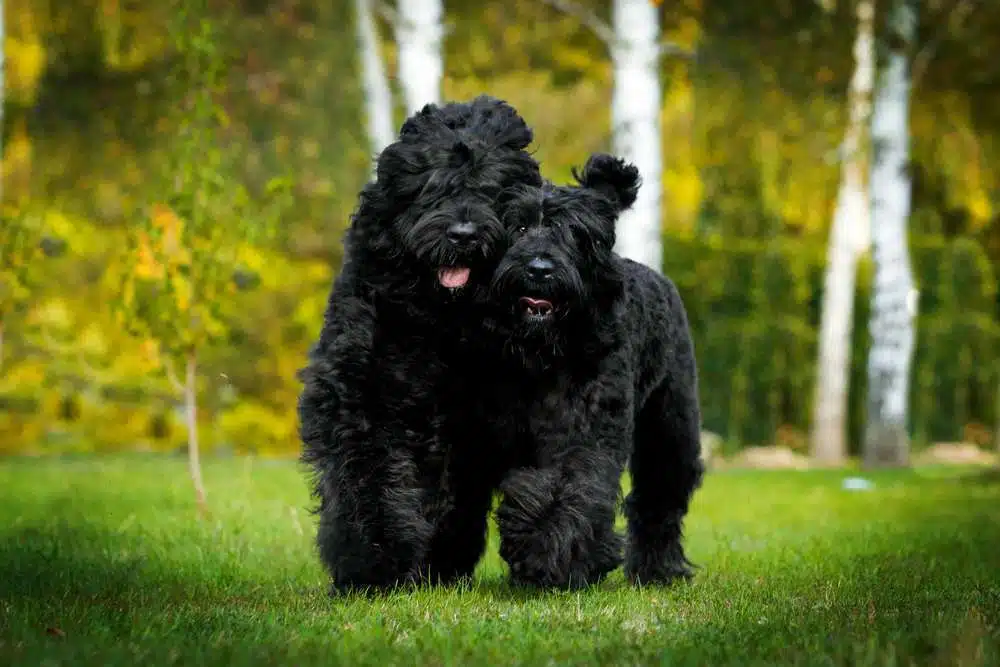
Black Russian Terrier Breed Guide: Traits, History, And Care Tips
Are you thinking about adding a large, loyal dog but worry about training, grooming, and health? Many first time dog owners find breed info scattered and confusing. The Black Russian Terrier often looks like a rare dog breed and raises many of these same questions.
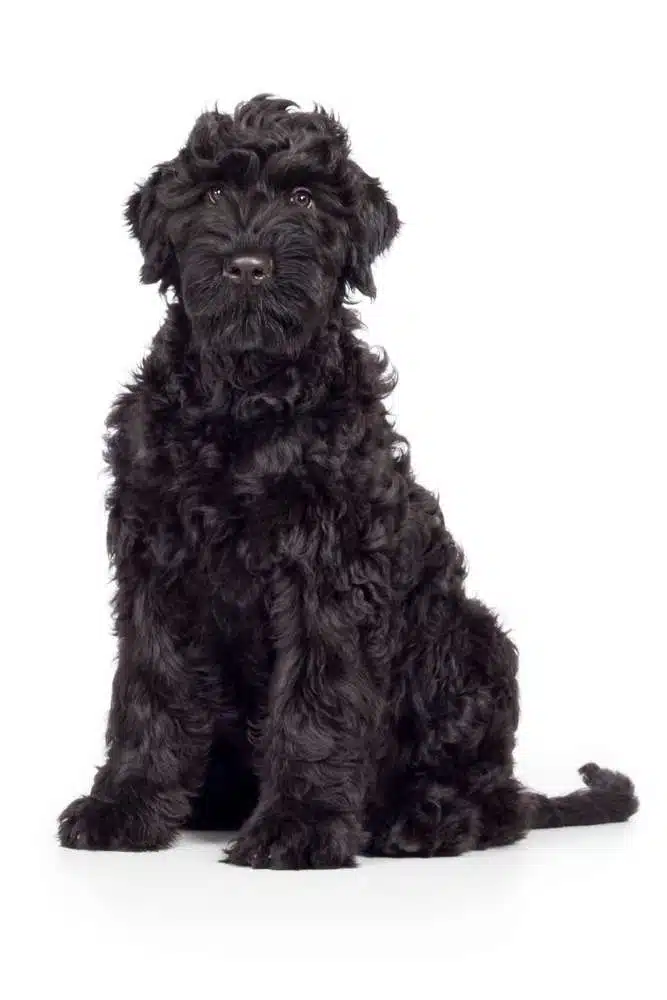
The Black Russian Terrier began in the 1930s at the Red Star Kennel, made by the Soviet government as a working dog and now listed by the American Kennel Club in the Working Group.
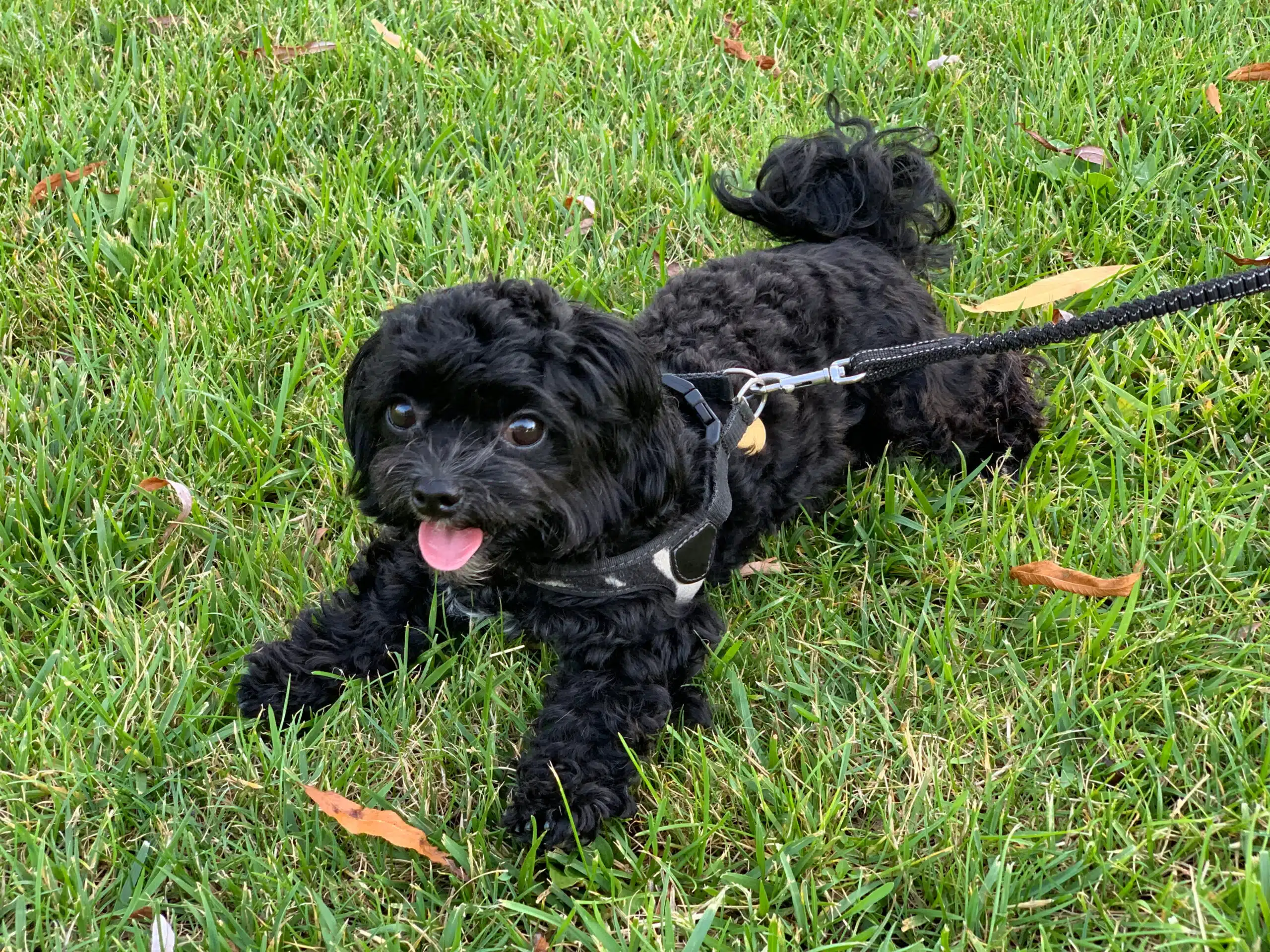
This guide will cover the breed’s history, physical traits, temperament, training tips, grooming needs, and health issues like hip and elbow dysplasia, plus how to find a reputable breeder or rescue through the Black Russian Terrier Club.

Key Takeaways

  • Developed in the 1930s at the Red Star Kennel, the Black Russian Terrier is an AKC Working Group breed bred for military and guard work.
  • Males reach 27–30 inches, females 26–29 inches, up to 130 pounds, live 10–12 years, and need 30–40 minutes daily exercise.
  • Double, coarse coat needs brushing once or twice weekly, professional grooming every 6–8 weeks, and daily brushing to prevent mats when corded.
  • Screen hips and elbows (OFA) — over 41% hip, over 26% elbow abnormalities — DNA test JLPP and HUU; ophthalmology for PRA.
  • Feed 3–4.5 cups daily in two meals, avoid GDV triggers, and contact AKC or Black Russian Terrier Club of America (founded 1997) for breeders/rescue.

History and Origin

Origins in Soviet Russia

The Black Russian Terrier was developed by the Soviet government during the 1930s at the Red Star Kennel near Moscow. Breeders aimed to create a powerful “superdog” capable of handling specialized military and security duties in harsh Russian conditions. The program focused on producing a large, intelligent, and dependable working dog with strong guarding instincts.

Building the Breed

To develop the Black Russian Terrier, breeders selectively crossed several working breeds, including the Rottweiler, Giant Schnauzer, and Airedale Terrier. Additional breeds also contributed to the bloodlines to improve size, courage, endurance, and coat quality. The resulting dog combined strength and confidence with a dense, low-shedding black coat suited for cold climates and demanding work.

Bred for service, not just the show ring.

Military and State Working Roles

The Red Star Kennel worked closely with the Russian army and government laboratories to refine the breed’s temperament and physical abilities. These dogs were trained for military patrol, guarding, and other state service roles. In Russia, many people refer to the breed as the “Chornyi Terrier,” meaning “Black Terrier,” though the breed functions more as a large working guardian than a traditional terrier.

A Powerful Guardian Breed

Selective breeding gave the Black Russian Terrier a calm but highly protective temperament. The breed became known for loyalty, intelligence, and confidence under pressure, making it an excellent guard dog and working companion. Unlike many terriers bred primarily for hunting vermin, the Black Russian Terrier was developed specifically for security and service work.

Modern Recognition and Classification

Although its name includes “terrier,” the breed belongs to the Working Group rather than the Terrier Group because of its size and purpose. The American Kennel Club, founded in 1884, officially recognized the Black Russian Terrier in 2004, reflecting that it is a relatively new breed in North America despite its established working roots. Today, the breed continues to serve as a guardian, police dog, sport competitor, and loyal family protector.

Physical Characteristics

The Black Russian Terrier shows an imposing physique and moves like a nimble-footed giant. Strong bones and broad shoulders give a balanced, powerful frame that fits the breed standard.

They have a dense double coat that is often wiry, rough, or corded.

The outer coat hides a soft undercoat and helps guard against weather. Owners must have the coat brushed regularly, use professional grooming, and act to prevent matting. Coat colors include Black, Salt & Pepper, Black & Tan, Sable, and Blue, and facial hair forms a beard and heavy eyebrows that make a steady expression.

Muscle and endurance make them fit for canine sports and excellent guard dogs.

Body and Structure

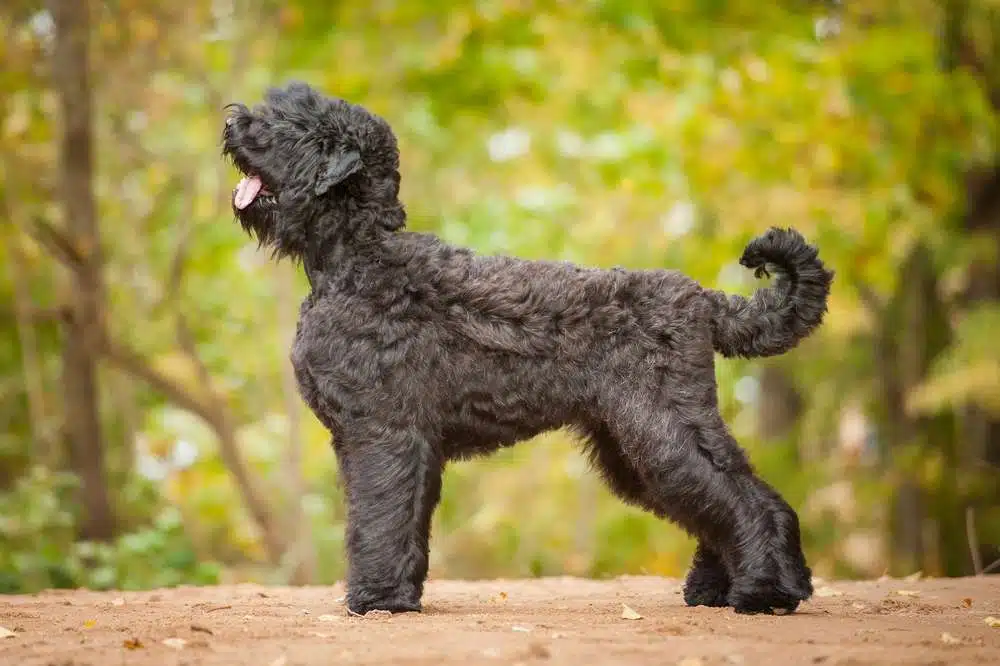
Males stand 27 to 30 inches tall, while females reach 26 to 29 inches. They can weigh up to 130 pounds and show a muscular, powerful frame. The breed has a deep, broad chest, a straight, firm back, and a sturdy frame.

Breeders describe it as a nimble-footed giant, agile and imposing for large breeds. Breeders originally bred it after World War II for hard work. Coat length ranges from 2 to 5 inches and forms dense double coats.

Owners can use a measurement tool and a scale to track growth.

The BRT’s anatomy suits working roles and needs regular exercise. Novice dog owners should seek guidance from an experienced owner because of the dog’s assertive nature. Firm training and early socialization help shape good family dogs and curb aggressive behavior.

Consistent training, obedience training, and puzzle toys give mental stimulation. Regular grooming protects skin health and keeps the ear canal clean. Feed high quality dog food and watch for food allergies or contact allergies at a young age.

Check hips for hip dysplasia in affected dogs with vet exams and screening. With proper training and early socialization, many serve as therapy dogs.

Face and Expression

Black Russian Terrier faces show a bold, calm look. Their confident expression reflects a self-assured nature and shows they are highly intelligent. Owners praise them as smart, strong, beautiful, and kind.

A thick beard and mustache need regular scissoring to stay neat. You will use scissors, a brush, and a comb on the dense coat to keep skin healthy. Gray hair can show on the beard as they age.

They stay very gentle with children and other pets when well socialized at an early age. This rare breed stays generally healthy with proper care.

Coat and Color

The BRT has a double coat, with a thick, soft undercoat and a coarse, all-black outer coat. Only acceptable BRT color is black, even though some lists show Salt & Pepper (167), Black & Tan (018), Sable (164), Blue (037), and Saddle Pattern (131).

Coat types include wiry, rough, and corded; lengths come short, medium, and long. Moderate shedding means regular brushing with a pin brush, metal comb, or stripping knife keeps mats down and helps the tousled coat stay warm in cold climates.

Some kennel lists place the dog among seventeen breeds for working lines, many owners call them dominant dogs, rescue organizations often help rehome them, and responsible breeders work to keep the BRT a healthy breed.

Movement and Gait

They move with quick, agile steps and can run swiftly despite their large frame, unlike many small dogs. A sturdy frame and a straight, firm back give stable support for stride and balance.

Their movement looks purposeful, a trait from working dog origins. Handlers use gait analysis, video monitoring and exercise platforms to study limb motion and center of gravity across many breeds.

Temperament and Behavior

Black Russian Terriers show courage, confidence, and high intelligence. The breed acts independent yet stays affectionate with family members. Many owners say the dogs stay reserved and cautious around strangers.

Such vigilance and alertness to threats make them excellent watchdogs.

Playful when engaged, the dog also enjoys long periods of calm. It adapts moderately to different environments but needs clear daily routines. Early socialization and obedience training, with positive reinforcement and a training device, help shape calm, confident adults.

Consult a veterinarian or behaviorist if fear or aggression appears.

Health Considerations

The breed faces allergies, urinary tract stones, hip dysplasia, elbow dysplasia, and progressive retinal atrophy. Life expectancy runs about 10 to 12 years. Owners should schedule hip and elbow evaluations, cardiac exams, ophthalmologist checks, and DNA tests for Juvenile Laryngeal Paralysis and Polyneuropathy, JLPP.

Have your veterinarian check ears and teeth at routine visits. Request an ophthalmologist evaluation if you see vision changes. Groom monthly and brush once or twice a week to prevent matting, and use a grooming brush and comb.

Plan for at least 30 to 40 minutes of daily exercise to keep the dog mentally alert and physically fit.

Common Concerns

Black Russian Terriers face several health risks owners must monitor. Early testing, regular veterinary care, and clear plans cut many problems.

  • Screen hips early with radiography and submit results to the Orthopedic Foundation for Animals; over 41% of tested BRTs have abnormal hips, so plan joint supplements and weight control if needed.
  • Have elbows x-rayed and treat any issues promptly, since over 26% of tested BRTs show abnormal elbows; use veterinary orthopedic care and controlled exercise to slow progression.
  • Reduce gastric dilatation and volvulus risk by feeding smaller, frequent meals, avoiding intense exercise around meals, and discuss prophylactic gastropexy for at-risk adults with your veterinarian.
  • Order DNA screening for JLPP and HUU before breeding; nearly 25% of tested BRTs are JLPP carriers, and knowing carrier status guides breeding and early care decisions.
  • Schedule annual eye exams with a veterinary ophthalmologist to check for progressive retinal atrophy, which can lead to blindness, and act fast if vision changes appear.
  • Watch for skin allergies and signs of urinary tract stones, such as straining or blood in urine; work with your vet on elimination diets, urine testing, and individualized nutrition plans.
  • Keep weight ideal and use gait analysis or repeat radiography when limping appears; consistent vet checkups and early intervention lower long term disability risks.

Lifespan

Average lifespan is 10 to 12 years for this breed. Owners must schedule regular physical activity and socialization to support mental and physical health across that span. The breed stays mostly healthy when breeders act responsibly and when dogs receive regular health checks.

The BRT Club of America recommends hip joint, elbow joint, heart, and ocular tests for breeding pairs.

Training Considerations

Black Russian Terriers are self-willed and demand steady leadership. Owners must use consistent, reward-based training to guide them. Training should be firm, consistent, and positive.

Punishment is not effective and can make a dog shut down or act out. These dogs can dominate if they sense an intimidated owner. Use tools like a lead, sound marker, high-value treats, kennel, and harness for safe lessons.

Start socialization and obedience training in puppyhood and carry it through life. They learn quickly when handlers stay kind and clear. With steady work, BRTs excel in obedience, agility, rally, and Schutzhund sports.

A focused program that stays consistent and rewards desired behavior builds a reliable dog. Trainers should favor positive methods and avoid harsh corrections.

Exercise and Socialization

This breed needs regular work and social time. Give both physical exercise and mental games.

  • Set a daily target of 30 to 40 minutes of moderate to vigorous activity, plus short play sessions. Include walks, runs, biking, swimming, hiking, ball play, or flying disc sessions to meet this target.
  • Mix in mental work like scent games, obedience drills, and puzzle toys to avoid boredom. Try training aids, reward treats, and short drills to keep focus and cut destructive or aggressive behavior.
  • Start socialization early with puppy classes, supervised dog park visits, and neighborhood exposure. Early exposure helps Black Russian Terrier puppies grow into well-rounded adult dogs and feel comfortable around strangers and other animals.
  • Schedule at least one structured session of recall and leash work daily to teach manners on walks and bike rides. Choose a secure leash and harness and practice near calm dogs to build confidence.
  • Rotate activities across the week, like hiking, swimming, indoor running machine sessions, or dog sports to keep fitness high. Vary pace and terrain to prevent boredom and overuse injuries.
  • Use shorter, frequent training bursts for mental stimulation, five to ten minutes each, multiple times a day. Enroll in an obedience class and apply training aids to teach focus and cut unwanted habits.
  • Supervise play with other dogs and step in if interaction turns rough. Teach clear signals and remove the dog before fights escalate to lower risk and tension.
  • Adjust exercise when the dog is ill, older, or during hot weather; keep sessions shorter and lighter. Ask your veterinarian for limits and safe activity plans if you detect pain or fatigue.
  • Track energy and behavior using a journal or app to spot restlessness and link it to low exercise or low mental work. Increase physical play or puzzle time when you note destructive acts or signs of unhappiness.

Living with a Black Russian Terrier

A Black Russian Terrier weighs 80 to 130 pounds and lives about 10 to 12 years. Owners must groom the wiry or corded coat monthly and expect moderate shedding. Daily exercise needs run 30 to 40 minutes; brisk walks, swimming, and fetch suit them well.

Early training and socialization prevent aggression, because BRTs can stay cautious around strangers. They thrive on mental challenges and often excel in canine sports like obedience and protection work.

Experienced owners fit the breed best, since the dog needs consistent leadership and activity. Use a leash, a training sound marker, a kennel for safe resting, and puzzle toys to keep their minds busy.

Their Soviet government origin in the 1930s explains the breed’s strong work drive and military purpose.

Best Environment

Give BRTs room to roam in a large outdoor space and plan regular family activities that include the dog. Use a leash, crate, and obedience training to set clear routines for exercise and social training.

They stay calm around children and show strong loyalty and protective instincts that suit active families. Avoid homes with rabbits, rodents, or other small animals unless you commit to early socialization and close supervision.

Behavior towards Children

Black Russian Terriers bond closely with kids. They form strong ties with family members and show steady affection. This breed stays protective around children and other pets.

Early training and socialization help ensure safe, positive interactions with youngsters. Use gentle but firm methods in obedience training and young dog group sessions. Try positive reinforcement, a marker device, and leash work to teach calm behavior.

Behavior towards other Pets

BRTs form strong, loyal bonds with family, including other animals. Early training and socialization help owners manage protective instincts around other pets.

Use a lead, rewards, and a training device for calm, staged introductions. Proper socialization lets BRTs get along well with cats, small dogs, and rabbits in the home.

Grooming Needs

Grooming keeps your Black Russian Terrier healthy. Mix home care with pro grooming.

  1. Schedule professional grooming every 6 to 8 weeks. A groomer will perform clipping and scissoring, especially around the face, and trim the beard and eyebrows as needed while shaping the coat to show the deep chest and a well defined neckline.
  2. Brush your Black Russian Terrier at least twice a week, and aim for daily brushing to prevent mats and tangles. Choose a paddle brush and a steel comb for thorough coat maintenance on the breed’s low shedding coat.
  3. Bathe your Black Russian Terrier no more than once a month using a good dog shampoo.
  4. Trim the hair around the paws to achieve a round appearance that shows about half the nails. That cut improves traction and keeps fur from matting at the toes.
  5. Keep nails trimmed regularly using quality nail clippers and a grinder when needed. Check nails every few weeks and clip before they touch the ground to prevent pain or wear.
  6. Start grooming routines early to help puppies adapt to brushing and handling. Use gentle touches on a grooming table and reward calm behavior to build positive habits.
  7. Use tools such as a pin brush, steel comb, electric trimmer, grooming scissors, blow dryer, and nail clippers for full care. Follow coat maintenance steps, detangle, dry, clip, scissor, trim paw hair, and finish with a comb out.
  8. Prevent mats by working through tangles in small sections and using a detangler spray lightly. Address stubborn mats early and cut them out only if brushing cannot release fibers, to protect skin and coat.
  9. Maintain breed standards with proper trimming that highlights the deep chest and sculpts the neck. Professional groomers can teach owners the correct lines and home upkeep to keep the Terrier show-ready.
  10. Set a grooming schedule that mixes home brushing with pro visits and log dates in a calendar or app. Brush teeth daily, clean ears about once a month, check skin at each session, and consult your vet for any concerns.

Nutrition and Feeding

A Black Russian Terrier is happily eating high-quality kibble from a dog bowl, showcasing its dense double coat and strong build. This rare breed is known for its protective nature and intelligence, making it an excellent family dog and a good choice for novice dog owners.

Feed a Black Russian Terrier on a set schedule. Aim for 3 to 4.5 cups of high-quality dog food daily, split into two meals.

  • Pick natural, premium dog food with named animal proteins and moderate fat; read labels for real ingredients, guaranteed analysis, and calories per cup to guide choices.
  • Measure daily portions with a food scoop or kitchen scale, and feed twice per day to reach 3 to 4.5 cups total; scheduled meals help manage weight and prevent obesity.
  • Consult a veterinary nutritionist before offering home-cooked meals; they will balance calories, protein, vitamins, and minerals for a safe, complete plan.
  • Offer safe treats like carrot pieces, blueberries, eggs, and unseasoned cooked salmon; keep treats small and occasional to avoid extra calories and weight gain.
  • Never feed chocolate, onions, chives, or garlic because these foods cause toxicity and can trigger severe illness in dogs.
  • Weigh your dog monthly and track body condition score; adjust portions if the BRT gains or loses weight to protect joints and general health.
  • Use a measuring scoop, meal log, and a phone app to log meals and calories; these tools help you spot trends and tweak portions quickly.

Where to find a Black Russian Terrier

Use the American Kennel Club search feature to find puppies and to register dogs. The AKC Marketplace offers dog products and services, and includes breeder listings.

Contact the Black Russian Terrier Club of America, founded in 1997, for referrals to reputable breeders. Check the AKC Rescue Network, with over 450 groups in the U.S., for rehoming help and adoptable dogs.

Breeders can promote litters so families can adopt AKC puppies. The Breeder Toolkit and BRED WITH H.E.A.R.T. program support responsible breeding and health testing.

Similar Dog Breeds

The Black Russian Terrier descends from Rottweiler, Giant Schnauzer, Airedale, Newfoundland, and Ovcharka stock, and it shares terrier-type ancestry while not being in the Terrier Group.


Breed Similarities Differences Best fit for owners who
Rottweiler Both serve as guard dogs and show strong protective instincts. Rottweilers have shorter coats and less grooming demand, needing a brush and occasional clippers. Owners who need a calm, firm guardian will find this breed fits.
Giant Schnauzer Size, dense coat, and high work drive align closely with the BRT. Giant Schnauzers carry a harsher coat and a more terrier-like alertness that needs regular trimming. People wanting advanced training and structured activity suit this breed and may use a training tool.
Airedale Terrier Shared terrier ancestry gives them high energy and playful affection. Airedales are lighter framed and were bred as hunting terriers rather than large guards. Active owners who enjoy play, trials, and agility will match well.
Newfoundland They share strong working roots and a capacity for calm guarding, with heavy bone and a steady temperament. Newfoundlands weigh more and swim better, and they need different exercise and a sturdy crate for travel. Families desiring a steady, water-loving companion should consider this breed.


Conclusion

Conclusion: This guide covers breed history, physical traits, temperament, health, training, and grooming. You can use the practical tips here to feed well, train clearly, and groom efficiently.

Will you check the American Kennel Club website, contact a breed club, or order a DNA test for health guidance? Good care cuts risks like hip and elbow dysplasia, allergies, and urinary stones.

Take the next step, meet a breeder or rescue, and enjoy life with this brave, loyal companion.

FAQs

1. What are the key traits of the Black Russian Terrier?

The Black Russian Terrier is large, strong, and loyal. It has a dense, coarse coat that needs regular care. The breed shows confidence and high intelligence. Its temperament leans toward protective, calm, and devoted to family.

2. What is the history of the Black Russian Terrier in this breed guide?

Breeders in the Soviet Union developed the dog after World War II for military and guard work. They mixed several working breeds to get size, strength, and endurance. The breed is not ancient, it is a modern working dog with clear records.

3. What care tips help keep a Black Russian Terrier healthy?

Brush the coat several times a week to prevent mats. Schedule professional grooming every 6 to 10 weeks. Give at least 60 minutes of exercise each day, split into walks and play. Feed a balanced diet and see a veterinarian for annual exams and vaccines.

4. Are Black Russian Terriers right for first-time dog owners?

This breed can be hard for new owners. The dog needs firm, consistent training and early socialization. Join obedience classes, use clear rules, and set daily exercise goals. With that support, many owners succeed.


References

  1. https://penelopesbloom.com/pet-breeds/dogs/black-russian-terrier-a-full-breed-guide-temperament-care-history/?srsltid=AfmBOopKfq5N7XCEk7ioXIXn-bAUnE59WKeRxKVxp4lAQhWzHPGH7orT
  2. https://penelopesbloom.com/pet-breeds/dogs/black-russian-terrier-a-full-breed-guide-temperament-care-history/?srsltid=AfmBOoq9ZF2PX1GHXjfCvmEz9EB01gq_ZhLHH9Yofc9fksEGrm0CUeoJ
  3. https://www.akc.org/dog-breeds/black-russian-terrier/
  4. https://penelopesbloom.com/pet-breeds/dogs/black-russian-terrier-a-full-breed-guide-temperament-care-history/?srsltid=AfmBOorNtkfocbWlIjlKIIw9_867qAqTEU9NwIFvNOMtUtW4QDX22Odw
  5. https://showsightmagazine.com/the-black-russian-terrier-a-picture-of-health/ (2021-07-24)
  6. https://www.petmd.com/dog/breeds/black-russian-terrier (2024-01-26)
  7. https://penelopesbloom.com/pet-breeds/dogs/black-russian-terrier-a-full-breed-guide-temperament-care-history/?srsltid=AfmBOopwQCBiV3EueUvNdsg_ytnY_aEnQFFARcaKKaQYeYZXLcfue9aJ
  8. https://en.wikipedia.org/wiki/Black_Russian_Terrier
  9. https://penelopesbloom.com/pet-breeds/dogs/black-russian-terrier-a-full-breed-guide-temperament-care-history/?srsltid=AfmBOoor4wSJK0aOsQJLcboksi6pOlAMES_KY13_FyL4LtJS3F9IT48C
  10. https://penelopesbloom.com/pet-breeds/dogs/black-russian-terrier-a-full-breed-guide-temperament-care-history/?srsltid=AfmBOor0H2pX69MDBlCKS_62dZvVVfDr22fymZWlqb0hQZtMO-OHRG5f
  11. https://guardianbearskennel.com/characteristics-black-russian-terrier
  12. https://blackrussianterriernz.com/grooming/
  13. https://penelopesbloom.com/pet-breeds/dogs/black-russian-terrier-a-full-breed-guide-temperament-care-history/?srsltid=AfmBOor6uErj1luNJZr1gWYECat5wTAsPw-CT_ajAA90W7nrAjNR8OrD
  14. https://penelopesbloom.com/pet-breeds/dogs/black-russian-terrier-a-full-breed-guide-temperament-care-history/?srsltid=AfmBOoo_HdphUjx84RGm8dubERtTq6s5QbCvJh4LmKdedURStqoFaCsr
  15. https://penelopesbloom.com/pet-breeds/dogs/black-russian-terrier-a-full-breed-guide-temperament-care-history/?srsltid=AfmBOor0j1KgYOIGl5imp6CUUgG_1WkgXfhLv8L25La_ViTI02J47pxo
  16. https://pmc.ncbi.nlm.nih.gov/articles/PMC11718627/
  17. https://www.petmd.com/dog/general-health/terrier-dog-breeds (2023-12-20)

  • Furlyfe Rank See Rank
  • Group AKC Working
  • Origin Russia
  • Size Large
  • Weight 80 to 145 pounds
  • Coat Length Medium, Long
  • Coat Type Curly, Double
  • Colors Black, Black & Tan, Blue, Sable, Salt & Pepper
  • Other Names Chornyi, Terrier Noir Russem, Schwarzer Russicher Terrier, Tchiorny Terrier, Mustaterrieri, Black Terrier, Russian Bear Schnauzer, BRT, Stalin's Dog
  • Temperament Brave, Confident, Energetic, Hardy, Lively, Stable

Breed Characteristics

Leave a Reply

Participate on Doggy Duel