Black and Tan Coonhound

Click Image to see Gallery

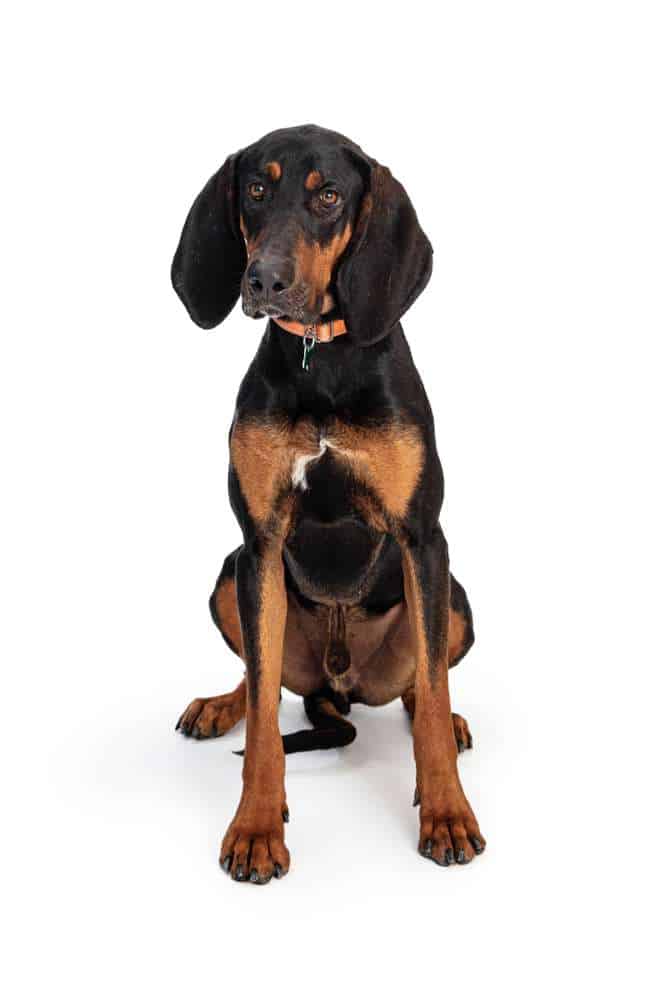
The Black and Tan Coonhound belongs to the same scent hound family as the Bloodhound and Foxhound. This large American hunting breed is known for its long ears, powerful nose, and classic black-and-tan coloring. Though generally gentle and friendly, Black and Tans are independent dogs that will follow an interesting scent whenever possible.
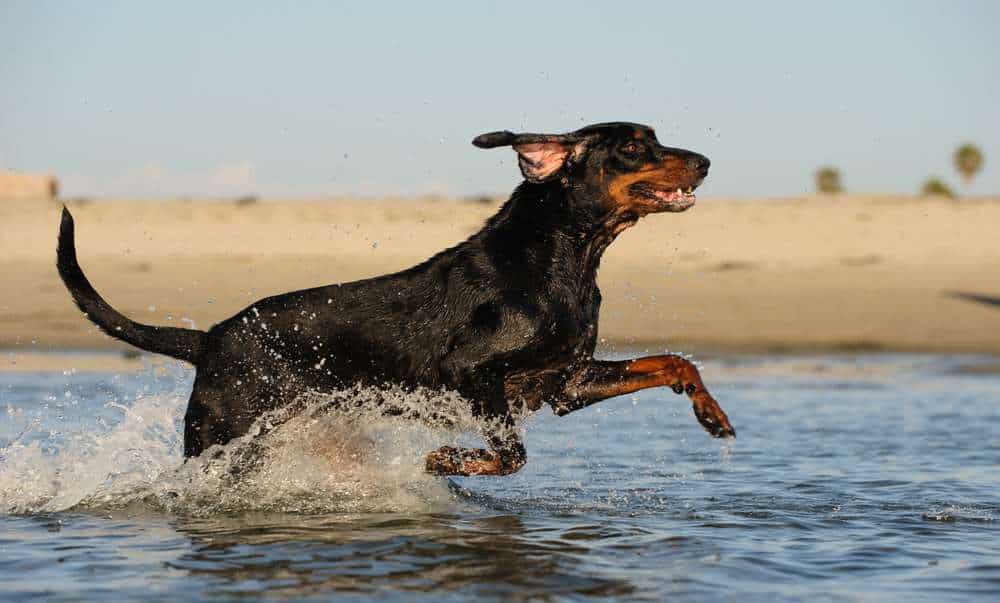
These hounds need plenty of room to exercise and explore. They are also famous for their loud baying, which can be challenging in neighborhoods with nearby homes. Black and Tans form strong bonds with their families and dislike being left alone for long periods, sometimes developing separation anxiety or excessive vocalization.

The breed was developed in the southern United States during the late 18th century by crossing foxhound and bloodhound stock. Black and Tan Coonhounds became well known for their “cold nose,” meaning they could follow older scent trails with very little remaining odor. Hunters traditionally used them for raccoons and possums, though they were also capable of trailing larger game such as deer, bears, and mountain lions.

Black and Tans are calm, outgoing dogs that usually get along well with children and other pets when properly socialized. Adult dogs are often easier around small children than energetic puppies. They require moderate daily exercise, including long walks and opportunities to safely explore outdoors. A tired Black and Tan is typically a well-behaved companion.

Because of their strong prey drive, these hounds should remain on a leash or inside a secure fenced area when outdoors. Once they catch an interesting scent, they may wander far from home without hesitation. Activities such as tracking, hiking, and search-and-rescue work are excellent outlets for their natural instincts.

Their short, dense coat is fairly easy to maintain with regular brushing, nail trimming, ear cleaning, and dental care. Like many scent hounds, Black and Tan Coonhounds have a naturally musky odor and tend to shed throughout the year. Early positive reinforcement training works best, especially since these dogs are highly food-motivated and eager to follow rewards.

Black And Tan Coonhound Breed Guide: Traits, Care, And Temperament

Black And Tan Coonhound Breed Guide: Traits, Care, And Temperament

Introduction: Many dog owners want a friendly hound but feel unsure which breed fits their life. They worry about training, exercise needs, ear infections, and loud baying.

The Black And Tan Coonhound has a short, dense, glossy coat, coal black with rich tan markings. It is a scent hound used for raccoon hunting and scent tracking. This guide will cover traits, care, and common health issues like hip dysplasia and ear infections.

It will give training tips, exercise plans, and food advice, including how to pick high quality dog food. It will note American Kennel Club and United Kennel Club standards and when to call a veterinarian.

Key Takeaways

  • Black and Tan Coonhound is a coal-black, tan-marked scent hound bred for raccoon and scent tracking, recognized by UKC in 1900 and AKC in 1945.
  • Males stand 25–27 inches, females 23–25 inches; males weigh 50–75 lb, females 40–65 lb; lifespan 10–12 years; average litter eight.
  • Watch hip dysplasia, ear infections, bloat, hypothyroidism, ectropion, and cataracts; use OFA or PennHIP screening, weekly ear checks, and prompt veterinary care.
  • Provide 30–60 minutes daily exercise, scent work, two measured meals daily to reduce bloat risk, early socialization, and reward‑based training for recall and vocal control.

History and Origin

Medieval Scent Hound Origins

The Black and Tan Coonhound traces its ancestry back to the ancient Talbot Hound of medieval England following the 11th century. These early scent hounds were prized for their powerful noses and steady tracking ability. Over time, breeders combined bloodhound-type dogs with foxhounds to develop the Black and Tan Virginia Foxhound line, which became the foundation of the modern breed.
Early American Development

As settlers expanded into the American frontier, they brought their hunting hounds with them. In the early 1800s, a notable dog named Old Glory arrived in Ohio and became influential in shaping early Black and Tan bloodlines. Hunters valued these dogs for their endurance, tracking skill, and ability to trail game through rugged forests and difficult terrain.


Old Glory helped shape the Black and Tan line.


Colonel Trigg and Hunting Tradition

Before the American Civil War, Colonel Hayden C. Trigg maintained a respected pack of hounds used primarily for hunting gray fox. These hunting traditions helped refine the breed’s scenting ability, voice, and treeing instincts. The dogs became especially known for trailing raccoons and larger game, skills that still define the breed today.

Recognition and Competitive Breeding

The United Kennel Club officially recognized the Black and Tan Coonhound in 1900. Later, the American Kennel Club recognized the breed in 1945, making it the first coonhound admitted to the Hound Group. During the 1930s, competitive Nite Hunts encouraged breeders to selectively develop faster, racier hounds with improved tracking and treeing performance.
Lasting Legacy of the Breed

Hunters continue to value the Black and Tan Coonhound for its ability to trail big game and tree raccoons with determination and accuracy. Many enthusiasts still refer to the breed as the “Old Virginia Black & Tan” in honor of its historic roots. Today, the breed remains respected as both a skilled hunting companion and a loyal family dog.

Physical Characteristics

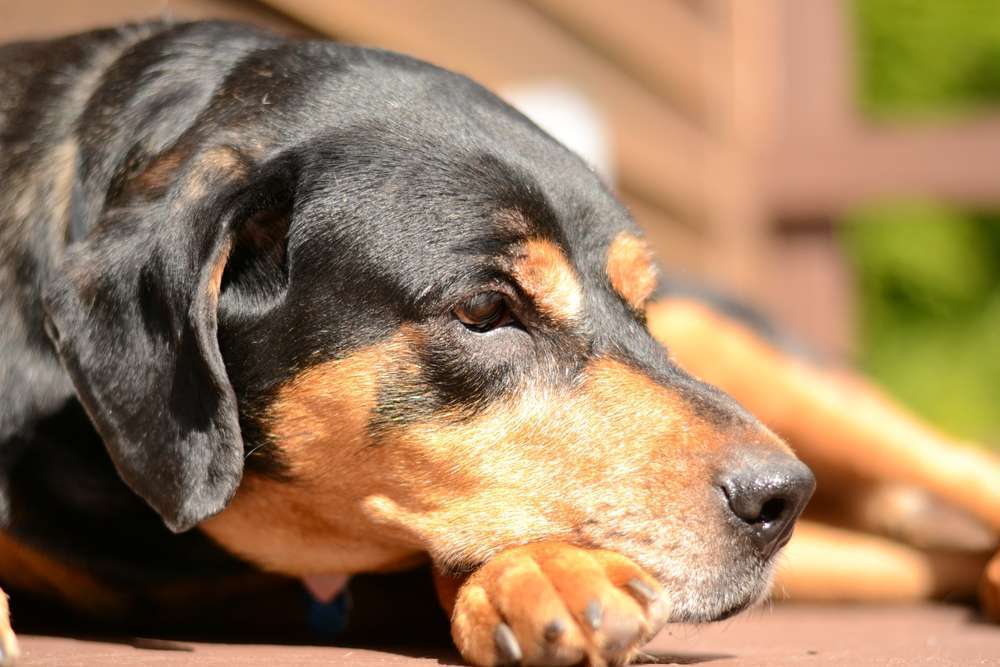
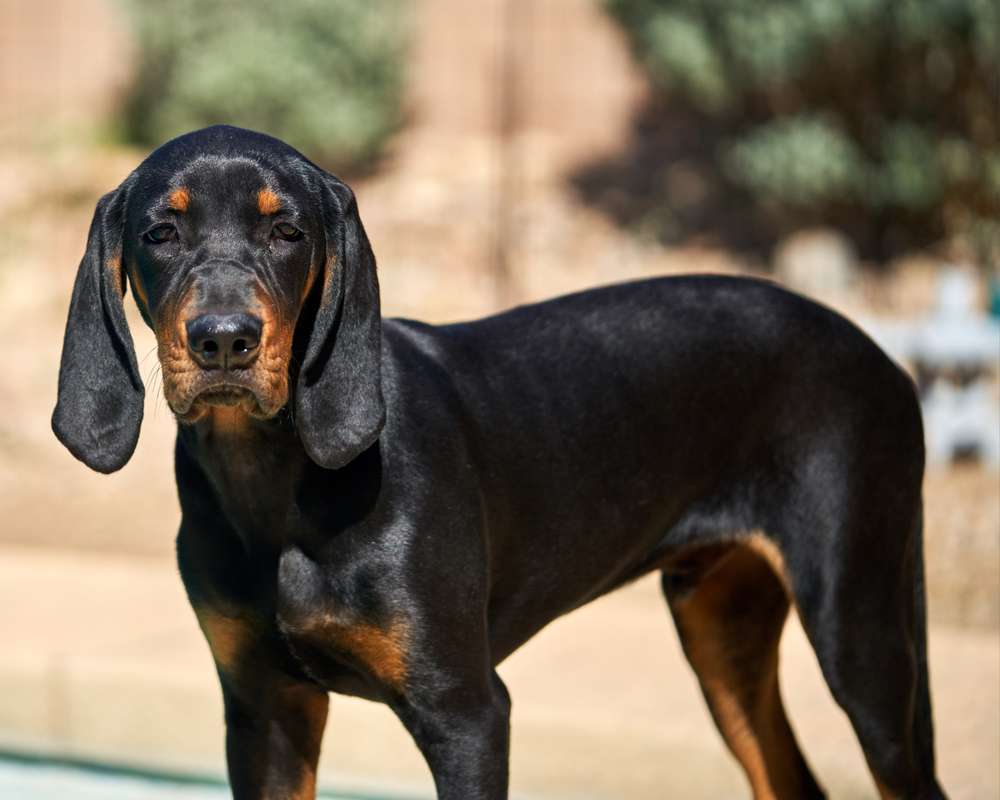
The black & tan coonhound has a muscular build and long legs. Its short, dense, glossy coat sits coal black with rich tan markings. Long, wide ears hang close to the cheek and create droopy ears that need care.

Eyes run hazel to brown and show a keen, calm look. Tail lifts and often rests at a right angle when the dog gets excited.

This scent hound is AKC recognized and bred for tracking work. Owners find tan coonhound puppies show a strong hunting instinct and an independent streak. Regular ear checks help prevent infections, since long ears trap moisture and debris.

A grooming mitt or gentle shampoo will control loose hair and keep skin oils healthy.

Body and Structure

Males stand 25–27 inches (64–69 cm) tall.

Females stand 23–25 inches (58–64 cm) tall.

UKC sets male weight at 50–75 pounds (23–34 kg) and female weight at 40–65 pounds (18–29 kg).

They have a muscular body with long legs proportional to the frame.

Tail is carried at a right angle when the dog is alert or excited.

As scent hounds, tan coonhound black dogs show power, agility, alertness, and speed while tracking.

Use a tape measure and a bathroom scale to monitor a dog’s weight and height as part of basic anatomy checks.

Tan coonhounds require regular exercise to match their energy, and a dense coat shields them from rough brush and cool weather.

Face and Expression

Eyes range from hazel to brown and give an alert, gentle expression. Long, wide, thin ears set low hang down the neck and frame the face.

They have a loud, baying, deep howl, often called “mournful music.” Scenthound roots and tan coonhound personality make them sociable and good natured, and they may vocalize if lonely or easily distracted.

That honest face helps calm other dogs and people during a walk.

Coat and Color

The coat sits short, dense, glossy, and weatherproof. Breed standards prefer coal black with rich tan markings on the face, chest, legs, and breeching. Judges accept honorable scars, but other colors or combinations fail the breed standard.

A tan coonhound requires weekly brushing to manage moderate shedding year round and heavier loss during seasonal changes. Owners should check skin and coat for smells or irritation, and give omega-3 fatty acids under veterinarian’s supervision for skin care.

The weatherproof coat copes with hot weather, and regular grooming helps other pets and furniture stay cleaner.

Movement and Gait

Black And Tan Coonhounds show an agile, fast gait. Long legs give them an efficient, ground-covering stride. Movement looks smooth and powerful, reflecting hunting origins. They can run for miles during tracking, built for endurance on a scent trail.

Alert posture rises quickly when a cold nose locks onto scent. Owners use daily walks and a long walk to channel that instinct into dog sports and tracking practice. Proper training helps focus energy.

Consistent training suits obedience competition, agility equipment, or work with weave poles.

Temperament and Behavior

Indoors they stay mellow, amiable, calm, and unobtrusive. Outside their strong hunting instincts kick in and they follow scents with single-minded focus, and hunters in the Blue Ridge prize that trait.

Owners find them hard to control while tracking, and they may dig or wander if bored or lacking fun activities.

They stay gentle and tolerant with children, but their independent nature can make them poor playmates for very active kids. Strangers often meet a reserved dog that may bay, howl, or bark rather than approach, which can serve as a watchdog.

Their stubborn, strong-willed side makes obedience training a must, and early socialization helps them accept other animals and people; some owners enter an obedience trial to test progress.

Owners who give clear rules, steady attention, and plenty of physical play see fewer behavior issues and reduced roaming.

Health Considerations

Black and Tan Coonhounds face hip joint problems like hip dysplasia, ear infections, and eye problems. The breed is generally healthy but still shows specific health concerns. Breeders selectively bred these dogs for scent work, which keeps a strong instinct to roam.

Check long ears weekly to prevent ear infections from trapped moisture. Brush teeth daily and book cleanings to avoid dental disease. Elbow dysplasia and ectropion may appear and sometimes need surgery.

Bloat, called Gastric Dilatation-Volvulus, is life threatening and demands immediate surgery. Feed quality puppy food to growing pups and weigh adult meals to control body condition.

Use commercially manufactured diets and plan two meals per day to cut bloat risk. Diarrhea or vomit can point to gut bacteria imbalance or food causing irritation. Hypothyroidism can cause weight gain and lethargy, so test thyroid function if you see changes.

Talk with your veterinarian about multivitamin supplement, glucosamine, and fish oil before adding any supplements. Consider pumpkin seeds as a natural deworming option, after vet approval.

Common Concerns

This guide lists the main health risks for Black and Tan Coonhounds. Follow the actions to lower risk and catch problems early.

  • Hip dysplasia, common in the breed, can lead to arthritis and need surgery; use radiographs, OFA or PennHIP for breeding stock testing and manage weight range with diet and controlled exercise.
  • Inspect and clean ears weekly to prevent infections; use an ear otoscope at vet visits, a gentle ear cleaner at home, and act fast on redness, odor, or head shaking.
  • Gastric dilatation-volvulus, or bloat, poses a life-threatening risk; feed small meals, avoid heavy exercise for one hour after eating, and call an emergency vet at first signs of bloating or collapse.
  • Hypothyroidism can develop and will need lifelong medication; request a thyroid test from your vet if you see weight gain, hair loss, or low energy, and track levels with regular blood work.
  • Ectropion can affect eyelids and may require surgical correction; schedule eye exams with a veterinary ophthalmologist and screen breeding dogs for cataracts and other eye problems.
  • Cataracts and other thyroid issues occur; run ophthalmic checks and thyroid panels before breeding, and follow treatment plans that include medication or surgery when the vet advises.
  • Use joint supplementation like glucosamine and chondroitin with vet approval for arthritis prevention; consider multivitamins, vitamins and minerals only under guidance to avoid unnecessary supplementation.
  • High vocal drive leads to frequent barking and can raise anxiety; provide daily exercise, scent work, or tracking games and compare training needs to other hounds like treeing walker coonhound and bluetick coonhound.
  • Test breeding stock with recommended health checks, including hip and thyroid screening, eye exams, and clear records; this reduces inherited problems across related breeds such as redbone coonhound and plott hound.

Lifespan

Black and Tan Coonhounds live about 10 to 12 years. They are generally considered a healthy breed but can still face certain health problems and health conditions common to hounds.

Average litter size is 8 puppies. Owners can add healthy years through regular grooming and proper diet. Talk with your veterinarian about essential vitamins and screening, and compare care needs to those of the american english coonhound, rottweiler, doberman, or border collie.

Training Considerations

This hound shows an independent, stubborn streak that can test trainers. Early socialization and basic obedience work prove crucial for friendly, well behaved dogs. Use positive reinforcement and reward-based methods with patience during every session.

Short, structured lessons keep the dog from growing bored. Add training tools like a marker device, a training lead, and a crate to set clear cues.

A strong prey drive can hurt recall and off-leash reliability in open areas. Enroll in scent work or tracking classes to channel that drive into useful tasks. Consistent rules and daily practice help curb excessive vocalization and digging.

Use operant conditioning principles and precise reward timing to shape reliable responses. Group obedience classes and focused one-on-one sessions with a certified trainer speed real progress.

Exercise and Socialization

Black and Tan Coonhounds need daily exercise and mental work. They thrive with active families and access to outdoor activities.

  1. Provide daily walks and scent work to meet high energy and strong prey drive. Use a leash or body strap, a scent training kit, and puzzle toys for physical and mental stimulation.
  2. Schedule moderate jogging or long walks, about 30 to 60 minutes daily, to keep them content. Adjust pace for age and health, and swap routes to add scent variety.
  3. Use scent work, fetch, and hiking as core activities; off-road scent games satisfy natural instincts. Carry a treat pouch and water bottle for long sessions.
  4. Practice early socialization starting in puppy weeks and continue through adolescence to reduce anxiety and build friendly behavior. Enroll in group obedience classes and supervised meetups.
  5. Keep a securely fenced yard to stop chasing small animals and prevent wandering; Coonhounds can follow scent trails for miles. Aim for a six-foot fence when local rules permit.
  6. Consider adding a second calm dog for companionship; these hounds often enjoy another canine and this reduces boredom. Introduce slowly on neutral ground and monitor prey-driven chasing.
  7. Pair training tools like a clicker, treat pouch, long line, and puzzle toys with positive reinforcement to hold focus. Keep sessions short, daily, and fun to match their energy and scent drive.

Living with a Black And Tan Coonhound

These hounds have high energy and need regular exercise and mental tasks. The breed thrives on human company and will struggle in small apartments. Owners must plan daily activity, such as long walks, scent games, and trips to a dog park.

They form strong bonds with children and show clear affection at home. Proper introductions help them get along with other dogs.

Consistent training curbs independence and cuts excessive barking. Use a lead, a secure den, and a positive training device for short sessions. Plan weekly brushing and give baths only when needed.

Watch ears, hips, and thyroid function for infections, dysplasia, and hypothyroidism. Schedule regular vet check-ups to catch issues early.

Best Environment

Black and Tan Coonhounds suit active households with ample space to roam and explore. They do not fit apartment living because their size and exercise needs run high. Owners should fence yards with a secure, tall barrier for safety.

This breed adapts to routine but thrives with regular activity like long walks, scent work, and off-leash time in a fenced yard or dog park. Use a sturdy lead and solid collar on public walks.

They stay calm and quiet indoors, yet stay highly alert and active outdoors and alert owners to strangers.

Behavior towards Children

These hounds are outgoing and good-natured with children after proper socialization. Early work in a training class, with positive reinforcement, teaches safe and polite behavior around kids.

They may not do well with toddlers who push limits and ignore boundaries.

The breed thrives in families that give structure and plenty of activity. Owners will notice a tolerant and gentle nature, though the dogs may skip rough active play. Proper guidance keeps them friendly and loyal around children.

Behavior towards other Pets

Black and Tan Coonhounds can get along with other pets if owners start socialization early. Their high prey drive means you must use caution around smaller animals. They may chase household cats, small mammals, or tiny dogs because of strong hunting instincts.

Supervision helps during meetings with unfamiliar pets.

They benefit from gradual introductions using a leash, a crate, and a clicker. Owners should use positive reinforcement to reward calm behavior and short leash work to set clear limits.

Play with similar-sized dogs suits this breed and builds social bonds. Keep separate spaces when needed to prevent chases.

Grooming Needs

Use a medium-bristle brush or a hound glove one to two times per week. Expect moderate shedding throughout the year. Brush more often during spring and fall shedding seasons. Give occasional baths to keep the coat clean.

Regular ear checks and ear cleaning are necessary to prevent infections. Wipe the face often to manage drool. Include teeth brushing with a toothbrush and nail trimming with clippers in the grooming routine.

Keep a grooming mitt, bath supplies, and a set schedule for hygiene tasks.

Nutrition and Feeding

A black and tan coonhound with rich tan markings is happily eating high-quality kibble from a dog bowl, showcasing its dense coat and droopy ears. The scene captures the dog's good-natured personality as it enjoys its meal.

Feed your Black and Tan Coonhound two equal meals daily, morning and evening, to help prevent bloat. Avoid one large meal and skip vigorous exercise for an hour before and after eating.

Place food in a slow-feed dish or puzzle feeder and measure portions with a measuring cup to slow intake. Portion size should follow age, weight, and activity level; ask your veterinarian for calorie targets.

Choose high-quality dog food labeled for puppy, adult, or senior that meets AAFCO guidelines. Puppies need more frequent, larger meals while seniors benefit from smaller servings. Only give supplements like glucosamine, chondroitin, omega-3s, multivitamins, and probiotics if a veterinarian recommends them.

Keep fresh water available at all times.

Where to find a Black And Tan Coonhound

Contact the American Black and Tan Coonhound Club, the AKC parent club, for breeder listings and breed resources. Use the AKC Marketplace and breed quizzes to screen reputable breeders.

Look for breeders in Bred with H.E.A.R.T. and Breeder of Merit programs that back responsible breeding.

Check the American Black And Tan Coonhound Association and local rescue organizations for adoption options. Ask breeders about health screenings and the genetic diversity steps they follow.

Search the Royal Kennel Club for puppy and breeder resources in the UK. Plan pet insurance to help manage vet bills and hereditary testing fees.

Similar Dog Breeds

Hound breeds rest on hunting ancestry and acute scenting ability. Close relatives include Treeing Walker, Bluetick, Redbone, and Plott Hound; scenthound cousins include Bloodhound, Basset Hound, and American Foxhound, while sighthound examples include Afghan Hound, Borzoi, and Whippet.

Breed Similarities Differences Best Fit for Owners Who
Treeing Walker Coonhound Shares hunting ancestry, strong scenting ability, high energy, and loud baying with the Black and Tan Coonhound. Typically faster on trails, leaner in build, and more persistent when tracking game. Want an energetic hunting companion with room for long outdoor tracking sessions.
Bluetick Coonhound Similar hunting drive, endurance, and excellent nose for scent tracking. Known for its blue mottled coat, louder baying, and more independent tracking style. Enjoy active outdoor lifestyles and can handle a vocal scent hound.
Redbone Coonhound Shares American hunting roots, stamina, and classic coonhound instincts. Features a solid red coat and is often calmer and slightly more relaxed indoors. Want a steady hunting dog that also adapts well to family life.
Plott Hound Matches the breed’s hunting heritage, strong nose, and determined tracking style. Usually brindle-coated with a tougher game drive developed for boar and big-game hunting. Are experienced hound owners who enjoy rugged outdoor adventures and hunting work.

Conclusion

This conclusion sums history, size, coat, temperament, health, training, and daily care. You can use simple routines like walks, leash work, vet checks, ear care, and scent tracking games.

Proper training and steady social play reduce problem behavior and improve safety. Use a training tool, follow UKC standards, and schedule regular veterinary checkups. I owned one as a pup and found steady routines calm loud baying and protect joint health.

Start simple today and gain a loyal, hardworking companion for years.

FAQs

1. What are the main traits of the Black And Tan Coonhound?

The Black And Tan Coonhound has a strong nose, long ears, and a loud voice. This breed guide shows they work hard, chase scents, and need room to run. They are medium to large and often live 10 to 12 years. These traits make them good hunters and active pets.

2. How do I care for a Black And Tan Coonhound?

Care means daily exercise, regular ear checks, and good food. Walks and play help use their energy. Clean their ears each week to avoid infection. Take them to the vet for shots and checks. This breed guide gives clear care steps to follow.

3. What is the typical temperament of the Black And Tan Coonhound?

This breed shows a friendly and steady temperament. They can be stubborn but they like people and children. Train them with short, firm lessons and gentle rewards. The breed guide notes they work well with calm, patient owners.

4. What health risks should I watch for and how do I handle them?

Watch for ear infections, joint pain, and weight gain. Check ears often and keep them dry. Feed a steady, balanced diet and keep a normal weight. Give daily walks to protect joints. Use regular vet checks to catch problems early, as this breed guide recommends.


References

  1. https://showsightmagazine.com/history-of-the-black-and-tan-coonhound/ (2024-05-16)
  2. https://www.akc.org/dog-breeds/black-and-tan-coonhound/
  3. https://www.petmd.com/dog/breeds/black-tan-coonhound (2024-03-15)
  4. https://www.royalkennelclub.com/breed-standards/hound/black-tan-coonhound-imp/
  5. https://showsightmagazine.com/living-with-the-black-tan-coonhound-2/ (2024-10-29)
  6. https://bark.co/blogs/breeds/black-and-tan-coonhound-breed-information?srsltid=AfmBOor3274WsWEUDRfE3KlT9RIOmV82Fmr6GO38cOJyelJ–zlxmuTI
  7. https://bark.co/blogs/breeds/black-and-tan-coonhound-breed-information?srsltid=AfmBOoq15dVsq4bWZ5sv72p2Hd7E6VC41YZotTC9SJ8Oo_Wv7pvrpJTb
  8. https://bark.co/blogs/breeds/black-and-tan-coonhound-breed-information?srsltid=AfmBOopynY5OH4nplObTQn0UIwkO8RmXC7cnejN_UfmX48WTx7IE7zFe
  9. https://www.wisdompanel.com/en-us/dog-breeds/coonhound-black-and-tan
  10. https://www.royalkennelclub.com/search/breeds-a-to-z/breeds/hound/black-tan-coonhound-imp/
  11. https://www.akc.org/dog-breeds/hound/

  • Furlyfe Rank See Rank
  • Group AKC Hound
  • Origin United States
  • Size Large
  • Weight 65 to 100 pounds
  • Coat Length Short
  • Coat Type Smooth
  • Colors Black & Tan
  • Other Names American Black And Tan Coonhound
  • Temperament Adaptable, Easygoing, Even Tempered, Gentle, Lovable, Trusting, Intelligent

Breed Characteristics

Leave a Reply

Participate on Doggy Duel