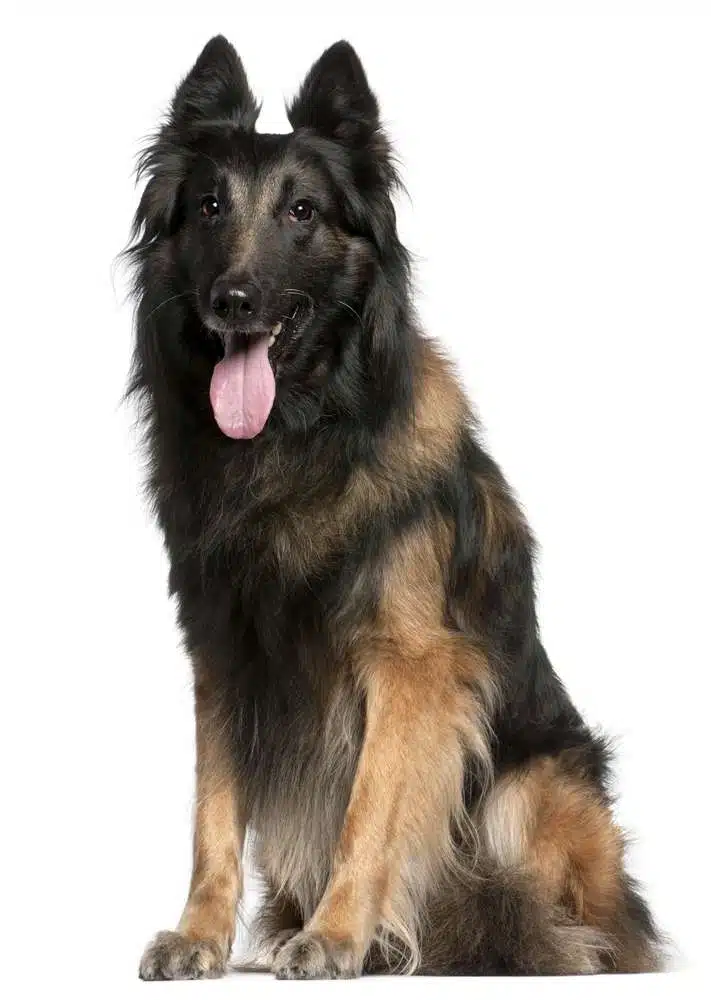
Belgian Tervuren
The Belgian Tervuren is an athletic, intelligent herding dog with a long history of working on farms, as well as in police and military roles. Bred for endurance and problem-solving, the breed thrives when given meaningful work and regular activity. Its high energy and eagerness to learn make it an excellent companion for experienced, active owners.
One of four Belgian Shepherd varieties—the Tervuren, Malinois, Groenendael (Belgian Sheepdog), and Laekenois—the Tervuren is distinguished by its rich mahogany coat with black overlay and mask. While these varieties differ in coat type and color, they share similar intelligence, athleticism, and working instincts. In many countries, they are recognized as separate breeds.
Belgian Tervurens form exceptionally strong bonds with their families and are happiest when included in daily activities. They are naturally alert, protective, and observant, making excellent watchdogs without being unnecessarily aggressive. The breed is affectionate with its family and generally does well with respectful children, although its instinct to herd may lead to chasing or nipping if not properly trained. Early socialization also helps the Tervuren coexist peacefully with other dogs and household pets.
This is a breed that requires an active lifestyle. Belgian Tervurens need vigorous daily exercise along with regular mental stimulation through obedience, agility, tracking, herding, scent work, or other challenging activities. Without enough physical and mental engagement, they can become bored and develop unwanted behaviors. Their medium-length coat requires routine brushing, and responsible breeders recommend health screening to reduce the risk of inherited conditions. The average lifespan is 10 to 12 years.
Training should begin early and emphasize positive reinforcement, consistency, and fair leadership. Although highly responsive and eager to learn, the Belgian Tervuren is sensitive and does not respond well to harsh corrections. They thrive in homes with a securely fenced yard, but they should not be left isolated outdoors. Above all, the Tervuren wants to be with its family, combining its exceptional work ethic with a loyal, affectionate personality that makes it both a capable working dog and a devoted companion.

Belgian Tervuren Traits, Care Tips, And Breed Information

Choosing the right dog can feel confusing, especially if you are comparing active herding breeds and wondering whether a Belgian Tervuren is the right fit. The Belgian Tervuren is an elegant, agile, medium-sized herding dog known for intelligence, trainability, close family bonds, and natural guarding instincts.
For prospective owners, active dog handlers, breeders, and anyone researching the breed, this guide explains the traits, care, and training needs that shape daily life with a Tervuren. You will get clear advice on grooming, feeding, and exercise, including long walks and puzzle toys, along with training guidance for obedience competitions and dog sports.
It also outlines important health risks such as hip dysplasia and progressive retinal atrophy, because understanding the breed’s energy level, behavior, and care requirements is key to raising a healthy dog and bringing one successfully into family life. It points to the American Kennel Club and the American Belgian Tervuren Club for breeder and registration help.
Key Takeaways

- Originated in Tervuren, Belgium in the late 19th century; reached the U.S. before 1950, major imports in 1953, and ABTC formed in 1960.
- Males 61–66 cm, females 56–61 cm, adults ~27.5–28.5 kg; double coat sheds (females twice yearly, males once).
- They need two hours plus daily exercise and mental work, rate poorly for alone tolerance, and bond tightly with family.
- Expect a 12–14 year lifespan; screen hips (PennHIP/OFA), test eyes for PRA/cataracts, get cardiac checks, and discuss bloat prevention.
- Brush weekly and increase grooming during heavy shed, use AKC or ABTC breeder lists, and match with active, experienced owners.
History and Origin

Origins in the Belgian Village of Tervuren
The Belgian Tervuren is a medium size herding dog breed native to Belgium that originated in the village of Tervuren during the late 19th century. It was developed from Belgian sheepdogs with long, blackened fawn coats that excelled at herding livestock across the Belgian countryside. Rather than breeding primarily for appearance, early breeders focused on producing dogs with exceptional intelligence, trainability, sound temperament, and a strong work ethic. These qualities quickly established the Tervuren as one of Belgium’s most capable and versatile working dogs.
Built to Work
From its earliest days, the Belgian Tervuren was valued as an all-purpose farm dog. It herded sheep and cattle, guarded farms and property, and worked closely alongside shepherds in a variety of demanding conditions. Its athletic build, keen intelligence, and eagerness to learn allowed it to perform a wide range of tasks with confidence and precision. These characteristics remain hallmarks of the breed today.
Surviving the World Wars
Like many European breeds, the Belgian Tervuren suffered a dramatic decline during World War I. With breeding populations greatly reduced, Belgian kennel officials temporarily permitted interbreeding between the four Belgian shepherd varieties to preserve valuable bloodlines and restore the population. This careful breeding effort helped ensure the survival of the Tervuren while maintaining the working qualities that had made it so highly respected.
Arrival in North America
Belgian Tervurens arrived in the United States before 1950, but the breed’s American population expanded significantly after major breeding imports began in 1953. Interest continued to grow, leading to the formation of the Belgian Tervuren Club in 1960 with approximately 12 charter members. Following recognition by the American Kennel Club, the organization became the American Belgian Tervuren Club, helping promote responsible breeding, education, and preservation of the breed throughout the United States.
A Versatile Modern Working Dog
Today, the Belgian Tervuren is recognized as a separate breed in most countries, including the United Kingdom, though it shares the same breed background as the other Belgian shepherd varieties. Although it remains an outstanding herding dog, its intelligence, agility, and trainability have made it equally successful in many modern roles. Belgian Tervurens serve as guard dogs, police dogs, military working dogs, search-and-rescue partners, and competitive canine athletes. Their combination of beauty, versatility, and unwavering dedication continues to make them one of the world’s most admired working breeds.
Physical Characteristics

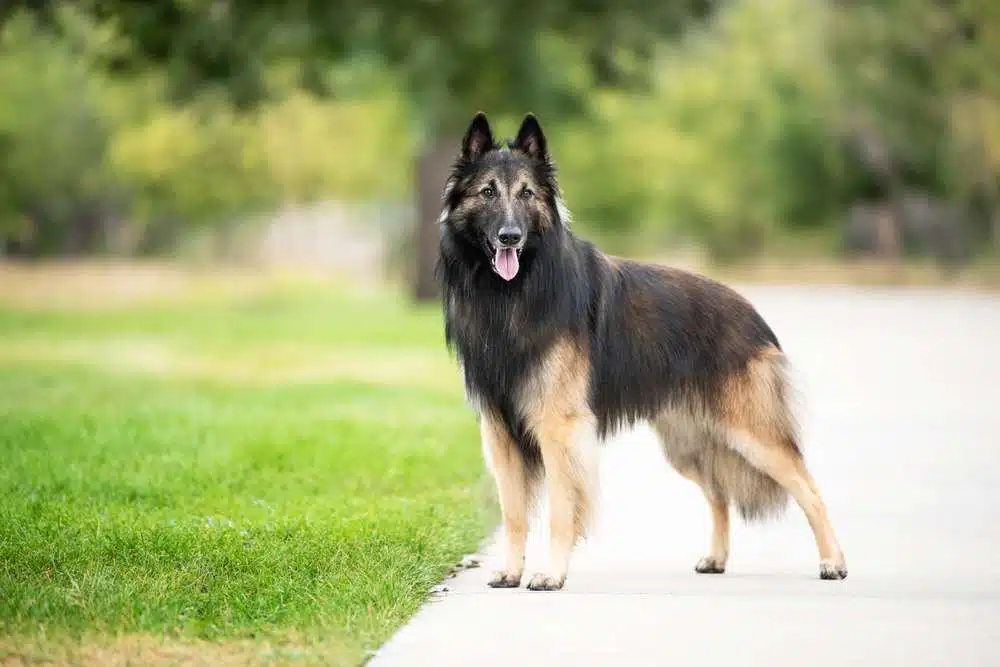
Medium-sized herding dog shows an athletic, square build. Its long, straight outer coat hides a dense undercoat. Coat colors run from warm fawn and fiery mahogany to shades of grey, all overlaid with black.
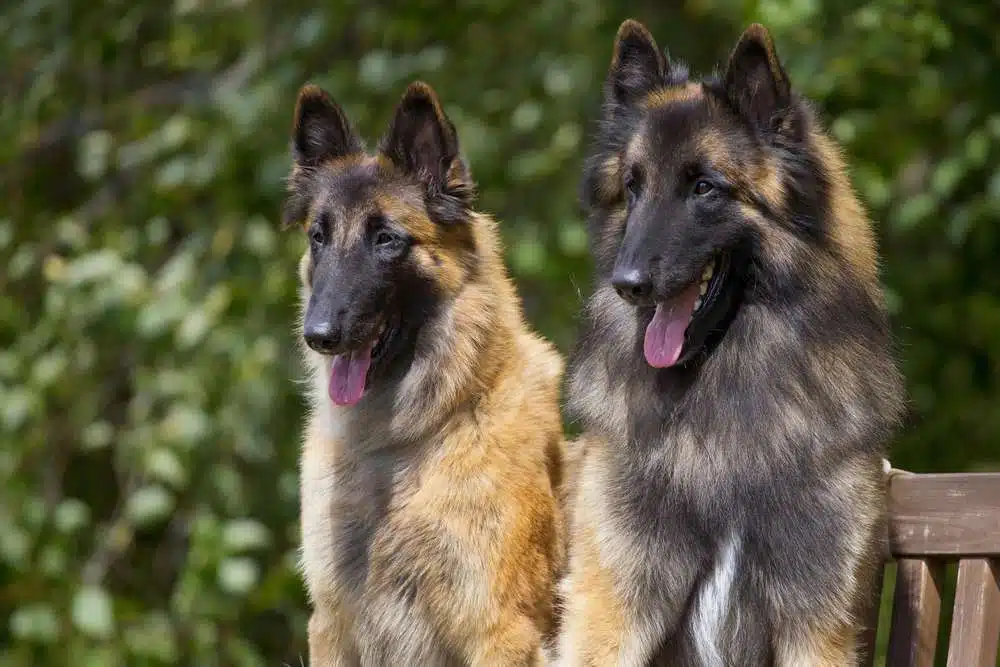
A clear black mask and black overlay add bold contrast. Eyes sit dark and striking, and pricked ears give an alert look. Facial features look sharp and intelligent, yet the dog stays affectionate and sometimes possessive.
A sharp face and double coat mark the Belgian Tervuren.
Belonging to the Belgian shepherd dog group, Belgian Tervurens rank with other Belgian herding breeds. Handlers value this shepherd dog for its herding instinct and agility. This dog needs regular brushing thanks to long hair and a thick double coat.
Owners who like active dogs will find lively, watchful companions here.
Body and Structure
The Tervuren shows a square, athletic build with substance and elegance. Males stand 61 to 66 cm and females 56 to 61 cm at the shoulder. Adults usually weigh about 27.5 to 28.5 kg, a medium sized dog.
The Kennel Club lists it in the Pastoral group and the breed standard stresses balance of strength and agility. The American kennel club recognized closely related Belgian shepherds among the four Belgian herding breeds.
The coat is moderately long and grows heavier on mature males. This coat makes the dog lighter and more refined than the long haired German Shepherd Dog. Furnishings on legs, paws, and ears collect dead hair and need cleaning after walks.
Weekly brushing helps control loose hair and keeps the coat show ready for herding trials or daily work. Owners who plan breeding stock or compete must follow the standard for square proportions.
Face and Expression

A sharp, intelligent face defines this chien de berger belge, one of the belgian dogs with pricked ears and an alert expression. Dark, intelligent eyes and a black-muzzled face form the breed’s signature look.
Many people mistake the long-coated dog for a German Shepherd, but it looks lighter and more refined.
That alert look signals high intelligence and a need for mental stimulation. Questions about belgian tervurens aggressive behavior arise, yet experienced owners say calm structure tames it.
Owners should offer varied tasks, early socialization, and consistent training from a young age. Coat type frames the face, so use a slicker brush, keep the ruff tidy, and have the coat brushed regularly.
Coat and Color

The Tervuren has a double-layer coat, with a dense undercoat and a harsher outer coat. Colors range from rich fawn, red, or gray with black shading; variations include Fawn & Black, Mahogany & Black, Brindle, Gray & Black, Silver & Black, Black, Cream & Black, Fawn & Liver, and Mahogany & Liver.
The underside, breeches, and tail may be cream, gray, or light beige, and white is allowed only on the chest and tips of the toes.
Females shed heavily twice a year, while males have a heavy shed about once a year. Owners should groom weekly, and increase brushing with brushes and a grooming rake during shedding seasons.
The coat suits the dog breed among large breed dogs; breeders bred Tervurens in Belgian village settings for herding and for Belgian police work, and the thick fur helped keep them generally healthy in cold weather.
Movement and Gait

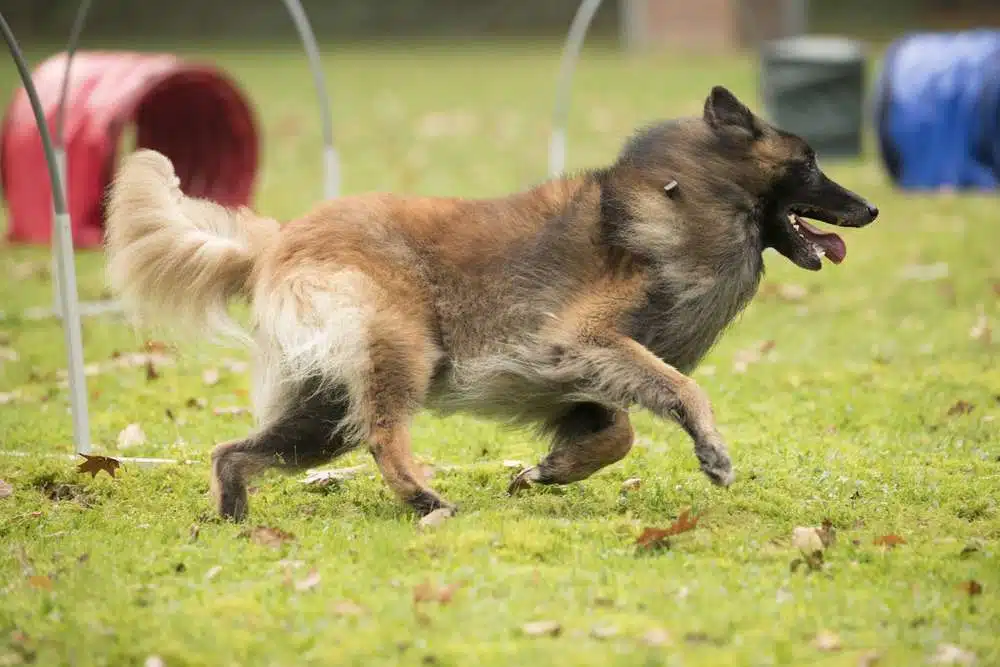
Belgian Tervurens show athleticism and sharp agility in gait. Their movement stays balanced, strong, and agile at trot and gallop. Strong rear legs and a healthy hip joint keep them efficient in sport.
They thrive in agility, obedience, Hoopers, and Rally-O trials. Owners should watch for elbow dysplasia or hip problems that can alter stride. Early age training and steady physical activity build coordination and reduce unwanted behaviors around other dogs.
Temperament and Behavior

The Belgian Tervuren is an intelligent, eager-to-please, and highly sensitive breed that thrives on learning and working alongside its owner. Originally developed as both a herding and guardian dog, it is naturally observant and reserved with strangers, though it typically becomes warm and affectionate once properly introduced.
Deeply devoted to its own family, the Tervuren forms strong bonds with its people and generally does well with respectful older children. Early socialization is important to help the breed develop confidence around unfamiliar dogs and other animals, as its protective instincts and strong personality can sometimes lead to conflict. The breed is also naturally alert and may be vocal when something captures its attention.
As a true working dog, the Belgian Tervuren requires substantial daily exercise and regular mental stimulation. Long walks, hikes, advanced obedience, agility, herding, scent work, or other challenging activities help keep the breed happy and well-balanced. Without enough physical and mental engagement, boredom can lead to unwanted behaviors.
Training should begin early and remain consistent throughout the dog’s life. Belgian Tervurens respond best to positive reinforcement, patient guidance, and clear, consistent expectations. Reward-based methods and early socialization help develop a confident, reliable companion. They can also be headstrong and may take advantage of lax obedience skills or being left to their own devices.
Because they form such close attachments to their families, Belgian Tervurens generally do not enjoy being left alone for extended periods. They thrive in homes where they can participate in daily family life and have an active owner who can provide the exercise, companionship, and mental challenges they need to excel.
Health Considerations

Watch for hip dysplasia, a common joint issue in the breed. Progressive retinal atrophy and hereditary cataracts can lead to vision loss and blindness. Ask your vet about hip dysplasia screening.
Use PennHIP or OFA evaluations for hips. Get eye screenings or genetic tests for PRA. Schedule regular veterinary exams and monitoring throughout life. The breed is generally healthy but needs regular veterinary care and monitoring.
Lifespan usually runs 12 to 14 years for the Belgian Tervuren. Feed a balanced diet rich in minerals and vitamins to support bone and eye health. Compare lines and separate breeds when you search breeders, and ask for health clearances for hips and eyes.
Keep records of test results and share them with new vets.
Common Concerns
Belgian Tervurens have health and behavior risks owners should know. Early screening and steady care reduce many threats.
- Hip and elbow dysplasia, orthopedic conditions that impair joint development, cause pain and arthritis in Belgian herding dogs; obtain hip dysplasia screening and plan weight control, controlled exercise, and joint supplements with a veterinarian.
- Hereditary cataracts can lead to blindness, and progressive retinal atrophy often causes vision loss; schedule eye screening with a veterinary ophthalmologist and ask about available genetic tests.
- Cardiac issues appear in some Tervurens; get annual cardiac auscultation and specialist referral if murmurs or exercise intolerance occur, and follow-up testing such as echocardiography when indicated.
- Gastric Dilatation-Volvulus, a life-threatening bloat condition, affects some large-breed canines; feed smaller meals, limit post-meal exercise, and discuss prophylactic gastropexy with a surgeon.
- Hypothyroidism, Von Willebrand Disease, and epilepsy occur in the breed; request a thyroid blood panel, vWD genetic screening, and document any seizures for neurologic evaluation.
- Excessive barking stems from unmet exercise and mental needs; set a daily routine with vigorous exercise, scent work, and puzzle toys to reduce noise and frustration.
- Regular health checks catch problems early; follow recommended health schemes, include canine hip evaluation and ocular screening, and run pre-breeding tests if you plan to breed.
- Joint care needs physical therapy and weight management; use controlled activity, hydrotherapy, and veterinarian-prescribed supplements to preserve mobility and delay arthritic changes.
- Behavioral problems like separation anxiety and destructiveness can emerge in under-stimulated canines; prioritize early socialization, reward-based training, and mental tasks to channel intelligence into positive work.
Lifespan
Average lifespan for a Tervuren is 12 to 14 years. Owners can help dogs live longer with a high quality diet, regular exercise, and routine veterinary care. Keep the dog lean to protect joints that are prone to hip dysplasia.
Ask your veterinarian about hip radiographs and body condition scoring to monitor risk and guide nutrition and exercise plans.
Training Considerations

Tervurens learn fast and crave mental work. Use consistent, positive reinforcement in all lessons. Avoid harsh punishment. It can cause nervousness or aggression. Start socialization and obedience training early to shape steady behavior.
Match their high energy with active trainers who offer engaging play and structured sessions.
Keep sessions short and frequent. Five to fifteen minutes work best for focus. Use a marker signal and a lead, plus treats for reward-based practice. Set clear rules and predictable routines to reduce stress and grow responsibility.
Teach anticipation, patience, discipline and mature decision-making with staged challenges. Daily practice cuts the chance of problem behaviors and boosts learning.
Exercise and Socialization

A Belgian Tervuren needs heavy daily work to stay happy. Plan two hours of exercise plus training and games each day.
- Schedule two hours of activity daily, split into walks, training, and play; include cooler times like early morning or evening to avoid overheating.
- Use varied, challenging games to satisfy the breed’s work drive, such as agility circuits, obedience drills, Hoopers sessions, and Rally-O practice; rotate tasks to keep interest high.
- Provide mental tools like puzzle toys, sound markers, and scent work kits to boost cognition and focus; these stop boredom and destructive behavior.
- Train daily with short, focused sessions; mix reward-based methods, hand signals, and leash work. The dog loves learning new skills and excels in sport trials.
- Use socialization classes and controlled playdates to build calm, confident manners; expose the dog to people, children, and other pets in safe settings.
- Avoid long exercise in heat; aim for cool parts of the day and carry water, a harness, a long lead, and a GPS tracker for control and safety during runs.
- Match this breed with owners who are fit, energetic, calm, and sensible; they must commit to daily training, exercise, and mental enrichment to prevent problems.
- Add sport trials like agility competitions or Rally-O events to channel energy; regular events give purpose and cut the risk of behavioral issues from under-exercised dogs.
Living with a Belgian Tervuren

Expect high energy. They need over two hours of daily exercise, like runs, herding games, and agility. Owners must brush weekly and manage heavy shedding during seasonal coat changes.
This medium-sized herding dog shows intelligence, trainability, and clear affection.
Experienced dog owners match best because these dogs need extensive training and socialization. Use a leash, clicker, crate, and agility equipment to give daily mental and physical work.
ABTC, the American Belgian Tervuren Club, provides breeder resources and promotes responsible breeding. Schedule regular veterinary screenings for hip dysplasia and progressive retinal atrophy, and ask for orthopedic screening and ophthalmic exams.
Best Environment
Belgian Tervurens thrive in rural or semi-rural areas with a large, secure garden. They need a big garden for exercise and play, and they do best with varied walking routes.
Owners should fit a sturdy fence and use a leash or a tracker on long walks to keep them safe. Tervurens can live in semi-rural homes if you train them for alone-time, but apartment living usually fails due to high energy.
Busy houses with young children or frequent visitors may stress this breed.
Behavior towards Children

Tervurens do well with respectful children. They need adult supervision during child-dog interactions.
The breed fits quiet families with older children or no children. Owners must give dedicated time for training and walking. Use positive reinforcement, a lead, a den, a sound marker, and an obedience class to shape safe play and calm manners.
Behavior towards other Pets
Belgian Tervuren may need extra training to live with other pets. Experts rate their compatibility with other animals at 3/5 because they can have difficulties with unfamiliar dogs.
Supervise all interactions to ensure safety.
Early socialization is important for better behavior with pets. Use short, positive training classes and tools like a lead, crate, sound marker, and reward treats during supervised sessions.
Grooming Needs

Tervurens need regular coat care. Plan weekly sessions and more during heavy shedding.
- Brush outer coat once a week with a firm brush to remove loose hair. Work along the grain to avoid breakage.
- Increase brushing daily during shedding seasons; females shed twice a year, males once. Try a deshedding tool or comb to pull undercoat and cut loose fur.
- Clean furnishings on legs, paws, and ears after walks to prevent mats and dirt buildup. Wipe with a damp cloth and check paw pads for seeds or irritants.
- Bathe only as needed with dog shampoo, dry quickly with a towel and a low-heat dryer to protect the dense undercoat.
- Trim excess hair around paws and sanitary areas with blunt scissors or a trimming tool for safety and hygiene. Check for irritation after trimming.
- Schedule professional grooming every few months, vets rate grooming needs 3 out of 5 for this breed. A groomer helps manage the long, straight outer coat and dense undercoat.
- Expect minimal drooling, but inspect skin and ears weekly for hot spots, fleas, or infections. Use a comb during checks and clean tools after use.
Nutrition and Feeding

Large dogs need nutrient-dense food. Keep your dog lean to protect joints and energy.
- Choose a complete, balanced large-breed formula with adequate protein, minerals, and vitamins, and check for an AAFCO statement and guaranteed analysis to confirm life stage coverage.
- Ask your veterinarian to tailor the diet to age, activity, and growth needs, using growth formula for puppies and maintenance for adults.
- Keep weight in a lean body condition to protect joints and extend lifespan; use a body condition score and change portions if the dog looks soft at the waist.
- Measure meals with a cup or portion calculator and feed set times; offer two meals daily to lower bloat risk and control calorie intake for large breeds.
- Provide fresh water at all times to support hydration and overall health.
- Limit fatty treats and table scraps that add excess calories and stress joints; swap snacks for low-calorie options or vet-approved joint supplement choices.
- Watch mineral ratios, especially calcium and phosphorus in growing dogs, to avoid bone problems; consult your veterinarian before adding minerals or bone-building supplements.
- Select high-quality protein sources and include omega fatty acids for coat and steady energy; transition brands slowly over 7 to 10 days to avoid digestive upset.
Where to find a Belgian Tervuren

Prospective owners can find puppies and rescue dogs through breed clubs and The Royal Kennel Club. The American Belgian Tervuren Club, founded in 1960, keeps a breeders list by state to help match buyers with health-tested litters.
The ABTC gives guidance on spotting responsible breeders who focus on health and well-being. It sponsors an annual national specialty show and runs other events for breed fans. Puppy guidance comes through programs like Growing Pup and expert advice from club mentors.
The club stays committed to preserving the breed and its working abilities.
Similar Dog Breeds

The Tervuren links closely to the Belgian Shepherd Dog Groenendael, which is always black. Breed clubs split the single breed into four varieties in 1905. Breeders allowed inter-breeding after World War I because numbers fell.
Owners often compare Tervuren to the Belgian Malinois and the German Shepherd Dog. Tervuren stays lighter and more refined than a long haired German Shepherd Dog.
| Breed | Similarities | Differences | Best Fit For |
|---|---|---|---|
| Belgian Malinois | Shares Belgian herding heritage, exceptional intelligence, and a strong working drive. | Short fawn coat, more compact build, and greater emphasis on speed and agility. | Active handlers seeking a focused working dog for obedience, protection sports, or service work. |
| German Shepherd Dog | Similar versatility, intelligence, trainability, and success in working and conformation roles. | Larger, heavier, and more robust than the Belgian Tervuren, especially long-coated lines. | Families, police agencies, and working dog enthusiasts wanting strength, reliability, and versatility. |
| Dutch Shepherd | Shares European herding heritage, exceptional intelligence, high trainability, and versatility as a working dog. | Typically has a brindle coat rather than the Tervuren’s rich mahogany coloring, and is often more rugged in appearance with a stronger emphasis on police and protection work. | Active owners seeking a highly trainable working dog for obedience, protection sports, search and rescue, or an energetic family companion. |
| Belgian Laekenois | Shares the Belgian Shepherd temperament, intelligence, and strong working instincts. | Rough, wiry coat and a more rustic appearance than the Tervuren. | Experienced owners who appreciate a rugged working breed with high drive and unique coat characteristics. |
Conclusion

This article reviewed Tervuren traits, herding history, coat care, and training basics. Use a simple routine with daily walks, grooming tools, and a clear training plan.
Good training, social play, and clear vaccine records cut risks of hip dysplasia and eye disease. Contact AKC or the national club ABTC for breeder lists, event guides, and official forms.
Grab a leash, use a training tool, commit daily, and gain a loyal companion.
FAQs
1. What are Belgian Tervuren traits?
Belgian Tervuren traits include high energy, sharp intelligence, and strong herding drive. They stay alert and bond closely with their people. They need mental work and regular exercise to stay calm.
2. What care tips help keep a Belgian Tervuren healthy?
Use care tips like daily exercise, training, and regular grooming for their double coat. Brush their fur weekly and more during heavy fur loss. Feed a balanced diet and take your dog to an animal doctor for routine checks.
3. Is a Belgian Tervuren good for families and training?
Yes, this breed can fit active families. They learn fast and respond to firm, fair training. Start socialization and training early to curb fear or excess protectiveness. They do not make an easy pet for owners who want a low-energy dog.
4. What breed information should I know before adoption?
Know the main breed information: they are medium to large, need one to two hours of activity a day, and like jobs such as agility or scent work. Check health clearances and seek a reputable source or rescue. Plan for time, training, and regular grooming.
References
- https://abtc.org/breed-history/
- https://showsightmagazine.com/dog-breeds/belgian-tervuren/
- https://www.akc.org/dog-breeds/belgian-tervuren/
- https://www.petmd.com/dog/breeds/belgian-tervuren (2024-01-22)
- https://www.thesprucepets.com/belgian-tervuren-dog-breed-profile-4771159
- https://www.royalkennelclub.com/search/breeds-a-to-z/breeds/pastoral/belgian-shepherd-dog-tervueren/
- Furlyfe Rank See Rank
- Group AKC Herding
- Origin Belgium
- Size Large
- Weight 65 to 75 pounds
- Coat Length Medium
- Coat Type Double
- Colors Fawn & Black, Mahogany & Black
- Other Names Chien De Berger Belge
- Temperament Alert, Attentive, Energetic, Intelligent, Loyal, Protective