
Beauceron
The Beauceron is a powerful French herding and guardian breed known for its intelligence, loyalty, and versatility. Originally developed to herd livestock and protect farms, it remains a hardworking dog that thrives with experienced owners who can provide structure, training, and regular activity. Because the breed matures slowly, many Beaucerons retain puppy-like behavior until they are around three years old.
Confident and independent, the Beauceron forms strong bonds with its family and is naturally protective. While affectionate with those it knows, its size, strength, and stubborn streak make it better suited to experienced dog owners than first-time handlers. Its short double coat is relatively easy to maintain with regular brushing.
As an energetic working breed, the Beauceron requires vigorous daily exercise and plenty of mental stimulation. It excels in activities such as herding, obedience, agility, tracking, search and rescue, and other canine sports. Without enough physical and mental engagement, boredom can lead to destructive or unwanted behaviors.
Early socialization and consistent, positive reinforcement training are essential. The Beauceron responds best to confident, fair leadership and clear expectations rather than harsh corrections. Because of its intelligence and independent nature, it respects owners who are calm, patient, and consistent.
The Beauceron can be an excellent family companion when raised with respectful children, although its herding instincts may lead it to chase or nip at running youngsters. Some individuals also have a strong prey drive and may not get along with unfamiliar dogs or small animals. A securely fenced yard is recommended, as the breed is athletic and determined. Routine brushing, nail trimming, ear care, and dental hygiene help keep the Beauceron healthy throughout its typical lifespan of 10 to 12 years.

Beauceron Dog Breed Guide: Traits, Temperament, And Care Tips

Are you unsure if a Beauceron fits your home and routine? The Beauceron is a large, intelligent working and herding dog that also serves as a loyal guard dog, and it does best with firm training, early socialization, and regular exercise. If you are considering one or already have one, this guide will help you understand the breed’s traits, care needs, and common health concerns so you can decide whether a Beauceron suits your lifestyle and keep it healthy and well-behaved.
New owners often struggle with early obedience training, socialization, and managing health risks like hip dysplasia and bloat. This breed is recognized by the American Kennel Club for its working and herding skills, and the guide below covers its history, physical characteristics, temperament, training, exercise, grooming with a medium bristle brush, nutrition, vet checks, how to find reputable breeders or rescues, and similar breeds. You will also get practical tips on safe exercise, feeding high quality dog food, and using flirt poles. Keep reading.
Key Takeaways

- Originating in France’s Beauce region, mentioned 1578, Berger de Beauce named 1809, formal clubs 1911 and 1922, AKC Foundation Stock 1998 (157th breed).
- Large, muscular Beaucerons stand 24–27.5 inches, weigh 70–110 pounds, live 10–12 years, have a double coat, heavy seasonal shedding and weekly brushing.
- They need 2–3 hours daily exercise, firm early socialization, reward‑based training, and high energy (drive 5, trainability 3) to prevent behavior issues.
- Watch hip dysplasia, bloat, DCM, eye disease and copper‑associated hepatitis; require hip radiographs, echocardiogram, yearly ophthalmic exams and DNA or clinical screening.
- Contact American Beauceron Club (President Lan Hecimovich, (907) 441‑8072, [email protected]; PO BOX 488, Palmer AK 99645) or www.beauce.org and AKC rescue.
History and Origin

Origins in the Beauce Region of France
The Beauceron originated in the Beauce region of France, southwest of Paris, where it was developed as a hardworking shepherd’s dog during the late Middle Ages. This french shepherd dog takes its name from that agricultural region, and historical records mention dogs of this type as early as 1578, while the name Berger de Beauce first appeared in writing in 1809. Bred for intelligence, endurance, and versatility, the Beauceron became one of France’s most respected herding and farm dogs.
From Shepherd’s Dog to Distinct Breed
For centuries, French shepherds relied on both long-haired and short-haired herding dogs that shared a common ancestry. During the 19th century, breeders began refining these dogs into separate breeds, and in 1896, French authorities officially classified the short-coated dogs as the Beauceron and the long-haired dogs as the Briard. This formal distinction helped preserve the unique appearance and working abilities of each breed.
A Trusted Farm and Military Companion
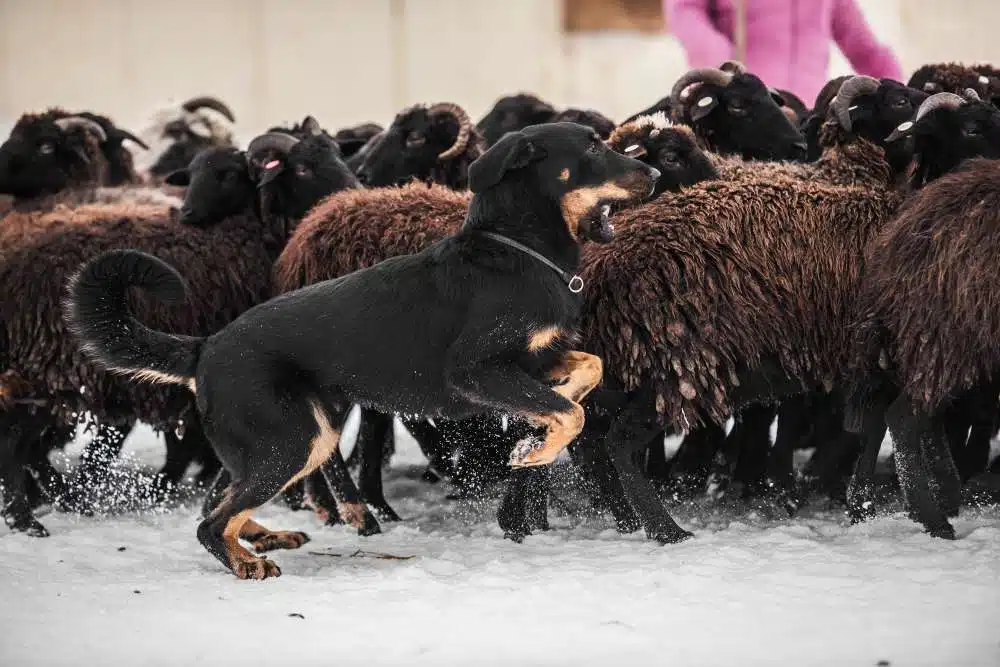
Originally bred to herd sheep and drive livestock across France’s open countryside, the Beauceron quickly earned a reputation for its courage and dependability. During World War I, the breed’s intelligence and trainability led to widespread military use by the French army, while it also continued to herd and guard livestock. Beaucerons served as messenger dogs, bodyguards, and supply carriers, and their versatility also suited them to rescue operations. They were also valued in search and rescue operations, often delivering messages through dangerous trench systems and pulling small carts loaded with equipment and ammunition. Their bravery under fire further cemented their reputation as exceptional working dogs.
Preserving the Breed
As the Beauceron’s popularity grew, French enthusiasts established organizations dedicated to protecting and improving the breed. The first Beauceron breed club was founded in 1911, followed by the Club des Amis du Beauceron in 1922, which continues to support responsible breeding and preservation. These organizations helped maintain the breed’s working abilities while promoting consistent breed standards.
International Recognition
Although long respected in France, the Beauceron gained wider recognition in North America much later. The American Kennel Club accepted the breed into its Foundation Stock Service in 1998, an important milestone toward full recognition. The Beauceron was later admitted as the AKC’s 157th recognized breed, reflecting its growing popularity among owners seeking an intelligent, versatile, and loyal working companion. Today, the Beauceron continues to excel in herding, obedience, protection work, search and rescue, and a variety of canine sports while remaining true to its centuries-old working heritage.
Physical Characteristics

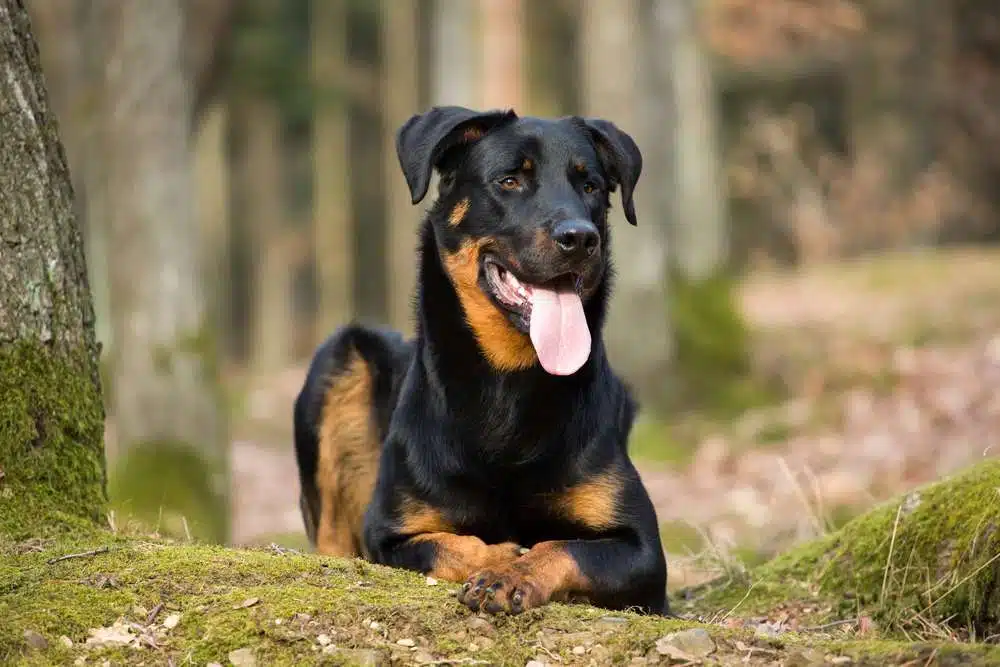
Built as a large, powerful dog, the beauceron breed shows a deep, wide chest that boosts lung capacity and stamina. Head sits long and chiseled, and it makes up approximately 40% of height at the withers.
This working dog suits dog sports and herding group tasks thanks to strong rear legs and steady posture.
Powerful, agile, and built to work.
Coat stays short and dense, a double coat with a downy undercoat that sheds seasonally. Color sits on a black and tan base with squirrel red tan markings, and owners must trim the double dewclaws on the rear legs regularly.
Body and Structure
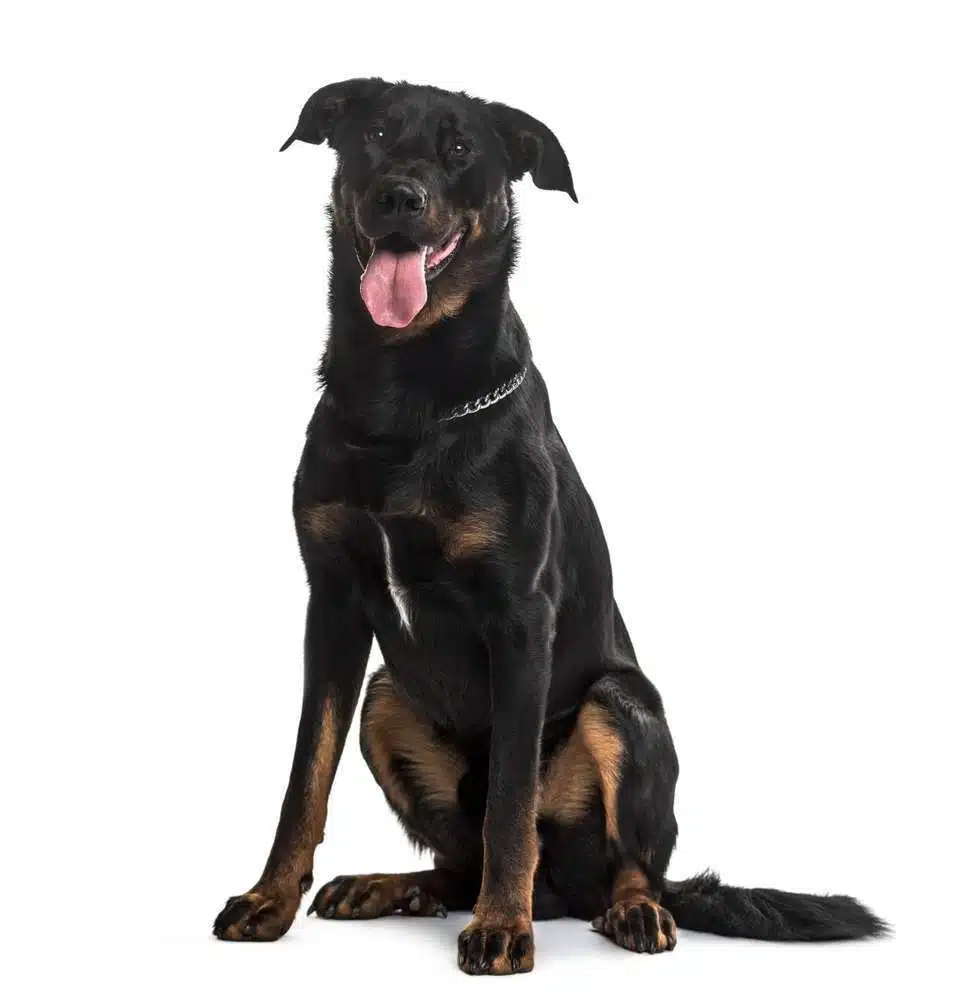
The Beauceron dog breed stands 24–27.5 inches at the shoulder. Males measure 65–70 cm, about 26–28 inches, while females reach 61–68 cm, about 24–27 inches. Adult Beauceron dogs weigh between 70 and 110 pounds, like other large breed dogs.
Males often fall between 30 and 45 kg, about 66 to 99 pounds.
They show a muscular, rugged, well-balanced frame with a deep, wide chest and a strong back. Forequarters remain straight and vertical, traits essential for working dogs and herding breeds.
Hindquarter angulation balances the forequarters to deliver powerful movement. Double dewclaws on each rear leg are required for show eligibility. Physical and mental maturity may not finish until around three years, so hip joints should be checked regularly by a veterinarian.
Face and Expression

A Beauceron shows a long, chiseled head that measures about 40% of its withers height. Confident dark brown eyes give an imposing, powerful expression and also look spirited and intelligent.
Face and demeanor hint at a cautious eye and a commanding presence fit for herding dogs, police dogs, and guard dogs. Pet parents of a beauceron puppy or beauceron puppies should point these traits out to vets, bring pedigree papers to dog shows, and use the face as a cue when training and socializing other dogs.
Coat and Color

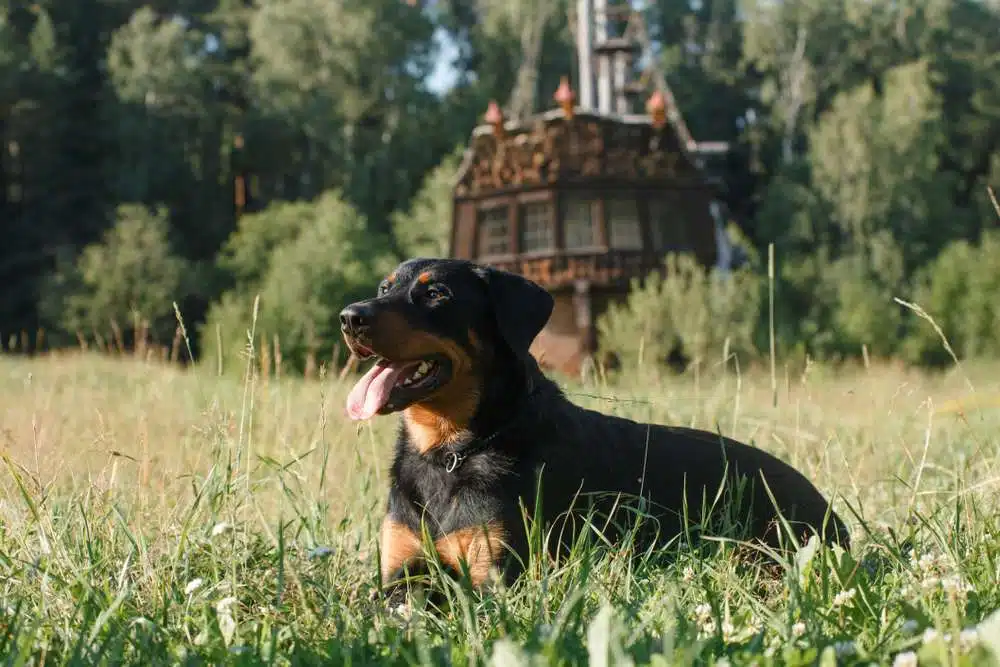
The Beauceron has a short, dense double coat with a coarse, flat outer layer that measures 1 to 1.5 inches. A soft, gray undercoat lies beneath the topcoat. Standard color is mainly black with squirrel-red accents on the feet, which earned the Bas-Rouge nickname.
You can also see black-gray-tan, gray-black-tan, black-rust, and harlequin patterns. Tan markings appear above the eyes, on the muzzle, throat, tail, legs, and chest. The thick coat helps pastoral dogs and French shepherd dogs serve as watchdogs for farmers.
Beaucerons shed year-round and lose large amounts of hair during shedding season. They are not hypoallergenic, and weekly brushing with a brush and an undercoat rake reduces loose hair and mats.
Most countries do not allow ear cropping, so natural ears remain common.
Movement and Gait

Agile and enduring, Beaucerons can keep a steady running pace for over 5 miles. Their gait stays balanced and powerful, which suits herding sheep and other working roles. They perform herding from a distance in a calm, quiet style.
Owners can plan long hikes and day-long outings, since these intelligent dogs handle vigorous exercise. Early socialization, plenty of space such as a large yard, and a working harness or navigation device help this loyal companion move safely and stay fit.
Temperament and Behavior

Beaucerons are loyal, gentle, obedient, and naturally protective companions. They are excellent watchdogs with an alert nature and plenty of energy, making them happiest when given regular exercise, meaningful work, and time with their family.
Although affectionate with those they know, Beaucerons tend to be reserved around strangers until they are properly introduced. They will readily alert their owners to unusual activity but are not typically excessive barkers.
Confident and independent, the Beauceron can be strong-willed and is generally better suited to experienced owners. When they sense a potential threat, they naturally position themselves between their family and the source of concern, demonstrating the protective instincts that have made them trusted guardians for centuries.
Originally developed as French sheepdogs, Beaucerons worked alongside farmers to herd and protect livestock. Early socialization and careful introductions are important, as some individuals may be cautious around unfamiliar dogs or other household pets.
The Beauceron responds best to consistent, reward-based training that begins early in life. Positive reinforcement, obedience training, and clear leadership help the breed reach its full potential. Owners experiencing behavioral challenges may benefit from guidance from a professional trainer or veterinarian. Often compared to the Doberman Pinscher for its intelligence and protective nature, the Beauceron is generally more reserved and deliberate in its responses.
Health Considerations

Many Beauceron owners watch for hip dysplasia and bloat. Signs can include stiffness, reluctance to move, trouble breathing, or a bloated, painful belly.
Responsible breeders run health screenings for heart disease and eye problems, such as dilated cardiomyopathy (DCM) and progressive retinal atrophy. Hip dysplasia in dogs shows on hip radiographs and on exams by an orthopedic specialist.
Veterinarians also test for canine copper associated hepatitis and other liver issues. Owners should schedule regular dental cleanings and ear checks to prevent infection. Feed a high-quality, age-appropriate diet, and adjust portions for working dogs to avoid obesity.
Aim for daily exercise and mental stimulation to cut the risk of behavior and mental challenges. Brush the coat weekly and clean ears and teeth on a regular schedule because the breed sheds heavily.
Speak to a veterinarian or a dermatologist if you see skin irritation or food allergies. Ask breeders to share screening results, including cardiac screening and hip radiographs, before you buy.
Common Concerns
Beaucerons face several breed health concerns. Owners must learn signs, tests, and quick actions.
- Ask breeders for hip radiographs and Orthopedic Foundation for Animals clearance. Radiographs catch hip dysplasia early. Manage weight and use joint supplements after vet approval.
- Watch for a swollen belly, pacing, or failed attempts to vomit, signs of a twisted stomach. Feed two to three small meals and avoid heavy exercise after eating. Learn emergency vet steps.
- Screen with echocardiogram and cardiac exam. Dilated Cardiomyopathy can cause fainting and sudden collapse, a risk seen in Doberman Pinschers and similar breeds. Have yearly checks and breeder cardiac clearances.
- Schedule yearly ophthalmic exams and use DNA or clinical screening. Eye disease can reduce vision. Request proof of eye clearances from your breeder before purchase.
- Track itching, hot spots, or severe allergy symptoms. Test with skin panels, elimination diets, and blood tests like CDBC or CBC to spot causes. Work with your vet on long term plans.
- No breed-specific health issues are noted, though some Beaucerons may develop Canine Copper-Associated Hepatitis. Monitor liver enzymes and run DNA tests or a biopsy when vets suspect disease. Pick breeders who screen for liver issues.
- Understand coat and cropping concerns. Beaucerons were bred as a sheep dog and helped farmers protect flocks, and they served with the French army during world wars. Coats show bas rouge, red stockings, or merle; cropped ears raise infection risk. Similar breeds include Border Collie, and many excel at carting.
Lifespan
Many dogs live long, but the Beauceron averages 10 to 12 years. Proper screening and care keep the breed generally healthy and hardy. Vets recommend hip evaluation, heart exams, and DNA testing for inherited issues.
Regular ear checks and dental care, like teeth brushing, are advised. Owners of mixed breeds or dogs from two breeds should ask a vet about combined risks. People with severe allergies must meet the dog first to test tolerance.
Many owners call the Beauceron an ideal companion for active families, and some lines are closely related to other herding dogs.
Training Considerations

Early socialization and obedience training are crucial. Start classes in the first weeks of life. Use several short, 5 to 10 minute play-training sessions per day. Address jumping and mouthing right away, and teach bite inhibition.
Apply positive reinforcement, treats, and a sound marker for calm responses. Avoid harsh methods because Beaucerons respond poorly to them. Offer a firm, fair, consistent approach to keep progress steady.
Expect a trainability rating of 3, agreeable yet not always eager to please. Set small goals for each short drill. Add advanced obedience and dog sports for mental challenge. Try Treibball to channel herding drive and boost focus.
Bring tools, like a lead for walks and a training marker for cues. Use an enclosed bed to teach crate manners and quiet time. Hire a certified trainer when progress stalls or behavior worsens.
Exercise and Socialization

Beaucerons need heavy daily exercise. They also need firm socialization from puppyhood.
- Plan for 2–3 hours of vigorous activity every day, split into runs, herding sessions, training, and long walks to prevent boredom, destructiveness, and excessive barking.
- Rotate sports like herding, Schutzhund, agility, carting, mushing, and skijoring to tap natural drives and provide strong physical outlets on a weekly schedule.
- Use treadmill, agility equipment, a long leash, and a draft harness for safe practice, and add scent work plus obedience and marker training to provide steady mental challenge.
- Limit alone time because Beaucerons get bored and may bark or destroy items; hire a dog walker, join dog daycare, or set focused home sessions to cut stress.
- Expose puppies to people, dogs, vehicles, and varied surfaces from a young age, and enroll in group training to reduce the risk of shyness or aggression later.
- Set a daily training routine with short, firm sessions that use positive reinforcement, marker training, and clear commands so the dog stays focused and excels in dog sports.
- Prefer experienced, active owners who can meet the breed’s energy; work with a trainer experienced in herding or Schutzhund to shape strong, safe habits.
- Rotate toys, tasks, and routes to avoid boredom; schedule regular walks, play, and sport days so the dog stays engaged and grows less prone to barking or acting out.
Living with a Beauceron

Expect 2-3 hours of vigorous exercise daily to prevent boredom and destructive behavior. Include mental tasks like herding work or agility training, and use a training tool or obedience class to keep the mind sharp.
Start early socialization and obedience training to manage high intelligence and potential dominance.
They fit best as indoor family dogs, not outdoor-only workers, so plan space and routines that keep them busy. Plan for a life expectancy of 10-12 years and watch for hip dysplasia and bloat; consult a veterinary clinic for screenings and emergency plans.
Brush weekly and trim nails regularly to handle significant shedding.
Best Environment
Active families and experienced handlers suit the Beauceron best. They need extensive outdoor exercise and mental stimulation daily.
Households with small children should avoid this breed because of strong herding instincts. Provide a secure yard with a sturdy barrier and use a leash or kennel during pet introductions.
Some Beaucerons like swimming and will enjoy a pool or lake, while others prefer dry play.
Behavior towards Children
Beauceron tolerance with young children rates 3, and supervision is recommended. They play with family members, yet they can knock over small kids during rough play. Best fit families have teens who are experienced with dogs.
Supervision is necessary around younger kids.
Well-trained and socialized Beaucerons are excellent guardians for children. Start puppy socialization early and use obedience training with a professional dog trainer. Use a leash, a secure kennel, a training click device, and positive reinforcement to teach calm behavior.
Teach kids to avoid rough games and to respect the dog’s space.
Behavior towards other Pets
They score a 3 for getting along with other dogs, which means owners must supervise. They were not bred for hunting; herding instincts may cause chasing or attempts to herd cats and small animals.
Some animals trigger dominance or predatory instincts, so a Beauceron may not interact well with certain pets. Supervise all introductions to household animals and use a leash, containment crate, and training tool during early meetings.
Consult an animal behaviorist and set up positive reinforcement socialization plans if chasing or dominance become persistent.
Grooming Needs

Beaucerons need steady grooming. Follow a simple weekly routine and step up during heavy shed periods.
- Coat grooming frequency rates as 3, meaning regular weekly brushing with a bristle brush and undercoat rake. Increase to daily during heavy shed seasons, since Beaucerons rate shedding at level 4.
- Bathe every 2 months, or as needed, using a gentle dog shampoo and lukewarm water. Rinse well and dry to prevent skin problems.
- Trim nails regularly with clippers or a grinder, and do not skip the double dewclaws on rear legs. Check nails every 2 to 4 weeks and file rough edges.
- Clean ears once weekly with a pet ear cleaner and cotton pad; avoid deep probing. Watch for redness, odor, or discharge and contact your vet if you see signs of infection.
- Brush teeth several times per week with a soft toothbrush for dogs and canine toothpaste. Add dental chews to cut tartar buildup between brushes.
- Keep a kit with a bristle brush, deshedding tool, pet toothbrush, ear cleaner, and quality nail clippers. Use a low table or grooming mat to steady the dog during sessions.
- Expect significant seasonal hair loss but very low drooling, rating 1; plan vacuuming and lint rollers for furniture. Increase brushing during shedding and time baths around two-month intervals or as needed.
Nutrition and Feeding

Feed your Beauceron high-quality dog food, either commercial formulas or veterinarian-supervised home-prepared meals. Use age-appropriate diets labeled for puppy, adult, or senior dogs.
- Choose AAFCO-compliant commercial food or a veterinarian-reviewed home recipe, so the diet meets nutrient profiles for all life stages and life stage labeling.
- Increase portions for working Beaucerons; active herding or farm dogs may need 10 to 30 percent more calories than sedentary companions, while you still must monitor weight.
- Measure daily portions with a digital scale or portion tool, and weigh your dog weekly; use a body condition score chart to spot early weight gain.
- Provide constant access to clean, fresh water using a stable bowl or automatic dispenser; check and refill at least once per day and more in hot weather.
- Match food to life stage and size; feed puppy formulas for growth, switch to adult at maturity, and reduce calories for senior dogs as your veterinarian directs.
- Use your veterinarian to review home-prepared diets or recommend high-quality commercial brands; request nutrient analysis or feeding charts for precise calorie and nutrient targets.
- Track intake and adjust for activity, age, or health changes; prevent obesity through portion control, regular exercise, and follow-up visits with your veterinarian for personalized advice.
Where to find a Beauceron

Contact the American Beauceron Club [email protected] for breeder referrals and official breed information. Mail inquiries to PO BOX 488, Palmer, AK 99645-0488, or visit www.beauce.org to view standards and resources.
Search AKC Marketplace and 450+ AKC rescue networks nationwide to find available Beaucerons or adoptable dogs. Breed rescue organizations and AKC Breed Clubs can assist with adoption, and rescue info plus the breed standard sit at http://images.akc.org/pdf/breeds/standards/Beauceron.pdf.
Similar Dog Breeds

Beaucerons link to Briard, Belgian Malinois, Dutch Shepherd, Berger Picard, and Border Collie, and early socialization plus positive reinforcement shape their temperaments.
| Breed | Similarities | Differences | Best fit for owners who |
|---|---|---|---|
| Belgian Malinois | High drive, intelligence, and strong protective instincts match the Beauceron. | They run leaner and often show faster field speed than a Beauceron. | Active handlers who want police or military style work fit this breed well. |
| Dutch Shepherd | Loyal temperament and herding roots mirror Beauceron traits. | Coat can be brindle with a finer frame compared to the Beauceron. | Owners who plan regular training sessions using clicker and reward systems are a good match. |
| German Shepherd | Intelligence and loyalty align with Beauceron behavior; Beaucerons, Doberman Pinschers, and German Shepherds share strong protective instincts. | German Shepherds often have more sable in some lines and different angulation than many Beaucerons. | Families who can provide early socialization and positive reinforcement training fit this breed. |
| Doberman Pinscher | They share intelligence, loyalty, and a strong protective streak with Beaucerons. | Dobermans display a sleeker build and higher speed than many shepherd types. | Experienced owners who value structured obedience and consistent social exposure do best. |
Conclusion

Conclusion: You learned Beauceron traits, the double coat, temperament, and care needs. These practical tips use simple steps like crate work, leash practice, and a training tool for smart sessions.
Regular vet checks cut risk for hip dysplasia and bloat and protect long term health. AKC guides, local breed clubs, and a trusted veterinarian offer more reading and local support.
Make exercise, socialization, and steady training daily and watch behavior improve. I raised a Beauceron and I still enjoy its loyal work ethic every day.
FAQs
1. What are the main traits and temperament of the Beauceron dog breed?
Beauceron dogs are large, strong, and smart. Their temperament is loyal, confident, and alert. They show calm behavior at home and protect their family. Expect a working dog that needs a clear leader and mental tasks.
2. How should I train and socialize a Beauceron?
Start training and socialization early with a young dog. Use firm, fair, and consistent commands. Offer short lessons and reward good behavior. Enroll in obedience classes and introduce people and other animals often. If the dog grows stubborn, add mental games and structure.
3. What care tips help keep a Beauceron healthy?
Brush the coat weekly and more during heavy shedding. Give daily exercise, like long walks, runs, or work tasks, to match their energy. Feed high-quality food and watch weight. Schedule regular vet checks for joints and heart. Their typical lifespan is about ten to twelve years.
4. Are Beaucerons good family dogs and good as guard dogs?
Beaucerons bond closely with their family and can do well with kids if raised with them. They act as natural protectors, but they are not needlessly aggressive. Provide steady leadership and consistent rules. For new owners, take training help from a qualified trainer.
References
- Furlyfe Rank See Rank
- Group AKC Herding
- Origin France
- Size Large
- Weight 80 to 110 pounds
- Coat Length Short
- Coat Type Smooth, Double
- Colors Black & Rust, Black & Tan, Gray Black & Tan, Harlequin
- Other Names Berger De Beauce, French Shorthaired Shepherd, Beauch Shepherd
- Temperament Courageous, Obedient, Loyal, Protective, Loving