Bearded Collie

Click Image to see Gallery

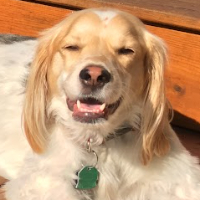
The Bearded Collie is a popular medium-sized breed known for being lively, charming and smart. Bred in Scotland as a herding dog, today these dogs often make great pets and are very successful in competitive sports thanks to their athleticism.

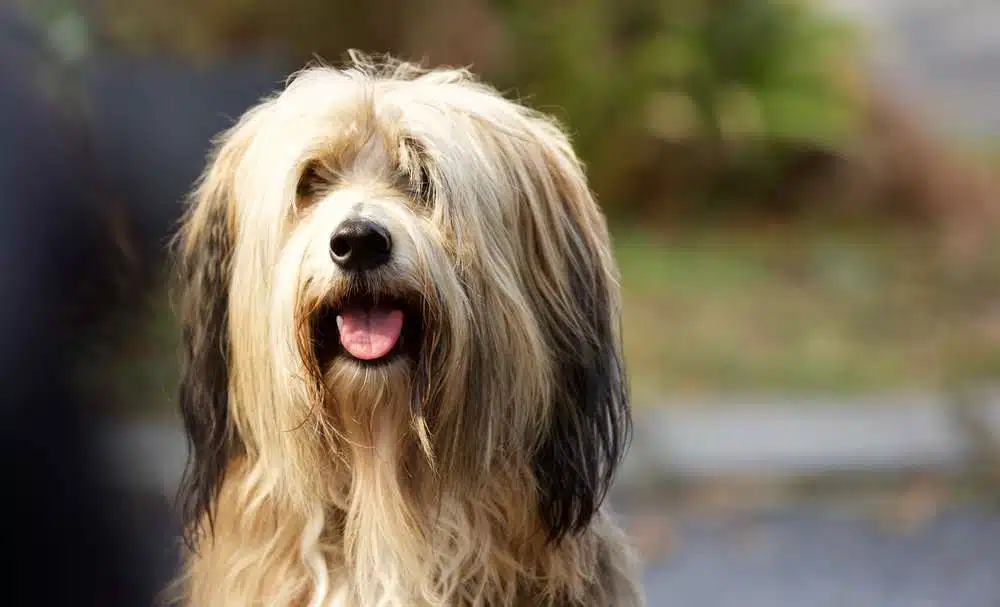
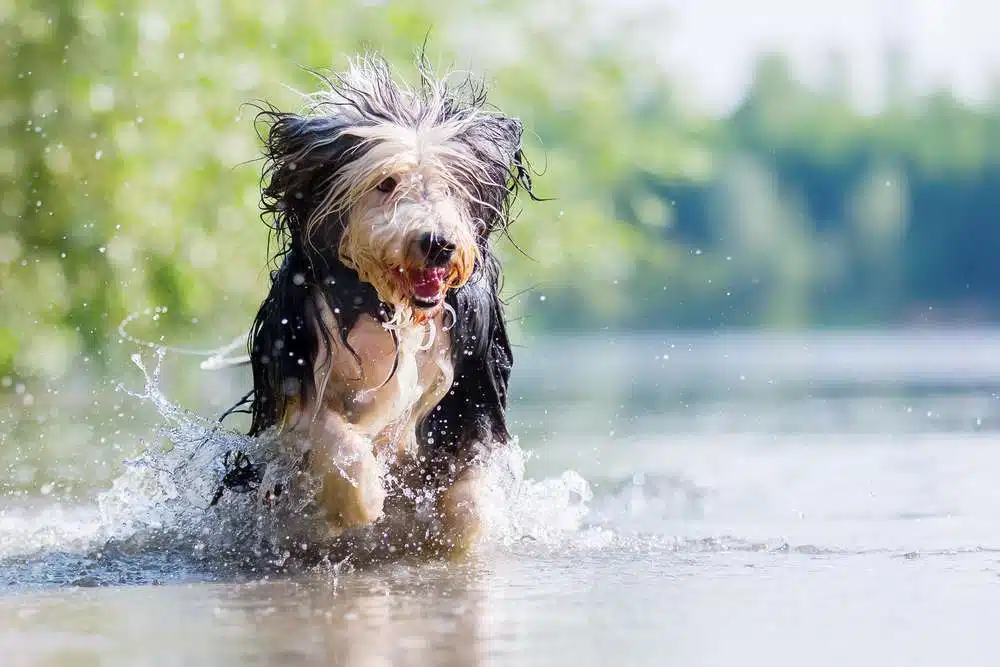
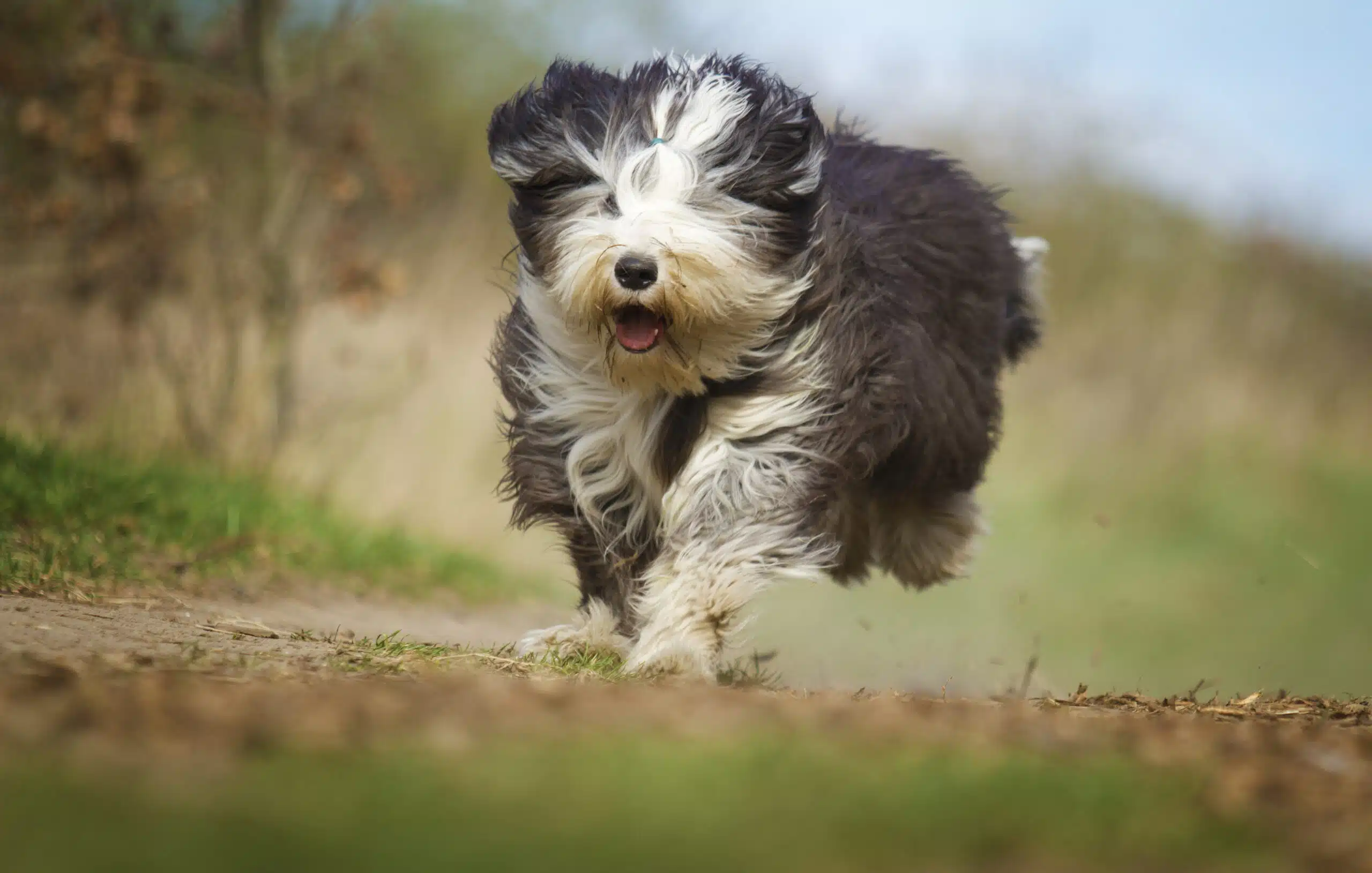
The breed has a long shaggy coat that is very weather-resistant, but needs regular brushing to prevent it from becoming matted. Beardies, as they are affectionately known by those who love them, are famous for their patented “Beardie bounce,” which may have originated when they were herding in deep grass and had to jump to spot sheep.

Although they are shaggy, cute, and sweet, Beardie dogs actually have high energy levels and independent minds. Like all dogs, each Beardie has a unique personality, but they all like to give kisses and wag their tails.

The Beardie is a devoted and intelligent dog perfect for any family. He has a loud bark, making him great as a watchdog, but certainly not guard dog. The Beardie loves children, however may be too energetic for smaller kids. He does better with families who have older children that can keep up with his bouncy personality.

It’s best to start training your Beardie puppy the day you bring him home. He’ll mature quickly and soon reach his full adult weight of 45 to 55 pounds. Be patient while using positive reinforcement training techniques with praise, play, and food rewards as your main form of encouragement. The Beardie can act independent and stubborn at times, but he learns fast if you’re consistent with kindness in your firmness. Being intelligent and athletic, participating in dog sports such as agility, herding, obedience are all great ways for him to stay active.

Even though you might believe he is an outdoor dog, that’s not accurate. Chaining a Beardie outside without showing him affection or attention is inhumane and could result in aggression and destructive habits. A Beardie should have access to a safe fence yard, but when the family is home, he should be inside with them.

Bearded Collie Breed Information, Personality Traits And Care Guide

The Bearded Collie is a lively, intelligent herding dog from the Scottish Highlands, known for its friendly temperament, long double coat, and need for regular exercise and grooming. Many current and prospective dog owners are drawn to the breed but are not sure how much brushing, training, and daily activity a Beardie really needs, or how to find bearded collie puppies from a reputable breeder or a bearded collie rescue organization.

They started in the Scottish Highlands as strong herding dogs and kept their independent, willful nature, which makes it important to understand the breed before bringing one home. One key fact is that a Bearded Collie has a long double coat that needs weekly brushing to stay mat-free, along with enough daily exercise to stay healthy and well behaved. This guide covers Bearded Collie history, physical traits, personality, training tips, health checks like hip dysplasia, grooming steps with anti tangle spray, feeding advice such as high quality dog food, the best living setup for the breed, and where to look for puppies, the American Kennel Club, or local animal shelter contacts.

Key Takeaways

  • Mrs. G. Olive Willison established the modern Bearded Collie with Jeannie of Bothkennar in 1944, rooted in Scottish herding lines.
  • Median lifespan 13.9 years; vets report 23.4% hypoadrenocorticism prevalence, and Addison’s causes at least 1% of UK breed deaths.
  • A 2004 UK survey listed causes: old age 26%, cancer 19%, cerebrovascular 9%, and chronic kidney failure 8%.
  • Owners must brush weekly, check ears and skin, and provide at least 40 minutes of vigorous daily exercise, ideally two half-hour sessions.
  • Use AKC, Bearded Collie Club of America, or Bearded Collie Rescue to find dogs, and require adrenal, ocular, and orthopedic clearances before breeding.

History and Origin

Ancient Roots in the Scottish Highlands

The Bearded Collie originated in Scotland, where it was developed as a hardy droving and herding dog for shepherds working the rugged Highlands and Lowlands. Many historians believe the breed’s ancestors arrived during the 1500s, when Polish merchants brought Polish Lowland Sheepdogs to Scotland. These dogs were likely crossed with local Scottish herding dogs, creating an agile, intelligent breed well suited for moving sheep and cattle across rough terrain. Early Scottish accounts sometimes referred to these dogs as the Highland Collie or Mountain Collie.

A Trusted Shepherd’s Companion

For centuries, the Bearded Collie earned its reputation as a dependable working dog. Scottish shepherds relied on the breed for herding sheep and to gather, drive, and manage livestock over long distances and through challenging weather. Its intelligence, endurance, and independent problem-solving ability made it an invaluable partner on remote farms. Although the breed developed naturally through its working ability, the first known written reference to the Bearded Collie appeared in 1891 in The Dogs of Scotland.

The Foundation of the Modern Breed

The modern Bearded Collie owes much of its existence to Mrs. G. Olive Willison, whose breeding program began unexpectedly in 1944. After receiving a Bearded Collie puppy by mistake, she recognized the breed’s exceptional qualities and launched a careful breeding program centered on her foundation dog, Jeannie of Bothkennar. Jeannie became the cornerstone of the modern Bearded Collie, helping establish the breed type that is recognized around the world today.

Preserving the Bearded Collie

As interest in the breed grew, enthusiasts formed the Bearded Collie Club, and the Bearded Collie Club of America, a national breed club formed in 1969, later helped preserve the breed’s working heritage and maintain accurate breeding records. These organizations promoted responsible breeding, supported dog shows and herding trials, and helped ensure that the Bearded Collie’s intelligence, athleticism, and distinctive shaggy coat would be preserved for future generations. The American Kennel Club recognized the Bearded Collie in 1983.

A Versatile Companion Today

The bearded collie dog breed remains a talented herding dog and companion for active families. The breed excels in herding, agility, obedience, rally, and other canine sports while retaining the cheerful personality and strong work ethic that made it famous on Scottish farms. Today, many families seek Bearded Collie puppies from responsible breeders who continue to preserve both the breed’s historic working instincts and its friendly, energetic temperament.

Physical Characteristics

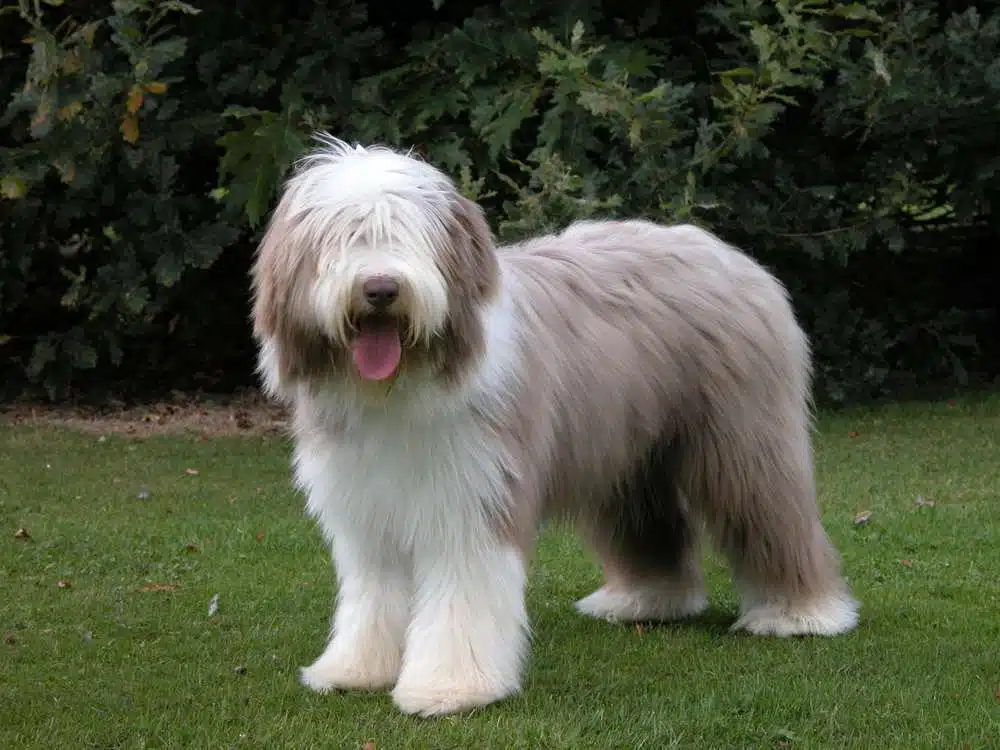
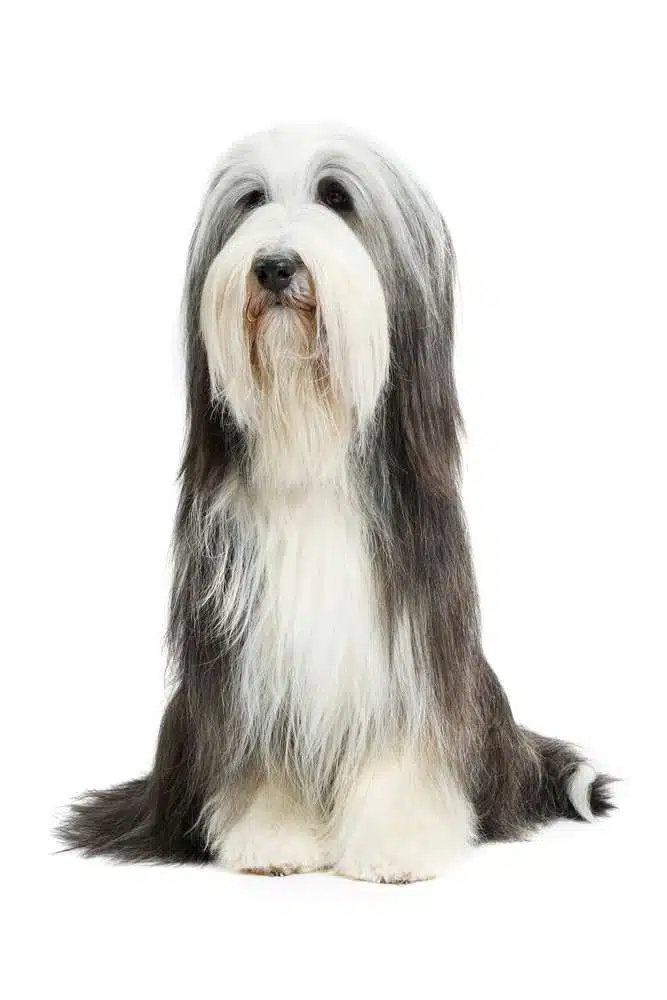
Expect a shaggy double coat and floppy ears. The coat pairs a shaggy outer coat with a soft undercoat. Colors include black, blue, brown, or fawn, often with white or tan markings.

They fit the medium sized dog category with a sturdy, agile build and a lively, springy movement people call the beardie bounce.

Owners must plan for regular grooming and daily brushing because bearded collies shed and carry long hair. Floppy ears need checks to cut down on ear infections. Strong hip joints help their springy step and support herding instincts.

Early socialization helps them become excellent family dogs around young kids and other pets.

Body and Structure

The Bearded Collie stands 20-22 inches at the withers and weighs 45-55 pounds. Its topline stays level. The dog is longer than it is tall. The tail sits low. The lithe frame suits agility and the work of herding breeds.

A broad head and a full beard create a shaggy coat that can hide the bearded collie’s ears. Strong legs let the dog herd sheep or run in a fenced in yard. You will see it bound at a dog park with a bouncy nature.

Most adult dog owners note loose hair and a need for regular grooming. The build shows why the breed sits in the herding group.

Face and Expression

Large, expressive eyes sit on a broad head and give the breed a charismatic look. A long beard obscures part of the muzzle and gives the dog its name.

Ears hang naturally and floppy, adding to the bearded and “hairy-faced” look some call the hairy mou’ed collie. Care professionals and responsible breeders include beard care in bearded collie care guides for purebred dogs.

They teach owners to read body language and to use a grooming brush when handling the coat near the muzzle or meeting other dogs and other animals.


Wide eyes and a long beard make mood and intent easy to read.


Coat and Color

Bearded Collies wear a long, straight, double-textured coat, with a harsh outer layer and a soft undercoat. Acceptable colors include black, blue, brown, or fawn, often with white or tan markings like the English Sheepdog and other dog breeds.

Puppy coats may fade as they grow; a fading gene means the coat lightens over months.

Breed standards call for white markings on the foreface, the blaze of the skull, chest, and legs, but never above the hocks on the hind legs. Show dogs must keep an untrimmed coat, while pet parents of non-show dogs can clip for practical care and to cut grooming time.

Owners should use a slicker brush and a wide-tooth comb, plan grooming sessions every two to four weeks, and treat mats early to help active dogs that need mental stimulation.

Movement and Gait

Originally bred to herd, they move with long, flowing strides that show power and grace. Lithe bodies and quick footwork let them shine in agility, herding trials, and flyball. The classic beardie bounce appears when they spot livestock.

Daily work keeps energy levels steady and trims nuisance barking. They have energy to burn, both mentally and physically. Owners use a wearable device and simple course drills to measure stride and stamina.

Extra pounds slow gait, so track the dog’s weight to protect joints and speed.

Temperament and Behavior

Bearded Collies act lively and engaging, and they keep an independent, friendly nature. Owners must give at least two half-hour play sessions daily to meet high energy. They excel in obedience trials and agility, and learn quickly with a positive-reinforcement clicker and a loose leash.

Common behaviors include barking and digging, and the dogs need steady social interaction to stay balanced.

Early training and socialization reduce shyness and shape positive behavior in puppies. They thrive on human companionship and need mental tasks like scent work, herding games, and fetch to stay sharp.

Owners should plan regular grooming with a slicker brush and steel comb to protect the coat and general well-being. Female dogs can show irregular heat cycles, and life expectancy links to care and genetics.

Interest in the breed rose after world war ii, and many owners still compete with their dogs in trials today.

Health Considerations

Owners should track health closely. The breed lives about 13.9 years, a figure above the average for purebreds and crossbreeds. Veterinarians report hypoadrenocorticism affects about 23.4 percent of dogs in this line.

Watch for lethargy, weight loss, vomiting, or appetite changes. Ask for genetic screening, a blood test, a health certificate, and routine veterinary screening to catch problems early.

Breeders must follow responsible breeding practices to protect this Vulnerable Native Breed and to lower inherited risk.

Common Concerns

Bearded Collies face some breed-specific health risks. Know the major issues and act early.

  1. Addison’s disease causes at least 1% of deaths in UK Bearded Collies, compared with 0.1% in the general dog population. Arrange adrenal function tests and routine blood panels with your veterinarian if you spot vomiting, weakness, or weight loss.
  2. Cancer caused 19% of deaths in the 2004 UK survey of the breed. Check lumps, monitor appetite, and seek prompt diagnostics such as ultrasound or biopsy when your vet suspects malignancy.
  3. Cerebrovascular disease accounted for 9% of breed deaths in the same 2004 survey. Act fast on sudden ataxia, seizures, or collapse and obtain neurological exams and imaging through your vet.
  4. Chronic kidney failure made up 8% of deaths in the 2004 UK data. Order annual renal blood work and urinalysis, shift to kidney-supportive diets early, and follow your vet’s treatment plan.
  5. Dermatoses like pemphigus foliaceous and congenital elbow luxation appear in the breed. Consult a dermatologist for skin biopsy and an orthopedic vet for elbow X-rays; treat infections and manage weight to limit joint strain.
  6. Ocular issues include corneal dystrophy and cataracts reported in the breed. Schedule annual eye exams with a veterinary ophthalmologist and discuss cataract surgery if vision declines.
  7. Use genetic screening and targeted health tools before breeding. Require adrenal, ocular, and orthopedic clearances via blood tests, eye exams, and hip and elbow screening to reduce inherited risks in litters.

Lifespan

A 2024 UK study found the median lifespan at 13.9 years for this herding dog. Typical life expectancy ranges from 12 to 14 years, and that sits above both purebred and crossbreed averages.

Old age caused 26 percent of deaths in a 2004 UK survey. Owners can boost healthy years with regular veterinarian visits, health screening, vaccination, dental care, balanced nutrition and daily exercise.

Training Considerations

Start training early and keep sessions steady. Early socialization and consistent training are crucial for good temperament. Give a Bearded Collie at least 40 minutes of vigorous exercise every day.

Lack of exercise and low mental engagement may produce unwanted behaviors like chewing, digging, or excessive barking.

Use reward-based methods, positive reinforcement, and an audible marker for clear feedback. Start obedience training on a leash in short, frequent sessions and add agility equipment for challenge.

Enroll in an obedience class or socialization course to expose pups to new people and dogs. Consistent obedience training helps manage this intelligent breed’s energy and behavior, and owners who train consistently will find this intelligent breed excels in obedience and agility competitions.

Exercise and Socialization

Bearded Collies need daily activity and steady company. They thrive with at least 40 minutes of vigorous exercise per day, ideally split into two 30-minute sessions.

  1. Plan vigorous runs, fetch, or herding play that totals 40 minutes or more across the day, or divide play into two half-hour sessions to burn off energy and prevent restlessness.
  2. Increase activity if your dog barks, digs, or chews; lack of exercise commonly triggers these nuisance behaviors, so add structured play and walks to curb trouble.
  3. Prioritize early socialization and steady training; these steps help prevent shyness and meet the breed’s high need for companionship and regular social contact.
  4. Try agility courses, herding practice, and obedience trials to challenge a Bearded Collie’s mind and body, since the breed excels in these sports and shows strong intelligence and trainability.
  5. Use short, lively training sessions with positive reinforcement, a sound marker, and a reward bag to match their quick-witted nature and keep engagement high during lessons.
  6. Mix brisk walks, interval runs, and puzzle games to hit mental and physical needs, and schedule two active bursts per day rather than one long, draining outing.
  7. Join off-leash playgroups or puppy socialization classes to build confidence, and choose group work that strengthens social skills while reducing the risk of isolation.
  8. Supervise off-leash play and use a secure leash on streets; check fencing often to prevent escapes and step up exercise before long alone periods to avoid destructive habits.

Living with a Bearded Collie

Expect a friendly temperament and an independent nature from this herding breed. Owners must give at least two half-hour play sessions daily to meet high energy needs. They excel in agility, obedience trials, and herding events, and they thrive in dog sports.

Adult dogs typically weigh 18 to 27 kg, or 40 to 60 lb, and stand 51 to 56 cm, 20 to 22 in tall at the withers.

Regular grooming is essential. Plan for weekly brushing with a grooming brush and a comb to prevent mats. Use a leash and a crate for safe outings and rest, and schedule routine visits with a veterinarian to screen for hypoadrenocorticism, dermatological conditions, and musculoskeletal problems.

Training should stay firm but friendly, and owners can enroll in classes to channel energy into useful work.

Best Environment

Beardies need daily outdoor exercise and enjoy athletic activities like herding, agility, and long runs. A secure yard or access to a safe outdoor space suits the breed best. Owners should plan yard play, trips to a public play area, and use a GPS tracker on long off-leash outings.

Active households that give regular exercise and mental engagement help stop boredom and bad behavior. You must give consistent training and socialization to curb behavioral issues.

Enroll in a training class to build focus and good manners.

Behavior towards Children

They are friendly and often do well with children. Their temperament is active, outgoing, and affectionate. Owners should supervise play and teach safe handling. Early socialization and positive reinforcement help build trust.

Use a training tool and a walking lead during first meetings.

Teach kids to pet gently and to avoid rough play. Offer a crate as a quiet spot after lively sessions. Regular short training sessions keep behavior steady.

Behavior towards other Pets

Bearded Collies get along well with other dogs and cats. Their affectionate, lively nature leads to warm, playful interactions with household pets.

Owners should give extensive physical and mental stimulation to prevent behavioral issues. Use early socialization, positive reinforcement, and a training marker to teach calm greetings and shared space rules.

Follow a daily exercise plan with leash walks, play sessions, and puzzle toys to burn energy and keep peace.

Grooming Needs

Long double coats need steady care. Weekly grooming prevents mats and keeps skin healthy.

  • Schedule a full grooming session at least once a week to prevent matting and skin issues; use clippers on non-show dogs to ease upkeep and follow with a wide-tooth comb and a soft bristle brush.
  • Brush daily for coats that tangle, using detangling spray and a comb to lift small knots; cut tiny tangles with grooming scissors before they harden into mats.
  • Use vigorous exercise to help coat health and skin circulation, and add a post-walk rubdown to clear shed hair and check for burrs, ticks, or early skin irritation.
  • Inspect skin during every grooming visit to spot hot spots, dryness, or parasites; contact a veterinarian or a veterinary dermatologist promptly for any rash or persistent irritation.
  • Bathe only as needed with a mild dog shampoo and conditioner, avoid overbathing, and use flea and tick control plus a mat removal product for stubborn tangles.
  • Turn grooming into a daily bonding routine; reward calm behavior, check ears and nails, and book a pro groomer for heavy mats or a clipped coat on companion dogs.

Nutrition and Feeding

A Bearded Collie, known for its shaggy double coat and floppy ears, is happily eating high-quality kibble from a dog bowl. This medium-sized herding dog showcases its playful personality as it enjoys its meal.

Feed your Bearded Collie a balanced diet. Use portion control to prevent obesity and limit treats.

  1. Set a feeding schedule based on life stage, such as puppy, adult, and senior. Adjust portions using label guides, weight, activity, and your veterinarian’s advice.
  2. Offer food at set times and try warming wet food or rotating protein sources to tempt picky eaters. Check with your veterinarian before you switch diets or add supplements.
  3. Measure food with a measuring tool or scale to control calories and maintain weight. Excessive treats raise obesity risk, so track treats with a food diary or an app.
  4. Choose balanced diets that include protein, healthy fats, carbohydrates, vitamins, and minerals for coat and energy. Proper nutrition supports a happy, healthy life and reduces health issues.
  5. Limit treats to under 10 percent of daily calories during training sessions. Use small, low-calorie rewards and factor treats into daily portion calculations.
  6. Monitor body condition monthly and weigh your dog on a scale or at the vet. Consult a veterinarian for calorie targets and to prevent obesity.
  7. Provide fresh water at all times and clean bowls daily to aid digestion and coat health. Hydration influences energy and nutrient absorption, which affects weight control.
  8. Consider omega-3 supplements and joint support after a vet approves changes. Seek veterinary guidance before adding pills, powders, or prescription foods.

Where to find a Bearded Collie

Finding a reputable dog breeder is one of the most important decisions you’ll make when bringing a dog home, though it’s still wise to keep rescue in view. Use Bearded Collie Rescue for local listings and rehoming options, and the Bearded Collie Club of America lists trusted breeders and runs a dedicated rescue program. Bearded Collie puppies typically cost between $1,500 and $2,500.

If you want to adopt, check your local animal shelter or a Bearded Collie rescue organization in your state; when possible, prioritize adoption to give a dog in need a loving home. Check breeder credentials, health clearances, and references before you sign papers, and look for reputable breeders who screen their breeding stock, do not produce litters often, and complete the necessary medical tests on both parent dogs. You should also be allowed to meet the parent dogs and confirm they are kept in a comfortable, safe, indoor location. The American Kennel Club website also offers a list of reputable breeders.

Similar Dog Breeds

Here are four breeds similar to the Bearded Collie.


Breed Similarities Differences Best fit for owners who
Border Collie Shares strong herding instinct and high energy; excels in agility and obedience using a training aid. Needs higher mental challenge and faster pace than a Bearded Collie. Ideal for very active people planning daily sport and mental work.
Old English Sheepdog Matches the shaggy coat and friendly family focus, with historical herding roots and regular grooming needs. Shows larger build and calmer energy; requires more space and heavier coat maintenance with a brush and grooming tools. Suited to families who want a mellow, heavy coated companion and can commit to frequent brushing.
Shetland Sheepdog Shares size and quick intelligence; responds well to obedience and short agility sessions. Has shorter legs and a finer frame, with a coat that mats differently and needs specific grooming tools. Good for people seeking a compact, eager learner for training and family life.
Polish Lowland Sheepdog Matches coat texture and an independent working style, with strong watchdog instincts. Displays stubborn independence and unique grooming patterns that can test new handlers. Fits owners prepared for an independent dog and willing to learn specific handling methods.

Conclusion

The guide covered Beardie history, temperament, the long double coat, training, and health. You can use AKC puppy finder, local dog groomers, and online training resources.

These practical steps cut problem behaviors, boost stamina, and support longer, healthier lives. Use Kennel Club listings, join agility clubs or herding groups, and consult your veterinarian for sport and care.

Keep training steady, feed balanced nutrition, brush weekly, and enjoy a loyal, lively companion.

FAQs

1. What is Bearded Collie breed information and what are common personality traits?

The Bearded Collie is a lively herding dog with a long, shaggy coat. They are bright, playful, and loyal. They bond with family and enjoy work and play. They are not only for farms, they fit active families too.

2. How much grooming does a Bearded Collie need in a care guide?

Daily brushing prevents mats and cuts down loose hair. Bathe only when needed and trim hair near the eyes. Visit a professional groomer every six to eight weeks for full care. Check ears, teeth, and nails often.

3. What exercise and training do Bearded Collies need?

They need about 45 to 60 minutes of active exercise each day. Add mental work like training, scent games, or herding-style tasks. Start training early with gentle, reward-based methods. Socialize young dogs with people and other animals.

4. What health issues and lifespan should I expect for this breed?

Average lifespan runs about 12 to 14 years. Watch for hip problems, thyroid issues, and eye disease. Use regular vet checks, a good diet, and preventive care to find problems early.


References

  1. https://www.bccsc.net/history-of%20the-bearded-collie.htm
  2. https://www.thesprucepets.com/bearded-collie-full-profile-history-and-care-4767440
  3. https://moderndogmagazine.com/articles/breeds/the-bearded-collie/
  4. https://www.akc.org/dog-breeds/bearded-collie/
  5. https://www.royalkennelclub.com/breed-standards/pastoral/bearded-collie/
  6. https://www.petmd.com/dog/breeds/bearded-collie (2024-04-29)
  7. https://riversideveterinary.com/client-resources/breed-info/bearded-collie/
  8. https://www.borrowmydoggy.com/doggypedia/dog-breed-guides-bearded-collie
  9. https://www.royalkennelclub.com/search/breeds-a-to-z/breeds/pastoral/bearded-collie/
  10. https://www.dailypaws.com/living-with-pets/pet-compatibility/types-of-collies

  • Furlyfe Rank See Rank
  • Group AKC Herding
  • Origin United Kingdom
  • Size Medium
  • Weight 45 to 55 pounds
  • Coat Length Long
  • Coat Type Silky
  • Colors Black, Blue, Brown, Fawn
  • Other Names Highland Collie, Mountain Collie, Argle Bargle, Hairy Mou'ed Collie, Beardie
  • Temperament Active, Alert, Hardy, Intelligent, Lively, Self Confident

Breed Characteristics

Leave a Reply

Participate on Doggy Duel