

Beagle

Click Image to see Gallery

The Beagle is a small but sturdy scent hound originally bred to hunt rabbits and hares. Known for its distinctive baying voice, the breed combines a friendly, even-tempered personality with a remarkable sense of smell. Today, Beagles are among the world’s most popular family dogs thanks to their affectionate nature, especially with children, and their ability to get along well with other dogs.

Beagles rely heavily on their noses and love to follow interesting scents wherever they lead. This strong tracking instinct means they should always be exercised on a leash or in a securely fenced yard, as they may wander off in pursuit of an enticing scent. Despite their hunting heritage, they require only moderate daily exercise, particularly long walks that allow plenty of time for sniffing and exploration.

Highly food-motivated and eager to please, Beagles generally respond well to positive reinforcement training. Their love of treats makes them enthusiastic learners, but it also means owners should keep food securely stored, as Beagles are clever and persistent when searching for a snack.

The breed comes in two recognized sizes: a smaller variety standing up to 13 inches at the shoulder and a larger variety measuring between 13 and 15 inches. Their short, weather-resistant coat is easy to maintain and is most commonly seen in the classic black, white, and tan pattern. Although compact in size, Beagles have the confidence and voice of much larger hounds.

As true pack dogs, Beagles thrive on companionship and prefer to be included in family life rather than left alone for long periods. They adapt well to many living environments, from apartments to country homes, provided they receive regular exercise and mental stimulation. Whether accompanying an active family on outdoor adventures or enjoying leisurely neighborhood walks, the Beagle is a cheerful, loyal companion that is happiest by its owner’s side.

Beagle Breed Guide: Traits, Care Tips, And Health Insights

Beagle Breed Guide: Traits, Care Tips, And Health Insights

A Beagle is a small scent hound originally bred for rabbit hunting, known for a friendly personality, a powerful nose, and lively energy. If you already own a Beagle or plan to get one, you have probably seen the traits that make this breed rewarding and challenging: following scents, barking often, overeating, and testing your patience as puppies.

The American Kennel Club lists Beagles as scent hounds, and that working background shapes their behavior, exercise needs, training, and health risks. This guide is for current and prospective Beagle owners who want practical help with beagle temperament, behavior, health, grooming, nutrition, exercise, socialization, and basic veterinary warning signs to watch for.

You will also find background on the breed’s history and physical traits, advice on training and daily care, help comparing Beagles with similar breeds, and tips for finding reputable breeders or local animal shelter dogs. Knowing what Beagles need makes it easier to raise a healthy, well-trained companion and avoid common problems before they become habits.

Key Takeaways

  • Beagles trace to 11th-century scent hounds, refined by Honeywood in the 1830s, with U.S. standards set in 1887 and a Beagle Club in 1890.
  • AKC recognizes two sizes: under 13-inch and 13–15-inch; males average 22–25 lbs, females 20–23 lbs, often with a white-tipped tail.
  • Give beagles at least one hour of daily exercise; their scent drive fuels roaming, separation anxiety, and escape risk, so use leashes, fences, and microchips.
  • Ask breeders for hip radiographs, thyroid panels, and seizure histories; check ears weekly, brush teeth 2–3 times weekly, and control calories to prevent obesity.
  • Beagles live about 10–15 years (UK 2024 mean 12.5 years); they rank among North America’s top-ten breeds for over 30 years.

History and Origin

Early Scent Hounds in Britain

The Beagle’s history can be traced back to the 11th century, when William the Conqueror brought scent hounds to Britain following the Norman Conquest. These early hunting dogs were bred for tracking rabbits and hares, with breeders favoring smaller, agile hounds that could easily follow game through dense undergrowth. The name “Beagle” is believed to come either from the Gaelic word beag, meaning “little,” or from an Old French term describing the breed’s distinctive voice.

The Foundation of the Modern Beagle

Although small hunting hounds had existed for centuries, the modern Beagle took shape during the 1830s. Reverend Phillip Honeywood established an influential pack of Beagles in Essex, England, selecting dogs primarily for their exceptional scenting ability, stamina, and hunting instincts rather than appearance. His breeding program laid the foundation for the Beagle we know today, and later breeders refined the breed’s consistent size, temperament, and overall type.

From Hunting Companion to Recognized Breed

Beagles became highly valued for rabbit hunting and pack work, earning a reputation as determined scent hounds with remarkable noses and excellent teamwork. As the breed’s popularity grew, American enthusiasts developed the first U.S. Beagle standard in 1887 to guide responsible breeding. The Beagle Club was established in 1890 and soon published the first official breed standard, helping preserve the breed’s working abilities while promoting consistent characteristics.

A Beloved Companion Around the World

While the Beagle remains an outstanding hunting dog, its friendly personality and adaptable nature have made it one of the world’s most popular family companions. For more than three decades, Beagles have consistently ranked among the ten most popular dog breeds in North America. Their cheerful disposition, intelligence, and manageable size have helped them transition from hunting fields to homes across the globe.

An Enduring Legacy

Today, the Beagle continues to excel as a scent hound, detection dog, and devoted family pet. Its legendary nose, strong pack instincts, and enthusiastic personality remain defining characteristics of the breed. Famous Beagles, including the beloved comic strip character Snoopy, have introduced generations of people to the breed, ensuring that this hardworking hunting dog remains one of the world’s most recognizable and cherished companions.

Physical Characteristics

Beagles fall into two height groups, one small and one standard. Their dense double coat sheds moderately and thickens in winter. Large hazel or brown eyes give them a soft expression.

Owners check the beagle’s ears, long and soft, for signs of ear infections.

A strong neck supports a long, slightly curved tail used for scent tracking. The tail usually has a white tip to boost visibility during hunts. Their hound nature shows in a keen sense of smell and lively energy.

Beagles bark or sing when they catch a trail, a trait that fits family dogs and beagle packs.

Body and Structure

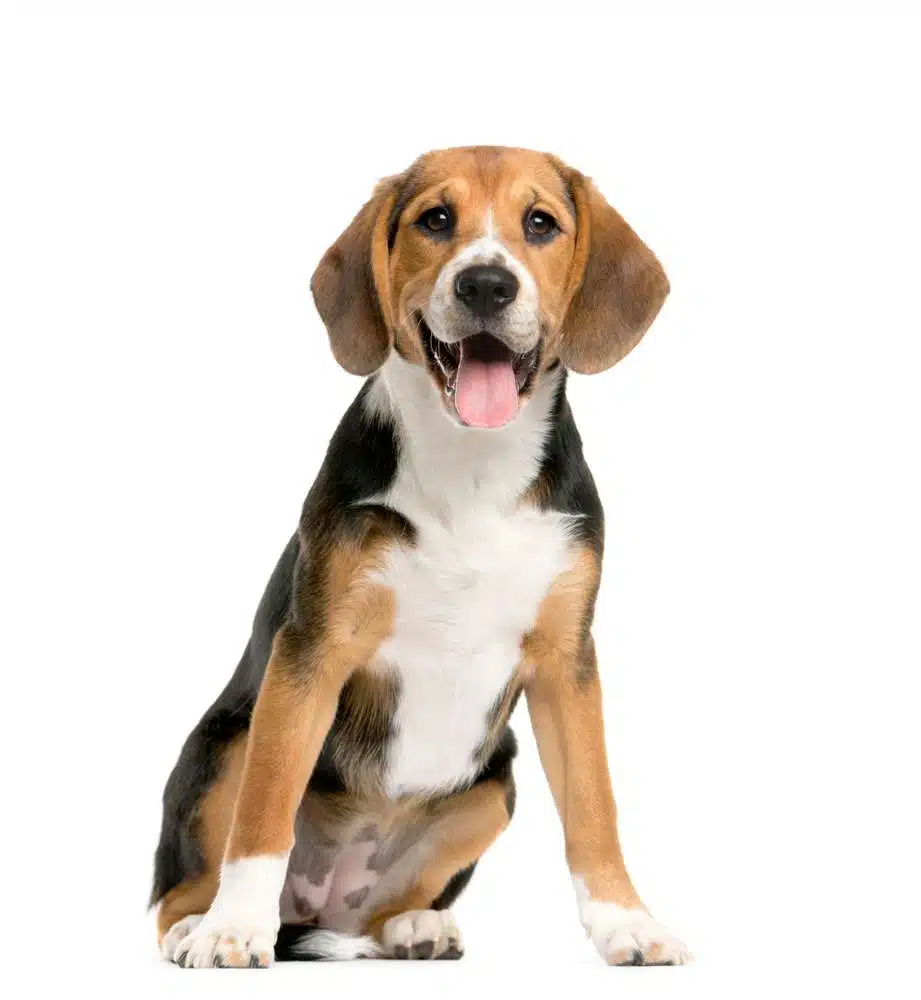
The beagle shows a slightly domed skull, a square muzzle, a broad nose, and long, droopy, floppy ears. This compact hound has a straight back, a deep chest, and a moderately muscled body built for hunting hare and pack work.

The American Kennel Club, AKC, recognizes two height varieties, a 13-inch Beagle under 13 inches and a 15-inch Beagle measuring 13 to 15 inches. Average males weigh 22–25 lbs, or 10–11.3 kg, and average females weigh 20–23 lbs, or 9–10.4 kg; females are generally smaller than males.

Owners spot the long tail on a typical beagle dog, carried high and tipped with white for visibility in fields and underbrush. Breeders and fans of purebred dogs value beagle size and balanced proportions that let a beagle puppy run for hours.

Modern beagles, including pocket beagle variants, keep a strong hunting instinct yet make lively family pets when given daily exercise and social time.

Face and Expression

Pleading eyes define a beagle’s face. They appear as big brown or hazel eyes set in a broad head. A domed skull and a square muzzle add to that look.


Gentle smiles reflect the breed spirit.


Soft, long ears frame the head and boost the pleading look. American Kennel Club and the National Beagle Club note a gentle and merry expression. They help beagles show their beagle personality and ease bonds with other pets and people.

Coat and Color

Beagles have a smooth, dense double coat that thickens in winter and sheds more in spring. The breed sheds moderately year-round. Common colors include tricolor combos, lemon, and red/white.

Tricolor mixes black, light brown, and white in many dogs. Color codes include Black (007), Red (140), Lemon (114), and Brown (061).

Most beagles show coat types like wiry, smooth, rough, double, curly, and wavy. Coat lengths range short, medium, or long. Markings follow ticked and spotted codes on many coats. Grooming stays simple with a bristle brush and a deshedding tool for regular care.

Searches for beagles hypoallergenic hit myths, because their moderate shedding makes most beagles non hypoallergenic.

Movement and Gait

Their movement shows a steady, ground-covering gait built for stamina and agility. Breeders developed that gait for pack hunting so dogs could keep pace with pack animals.

Owners must exercise beagles at least 1 hour daily; backyard time alone does not meet needs. Use a sturdy leash, a secure harness, and an activity monitor to track distance and intensity.

Play sessions, scent work, and short runs supply mental stimulation for the beagle personality and help prevent boredom.

Temperament and Behavior

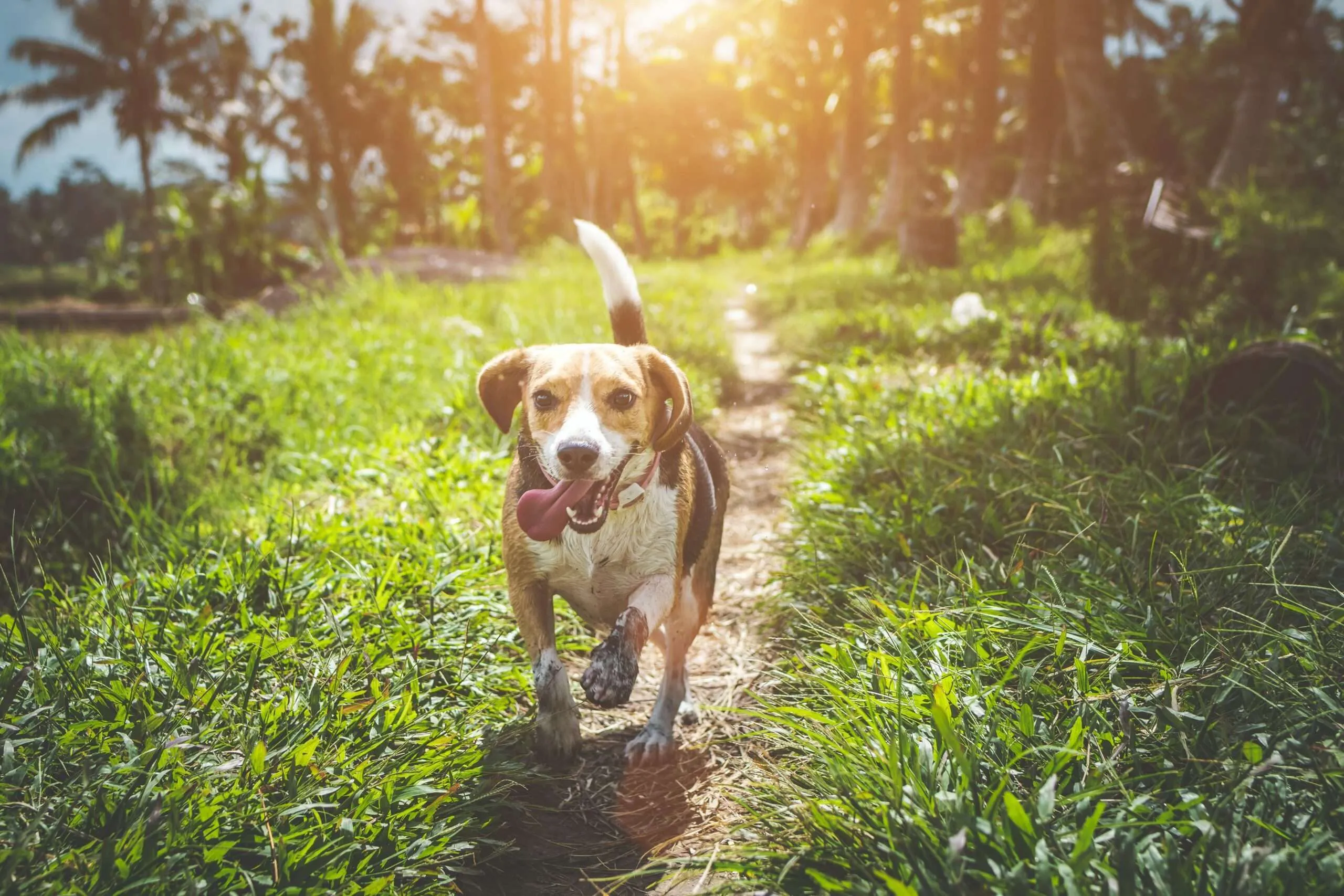
Beagles are curious, friendly, and sociable dogs. Owners should plan for at least 1 hour of exercise daily to keep them fit and stop boredom. They enjoy active playtime, scent games, and short walks that match their beagle personality.

Beagles love family time and tend to bond with children, though supervise young kids during play. Left alone for long periods, some beagles develop separation anxiety and may act destructively.

Training can vary; reward-based training, obedience classes, and exercise routines help manage stubborn moments. Singing beagles and other energetic dogs bay on trails, so keep them leashed and use a training device to guide recall.

Health Considerations

Responsible breeders screen puppies for hip dysplasia, hypothyroidism, and epilepsy. Ask for hip radiographs, thyroid panels, and seizure histories before you buy or adopt. Check ears weekly and brush teeth several times a week to cut ear infections and dental disease.

Feed a high-quality diet and track calories to keep a healthy weight and avoid obesity. Give at least one hour of exercise daily to keep weight down and muscles strong.

Lack of social time can cause separation anxiety and destructive behaviors. Provide companionship, training, and puzzle toys to reduce anxiety. Average life expectancy is about 12.5 years for most beagle dogs.

Watch for seizures and Musladin-Lueke syndrome, and ask a veterinarian about genetic screening and anti-seizure medications if needed. Talk to the veterinarian about the thyroid gland, intervertebral disc disease, and a weight plan.

Common Concerns

Beagles carry health and behavior risks owners must know. This list shows common concerns and clear actions to help your dog.

  1. Ear infections occur often in beagles and can worsen quickly. Clean ears weekly with a veterinarian-recommended ear cleaner, dry them after swims, and call your vet at first sign of odor or head shaking.
  2. Skin allergies cause itching, redness, and hair loss in many beagles. Use flea preventives, omega-3 supplements, and a vet allergy test to find triggers and stop flare-ups fast.
  3. Obesity raises risk of heart and joint problems in affected dogs. Measure food portions, cut high-calorie treats, and weigh your beagle monthly to keep weight in a healthy range.
  4. Eye problems include glaucoma, cherry eye, corneal dystrophy, and dry eye in some beagles. See an eye specialist quickly for surgery or medication if you spot clouding, a red bump, or sudden vision loss.
  5. Scent-driven roaming causes many escapes in beagles and can lead to lost dogs. Fence yards securely, use a leash on walks, and fit an ID chip and sturdy collar before outings. If lost, call local rescue groups and shelters right away.
  6. Separation anxiety makes beagles vocal or destructive when left alone for long periods. This ties to beagle personality and a strong scent drive. Start crate training early, schedule short departures, or hire a pet sitter to reduce stress.
  7. Field Beagles face extra risks like cuts, fleas, and ticks during rabbit-hunting or runs in rough cover. Check for ticks after outings, use vet-grade preventives, and treat wounds fast to avoid infection.
  8. Chasing instincts lead many beagles to chase cats and small wildlife, which can spark conflicts with other dogs or neighbors. Train recall early, supervise off-leash time, and socialize with other dogs from a young age.

Lifespan

Average beagle life spans run from 10 to 15 years. Most beagles tend to fall within that range.

A 2024 United Kingdom study put life expectancy at 12.5 years, with purebreds at 12.7 years and crossbreeds at 12. An Italian 2024 report set the Beagle mean at 11 years, while the canine average was 10 years.

Researchers at the NIH use such figures to steer health studies and guide owners.

Training Considerations

Positive reinforcement works best for beagles; use treats and praise. Early socialization and group puppy classes shape calm behavior. Use a clicker, soft training treats, and a treat pouch in short sessions.

Beagles require a minimum of one hour of exercise daily to stay healthy and prevent obesity. Mental games stop trouble from the clever beagle personality and curiosity.

Start training at an early age with puppy training classes and social outings. Teach recall with short, fun drills and a six-foot leash for safety. Try a wire crate for safe alone time to cut separation anxiety.

Beagles may experience separation anxiety that leads to destructive behavior if left alone for extended periods. Watch for stress signals. Use mental engagement tools like scent puzzles and treat-dispensing toys to curb beagling drives in pocket beagles.

Exercise and Socialization

Beagles need daily activity and company. Give at least one hour of exercise and plan regular socialization sessions.

  • Plan at least one hour of daily exercise for your beagle; backyard time alone is insufficient. Active walks, fetch, and scent work cut boredom and lower the odds of destructive behaviors and separation anxiety.
  • Keep a secure, fenced exercise area to stop escapes, because beagles follow scent and roam. Check gates and locks before playtime to protect your dog and neighbors.
  • Add mental stimulation with puzzle toys and short training drills; regular playtime and problem solving fight boredom. Use a training clicker and food puzzles to match the beagle personality and energy.
  • Socialize puppies early with people and other dogs, using treats and calm introductions. Early socialization and positive reinforcement training build confident adults and reduce pack-related stress.
  • Avoid long isolation; beagles are pack animals and isolation fuels destructive behavior and separation anxiety. Hire a dog walker, arrange playdates, or bring home several beagles when possible.
  • Walk with a long lead or training line to let your beagle follow scents while you keep control. Recall training matters, it helps stop sprints tied to the breed’s beagle history as a hunting hound.
  • Visit dog parks and enroll in group classes for supervised socialization; trainers use toys, treats, and leads as tools. Regular exercise and social interaction keep beagles loving family companions and curb bad habits.

Living with a Beagle

A beagle makes an affectionate family companion for kids and other dogs. Owners must give at least one hour of daily exercise and mental stimulation. Take walks on a leash and visit a dog park to burn energy.

Their hound roots spark a strong hunting instinct, and many beagles will follow scents if loose.

Plan weekly brushing to manage moderate shedding and a short, dense coat. Use a crate for short periods to ease separation anxiety and curb destructive behavior. Call a veterinarian if you see ear infections, sudden weight gain, seizures, or low energy.

Common health issues include ear infections, obesity, epilepsy, and hypothyroidism, so schedule regular checkups.

Best Environment

Beagles thrive in family homes because they stay friendly and gentle. They need daily exercise to prevent boredom and unwanted behaviors. A six-foot privacy fence and a strong leash or harness cut down on escapes.

Their nose drives them; they will follow scents into traffic or across property lines. Use a crate for safe time alone and a long-line for supervised off-leash play.

Households that give steady attention and companionship keep beagles calm and social. Not all beagles have the same energy, and some rival other breeds in scent drive. Owners who add dog park sessions, scent games, and walks meet the breed’s needs.

The breed grew from foxhunting hounds, so expect a strong tracking instinct.

Behavior towards Children

This breed shows gentle, tolerant behavior with children. Its excitable and playful nature fits homes with active kids. They generally warm up to strangers and stay sociable in family settings.

Owners find beagle personality beagles to be affectionate and patient with youngsters. Their hound history in fox hunting and as pack hounds can make them curious, so supervise play with toddlers.

Train and socialize early to keep play calm and safe for small children.

Behavior towards other Pets

Beagles are pack dogs that enjoy company with humans and other dogs. Early socialization helps them form positive habits with cats and other pets. They get along with most dogs but show strong prey drive toward small animals.

Supervised, gradual introductions and close monitoring reduce territorial reactions. Use a leash, crate, or clicker during first meetings and training. Like harriers, foxhound and north country beagles, many modern beagles chase scents and may bolt after rodents.

Grooming Needs

Grooming keeps your beagle healthy and comfortable. You must adjust care for coat type, shedding levels, and seasonal changes.

  • Brush weekly with a medium-bristle brush or hound glove to remove loose hair from the double coat, and increase sessions during spring seasonal shedding to cut matting and reduce home vacuuming.
  • Schedule grooming visits every month or more often for thicker coats; consult a groomer about coat-specific trims for pied or heavy-coated beagles to keep skin healthy.
  • Check ears at least weekly and at each grooming session; use a vet-approved ear cleaner and cotton, and call your vet for signs of redness, odor, or excessive wax.
  • Brush teeth two to three times weekly with canine toothpaste and a soft toothbrush, or give dental chews to lower plaque and support long-term oral health.
  • Trim nails every four to six weeks with a nail trimmer or grinder; inspect paw pads and clip quicks carefully to avoid bleeding and altered gait.
  • Bathe sparingly, no more than monthly, using mild dog shampoo to avoid stripping natural oils from the two-layer coat; dry fully to prevent trapped moisture in floppy ears.
  • Assess shedding levels monthly and increase maintenance for heavy shedders; change brushing frequency and grooming appointments based on coat type, not on same breed myths.

Nutrition and Feeding

A realistic image of a beagle enjoying high-quality kibble from a dog bowl, showcasing its floppy ears and energetic personality. The scene captures the essence of this popular dog breed, known for its strong hunting instinct and friendly nature.

Feed your Beagle a high quality diet. Keep clean water available at all times.

  1. Choose a high-quality commercial food or a home-prepared diet made with veterinary guidance, and select puppy, adult, or senior formulas that match your beagle’s life stage and growth needs.
  2. Match portion sizes to age, weight, and activity; follow the bag’s feeding chart and reduce portions for neutered dogs or low activity to prevent weight gain.
  3. Measure calories and treats every day and include treats in the total; beagles gain weight easily, and obesity raises joint and metabolic risks.
  4. Avoid feeding people food without vet approval; some human items harm dogs, so ask a veterinary professional before sharing snacks or table scraps.
  5. Offer clean drinking water in a stable bowl and change it daily; a water container helps digestion and prevents dehydration.
  6. Consult a vet or a veterinary nutritionist for allergies, special diets, or home-prepared plans; they will set calorie targets and nutrient goals for your dog.
  7. Watch body condition with a weekly chart or a scale and adjust food to keep ribs easy to feel and a visible waistline.
  8. Research brand sourcing if you avoid companies tied to animal testing; check people for the ethical treatment of animals (peta) resources and reports about Envigo or the national institute of health links.

Where to find a Beagle

If you’re open to rehoming a dog in need, start with local animal shelters and rescue groups for beagles, beagle mixes, or designer dogs. Reputable breeders listed with a breed registry post health clearances and registration papers. If you’re searching for Beagle puppies for sale, choose a reputable breeder who follows ethical practices. Backyard breeders often focus on profit rather than producing healthy, well-adjusted dogs.

Use pet adoption websites to view profiles, compare ages, and check vaccination records. Ask a veterinarian or a local breed club for referrals and help vetting sources. A beagle typically costs about $350 to $1,500, with an average purchase price around $500 to $850.

Similar Dog Breeds

Here are four breeds similar to the beagle.

Breed Similarities Differences Best fit for owners who
Basset Hound Both follow scent trails, act as classic scent hounds, and show pack instincts. They have heavier bodies, move slower, and need lower-impact exercise than beagles. Owners who favor calm homes and patient training fit this breed well.
Harrier Similar scent focus, high stamina, and aptitude for tracking at pace. Harriers run longer distances and need more structured exercise, plus an extended leash for safe tracking. People who enjoy active outdoor work and organized tracking prefer this dog.
Treeing Walker Coonhound Both show a strong scent drive, loud vocal signaling, and persistence on trails. This coonhound barks more, requires firmer recall training, and benefits from a training device. Hunters and active families who want a vocal, driven hound match it well.
Dachshund They share scent-hunting roots, bold personalities, and occasional stubbornness. Dachshunds have a long back, need careful handling, and require gentle crate training for safety. Small-home owners who offer patient training and gentle handling fit best.

Conclusion

Conclusion, this guide covered key beagle traits, care tips, and health insights. You read about history, body type, coat, face, gait, and temperament of beagles. Use simple practices for training, grooming, nutrition, exercise, and socialization.

Keep tools like a lead, kennel, ID chip, and veterinarian checks ready, and use Beagle for breeder info and 401(k) help. Act now, love your beagle, and enjoy a loyal companion for years.

FAQs

1. What is a beagle and where did it come from?

Beagle beagles are small scent hounds. The modern breed grew from the talbot hound, northern hound, and St. Hubert hound. Breeders call the first beagle a hunting dog. The comic strip helped make the breed famous. People also call them a master of the hunt for scent work.

2. How do beagles act around people and pets?

Beagles are friendly and playful. They bond fast with family. Not all dogs match the beagle drive for scent and chasing. They can be loud and curious. Early training and social time keep them calm and safe.

3. What common health issues affect beagles?

Watch for seizure disorder and ear infections. Some face cerebellar cortical degeneration signs. Overweight pups get joint stress. Rare chondrodystrophic traits can affect backs in some lines. Talk to your vet about tests and shots.

4. How should you care for a beagle day to day?

Give long walks and scent games each day. Train recall and leash skills to stop chasing. Brush their coat and clean ears weekly. Feed measured food and check weight often. See a vet at least once a year.

5. How do beagles compare to other breeds?

Beagles differ from a small terrier and from a miniature schnauzer in drive and size. They run more than a retriever or a herding dog on scent work. Bluetick coonhound and southern hound cousins hunt with similar scent skills. Beagles fit homes that like active, nose-led dogs, not those that want a quiet lapdog.

6. What should buyers and adopters know before they pick a beagle?

If you are not adopting, choose a reputable breeder with health testing, transparent records, and carefully screened breeding stock before asking about bloodlines. Avoid pups from unknown mills. Best in show lines may not mean better health. Check laws like the hunting act 2004 if you plan field work. Note that some beagles have been used in labs by groups such as huntingdon life sciences, but most pet beagles come from homes or rescue groups. Choose a vet and plan for training and vet care.

References

  1. https://dccpets.in/pet-care-blog/everything-you-need-to-know-about-the-beagle
  2. https://www.akc.org/expert-advice/dog-breeds/beagle-history/
  3. https://www.pawlicy.com/blog/beagle-dog-breed/
  4. https://www.akc.org/dog-breeds/beagle/
  5. https://lyka.com.au/blog/Beagle-breed-guide (2025-09-30)
  6. https://dogbeagle.com/beagle-temperament/overview/
  7. https://www.britannica.com/animal/beagle-dog
  8. https://www.petmd.com/dog/breeds/beagle (2024-06-19)
  9. https://vetslovepets.com.au/blogs/dog/beagle-breed-guide?srsltid=AfmBOoqpewVWx3Lk5mx6LebMoXjHcbdnLMWRm-vgKXqR5zok7e3pt9G_
  10. https://dogbeagle.com/beagle-temperament/with-other-pets/other-dogs/
  11. https://www.beaglepro.com/beagle-grooming
  12. https://blepworld.com/blogs/guide/a-guide-to-the-nutritional-needs-of-beagles?srsltid=AfmBOoqWnjiGNGhCMUxImaM7bMYqNBknWZpWCj7cL2shzug55pndWHDS (2025-12-23)
  13. https://www.beaglepro.com/beagle-vs-other-breeds

  • Furlyfe Rank See Rank
  • Group AKC Hound
  • Origin United Kingdom
  • Size Small, Medium
  • Weight 20 to 35 pounds
  • Coat Length Short
  • Coat Type Smooth
  • Colors Black and Tan, Tricolor, Red, White
  • Other Names English Beagle
  • Temperament Friendly, Gentle, Independent, Intelligent, Lively, Loving, Sweet

Breed Characteristics

Leave a Reply

Participate on Doggy Duel