
Australian Shepherd


The Australian Shepherd is a medium-sized working dog developed in the western United States during the 19th and early 20th centuries. Commonly called the Aussie, this intelligent, energetic breed excels in herding and dog sports. Australian Shepherds also work in roles such as search and rescue, detection, and therapy.
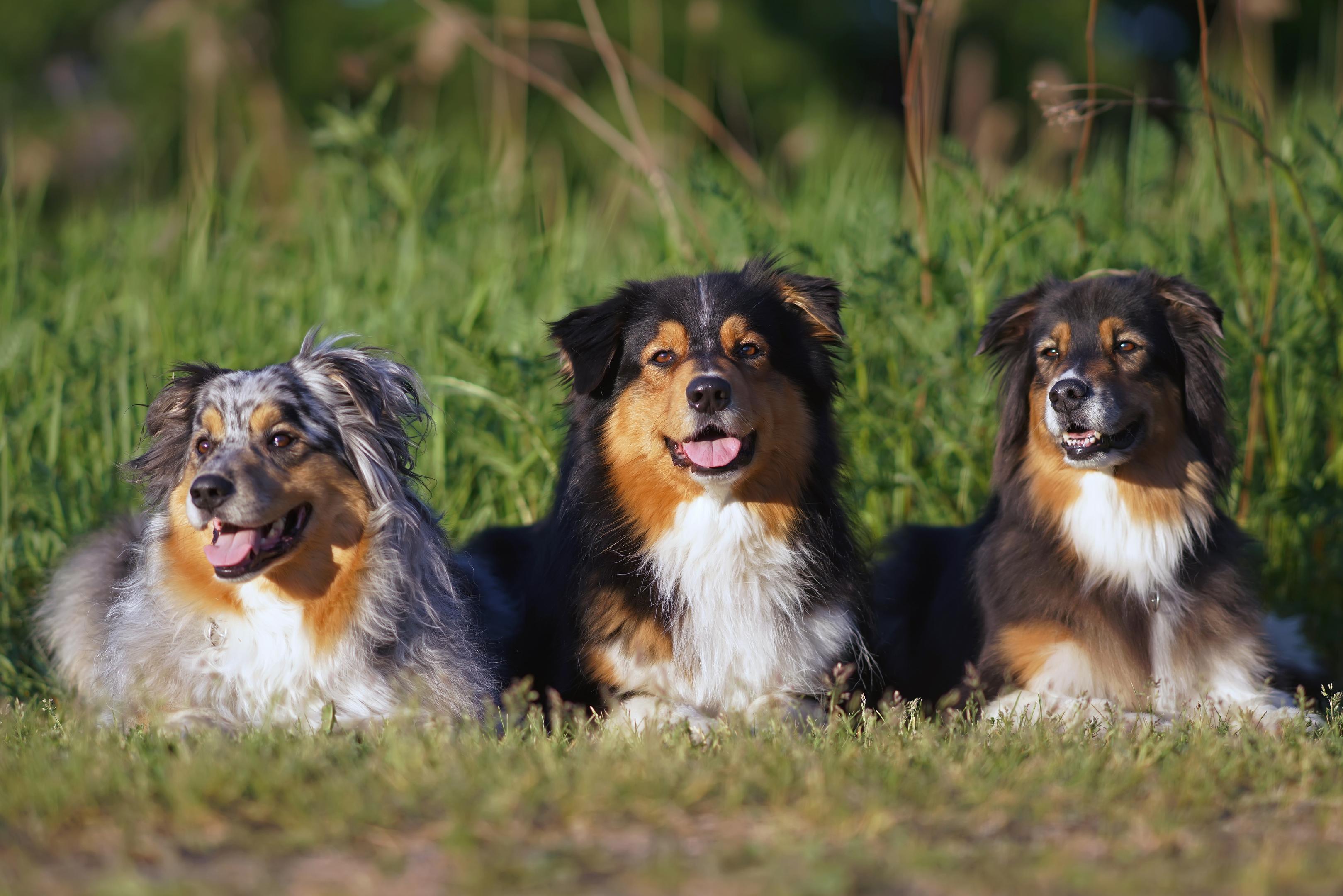
The Aussie’s attractive coat comes in blue merle, red merle, black, and red, often accompanied by white markings or copper points. Eyes may be brown, blue, amber, or combinations of colors, including two differently colored eyes or “split” eyes containing more than one color. Predominantly white dogs are undesirable under the breed standard, and excessive white—particularly when associated with merle-to-merle breeding—can be linked to increased risks of deafness and eye abnormalities.
Australian Shepherds have powerful herding instincts and may attempt to chase or control children, other animals, or moving objects when those instincts lack an appropriate outlet. Rather than simply punishing this behavior, owners should redirect it through consistent training, exercise, herding activities, games, and other mentally challenging tasks.
Like many herding breeds, Aussies tend to be alert and can be vocal when they notice something unusual. Early training can teach them when barking is appropriate and prevent everyday sights and sounds from triggering excessive alarms.
Although Australian Shepherds benefit from space, a large yard is not a substitute for exercise and interaction. They can adapt to different living environments when provided with substantial daily physical activity, mental stimulation, and time with their families. Bred to work closely with people, Aussies generally thrive as involved household companions rather than dogs left alone outdoors.
Working and show-bred Australian Shepherds can also differ somewhat in appearance and temperament. Working lines are often lighter, more athletic, and selected primarily for livestock ability, while show lines tend to have more substantial coats and greater consistency with conformation preferences. Considerable variation exists within both types, however, and individual temperament and working drive remain more important than labels alone.
Australian Shepherd Dog Breed Guide: Temperament, Care, And Owner Tips
Introduction: Are you struggling to keep up with a high-energy dog that chews shoes, nips at feet, or herds family members? Many owners of herding dogs face these problems and want clear steps for training, exercise, and grooming.
The Australian Shepherd was recognized by the American Kennel Club in 1991. It needs at least one to two hours of exercise each day. This guide covers temperament, obedience training tips, grooming tools like a slicker brush and undercoat rake, health checks for hip dysplasia and eye problems, and where to find Australian shepherd puppies or rescue dogs.
It also shows how to use dog sports and search and rescue tasks to burn energy. Read on.
Key Takeaways
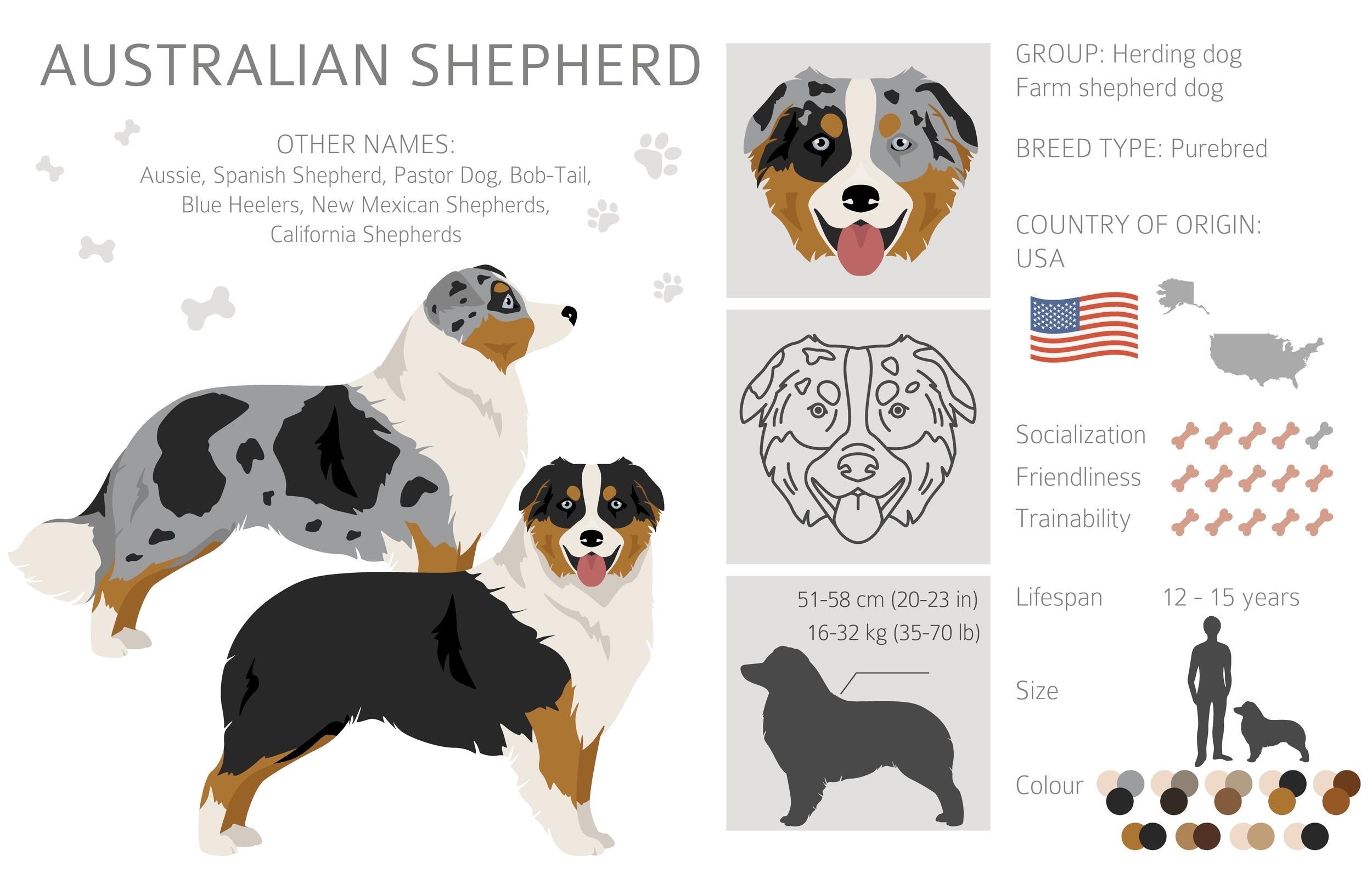
- High-energy herding dog, requires 1–2 hours daily (often 2–3), excels in agility/herding, and needs firm, reward-based training; AKC recognized in 1991.
- Average lifespan 12–15 years, median 13.7 years per 2024 UK study of 62 dogs; screen hips, elbows, eyes and MDR1 before breeding.
- Size: males 20–23 inches, 50–65 pounds; females 18–21 inches, 40–55 pounds; expect seasonal heavy shedding and weekly brushing.
- Common health risks include hip dysplasia, epilepsy, cataracts, MDR1 drug sensitivity, and double-merle hearing and vision problems; use reputable breeders and rescues.
- Grooming: brush weekly, daily during heavy shedding, use a slicker brush and undercoat rake, avoid shaving, trim nails and clean ears.
History and Origin
European Roots and an Australian Connection
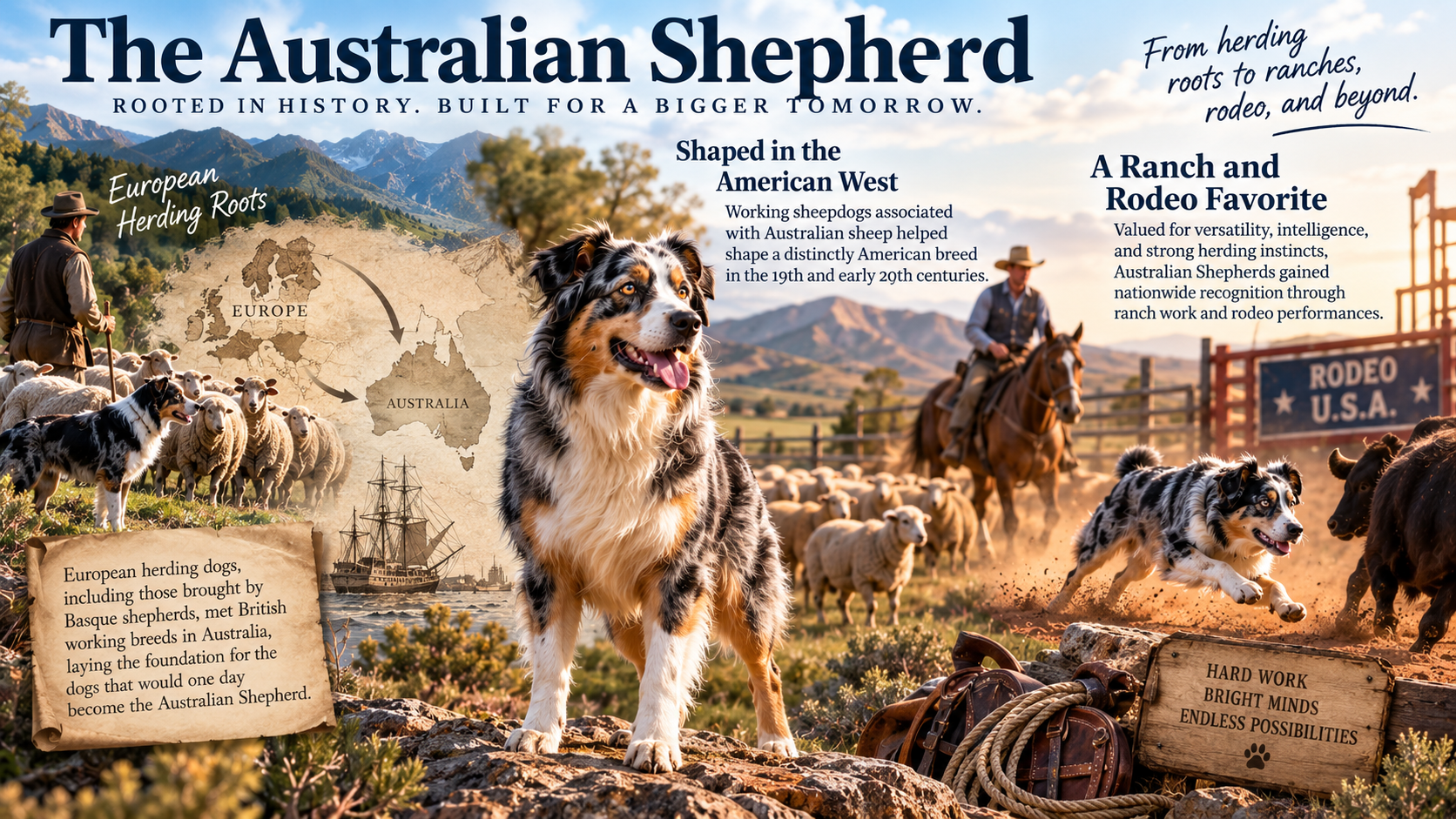
Despite its name, the Australian Shepherd is an American-developed breed. Its deeper ancestry traces to European herding dogs brought to Australia and North America during the 19th century. Basque herders are often associated with this history, although the idea that the breed descended specifically from Basque Pyrenean Shepherds is difficult to document. British-derived collies and other working sheepdogs almost certainly contributed to the broader stock from which the breed eventually developed.
Developed in the American West
During the late 19th and early 20th centuries, working sheepdogs associated with Australian sheep joined the diverse population of herding dogs already present in the American West. Ranchers selected these dogs for intelligence, endurance, agility, and the ability to handle both sheep and cattle, eventually developing the distinctly American breed known as the Australian Shepherd.
Early dogs of this general type were known by several names, including Spanish Shepherd, Pastor Dog, Bob-Tail, New Mexican Shepherd, and California Shepherd. The Australian Shepherd name eventually prevailed, reflecting the dogs’ association with Australian sheep rather than an Australian origin for the modern breed.
A Ranch and Rodeo Favorite
The Australian Shepherd became particularly valuable on western ranches because of its versatility and strong herding instincts. Its popularity expanded beyond ranching during the mid-20th century, when rodeos and horse shows introduced the breed to larger audiences. Rodeo performer and trainer Jay Sisler became especially influential, showcasing highly trained Australian Shepherds performing impressive tricks throughout the United States.
Establishing the Modern Breed
The Australian Shepherd Club of America was founded in 1957 and became instrumental in preserving and promoting the breed. The United Kennel Club recognized the Australian Shepherd in 1979, while the American Kennel Club granted recognition in 1991 and admitted it to the Herding Group in 1993. The Fédération Cynologique Internationale recognized the breed provisionally in 1996 and definitively in 2007.
Selective breeding preserved the Aussie’s strong herding ability, athleticism, intelligence, and distinctive coat colors, including blue merle and red merle. Some Australian Shepherds are naturally born with bobbed tails, while tail docking also became established historically within the breed.
From Ranch Dog to Versatile Companion
Although traditionally associated with ranch work, Australian Shepherds now perform an impressive variety of jobs. They continue to herd livestock and compete in herding, obedience, and agility, while some also work in search and rescue, therapy, and other service roles.
More than a century after its development in the American West, the Australian Shepherd remains defined by the intelligence, stamina, responsiveness, and strong desire to work that made it such a valuable ranch dog.
Physical Characteristics
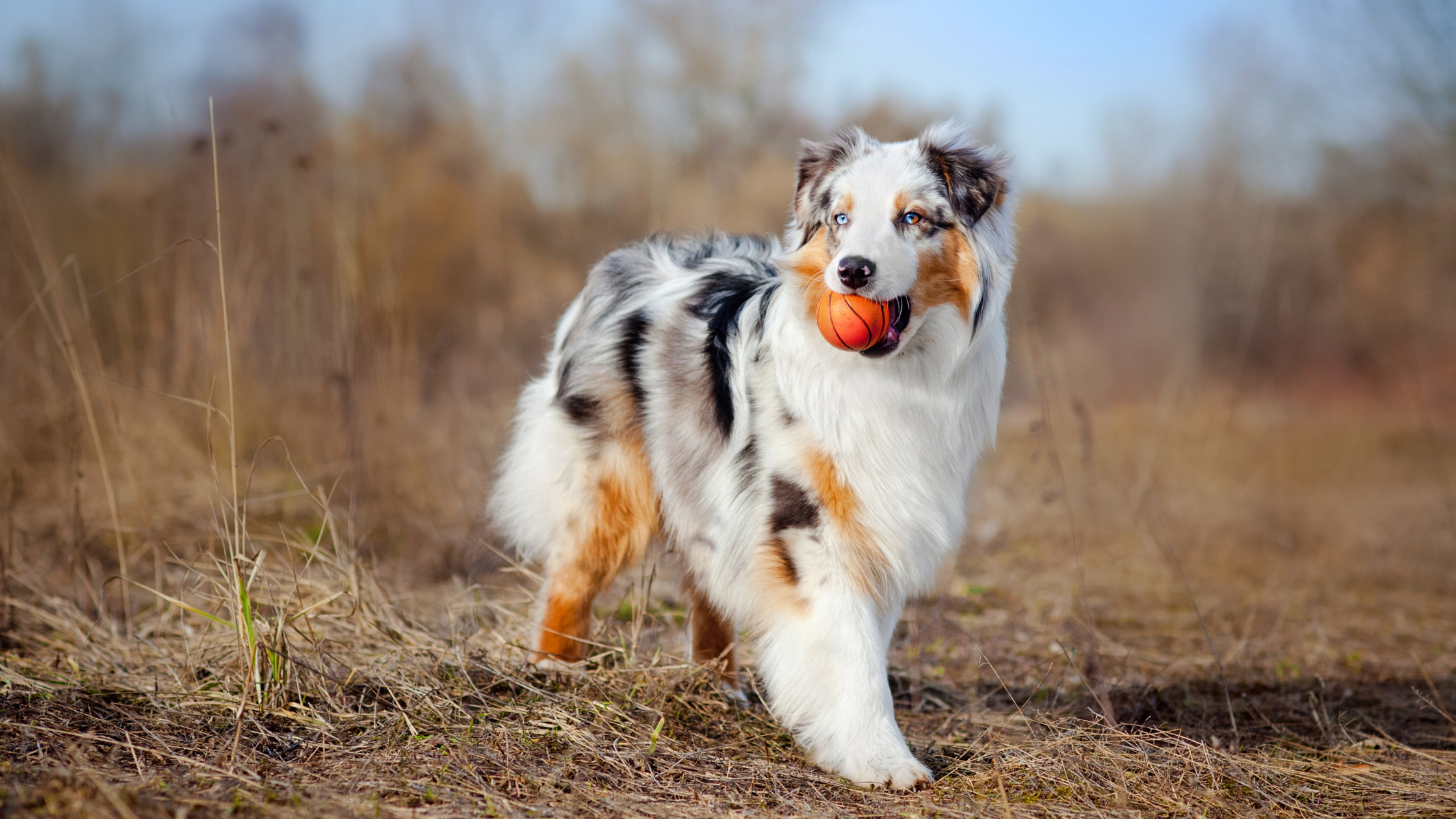
The australian shepherd dog has a solid, medium build with muscular shoulders and strong, straight legs. Oval-shaped feet support the athletic dog during long days of work. The chest sits deep and ribs spread well, while the back stays straight and the croup slopes moderately.
Hindquarters show defined stifles and short, parallel hocks that add power and drive. Breeders developed the australian shepherd breed to herd livestock and to tolerate altitude and harsh climates in the Pyrenees.
This high energy dog needs outlets for its drive.
The head stays clean-cut with a muzzle slightly shorter than the skull and high-set, triangular ears. Eyes give an alert, intelligent expression that mirrors strong herding instincts.
The coat sits medium-length, straight to wavy and weather-resistant, with a dense undercoat and a coarse topcoat, forming a true double coat. Feathering appears on the rear legs and no two dogs show the same pattern.
Colors include blue merle, red merle, solid black, and solid red, with or without white markings and tan points; white on the head must not dominate and areas around the eyes and ears should show color.
Movement stays smooth, agile and level, with straight fore and hind limbs that converge at speed, and the dog can jump up to 4 feet, 1.3 meters; owners should expect shedding season and plan weekly brushing to manage that dense coat.
Body and Structure
Aussies have a robust, balanced body that sits slightly longer than tall. Male dogs stand 20 to 23 inches and weigh 50 to 65 pounds. Females stand 18 to 21 inches and weigh 40 to 55 pounds.
Their head looks clean cut, with a muzzle shorter than the back skull. Forequarters and hindquarters show solid, well structured bone and muscle. Coat stays medium in length and remains weather resistant.
Undercoat density varies, so owners should plan for more frequent grooming. Common colors include black, blue merle, red and red merle, often with white and tan markings.
Power, grace, and a working heart.
They move with a smooth, graceful gait that shows agility and a strong work ethic. Owners who track australian shepherd size use a measuring tape and a weighing scale to confirm height and weight.
Learn basic anatomy to spot correct structure. A miniature australian shepherd offers a smaller option for active families. Aussies shed seasonally, so australian shepherds shed more during coat changes.
Responsible australian shepherd breeders follow parent club standards and recommend health clearances. Active owners place dogs in the herding group and offer at least an hour of physical exercise or competitive dog sports.
Some dogs have bob tails, a trait noted by many breeders and the parent club.
Face and Expression
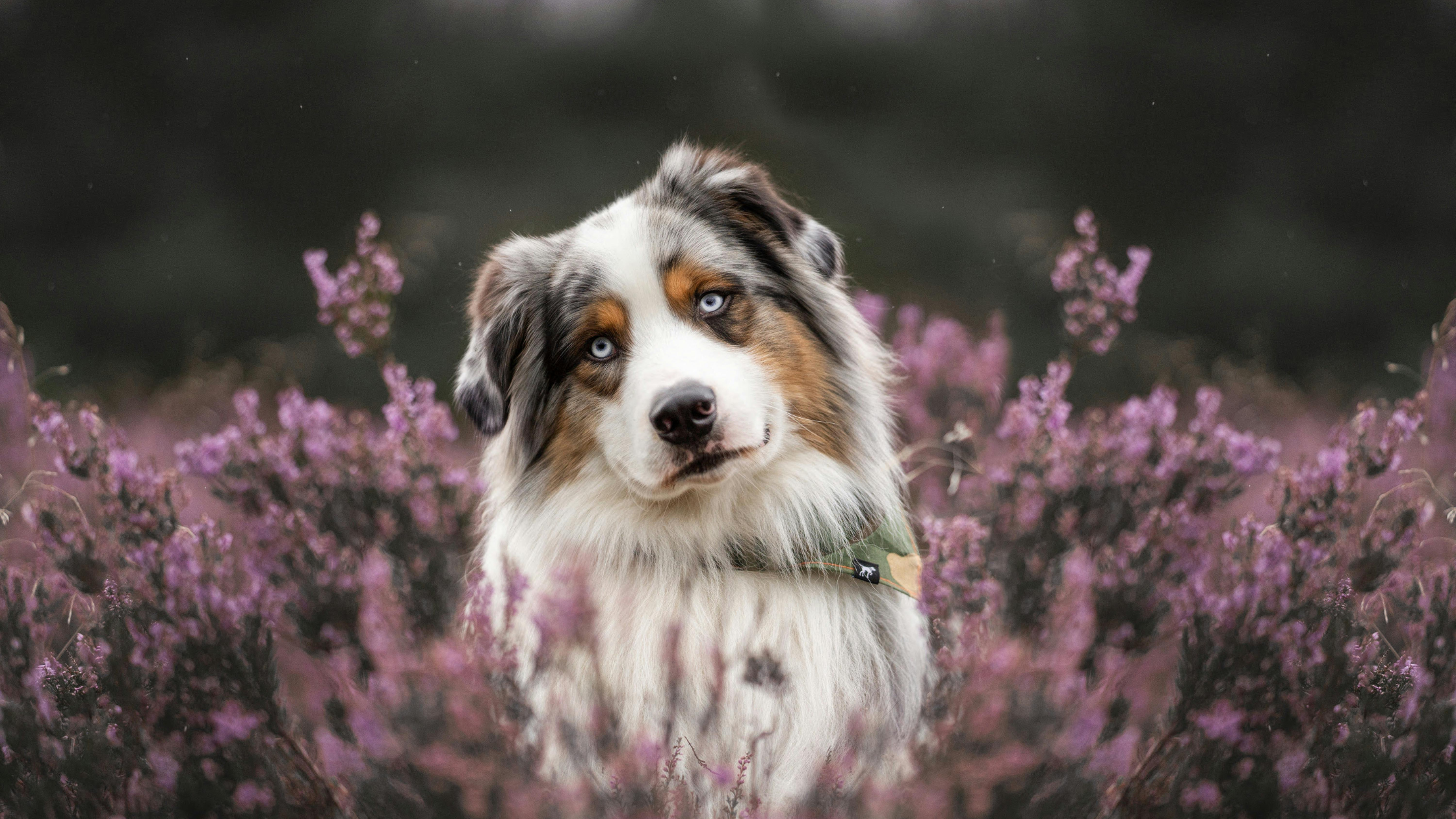
Australian Shepherds have a clean-cut head structure and high-set, moderately sized triangular ears. Their face shows intelligence and loyalty, key traits of the australian shepherd personality.
They often look reserved with strangers, a trait that matches their protective nature around herding livestock and family pets. Owners see affection and clear attachment to a preferred person in subtle facial cues.
Their expressive faces help trainers use positive reinforcement during drills for herding abilities. Regular checks catch issues like collie eye anomaly and progressive retinal atrophy early, which supports australian shepherd health.
Watch the nose area for nasal solar dermatitis, especially on light patches seen in blue merle red and black blue merle coats. Veterinarians recommend eye exams and skin care as routine tools for care of other pets and competitors.
Coat and Color
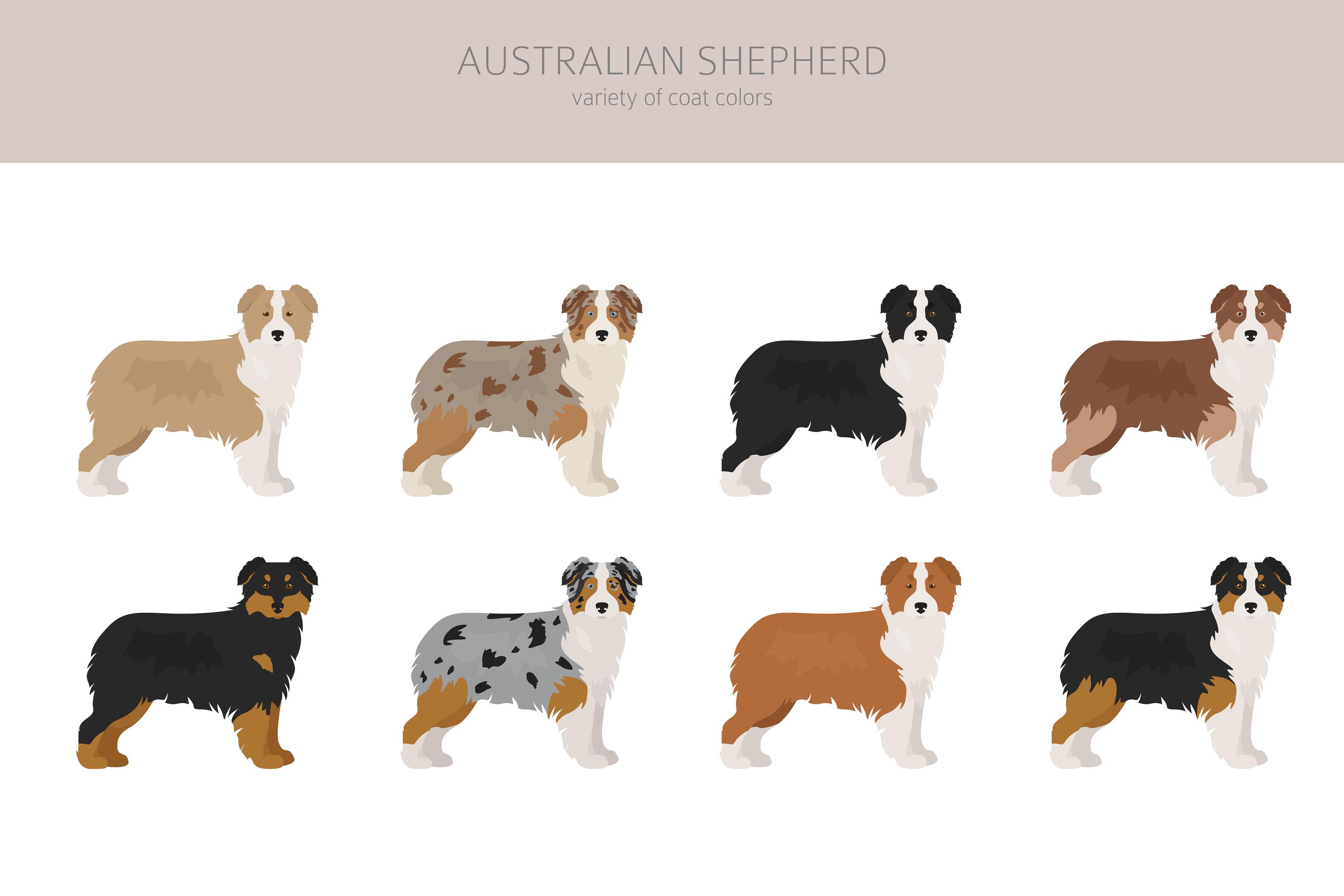
The coat is medium-length with a double layer that resists weather, and it ranges from straight to wavy. Common colors include Black, Blue Merle, Red, and Red Merle, and white and tan points add contrast and create unique patterns that aid herding and suit a working dog from cowboy life in the american west.
Owners should brush weekly and use a grooming brush or de-shedding tool, since shedding increases during shedding season. Undercoat density shifts with climate, and tail types vary between long and naturally bobbed, with docking still practiced in some places while bans exist in others; feed quality dog food to support a healthy breed and a shiny coat for an active lifestyle.
Movement and Gait
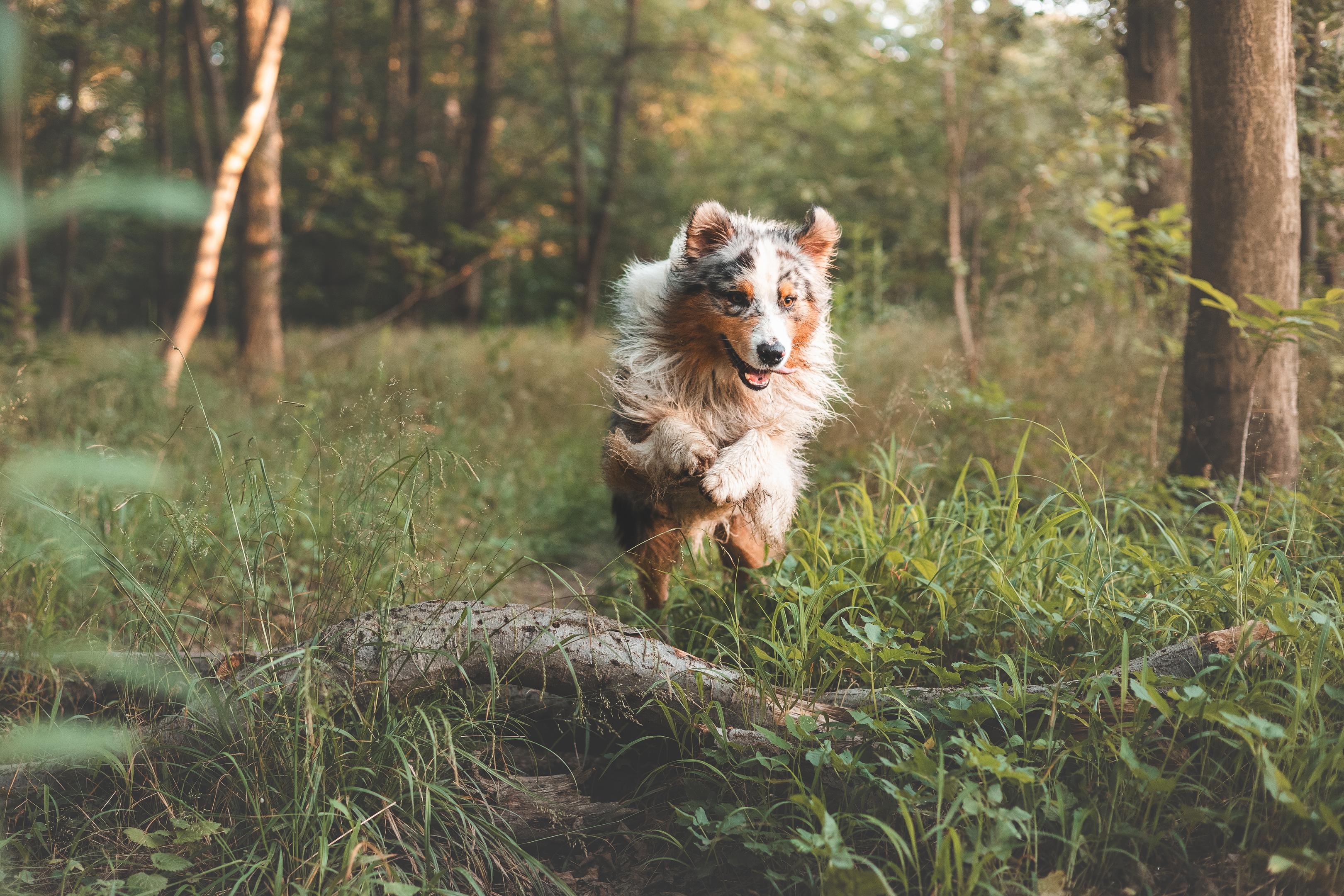
Australian Shepherds use a unique stride that crosses the front and rear legs, boosting agility and speed. This smooth, graceful gait suits long hours of work and long days at herding trials and horse shows.
Strong hindquarters and defined stifles give them power for sharp turns and quick bursts.
Owners must plan 2 to 3 hours of physical and mental exercise daily to keep movement crisp and reduce risk of elbow dysplasia. Proper training and conditioning, plus gait analysis and use of an agility course or exercise machine, raise stamina for dock diving, agility competitions, and herding.
Many dogs from working lines show stamina that reflects australian shepherd history spanning over a century and ties to sheep work in the Pyrenees Mountains. Even the oldest dog can keep sound movement with regular conditioning and smart care.
Temperament and Behavior
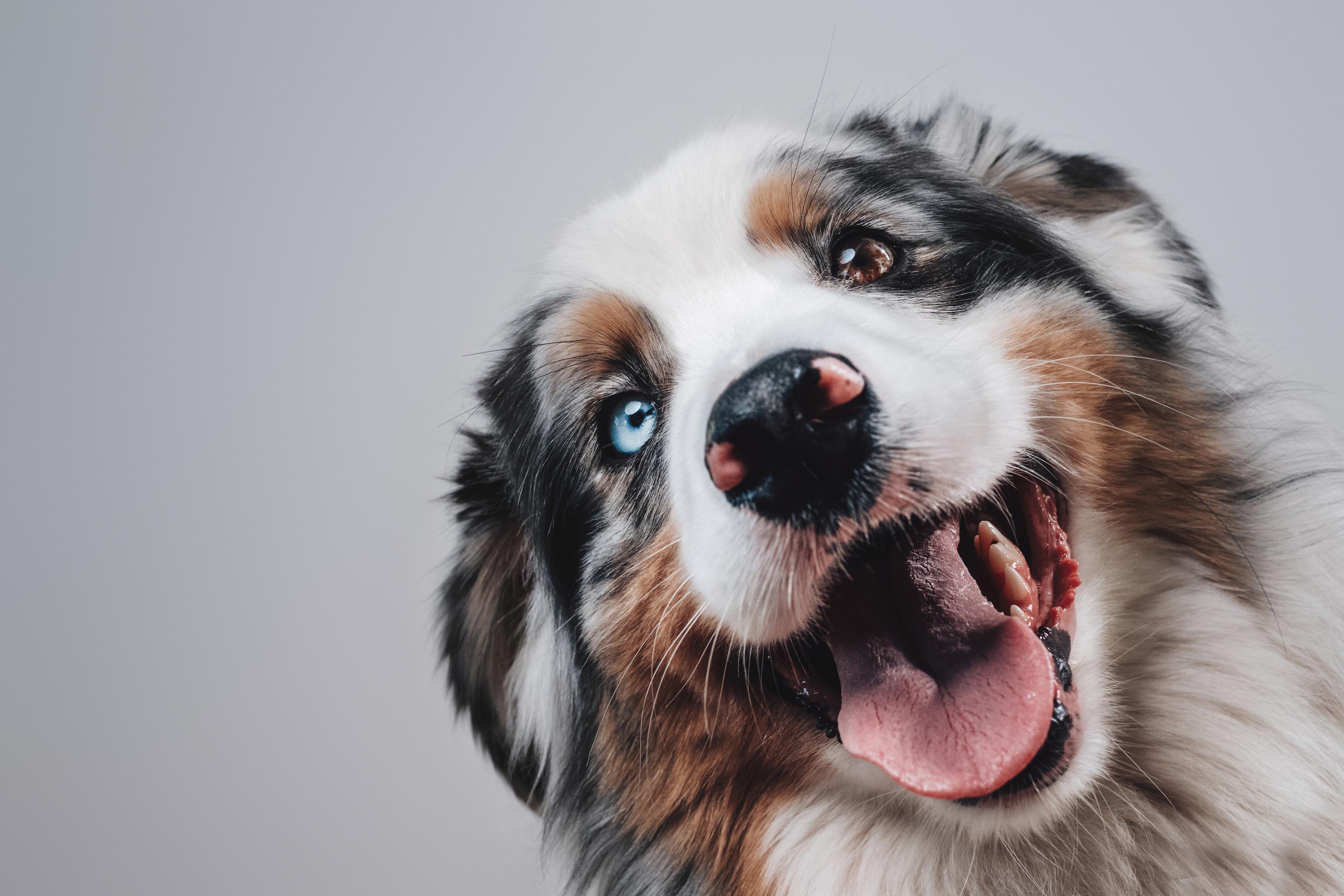
These dogs show high intelligence and constant alertness. They started as working dogs with strong herding and guardian instincts. Owners often call them “velcro dogs” because they bond closely to their people.
Some become territorial or overprotective of family and property. Dogs usually stay reserved with strangers, and they stay affectionate and loyal to family.
A high prey drive makes them chase moving objects, like children and pets. Poor management can cause destructive behavior or attempts to herd kids and other animals. Use positive reinforcement and a training device to build strong recall and calm responses.
Arrange daily exercise and socialization to burn energy and reduce herding urges. Seek a behavioral assessment and use a training enclosure for safe rest and to manage problem behaviors.
Health Considerations
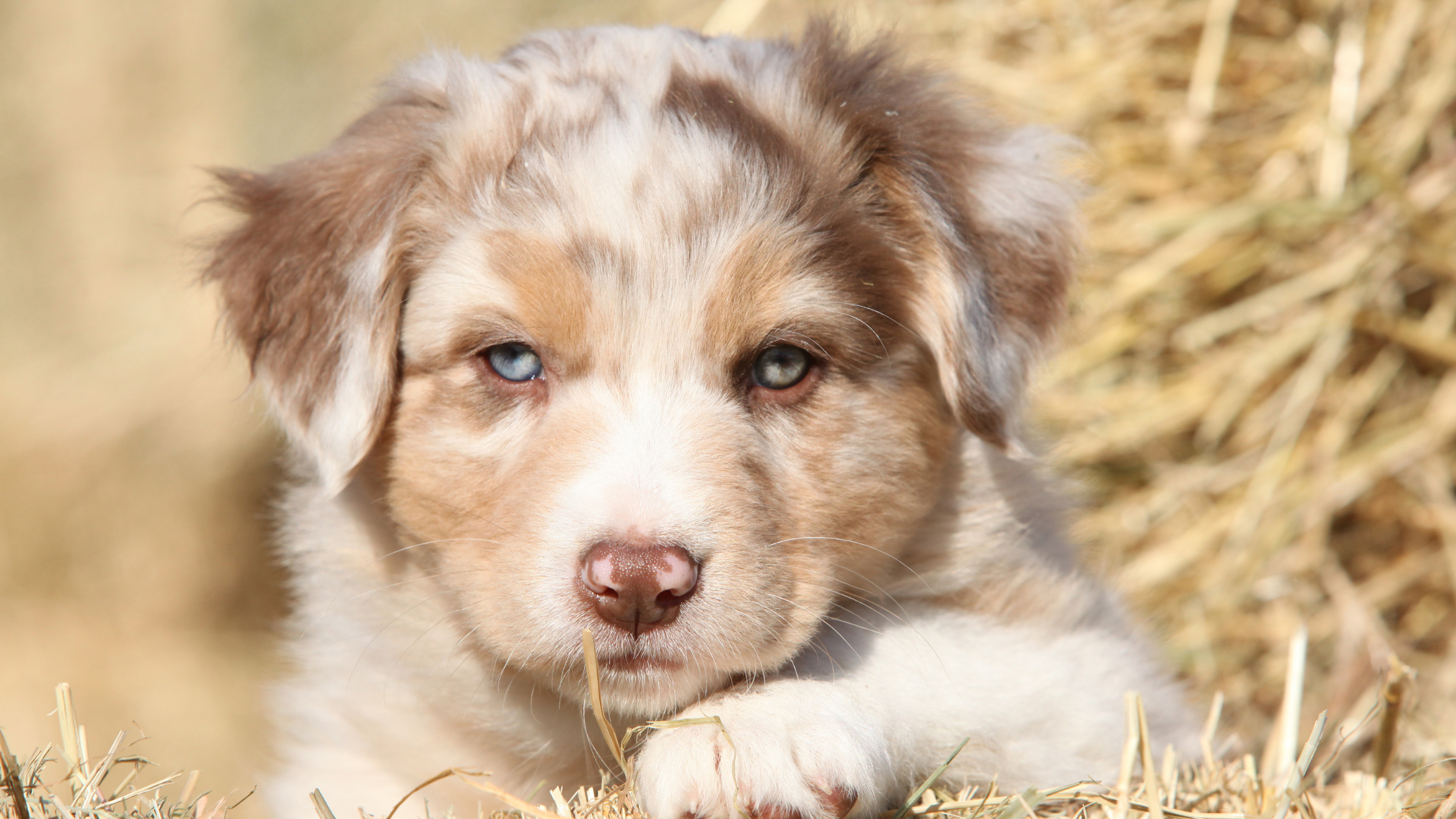
Australian Shepherds carry risks for hip dysplasia, epilepsy, cataracts, and various cancers. Owners often see eye problems like red eye, epiphora, conjunctivitis, and cataracts. Some dogs have the MDR1 gene mutation that makes them sensitive to certain drugs, including ivermectin.
Ask your vet for an MDR1 genetic test before using medicines that affect the nervous system. Double merle pups often show excessive white coat and frequent hearing and vision problems.
Watch for microphthalmia, pupil subluxation, iris colobomas, retinal detachment, persistent pupillary membrane, lens displacement, equatorial staphyloma, night blindness, and deafness.
Average life span runs between 12 and 15 years. A 2024 UK study found a median life expectancy of 13.7 years, based on 62 deceased dogs. That figure topped the purebred median of 12.7 years and the crossbreed median of 12 years.
Buy from responsible breeders who run Hip Evaluation, Elbow Evaluation, and Ophthalmologist Evaluation. Ask to see hip x-rays, elbow scores, and an eye specialist exam. Schedule regular vet visits and watch coat, skin, and breathing for signs of dermatological or respiratory problems.
The term lethal white is derogatory and links to genetic faults in double merles.
Common Concerns
Aussies need active care and clear plans. Owners must plan for exercise, grooming, health checks, and training.
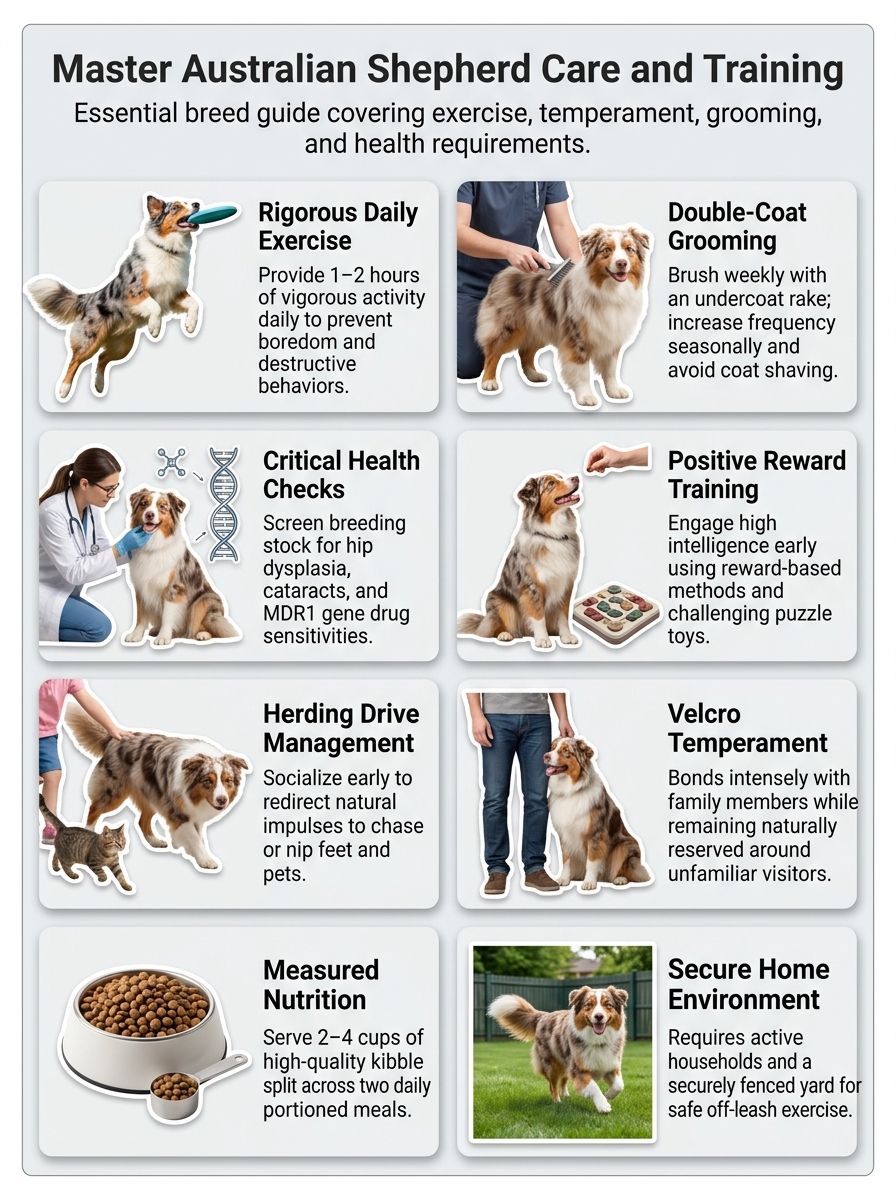
- Exercise, plan for 1 to 2 hours of vigorous activity each day. Use runs, agility, or herding work to burn energy and avoid destructive behavior.
- Grooming, brush at least weekly and daily during heavy shedding season. Schedule baths, nail trims, and coat checks to cut mats and loose hair.
- Health, watch for hip dysplasia, epilepsy, and cataracts. Schedule regular vet checks, get OFA hip screening, and seek genetic screening plus eye exams when needed.
- Socialization, start early to curb territorial behavior. Enroll in puppy socialization classes and use supervised meetups to teach calm reactions to people and other dogs.
- Training, use positive reinforcement and a training clicker to shape good habits. Add obedience classes and short, daily games to reduce chewing and digging.
- Children, supervise all interactions because herding instincts can nip or herd. Teach kids clear cues, keep hands low, and step in if the dog chases feet.
- Mental, provide puzzle toys, scent games, and brief training sessions to prevent boredom. Rotate activities and aim for two short brain sessions most days.
Lifespan
Australian Shepherds typically live 12 to 15 years. The median life expectancy is 13.7 years, higher than that of many purebred and crossbred dogs.
Keep your dog healthy with regular vet exams, DNA tests, a balanced feeding plan, and daily exercise. Schedule annual eye checks and joint exams, keep vaccines current, use heartworm prevention, and maintain a microchip for ID.
Training Considerations
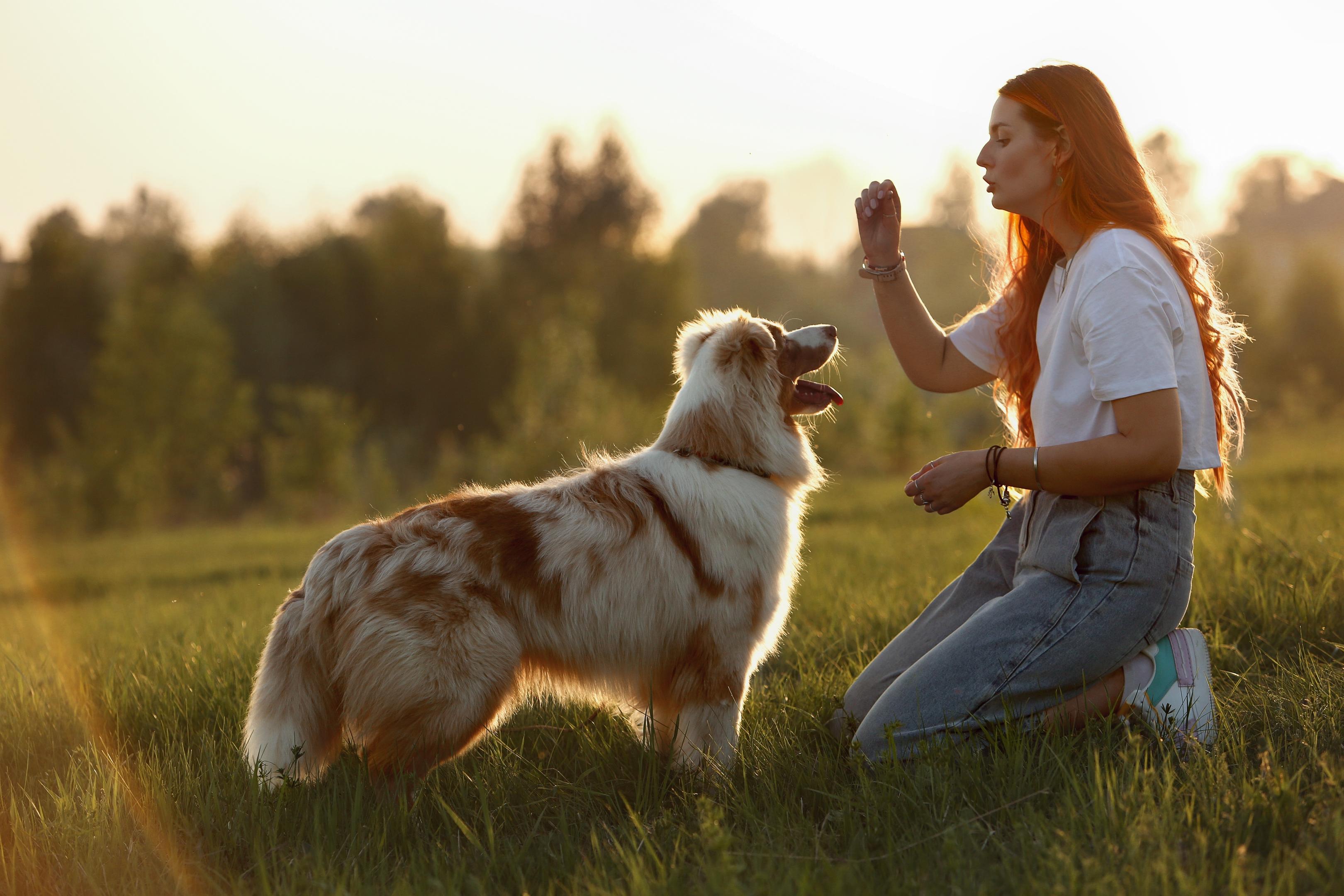
Start social exposure and basic obedience in the first months. Early interaction and training set the tone for adult manners. The American Kennel Club rates the breed high for trainability, AKC trainability score: 5.
Use reward-based techniques and short, frequent sessions. Offer treats, praise, and a marker device to mark correct choices. Keep a firm, consistent handler who enforces clear rules.
Provide daily mental tasks to prevent boredom and destructive behavior. Supply puzzle feeders, scent games, obedience drills, or agility practice. Their physical toughness makes reward-based training most effective.
Watchdog behaviors often show up during adolescence and need firm management. Work leash routines and controlled social visits to curb over-guarding. Join an obedience class or hire a certified trainer for guided help.
Exercise and Socialization
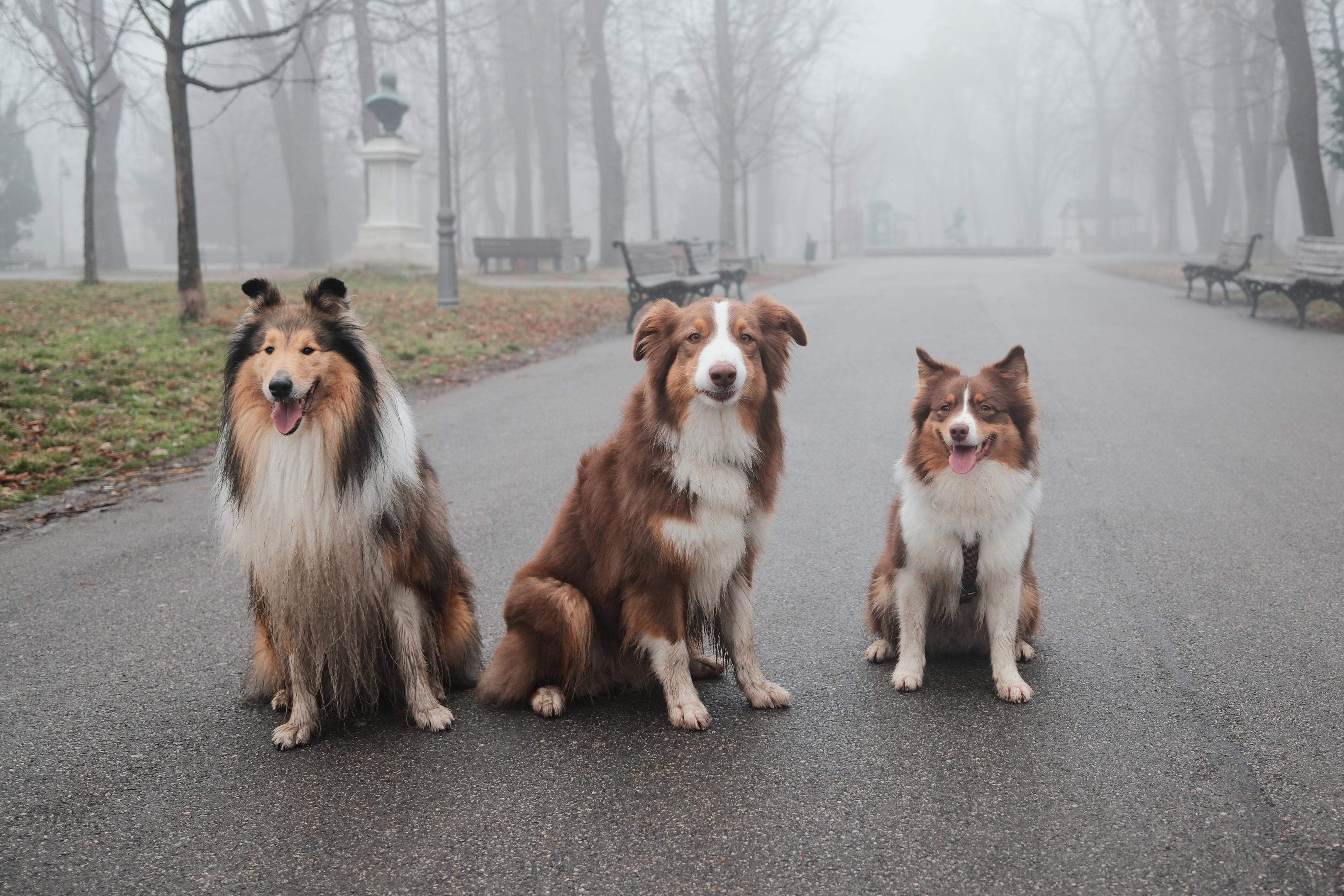
Australian Shepherds need at least 1 to 2 hours of vigorous exercise every day. Many handlers aim for 2 to 3 hours for optimal health. They enjoy long walks, hikes, herding, and canine sports such as agility, water jumping, obedience class, rally, tracking, frisbee sport, and flyball.
A fit dog can run 4 to 6 miles, and a well conditioned dog can hike up to 15 miles.
Proper socialization from a young age helps dogs adapt to new environments and other pets. Use leash walks, group training, park play, and a sound marker to expose pups to people, noises, and animals.
Give regular mental stimulation with brain games and steady companionship to prevent boredom and problem behaviors. Enroll in agility courses, tracking events, or local flyball meets to add focus and structure.
Living with an Australian Shepherd
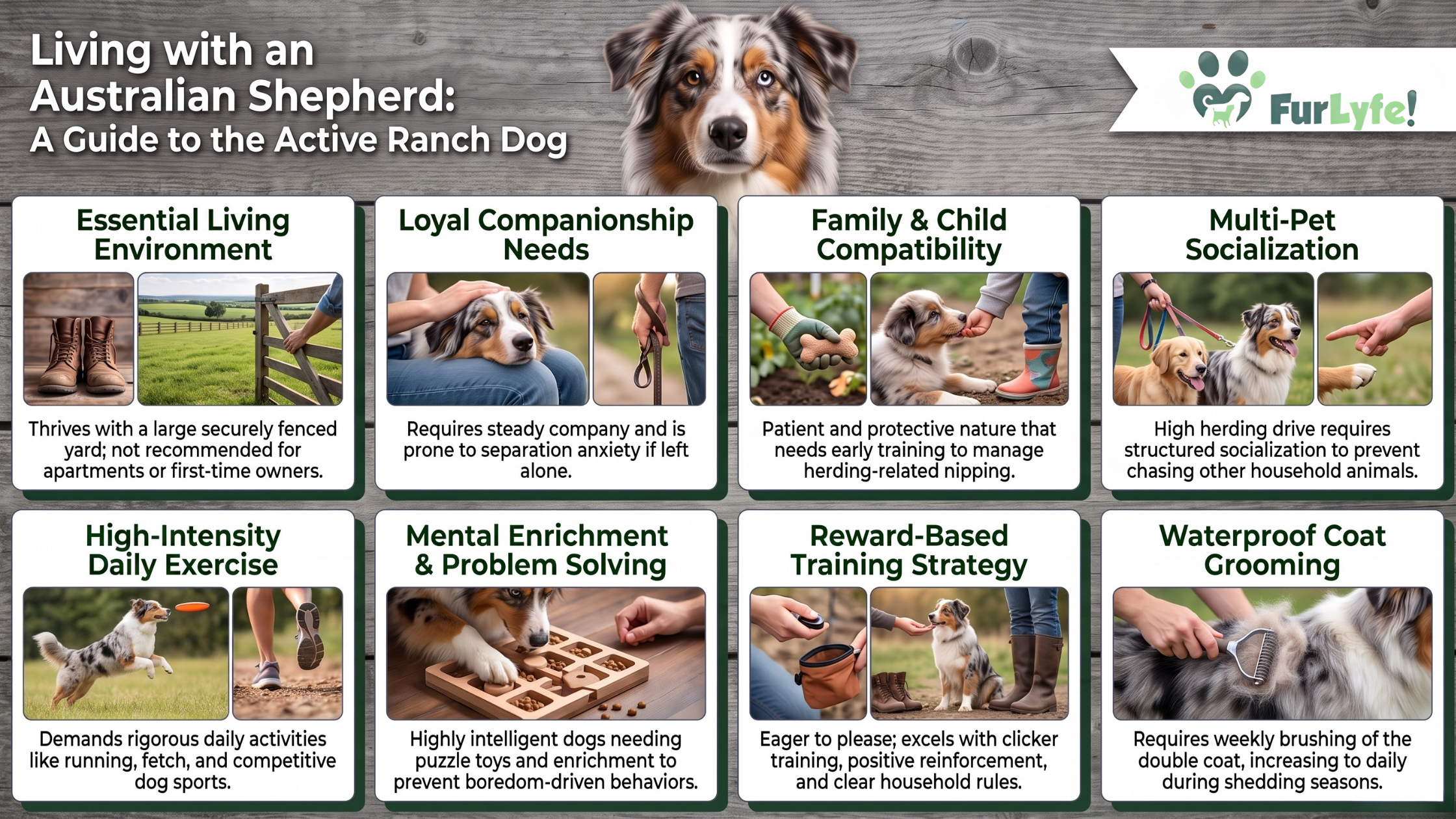
A large, fenced yard gives this dog room to run and keeps it safe. Not recommended for first-time dog owners, the breed needs high energy outlets and structured training. If left alone for 4 to 6 hours, crate training can keep them safe and calm.
Daily games like fetch and Treibball meet herding needs and cut excess energy.
The American Kennel Club gives them a 5 for being good with children. Herding drive may cause nipping or chasing, so start socialization and obedience classes early. They stay affectionate and loyal as adults, and protective instincts can shape how they act with other household pets.
With other pets, they require extensive socialization, three times more than retrievers, and structured play helps reduce chasing and territorial behavior.
Best Environment
Australian Shepherds need 1 to 2 hours of vigorous exercise every day. They thrive in homes with a large, fenced-in yard for free running and play. Active families who can give ample exercise and mental challenges make the best owners.
Owners should provide company and avoid leaving the dog alone for long periods. Use activities like off-leash field play or an obstacle set to burn energy and boost focus. Keep a sturdy fence, a lead for walks, a den crate for short rests, and a clicker for training.
Behavior towards Children
They score a 5 for being Good With Children, which shows high tolerance and patience. You must supervise interactions with younger children to keep both safe. Their herding instinct can cause playful nipping during play.
Owners should manage that behavior with clear rules and consistent training. Early socialization with children reduces herding tendencies as the dog matures.
These dogs are smart and eager to please, so training around kids goes faster. Use socialization and positive reinforcement to teach gentle play. Try reward-based methods and a training tool to mark good behavior.
Give ample exercise and mental work every day, which prevents behavioral issues and helps ensure positive interactions with children. A tired dog will greet kids calmly and behave safely.
Behavior towards other Pets
Australian Shepherds need supervision around other pets because they show moderate friendliness and herding instincts. Early socialization and group class work teach calm play and safe boundaries.
Their high intelligence helps them learn fast, but it can also cause trouble during introductions.
Owners must expect protective behavior toward household pets because of the breed’s strong loyalty. Regular exercise, daily walks, playtime, and enrichment toys lower stress and stop destructive acts.
Use a training marker, positive reinforcement, crate work, and a leash in supervised meetings to teach proper manners.
Grooming Needs
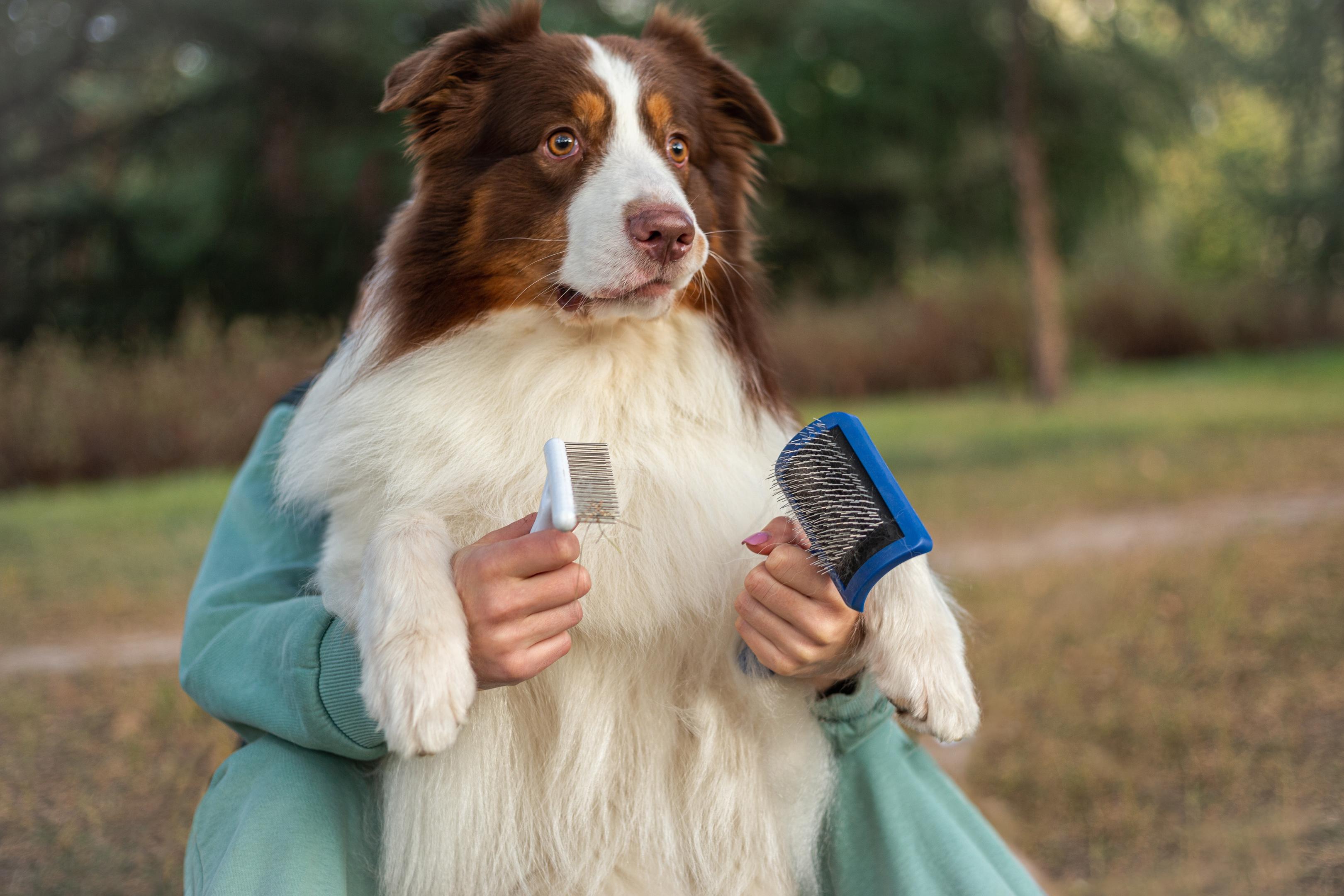
Handle the coat with weekly brushing to keep the waterproof, double-layer coat healthy. Do daily brushing during heavy shedding. Use an undercoat rake and wire brush in shedding season.
Limit trimming and use thinning shears to shape the coat for a natural look.
Trim about 1/4 inch from the ear edges and clean ears on a regular schedule. Cut the tail straight across, removing only excess length. Clip nails often with proper clippers to prevent cracking or overgrowth.
Avoid shaving the coat since it can affect hair regrowth and reduce insulation.
Nutrition and Feeding
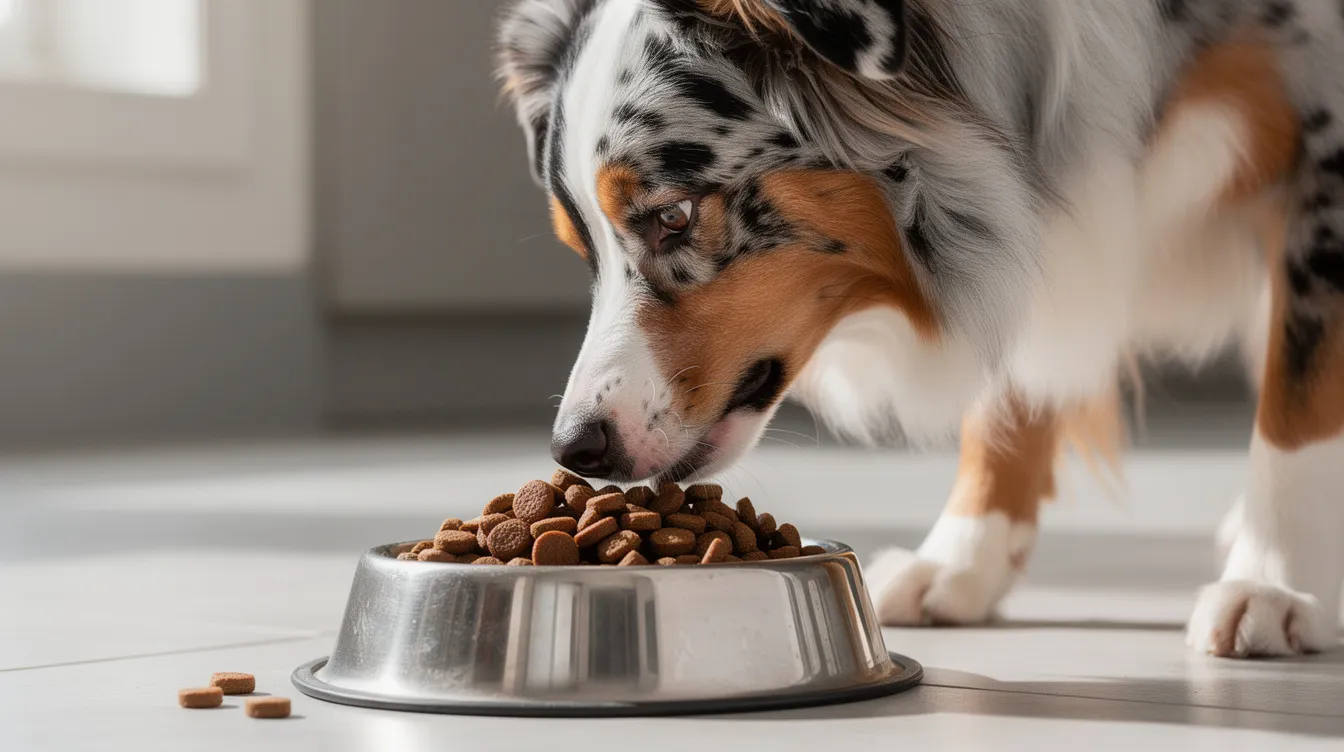
Feed an Australian Shepherd 2 to 4 cups of high-quality dry dog food each day, split into two meals. Many adults eat about 1.25 cups per meal, twice a day. Adjust portions by life stage, such as puppy, adult, or senior.
Consult a veterinarian to fine tune calories, protein, and fat needs.
Use a measuring tool or kitchen scale to portion meals. Always offer clean, fresh water in a sturdy water bowl. Watch calorie intake and track weight to prevent obesity. Change food or amounts if weight climbs, and check with your vet for specific dietary concerns.
Where to find an Australian Shepherd
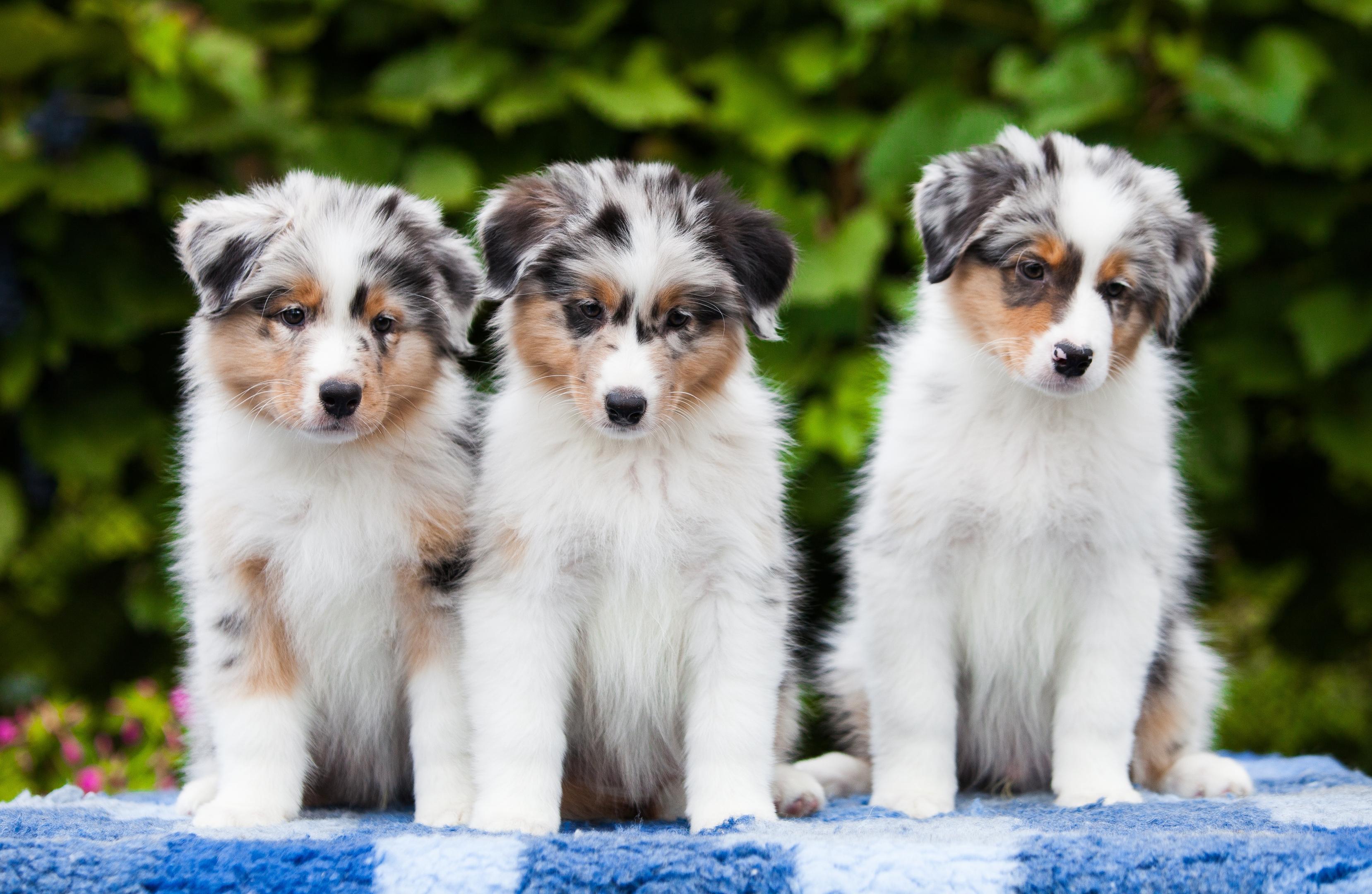
Look at the AKC Marketplace, run by the American Kennel Club. It lists only AKC puppies from registered litters.
Try the AKC Rescue Network; over 450 rescue groups exist nationwide for adoption.
Check the United States Australian Shepherd Association, the AKC parent club since 1990, for events and trusted breeder referrals.
Similar Dog Breeds
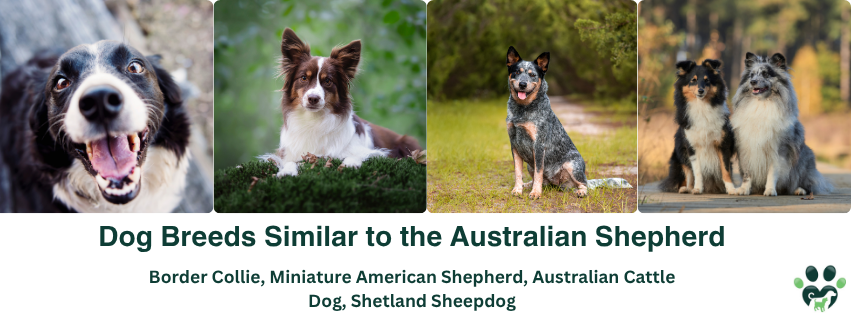
These dogs show strong herding drive and high energy. Related dogs include Border Collie, Pyrenean Shepherd, Croatian Sheepdog, and the Miniature American Shepherd, recognized by the AKC.
| Breed | Similarities | Differences | Best fit for owners who… |
|---|---|---|---|
| Border Collie | Highly intelligent, agile, and driven to herd. | Typically more intense and demanding of continuous mental stimulation. | Want to train frequently and participate in agility, herding, or other dog sports. |
| Miniature American Shepherd | Shares the Australian Shepherd’s intelligence, temperament, and herding instincts. | Smaller and recognized as a distinct breed; “toy” and “teacup” Australian Shepherds are not recognized breeds. | Want Aussie-like traits in a more compact dog. |
| Australian Cattle Dog | Intelligent, athletic, loyal, and strongly driven to work livestock. | More independent, rugged, and prone to using its mouth when herding. | Have an active lifestyle and want a tough, determined working companion. |
| Shetland Sheepdog | Intelligent, obedient, responsive, and naturally inclined to herd. | Considerably smaller and generally less physically demanding. | Want a smaller, highly trainable herding companion with moderate exercise needs. |
Conclusion
This guide covered history, physical traits, temperament, health, training, and care. You will learn how socialization, obedience training, and steady exercise shape a calm, focused dog.
Use a leash, harness, grooming tool, training aid, and consult an animal doctor for regular health screening. Proper nutrition and one to two hours of activity each day prevent boredom and cut anxiety.
Apply these steps, check the national registry for standards, and enjoy a loyal working companion.
FAQs
1. What is the typical temperament of an Australian Shepherd?
Australian Shepherds are smart, loyal, and active. They show a strong working drive and bond closely with family. They do not have to be noisy or aggressive. Early socialization and clear rules help them stay calm around strangers and other pets.
2. How much exercise and mental work do Australian Shepherds need?
They need one to two hours of exercise and mental work each day. Use walks, runs, training, dog sport, and puzzle toys. Short training sessions each day cut down on chewing and barking.
3. What basic care does an Australian Shepherd need for grooming and health?
Brush the coat two times a week, and more during heavy shedding. Check ears and trim nails every few weeks. Feed a balanced diet for their activity level. Get regular vet checks, shots, and health screening. Expect about 12 to 15 years of life.
4. Are Australian Shepherds a good fit for first-time owners, and what owner tips help success?
They can fit first-time owners who can give time and structure. Take basic obedience and young dogs social classes. Use firm, consistent rules and daily mental challenge. If you cannot meet their activity needs, choose a lower energy breed.
References
- https://www.akc.org/dog-breeds/australian-shepherd/
- https://vetslovepets.com.au/blogs/dog/australian-shepherd-breed-guide?srsltid=AfmBOorCcrzci82x12n2J6x_HKY4GkwDcxoRMVRmH-NxTMeD6xbu3had (2024-04-26)
- https://www.royalkennelclub.com/breed-standards/pastoral/australian-shepherd/
- https://www.southtexasaussierescue.org/raising-an-australian-shepherd-temperament-and-development/
- https://www.pawlicy.com/blog/australian-shepherd-dog-breed/
- https://www.petmd.com/dog/breeds/australian-shepherd
- https://vetslovepets.com.au/blogs/dog/australian-shepherd-breed-guide?srsltid=AfmBOopqZHV-r1hqlbJtARKJXfQV-TewxQnzuK-ZREbqqQJ193BkYfU9 (2024-04-26)
- https://vetslovepets.com.au/blogs/dog/australian-shepherd-breed-guide?srsltid=AfmBOopMq-VZRueSAIcyup6zW54cX4XoDRe3S3fJCTAK3k5mgO27vcdn (2024-04-26)
- https://asca.org/aussies/about-aussies/grooming/
- https://saffordvets.com/meet-the-australian-shepherd/
- https://www.royalkennelclub.com/search/breeds-a-to-z/breeds/pastoral/australian-shepherd/
- https://a-z-animals.com/blog/dog-breeds-most-similar-to-australian-shepherds/ (2024-01-29)
- Furlyfe Rank See Rank
- Group AKC Herding
- Origin United States
- Size Medium
- Weight 35 to 65 pounds
- Coat Length Medium
- Coat Type Double
- Colors Black, Black Merle, Red, Red Merle
- Other Names Aussie, Little Blue Dog
- Temperament Active, Affectionate, Friendly, Good Natured, Intelligent, Protective, Loving
Breed Characteristics

Group members

