
Alaskan Klee Kai


The Alaskan Klee Kai is a small, intelligent companion breed developed to capture the appearance of northern sled dogs in a more compact package. For prospective owners, this overview covers temperament, exercise, training, family compatibility, and grooming. These traits matter because the Klee Kai may resemble a miniature Siberian Husky, but it has its own personality and ownership needs.
Developed in Alaska beginning in the 1970s, the Klee Kai was bred primarily for companionship rather than sled work. The breed is typically affectionate and devoted to its family but can be reserved or cautious with strangers. Early, positive socialization is especially important for building confidence around unfamiliar people and environments.
Despite its smaller size, the Alaskan Klee Kai is an energetic and athletic dog. Regular walks, play, training, and mentally challenging activities help prevent boredom and unwanted behaviors such as excessive barking or destructive chewing. Once its exercise needs are met, the breed can settle comfortably at home with its family.
Klee Kai are highly intelligent but can also be independent and easily distracted. Their prey drive and interest in exploring mean reliable leash handling and secure containment are important. Positive reinforcement and engaging training sessions generally work best, while recall should never be assumed in an unsecured area.
The breed can live successfully with children, but its relatively small size and sometimes sensitive temperament make respectful handling and supervision important. Some Klee Kai also have a strong instinct to chase smaller animals, so introductions to cats and other pets should be managed carefully.
The Alaskan Klee Kai has a dense double coat suited to cold conditions. Common colors include black and white, gray and white, and red and white, with distinctive contrasting facial markings. The coat requires regular brushing but generally does not need trimming. Owners should expect routine shedding along with heavier seasonal coat changes.
For active owners who appreciate an intelligent, alert, and somewhat reserved companion, the Alaskan Klee Kai can be an excellent match. Its compact size may make it easier to accommodate than larger northern breeds, but it still needs consistent training, socialization, exercise, and close involvement with its family.

Alaskan Klee Kai Breed Guide: Temperament, Care, And History
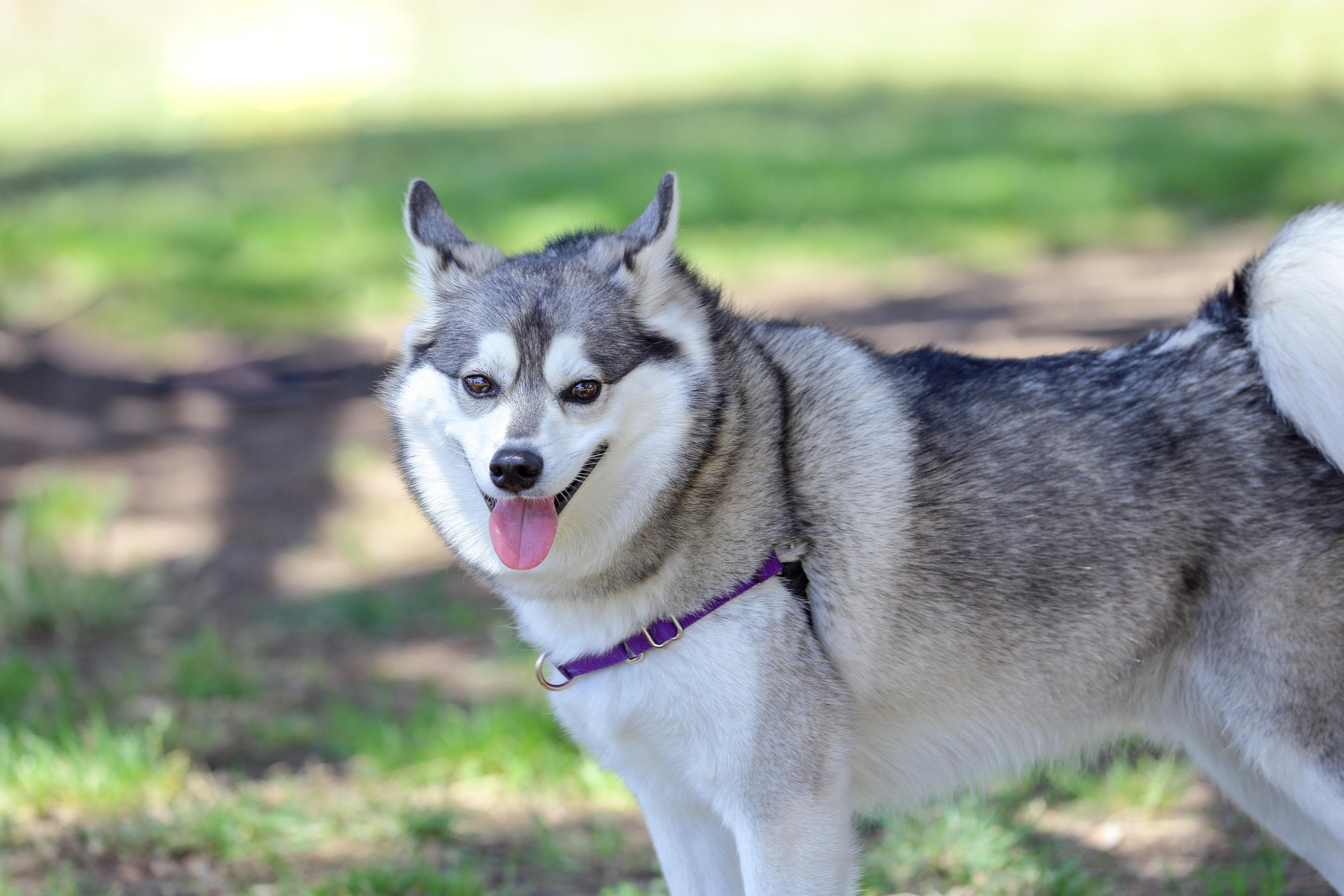
Want a small, alert dog that fits apartment life but still feels like a husky? Many owners worry if an Alaskan Klee Kai will bark too much, chase other pets, or need constant exercise.
This guide helps you decide if this rare, active dog fits your home.
One clear fact, the Alaskan Klee Kai usually stands 12 to 17 inches tall and lives about 13 to 16 years. I cover temperament, training tips like positive reinforcement and agility training, grooming for a heavy, double coat, health checks like factor VII deficiency and patellar luxation, and feeding with high quality dog food.
I also explain where to find alaskan klee kai puppies and how the Alaskan Klee Kai Association, the AKC Foundation Stock Service, and the United Kennel Club relate to the breed. Read on.
Key Takeaways
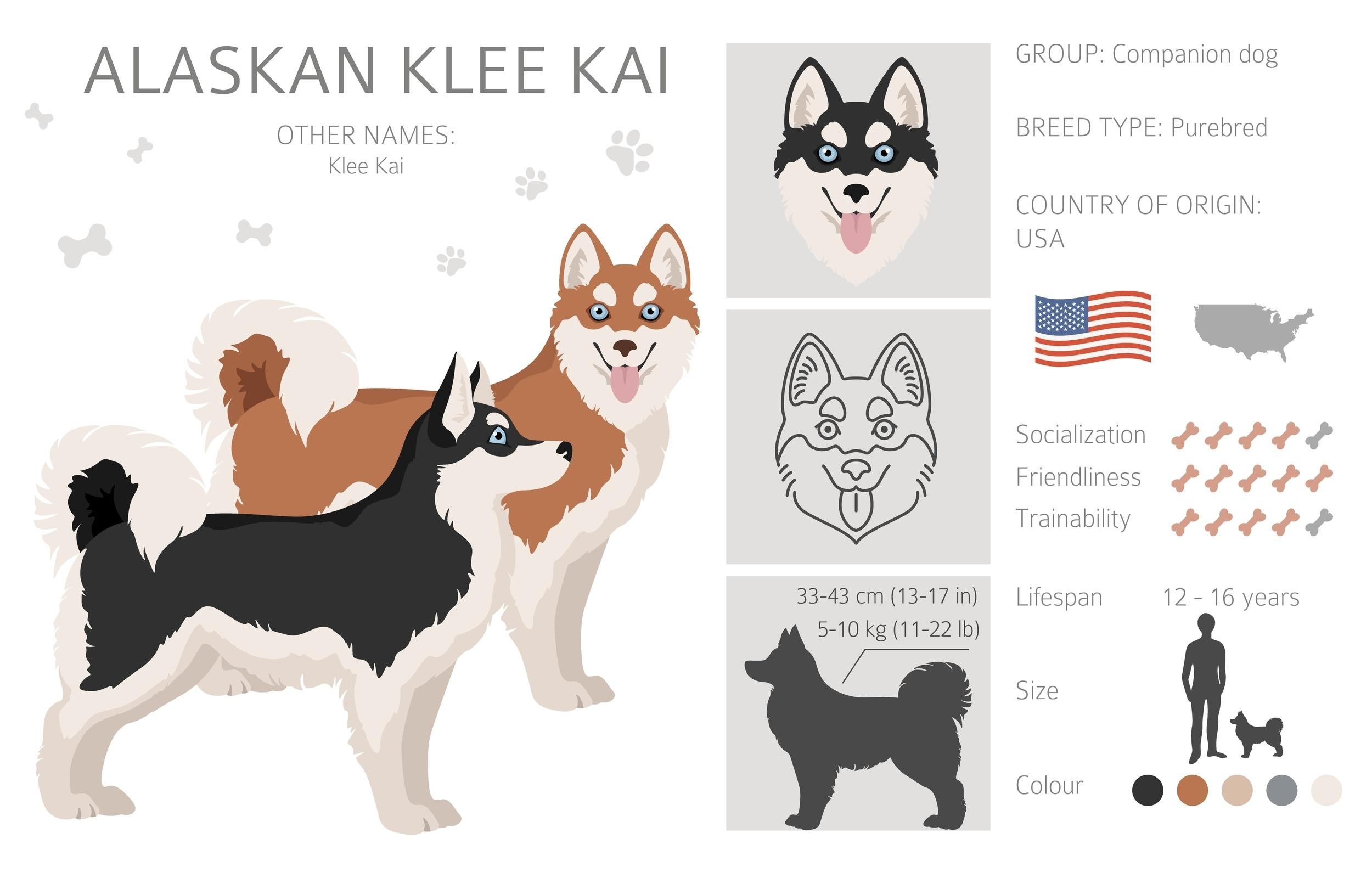
- Linda Spurlin created the Alaskan Klee Kai in Alaska in the 1970s; they stand 12 to 17 inches and live 13 to 16 years.
- American Rare Breed Association accepted a standard in 1995; UKC registered the Klee Kai in 1997 and AKC placed it in Foundation Stock.
- Owners should screen for patellar luxation, Factor VII deficiency, autoimmune thyroiditis, cardiac issues, and perform ophthalmology exams to reduce hereditary risk.
- The double coat sheds heavily with spring and fall blowouts; brush weekly, increase to daily during blows, and bathe only when dirty or every few months.
- They need 45–60 minutes daily, positive reinforcement training and early socialization, and cost $1,500–$3,000 from reputable breeders with health clearances.
History and Origin
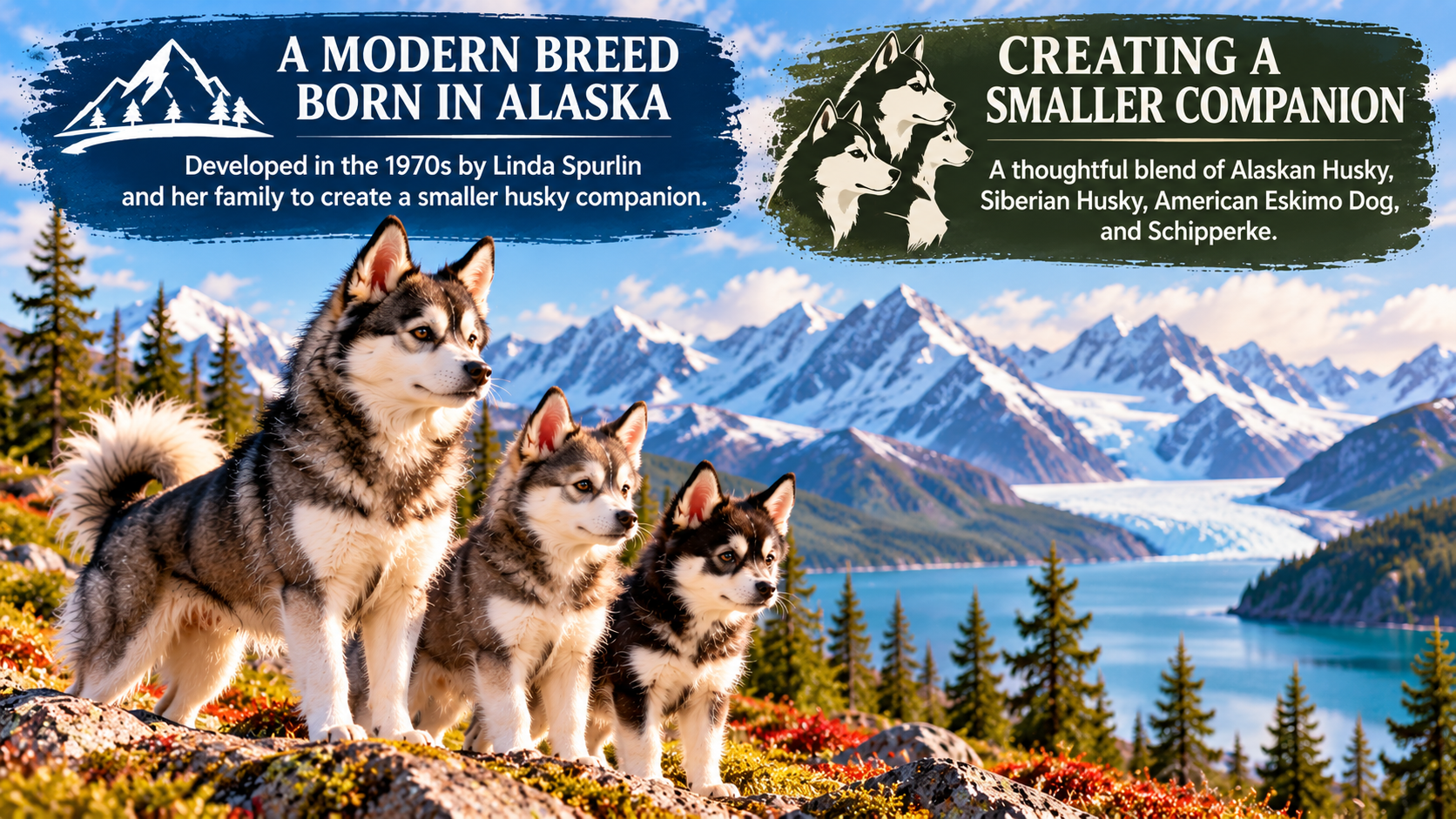
A Modern Breed Born in Alaska
The Alaskan Klee Kai is a young American breed developed by Linda Spurlin and her family in Alaska beginning in the early 1970s. Spurlin wanted to create a smaller companion that retained the distinctive appearance and athletic character of northern sled dogs.
Creating a Smaller Northern Companion
The breeding program combined Alaskan Husky and Siberian Husky ancestry with smaller breeds, including the American Eskimo Dog and Schipperke. These crosses helped reduce size while avoiding deliberate selection for dwarfism. Spurlin sought a healthy, compact dog with erect ears, a facial mask, double coat, and balanced northern build.
The goal was a smaller companion with the striking appearance of a northern sled dog.
From Family Project to New Breed
Spurlin carefully controlled the breeding program through 1988, selecting for size, structure, health, and temperament; after Linda Spurlin began selling Klee Kai puppies to the public in 1987, she broadened placement to other breeders and owners the following year. Originally called the Klee Ki, pronounced KLEE-ki, the name means “small dog” in an Eskimo dialect, and the breed was renamed the Alaskan Klee Kai in 1995 to emphasize its place of origin.
Establishing the Alaskan Klee Kai
As the breed expanded beyond Spurlin’s program, breeders organized to preserve its distinctive characteristics and pedigrees. The United Kennel Club formally recognized the Alaskan Klee Kai in 1997, helping establish it as a distinct breed rather than simply a miniature version of another northern dog.
Recognition and the Breed Today
The American Kennel Club accepted the Alaskan Klee Kai into its Foundation Stock Service in 2020, and the breed advanced to the AKC Miscellaneous Class in 2025 as it continues toward possible full recognition. Today, Alaskan Klee Kai stand 13–17 inches tall and weigh 5–22 pounds while retaining their compact northern appearance. A miniature alaskan klee kai falls within one of the breed’s smaller size ranges. A toy alaskan klee kai is the smallest variety. Unlike their sled-dog ancestors, they were developed primarily for companionship, making them a distinctly modern Alaskan breed with strong ties to northern working dogs.
Physical Characteristics
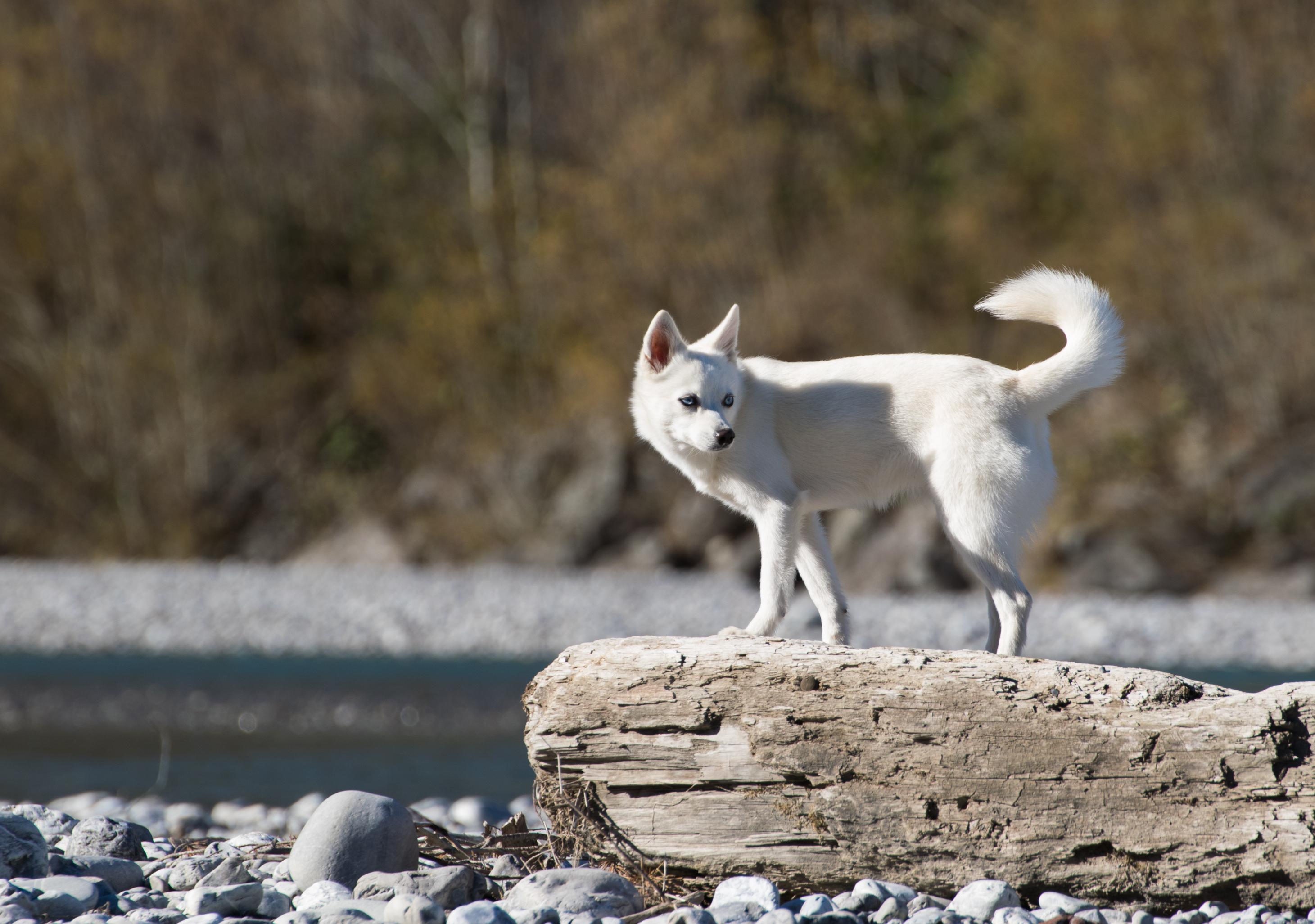
Alaskan klee kai dogs come in Toy, Miniature, and Standard sizes. Compact bodies show a wedge shaped head and alert ears. Coat is a double, medium length that gives a fluffy coat in black and white, gray and white, or red and white.
Eyes often appear as striking blue or dark brown, and they echo siberian huskies.
Small husky spirit, big personality.
Movement looks light and agile, with a clean, efficient gait. Breeders set standards for the standard alaskan klee kai, a mini husky look that mirrors other husky breeds. They rank as intelligent dogs and active dogs, not couch potatoes.
Lifespan ranges from 13 to 16 years in healthy dogs.
Body and Structure
These dogs stand 12 to 17 inches tall and weigh 6 to 25 pounds, based on size class. They sort into toy, miniature, and standard classes, with toy up to 13 inches, miniature 13 to 15 inches, and standard 15 to 17 inches.
A wedge-shaped head sits above a compact body that shows a well-balanced, smooth gait. Coat is double and medium in length, with natural dirt repellent qualities that help cut dog odor.
Breed standards demand weight that stays proportional to height and list faults at 17 to 17.5 inches. The type developed as a smaller version of alaskan huskies and often shows up as a miniature husky or mini huskies in casual talk.
People view alaskan klee kais as companion small dogs and a relatively new, recognized breed, and they check the American Kennel Club, breed standards, and a reputable breeder for an alaskan klee kai overview.
Their compact frame supports dog training and play, but owners should plan for mental stimulation since high energy dogs suit families who want smaller pets.
Face and Expression
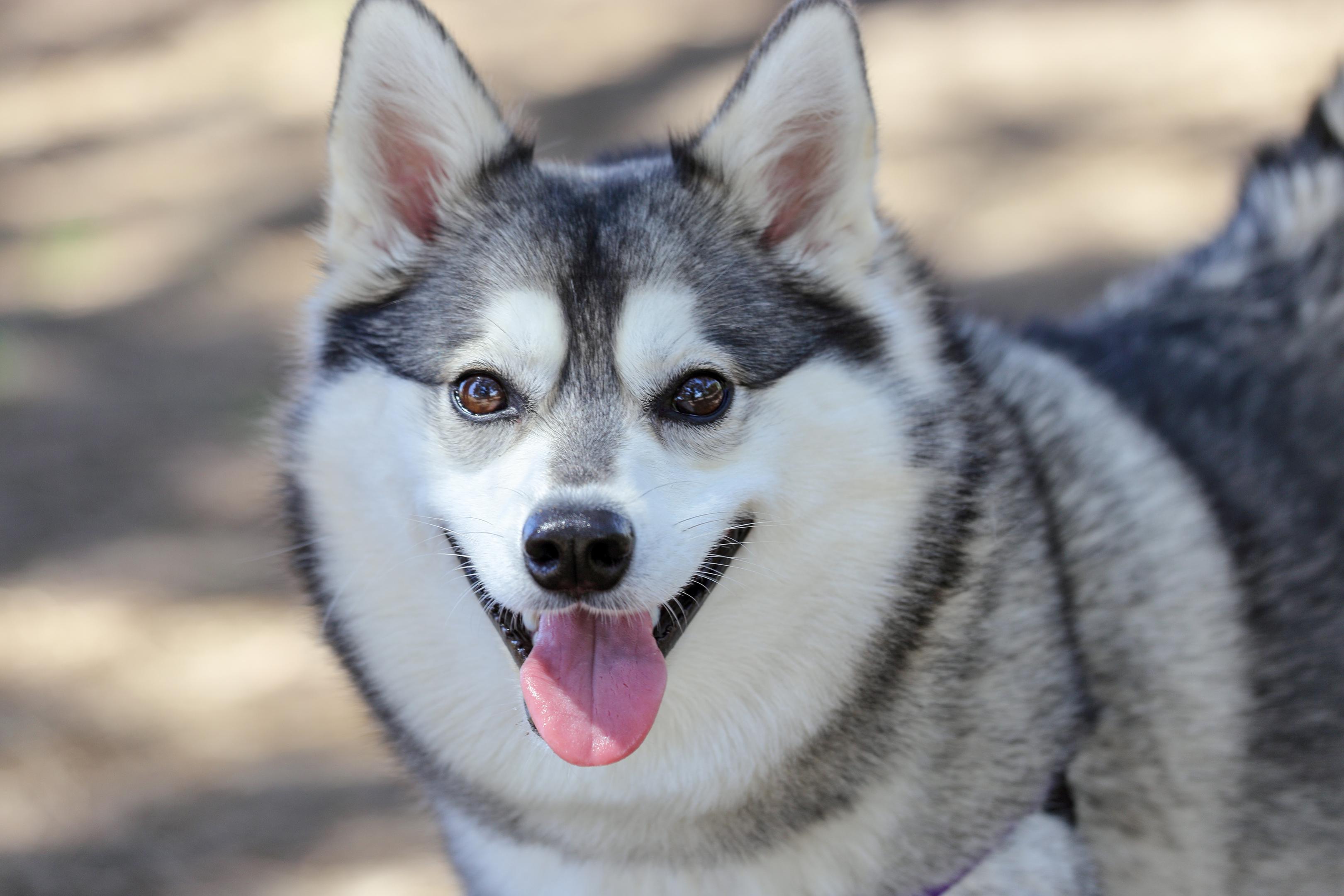
Distinctive, contrasting, symmetrical facial masks define the Alaskan Klee Kai. Show standards require a clear, distinct mask in black/white, gray/white, or red/white. The dog often shows striking blue eyes that echo Alaskan and Siberian huskies.
The face carries an alert and perceptive expression that reflects a cautious, reserved nature around unfamiliar people. The name Klee Kai comes from an Inuit term.
Owners note the breed vocalizes with howls, grumbles, yodels, purrs, and chirps to show mood. Many people think Klee Kai are excessive barkers like other breeds, but they use varied sounds more than constant barking.
They can watch other dogs warily and chase small pets, since some individuals show a high prey drive. Good Klee Kai care includes ear cleanings and fresh water to keep the face area and ears healthy.
Coat and Color
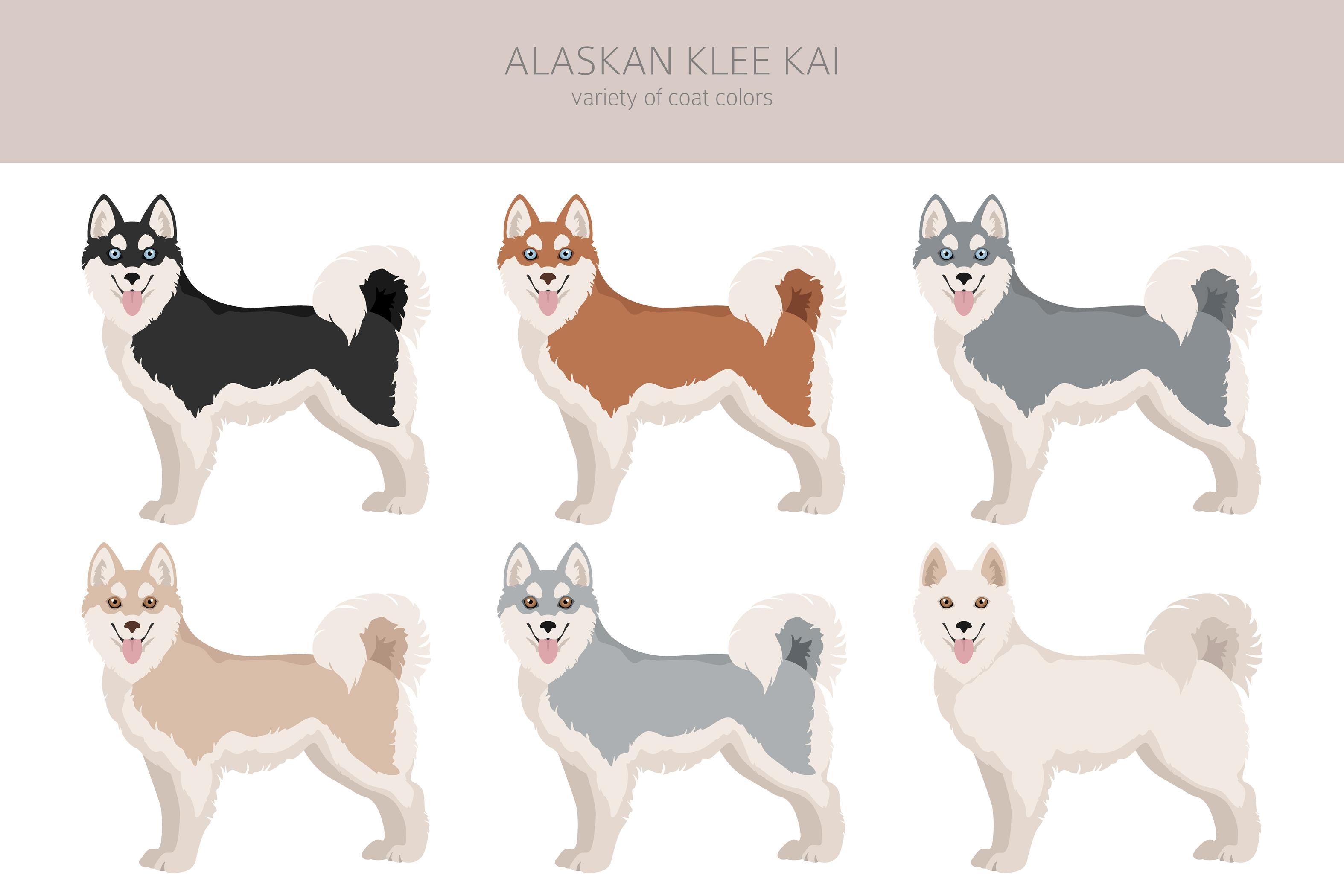
Alaskan Klee Kai care centers on grooming and color standards. Breeders allow only three show colors: black and white, gray and white, and red and white. Solid colors disqualify dogs from the show ring.
The coat has a double layer and medium length, and it naturally repels dirt, which lowers bath frequency. Show trimming rules permit clipping only on the feet, and other trims earn penalties.
Brush at least once a week, and aim for twice weekly to prevent matting. Shedding runs high, with major blowouts twice per year, in spring and fall. Use a slicker brush and a metal comb during heavy shed periods.
Feed a diet rich in omega-3 and omega-6 fatty acids for better coat health. Owners of this relatively new breed should watch for skin cuts that can cause excessive bleeding. Contact a vet for issues like a heart murmur.
Some owners even name their dogs after pop stars like Miley Cyrus.
Movement and Gait
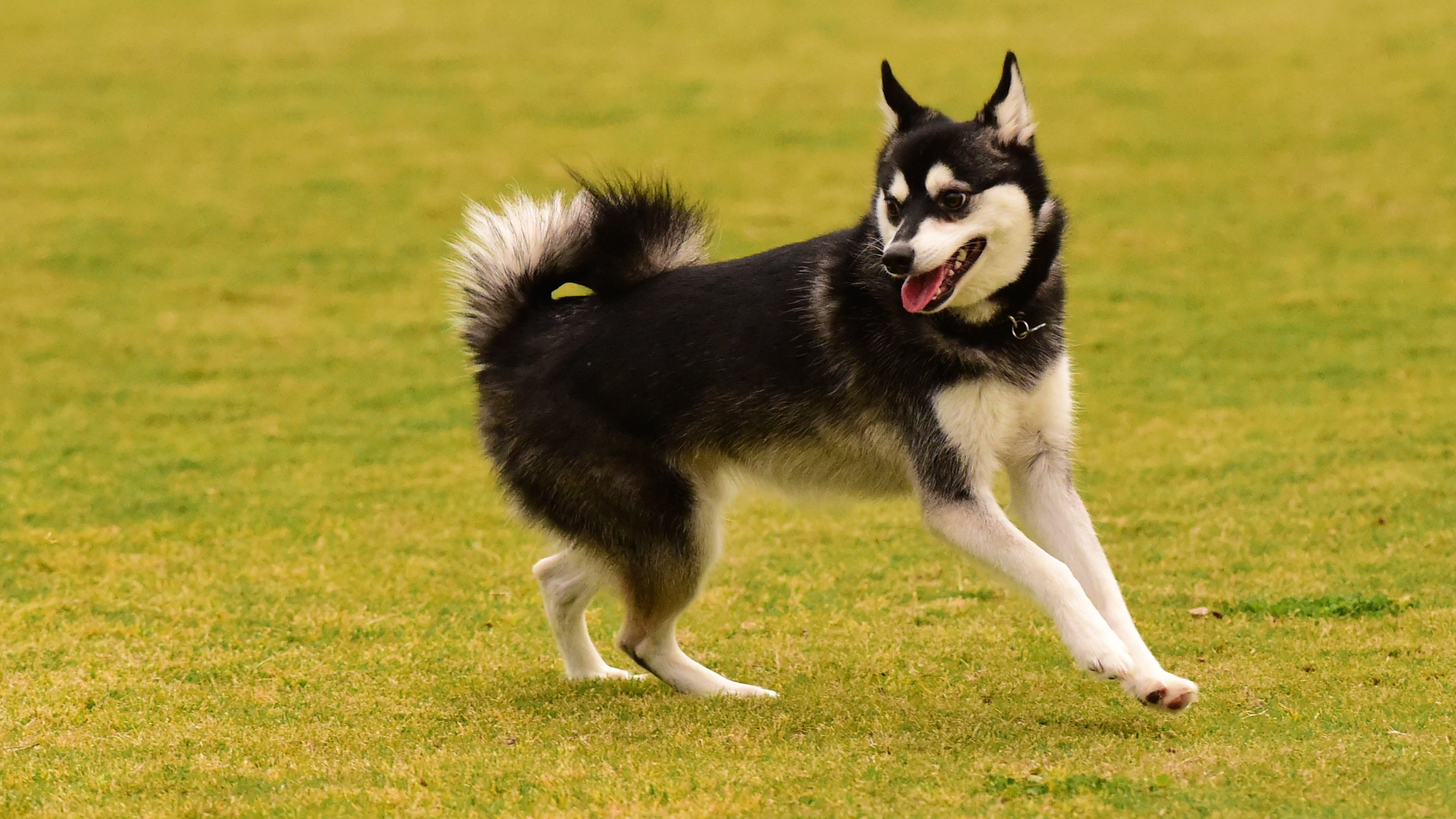
The Klee Kai shows a well-balanced structure and a smooth gait that the breed standard requires. Tall stride and quick footwork make it look fast and agile despite small size. Owners note high jumping ability in many dogs during play or on an obstacle course.
This movement reflects their energetic, perceptive nature and eagerness for physical and mental challenges.
Trainers use gait analysis and video analysis to track stride, balance, and joint motion. The breed enjoys learning new things and seeks both physical and mental challenges in performance dog sports.
Handlers find them quick to adapt and well suited to agility, obedience, and other competitions.
Temperament and Behavior
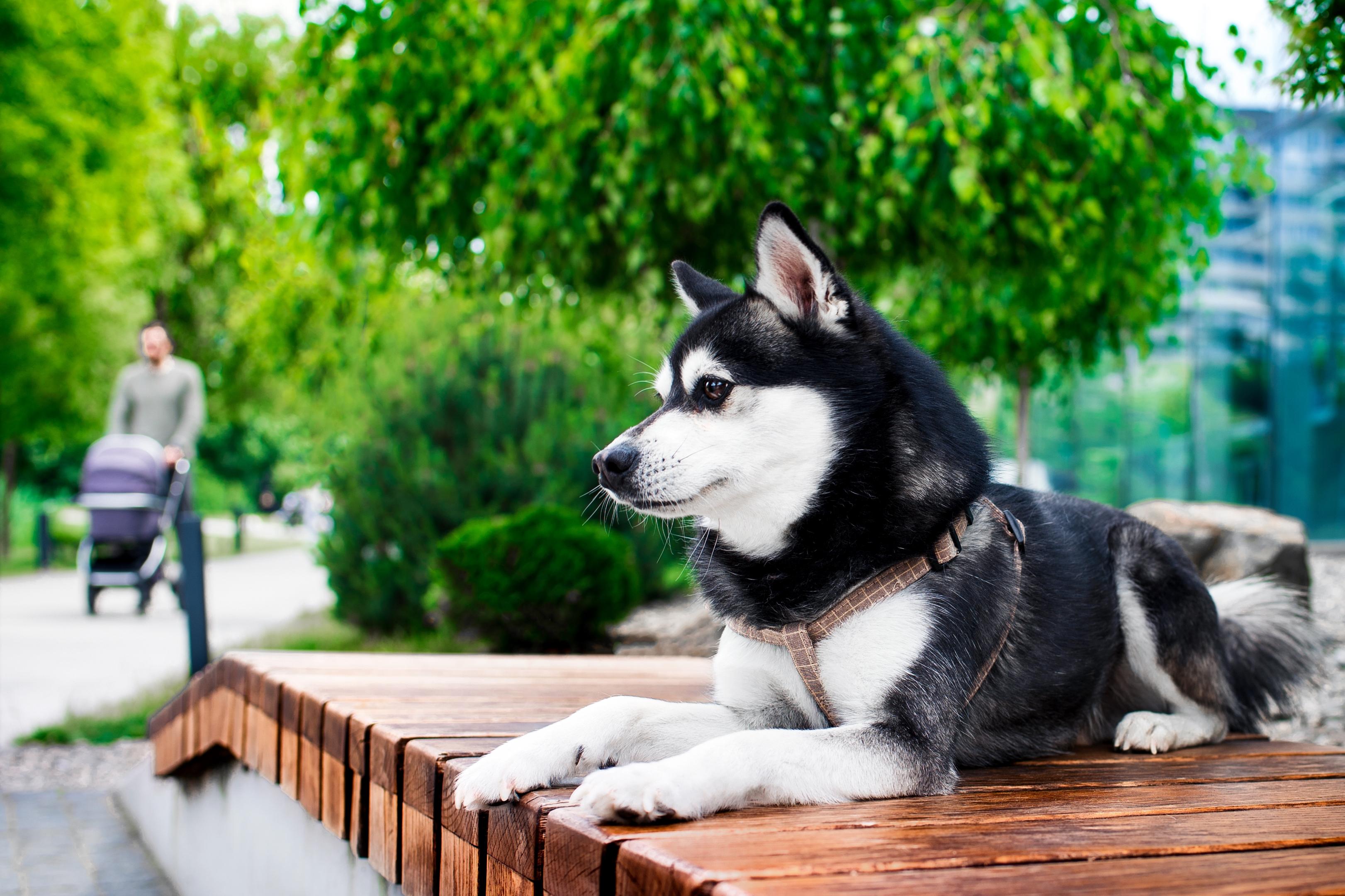
Alaskan Klee Kai puppies and adults stay energetic, alert, and very smart. They often act reserved and wary of strangers, which fuels a strong watchdog instinct. They form strong family bonds and stay affectionate despite an independent streak.
Many enjoy outdoor activities, yet they also relax inside with their people, and their high prey drive means you must use a leash or a secure outdoor area to keep them safe.
Sensitive temperaments respond best to gentle, positive reinforcement and reward-based training. Training clicker use, interactive toys, and short daily mental games cut down on sneaky, destructive habits.
Curiosity and cleverness drive independence, so add clear rules and steady leadership. Supervision around small pets and wildlife helps prevent chasing and keeps your dog safe.
Health Considerations
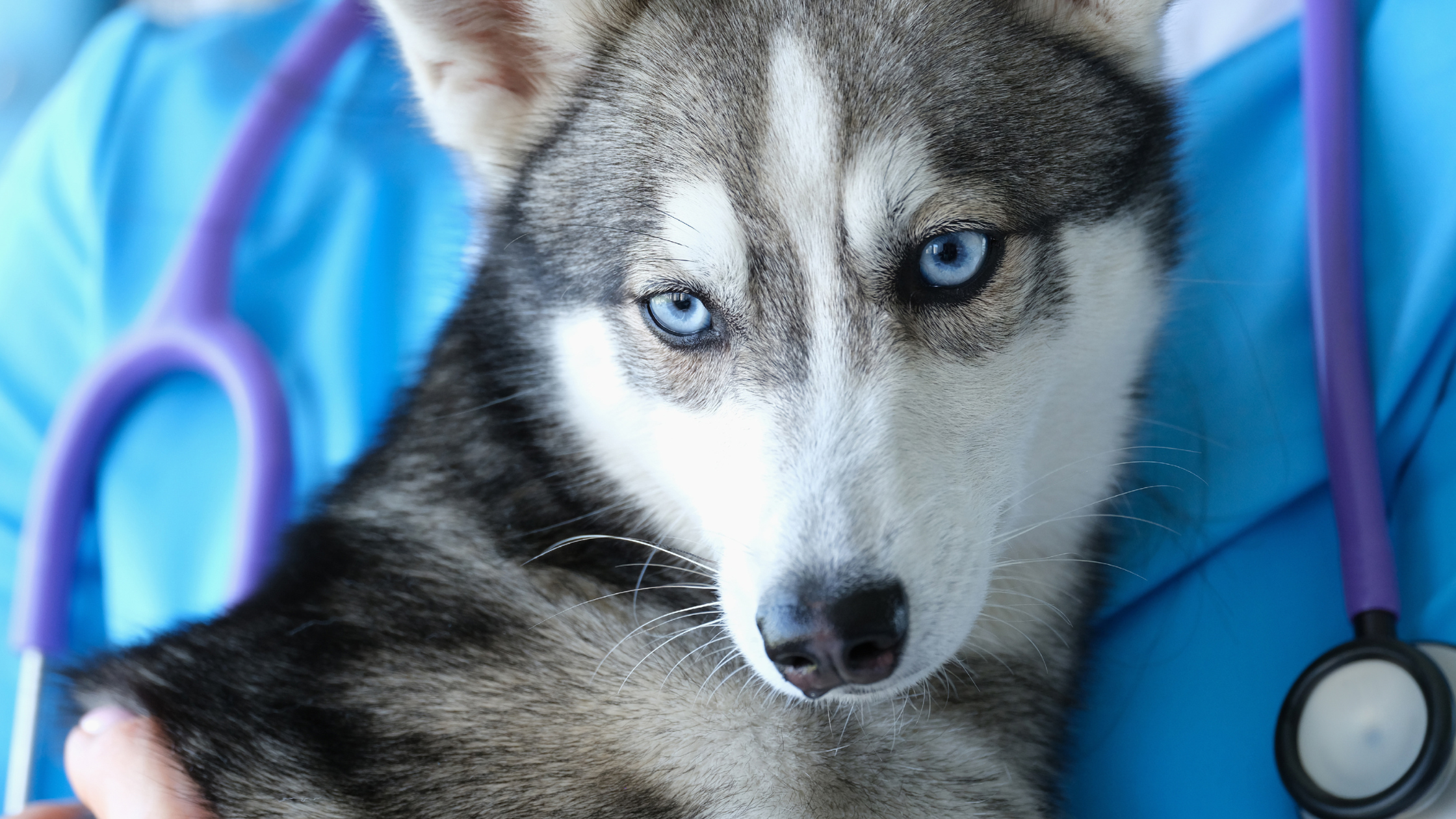
Klee Kai dogs shed heavily because they have a double coat. Owners should brush at least once a week and use a brush and rake during heavy shedding. Responsible breeders screen for patellar luxation, autoimmune thyroiditis, and heart murmurs.
Ask for health screenings that include patella exams, cardiac checks, and thyroid function tests.
This breed can be prone to juvenile cataracts, liver disease, and thyroid issues. Schedule an eye exam and a cardiac ultrasound, and run a thyroid panel if breeders flag concerns. Feed a high quality, age appropriate diet to prevent excessive weight gain.
Provide daily exercise and mental puzzles to keep them fit and calm.
Common Concerns
Alaskan Klee Kai need early health checks to live well. Use screening and vet care to spot joint, thyroid, cardiac, ocular, and clotting issues early.
- Check patella early, ask breeders for patella clearances and schedule orthopedic exams to detect luxation; the national breed club recommends patella evaluation.
- Test thyroid function, run T4 and antibody panels to catch autoimmune thyroiditis, and follow the breed club’s thyroid evaluation advice.
- Schedule cardiac checks, get auscultation and cardiology consults to detect murmurs or structural disease; the national club lists cardiac evaluation as essential.
- Book an ophthalmology exam to screen for juvenile cataracts and other ocular disorders, and ask for an ophthalmologist certificate before adoption.
- Order a Factor VII DNA test, require screening for the clotting defect, and avoid breeding carriers to reduce disease spread.
- Plan regular wellness visits, monitor liver enzymes for rare liver disease, and note the breed is generally healthy though genetic prevalence remains unclear due to recent development.
- Control calories closely, weigh your canine frequently, follow feeding guidelines, and increase activity to avoid weight gain that can worsen heart and joint issues.
- Budget for adoption costs, expect $1,500 to $3,000 from reputable breeders who provide health clearances for patella, cardiac, ophthalmology, thyroid, and Factor VII testing.
Lifespan
The typical Klee Kai lives 13 to 16 years, and some sources cite an average of 15 to 17 years.
Good health management, a healthy diet, appropriate exercise, and regular veterinary care help dogs reach those ages.
The breed usually enjoys good health with preventive care, and early health screening plus routine checkups can catch hereditary issues and boost life expectancy.
Training Considerations
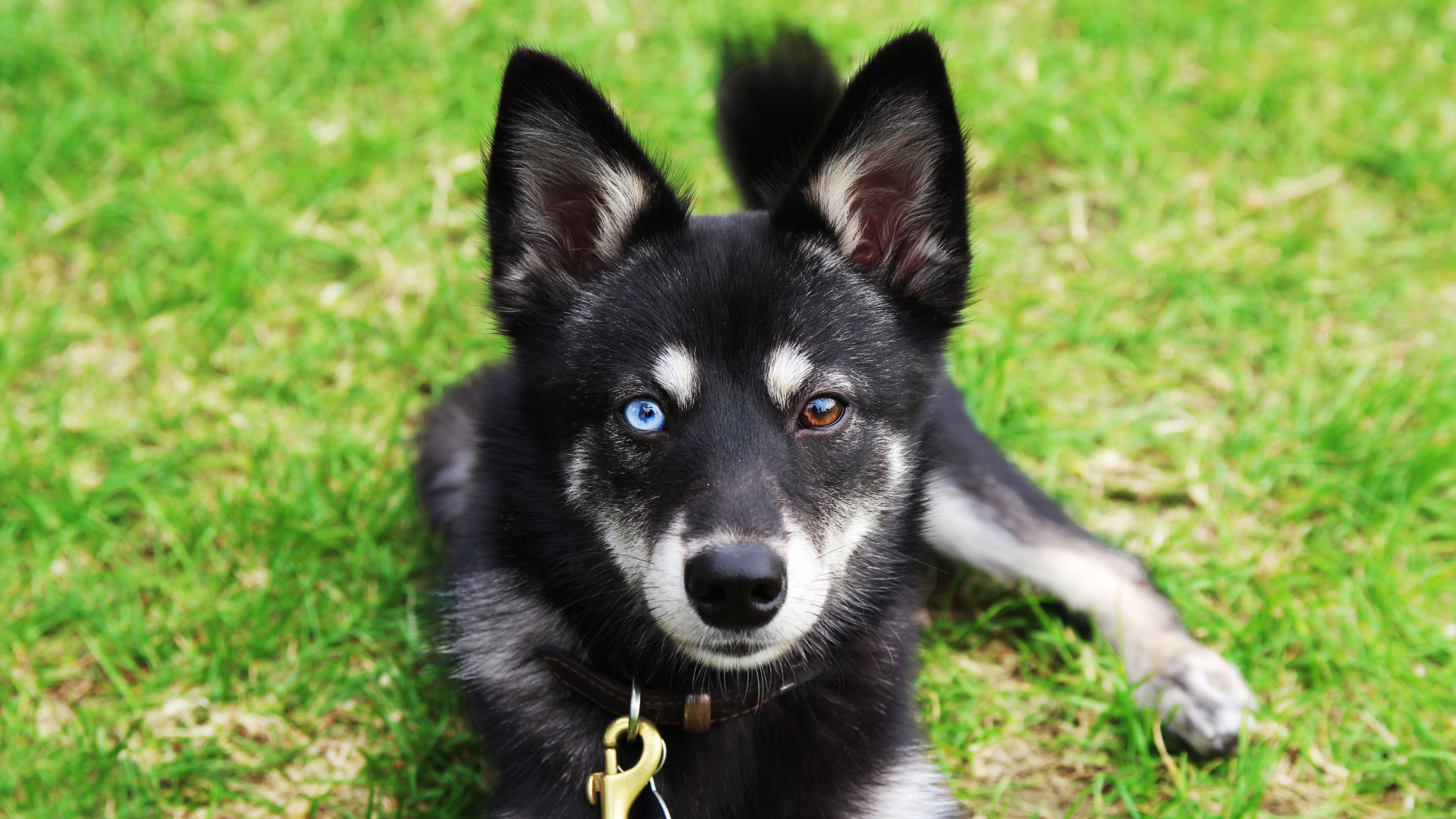
Alaskan Klee Kai are smart and eager to learn. They can be self-willed or stubborn at times. Early socialization and positive reinforcement training are essential. Use gentle, consistent methods, since harsh correction upsets them.
A marker device and food rewards speed learning in short, frequent sessions. Introduce leash, harness, and crate early to reduce fearfulness. Regular exposure to different places and people reduces shyness.
Training should include basic obedience and impulse control to manage a high prey drive. Offer regular physical and mental challenges to keep this breed happy. Set up short agility runs, rally drills, scent work games, or weight pull practice.
Put interactive toys and puzzle feeders into the daily routine to build focus. They excel in agility, obedience, rally, scent work, weight pull, dock diving, carting, therapy, and emotional support roles.
Keep praise calm and treats ready to reward correct choices. Engaging playtime activities boost learning and bond owner and dog.
Exercise and Socialization
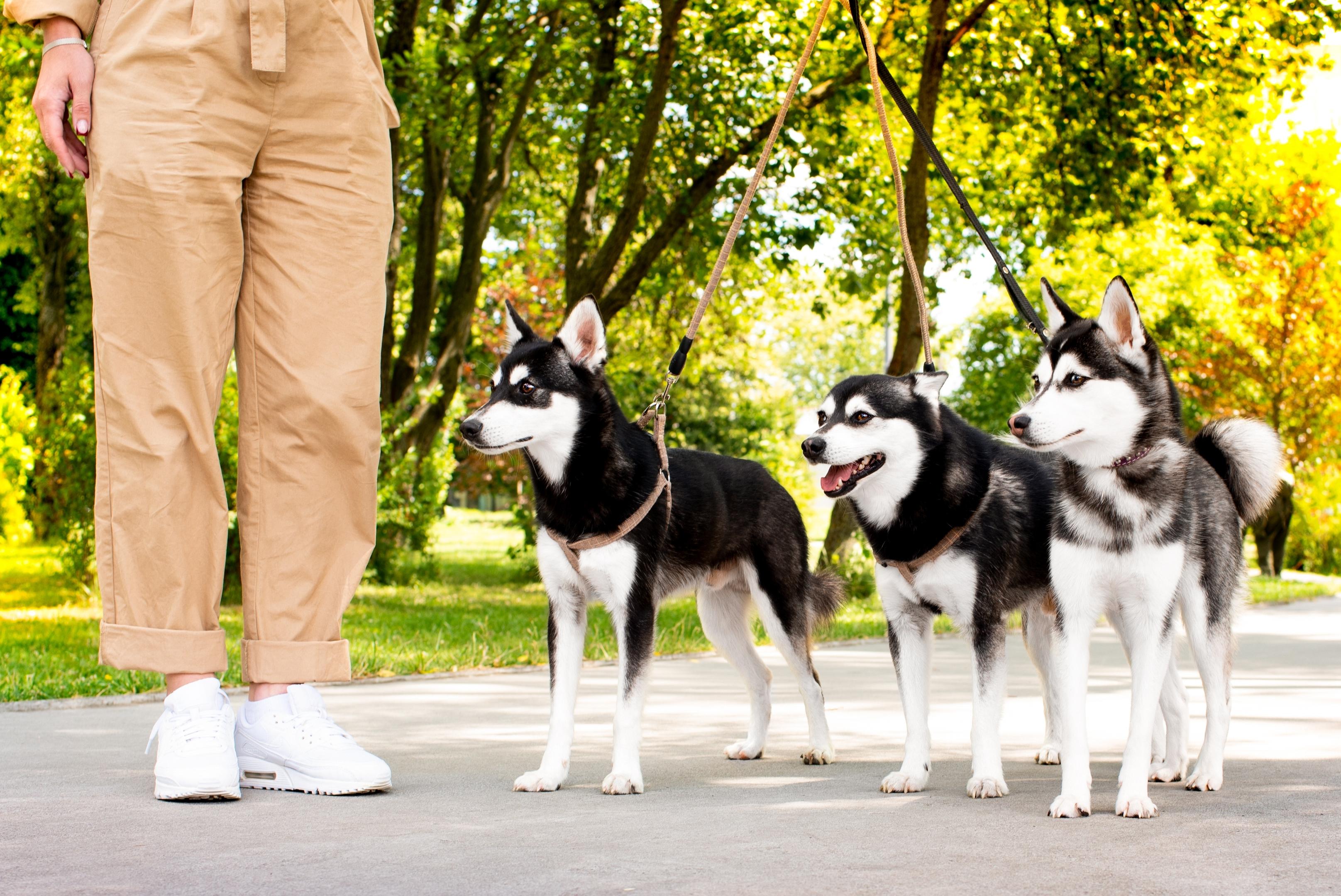
Klee Kais need daily exercise and social time. They require mental work to avoid boredom and destructive behavior.
- Plan at least 45-60 minutes of activity daily; split into two walks of 20-30 minutes and a play session, and use a leash or harness on busy routes.
- Add short mental workouts using a training clicker and treat-dispensing toys for 10-15 minutes, two to three times daily, to curb boredom and destructive behaviors.
- Include higher-energy outings like camping, hiking, climbing, swimming, boating, kayaking, and paddleboarding on weekends to burn energy and build your bond, and pack a life vest plus sturdy harness.
- Start early socialization with puppy classes, neighborhood walks, and supervised meetings with strangers and other dogs to build confidence and reduce fear responses.
- Secure a fenced yard or use a long line for off-leash play because high prey drive can make them bolt after small animals; avoid relying on an unfenced area.
- Assess your schedule honestly; this breed is not suitable for owners who cannot dedicate daily time for exercise and interaction. They can adapt to urban or sedentary lifestyles with sufficient walks and fetch.
- Match play intensity to current energy with fetch, agility drills, short swims, or paddle sports; playfulness may range from occasional to very active, so rotate activities.
- Use positive reinforcement tools like a harness, training clicker, crate for calm breaks, and interactive toys; keep sessions short and frequent to aid training and social skills.
Living with an Alaskan Klee Kai
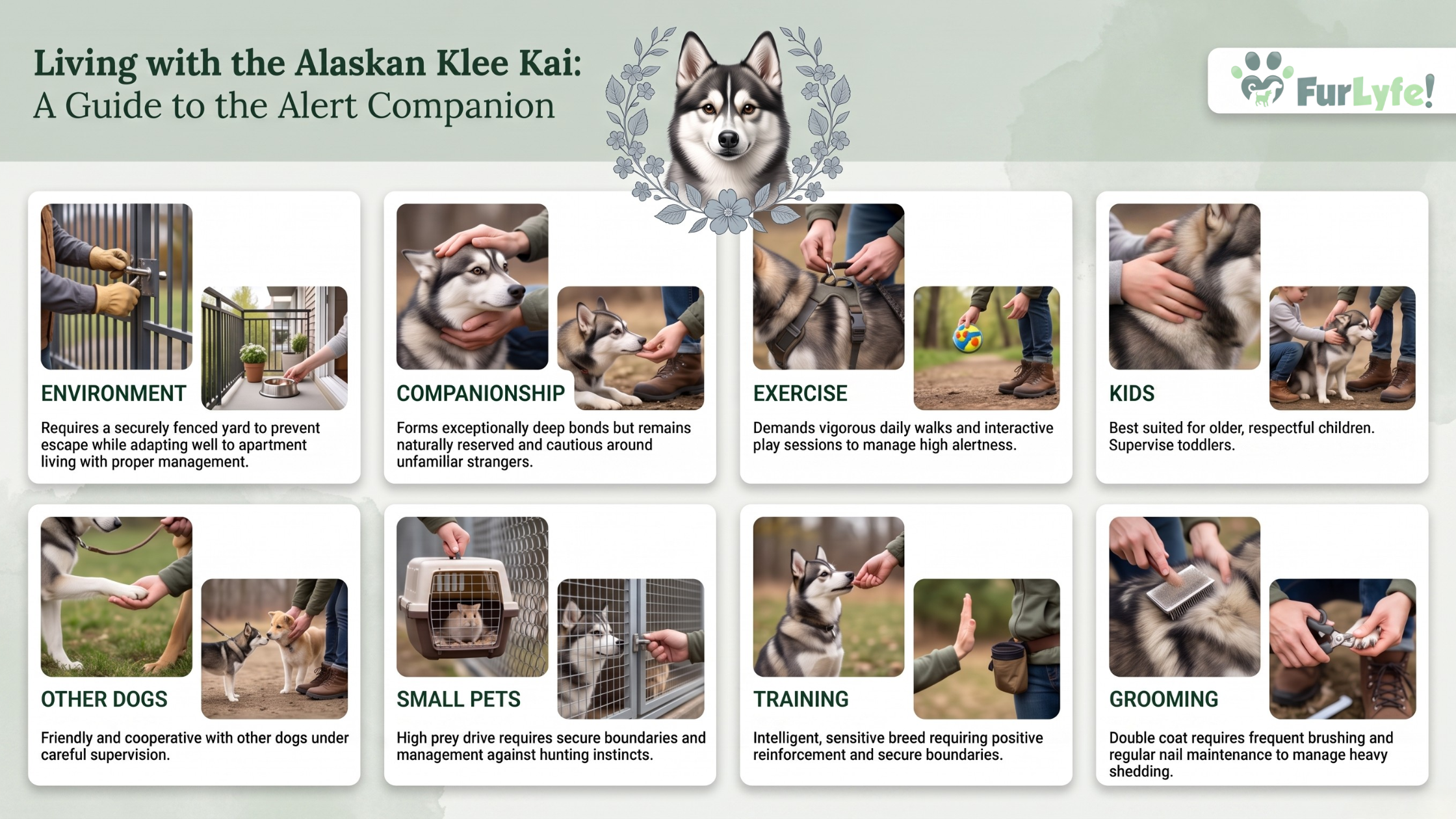
Expect an energetic and alert companion that needs daily exercise and mental stimulation. Developed in the 1970s, breeders mixed Alaskan Huskies with American Eskimo Dogs to create this small, smart type.
They have a double-coated, medium-length coat that sheds significantly and needs monthly grooming. Keep outdoor areas secure, the high prey drive makes open yards risky without proper containment.
Owners should plan early socialization and use positive reinforcement training because the breed stays sensitive. Use a leash, a crate, a training tool such as a clicker, and an obedience class to build good habits.
Supervise all interactions with young children and other dogs, the dog can be reserved around strangers. Visit your veterinarian for regular checks and microchip and containment advice.
Best Environment
A secure, fenced yard fits an Alaskan Klee Kai best. They prefer homes with outdoor space and room to run. They enjoy active outings and quiet indoor time with owners.
Apartment life can work if owners give daily exercise and mental stimulation. Use a leash or harness on walks. Owners should not leave them outside unattended or overnight. These dogs need regular companionship and suffer if isolated for long periods.
Behavior towards Children
The breed’s tolerance with kids scores a 3, which indicates moderate patience. It also scores a 3 for affection with family members. Breeders and vets do not recommend this dog as the main choice for families with infants and toddlers.
Owners must supervise all child interactions to prevent mishaps. Dogs need supervision around young children, no matter the breed.
Early exposure and training help build positive child-dog relationships. Socialization and positive reinforcement work well for shy or independent dogs. Use a leash, a training device, and a safe resting spot during lessons.
Enroll in puppy class or hire a certified behaviorist for guidance. Klee Kais can form strong bonds with older, respectful kids, but adaptation depends on each dog’s temperament and socialization.
Behavior towards other Pets
Early socialization helps Alaskan Klee Kai accept other dogs. Gradual, supervised introductions work best and should use a leash, a rest area, and a sound marker.
High prey drive makes many Klee Kai prone to chase cats, chickens, and small livestock. Do not leave them unsupervised with smaller pets, and plan slow, steady meetups for safe integration.
Teach leave and ignore commands and use positive reinforcement. Some individuals can live harmoniously with cats and small animals if owners raise and train them together.
Grooming Needs
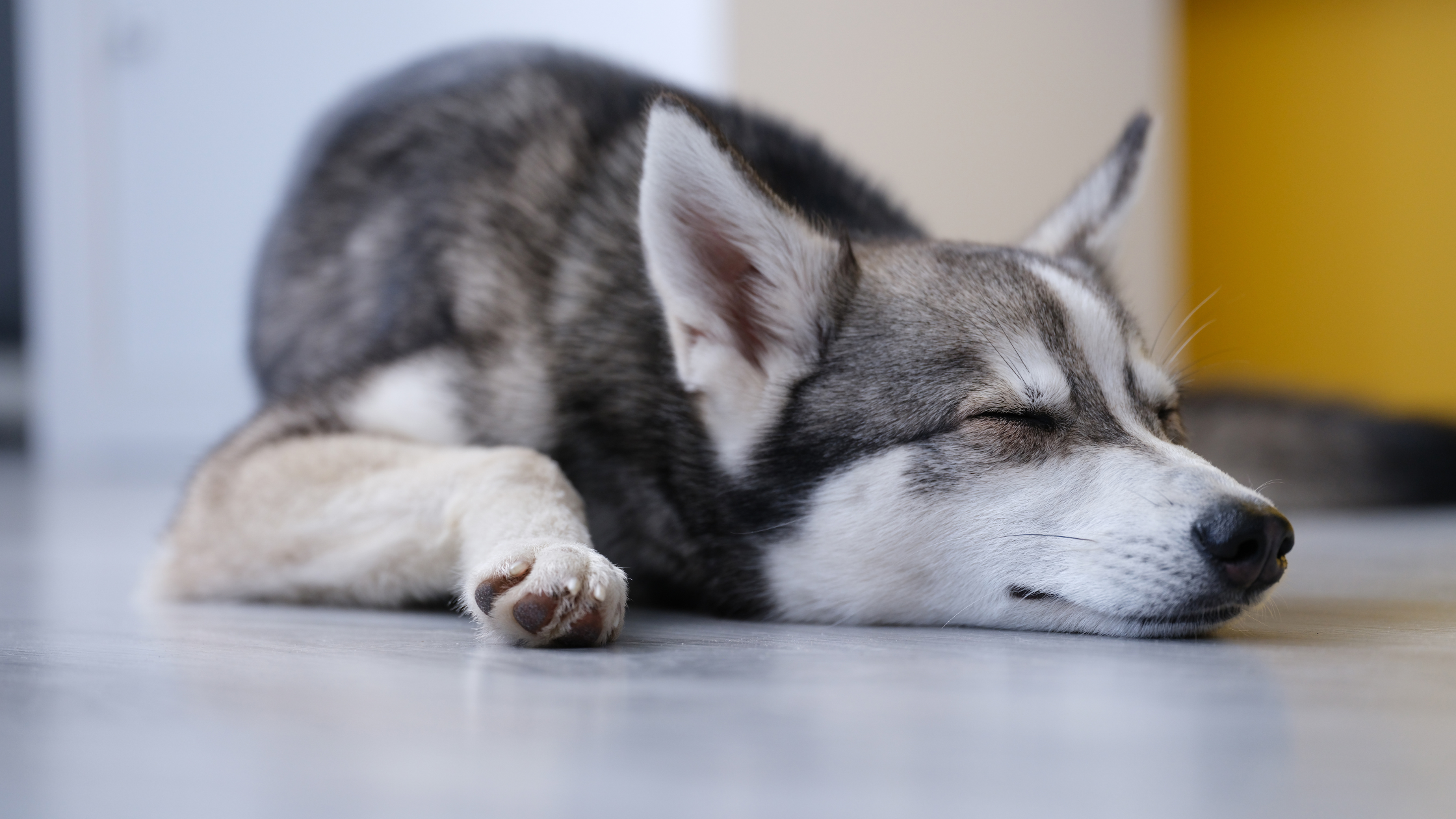
Grooming keeps an Alaskan Klee Kai healthy and comfortable. The coat sheds heavily during two major blowouts, in spring and fall.
- Use a high-quality slicker brush at least twice a week to remove loose hair, prevent mats, and cut down indoor hair. Outside blowout seasons the coat is low-shedding, so offer small treats and soft praise during short sessions.
- Limit baths to every few months or when the dog is visibly dirty to maintain natural coat oils and skin barrier. Use a mild dog cleanser and rinse well to avoid stripping essential oils.
- Expect heavy shedding during the two major blowout periods, spring and fall, and plan daily brushing then. Use a lint roller or deshedding tool to catch loose undercoat during peak weeks.
- Trim nails regularly with quality nail trimmers to prevent discomfort or injury, aim for every 3 to 4 weeks based on activity level. Ask a vet or professional groomer for help if you hit the quick.
- Follow show grooming rules, which allow trimming only in the foot area; other trimming is penalized. Keep the rest of the coat natural for conformation entries and breed standards.
- Feed a diet rich in omega-3 and omega-6 fatty acids to support skin and coat health; add fish oil supplements or vet-formulated kibble as needed. Track coat shine and skin condition at routine exams.
- Make grooming a short, positive routine to strengthen the dog-owner bond; pair the slicker brush with rewards and quiet praise. Train simple handling skills to ease vet visits and grooming appointments.
Nutrition and Feeding

Feed the Klee Kai premium commercial diets or a home-prepared plan approved by your veterinarian. Ease puppies into new food using boiled chicken, steamed rice, and light broth for their initial three days.
- Offer boiled chicken with steamed rice and mild broth for the first 72 hours after adoption; give small meals and watch stool changes.
- Feed a raw diet twice daily, include canned sardines three times per week, and add Zinpro zinc supplement from Boreal as your vet prescribes.
- Make roughage one fifth of daily calories, using green beans and cooked sweet potatoes; add a daily scoop of canned pumpkin to aid digestion.
- Offer dry kibble for grazing, and pick Health Extension or Victor Purpose as reliable brands; limit free access to prevent weight gain.
- Give treats sparingly and follow strict store-bought safety rules; never give rawhide chews or cooked bones to avoid choking or splinters.
- Plan any home-cooked menu with your veterinarian and use a digital kitchen scale plus an air-tight food container for portion control and freshness.
- Measure servings with a kitchen scale or measuring cup, serve from a stable bowl, and split daily food into two meals to steady energy and weight.
- Store raw and cooked items separately, refrigerate raw meals, toss leftovers after two hours at room temperature, and rotate stock in sealed containers.
Where to find an Alaskan Klee Kai
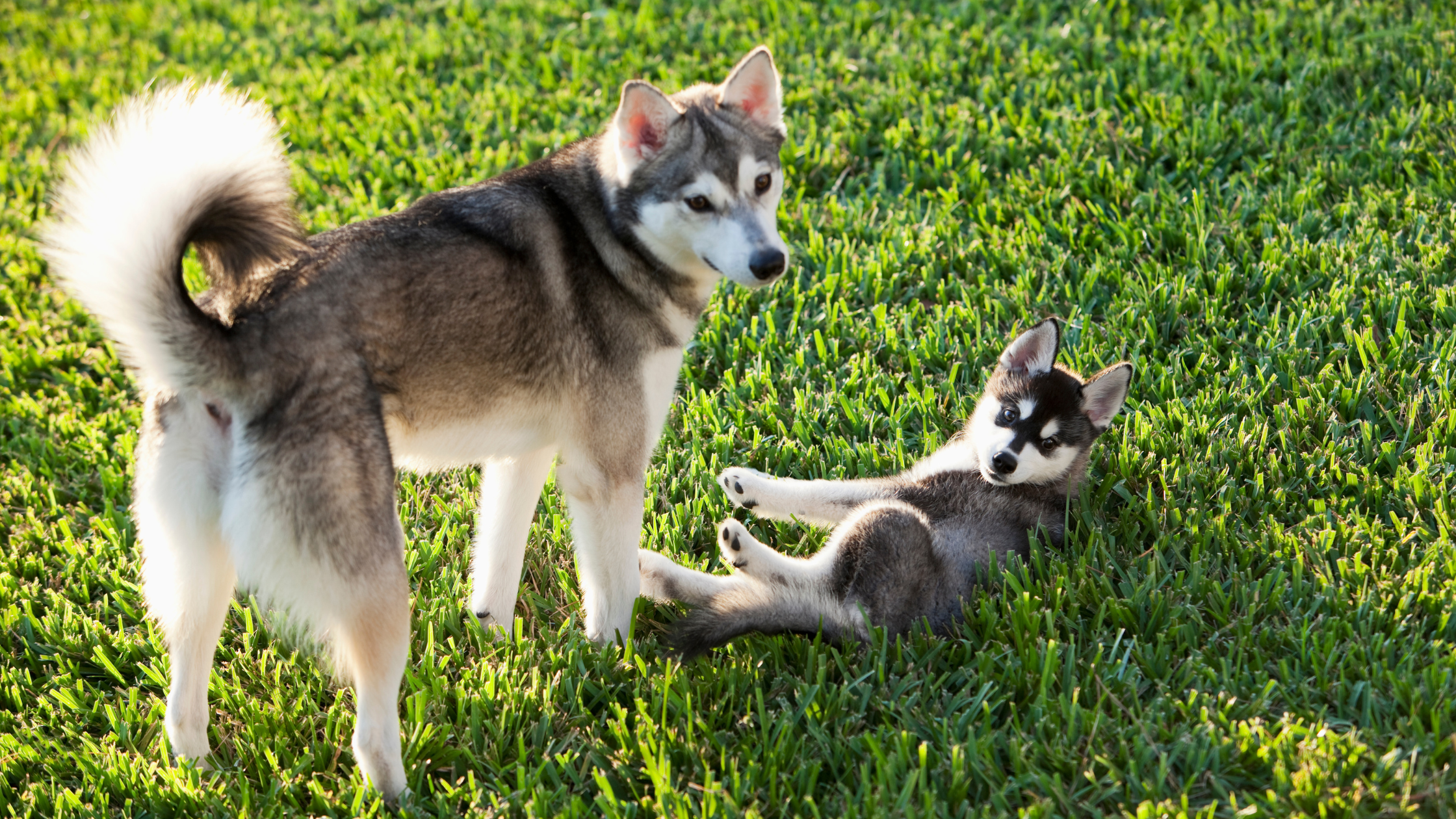
Research and adopt from UKC-registered breeders only for authenticity and a health guarantee. The United Kennel Club, the legitimate registry for Alaskan Klee Kai, backs UKC registration.
UKC registration shows ethical breeding and often includes written health guarantees. Expect reputable adoption fees of $1,500 to $3,000 and ask for proof of screening for known breed health issues.
Visit the Alaskan Klee Kai Club of America website for data on health, variety, and color. The AKKAOA also encourages owner registration to support full AKC recognition. Check AKC Marketplace listings, which note only 100 percent AKC dogs from registered litters.
Ask breeders for registration papers, health clearances, and a written contract before you pay.
Similar Dog Breeds
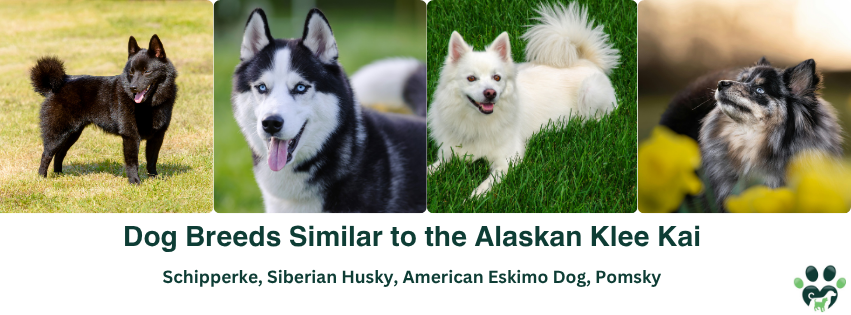
Below are dog breeds similar to the Alaskan Klee Kai
| Breed | Similarities | Differences | Best fit for owners who… |
|---|---|---|---|
| Schipperke | Small, alert, intelligent breed with a lively personality and foxlike expression. | Smaller, with different coat characteristics and no northern sled-dog heritage. | Want a compact, energetic companion with strong watchdog instincts. |
| Siberian Husky | Shares northern appearance, distinctive markings, high energy, intelligence, and a thick double coat. | Considerably larger, with greater endurance and a strong heritage as a working sled dog. | Enjoy extensive outdoor activity and can meet substantial exercise needs. |
| American Eskimo Dog | Intelligent, trainable spitz with a plush double coat, alert expression, and sociable temperament. | Typically fluffier, predominantly white, and available in several recognized size varieties. | Want a friendly, trainable spitz that thrives on family interaction and activities. |
| Pomsky | Often shares the Klee Kai’s compact, Husky-like appearance, northern markings, and energetic personality. | A Siberian Husky-Pomeranian cross with less predictable size, appearance, and temperament. | Are comfortable with greater variation in the traits of an individual dog. |
Conclusion
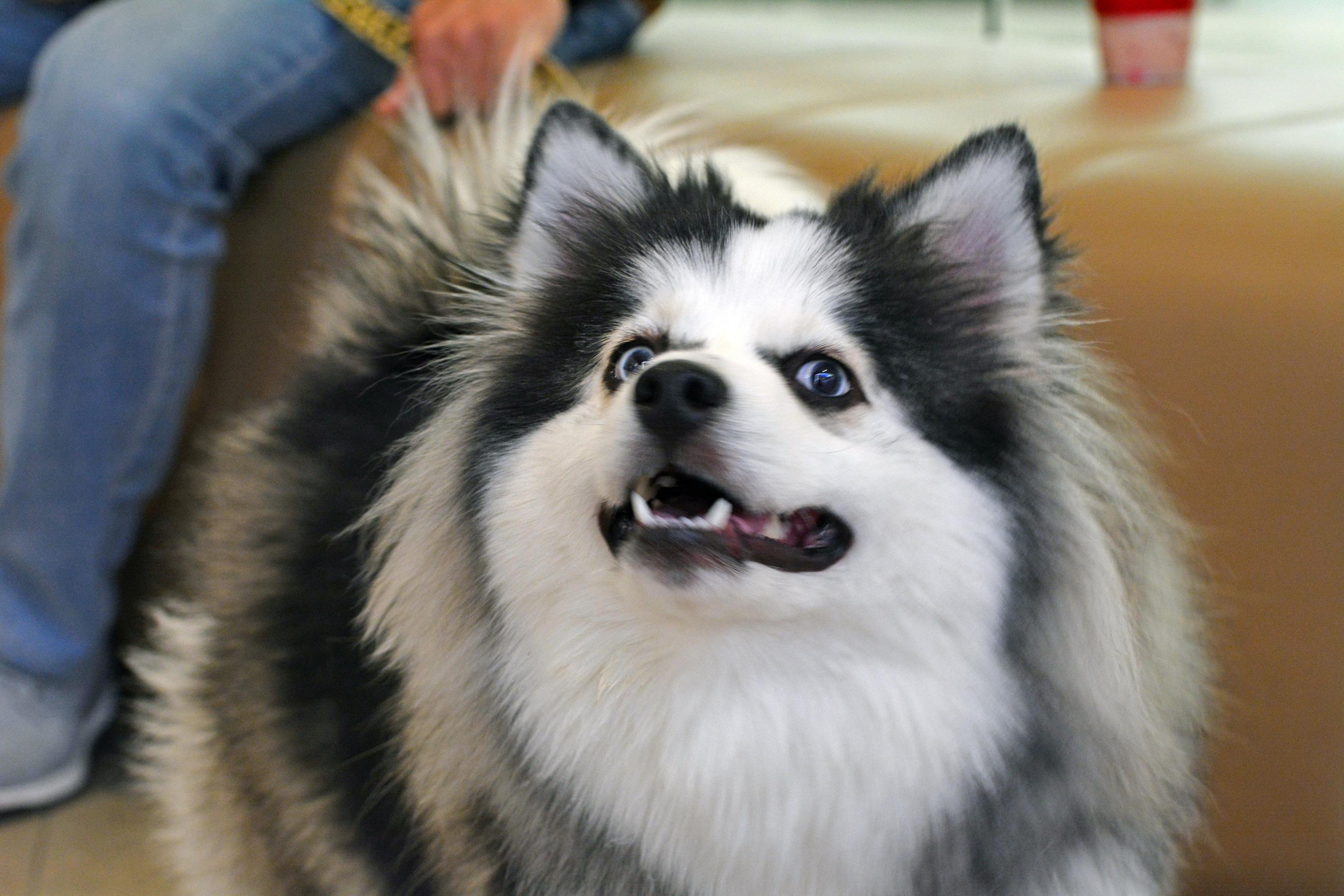
This guide covers temperament, care, history, training, and grooming. You can use simple tools like a grooming tool, leash, and training tool to streamline care. Conclusion, use American Kennel Club resources and the Foundation Stock Service to vet breeders.
Good care means daily exercise, mental work, and regular grooming to manage heavy shedding. Check health with a veterinarian, watch for common issues, and plan for a lifespan of 13 to 16 years.
Take action now, meet local clubs, join training classes, and enjoy loyal company.
FAQs
1. What is the Alaskan Klee Kai temperament?
The Alaskan Klee Kai stays alert, curious, and loyal. This small companion dog can be shy with strangers, so early socialization helps. The breed is not a wolf hybrid, it behaves like a focused, intelligent pet.
2. How do I care for an Alaskan Klee Kai?
Give daily exercise, such as 30 to 60 minutes of walks and play. Brush the coat weekly and more during heavy shed. Use steady, positive training and start socialization early. Schedule regular checkups with an animal doctor.
3. What is the breed history and what health issues should I watch for?
Breeders developed the Alaskan Klee Kai in the 1970s and 1980s from smaller northern sled dogs to make a companion-size dog. Expect a lifespan near 12 to 16 years. Watch for patellar luxation, heart and eye conditions, and keep health screens current through a breed registry or club.
4. Is an Alaskan Klee Kai a good fit for apartments and families?
Yes, the breed fits apartment life with enough exercise and mental work. Supervise small children and teach gentle play, especially at first. Use consistent training, problem-solve barking early, and provide daily social contact to prevent stress.
References
- https://akkaob.org/breed-history-2/
- https://www.akc.org/dog-breeds/alaskan-klee-kai/
- https://www.thesprucepets.com/alaskan-klee-kai-breed-profile-4177500
- https://www.petmd.com/dog/breeds/alaskan-klee-kai (2023-08-28)
- https://butternutbox.com/en-gb/blog/breeds/alaskan-klee-kai?srsltid=AfmBOoqYkd3cXmYyxSb6kbIXybu6M7UrVtDpZStHJyGvA-_a1fO1Sj9m (2023-08-10)
- https://www.crosspawlife.com/post/how-to-take-care-of-an-alaskan-klee-kai-the-ultimate-guide
- https://www.dialavet.com/blog/alaskan-klee-kai-dog-breed-characteristics-care
- https://www.facebook.com/groups/153769554669357/posts/7126785967367646/
- https://www.crosspawlife.com/post/my-journey-with-grooming-alaskan-klee-kai-debunking-shedding-myths (2024-05-28)
- https://showsightmagazine.com/alaskan-klee-kai/ (2022-10-27)
- https://nordicminihuskys.com/articles/best-practices-feeding-alaskan-klee-kai/ (2022-11-17)
- https://www.akkaoa.org/
- https://www.facebook.com/groups/153769554669357/posts/3726054430774167/
- https://www.kppomskies.com/pomsky-vs-akk
- Furlyfe Rank See Rank
- Group AKC Foundation Stock
- Origin United States
- Size Small
- Weight 6 to 25 pounds
- Coat Length Medium
- Coat Type Double
- Colors Black & White, Gray & White, Red & White
- Other Names AKK, Klee Kai, Miniature Alaskan Husky, Mini Husky
- Temperament Active, Agile, Curious, Intelligent, Loyal, Quick, Territorial
Breed Characteristics

Group members

